How to Use Your Flexible Spending Account Funds on Fitness Trackers and Health Gear Before Year-End Deadlines

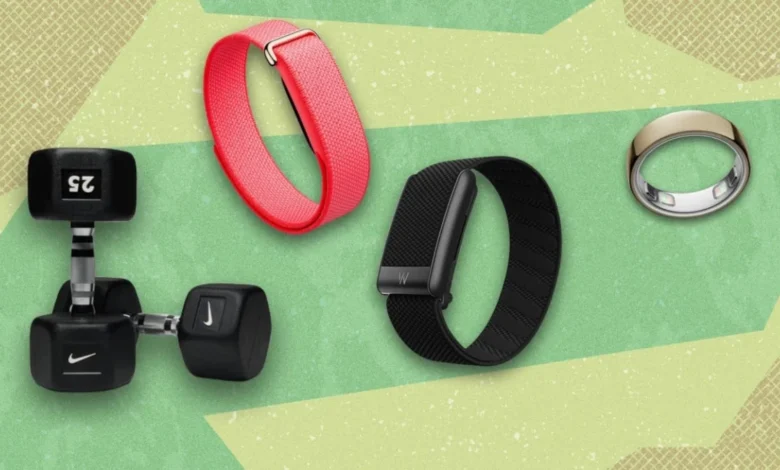
As the year draws to a close, millions of American workers face a familiar financial dilemma: spending their Flexible Spending Account (FSA) funds or losing them entirely. For decades, these pre-tax health dollars were strictly earmarked for traditional medical expenses such as doctor copays, prescription medications, vision care, and specialized medical equipment. However, a shifting landscape in preventative healthcare, combined with innovative third-party payment platforms, has opened up surprising new avenues for utilization. Today, consumers are increasingly discovering that they can legally apply pre-tax FSA and Health Savings Account (HSA) dollars toward modern wellness gear, including high-end fitness trackers, smartwatches, heart rate monitors, and home gym equipment.
Navigating the intersection of consumer technology and IRS tax code compliance requires careful attention to detail. While major brands aggressively market their wearables as FSA-eligible, the reality involves specific bureaucratic steps, medical justifications, and a nuanced understanding of federal tax regulations. Financial analysts and consumer advocates emphasize that while these purchases are entirely feasible, failing to follow the correct administrative procedures can result in denied claims or tax penalties.
The Regulatory Framework and the Letter of Medical Necessity
Under Internal Revenue Service (IRS) guidelines, standard health and wellness purchases—such as a gym membership, general running shoes, or a lifestyle-focused smartwatch—are classified as non-qualified general wellness expenses. Consequently, they cannot be purchased using pre-tax funds. To qualify for FSA or HSA reimbursement, an item must be primarily used to prevent or treat a specific medical condition diagnosed by a licensed physician.
To bridge the gap between consumer technology and medical eligibility, taxpayers must acquire a Letter of Medical Necessity (LMN). An LMN functions essentially as a specialized prescription or doctor’s note that explicitly states a piece of equipment is necessary for the mitigation, treatment, or management of a legitimate medical condition. Common qualifying conditions accepted by administrators include cardiovascular risks, obesity, pre-diabetes, chronic stress, severe sleep disorders, and joint-related mobility issues.
Securing an LMN traditionally required scheduling an in-person appointment with a primary care physician, explaining the medical rationale, and convincing the provider to issue the paperwork. However, the rise of digital health platforms has significantly streamlined this process over the past several years, transforming how consumers access preventative healthcare documentation.
The Rise of Streamlined Medical Approvals Through Third-Party Platforms
Innovative health-tech companies have emerged to simplify the qualification workflow for consumers and merchants alike. Platforms like Truemed have partnered with numerous fitness, wearable, and athletic equipment brands to integrate pre-qualification surveys directly into online checkout procedures.
When shopping on participating e-commerce sites for brands like Coros, Amazfit, and various fitness equipment manufacturers, consumers encounter an option to check out using specialized pre-tax health payment methods. Selecting this option prompts the buyer to complete a concise online health history questionnaire. An independent, licensed medical provider then reviews the submitted data to evaluate whether the requested product aligns with standard preventative care practices for the individual’s reported health markers, such as family history of hypertension or elevated cholesterol levels.
Industry executives note that this digital-first approach operates under established medical principles of risk management. According to Justin Mares, co-founder and CEO of Truemed, the evaluation mimics routine clinical consultations where physicians rely on patient intake data to address preventative health risks without immediately demanding exhaustive laboratory work. According to platform metrics, a vast majority of qualifying assessments are reviewed and processed within hours, providing consumers with rapid notification regarding their LMN status.

Despite the convenience offered by these digital health networks, experts urge consumers to exercise caution. An LMN is strictly individualized, meaning it covers a specific product purchased from a designated merchant for a singular medical condition. Furthermore, employer-sponsored health plan administrators maintain final authority over claim approvals. Even with a fully compliant LMN, certain corporate benefit administrators scrutinize lifestyle-oriented wearables more aggressively than traditional medical devices, meaning plan-level denials can occasionally occur.
Categories of Eligible Equipment and Wearable Technology
Consumers evaluating their remaining pre-tax balances before year-end deadlines will find that eligibility spans several distinct categories of health and fitness hardware.
Recovery-focused wearables, including screenless bands and smart rings manufactured by companies such as Whoop, Oura, and Amazfit, occupy a unique space in the market. Because these devices prioritize biometric tracking, sleep architecture analysis, and heart rate variability (HRV) metrics over basic step counting, they are frequently justifiable under sleep-related or stress-managed chronic conditions. However, because they are heavily marketed as lifestyle accessories, they often face higher scrutiny from plan administrators, placing greater emphasis on the thoroughness of the initial health intake evaluation.
Smartwatches and specialized heart rate monitors represent another major category of interest. While popular market leaders like Garmin face strict limitations regarding direct pre-tax purchasing, other manufacturers have integrated seamless eligibility pathways. Brands such as Coros offer comprehensive FSA and HDL eligibility across their entire lineup of performance watches and sensors through digital partner networks. Similarly, Amazfit provides designated filtering tools on its retail platforms to help consumers instantly identify qualifying items.
Beyond wearable technology, home fitness equipment has increasingly entered the conversation surrounding preventative healthcare expenditure. Following the clinical consensus that structured physical activity serves as a primary intervention for conditions such as pre-diabetes, hypertension, and high cholesterol, medical professionals are increasingly willing to endorse home exercise tools. Consequently, items like adjustable dumbbells, rowing machines, indoor cycling bikes, and strength training gear from specialized suppliers can qualify for pre-tax reimbursement when backed by an appropriate clinical attestation.
Broader Implications and Financial Best Practices
The expanding eligibility of fitness technology under flexible spending accounts reflects a broader cultural and economic shift toward proactive, data-driven healthcare. As chronic lifestyle diseases continue to impose staggering economic burdens on the healthcare system, federal policy and administrative practices have slowly adapted to encourage preventative self-care. By empowering individuals to invest in biometric monitoring devices and home exercise infrastructure using pre-tax dollars, the healthcare apparatus encourages earlier health interventions.
At the same time, financial advisors and benefits administrators remind consumers to verify their account balances and specific plan rules well in advance of annual deadlines. Because many standard FSAs operate under a "use-it-or-lose-it" rule—where unspent funds do not roll over into the subsequent calendar year—millions of dollars are forfeited annually.
For taxpayers holding surplus funds, leveraging digital health evaluation tools to acquire preventative health technology offers a practical method to extract maximum value from their employee benefits. Nevertheless, maintaining comprehensive documentation, retaining itemized receipts, and understanding the precise boundaries set by individual health plan administrators remain essential steps in avoiding administrative pushback during the reimbursement process.