Navigating the Long Road to Recovery Through Strategic Adaptation and Resilience

When a recovery timeline in front of you looks long, it is worth researching how to support it along the way; you have to change how you work on low-energy days. The intersection of physical injury and professional productivity remains a significant challenge for modern workers, particularly in an era where cognitive demands often outpace physical capacity. Recovery is not merely a period of inactivity; it is a systematic process that requires as much logistical planning as a major project launch. By re-evaluating workflow management, leveraging emerging recovery technologies, and establishing "health backups," individuals can mitigate the professional impact of physical setbacks.
The Anatomy of a Setback: Context and Psychological Framing
The psychological burden of a long-term recovery process often manifests as a feeling of endlessness. Medical experts and performance psychologists frequently note that the perception of time during recovery is distorted by the lack of agency the patient feels over their own body. A "setback," whether it be a surgical recovery or a chronic illness, is inherently temporary, yet the cognitive load associated with managing pain and reduced mobility often obscures this reality.
Research into resilience underscores the importance of evidence-based confidence. By documenting past challenges and the specific strategies used to overcome them, individuals can effectively lower the mental weight of a current injury. This process—often referred to as "evidence collection"—provides the mental bandwidth necessary to focus on practical, rather than emotional, solutions. By shifting the perspective from "suffering" to "problem-solving," the recovery process becomes a structured, manageable objective.
Chronology and the Clinical Approach to Recovery
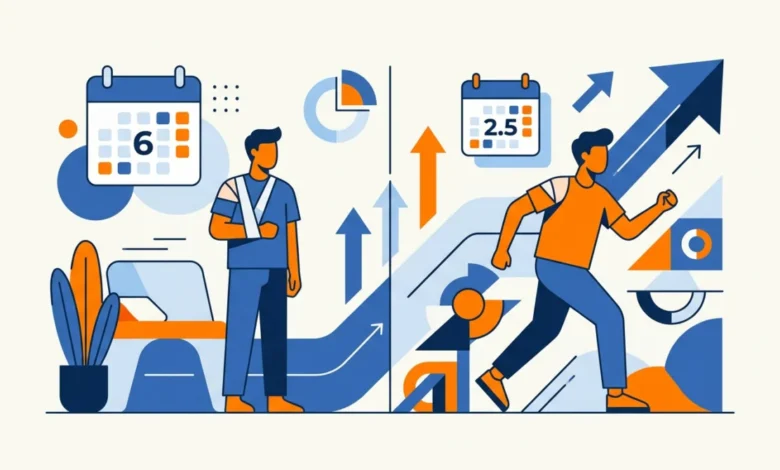
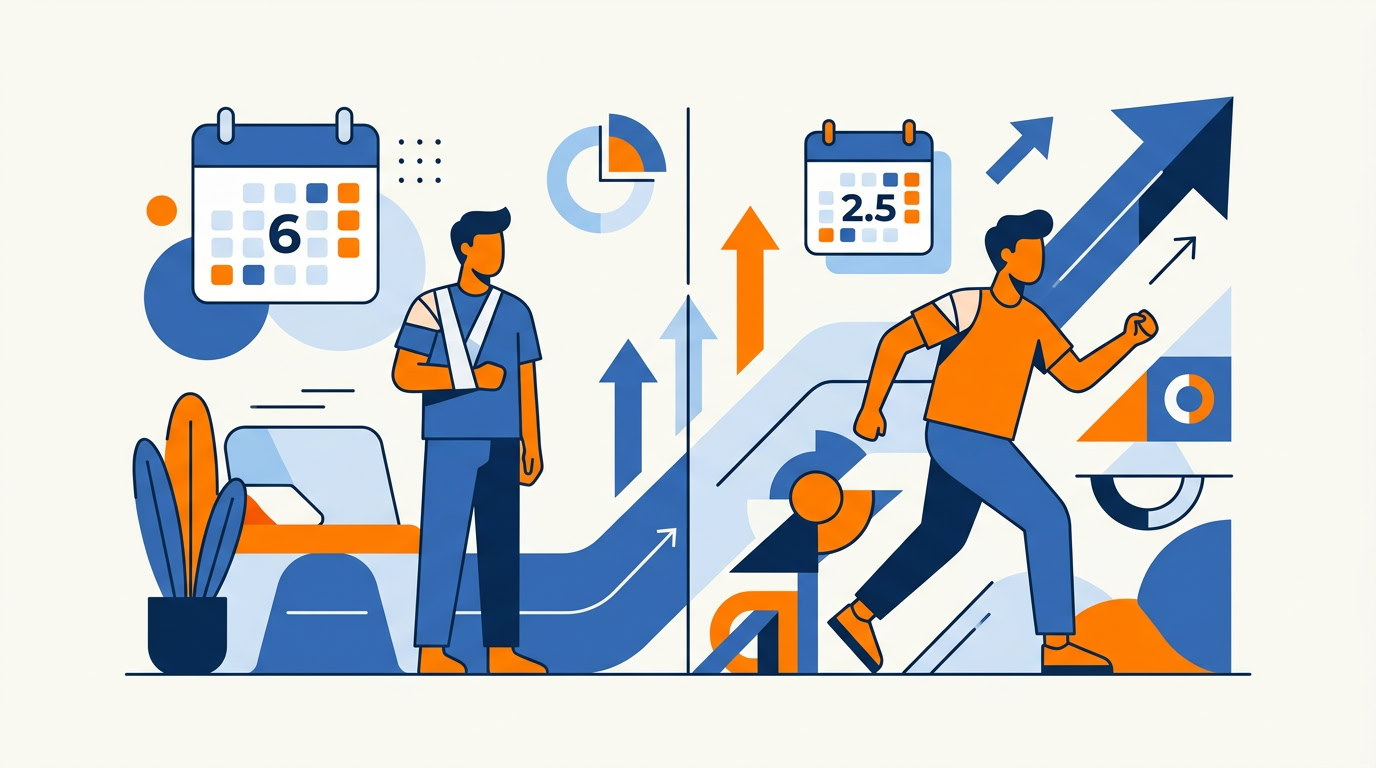
Clinical timelines for recovery, such as the period following orthopedic surgery, are rarely linear. For instance, a patient might be initially told to expect a six-month rehabilitation window. However, through aggressive adherence to physical therapy protocols and the integration of supportive technologies, some patients have demonstrated the capacity to shorten these timelines significantly.
The integration of recovery tools must follow a strict consultation process with medical professionals. Key technologies currently being explored in sports medicine and rehabilitation include:
- Electrical Muscle Stimulation (EMS/TENS): These devices create micro-contractions in muscles that may be immobilized due to casting or bracing. The primary goal is the maintenance of blood flow, which carries vital oxygen and nutrients to damaged tissues.
- Red Light Therapy (Photobiomodulation): Emerging studies suggest that specific wavelengths of light can assist in cellular repair and reduce inflammation.
- Blood Flow Optimization: Ensuring consistent circulation is the cornerstone of healing. Even when the affected area cannot be moved, maintaining systemic blood flow through controlled, low-impact activity is essential.
It is critical to note that the use of these devices must be medically supervised. The objective is to stimulate healing without risking further trauma to the site of the injury.
Redefining Productivity: The Injury-Adjusted Workflow
Traditional productivity frameworks, such as the Eisenhower Matrix, often fail during periods of injury. Categorizing tasks by urgency and importance requires a level of cognitive focus that is frequently unavailable to someone in chronic pain or on medication. When mental energy is depleted, the act of sorting tasks becomes a "tax" that consumes the very energy needed to perform them.
A more effective approach is the "Injury-Adjusted ABC Method." Under this system, the traditional list of tasks is aggressively pruned.
- Capping: Critical tasks (the ‘A’ tasks) are capped at one or two per day.
- Quality over Quantity: By focusing all available energy on a single high-quality outcome, the individual avoids the burnout associated with attempting to complete a standard-length to-do list with limited resources.
- Strategic Batching: Movement, while painful, can be optimized. Physical tasks such as retrieving water, bathroom breaks, and meal preparation should be batched into single "break blocks." This minimizes the energy expenditure associated with getting up and moving, preserving cognitive capacity for professional responsibilities.
The Ambidextrous Advantage: Leveraging Limitations
A physical limitation often forces an individual to confront neglected skills. In a professional setting, we often rely on dominant methods because they are familiar and comfortable. An injury disrupts this comfort, providing a unique opportunity to develop secondary skills.
For instance, an individual with a temporary loss of mobility in their dominant arm may find themselves forced to utilize voice-to-text software or practice keyboard-only navigation. These skills, once developed, remain long after the injury has healed, creating a "permanent upgrade" in professional efficiency. This phenomenon, termed the "ambidextrous advantage," serves as a silver lining to an otherwise restrictive physical state.
Utilizing Artificial Intelligence as a Recovery Tool
The rise of generative AI has provided a new mechanism for managing the logistical strain of recovery. Rather than spending hours researching rehabilitation exercises or modified workout routines, individuals can use AI as a high-level brainstorming tool. By providing a prompt such as, "Create a 5-day workout plan that fits the movements still available," a user can receive a structured, actionable plan in seconds.
While the AI cannot replace a physical therapist, it can act as a bridge between the patient’s current physical constraints and the need for activity. This serves to reduce the "research fatigue" that often occurs during the initial stages of a recovery timeline.
Prevention: The High Cost of the "Expensive Version"
The most effective recovery strategy is, ultimately, prevention. In the corporate world, this is often treated with the same lack of urgency as data backups. Just as one should back up digital data while the hard drive is still functioning, one should build health reserves—sleep, diet, and consistent, low-impact movement—before a physical crisis occurs.
The cost of prevention is remarkably low compared to the "expensive version" of recovery. A long-term recovery process is not just a financial burden; it represents a significant opportunity cost in terms of career momentum. By shifting the focus to proactive health management, individuals can ensure that their foundational systems are robust enough to withstand the inevitable strains of a high-performance career.
Fact-Based Analysis of Implications
The broader implications of these strategies are significant. As the modern workforce continues to embrace remote and flexible work environments, the ability to manage one’s own health and productivity during periods of adversity becomes a core professional competency.
- Economic Impact: Companies that encourage "health backups" and provide resources for physical and mental maintenance see lower absenteeism and higher long-term retention.
- Technological Integration: The adoption of wearable technology and AI-driven health planning is shifting from a niche interest to a standard requirement for professional longevity.
- Societal Shift: There is a growing movement toward recognizing that professional performance is inextricably linked to physiological health. The "hustle culture" of the past decade is being replaced by a more sustainable model that views recovery as a component of peak performance, rather than an impediment to it.
In summary, the path to overcoming an endless-feeling setback lies in the granular management of one’s daily energy. By auditing the to-do list to match current capabilities, leveraging technology to handle the logistical load of recovery, and proactively maintaining health before injuries occur, professionals can successfully navigate long-term recoveries without sacrificing their long-term career goals. The evidence is clear: when the body hits a limit, the system must adapt. Those who adapt early and with intent not only survive the recovery period but often emerge with improved processes and a more resilient professional identity.
Related posts: