Mastering the Interview Turn: Essential Questions Every Jobseeker Should Ask Employers to Secure Their Next Role

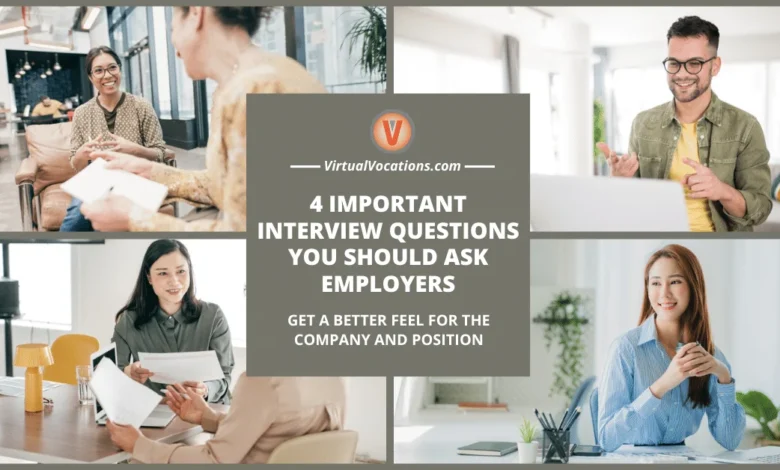
The modern job search landscape has evolved dramatically, shifting from rigid, one-sided interrogations to dynamic, bilateral evaluations where both employer and candidate assess mutual fit. While countless career guides focus extensively on how to answer behavioral questions, conquer technical assessments, and draft compelling cover letters, a critical phase of the interview process is frequently overlooked: the moment the hiring manager turns the tables and asks, "Do you have any questions for us?" For many jobseekers, this prompt triggers anxiety, leading to blank stares or hurried, generic responses like "I think we covered everything." However, employment experts and human resources professionals emphasize that this juncture is not merely a formality; it is a pivotal opportunity to influence hiring decisions, demonstrate critical thinking, and evaluate whether the organization aligns with professional goals and lifestyle needs, particularly in an era dominated by remote and hybrid work environments.
To understand the weight of this interview phase, one must examine the fundamental psychology of modern recruitment. According to recent talent acquisition surveys conducted by major human resource associations, hiring managers consistently rank candidate engagement and inquiry quality as top indicators of genuine interest and cultural alignment. When a candidate asks thoughtful, well-researched questions, they signal to the panel that they are not merely seeking any employment, but rather a strategic partnership where they can add tangible value. Conversely, failing to ask questions can inadvertently convey apathy, lack of preparation, or a passive work ethic.
The historical context of the job interview sheds light on why this dynamic has shifted. Decades ago, corporate hiring models favored hierarchical structures where employers held all the leverage, dictating terms while candidates competed in a buyer’s market. Today, particularly within knowledge-based industries, technology sectors, and remote work ecosystems, talent scarcity and the rise of decentralized employment have inverted this power balance. Professionals now prioritize workplace flexibility, robust onboarding frameworks, and transparent corporate cultures. Consequently, the interview has transformed into a mutual vetting process. Candidates must utilize their allotted Q&A time to extract vital data about management styles, operational transparency, and long-term viability, ensuring they do not step into a dysfunctional or misaligned professional environment.
Navigating this critical interview phase requires a structured approach and strategic preparation. Career development specialists recommend arriving at every interview with a curated list of three to five open-ended, highly relevant questions. These inquiries should span several key operational categories: day-to-day responsibilities, organizational timelines, integration procedures, and competitive differentiation. By categorizing questions in this manner, candidates ensure they gather a comprehensive overview of the position while maintaining a professional and engaging dialogue.
Unpacking the Day-to-Day Realities of the Role
One of the most foundational inquiries a candidate can make addresses the practical, day-to-day execution of the job. While formal job descriptions provide an overarching summary of duties and performance metrics, they frequently fail to capture the nuanced realities of daily workflows, cross-functional dependencies, and immediate operational hurdles.
For remote and hybrid workers, this question carries exponential significance. The physical separation inherent in telecommuting requires a deep understanding of structural communication protocols, schedule flexibility, and expectations regarding availability. By asking an interviewer to describe a typical workday, a candidate opens a window into the company’s operational rhythm. Will they be expected to adhere to rigid, synchronous working hours, or does the organization embrace asynchronous communication models that prioritize output over constant online presence? Furthermore, this inquiry allows candidates to gauge how teams collaborate across geographic boundaries, revealing the technological infrastructure and management philosophy supporting the remote workforce.
Navigating the Hiring Timeline and Managing Expectations
Anxiety surrounding the post-interview waiting period is a universally shared experience among jobseekers. The silence that often follows a promising conversation can induce significant stress, leaving candidates uncertain about whether to follow up or continue aggressively applying elsewhere. Addressing this directly by inquiring about the hiring timeline offers a proactive solution.
When framed professionally, asking about the next steps in the recruitment process demonstrates enthusiasm, organization, and forward-thinking. It signals to the hiring manager that the candidate views the opportunity seriously and is eager to plan their professional trajectory accordingly. Crucially, this question establishes clear expectations, providing the candidate with a realistic timeframe for decision-making. If an interviewer outlines a two-week review period followed by reference checks, the candidate can manage their anticipation and execute follow-up communications with appropriate timing and etiquette, avoiding the pitfalls of appearing overly aggressive or impatient.

Evaluating Onboarding Structures and Employee Integration
The success or failure of a new hire is frequently determined during the first ninety days of employment. For remote employees, a structured, comprehensive onboarding process is not just a perk—it is an absolute necessity. Without the benefit of physical proximity to colleagues, spontaneous desk-side chats, or casual office orientation, remote workers who lack structured integration can quickly feel isolated, disoriented, and set up for failure.
Consequently, asking about the onboarding process is a vital self-preservation strategy for jobseekers. Candidates should seek to understand whether the organization provides formalized training modules, dedicated mentorship programs, structured check-ins with management, and immediate access to the software tools and resources necessary to perform their duties effectively.
Industry analysts note that a company’s inability or hesitation to clearly articulate its onboarding procedure can serve as a significant red flag. If an interviewer struggles to explain how a new hire is integrated, trained, and supported, it may indicate a lack of operational maturity, disorganized management, or a sink-or-swim culture where employees receive minimal institutional backing. Identifying these warning signs during the interview stage empowers candidates to protect their career trajectories and avoid toxic or unsupportive work environments.
Analyzing Competitive Differentiation and Corporate Values
The final tier of strategic interview questions focuses on macro-level organizational dynamics: specifically, what distinguishes the company from its industry competitors. This inquiry achieves two critical objectives. First, it demonstrates that the candidate has conducted thorough pre-interview research regarding the company’s market position, business model, and competitive landscape. Second, it prompts the hiring manager to articulate the core values, strategic advantages, and cultural priorities that drive the organization forward.
The responses to this question often yield profound insights into the corporate ethos. Depending on how the interviewer answers, the candidate may uncover details regarding innovative employee benefits, internal mobility pathways, professional development investments, or specific leadership philosophies. In an employment market where cultural alignment and shared values heavily influence job satisfaction and retention, understanding what makes a business uniquely successful helps candidates determine whether the organization is an environment where they can thrive, grow, and build a sustainable long-term career.
Comprehensive Preparation and the Broader Implications for the Workforce
Ultimately, mastering the art of the interview Q&A requires recognizing that preparation begins long before stepping into a conference room or logging onto a video call. Jobseekers must balance the pressure of answering inbound questions with the proactive formulation of outbound inquiries. Utilizing established career resources, such as interview preparation guides and resume optimization services provided by professional employment platforms like Virtual Vocations, can significantly enhance a candidate’s readiness and overall confidence.
The broader implications of this two-way interview dynamic extend far beyond individual hiring outcomes. As labor markets continue to prioritize transparency, equity, and workplace flexibility, the ability of candidates to critically evaluate employers during the interview stage drives higher standards across entire industries. When jobseekers consistently demand clarity regarding onboarding, daily workflows, and corporate differentiation, they compel companies to refine their operational structures, improve management training, and foster healthier, more supportive work cultures.
As remote and hybrid employment models solidify their permanence in the global economy, the interview process will only continue to demand higher levels of mutual evaluation. Candidates who invest time in preparing thoughtful, targeted questions do more than secure a job offer—they assert agency over their professional lives, laying the foundation for long-term career fulfillment, organizational alignment, and mutual success in an increasingly competitive marketplace.