The Dad Bod Challenge: Leveraging Financial Incentives and Social Accountability for Health Optimization


The intersection of behavioral economics and physical fitness is gaining traction as a new framework for health management. Known as the "Dad Bod" or "Mom Bod" challenge, this structured, group-based health intervention relies on high-stakes financial penalties and social accountability to drive body recomposition—the simultaneous process of losing body fat while increasing lean muscle mass. By formalizing fitness goals through contractual financial agreements, participants are reporting higher adherence rates compared to traditional, self-directed workout regimes.
The Mechanism of Financial Deterrence
At the core of these challenges is the application of "loss aversion," a principle in behavioral psychology which suggests that the pain of losing money is psychologically twice as powerful as the joy of gaining an equivalent amount. In a recently documented challenge involving a cohort of ten participants, a $5,000 penalty was established to ensure commitment.
The financial structure serves as an external enforcement mechanism for lifestyle modifications that might otherwise be abandoned. For participants who face unforeseen hurdles, some programs have introduced a "lifeline" system—allowing for a paid extension of the deadline. In this specific case, a $500 weekly fee allows participants to extend their timeline by up to four weeks. While this provides a safety net, experts note that the effectiveness of the challenge is predicated on the "pain" of the penalty; if the cost is not sufficiently high, the motivation to sustain rigorous physical exertion and caloric restriction wanes.
Chronology and Physiological Hurdles
For many participants, the challenge represents a transition from sedentary mid-life habits to a structured athletic regimen. Data from a representative participant—a 49-year-old male, 5’10" tall—highlights the complexities of body recomposition. Over an initial 45-day period, the participant utilized a regimen of cardiovascular activity, including tennis and pickleball, combined with targeted nutritional adjustments.

Despite the intensity of the effort, the initial results underscored the difficulty of recomposition. While the participant lost 2.6 pounds of fat, they gained 1.4 pounds of lean tissue, resulting in a net weight loss of only 1.2 pounds. This discrepancy highlights a common misunderstanding in fitness tracking: the bathroom scale often fails to capture the nuance of body composition changes. Professional analysis suggests that as individuals age, particularly after the age of 40, the body becomes more susceptible to muscle loss, making the maintenance or growth of lean mass a critical, yet difficult, objective.
The Scientific Challenge of Simultaneous Recomposition
Physiologically, the human body typically prioritizes either catabolic processes (fat loss) or anabolic processes (muscle gain). Achieving both concurrently requires a delicate balance of caloric deficit and high-protein intake, coupled with progressive resistance training.
The requirement for muscle growth is high-intensity stimulus, often defined as training to "failure," where the muscle fiber is sufficiently exhausted to trigger repair and hypertrophy. However, for older participants, this approach carries a significant risk of injury to joints and tendons. Reports from the participant cohort indicate that incidents of bicep, tricep, and pectoral strains are not uncommon. This introduces a "success-failure paradox": the intensity required to win the challenge is the same intensity that increases the probability of an injury that could force a participant to withdraw.
Comparative Analysis: Fitness and Finance
The structural parallels between building wealth and building physical health are significant. Both domains require discipline, measurement, and a long-term horizon.
- Measurement and Data Integrity: Just as net worth provides a comprehensive view of financial health, DEXA scans provide the only accurate reading of body composition. Relying on simple weight tracking is akin to looking only at cash flow without considering debt obligations.
- The Discipline of Routine: The challenge forces participants to prioritize health at hours that might otherwise be neglected, such as early mornings or late evenings. This consistency, when practiced over a span of 100 to 180 days, often cements health-conscious habits that persist long after the financial contract has expired.
- The Variable Starting Point: Just as individuals enter the financial market with different levels of capital and socioeconomic advantages, participants in fitness challenges start with varying genetic predispositions. Some possess high metabolic rates or existing lean mass, while others struggle with physiological resistance to weight loss. Challenges that fail to account for these baseline differences can lead to frustration, though participants are increasingly encouraged to view their progress relative to their own starting point rather than in direct competition with others.
Broader Public Health Implications
The emergence of these challenges reflects a growing recognition that personal willpower is often insufficient to combat the sedentary nature of modern professional life. By integrating social pressure—the desire not to let down fellow group members—with financial stakes, these challenges simulate the structure of professional sports training.
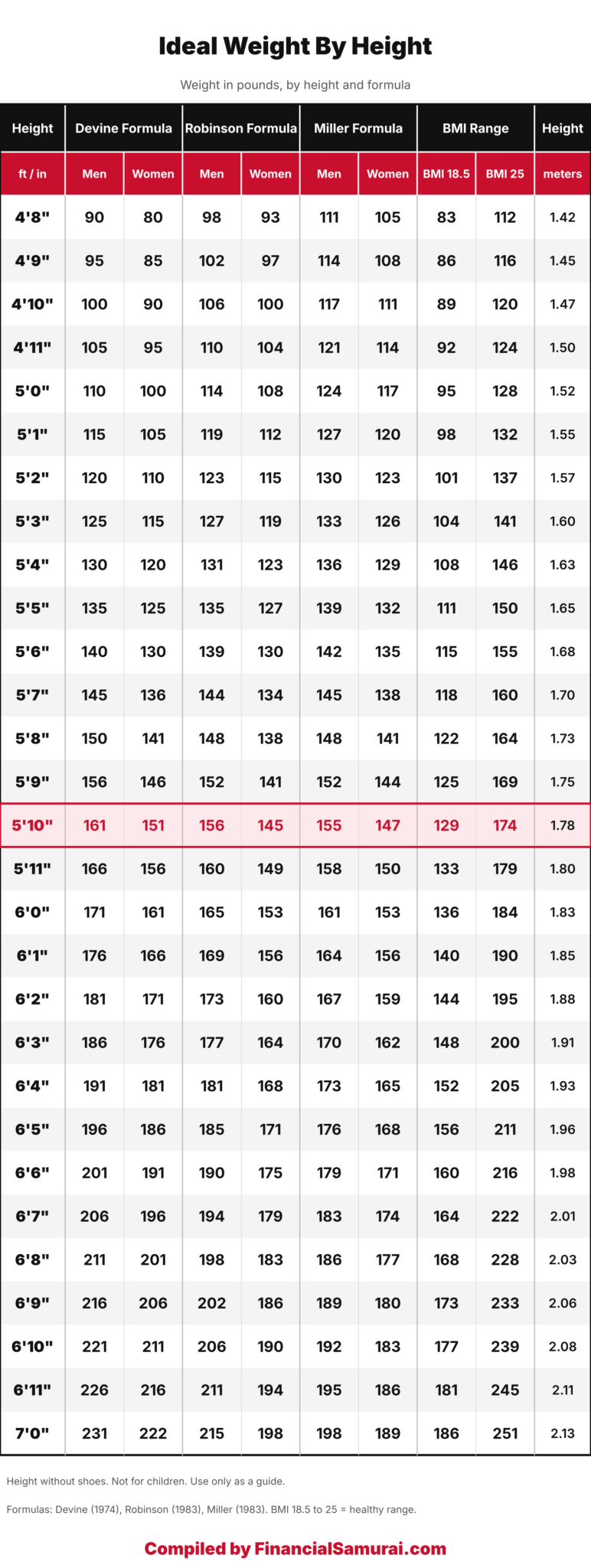
Beyond the immediate physical benefits, there is a secondary economic impact: the improvement of health metrics. Many participants utilize the conclusion of such challenges to reassess their life insurance policies. As health classes are determined by weight, blood pressure, and body mass index (BMI), individuals who successfully complete a body transformation often qualify for lower insurance premiums.
Expert Perspectives on Sustainability
Medical professionals and fitness coaches observe that while these challenges are effective catalysts for short-term change, their long-term success depends on the "pay it forward" mentality. Many groups foster environments where participants share nutritional knowledge—such as the importance of protein distribution throughout the day—and fitness techniques.
The social element also serves to dismantle the "lack of time" excuse often cited by working parents. When a peer group consists of entrepreneurs and high-level professionals, the justification that one is "too busy" to exercise loses its validity. This peer-driven accountability is arguably the most significant factor in long-term behavioral change.
Conclusion: The Future of Contractual Health
The Dad Bod Challenge represents an evolution in how individuals approach personal wellness. By treating health as a serious, measurable project with tangible consequences, participants are finding success where casual efforts failed.
The data from ongoing challenges suggests that while the financial penalty provides the initial impetus, the true value lies in the acquisition of knowledge and the establishment of sustainable, long-term habits. As these cohorts conclude, the emphasis is shifting from the final weight on the scale to the broader goal of life extension—ensuring that participants maintain the physical capacity to engage in activities with their families well into their later years. Whether the penalty is $500 or $50,000, the efficacy of the model lies in the participant’s willingness to treat their health with the same rigorous standard as their financial portfolio.