The Rise of Vibecoding and the Unprecedented Surge of AI-Generated Software on the Apple App Store

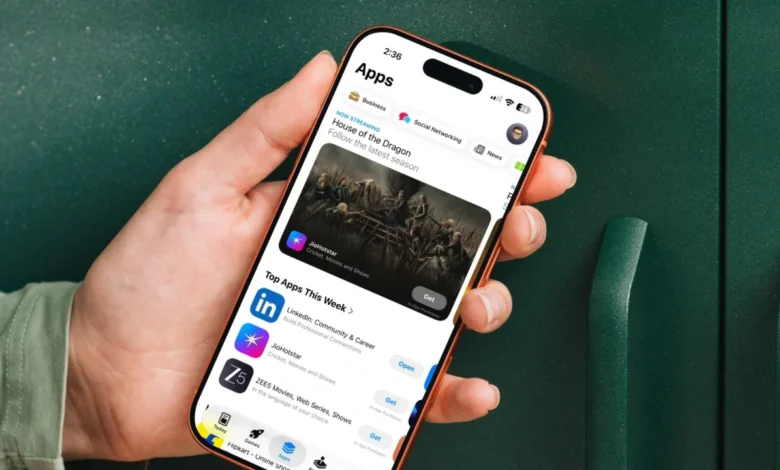
The Apple App Store is currently navigating the most significant influx of new software submissions in its nearly two-decade history, a phenomenon driven largely by the emergence of "vibecoding." According to recent data from the analytics firm Sensor Tower, developers submitted approximately 600,000 new applications to the platform in 2025, representing a 30 percent increase over the previous year. This trajectory has accelerated sharply in 2026, with roughly 560,000 new apps submitted in the first six months alone. If this pace continues, the App Store is on track to facilitate over 1.1 million new releases by the end of the year, a volume that would shatter all previous records and fundamentally alter the landscape of the digital economy.
This surge is attributed to the democratization of software development through generative artificial intelligence. "Vibecoding"—a term describing the process where individuals with little to no formal programming training use AI tools like Large Language Models (LLMs) to write, debug, and ship code—has lowered the barrier to entry for the App Store. By describing desired features in natural language, "vibecoders" can generate complex functional code, allowing them to bypass years of technical education and enter the marketplace as independent developers.
The Historical Context: From Professional Gold Rush to AI Democratization
To understand the magnitude of the current spike, it is necessary to examine the App Store’s historical submission patterns. Since its inception in 2008, the App Store has undergone several distinct phases of growth and contraction.
- The Early Innovation Era (2008–2012): Following the launch of the iPhone 3G, the App Store saw a rapid expansion as professional developers rushed to define the "mobile-first" experience.
- The Maturity Phase and Peak (2013–2016): Submissions peaked in 2016 at approximately 890,000 new releases. During this time, the market was dominated by professional studios and independent developers with high technical proficiency.
- The Consolidation and Decline (2017–2022): Following the 2016 peak, the number of new submissions began a steady decline. By 2022, the count had bottomed out at roughly 420,000 new apps. Analysts attributed this to market saturation, increased competition from established tech giants, and the rising difficulty of gaining visibility in a crowded storefront.
- The AI Rebound (2023–Present): The release of advanced generative AI models in late 2022 and throughout 2023 provided the catalyst for the current reversal. The barrier to entry has moved from "knowing how to code" to "knowing how to prompt."
Unlike the 2016 peak, which was characterized by high-investment projects from seasoned developers, the 2026 surge is populated by hobbyists and "solopreneurs." A notable example cited by the New York Times involves a Chicago-based engineer with no prior app development experience. Using AI tools, he developed his first application over seven weeks, garnering 1,300 downloads. His second project, completed in just one week using refined AI workflows, achieved 20,000 downloads. This rapid iteration and success have prompted a new wave of individuals to treat app development as a high-volume, low-overhead business model.
The Disconnect Between Quantity and Engagement
While the volume of submissions is skyrocketing, consumer behavior is not keeping pace. Data from Sensor Tower indicates that App Store downloads grew by only 3 percent in 2025 and have increased by a mere 2 percent in the first half of 2026. This creates a significant "utility gap"—the number of apps available is growing exponentially faster than the number of apps people actually want to use.
This discrepancy presents a strategic challenge for Apple. The company’s revenue model relies heavily on its "Apple Tax"—the 15 to 30 percent commission it takes from in-app purchases and subscriptions. If the majority of the 560,000 new apps submitted this year fail to gain traction or provide meaningful value to users, they generate zero commission for Apple while simultaneously increasing the operational costs associated with hosting, reviewing, and securing the software.
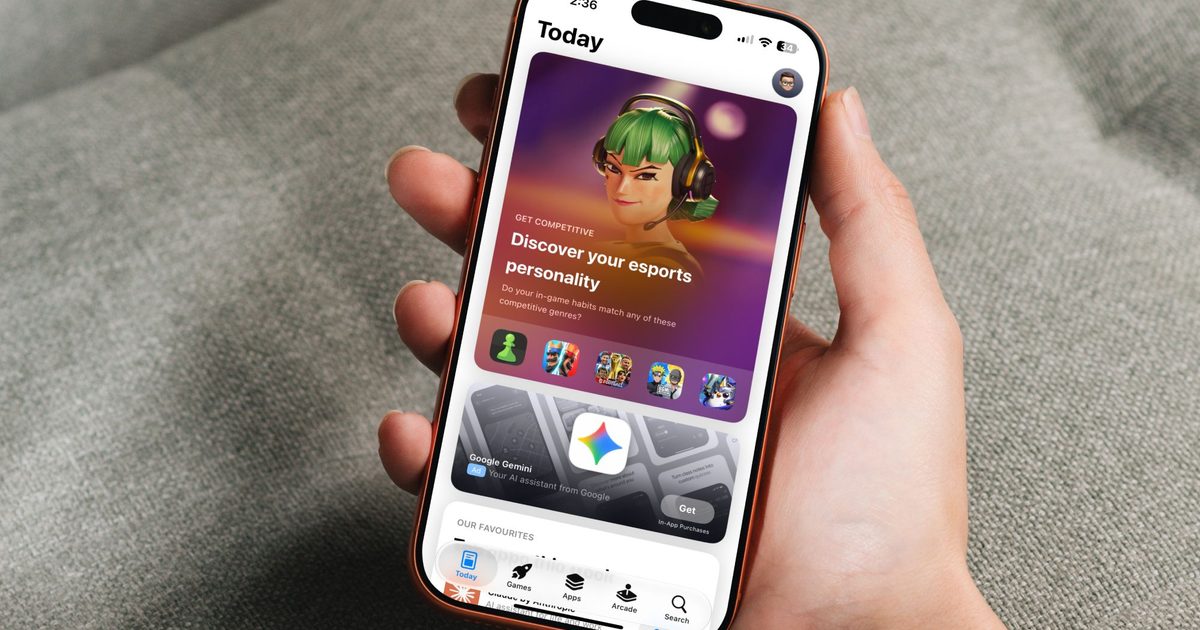
In response to these findings, an Apple spokesperson argued that download numbers do not encapsulate the full value of the ecosystem. The company maintains that a diverse and rapidly expanding library of apps provides users with more niche choices, even if those apps do not achieve mass-market success. However, industry analysts suggest that if the App Store becomes flooded with low-quality or redundant software, the user experience could degrade, leading to "choice paralysis" and decreased trust in the platform.
Operational Strain and the Review Bottleneck
Apple’s "walled garden" philosophy dictates that every application must undergo a manual and automated review process before it is allowed on the store. This process is designed to ensure that apps meet strict standards for privacy, security, and functionality. The sudden 30 to 50 percent increase in volume has reportedly placed a significant strain on Apple’s review teams.
Developer forums have become hubs for complaints regarding extended wait times. Some developers report that approval processes, which typically took 24 to 48 hours, are now stretching into several weeks. Furthermore, communication from Apple’s review team has reportedly become more automated and less descriptive, leaving developers in the dark about why their submissions are being flagged or delayed.
Apple has officially disputed these claims. The company informed the New York Times that it continues to clear approximately 90 percent of all submissions within 48 hours. Despite this assurance, the perception of a bottleneck remains prevalent in the developer community, leading to concerns that high-quality, professionally developed apps are being "lost in the noise" of the vibecoding surge.
The Quality Crisis: The Rise of "Vibe-Coded" as a Pejorative
The most significant impact of the AI-driven submission surge is not quantitative, but qualitative. On platforms like Reddit and specialized developer communities, "vibecoding" has taken on a negative connotation. Users are increasingly wary of apps that show signs of being generated entirely by AI without human oversight.
Common criticisms of these apps include:
- Redundancy: A massive influx of nearly identical "wrapper" apps—software that simply provides a slightly different interface for an existing AI service (like a custom ChatGPT UI).
- Technical Instability: Because many vibecoders cannot read or debug the code the AI generates, these apps often contain "hallucinated" logic or security vulnerabilities that the creator is unable to fix.
- Lack of Originality: Many AI-generated apps are "copycats" of existing successful software, created by prompting an AI to "build something like CleanMyMac but free."
The community reaction has been swift. The moderators of the r/iosapps subreddit recently implemented a tiered moderation system to combat the flood of low-effort submissions. Apps without a proven track record, GitHub repository, or established developer credentials are now relegated to a "megathread," effectively removing them from the main feed. Furthermore, the subreddit now requires a "Vibe Coded" flair, which is treated as a more critical piece of information than the app’s price or subscription model.
Security Implications and the Risk of "Bad Actors"
Phillip Shoemaker, who served as the head of the App Store’s review team from 2009 to 2016, noted that while a flood of mediocre apps is an aesthetic problem, the real danger lies in security. Generative AI makes it easier for malicious actors to create sophisticated-looking apps that hide "grayware" or data-harvesting scripts.
Reviewers, faced with an unprecedented volume of code, may find it increasingly difficult to spot subtle malicious patterns hidden within thousands of lines of AI-generated script. If a vibecoded app is "broken" because the developer didn’t understand the code, it is a nuisance; if it is intentionally designed to bypass security protocols, it becomes a liability for the entire iOS ecosystem.
Analysis: The Future of the App Store Ecosystem
The "vibecoding" surge represents a crossroads for Apple. On one hand, the democratization of software development aligns with Apple’s long-standing marketing of the iPad and Mac as tools for "the creators." On the other hand, the App Store’s reputation for quality is its primary competitive advantage over more open platforms.
If Apple cannot find a way to distinguish between "AI-assisted innovation" and "AI-generated noise," the App Store risks entering a period of terminal clutter. To address this, Apple may eventually be forced to use AI to fight AI—implementing more advanced machine learning models within the review process to automatically flag low-effort or redundant code.
Furthermore, the surge may lead to a shift in how apps are discovered. If the main App Store charts become unreliable due to the sheer volume of new entries, users may rely more heavily on third-party curation, editorial recommendations, and trusted developer "brands." The era where an unknown developer could launch a simple app and find overnight success may be coming to an end, replaced by an environment where trust and technical pedigree are the only ways to cut through the digital noise.
In conclusion, while the statistics show a thriving, high-growth environment for the App Store, the underlying reality is more complex. The transition from professional coding to "vibecoding" has unlocked a new level of human creativity, but it has also created a significant challenge for the world’s most valuable storefront. As 2026 progresses, the industry will be watching closely to see if Apple can maintain its "walled garden" or if the sheer volume of AI-generated software will force the company to rethink the very nature of its platform.