LG Faces Growing Backlash Over Automatic Installation of Monitor App and Invasive Data Collection Practices on Windows Systems

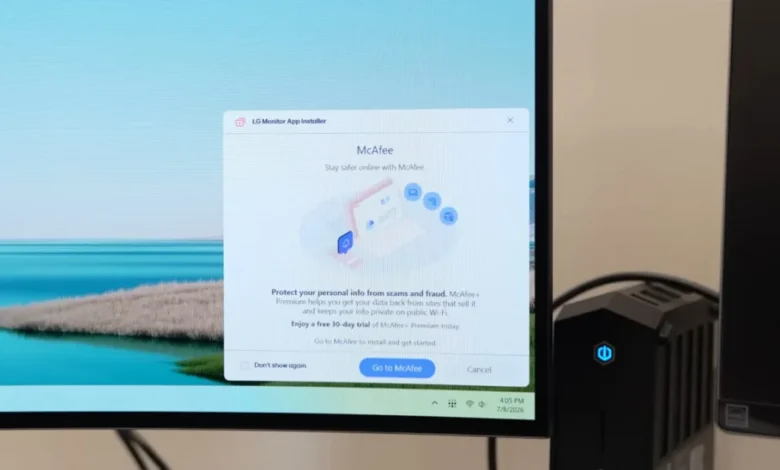
The consumer electronics landscape is currently grappling with a significant controversy as owners of high-end LG computer monitors report the unauthorized installation of the "LG Monitor App Installer" on their Windows-based systems. This phenomenon, which occurs without explicit user consent or a prior notification prompt, has sparked a heated debate regarding digital privacy, consumer rights, and the increasingly blurred line between hardware drivers and invasive software. For users who have invested heavily in premium hardware—with some LG monitors retailing for well over $1,000—the discovery of what many categorize as "bloatware" or "adware" integrated into their operating systems represents a breach of trust and a potential security risk.
The issue first gained significant traction following an investigative report by Steve Burke of Gamers Nexus, a prominent hardware news outlet. Burke and numerous other users documented instances where the LG software was pushed to PCs via Windows Update, a service typically reserved for critical operating system patches and hardware drivers. However, instead of providing essential functionality, the LG Monitor App Installer has been observed serving advertisements and requesting expansive permissions that many security experts deem unnecessary for the operation of a display peripheral.
The Scope of Data Collection and Privacy Concerns
At the heart of the controversy is the nature of the data the LG Monitor App Installer is authorized to collect. According to technical analyses and the application’s own terms of service, once the software is embedded in the system, LG technically gains the authority to utilize "all system resources." This broad mandate is accompanied by a comprehensive list of data points that the application can harvest. These include, but are not limited to, the user’s precise geolocation, device-specific metadata, comprehensive online activity logs, contact lists, user credentials, and financial transaction history.
The disparity between the function of a monitor—to display visual data—and the data harvesting capabilities of its companion software has raised alarms within the cybersecurity community. Critics argue that there is no functional justification for a monitor utility to access a user’s contacts or transaction history. This level of access is more characteristic of data-mining operations than hardware management tools. For professionals working in sensitive environments or gamers who value system performance, the presence of an uninvited application consuming system resources and monitoring behavior is viewed as an unacceptable intrusion.
Furthermore, the software has been identified as a delivery vehicle for third-party applications. The description for the LG Monitor App Installer on the Microsoft Store explicitly states that the utility is designed to help users "easily install and use apps supported by your monitor," specifically listing McAfee antivirus as one of the featured offerings. This "bundleware" approach, while common in low-end laptops, is increasingly being viewed as predatory when applied to premium, standalone components.
The Role of Windows Update and Microsoft Policy
The mechanism by which this software reaches user systems is a critical component of the controversy. The LG Monitor App Installer is not being manually downloaded by users; rather, it is being delivered through the Windows Update infrastructure. This is made possible by Microsoft’s policies regarding Universal Windows Platform (UWP) device apps.
According to Microsoft’s developer documentation, the Windows operating system is designed to allow certain device-specific applications to install automatically when a peripheral is connected to a PC. This feature is active by default if a user selects "Recommended Settings" during the initial Windows installation, remains connected to the internet, and is signed into the Microsoft Store. Microsoft’s own documentation acknowledges the potential for friction, stating: "The automatic installation feature does not provide a notification to the user when the app is installed. Some users may find this experience confusing and frustrating and give your app a bad rating."
Despite this internal acknowledgement of user frustration, the policy remains a cornerstone of the Windows hardware ecosystem. It allows manufacturers like LG to bypass the traditional installation wizard, effectively forcing software onto a user’s machine under the guise of "improving the user experience." This systemic approach has transformed Windows Update from a security tool into a marketing channel, a shift that many privacy advocates believe undermines the integrity of the Windows operating system.
A Growing Industry Trend: The "Bloatware" Epidemic
LG is not the only hardware manufacturer to face scrutiny for these practices. The incident is part of a broader, more systemic trend where peripheral and component vendors use their hardware as a "Trojan horse" for software ecosystems.
- Razer: The gaming peripheral giant has long been criticized for its "Synapse" software, which often prompts for installation as soon as a mouse or keyboard is plugged in. Users have reported that the software can be difficult to bypass and requires an account for full functionality.
- Logitech: Users of Logitech’s G-Hub and older productivity software have frequently complained about the "forced" nature of software updates and the inclusion of features that some deem unnecessary for basic hardware operation.
- Asus and Gigabyte: Motherboard manufacturers have been caught using a Windows feature called the "Windows Platform Binary Table" (WPBT) to inject software directly from the BIOS into the Windows operating system during boot-up. This method is particularly controversial because the software can reinstall itself even after a clean installation of Windows.
The common thread among these companies is the transition from a "one-time sale" hardware model to a "recurring engagement" software model. By forcing users into a proprietary software environment, manufacturers can collect valuable telemetry data, serve advertisements, and push subscription services, thereby creating long-term revenue streams from a single hardware purchase.
Timeline of the LG Software Proliferation
The reports regarding the LG Monitor App Installer suggest that while the practice has existed for several years, its intensity and reach have increased recently.
- Circa 2021-2022: Initial reports of LG software appearing on systems began to surface on community forums like Reddit, though they were often dismissed as isolated incidents or related to specific "Smart" monitor models.
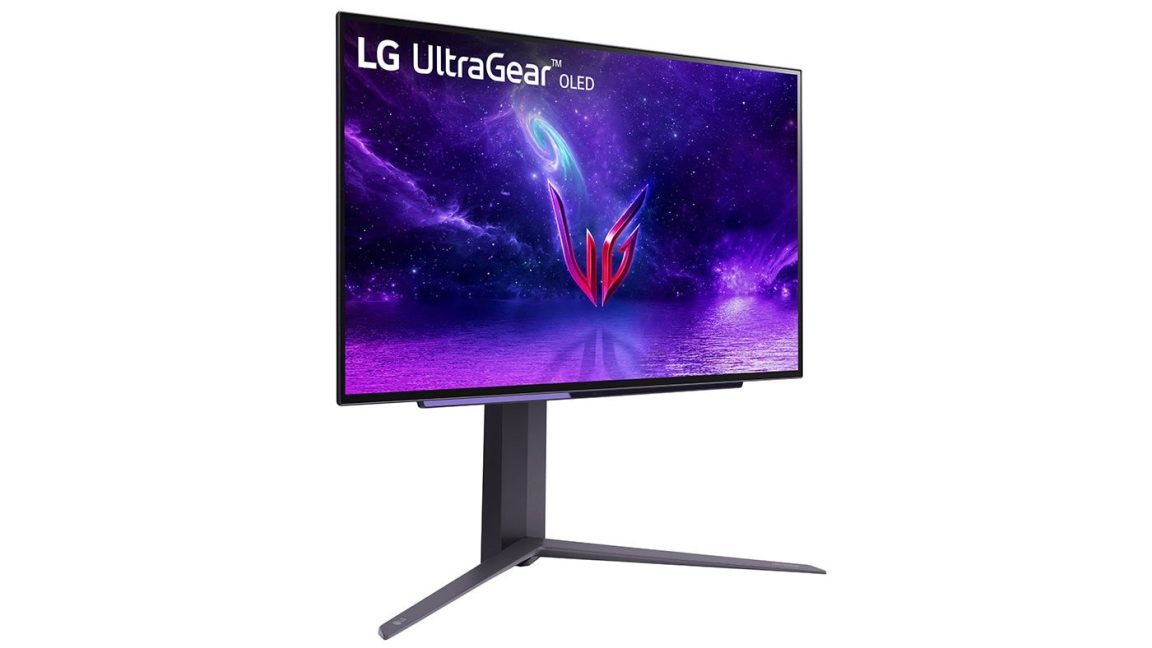
- 2023: A surge in reports indicated that even standard, non-smart gaming monitors (such as the UltraGear series) were triggering the installation.
- Mid-2024: High-profile tech journalists and hardware analysts, including the team at Gamers Nexus, began documenting the phenomenon on monitors that were several years old. Steve Burke noted that he began seeing the pop-up ads on monitors purchased three years prior, suggesting that LG may have retroactively enabled this feature through firmware or driver updates.
- Present: The issue has reached a boiling point, with users across various regions reporting that the "LG Monitor App Installer" is appearing on their systems regardless of whether they ever intended to use LG’s software suite.
Official Responses and Unanswered Questions
In response to the growing outcry, several media outlets, including Ars Technica, have reached out to LG for clarification. Inquiries have focused on several key areas: the specific list of monitor models affected, the functional necessity of the "all system resources" permission, and the rationale behind the lack of a "consent" prompt during installation.
As of the current reporting period, LG has acknowledged receipt of these inquiries but has yet to provide a detailed or satisfactory response. The company’s silence has only fueled further speculation and frustration among its customer base. Microsoft has also remained largely silent on the specific implementation by LG, pointing instead to its existing developer documentation regarding UWP auto-installation.
The lack of transparency from both the hardware manufacturer and the operating system provider has left users in a precarious position. Without a clear statement on how to opt-out or what data has already been collected, many users have taken to manual workarounds, such as blocking specific LG domains at the router level or using third-party tools to "debloat" Windows and prevent unauthorized app installations.
Analysis of Implications: Trust, Ethics, and the Future of Hardware
The forced installation of the LG Monitor App Installer carries implications that extend far beyond a few annoying pop-up ads. It touches upon the fundamental ethics of the modern tech industry. When a consumer pays a premium price—often exceeding $1,000—for a piece of hardware, there is an implicit expectation that the product belongs to the user, not the manufacturer. By retaining control over the user’s operating system through forced software, LG and its peers are effectively challenging the concept of product ownership.
From a cybersecurity perspective, every uninvited piece of software is a potential "attack surface." If the LG Monitor App Installer has vulnerabilities, it could be exploited by malicious actors to gain the very "all system resources" permissions that LG has claimed. By forcing this software onto millions of machines, LG has inadvertently created a massive, centralized target for hackers.
Furthermore, the monetization of user data as a supplement to hardware sales suggests a declining value in the hardware itself. If a $1,300 OLED monitor is not profitable enough to exist without harvesting a user’s transaction history, it points to a significant shift in the economic realities of the electronics industry.
For the broader market, this incident may serve as a catalyst for legislative action. In regions like the European Union, under the General Data Protection Regulation (GDPR), the "opt-out" nature of these installations and the lack of "informed consent" could potentially lead to significant legal challenges and fines. In the United States, consumer protection agencies may begin to look more closely at "dark patterns" used in hardware-software integration.
In conclusion, the situation surrounding LG’s Monitor App Installer serves as a stark reminder of the current state of digital privacy. As hardware becomes increasingly connected, the "terms and conditions" of our physical devices are becoming just as invasive as those of our social media platforms. For LG, the short-term gains of data collection and ad revenue may come at the long-term cost of brand loyalty and consumer trust, as users look toward manufacturers who respect the boundaries of the digital home.