Tech Entrepreneur Jeff Atwood Pledges Half His Wealth to Revitalize the American Dream, Calls for Democratic Reform and Collective Empathy


Jeff Atwood, co-founder of influential tech platforms Stack Overflow and Discourse, has announced a significant philanthropic initiative, pledging half of his remaining family wealth over the next five years to support and preserve the American Dream. The announcement, made through a deeply personal yet publicly framed statement, highlights an immediate commitment of eight $1 million donations to non-profit organizations addressing urgent needs, alongside a broader, long-term strategy aimed at systemic change. Atwood’s decision is rooted in a profound concern over what he perceives as an unprecedented erosion of the American Dream, exacerbated by growing wealth inequality and challenges to democratic participation.
A Personal Journey Fueling Public Philanthropy
Atwood’s commitment stems from a life path that began far from the affluence he now commands. He described his parents as originating from "hardscrabble rural West Virginia and rural North Carolina," who struggled to attain even the lower rung of the middle class. His childhood was marked by his parents’ battle with alcoholism, a destructive force that he credits a parental divorce with ultimately helping to overcome. Despite these hardships, Atwood emphasizes that his parents instilled in him the invaluable lessons of receiving and reflecting love, a principle that has since guided his professional and philanthropic endeavors.
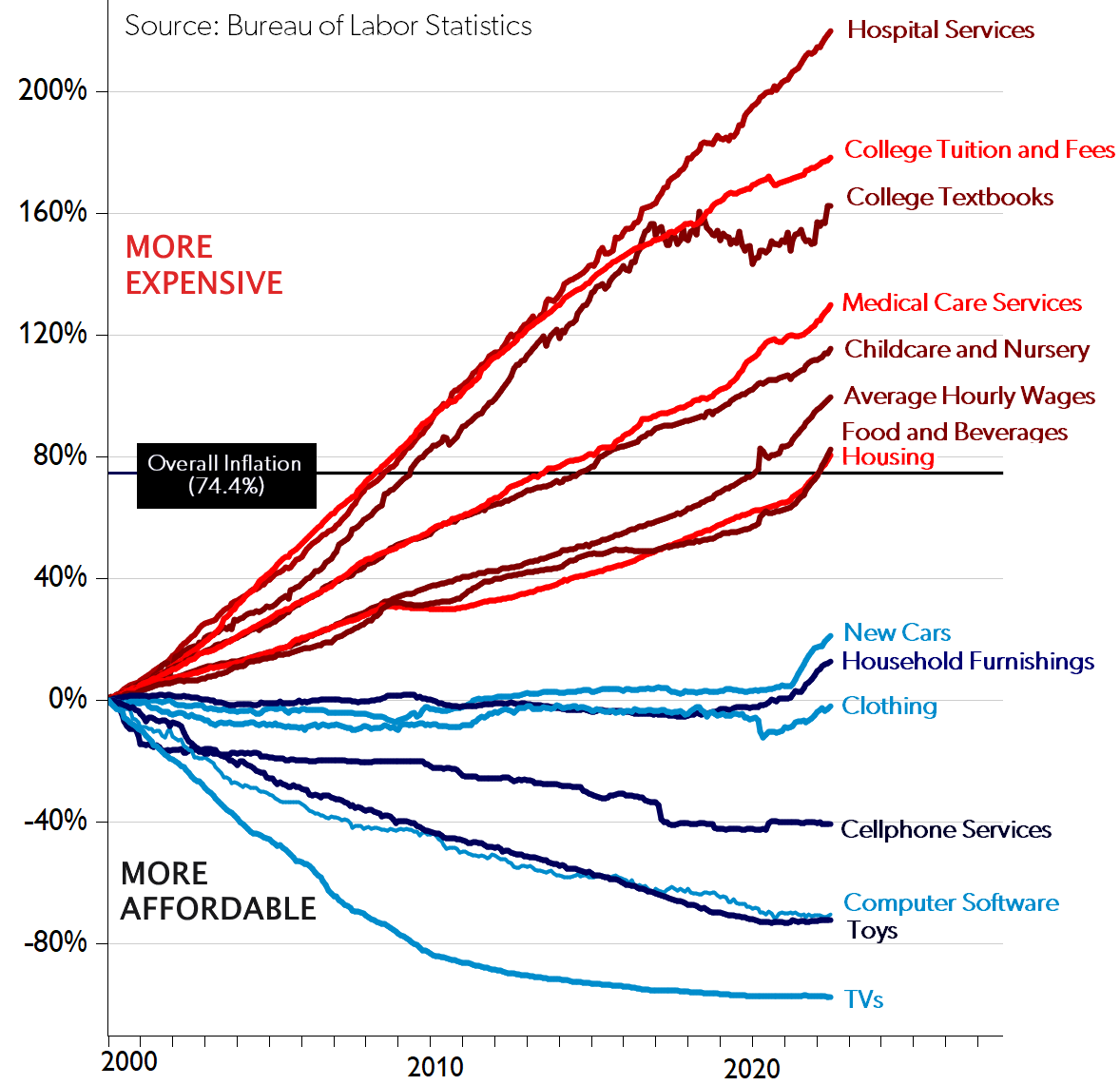
His educational journey further shaped his perspective on the accessibility of opportunity. Atwood attended public schools in Chesterfield County, Virginia, and graduated from the University of Virginia in 1992, an institution founded by Thomas Jefferson. During his college years, he worked part-time as a cashier at Safeway, earning the federal minimum wage, and relied on Pell grants, scholarships, and other part-time work to cover his tuition. This experience underscored the financial precarity many students face, even with lower in-state tuition rates. He pointedly contrasted his college costs of approximately $3,000 per year in 1992 with the current average of $23,000 per year for state schools, an eightfold increase in just three decades. This drastic surge in the cost of education, alongside similar increases in healthcare and housing, represents, in Atwood’s view, a significant barrier to the American Dream for contemporary generations. Data from organizations like EducationData.org corroborate these trends, showing a persistent upward trajectory in college expenses far outpacing wage growth.
Pioneering Digital Democracy and Empathy

Atwood’s career as a software developer led him to co-found two platforms that he describes as "projects for the public good" that operate as corporations. In 2008, he co-founded Stack Overflow with Joel Spolsky, a Q&A website that rapidly became an indispensable knowledge base for programmers worldwide. Stack Overflow was built on principles of "digital democracy," utilizing community-driven voting systems to rank questions and answers, and employing ranked-choice voting for moderator elections, creating a shared, Creative Commons licensed resource.
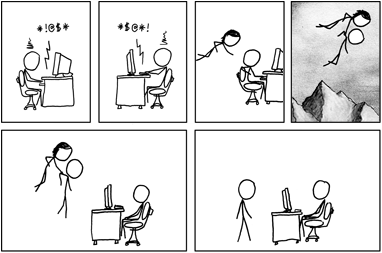
The success of Stack Overflow, however, led Atwood to realize that technical democracy alone was insufficient. Guided by Spolsky, he understood the necessity of actively fostering empathy. This realization formed the bedrock of his next venture, Discourse, a free, open-source platform designed for constructive and empathetic community discussions, also operating under Creative Commons licensing. Discourse empowers communities to establish and enforce agreed-upon boundaries, enabling strong moderation to maintain respectful dialogue. Atwood articulated this evolution as "digital democracy and empathy," emphasizing the critical need for individuals to "see each other through our screens" and extend kindness in an increasingly digital world. This insight aligns with broader societal concerns about online civility and the "online disinhibition effect," where anonymity can lead to behaviors not typically exhibited in face-to-face interactions.
The financial success of these ventures provided Atwood with considerable wealth, a realization he described as the "final part of the American Dream." Yet, this success also brought an unexpected sense of distance. He noted that extreme wealth unintentionally insulates individuals from the daily challenges faced by most Americans, making it easy to lose sight of pervasive inequalities.

Confronting Wealth Inequality and Democratic Challenges
Atwood views the concentration of wealth as "un-American," citing research that illustrates a stark increase in economic disparity. In 2012, the wealthiest 1% of Americans held 24% of the nation’s wealth; by 2021, this figure had risen to 30%. Globally, the top 1% now control nearly twice as much wealth as the remaining 99% combined, according to Oxfam reports. This growing chasm, Atwood contends, fundamentally undermines the promise of equal opportunity central to the American Dream. He invokes W.E.B. Du Bois’s philosophy: "Work is service, not gain. The object of work is life, not income. The reward of production is plenty, not private fortune. We should measure the prosperity of a nation not by the number of millionaires, but by the absence of poverty, the prevalence of health, the efficiency of the public schools, and the number of people who can and do read worthwhile books."
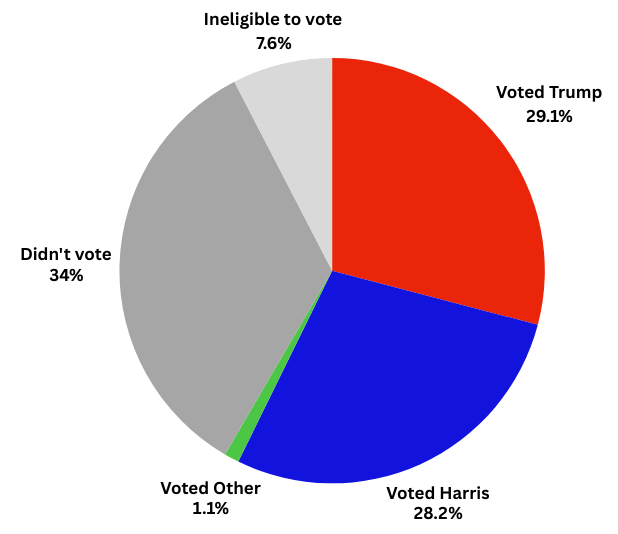
Beyond economic disparities, Atwood expressed deep concern regarding the state of American democracy, particularly following the 2024 United States presidential election. He noted that 34% of eligible adults did not exercise their right to vote, with an additional 7.6% being ineligible due to factors like non-citizenship or felony convictions. This means approximately 42% of adults in America had no voice in the election outcome. Atwood questioned the underlying causes, pointing to potential issues such as voter suppression, gerrymandering-induced indifference, or a pervasive feeling that individual votes do not matter. This widespread disengagement, he argued, indicates that many Americans no longer believe their government effectively ensures fairness for all, jeopardizing the nation’s standing as a leading democracy.
To address these systemic issues, Atwood advocated for concrete democratic reforms aimed at increasing participation and ensuring equitable representation. These proposals include making Election Day a national holiday, implementing universal mail-in voting, and adopting ranked-choice voting to give every vote greater weight. He also called for strengthening key democratic institutions, such as state and local election boards and the Federal Election Commission, to safeguard the integrity of the electoral process.
A New Vision for Philanthropy: Immediate Action and Shared Values
Atwood’s philanthropic pledge distinguishes itself through its immediacy and a reinterpretation of traditional giving models. While admiring figures like Warren Buffett, who famously pledged over 99% of his wealth to philanthropy, Atwood found the "at death" timing of such pledges insufficient given the urgency of current societal challenges. Buffett’s recent amendment, allocating his wealth to a charitable trust run by his adult children, further highlighted for Atwood the need for more direct and timely intervention.
His decision to allocate half of his remaining wealth within the next five years is a direct response to the "raised stakes" of the 2024 election and a personal conviction that significant change cannot wait. He aims to ensure his own children receive college educations and can afford homes, but beyond that, his focus shifts to a broader impact. Atwood acknowledged the paralysis caused by extreme political polarization, which has slowed governmental progress; the 26th Amendment in 1971, lowering the voting age to 18, stands as the last meaningful constitutional amendment in over six decades. With political polarization at historically high levels, he questioned whether Americans still share a common vision of the American Dream.
The inspiration for his "sharing the American Dream" philosophy crystallized during a public high school performance of S.E. Hinton’s "The Outsiders." The play’s enduring message, particularly the phrase "stay gold," resonated deeply. The director’s program note emphasized that "strength lies not just in overcoming hardships but in staying true to ourselves and lifting up those around us," highlighting themes of resilience, empathy, and unity. This experience, coupled with his loyalty to the ideals of the Declaration of Independence ("Life, Liberty and the pursuit of Happiness"), cemented his belief in active, shared stewardship of the American Dream.
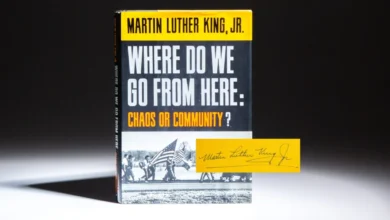
Atwood recognized that the American Dream has often been distorted, referencing Jimi Hendrix’s iconic rendition of "The Star-Spangled Banner" at Woodstock as a poignant reflection of this struggle. He concluded that the American Dream presents a choice between "the path of hate" and "the path of love," echoing the philosophies of figures like Martin Luther King Jr. and Spike Lee’s "Do the Right Thing." His family’s pledge, therefore, is explicitly framed as supporting "an American Dream founded on love."
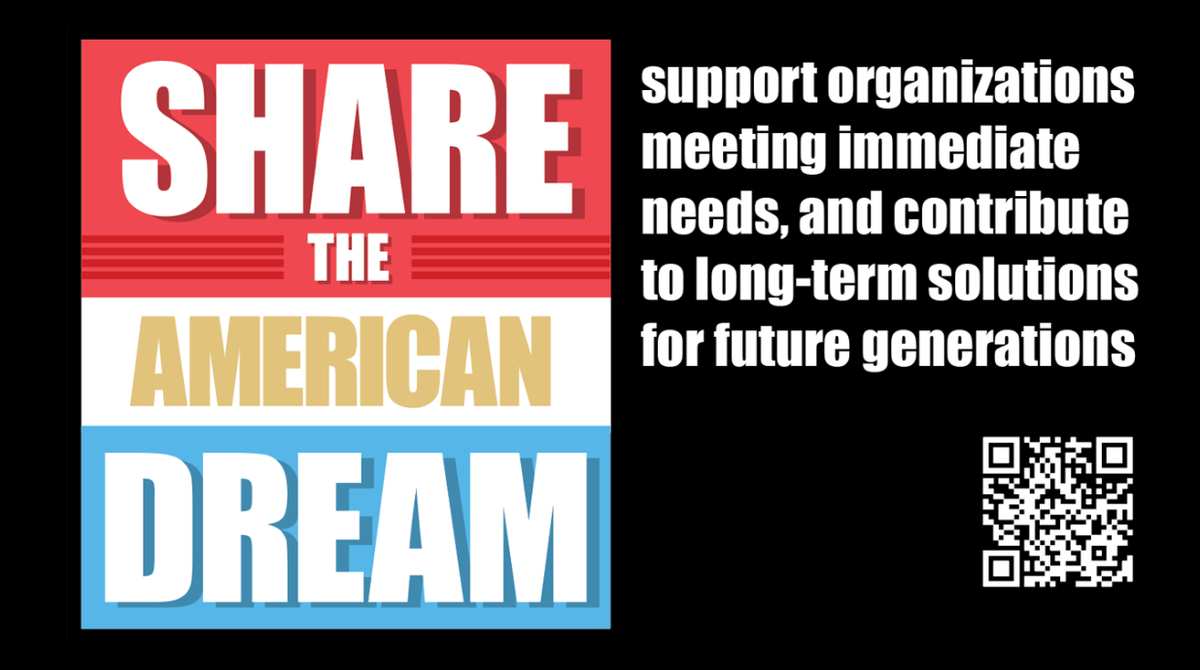
The immediate phase of his philanthropic efforts involves the eight $1 million donations already completed, targeting organizations that provide direct support to those in immediate need. The subsequent five-year allocation of half his wealth will focus on longer-term systemic efforts. Atwood emphasized that there is "no single solution" and called for collective action, offering his guidance and support to others working towards similar goals. He plans to provide further details on the chosen long-term initiatives in a follow-up blog post and is scheduled to co-present a talk on "Rebuilding the American Dream" with Alexander Vindman at Cooper Union on Thursday, March 20th.
Atwood’s public declaration serves as a powerful call to action, urging every American to contribute, however they can, to organizations effectively helping those in need. It challenges conventional philanthropic approaches and underscores a belief in active, empathetic engagement to overcome societal divisions and ensure the American Dream remains accessible for future generations. His closing message, "Stay gold, America," encapsulates a hope for enduring idealism and collective effort in the face of daunting challenges.
(This article was developed with support from Jeff Atwood’s partner Betsy Burton and his family, and inspired by the writing of Steve McConnell. Many individuals from various backgrounds provided feedback to enhance this statement.)