From Internal Combustion to Electric Drive: How One Non-Car Enthusiast’s Transition Mirrors the Evolution of the EV Market

The landscape of personal transportation is undergoing a profound structural shift, marked by a growing number of traditional non-enthusiasts embracing battery-powered vehicles. For decades, the automotive market was defined by internal combustion engines, where consumer choices revolved around fuel efficiency, horsepower, and traditional brand loyalty. However, the commercial maturation of electric vehicles (EVs) has begun to alter consumer psychology fundamentally. What was once viewed as an experimental niche for early adopters has evolved into a mainstream consumer choice, driven by advances in lithium-ion battery technology, expanding charging infrastructure, and competitive pricing structures that challenge traditional gasoline-powered automobiles.
The Evolution of the Consumer Mindset
The journey from skepticism to advocacy among everyday drivers highlights a broader trend within the automotive sector. For many motorists, automobiles have historically served purely utilitarian functions—commuting, family logistics, and errands—rather than acting as objects of passion. Consequently, the transition to an electric vehicle often begins not with a fascination for horsepower, but with a reassessment of the driving experience itself.
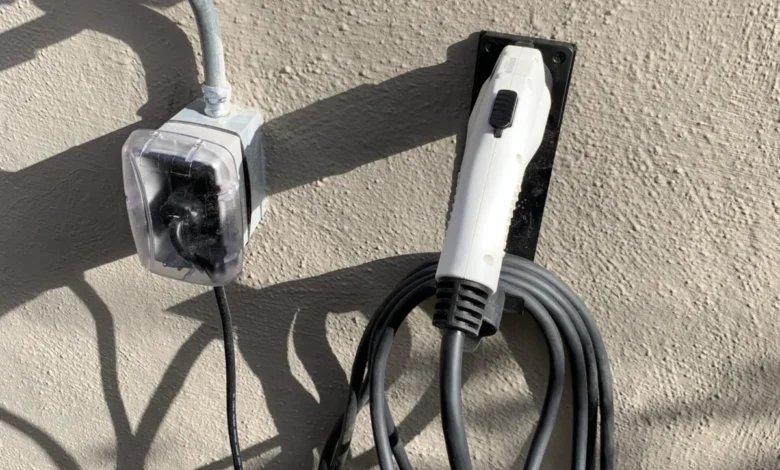
Modern EVs offer a fundamentally different operational dynamic compared to legacy vehicles. The elimination of internal combustion engine noise, the instant torque delivery of electric motors, and the convenience of home charging via Level 2 equipment alter the daily routine of vehicle ownership. Industry analysts note that once consumers experience the seamless acceleration and reduced maintenance requirements of an EV, returning to a traditional combustion engine can feel obsolete. This psychological pivot is accelerating adoption rates, shifting public perception from viewing electric cars as a regulatory compliance measure to recognizing them as a superior technological product.

A Chronology of the Modern Electric Vehicle Market
To understand the current state of electric mobility, it is necessary to examine the turbulent history that preceded today’s commercial viability. The modern EV era is marked by several key milestones over the past three decades:
- 1996–1999: General Motors introduced the EV1, a purpose-built electric car leased to select customers. While praised by lessees, the vehicle was ultimately discontinued due to prohibitive production costs—estimated between $100,000 and $250,000 per unit—and limitations in lead-acid battery technology.
- 2006–2008: The debut of the Tesla Roadster demonstrated the high-performance potential of lithium-ion batteries, shifting the industry’s perception of electric propulsion from sluggish novelty to high-end performance.
- 2010–2011: Mass-market adoption began with the commercial releases of the Nissan Leaf, a fully electric hatchback, and the Chevrolet Volt, a plug-in hybrid. These models established the foundational infrastructure and consumer awareness required for broader deployment.
- Mid-2010s: Regulatory pressures, particularly in progressive markets like California, coupled with decreasing battery pack costs per kilowatt-hour, catalyzed corporate investments in electrification across global legacy automakers.
- Present Day: EVs have achieved cost parity on a total-cost-of-ownership basis with internal combustion engine (ICE) vehicles, supported by federal and state tax incentives, expanding public charging networks, and a diverse array of sedan, crossover, and SUV options.
Economic Viability and Cost Analysis
Financial considerations have historically been the primary barrier to widespread electric vehicle adoption. In the early stages of commercialization, the cost of battery cells—accounting for roughly 30 to 40 percent of an EV’s total production cost—kept retail prices artificially high. However, market data from BloombergNEF indicates that lithium-ion battery pack prices have fallen by nearly 90 percent over the past decade, dropping from over $1,200 per kilowatt-hour in 2010 to under $140 per kilowatt-hour in recent years.
This dramatic reduction in manufacturing costs has allowed automakers to introduce mass-market models, such as the Tesla Model 3, the Kia Niro EV, and the Nissan Leaf, at price points accessible to average consumers. When factoring in federal tax credits, state rebates, reduced maintenance expenses (due to fewer moving parts, no oil changes, and regenerative braking reducing brake pad wear), and the lower cost of electricity compared to gasoline, modern EVs demonstrate a highly competitive total cost of ownership. Industry experts project that upfront purchase price parity between ICE vehicles and EVs will be reached within the decade, independent of government subsidies.
Industry Implications and the Broader Automotive Shift
The rapid transition toward electrification carries significant implications for global manufacturing, energy grids, and environmental policy. Legacy automotive manufacturers are committing tens of billions of dollars to retool factories, secure raw materials such as lithium, cobalt, and nickel, and develop dedicated EV platforms.
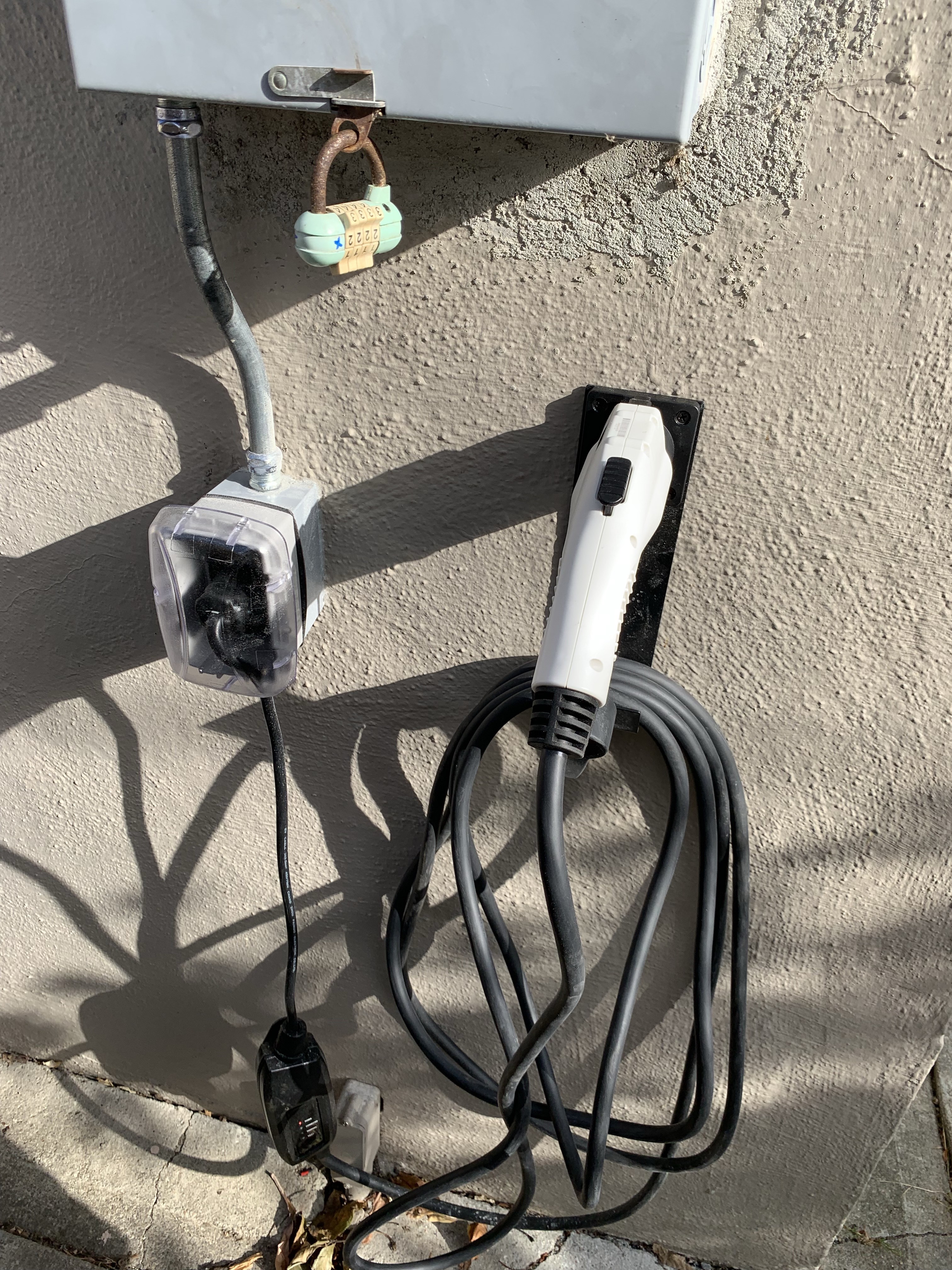
Supply chain dynamics are also evolving. Automakers are increasingly forming direct partnerships with mining companies and investing in domestic battery cell manufacturing facilities to insulate themselves from geopolitical vulnerabilities and supply chain disruptions. Simultaneously, utility providers are collaborating with government regulators to upgrade electrical grids, ensuring they can handle the increased load demand of residential and commercial charging stations.
From a regulatory standpoint, major economies continue to implement stringent emissions standards and phase-out dates for the sale of new internal combustion engine vehicles. These policy frameworks provide long-term certainty for investors and manufacturers alike, cementing the trajectory of the global automotive fleet toward zero-tailpipe-emission technologies.
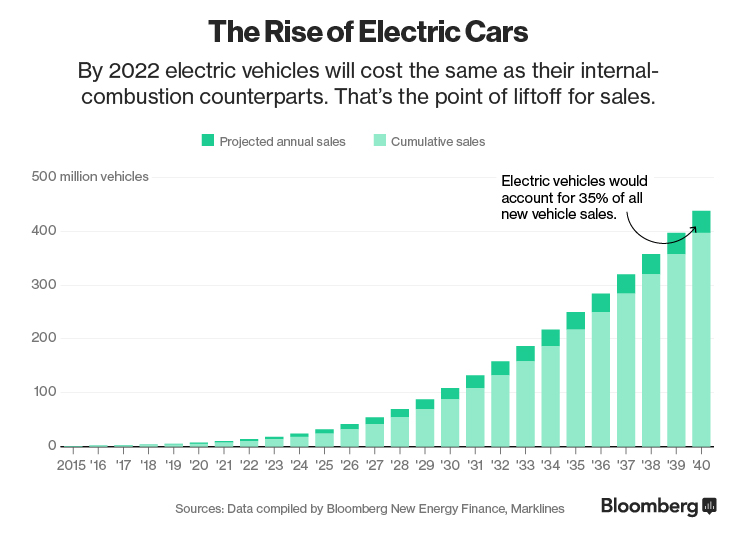
As consumer awareness grows and technological barriers continue to fall, the automotive market is crossing an irreversible threshold. What began as a fragmented experiment in alternative energy has matured into the definitive future of personal transportation, redefining the relationship between motorists and the machines they drive.