The Activation Energy Gap Why Wealthy Retirees Suffer Through Preventable Discomfort and Health Risks

The phenomenon of "frugality-induced neglect" among the elderly has emerged as a significant concern for public health officials and financial advisors, highlighting a stark disconnect between accumulated wealth and quality of life. Despite holding a disproportionate share of global assets, many retirees live in environments characterized by deferred maintenance, outdated appliances, and inadequate climate control. This paradox is not driven by a lack of financial resources but by a complex interplay of psychological inertia, cognitive decline, and a generational mindset that prioritizes preservation over comfort. Recent observations and data suggest that for many seniors, the "activation energy" required to initiate simple home or automotive repairs has become a greater barrier than the actual cost of the services.
The Hawaii Case Study: A Microcosm of Senior Inertia
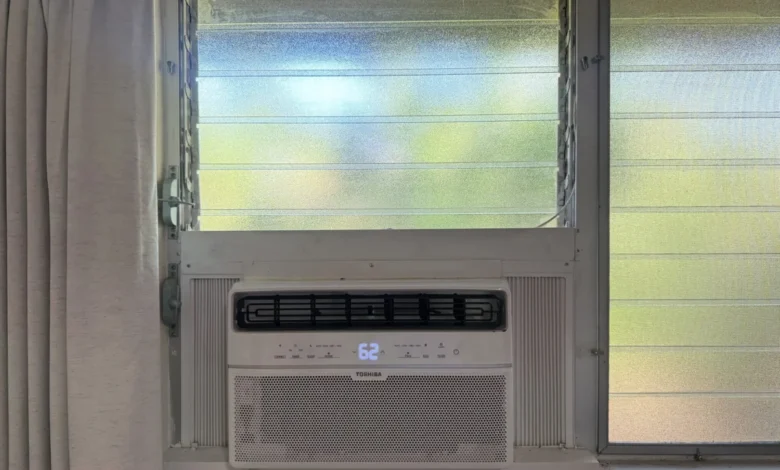
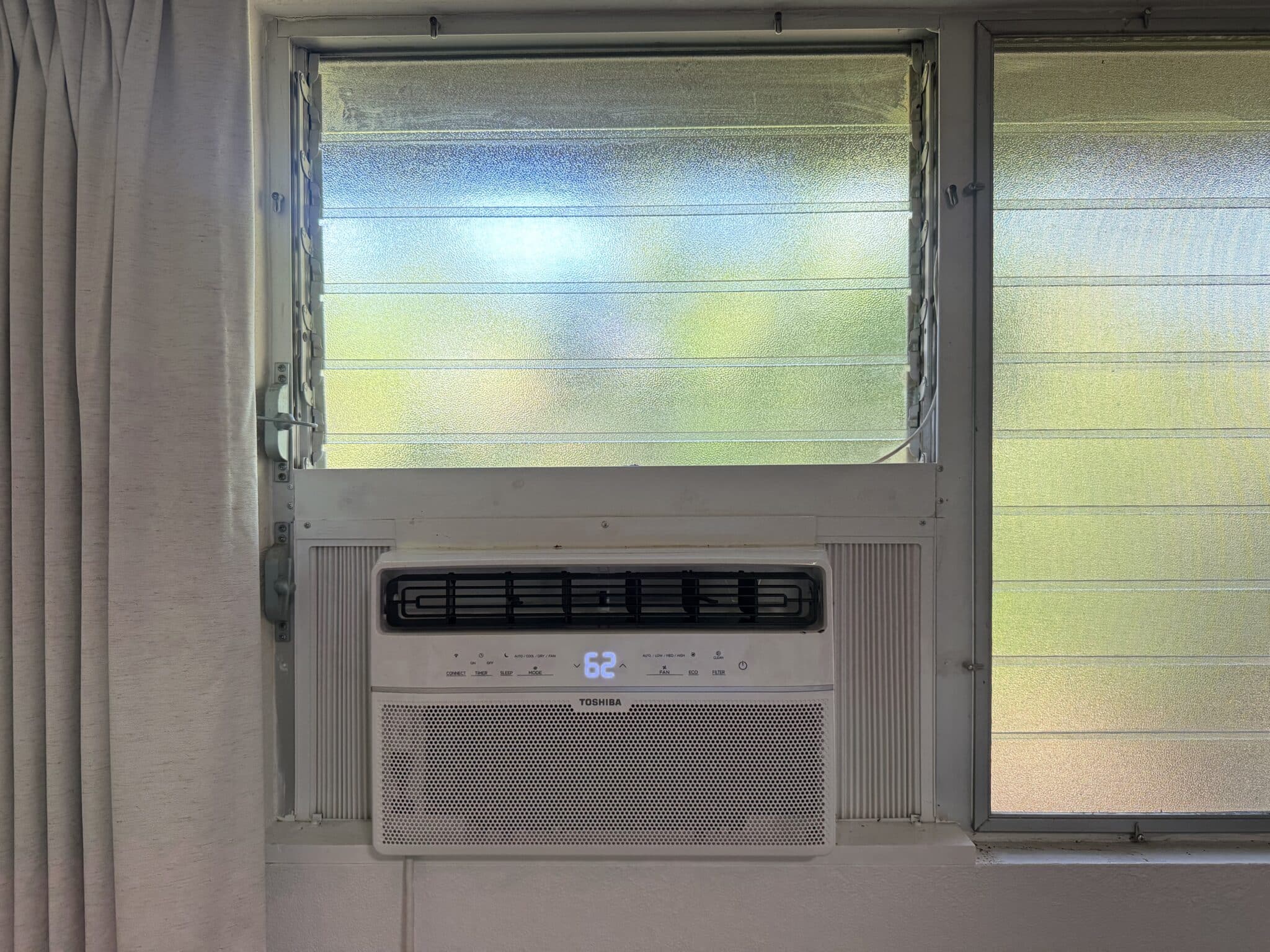
A recent series of events in Honolulu, Hawaii, serves as a poignant illustration of this trend. In one instance, a household managed by retirees relied on a 42-year-old through-the-wall air conditioning unit that had long since ceased to function. In a climate where summer temperatures consistently range between 83 and 90 degrees Fahrenheit with high humidity, the lack of climate control posed a genuine health risk. However, the residents had adapted to the sweltering conditions, viewing the discomfort as a fixed reality rather than a solvable problem.
The intervention of a family member revealed that the solution was remarkably affordable. A new unit was purchased for $260, and labor costs for installation amounted to approximately $250. For a total investment of roughly $500, a significant health hazard was eliminated. This pattern of deferred maintenance extended to other areas: a leaking kitchen pipe that had been dripping for three years was ignored in favor of placing a rag on the floor, and a television with a blurred display was used for over a year because the residents had "adapted" to the visual distortion.
The most critical example of this inertia was found in the family’s 1998 Toyota Avalon. The vehicle’s air conditioning system had been blowing ambient-temperature air for three years, creating a "sauna" effect inside the cabin that reached temperatures exceeding 100 degrees. Despite the driver being 81 years old—a demographic highly susceptible to heatstroke—no repairs were initiated until an adult child intervened. The fix required a single phone call and an $80 refrigerant recharge, illustrating a massive disparity between the trivial cost of the solution and the catastrophic risk of inaction.

The Physiological Stakes: Why Heat is a Silent Killer for Seniors
The refusal to spend relatively small amounts on climate control is particularly dangerous given the physiological changes associated with aging. According to data from the World Health Organization (WHO), heat stress is the leading cause of climate-related death in the European Region, claiming more than 175,000 lives annually. Globally, more than 60,000 heat-related deaths occur in Europe every summer alone, with roughly 85% to 90% of these fatalities occurring among individuals over the age of 65.
Medical experts note that aging significantly impairs the body’s ability to thermoregulate. The efficiency of sweating—the body’s primary cooling mechanism—decreases with age, and the cardiovascular system must work harder to dissipate heat. For seniors with pre-existing heart or respiratory conditions, extreme heat acts as a severe physiological stressor that can lead to rapid organ failure.
The paradox remains that the demographic most at risk from heatwaves is also the wealthiest. In the United States, Baby Boomers and the Silent Generation hold the vast majority of household wealth. The Federal Reserve reports that Americans aged 70 and older hold nearly $35 trillion in net worth. This suggests that the failure to install air conditioning or repair vehicles is a behavioral issue rather than an economic one.
Defining the Activation Energy Problem
The term "activation energy," borrowed from chemistry, describes the minimum amount of energy required to initiate a reaction. In the context of geriatric care and home maintenance, it refers to the cognitive and logistical effort needed to solve a problem. For a younger person, fixing a car’s air conditioner involves a few minutes of online research, a phone call, and scheduling an appointment. For an octogenarian, each of these steps can represent a significant psychological hurdle.
The process of modern home maintenance often requires navigating digital platforms, vetting contractors through online reviews, and managing complex scheduling—tasks that can be overwhelming for those experiencing even mild cognitive decline. Furthermore, the "status quo bias" plays a major role; when a person lives with a broken appliance or a leaking pipe for long enough, the discomfort fades into the background of their daily experience. The effort to change the situation is perceived as more painful than the continued endurance of the problem.
The Extreme Risks of Social and Physical Isolation
The dangers of this "frugality trap" were highlighted by a tragic event in 2025 involving the legendary actor Gene Hackman and his wife, Betsy Arakawa. Despite a reported net worth of $80 million, the couple was found deceased in their Santa Fe home, having gone undiscovered for over a week. The property was reportedly in a state of neglect, with evidence of rodent infestations.
Mrs. Arakawa succumbed to hantavirus pulmonary syndrome, a rare disease typically spread through contact with infected rodent droppings—a condition that could have been prevented through professional pest control and cleaning services. Mr. Hackman, aged 95 and suffering from advanced Alzheimer’s, lived with his wife’s remains for several days before his own heart failed. This case serves as a grim reminder that wealth is not a shield against neglect if the "activation energy" to maintain a safe environment is missing. It also raises questions about the role of adult children and social services in monitoring high-net-worth seniors who may be "slipping through the cracks" of their own self-imposed frugality.
Strategic Interventions for Adult Children
Financial and geriatric experts suggest that adult children must move beyond offering advice and transition into a role of "logistical facilitators." Because the barrier is energy, not money, providing the parents with a "to-do list" is often counterproductive and may even cause additional stress.
Professional recommendations for managing the safety and comfort of aging parents include:
- Extended Observational Visits: Short visits often only reveal the "highlight reel" of a senior’s life. Staying for a week or longer allows adult children to identify "blind spots," such as expired food, malfunctioning appliances, or safety hazards like loose rugs and poor lighting.
- Unilateral Action on Small Repairs: Experts suggest fixing minor issues—such as leaking faucets or burnt-out lightbulbs—without seeking formal permission or holding "committee meetings," as seniors may reflexively decline help to maintain a sense of independence.
- Absorbing the Logistics: The most effective way to help is to handle the research, scheduling, and supervision of contractors. By removing the "activation energy" requirement, the adult child allows the senior to benefit from the repair without the cognitive load of arranging it.
- Gradual Introduction of Technology: Setting up simplified versions of grocery delivery or ride-sharing apps can reduce the physical toll on seniors. However, these must be introduced slowly to avoid overwhelming the user.
- Establishing Routine Check-ins: A consistent rhythm of communication—daily texts or weekly video calls—is the most effective insurance against the "undiscovered death" scenario seen in isolated seniors.
Broader Economic and Social Implications
The trend of "wealthy neglect" has broader implications for the economy and the healthcare system. As the global population ages, the demand for "concierge" home maintenance and geriatric management services is expected to rise. There is a growing market for professionals who act as "surrogate children," providing the activation energy required to keep a household running safely.

Furthermore, from a public policy perspective, the high rate of heat-related deaths among seniors suggests that emergency management agencies should not assume that residents will take self-protective measures simply because they have the financial means to do so. Outreach programs must account for the psychological inertia that prevents seniors from turning on air conditioning or seeking repairs during extreme weather events.
Ultimately, the "frugality trap" serves as a reminder that money is merely a tool for life preservation and comfort. When the psychological cost of using that tool exceeds the perceived benefit of the repair, safety is compromised. For the "Sandwich Generation"—adults caring for both their children and their aging parents—the goal is to ensure that their parents’ hard-earned savings are actually deployed to protect their health, rather than sitting idle while their living conditions deteriorate. The intervention of a family member to spend $80 on car refrigerant or $500 on an AC unit is not just a home improvement; it is a critical, and potentially life-saving, medical intervention.