The Evolution of Search Engine Optimization in the Era of Large Language Model Query Fan-Out Architecture

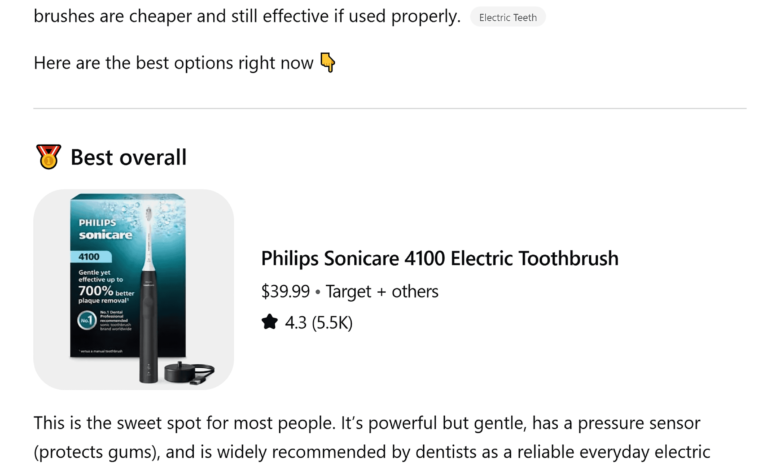
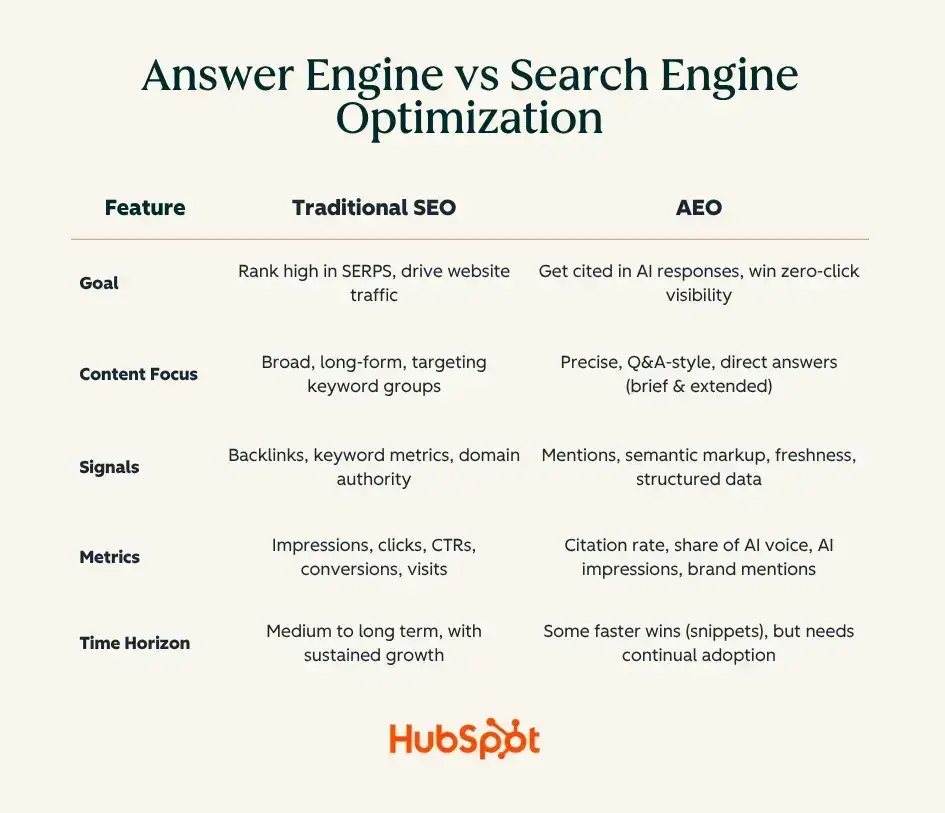
The digital landscape is currently witnessing a fundamental transformation in how information is retrieved and synthesized, as traditional search engine rankings are increasingly bypassed by a background process known as query fan-out. For over two decades, the primary objective of digital marketing and content creation has been to secure a position on the first page of Google’s search results; however, recent architectural shifts in artificial intelligence (AI) systems, such as OpenAI’s ChatGPT and Perplexity AI, indicate that high visibility on traditional search engines no longer guarantees inclusion in AI-generated responses. This phenomenon is driven by query fan-out, a sophisticated mechanism that deconstructs a single user inquiry into a series of related sub-queries to build a comprehensive, multi-perspective answer.
As AI search systems become the primary interface for millions of users, the metrics for success are shifting from "ranking" to "retrievability." Unlike traditional search engines that present a list of links based on keyword relevance and authority, large language models (LLMs) utilize query fan-out to run parallel searches behind the scenes. This process allows the AI to pull from the most relevant and reliable sources regardless of their position on a search engine results page (SERP). Consequently, the industry is entering a new era where coverage across a topic and the structural clarity of information are the primary drivers of digital visibility.
The Technical Mechanism of Query Fan-Out
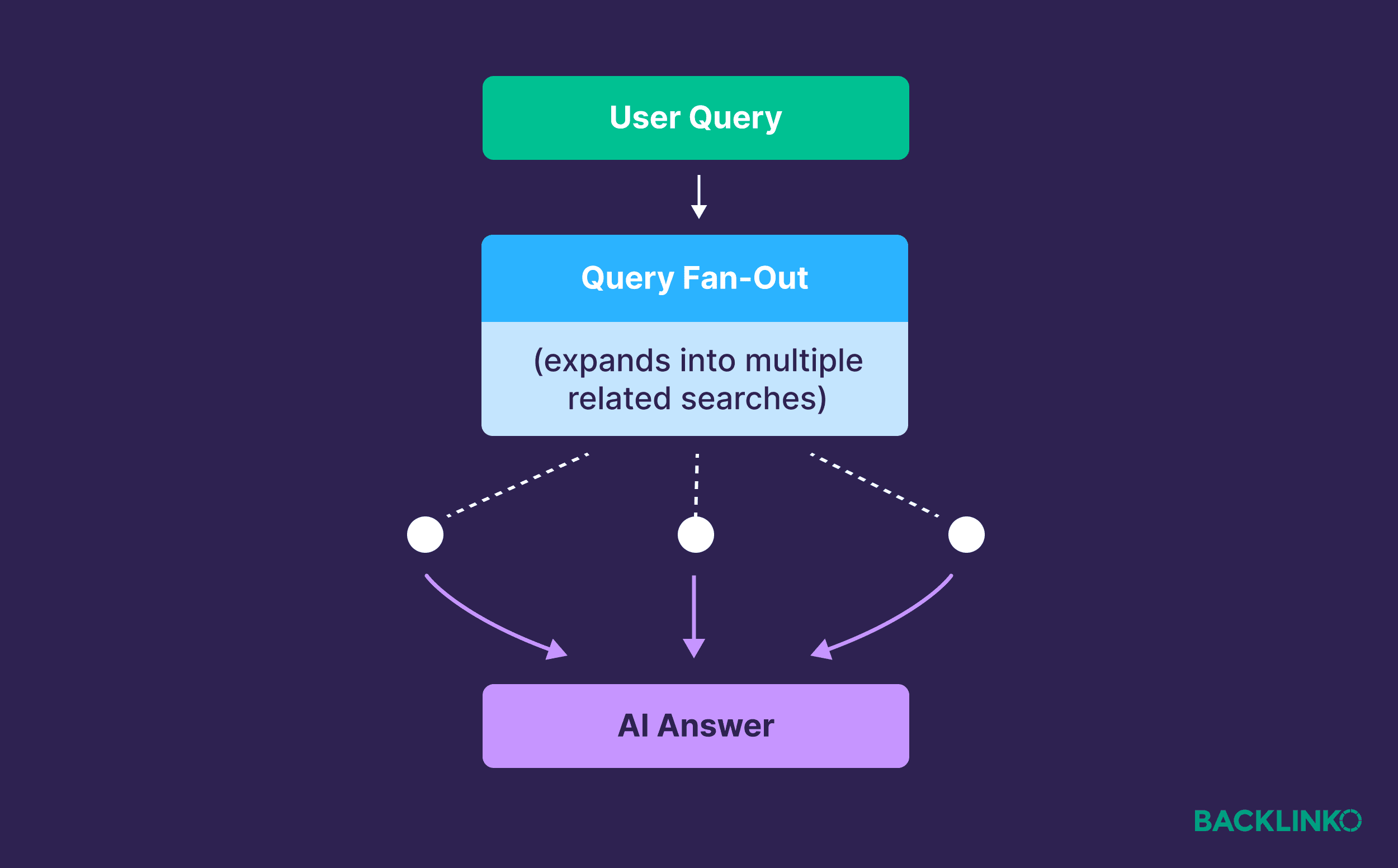
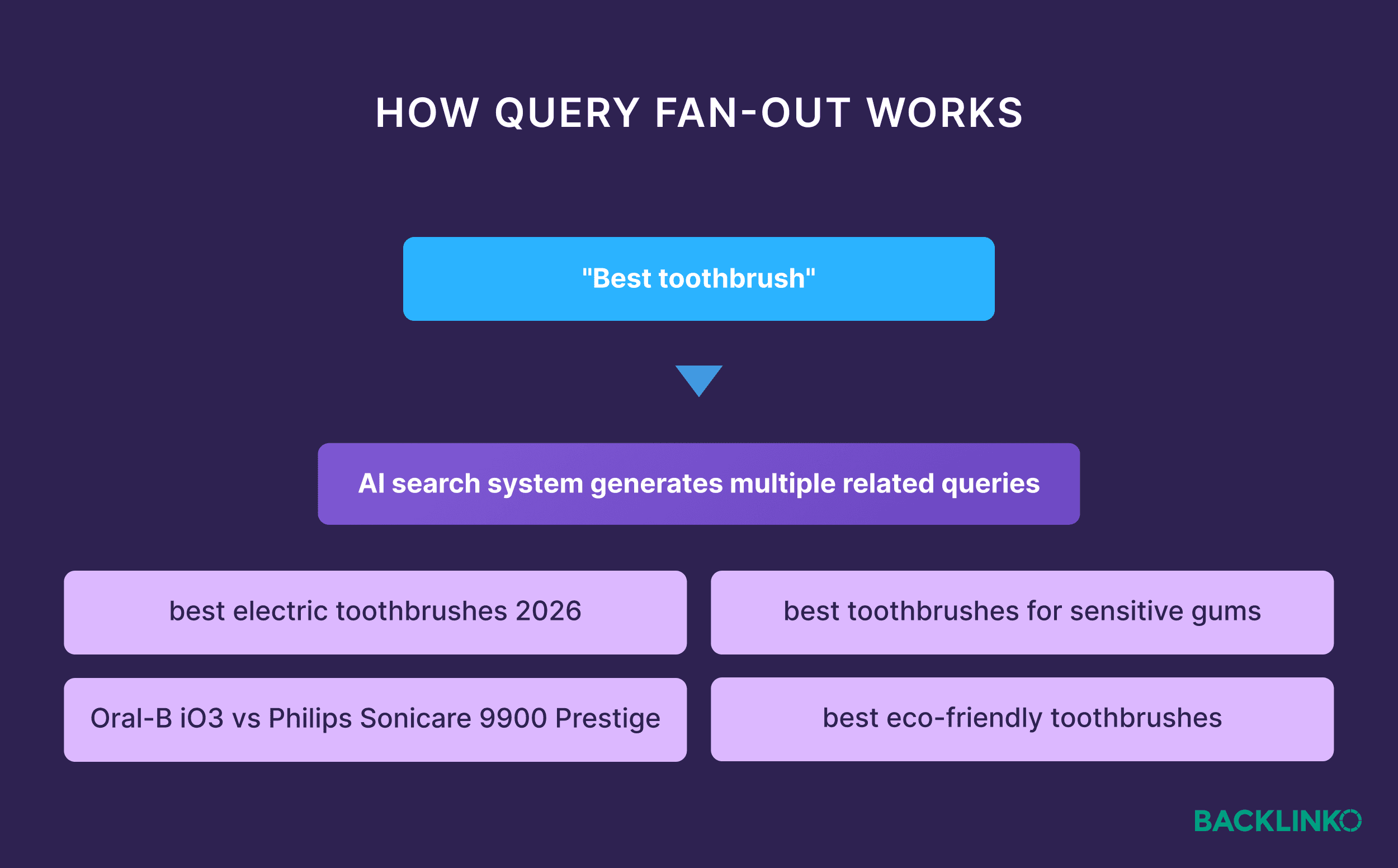
Query fan-out is a multi-step background process designed to enhance the accuracy and depth of AI-generated responses. When a user submits a prompt to an AI system, the model does not merely look for a direct match in its training data or the top search result. Instead, it "fans out" the original query into several targeted sub-questions. This architectural approach is utilized for three primary reasons: resolving ambiguity, ensuring comprehensive coverage, and providing real-time data verification.
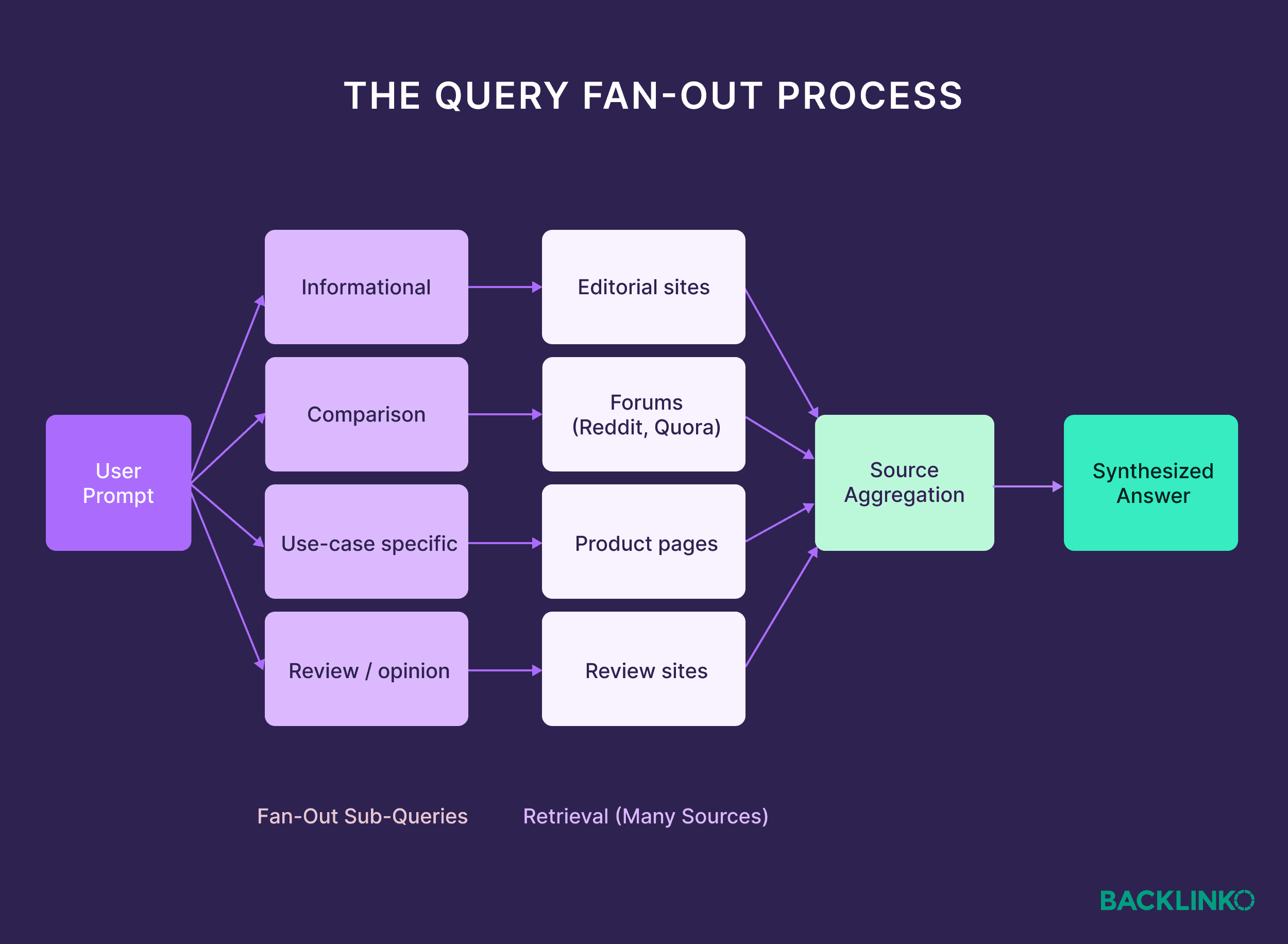
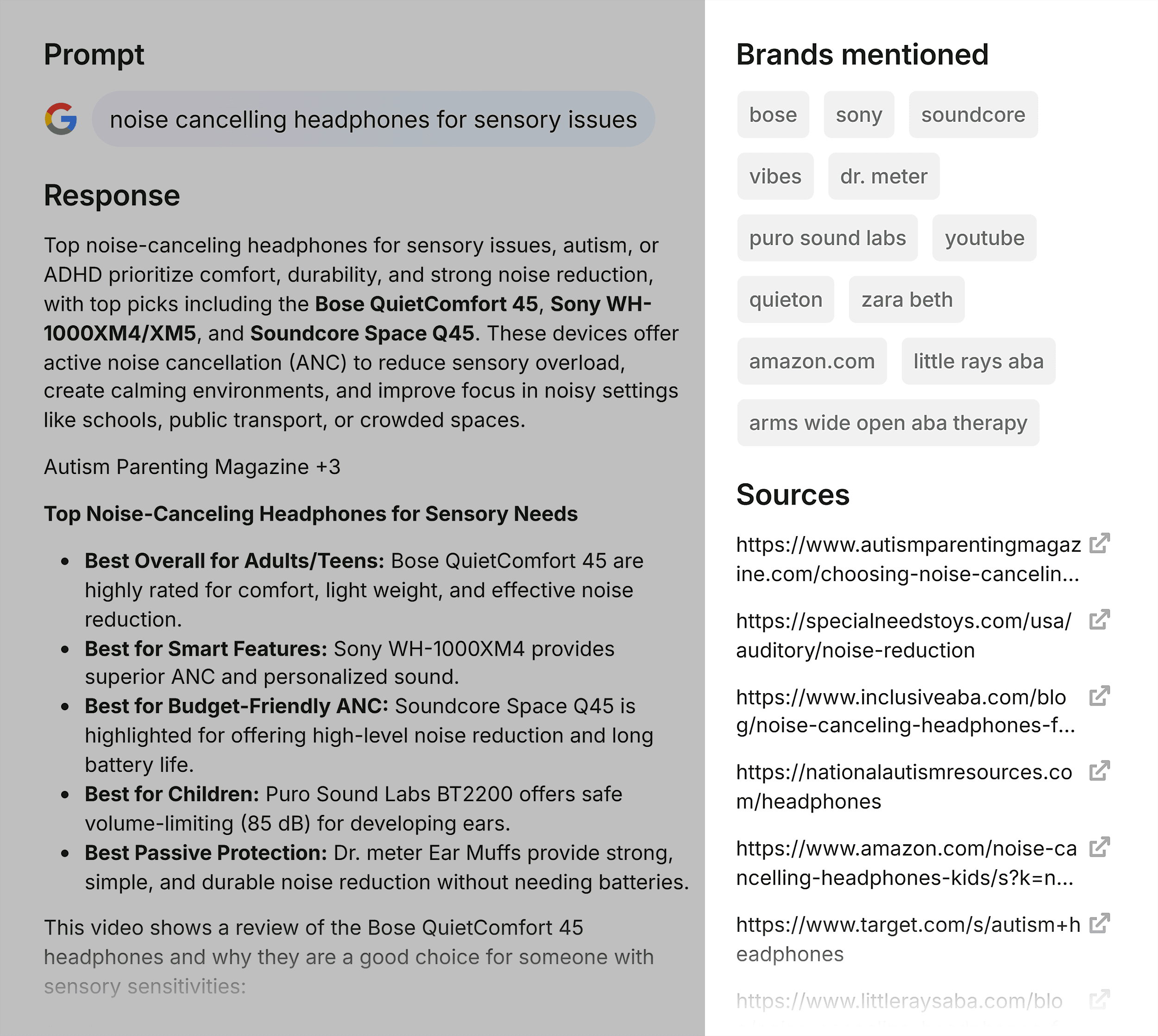
For instance, a broad query such as "best digital camera" might trigger the AI to run sub-queries regarding "best mirrorless cameras for beginners," "top-rated professional DSLRs in 2024," and "price comparisons for Sony vs. Canon." By breaking the query down, the AI can synthesize a response that addresses various user intents—such as budget, skill level, and brand preference—within a single interaction. This synthesis pulls data from a diverse array of sources, including editorial reviews, Reddit threads, technical product pages, and consumer forums.
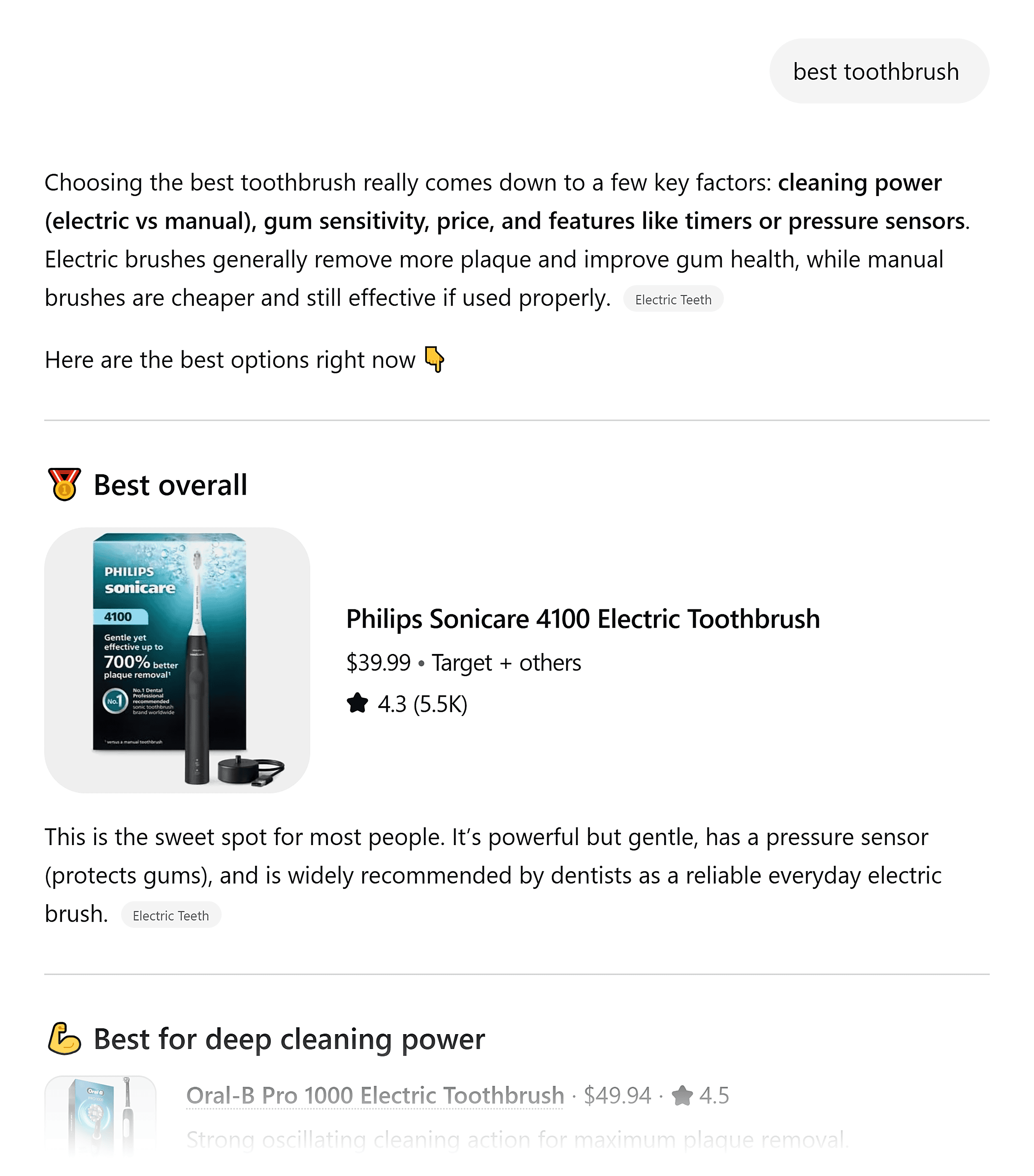
Importantly, query fan-out is distinct from simple keyword matching or semantic search. While semantic search focuses on understanding the intent behind a single string of words, query fan-out is an active, iterative process where the AI acts as a researcher, seeking out specific pieces of information to fill gaps in its knowledge base before presenting a final answer.
Data Analysis: The Disconnect Between Ranking and Citations
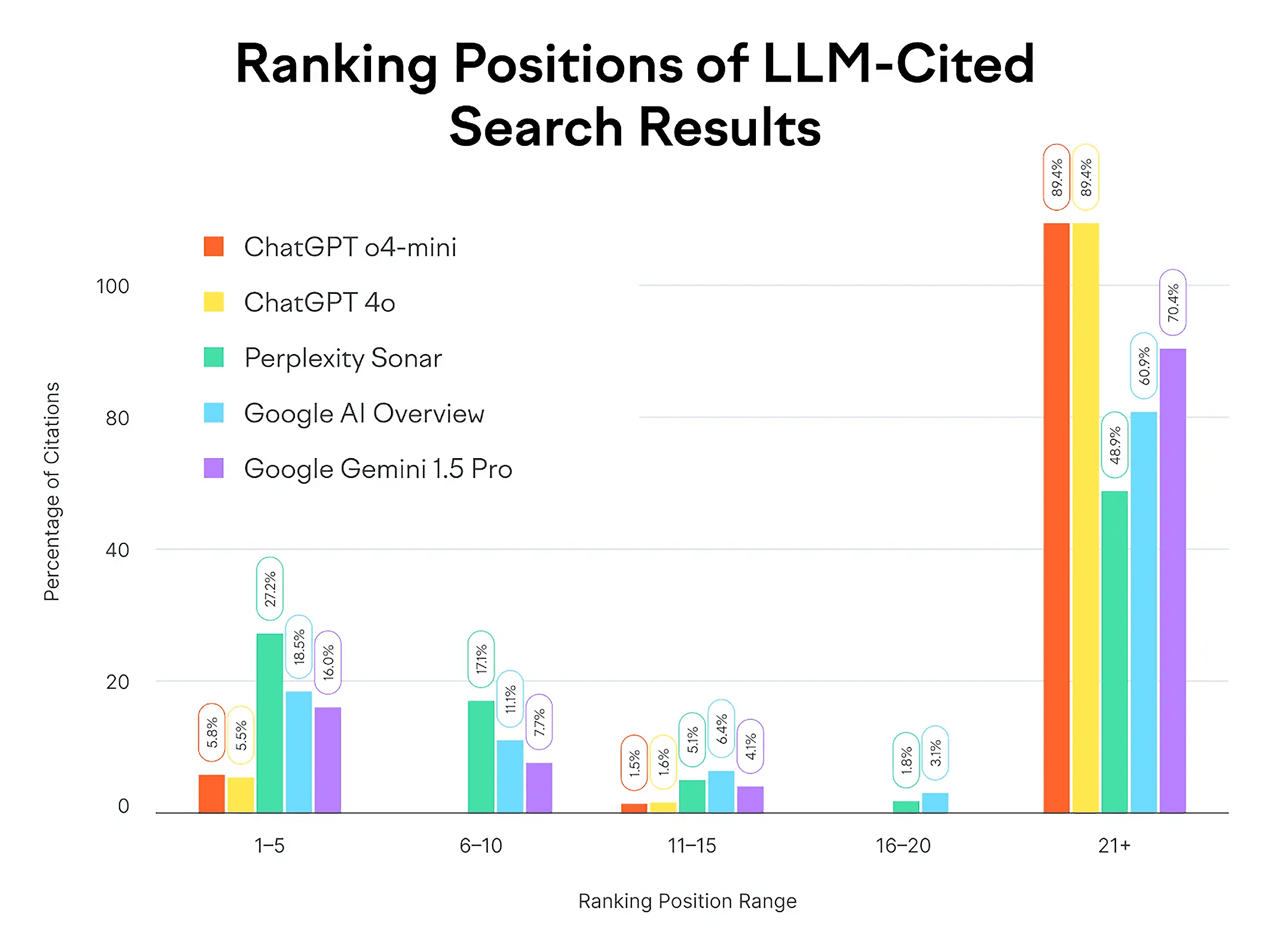
The shift toward query fan-out has profound implications for search engine optimization (SEO) strategies. Supporting data suggests that the traditional "Top 10" ranking model is becoming less relevant in the context of AI discovery. According to a comprehensive study conducted by Semrush, ChatGPT cites pages located at position 21 or lower on Google approximately 90% of the time. This indicates that AI systems prioritize the "information density" and "passage relevance" of a source over the legacy authority metrics that Google uses to rank a URL.
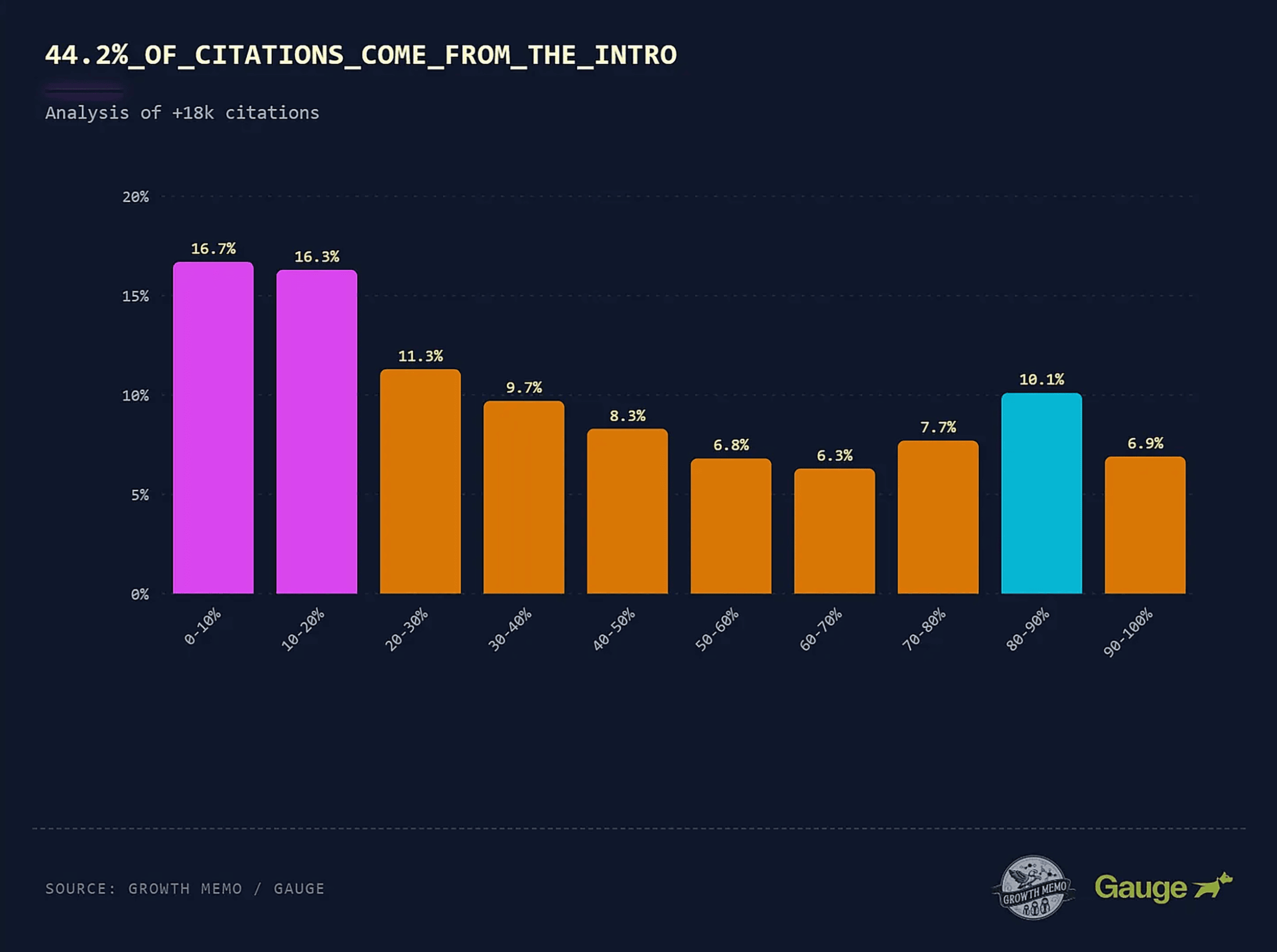
Further analysis by growth advisor Kevin Indig, which examined 1.2 million ChatGPT responses, revealed that AI systems are highly selective about where they extract information within a page. The data shows that 44.2% of AI citations come from the first 30% of a page’s content. Another 31.1% of citations are pulled from the middle section, while only 24.7% originate from the final third. This suggests a "front-loading" preference in AI retrieval algorithms, where the system seeks to identify the core answer as quickly as possible.
These findings highlight a significant departure from traditional web browsing. In a standard search environment, a user might click a link and read through an entire article. In an AI-driven environment, the system acts as a "passage retriever," extracting specific sentences or data points to integrate into a larger narrative. If a brand’s content is not structured to be easily extracted by these sub-queries, it remains invisible to the LLM, regardless of its Google ranking.
The Collapse of the Linear Buying Journey
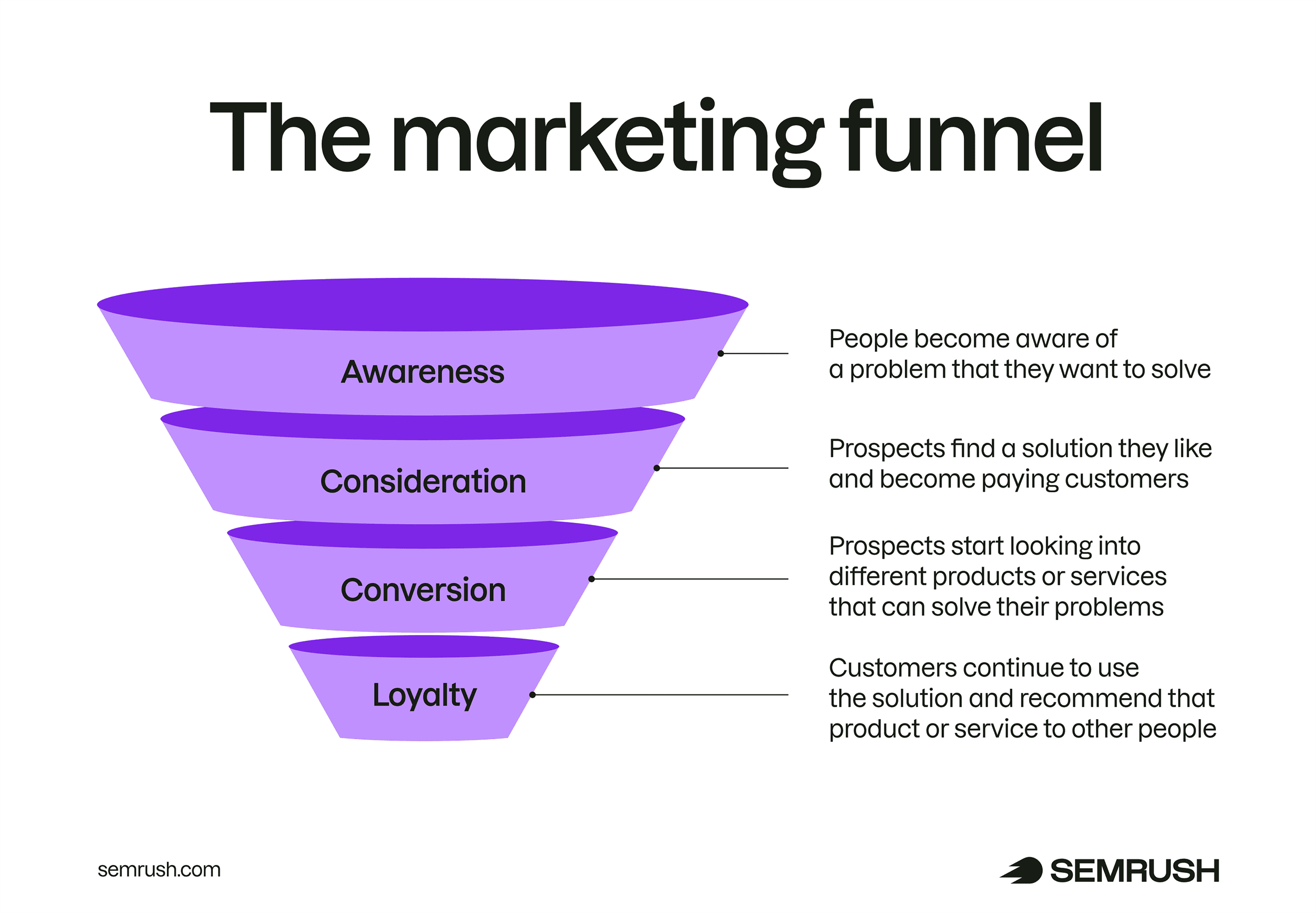
For decades, marketers have operated under the "marketing funnel" framework, which assumes a linear progression from awareness to consideration and finally to a decision. Traditional content strategies involved creating separate assets for each stage of this journey. However, the integration of query fan-out into AI search is effectively collapsing this funnel into a single interaction.
When a user asks a high-intent question, the AI’s fan-out process simultaneously retrieves awareness-level context, consideration-level comparisons, and decision-level pricing data. For example, a user asking "Is the Tesla Model 3 worth it for a long commute?" will receive an answer that explains the basics of EV range (awareness), compares the Tesla to competitors like the Hyundai Ioniq 6 (consideration), and provides current federal tax credit information (decision).

Because the entire buying journey now occurs within a single AI-generated response, content creators can no longer afford to silo their information. Successful content must now be "full-funnel" in nature, providing immediate answers while also offering the depth required to satisfy the sub-queries generated during the fan-out process.

Strategic Framework for AI Visibility
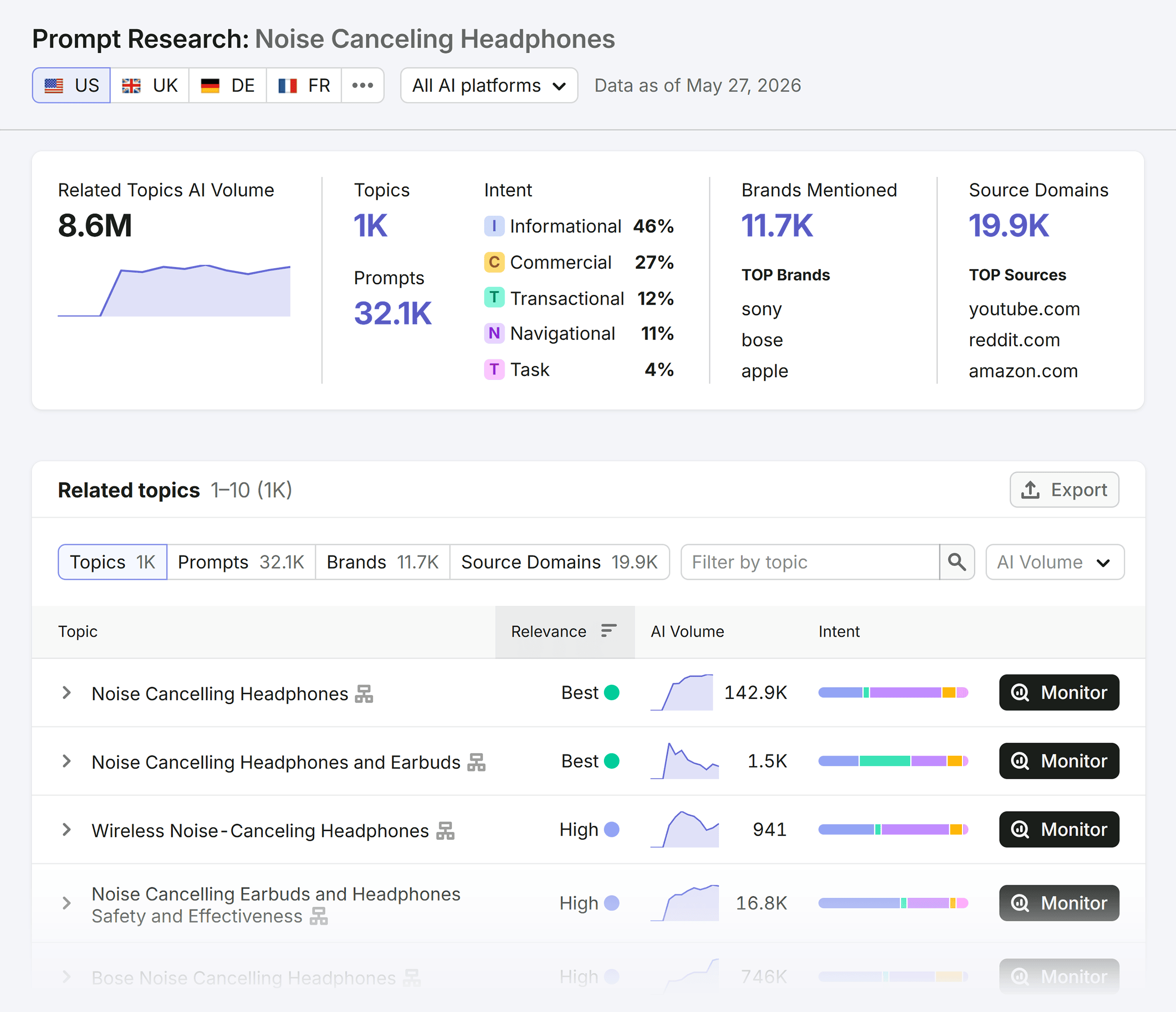
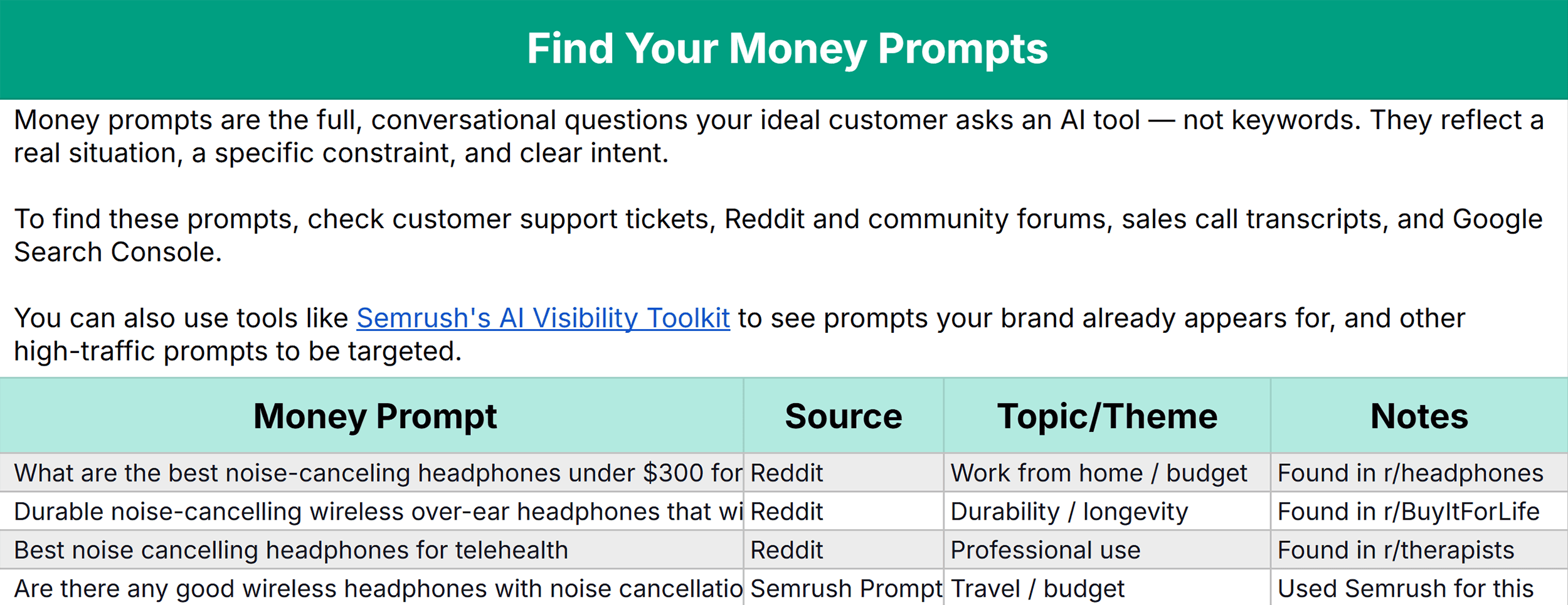
To adapt to the rise of query fan-out, industry experts suggest a six-step workflow designed to increase the likelihood of being cited by LLMs. This framework shifts the focus from keywords to "money prompts"—the conversational phrases or questions that ideal customers are likely to ask an AI tool.
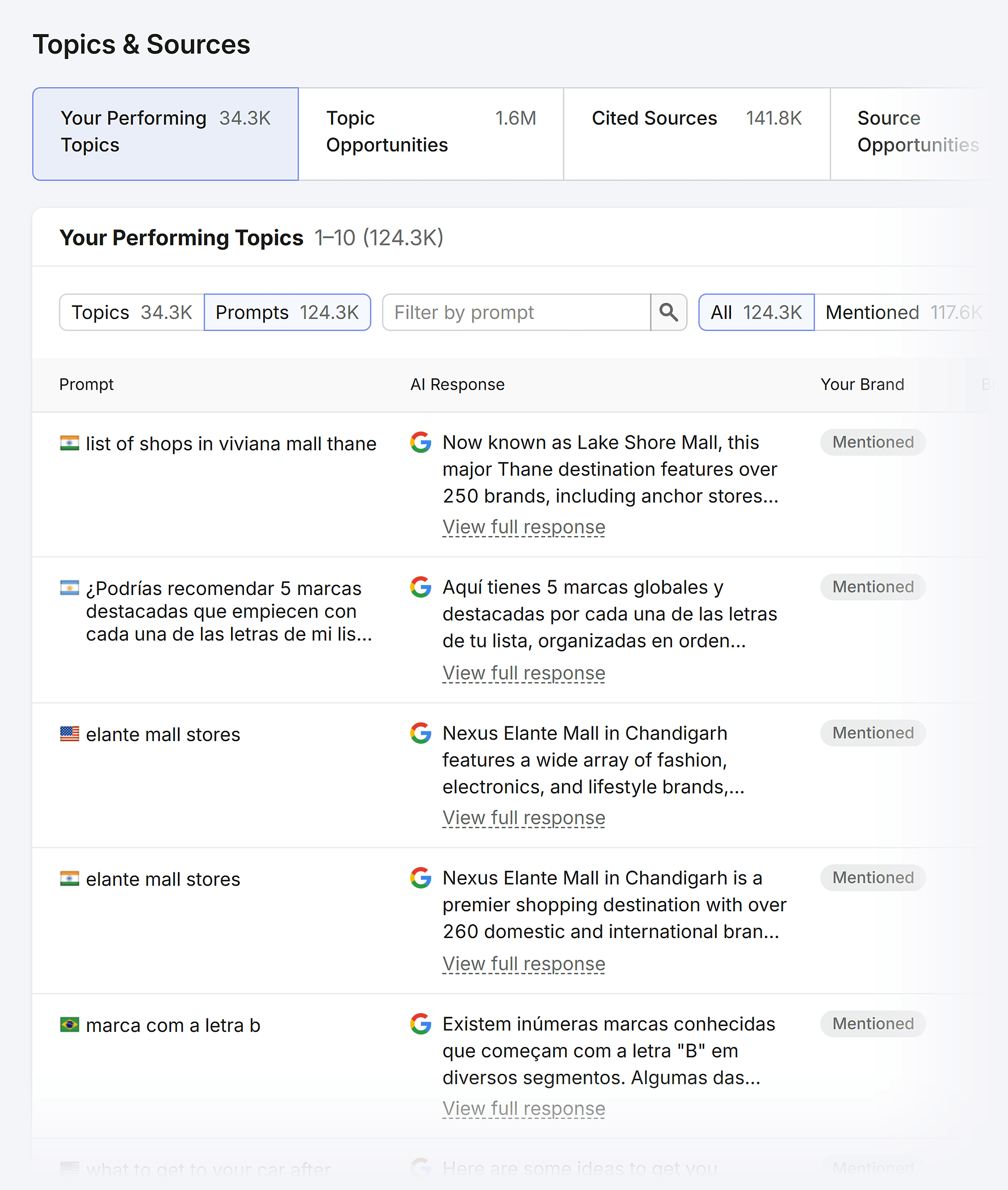
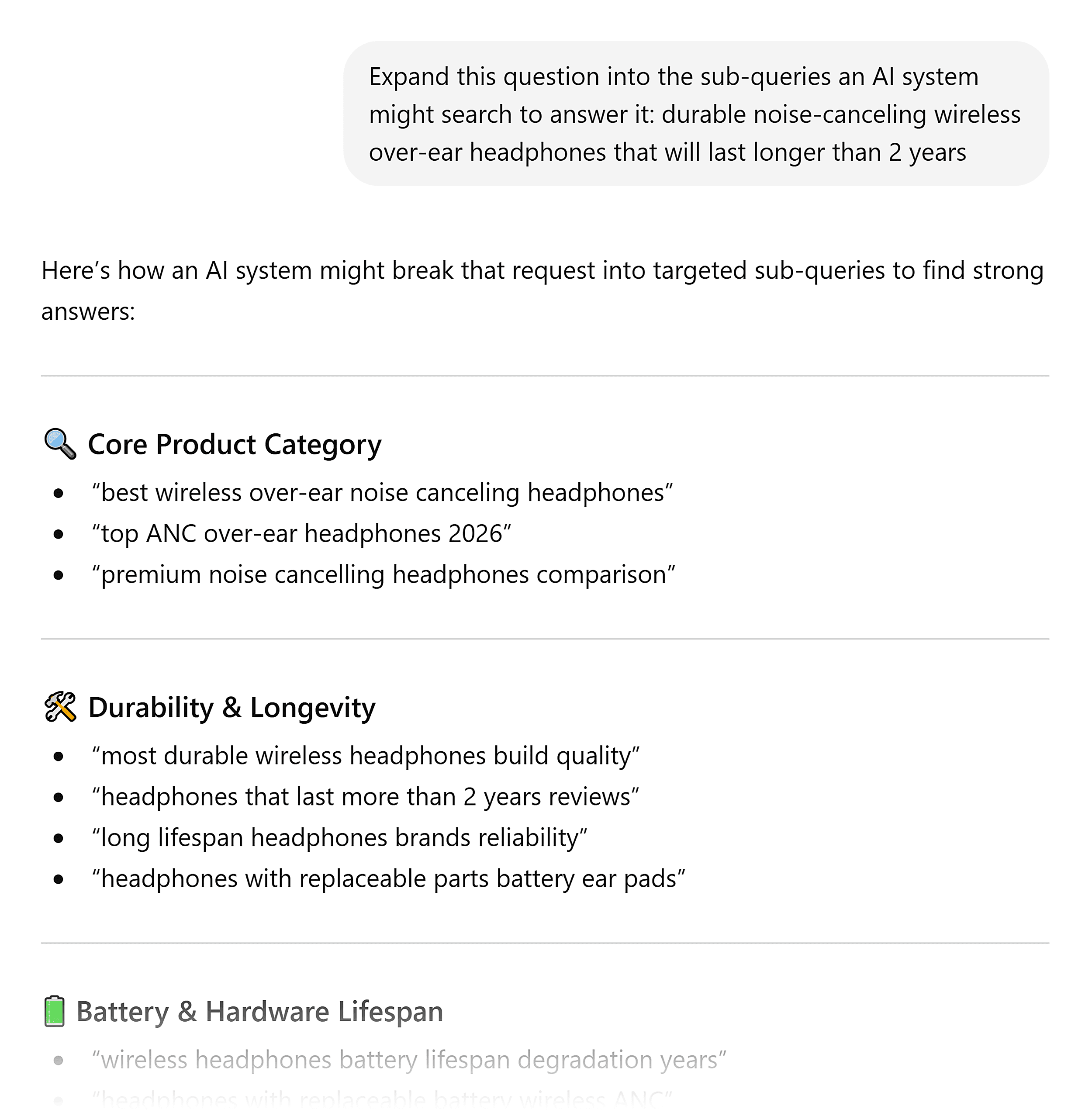
The first step involves identifying these money prompts by analyzing transcripts, forum discussions, and AI search data. Once these prompts are established, the second step is to generate a "fan-out set" using AI platforms to see which sub-queries are currently being triggered. This allows creators to understand the "related questions" that the AI deems essential for a complete answer.

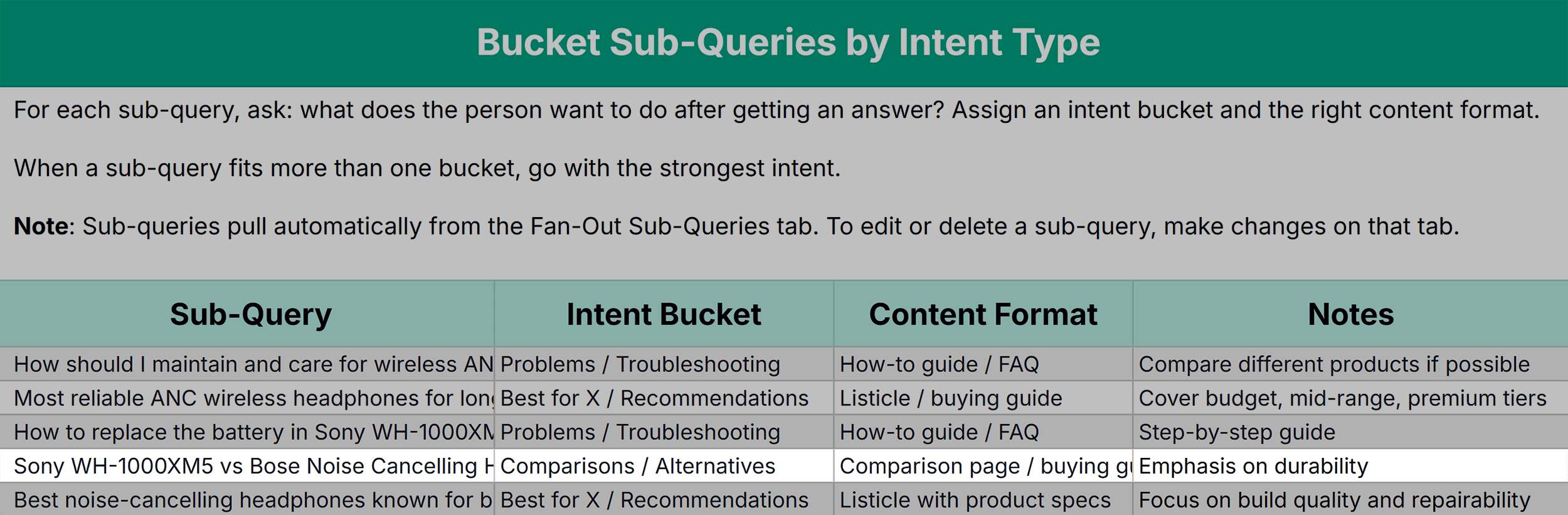
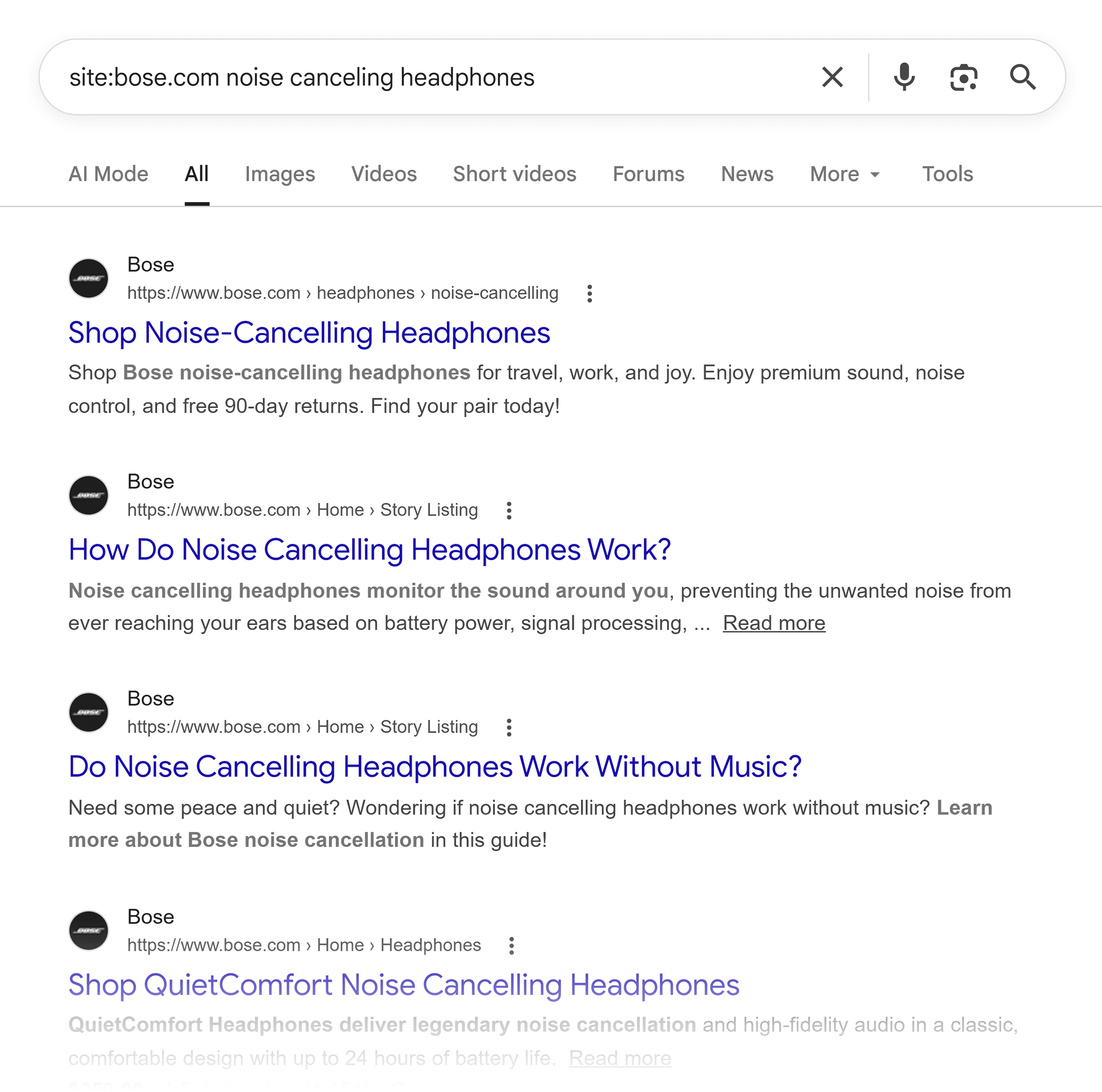
The third and fourth steps involve bucketing these sub-queries by intent—such as comparative, personalized, or entity expansion—and auditing existing content for gaps. If a brand finds that it is not being cited for a specific sub-query that its competitors are capturing, it represents a critical "content gap" that must be addressed with new or restructured information.
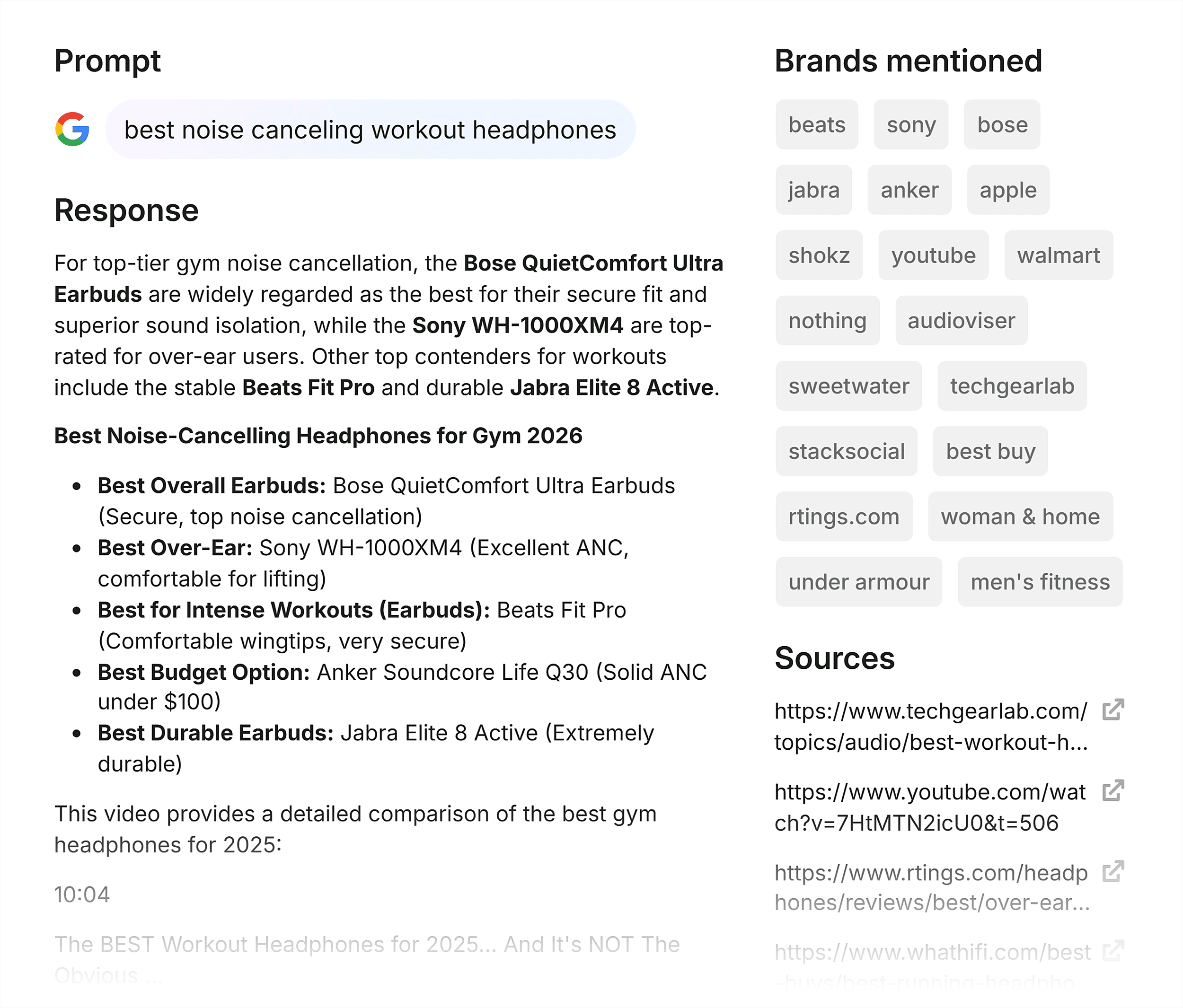
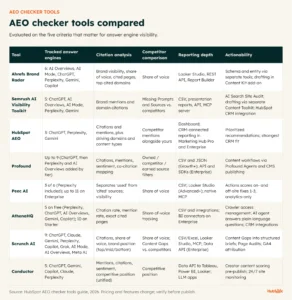
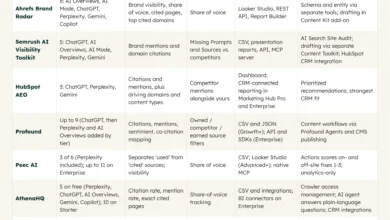
The fifth step focuses on the structural optimization of content. AI systems favor information that is "scannable" and "self-contained." This includes the use of descriptive subheadings, structured data tables, and the front-loading of claims. Finally, the sixth step requires ongoing performance measurement using tools like Semrush’s AI Visibility Toolkit to track brand mentions and sentiment across different LLMs.
Platform-Specific Variations in Fan-Out Behavior
While the concept of query fan-out is universal across modern AI, the execution varies significantly between platforms. Understanding these nuances is critical for brands looking to optimize for specific ecosystems.
ChatGPT, for instance, utilizes a "reasoning" phase. For informational queries, it relies on its training data, but for queries requiring fresh information, it runs live web searches. During this process, the model may run dozens of internal searches to verify facts and gather diverse perspectives. Perplexity AI takes a different approach by running "multi-layered" fan-outs that combine the immediate conversation context with real-time web search, often checking for user constraints like budget or location before launching external queries.
Claude, developed by Anthropic, often clarifies intent before searching, leading to fewer but more targeted sub-queries. In contrast, Google’s AI Overviews and AI Mode leverage Google’s massive web index to synthesize condensed summaries. While Google does not always expose the sub-queries it runs, the optimization focus remains on passage relevance and structured data.
Broader Implications and Future Outlook
The rise of query fan-out represents a paradigm shift in the democratization of information. By prioritizing the relevance of specific passages over the legacy authority of entire domains, AI search systems are providing smaller, more niche publishers with an opportunity to compete with established giants. If a niche site provides the most direct and accurate answer to a specific sub-query, the fan-out process is likely to find and cite it, even if the site lacks the backlink profile of a major media outlet.
However, this shift also presents a challenge for brand control. As AI systems synthesize answers from multiple sources, the "brand voice" is often filtered through the lens of the LLM. This makes the accuracy and consistency of information across the web—including third-party review sites and social platforms—more important than ever.
Industry analysts predict that as AI models become more sophisticated, the query fan-out process will become even more personalized, taking into account a user’s past behavior, preferences, and real-time context. For digital strategists, the message is clear: the era of "gaming the algorithm" via keyword density and backlink manipulation is ending. The new era of search belongs to those who provide the most retrievable, comprehensive, and structured answers to the complex questions of the modern consumer. Success in this new landscape requires a deep understanding of the background processes that power AI, and a commitment to creating content that serves both the human reader and the machine researcher.