Digital PR Emerges as the Primary Strategy for Visibility in AI-Driven Search Environments

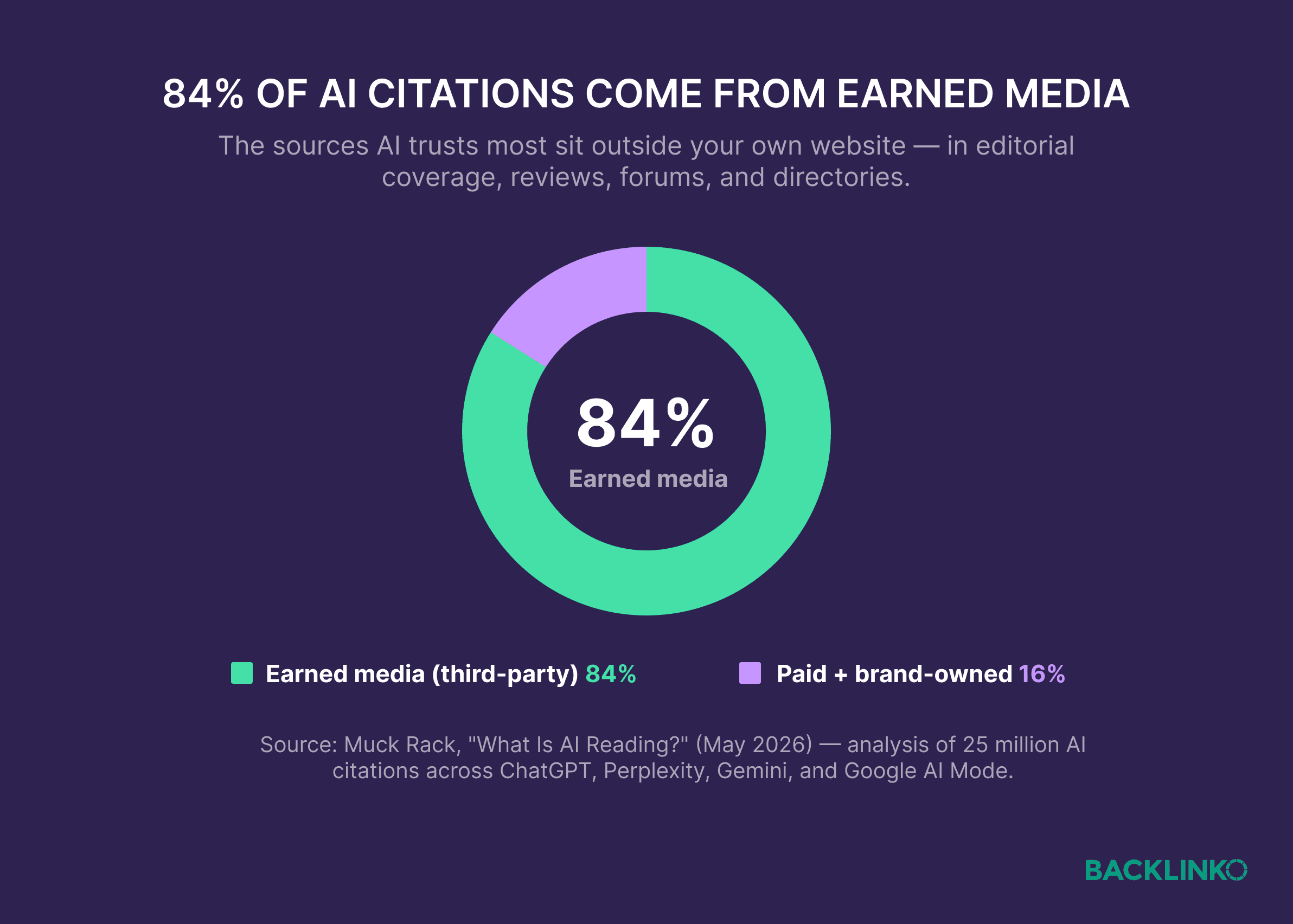
The landscape of digital marketing is undergoing a fundamental shift as artificial intelligence (AI) transforms how information is retrieved and consumed online. Recent industry data and empirical studies indicate that traditional search engine optimization (SEO), which focused heavily on onsite content and keyword placement, is no longer sufficient to secure brand visibility in the age of Large Language Models (LLMs). According to a comprehensive study by Muck Rack, approximately 84% of citations generated by AI search tools—such as ChatGPT, Perplexity, and Google’s AI Overviews—originate from earned media, including editorial coverage, third-party reviews, and community forums. This paradigm shift has positioned Digital PR as the single most critical strategy for brands seeking to influence AI-generated answers and maintain a presence in the evolving search ecosystem.
The Evolution of Search: From Blue Links to Generative Answers
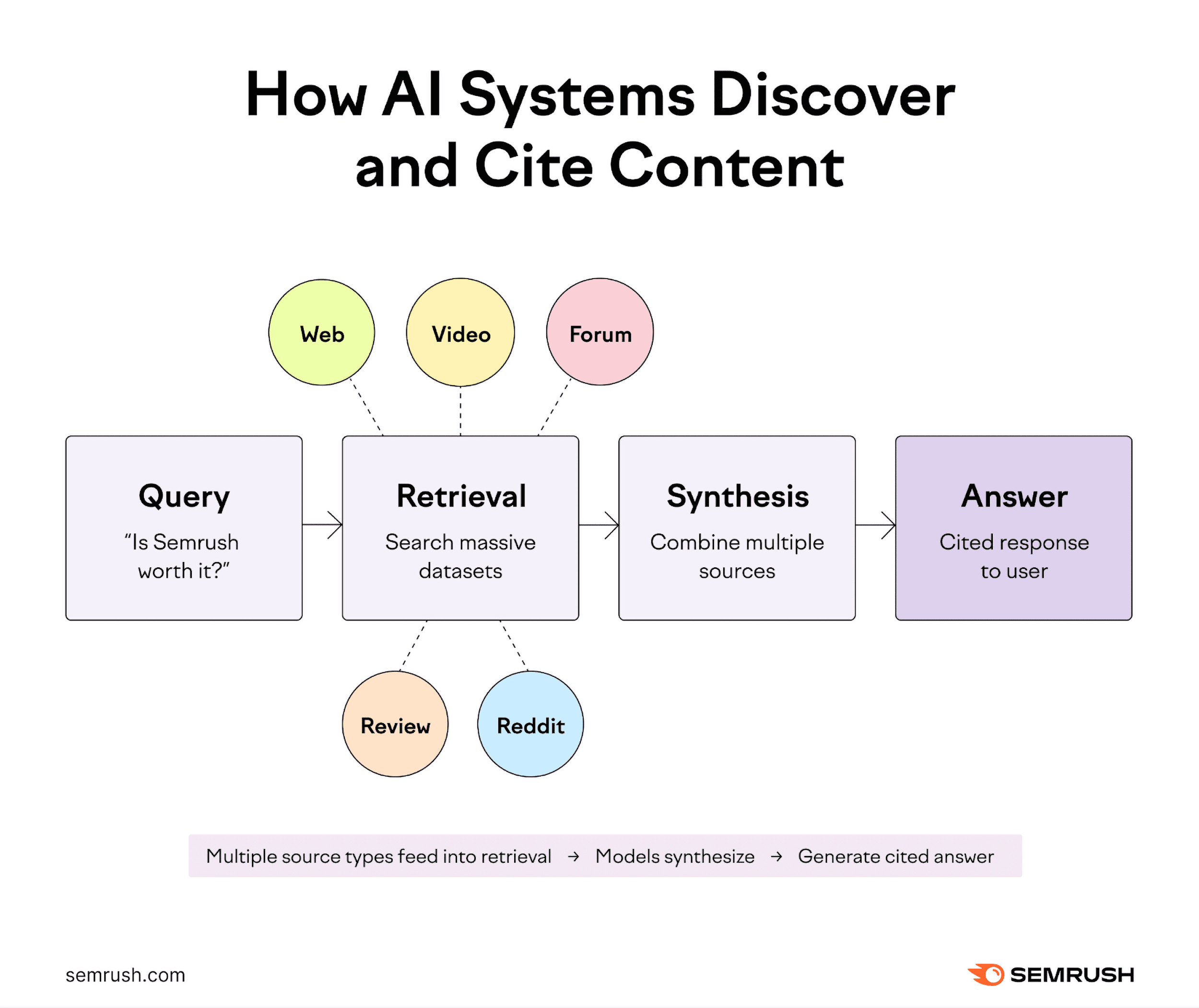
For over two decades, the primary goal of digital marketing was to secure a position on the first page of Google’s "ten blue links." However, the integration of generative AI into search engines has introduced a new layer of complexity. AI systems do not merely list websites; they synthesize information from a multitude of sources across the web to provide a single, cohesive answer. This process, often referred to as Retrieval-Augmented Generation (RAG), relies on the AI’s ability to identify the most credible and frequently mentioned sources regarding a specific query.
Industry analysts observe that in this new environment, third-party validation has effectively surpassed self-promotion. While publishing high-quality content on a brand’s own website remains a foundational requirement, AI visibility is increasingly shaped by "offsite" factors. The frequency and context in which a brand name appears across authoritative third-party publications determine whether an LLM recognizes, trusts, and ultimately recommends that brand to the user.
Chronology of AI Integration in the Search Landscape
The transition toward AI-centric search has moved with unprecedented speed over the last 24 months. The timeline began in late 2022 with the public release of ChatGPT, which demonstrated the potential for conversational information retrieval. By early 2023, Microsoft integrated GPT-4 into Bing, marking the first major attempt to combine LLMs with live web indexing.
In May 2023, Google introduced its Search Generative Experience (SGE), later rebranded as AI Overviews. This move signaled to the global marketing community that the world’s largest search engine was moving toward a "zero-click" model, where users receive answers directly on the search results page. By 2024, specialized AI search engines like Perplexity gained significant market share, further emphasizing the need for brands to be cited as authoritative sources within AI-generated summaries.
Supporting Data: The Correlation Between Authority and Citations
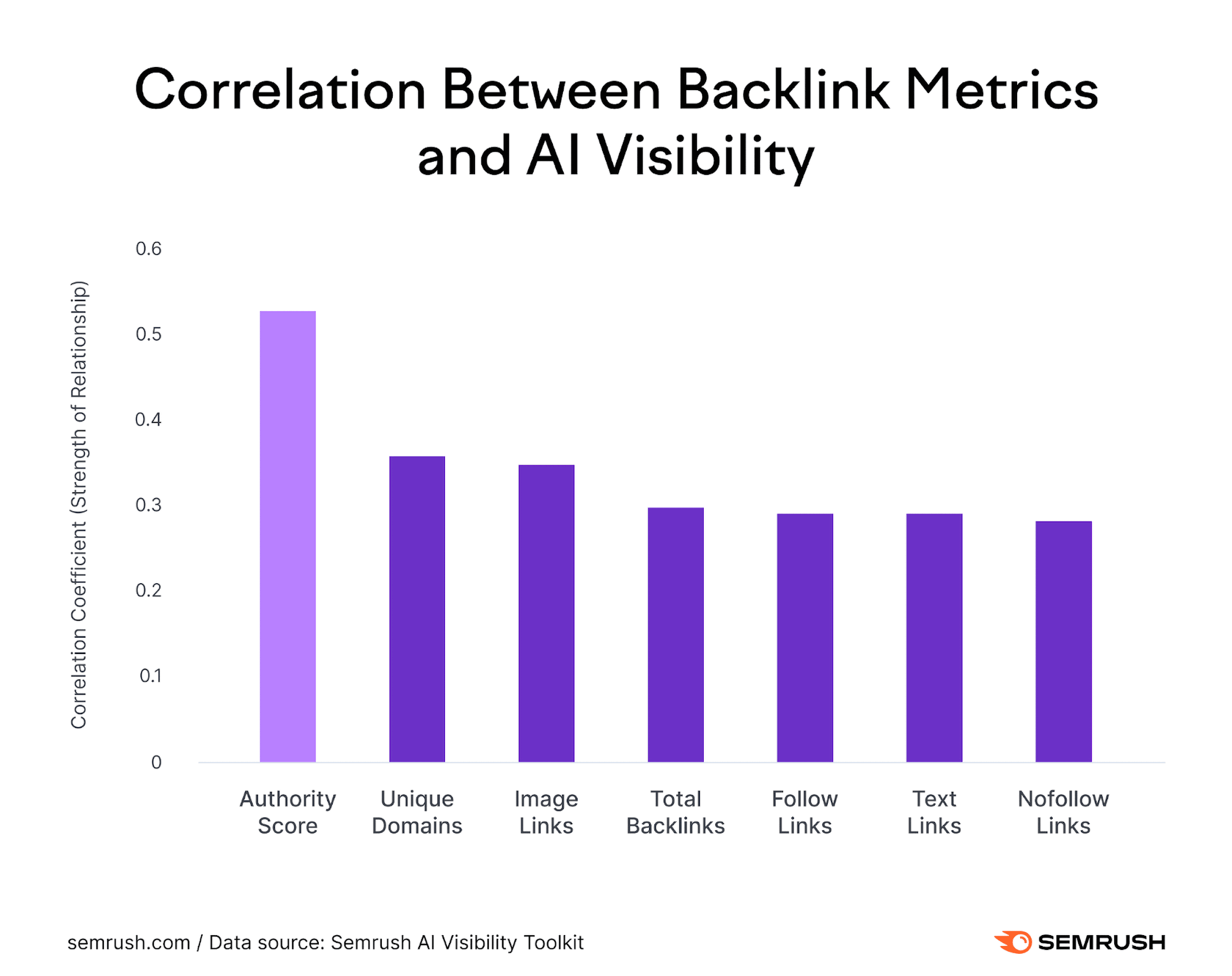
The shift toward Digital PR is supported by a growing body of data from leading SEO and marketing research firms. A study of 1,000 domains conducted by Semrush revealed a strong correlation between traditional backlink authority and AI visibility. The data suggests that brands with a robust profile of high-quality backlinks are significantly more likely to appear in AI-generated answers.
Furthermore, research from Seer Interactive, which analyzed over 800,000 AI responses, highlighted the importance of domain authority. The study found that the top two metrics impacting AI visibility are overall domain authority and the presence of backlinks from sites with a Domain Authority (DA) score of 60 or higher. This suggests that AI models use established web authority as a proxy for truth and reliability.
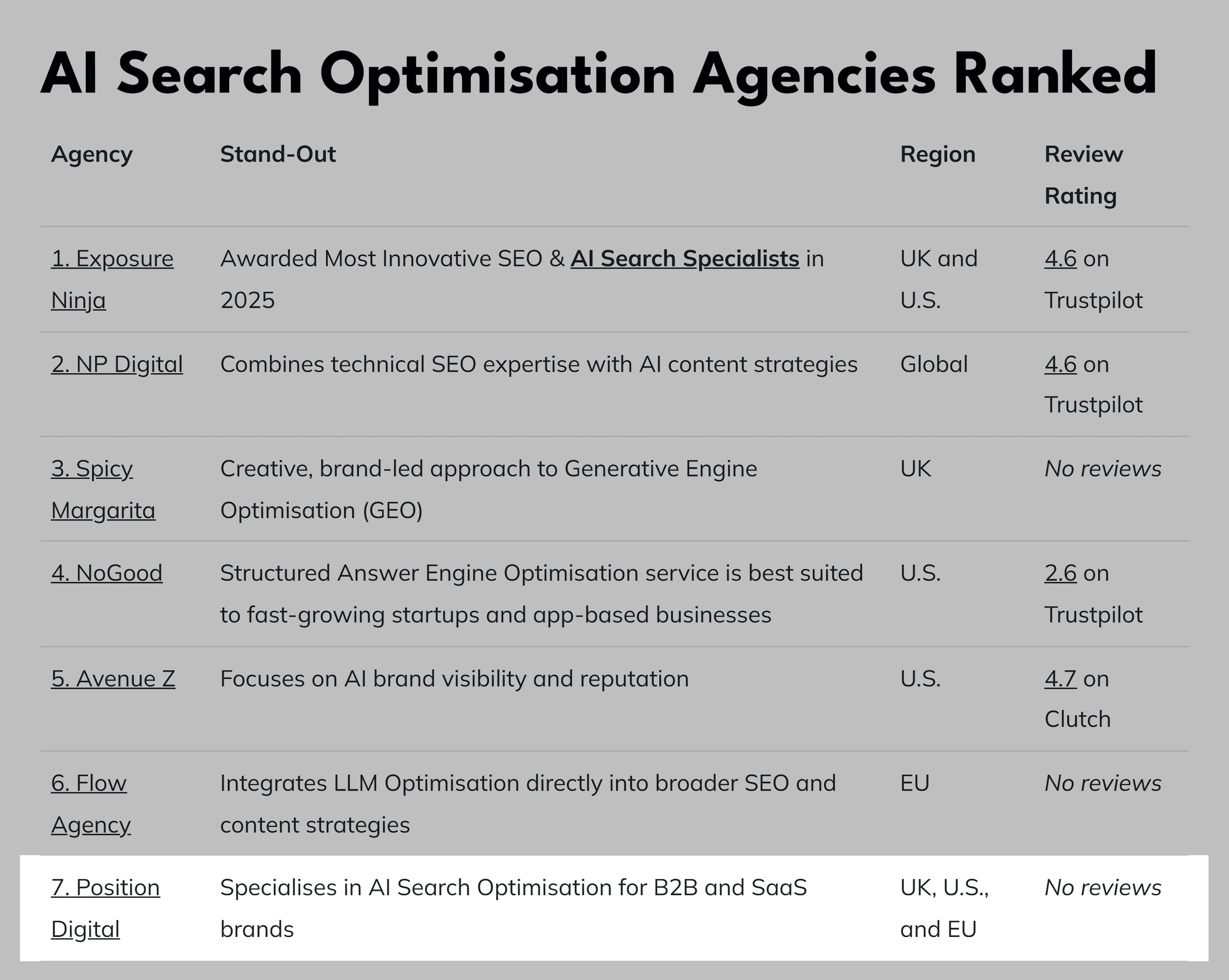
The Seer Interactive study also uncovered a startling trend regarding review platforms. Brands with no profile on neutral review sites like Trustpilot had a median AI citation rate of just 1%. In contrast, brands with even a minimal profile (as few as 1 to 13 reviews) saw their citation rate jump to 53.5%. This data underscores the fact that AI models prioritize independent, community-validated sources over a brand’s own marketing copy.
The Six Pillars of an AI-Centric Digital PR Strategy
To adapt to these changes, marketing professionals are adopting a multi-faceted Digital PR framework designed to feed AI models the data and validation they require.
1. Data-Led Public Relations
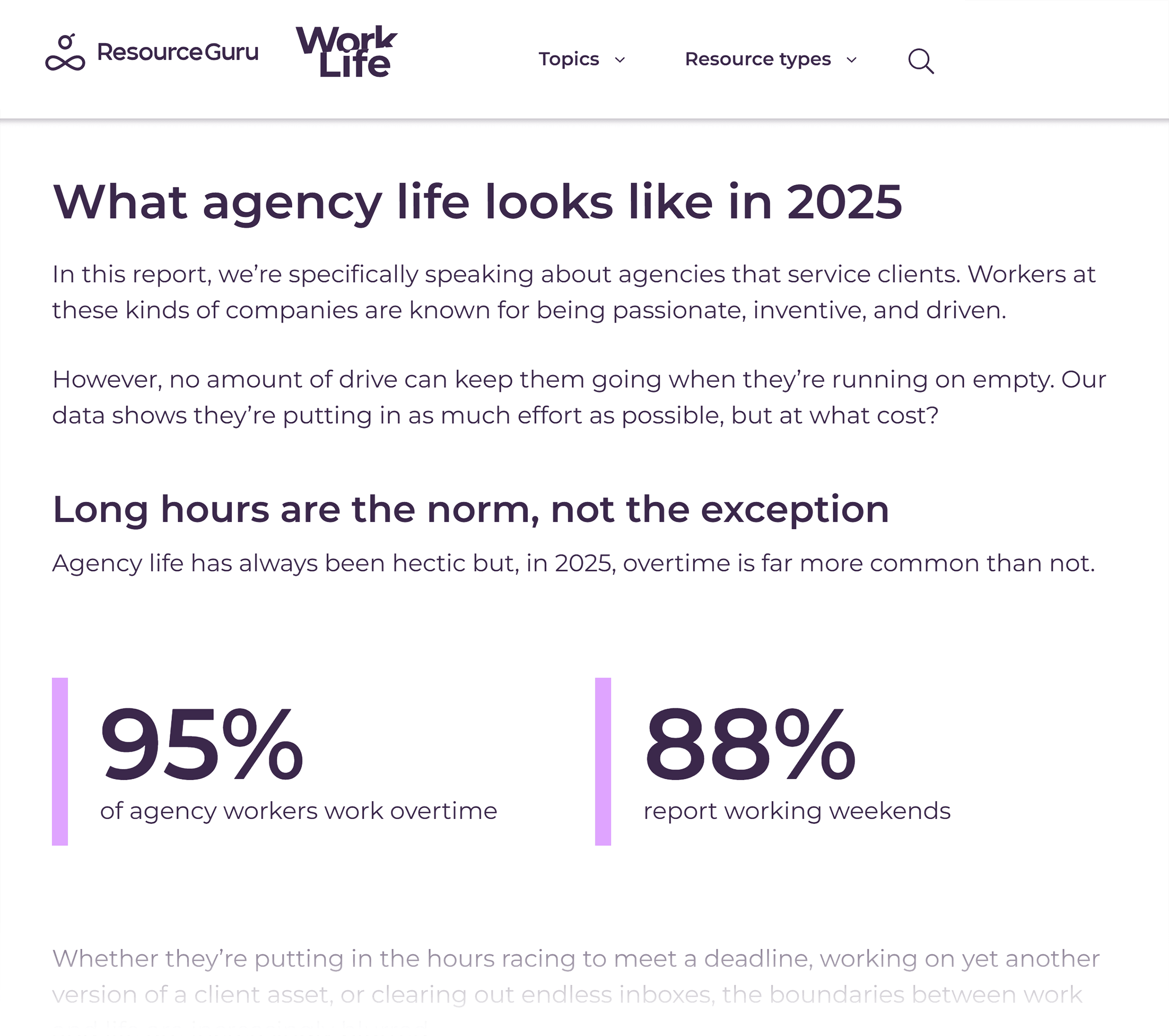
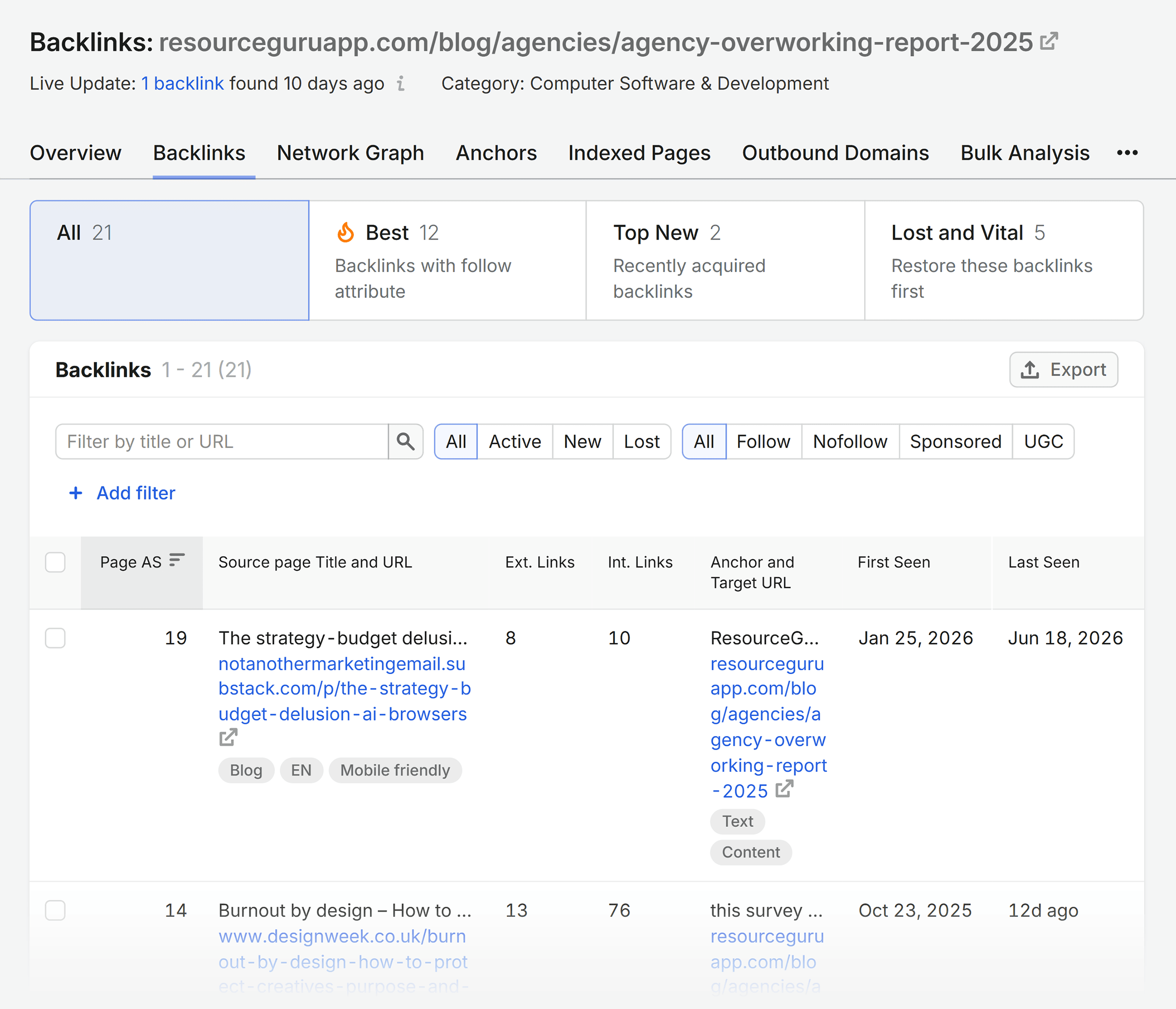
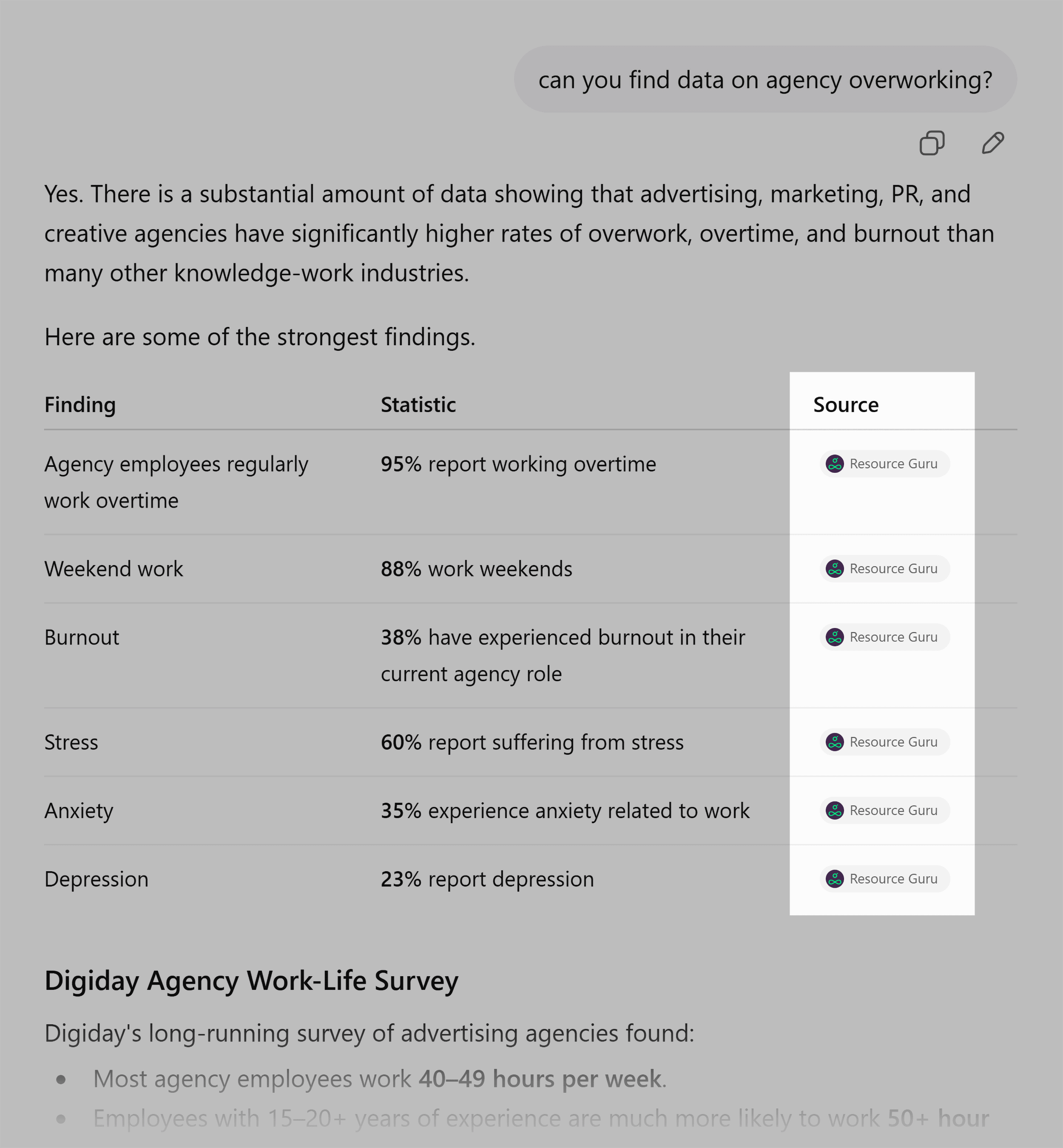
Original research and statistical reporting have become highly effective tools for earning high-authority backlinks. Journalists and industry bloggers are constantly in search of fresh, credible data to support their narratives. When a brand publishes original research, such as the "Agency Overworking Report 2025" cited in recent case studies, it creates a "citable asset." Such reports have been shown to generate dozens of natural backlinks from top-tier publications like Forbes. Because LLMs are trained on these high-authority sites, the brand’s data—and the brand itself—become ingrained in the AI’s knowledge base.
2. Strategic AI Citation Outreach
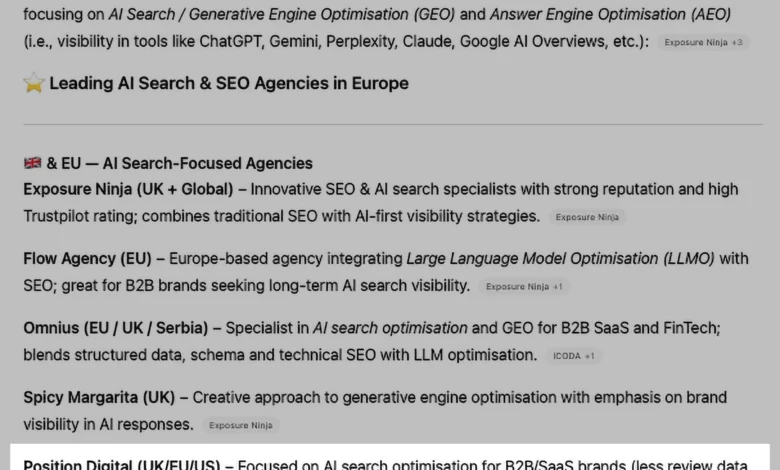
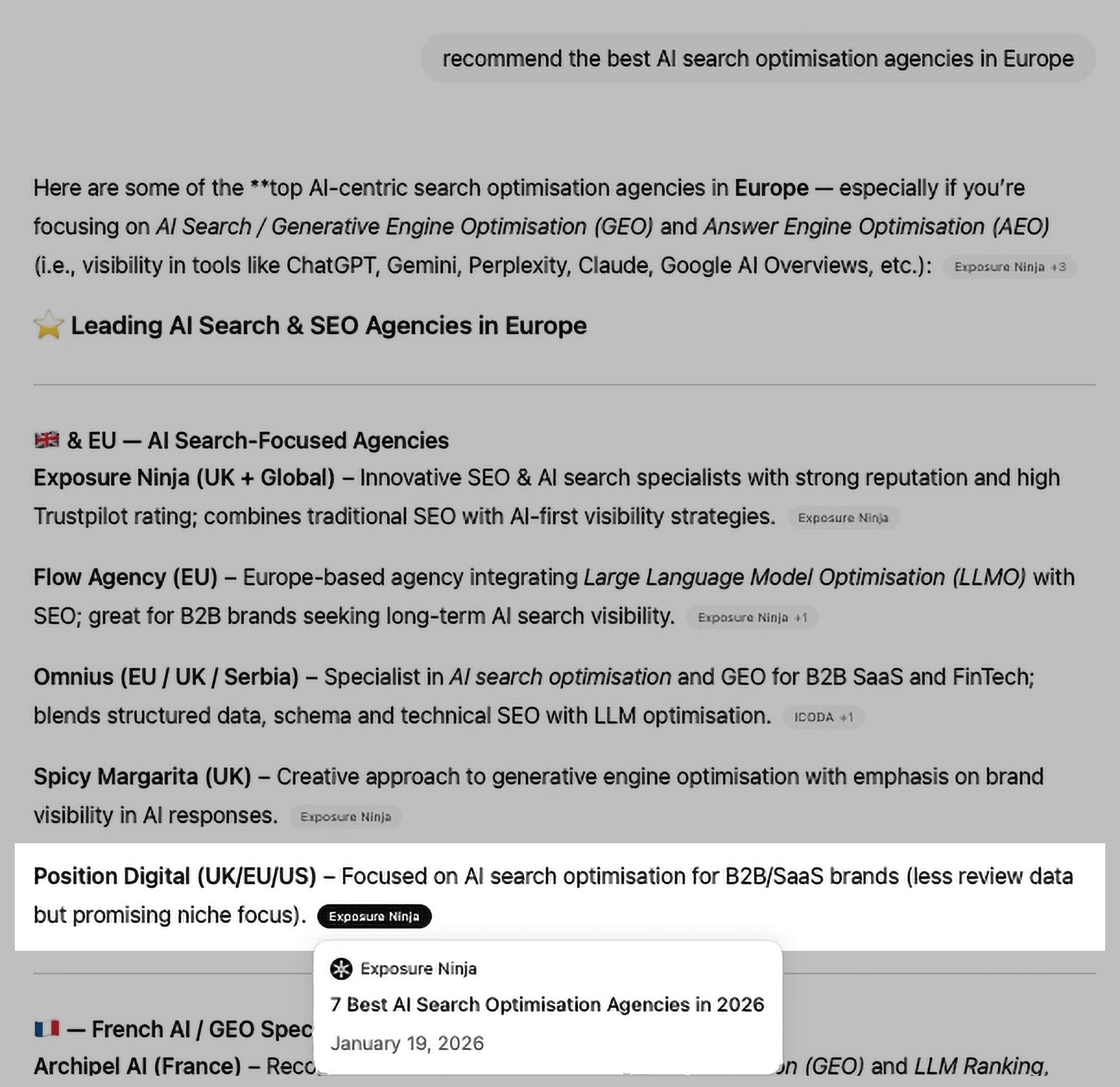
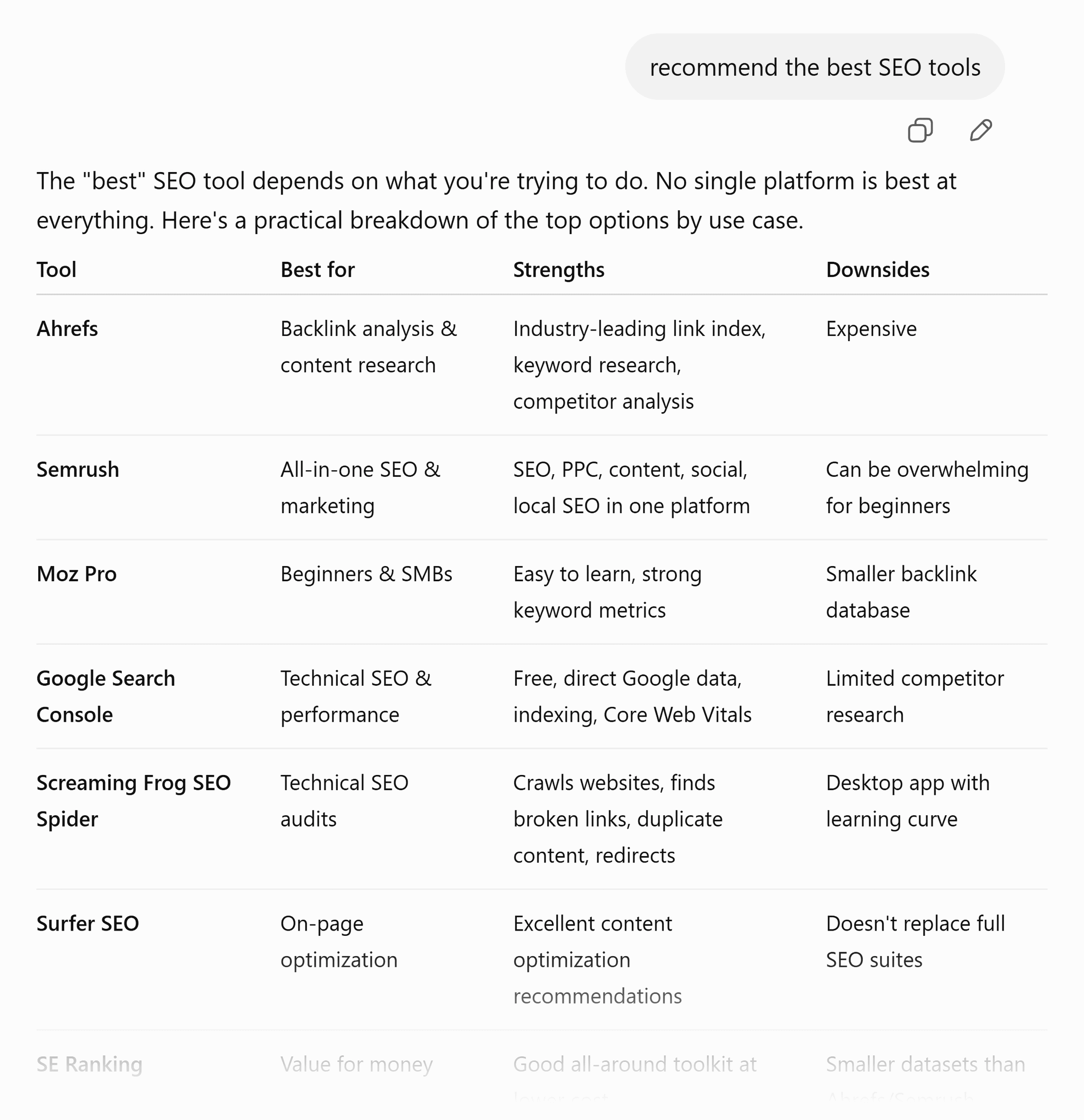
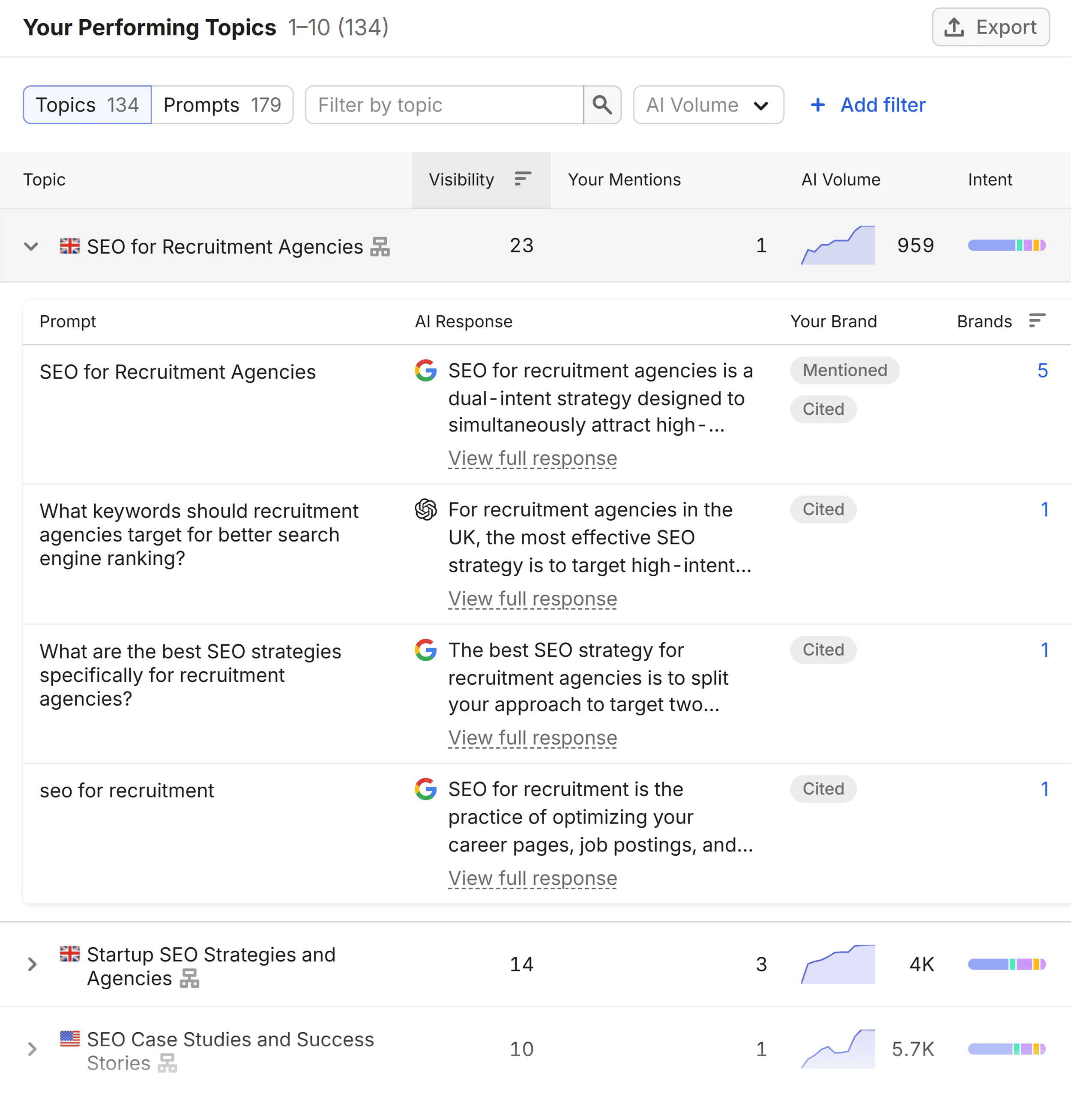
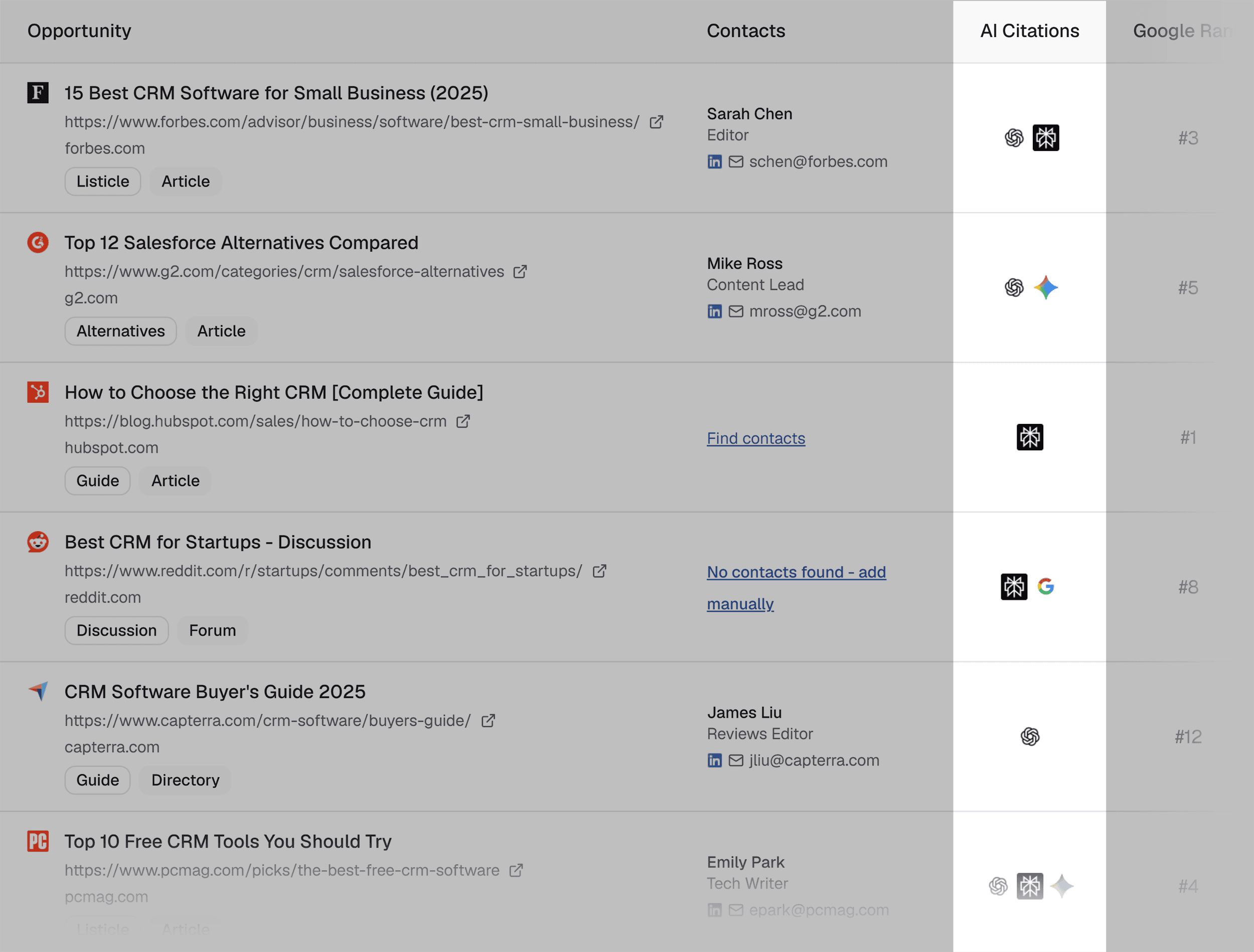
This strategy involves identifying the specific pages and listicles that AI models currently cite for target keywords. By using tools to monitor which sources ChatGPT or Perplexity references, Digital PR teams can proactively pitch for inclusion in those specific articles. If a brand is added to a listicle that an AI model already trusts, the brand is likely to be included in future AI-generated recommendations.
3. Reactive PR and Real-Time Indexing
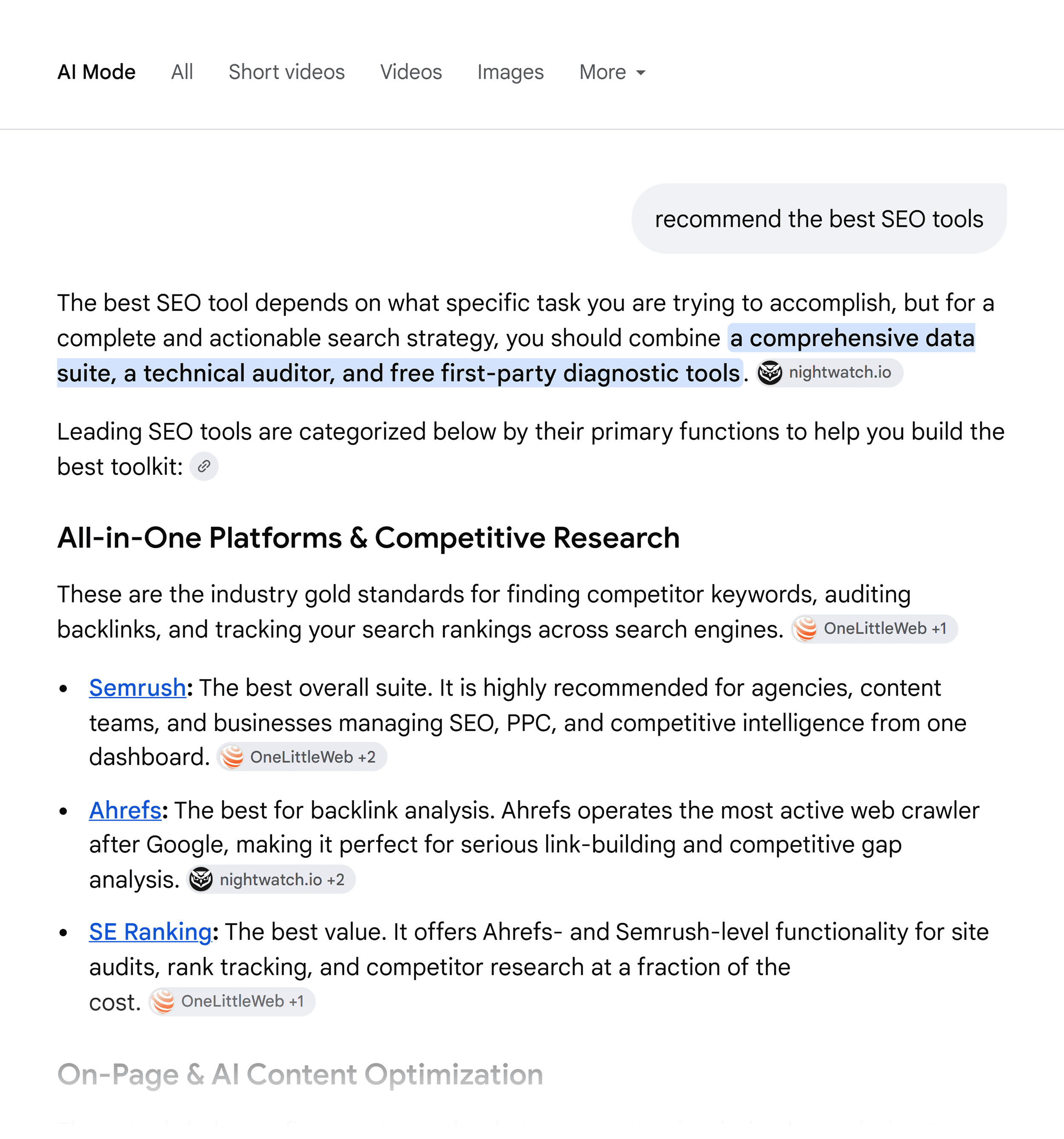
LLMs often have a "knowledge cutoff," but modern AI search tools circumvent this by performing real-time web searches for current events. Reactive PR involves providing immediate expert commentary on breaking news. When a brand is among the first to offer analysis on a trending topic, it captures the "first-mover advantage" in AI search results, as the model has fewer sources to choose from during the early stages of a news cycle.
4. The "Ego Bait" and Expert Integration Framework
AI models increasingly look for "Expertise, Authoritativeness, and Trustworthiness" (E-E-A-T). Content that features quotes from recognized industry experts performs better in AI search. A study on AI SEO statistics found that pages containing expert quotes received 4.1 citations in ChatGPT on average, compared to 2.4 for pages without them. This "ego bait" strategy not only improves the content’s credibility for AI but also encourages the featured experts to share the content, creating a ripple effect of mentions across the web.
5. Thought Leadership on High-Authority Domains
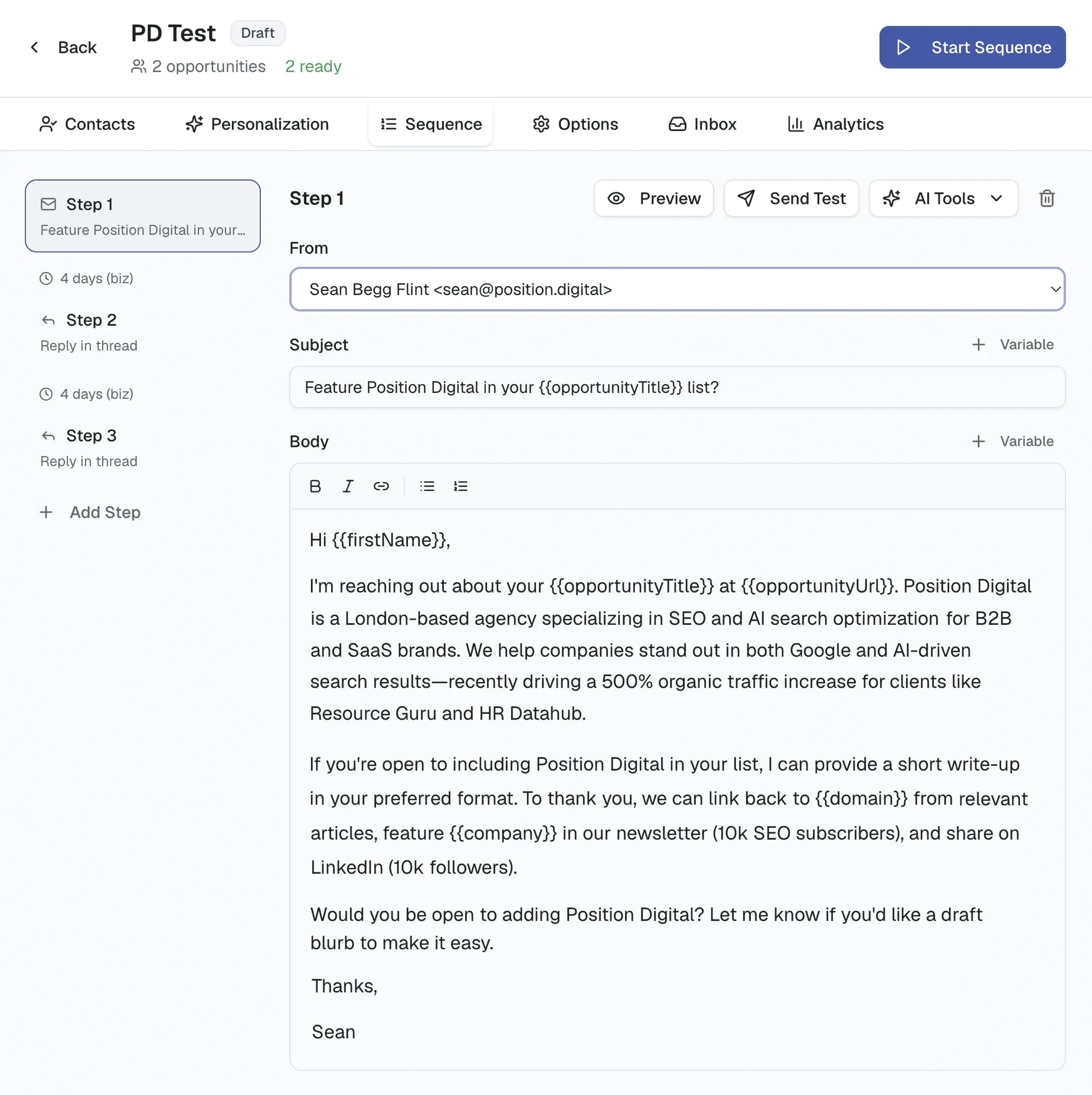
Establishing a presence on platforms that AI models treat as primary sources—such as LinkedIn, Medium, and major industry publications—is essential. Semrush’s analysis of 89,000 LinkedIn URLs cited in AI search found that LinkedIn is one of the most frequently cited domains across all major LLMs. By publishing thought leadership content on these platforms, brands can ensure their perspectives are indexed by AI systems.
6. Community Building and Neutral Validation
AI models show a marked preference for community-driven platforms like Reddit and Quora. A Semrush study noted that LLMs often cite Reddit threads about a product more frequently than the product’s official blog. This is attributed to the perceived authenticity of user discussions. Consequently, Digital PR now includes "community management," where brand representatives contribute helpful, non-promotional insights to forum discussions to build a trail of positive, third-party mentions.
Industry Reactions and Expert Analysis
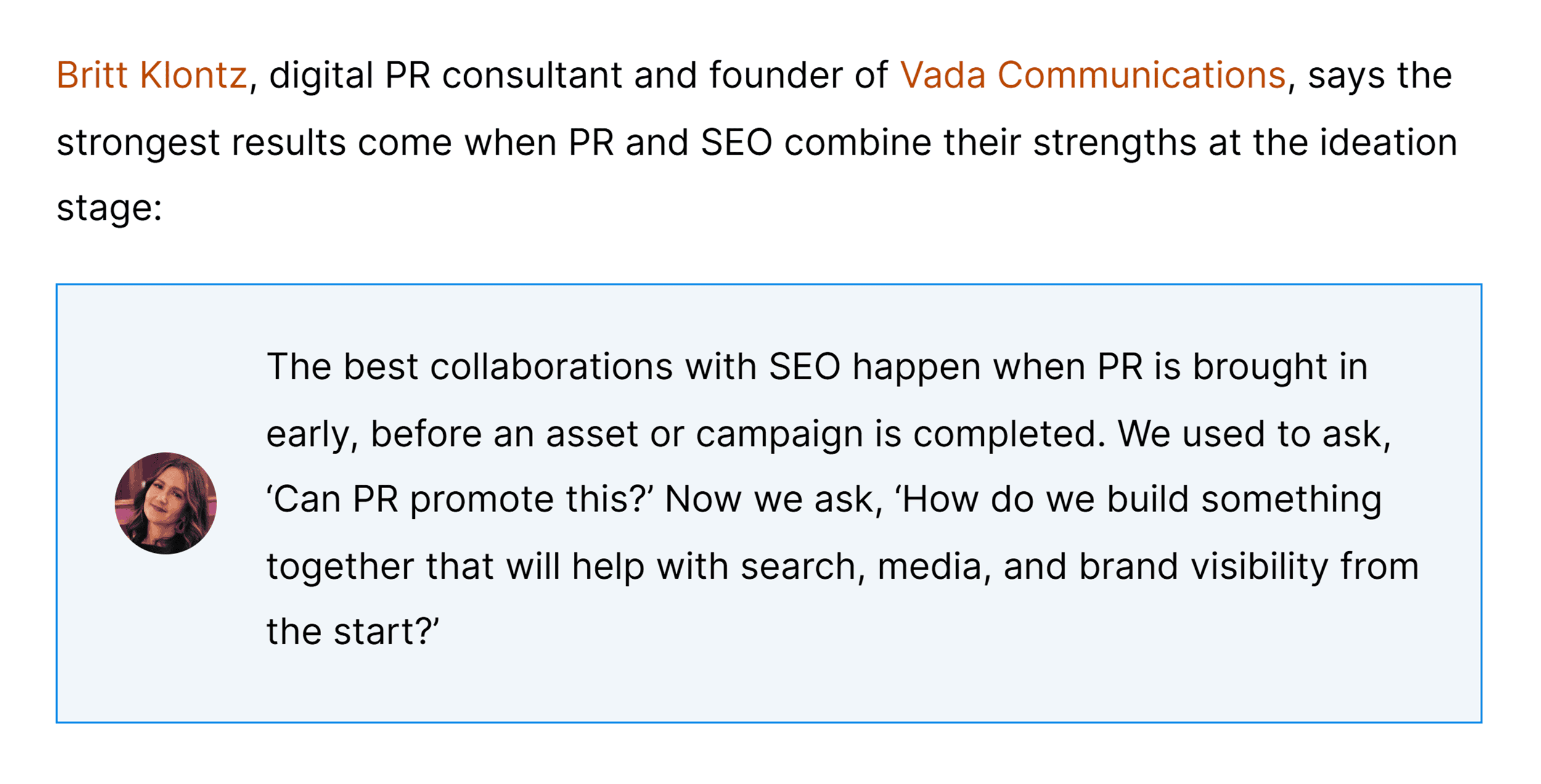
The shift toward Digital PR has drawn reactions from across the marketing industry. "We are seeing the convergence of SEO and PR in a way that was previously theoretical," says one industry consultant. "In the past, PR was about brand awareness and SEO was about traffic. Now, PR is the engine that drives the data and authority that AI needs to provide an answer."
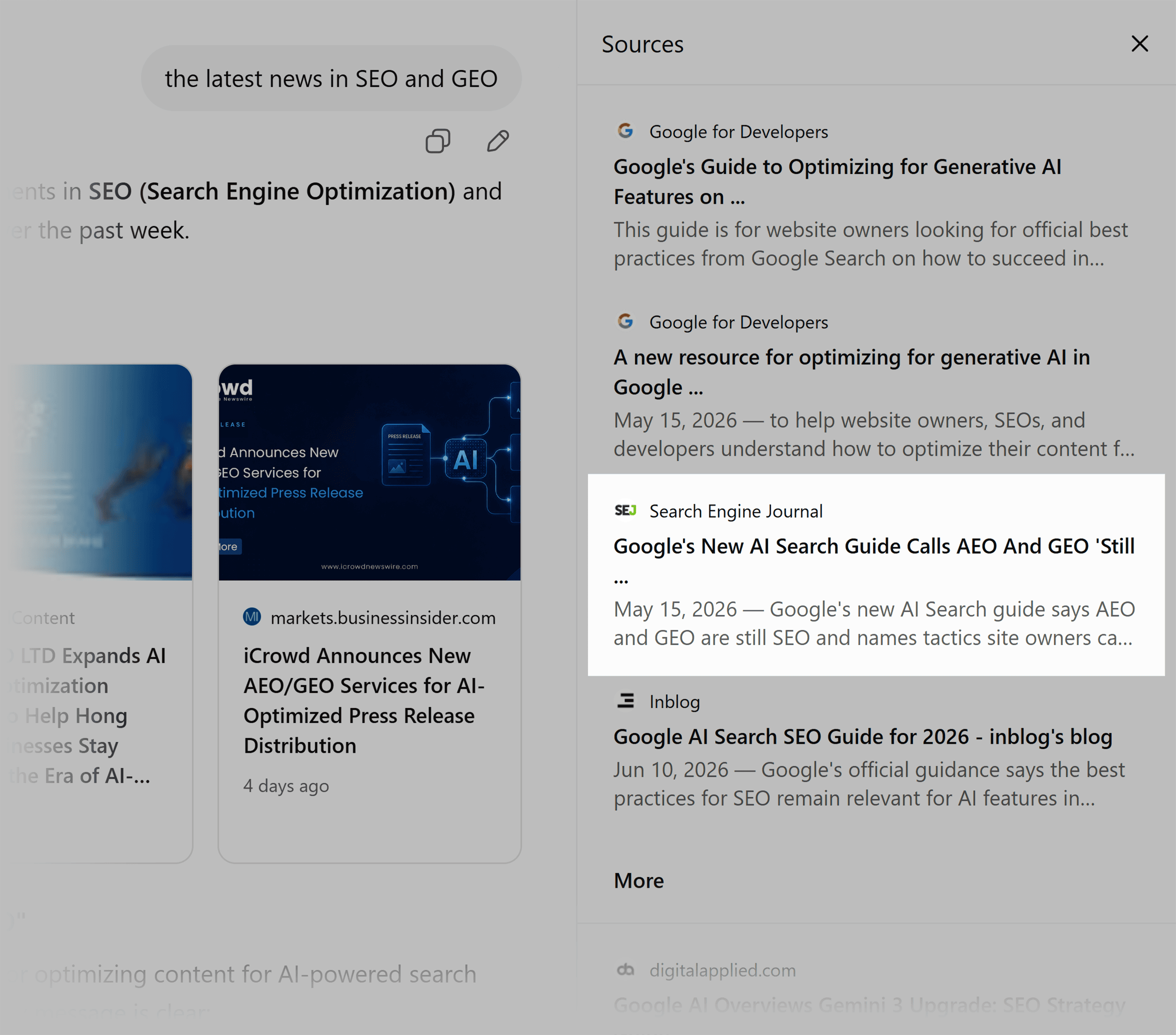
Legal and ethical considerations are also coming to the forefront. As AI models scrape more data from earned media, the relationship between publishers and AI companies remains a point of contention. However, for brands, the consensus is clear: the more "digital footprints" a brand leaves on authoritative, third-party sites, the more "visible" it becomes to the algorithms that now mediate human knowledge.
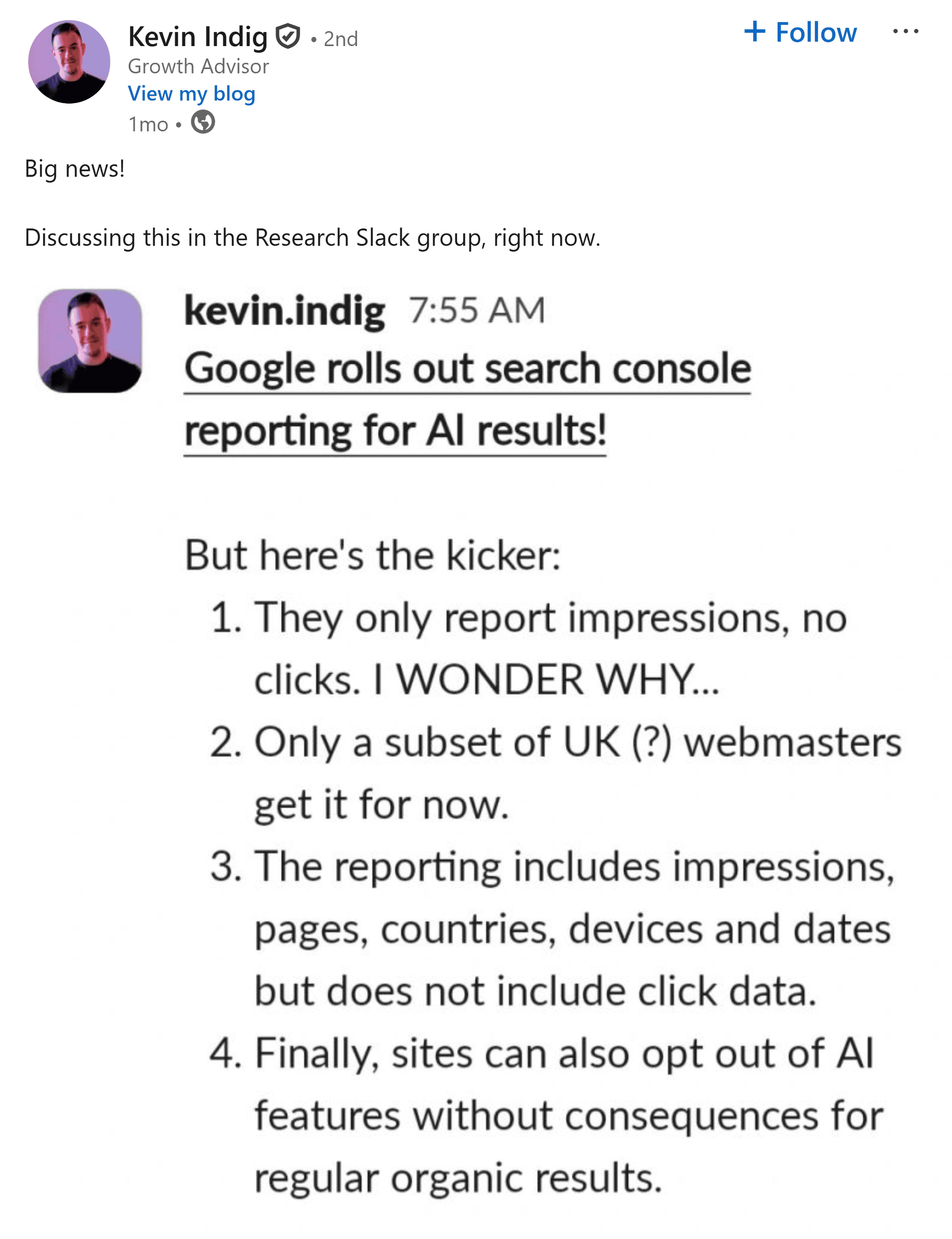
Broader Impact and Future Implications
The implications of this shift are profound for both large enterprises and small businesses. For large brands, the challenge lies in maintaining a consistent narrative across a vast array of third-party sources. For smaller businesses, Digital PR offers a way to "punch above their weight" by securing mentions in niche publications that AI models favor for specific, long-tail queries.

Looking forward, the role of Digital PR is expected to expand further into "LLM Seeding" or "Generative Engine Optimization" (GEO). As AI models become more sophisticated, they will likely place even greater emphasis on the sentiment and context of brand mentions. This means that simply being mentioned will not be enough; brands will need to ensure that the mentions are positive, authoritative, and contextually relevant to the user’s intent.
In conclusion, the rise of AI search has redefined the rules of digital visibility. By prioritizing Digital PR and focusing on earned media, brands can move beyond self-promotion and build the third-party authority necessary to thrive in an AI-dominated information landscape. The strategy is no longer just about ranking; it is about becoming a trusted part of the AI’s global knowledge graph.