The Permissionless Pilot: Revolutionizing Enterprise Sales by Delivering Instant Value

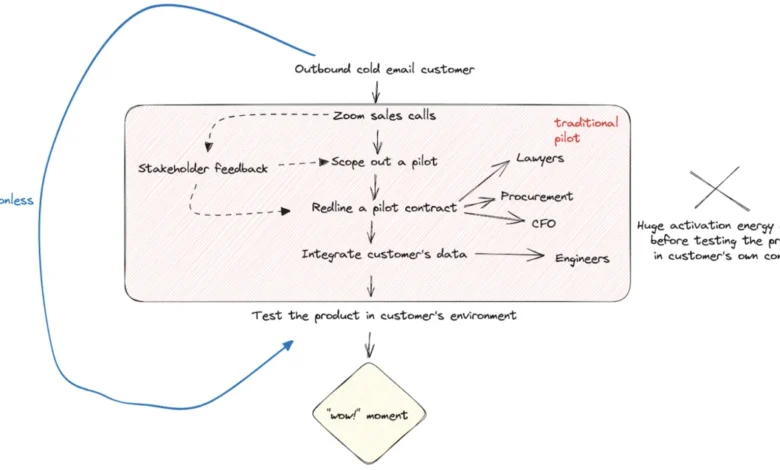
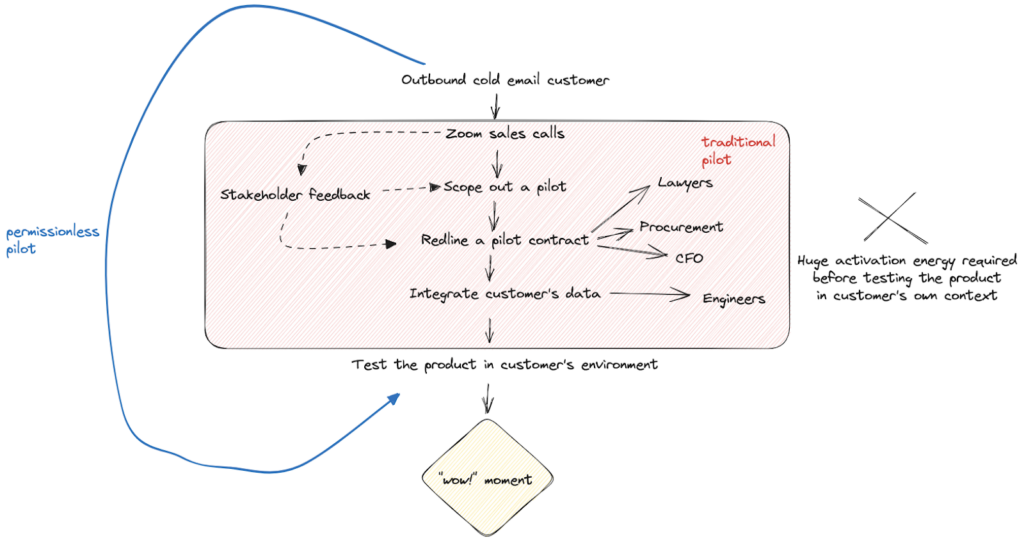
A decade ago, the SaaS landscape was abuzz with the concept of "Time to Wow!", a framework championed by David Skok that emphasized the power of a customer experiencing immediate and profound value from a product. This pivotal idea, which focused on accelerating the moment a buyer truly understood a product’s benefits, laid the groundwork for a significant shift in sales strategies. Today, a new pattern is emerging, enabling startups to dramatically shorten the sales cycle for large enterprise contracts by fundamentally inverting the traditional process. This innovative approach, dubbed the "permissionless pilot," shifts the customer’s "Wow!" moment from the laborious conclusion of a sales cycle to its very inception.

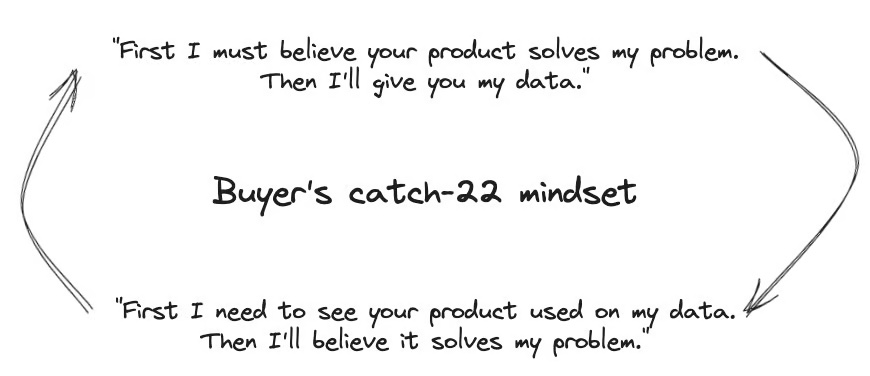
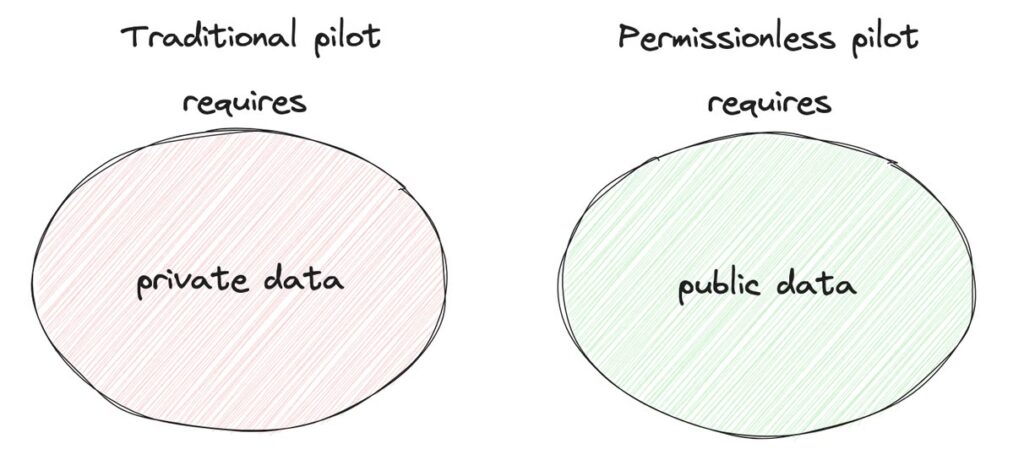
The conventional enterprise sales cycle is notoriously protracted, often involving numerous calls, complex procurement processes, intricate contract negotiations, and lengthy technical integrations. Only after navigating this arduous path can a prospect truly experience the product’s value proposition and confirm its suitability for their specific use case. This drawn-out journey creates a significant hurdle, often leading to deal fatigue and lost opportunities. The inherent difficulty in closing enterprise deals is compounded by a fundamental catch-22: customers are hesitant to share sensitive proprietary data until they are convinced of a product’s efficacy, yet a product’s true value is often only demonstrable when applied to that very data.
The Enterprise Sales Conundrum: A Data Dilemma
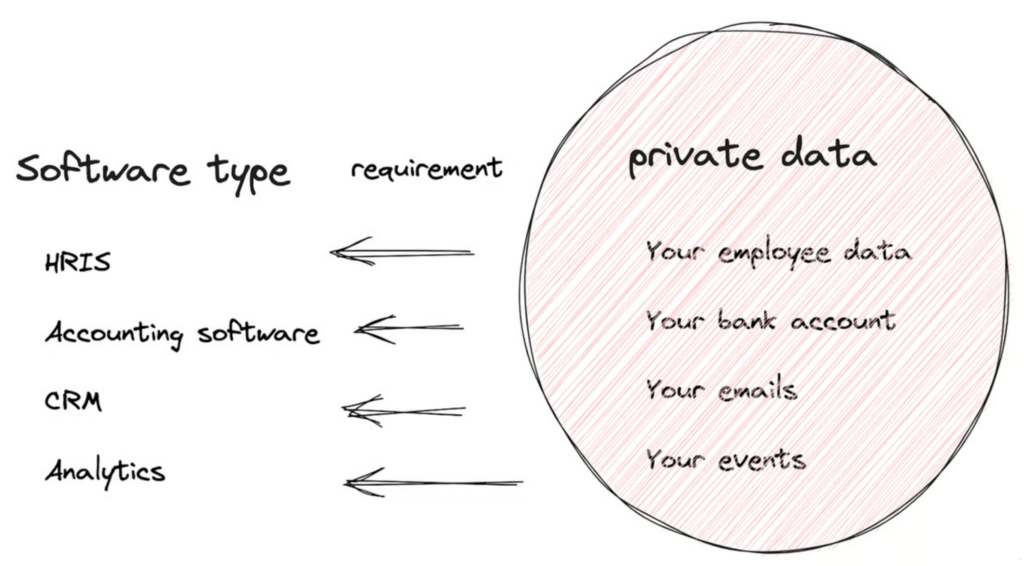
The core of this challenge lies in the data dependency of most enterprise software solutions. To showcase a product’s capabilities, vendors often resort to using simulated or "dummy" data in their demonstrations. While this offers a glimpse into the user experience, it is akin to observing a car from the passenger seat rather than taking it for a test drive. The real impact, the "Wow!" moment, is rarely achieved until the product is applied to the prospect’s unique operational context, utilizing their own data.
Gaining access to a customer’s proprietary data is a significant undertaking. It necessitates the expenditure of considerable social capital within the prospect’s organization. This involves securing buy-in from various stakeholders, navigating internal political landscapes, and obtaining formal approvals from procurement and legal departments. The sheer volume of these prerequisites often delays or entirely derails the sales process. Consequently, prospects are reluctant to commit to sharing sensitive information until they have a high degree of confidence that the solution will deliver tangible benefits. This creates a classic catch-22: no data without proof of value, and no proof of value without data.
Introducing the Permissionless Pilot: A Game-Changer
The permissionless pilot offers a revolutionary solution to this deeply entrenched problem. It acts as a "cheat code," effectively reducing the customer’s time-to-value to zero. This strategy is designed to immediately overcome customer skepticism by allowing them to experience the product’s core benefits from the outset, without requiring any prior commitments or configurations. The "permissionless" aspect signifies that the demonstration works instantly, without needing the prospect’s explicit consent or setup.
At its essence, a permissionless pilot is a product demonstration that leverages publicly available, customer-specific data to deliver an immediate and impactful "Wow!" moment. This approach fundamentally reorients the sales funnel, bringing the most compelling aspect of the product – its ability to solve a specific problem with relevant data – to the very first touchpoint.
Crafting a Permissionless Pilot: The Foundational Steps
Developing a successful permissionless pilot typically involves three core components:
- Identify Relevant Public Data: The first step is to meticulously identify publicly accessible data sources that are directly relevant to the target customer’s industry, operations, or challenges. This data should be rich enough to showcase the product’s capabilities in a meaningful way. The proliferation of public data, driven by increased transparency and open data initiatives, has created a fertile ground for this strategy.
- Develop a "Cool Demo" that Works on Public Data: The next crucial step is to engineer a demonstration that can ingest and process this public data to produce compelling insights or visualizations. This demo should be designed to highlight a specific, high-value outcome that the product can achieve. The emphasis here is on creating something that is not necessarily a fully functional, production-ready version of the product, but rather a compelling illustration of its potential. The goal is to generate excitement and curiosity, prompting further engagement.
- Make the Demo Accessible Instantly: The final, and perhaps most critical, element is ensuring that this demonstration can be accessed by a prospect immediately, without any barriers. This means eliminating the need for account creation, lengthy onboarding processes, or complex integrations. The prospect should be able to experience the "Wow!" moment by simply clicking a link or accessing a web-based interface.
The suitability of permissionless pilots varies by company and industry. However, the continuous growth of publicly available data, coupled with advancements in machine learning (ML) techniques such as computer vision and natural language processing (NLP) powered by large language models (LLMs), is expanding the possibilities for creating these immediate value demonstrations. These technologies enable the structuring of vast amounts of unstructured data, opening up new avenues for permissionless pilots.
Emerge Tools: A Real-World Success Story in Permissionless Pilots
The efficacy of permissionless pilots is not merely theoretical; it is being actively demonstrated by companies achieving significant market traction. Emerge Tools, a portfolio company specializing in mobile application performance management (APM) and optimization, provides a compelling case study. Emerge helps developers reduce the size of their mobile applications, leading to faster downloads, reduced data consumption, and quicker load times.
Within three years, Emerge has secured major clients such as DoorDash, Square, Airbnb, Duolingo, Dropbox, and Classpass, among others, often without relying on traditional sales teams. Their success is intrinsically linked to their innovative use of permissionless pilots. While Emerge’s comprehensive product integrates deeply into a mobile engineering team’s workflow, a process that can be lengthy and involve multiple decision-makers, the company developed a system to offer instant analysis demos.
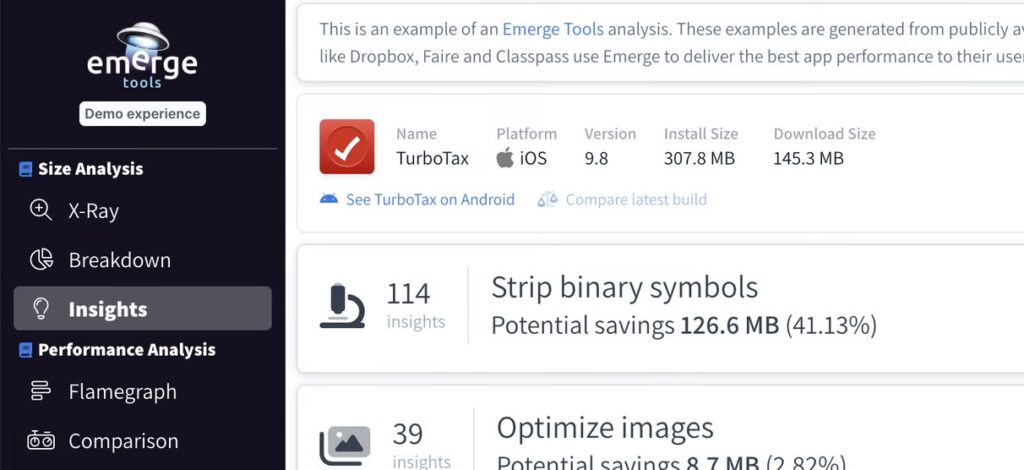
By reverse-engineering the publicly available binary code of any native mobile app from the iOS and Android app stores, Emerge can provide prospects with immediate insights into their app’s performance and potential for optimization. A prospect can simply search for their app by name, and Emerge can instantly generate an analysis, showcasing the product’s value without any need for integration or data sharing.

For instance, Emerge’s automated analysis of the TurboTax iOS app revealed potential savings that could reduce its size by over 40%. Critically, this demonstration was generated without Intuit, the owner of TurboTax, having to share any proprietary data, negotiate contracts, or lobby internally for a new vendor. This immediate, data-driven insight delivered the "Wow!" moment directly to the mobile development team, bypassing the conventional sales hurdles.
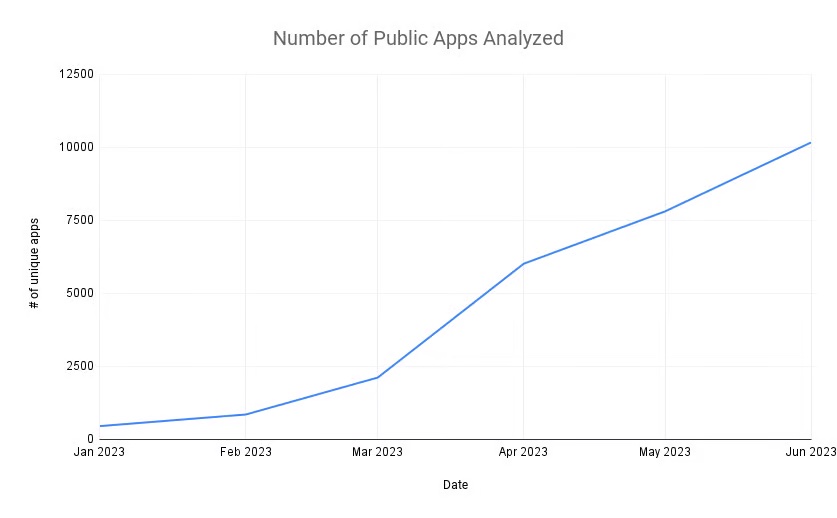
Emerge has scaled this approach by automating the analysis of thousands of mobile apps weekly. These analyses are published on unique, public URLs, creating valuable artifacts that prospects are inclined to explore and share internally. This strategy has fueled content creation, driving engagement and organic growth. Since the beginning of 2023, Emerge has seen a 400% increase in Twitter followers, a surge in organic search clicks, and a significant rise in impressions. This content-driven approach, powered by permissionless pilots, has directly led to major contract wins, as mobile developers can quickly assess specific, actionable insights related to their own applications and see immediate potential for implementation. For many developers, this direct, data-backed experience is far more persuasive than traditional sales interactions.
Expanding the Horizon: Potential Applications for Permissionless Pilots
The framework of permissionless pilots holds vast potential across a multitude of industries. The key lies in identifying publicly accessible data sources that can be leveraged to demonstrate a product’s core value proposition.
| Industry | Potential Use Case | Data Source |
|---|---|---|
| Search Engine Optimization (SEO) | Suggesting SEO improvements based on public Google search data, similar to offerings from companies like Conductor. | Google Search Results |
| E-commerce Optimization | Cross-referencing e-commerce listings to recommend improvements in copy, images, and pricing for enhanced conversion rates. | Public E-commerce Listings |
| Cybersecurity/Bug Bounty | Conducting white-hat vulnerability and threat detection scans on web applications, akin to platforms like HackerOne. | Publicly Accessible Web Applications |
| Financial Analytics | Providing forensic intelligence to detect fraud and earnings quality issues within public SEC filings, mirroring services from Bedrock AI. | SEC Filings |
| Web Marketing Personalization | Allowing prospects to visualize how their landing pages would be personalized for different audience attributes without requiring account creation, as demonstrated by Mutiny. | Public Landing Pages |
Beyond these examples, the possibilities are extensive, ranging from analyzing open-source code repositories on GitHub to evaluating rental listings, YouTube videos, and job postings. The fundamental principle is to identify public data streams that align with a product’s functionality and then create a compelling demonstration that showcases its immediate impact.
When brainstorming potential permissionless pilots, a useful exercise is to list all publicly available data sources relevant to one’s product or industry. Then, one must ask: "What valuable insight or action could my product provide if it could only access these public data sources, without any proprietary customer data?" The aim is to create a demo that is not necessarily a polished, fully commercialized offering, but something that generates a sense of "coolness" and immediate intrigue. This initial spark of interest, driven by a compelling demonstration of potential, can be far more effective than a traditional sales pitch.
Conclusion: Building Trust Through Instant Value
Permissionless pilots represent a powerful strategic tool for startups and established companies alike. By prioritizing the immediate delivery of value through accessible, data-driven demonstrations, businesses can significantly accelerate their sales cycles and build stronger relationships with potential clients. However, it is crucial to deploy these pilots thoughtfully, ensuring they not only showcase product efficacy but also align with the company’s brand identity and desired customer perception. The goal is to create an experience that leaves prospects feeling informed, empowered, and genuinely impressed by the immediate utility of the solution, fostering a foundation of trust and driving accelerated adoption.