Tech Entrepreneur Jeff Atwood Pledges Half His Wealth to Protect the American Dream Amid Growing Economic Inequality


The landscape of American philanthropy and economic equity has shifted notably as prominent software engineer and tech entrepreneur Jeff Atwood, widely recognized as the co-founder of Stack Overflow and Discourse, announced a sweeping financial commitment to safeguard the foundational ideals of the United States. In a public declaration addressing what he terms an unprecedented historical juncture, Atwood and his family have committed to distributing half of their remaining personal wealth over the next five-year period toward long-term initiatives designed to preserve accessibility to the American Dream. This major philanthropic pledge follows an immediate wave of eight $1 million contributions directed toward nonprofit organizations actively supporting vulnerable populations across the country.
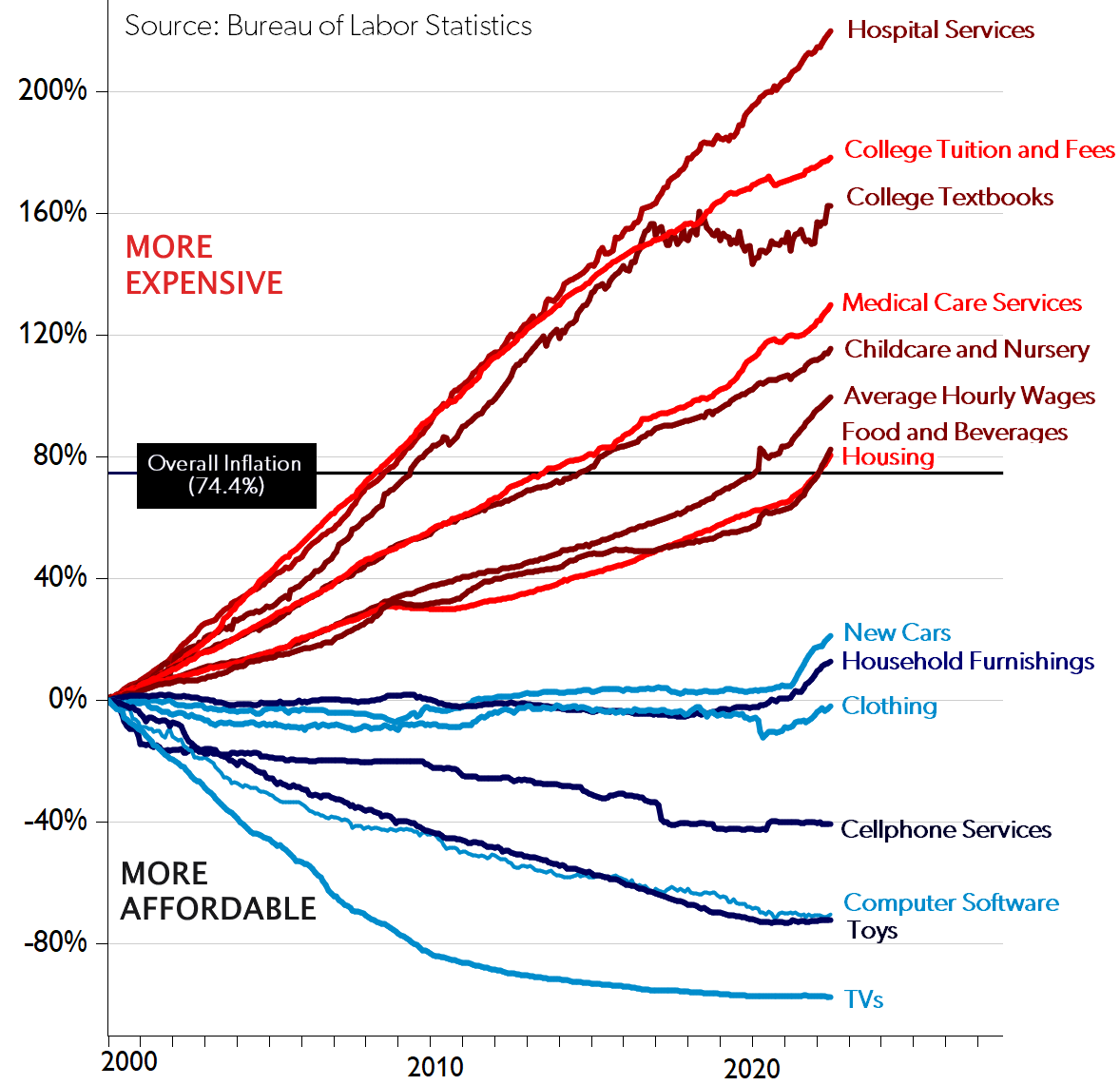
The announcement brings to the forefront a broader national conversation concerning wealth concentration, democratic participation, and the escalating costs associated with foundational pillars of upward mobility, such as higher education, housing, and healthcare. Atwood’s initiative is rooted in a personal narrative of generational progression, economic struggle, and the modern systemic challenges facing middle- and lower-income families.
Background and Personal Trajectory
Atwood’s perspective on socioeconomic mobility is informed by his upbringing. Raised by parents with roots in rural West Virginia and North Carolina who eventually settled in Virginia, his early life was characterized by financial precarity and domestic hurdles. Despite these challenges, Atwood pursued higher education, attending public school in Chesterfield County and graduating in 1992 from the University of Virginia, an institution founded by Thomas Jefferson.

Financing his education required a combination of federal Pell grants, academic scholarships, part-time employment, and wages earned working as a cashier at Safeway for the federal minimum wage. Reflecting on the economic realities of the early 1990s compared to the present day, Atwood has highlighted the dramatic inflation of higher education costs. While in-state annual tuition at public universities hovered around $3,000 during his undergraduate years, contemporary averages have escalated to approximately $23,000 annually—representing an eightfold increase over three decades that vastly outpaces wage growth.
Technological Contributions and Digital Democracy
Before transitioning into large-scale philanthropy, Atwood made significant contributions to the digital landscape, focusing heavily on open collaboration and community governance. In 2008, he co-founded Stack Overflow alongside Joel Spolsky, creating a collaborative, Creative Commons-licensed knowledge repository for software developers worldwide. The platform utilized democratic mechanisms, including user-driven voting systems and ranked-choice moderation elections, to build what Atwood describes as a digital democracy operating by and for programmers.

Expanding upon these principles of cooperative governance, Atwood subsequently launched Discourse, an open-source platform intended to foster constructive, empathetic public discourse through community-enforced boundaries and moderation tools. Both enterprises reflect a philosophy that digital infrastructure can—and should—emulate civic participation, bridging technological utility with social responsibility.
Wealth Disparity and Economic Analysis
Atwood’s decision to divest a substantial portion of his net worth aligns with growing macroeconomic concerns regarding wealth inequality in the United States and globally. Data compiled by economic institutions and research organizations indicate a widening gap between capital accumulation and wage-based earnings over the past several decades.
According to economic studies cited in national discourse, the top 1% of American households held approximately 24% of the nation’s wealth in 2012, a figure that climbed to 30% by 2021. Globally, the concentration of capital has reached levels where the wealthiest 1% possess nearly twice as much wealth as the remainder of the global population combined. Critics and financial analysts argue that such stark disparities diminish economic mobility, restrict access to essential public goods, and test the structural integrity of democratic institutions.
Atwood’s critique of extreme wealth accumulation—describing multi-billion-dollar fortunes as fundamentally disconnected from equitable societal structures—places him alongside a contingent of high-net-worth individuals advocating for accelerated philanthropic distribution rather than passive wealth retention. While notable figures such as Warren Buffett have pledged the majority of their estates to charitable causes through frameworks like the Giving Pledge, debates persist regarding the timing of asset transfers and the efficacy of philanthropic foundations versus systemic legislative reform.

Democratic Erosion and Civic Engagement
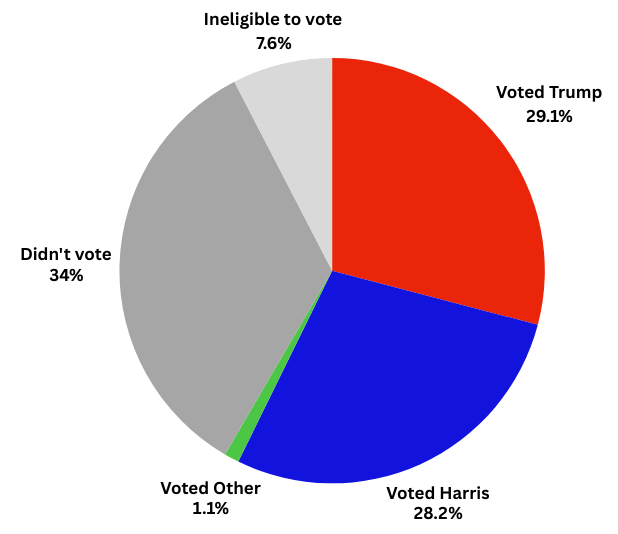
Beyond economic metrics, Atwood’s initiative addresses perceived vulnerabilities within the American political framework. Pointing to the outcomes of the November 2024 presidential election and historical trends in voter turnout, the entrepreneur emphasized the implications of civic disengagement. Reports indicate that approximately 34% of eligible American adults did not participate in the 2024 election, restrained by factors ranging from structural barriers and voter suppression concerns to general political disillusionment. When factoring in ineligible populations, such as non-citizen residents and individuals disenfranchised by felony convictions, nearly 42% of the adult population remained unrepresented in the electoral process.
To address these systemic democratic deficits, policy advocates and civic reformers have frequently proposed structural interventions, including establishing Election Day as a national holiday, expanding universal mail-in voting, and implementing ranked-choice voting nationwide to enhance the proportionality and impact of individual ballots.
Philanthropic Strategy and Future Outlook
The newly announced funding model diverges from traditional philanthropic timelines by targeting the distribution of 50% of the family’s remaining wealth over a compressed five-year window. This strategy aims to address immediate socio-economic pressures rather than deferring capital disbursement entirely to post-mortem estate execution.
While the initial phase comprised targeted emergency grants to frontline service organizations, subsequent allocations are slated to support long-term systemic efforts in education, civic health, and economic fairness. Atwood has indicated that further structural details regarding these investments will be outlined in forthcoming public forums, including a scheduled presentation at Cooper Union alongside security expert and public commentator Alexander Vindman.
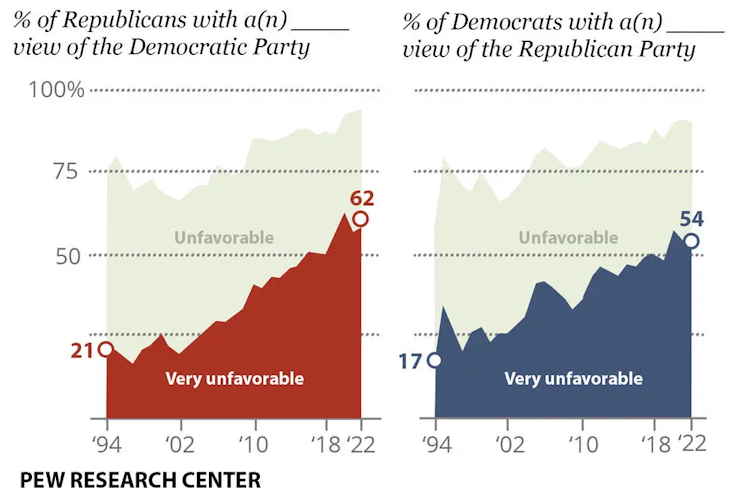
Ultimately, the initiative serves as a high-profile case study in corporate responsibility and civic introspection. By coupling technological enterprise with targeted wealth redistribution, Atwood’s pledge underscores an ongoing debate regarding the obligations of successful individuals to actively reinvest in the social fabric that facilitated their rise, ensuring that the promise of upward mobility remains viable for future generations.