Whether you are drafting a routine blog post or orchestrating the assembly of a complex commercial aircraft, the reliability of your underlying operational systems is the primary determinant of success. In an era of rapid digital transformation, organizations often overlook the necessity of a robust workflow architecture, leading to systemic inefficiencies, ballooning costs, and catastrophic project delays. The most poignant cautionary tale in modern industrial history remains the development of the Airbus A380. During its production phase, decentralized design teams across Europe utilized incompatible software and documentation systems. When the time came for final assembly, the disparate parts failed to integrate properly, resulting in a $6 billion loss and a two-year production delay. This incident serves as a stark reminder that without a standardized, integrated workflow system, even the most innovative enterprises are vulnerable to simple, preventable oversights.
The Anatomy of Operational Failure
The failure of the A380 assembly serves as a foundational case study for why businesses must prioritize standardized process management. The root cause was not a lack of engineering talent, but a deficiency in the coordination of cross-departmental workflows. When teams function in silos without a centralized system for task tracking, data validation, and automated compliance, errors remain hidden until they manifest as expensive, late-stage bottlenecks.
In the modern landscape, workflow software—specifically Business Process Management (BPM) tools—serves as the connective tissue of an organization. To avoid the pitfalls of fragmented operations, experts identify 14 critical features that any enterprise-grade workflow system must possess to maintain operational integrity.
1. Codeless Workflow Architecture
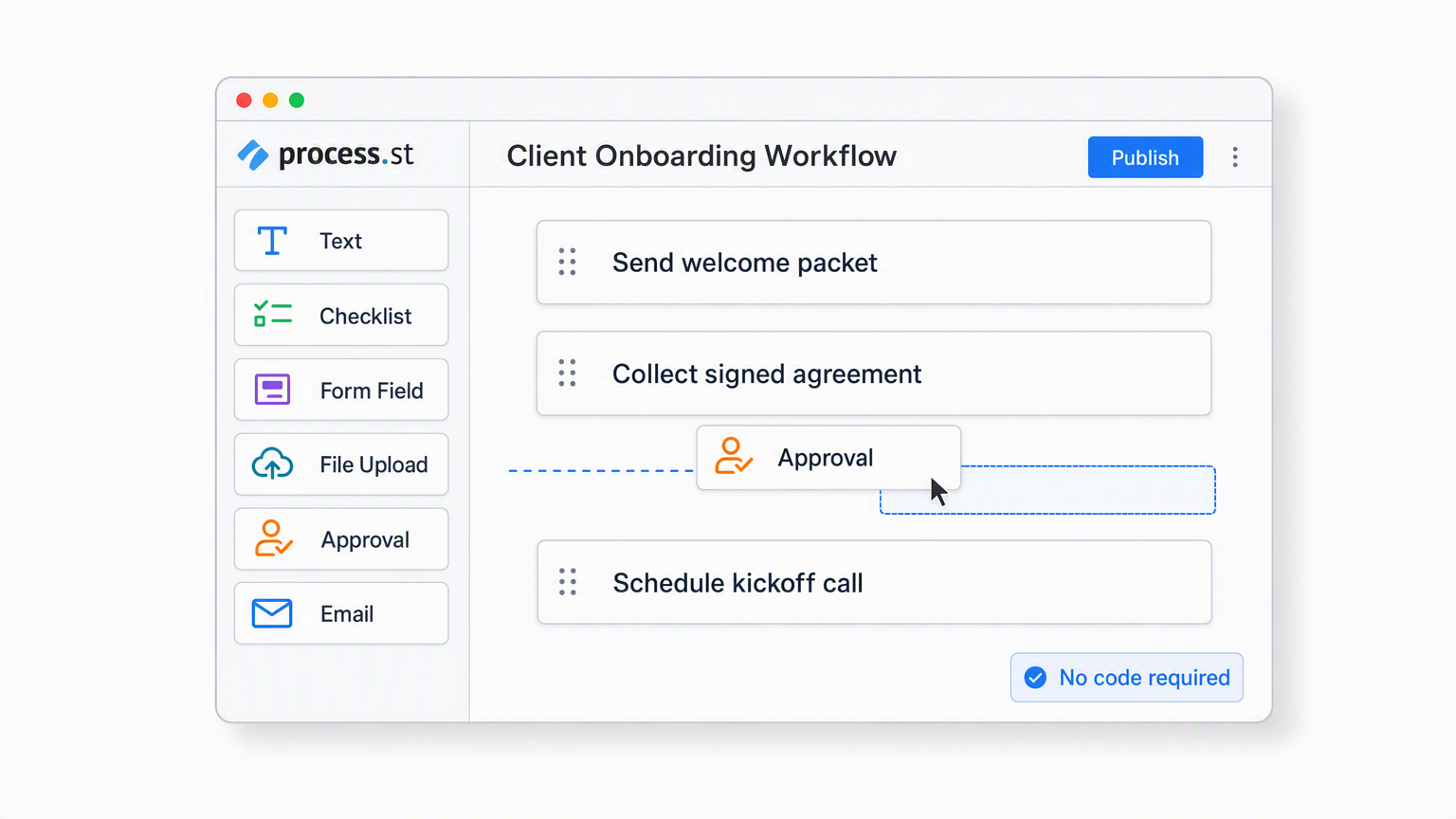
The democratization of process design is paramount. In previous decades, modifying a business workflow required dedicated IT intervention and custom coding. Today, "no-code" or "low-code" environments allow subject matter experts—those who intimately understand the daily nuances of a process—to build and modify workflows. By utilizing drag-and-drop interfaces or visual process modelers, organizations can pivot quickly to market changes without being bottlenecked by technical support teams.
2. Task Granularity and Rich Media Integration
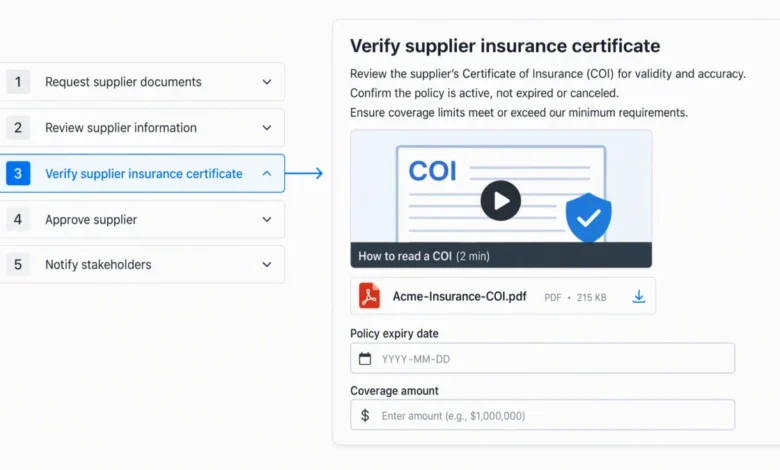
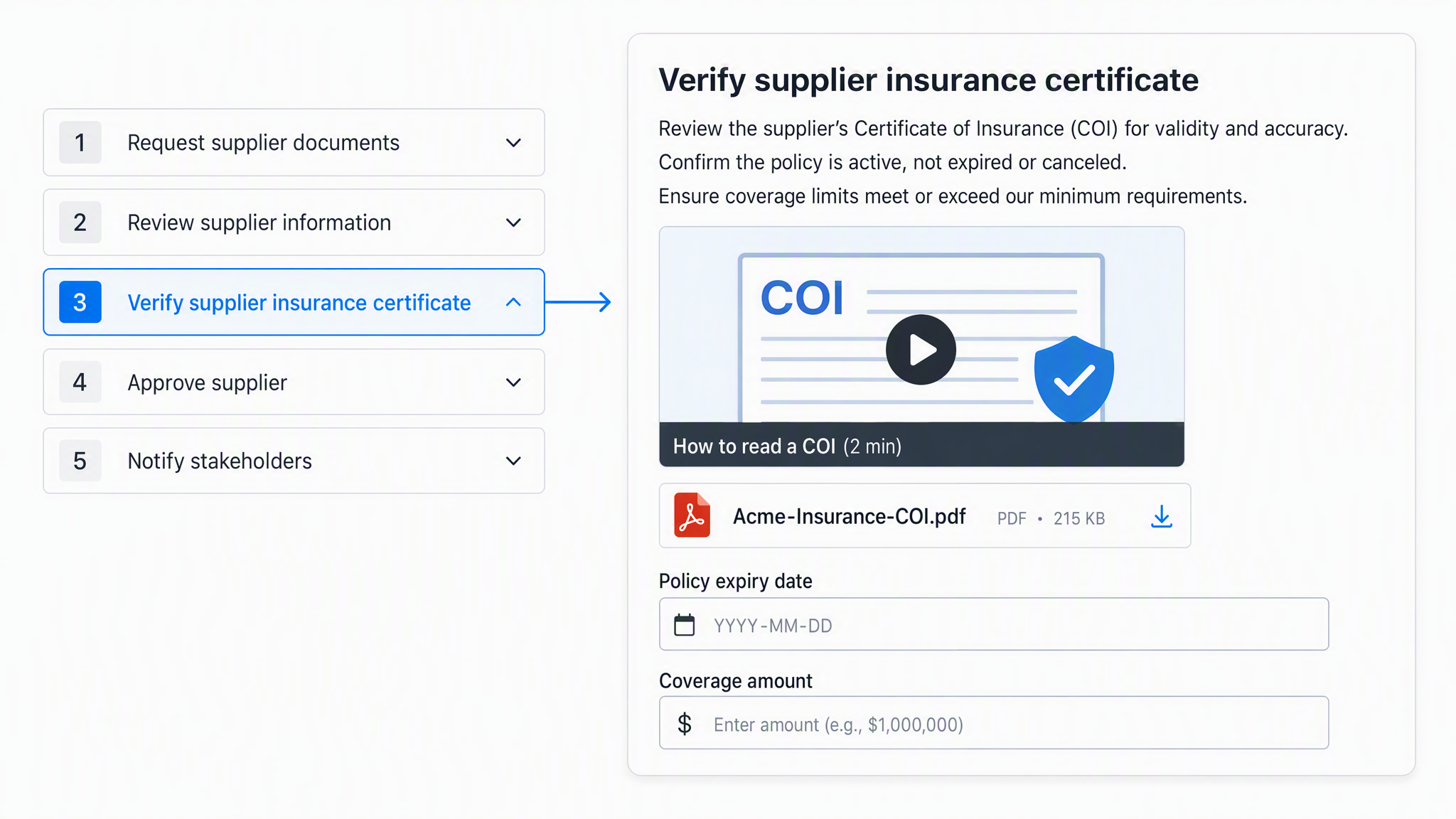
A task should be more than a checkbox; it should be a comprehensive repository of institutional knowledge. Workflow systems must allow for expandable task cards that house video tutorials, PDF documentation, and specific instructional text. By centralizing these resources directly within the task interface, organizations reduce "context switching"—the productivity-killing habit of jumping between platforms to find reference materials.
3. Centralized Workflow Management
Effective management requires a high-level view of how individual workflows nest within larger organizational projects. For instance, a complex real estate transaction involves sub-processes like property staging, legal review, and tenant screening. A robust system allows managers to link these workflows, ensuring that one process triggers another, while maintaining distinct logs for each phase to ensure clarity and accountability.
4. Dynamic Process Flexibility and Conditional Logic
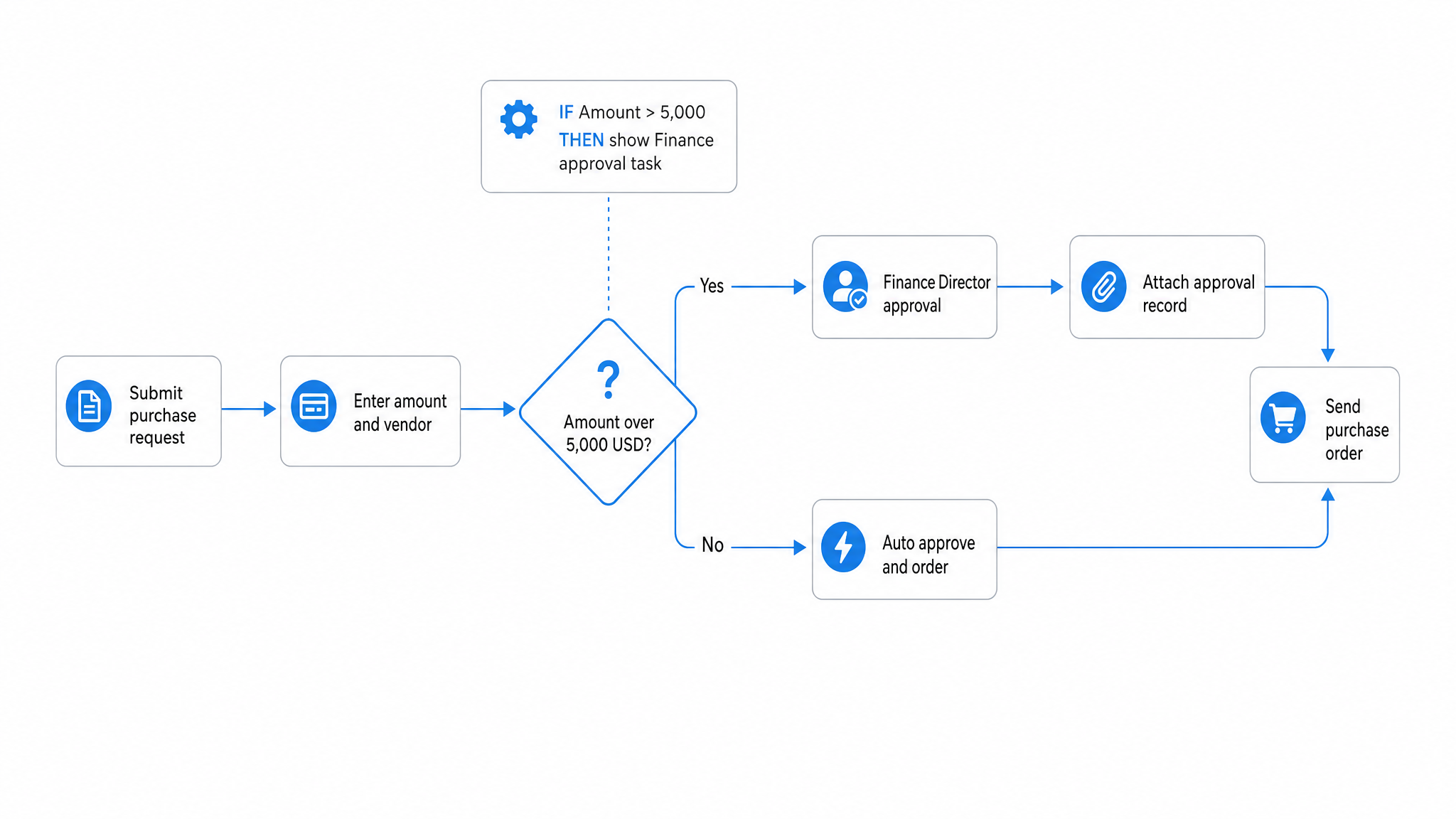
Rigidity is the enemy of efficiency. A high-performing workflow system must support "conditional logic," allowing processes to adapt based on real-time inputs. If a purchase request exceeds a certain dollar threshold, the system should automatically route it to a finance director for approval, while smaller, routine requests proceed through an automated path. This branching capability ensures that processes remain lean while accommodating complex decision trees.
5. Automated Visual Reporting
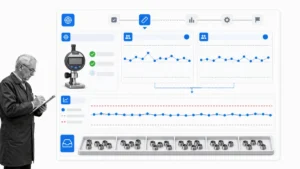
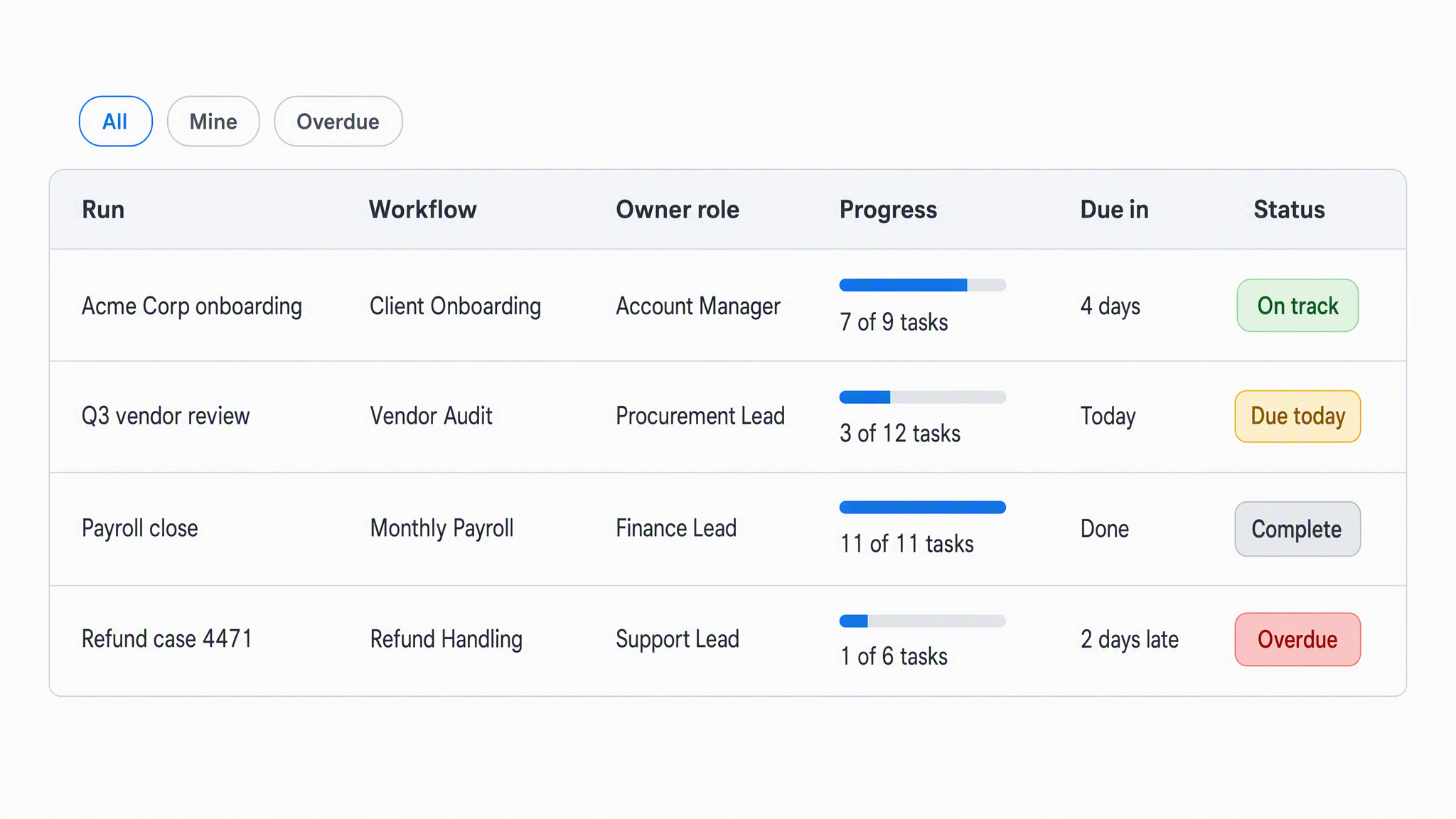
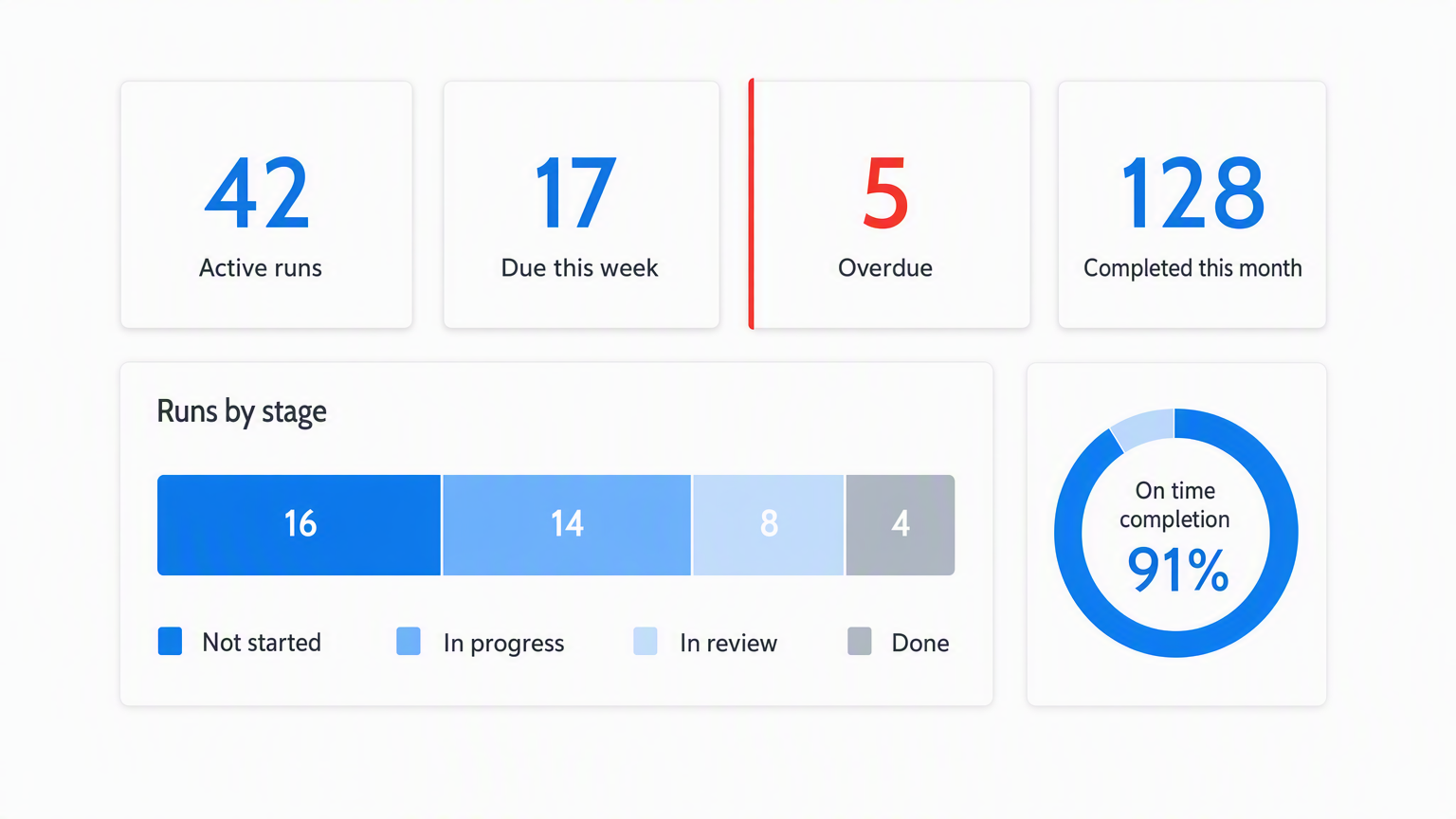
Data is only as valuable as its accessibility. Advanced workflow tools now provide automated dashboards that transform raw task data into actionable insights. These summaries—often presented as real-time kanban boards or data tables—allow leadership to identify bottlenecks, measure cycle times, and track individual performance without the need for manual spreadsheet updates.
6. Comprehensive Performance Analytics
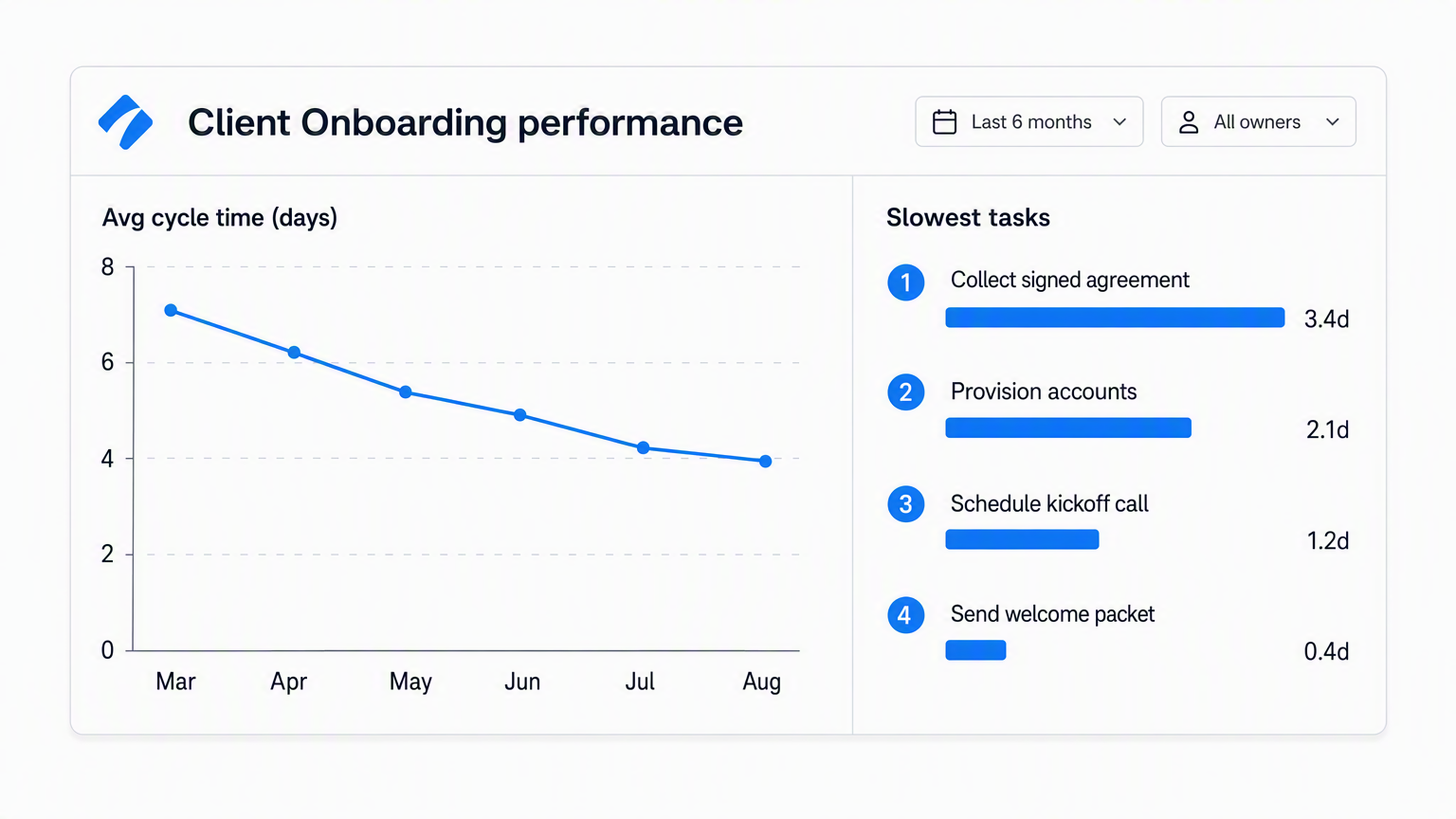
Beyond current status updates, organizations require long-term reporting. By logging the lifecycle of every task, systems can generate reports on historical performance. Analysts can then examine, for example, the average cycle time for client onboarding over a 12-month period. This data-driven approach is essential for identifying which phases of a process consistently lag and where optimization efforts should be directed.
7. Escalation and Automated Notifications
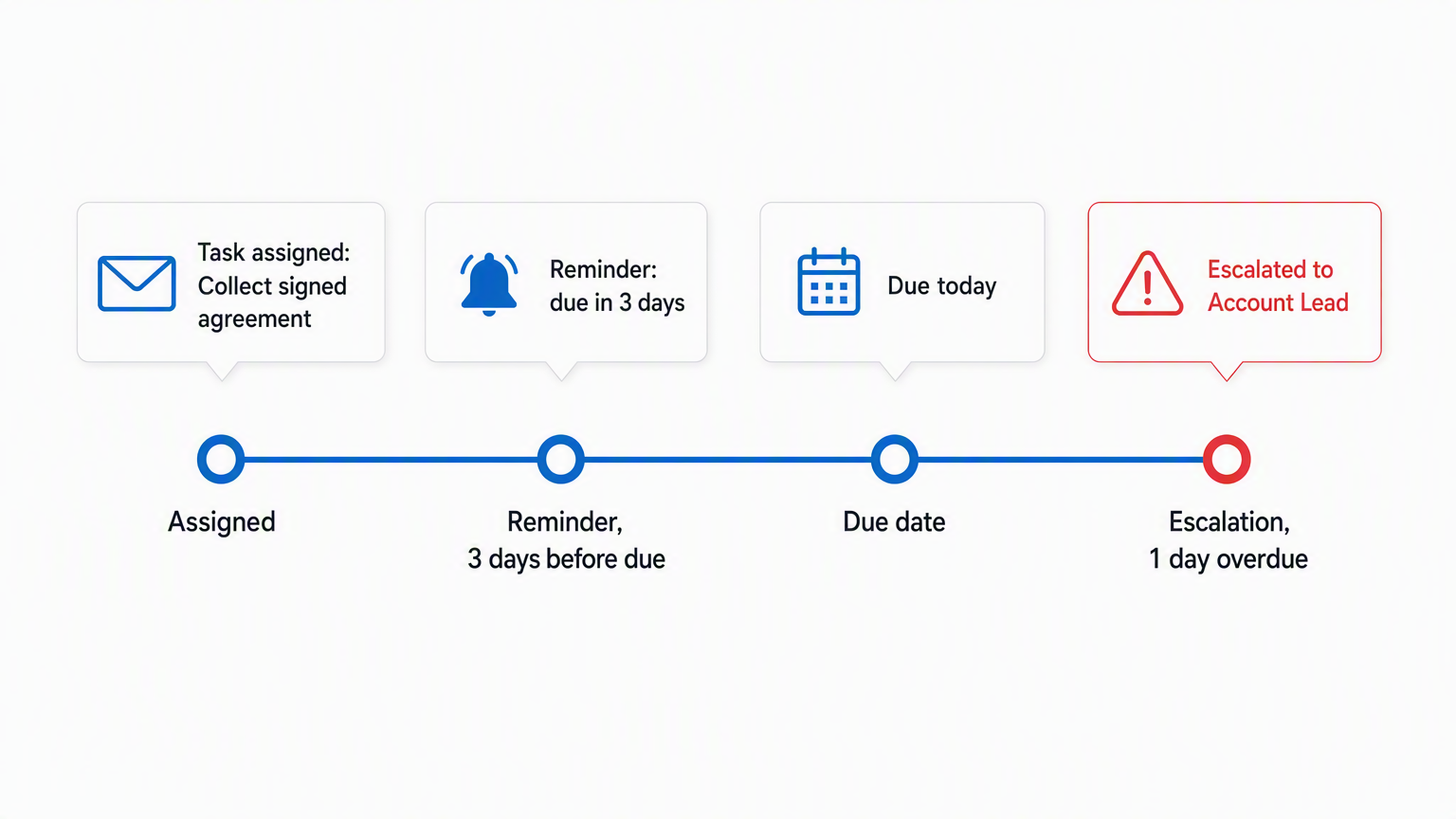
Human error is an inevitable variable. Workflow systems mitigate this through automated reminders and escalations. When a task approaches a deadline, the system should issue alerts to the assignee. If the deadline passes, an escalation protocol can notify a supervisor or department head. This ensures that critical path items are never abandoned, maintaining momentum across multi-stakeholder projects.
8. Role-Based Accountability
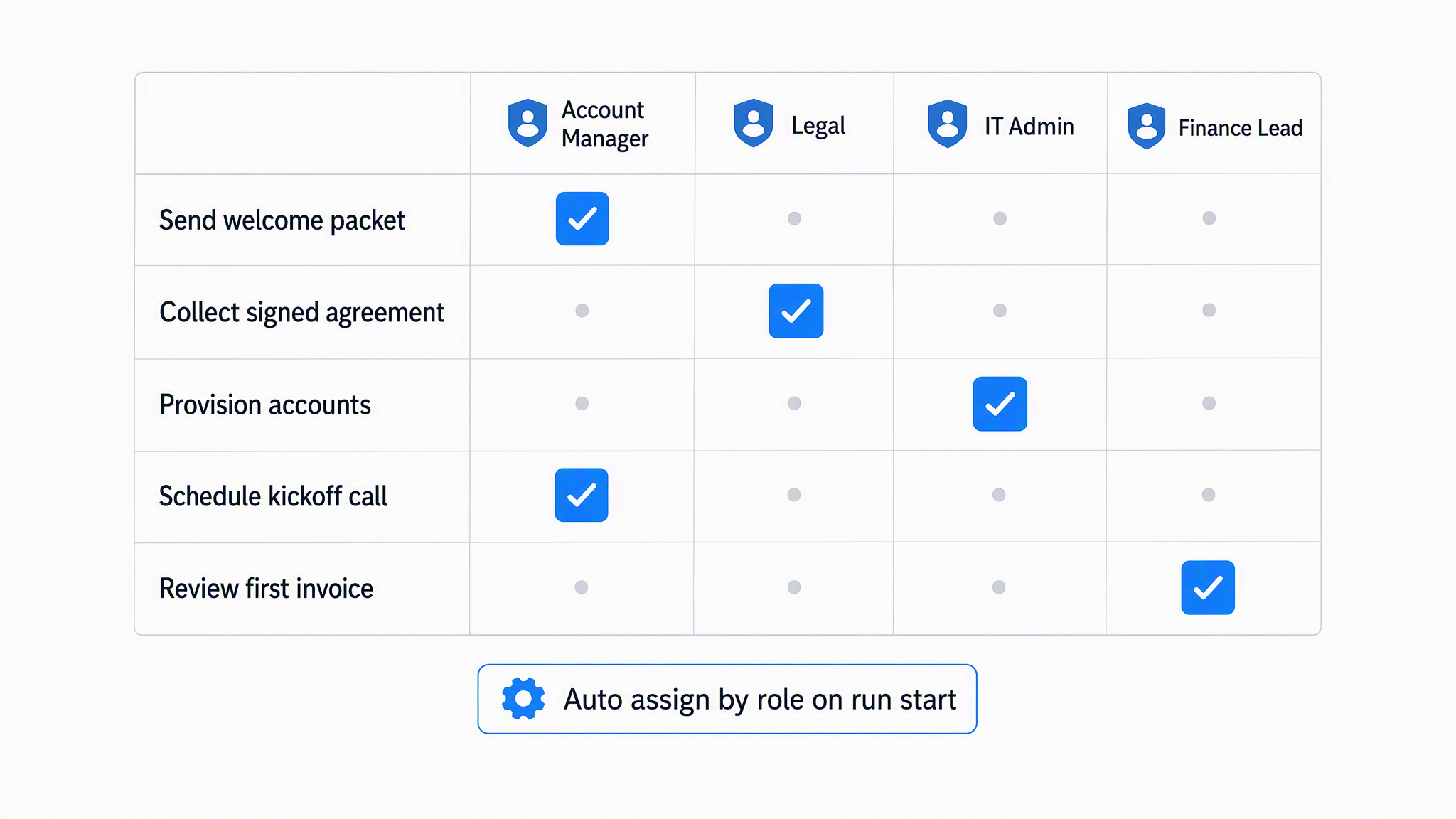
Accountability is established through clear assignment. Modern systems allow for the assignment of specific individuals or roles to individual tasks within a workflow. When team members can see exactly what they are responsible for—and how their work impacts the next person in the chain—the collective ownership of the project increases significantly.
9. Granular Permission Controls
Security and simplicity are achieved through variable permissions. Not every user requires the ability to edit a master template. Organizations need the ability to define roles such as "Admin," "Editor," and "Viewer." This ensures that sensitive information is protected from unauthorized changes while preventing the "clutter" of unnecessary processes from hindering the view of frontline staff.
10. Audit Trails and Compliance Logs
In regulated industries, the ability to prove that a process was followed is as important as the result itself. A comprehensive audit trail captures a timestamped, unalterable log of every action taken within a workflow. This provides an objective record for auditors, proving that compliance standards were met, who authorized specific actions, and when they occurred.
11. Workflow Enforcement Mechanisms
To eliminate the possibility of human error, systems should employ "stop tasks" and mandatory form fields. These features prevent a user from progressing to the next stage of a workflow until all required data has been entered and all necessary conditions have been met. By enforcing these rules at the system level, companies ensure that compliance is a default state, rather than an optional behavior.
12. Native Integration and Automation
The modern tech stack is vast, and workflow systems should act as the central hub. By integrating with tools like Salesforce, Slack, or QuickBooks, a workflow system can trigger actions across the entire enterprise. For example, completing a "Client Onboarding" task could automatically create a new invoice in an accounting platform and send a welcome email to the client, eliminating redundant data entry and manual triggers.
13. Ubiquitous Embedding Options
Access should be frictionless. Advanced workflow systems allow for the embedding of task lists into existing web portals, intranets, or internal software. This prevents the "log-in fatigue" that occurs when employees are forced to navigate to an external application just to check a single item off a list.
14. Cloud-Native Hosting and Redundancy
Finally, the platform must be cloud-based. Local, machine-dependent workflows are inherently fragile. Cloud hosting ensures that workflows are accessible from any device, anywhere in the world. Furthermore, the best systems offer redundant storage and version history, guaranteeing that even in the event of an internet outage or a hardware failure, the organization’s operational continuity remains intact.
The Strategic Imperative
The transition from manual or disjointed processes to an integrated, feature-rich workflow system is no longer a luxury—it is a strategic imperative. As organizations grow, the complexity of their operations scales exponentially. Without the scaffolding provided by these 14 essential features, internal systems inevitably fray, leading to the same types of costly errors that hampered the Airbus A380.
By investing in platforms that prioritize codeless creation, automated enforcement, and deep integration, businesses can ensure that their operations are not only efficient but also resilient against the inevitable pressures of scale and human error. In the current competitive landscape, the ability to execute consistently is the ultimate differentiator, and that consistency is only achievable through the disciplined application of robust workflow technology.
Related posts: