Rebuilding Computing Heritage: The Open-Source Initiative to Modernize 101 BASIC Computer Games for the 21st Century

The digital landscape of the 1970s and 1980s bore little resemblance to the hyper-connected, graphical user interfaces of the modern era. Early personal computers did not greet users with high-resolution desktop environments, touchscreens, or instantaneous application drawers. Instead, they booted directly into a blinking cursor at a command line. For a generation of nascent programmers, the barrier to entry was physical and intellectual: if a user wanted a computer to perform a task or execute a game, they had to acquire a foundational text, sit before a monochromatic monitor, and painstakingly type out hundreds of lines of code by hand.
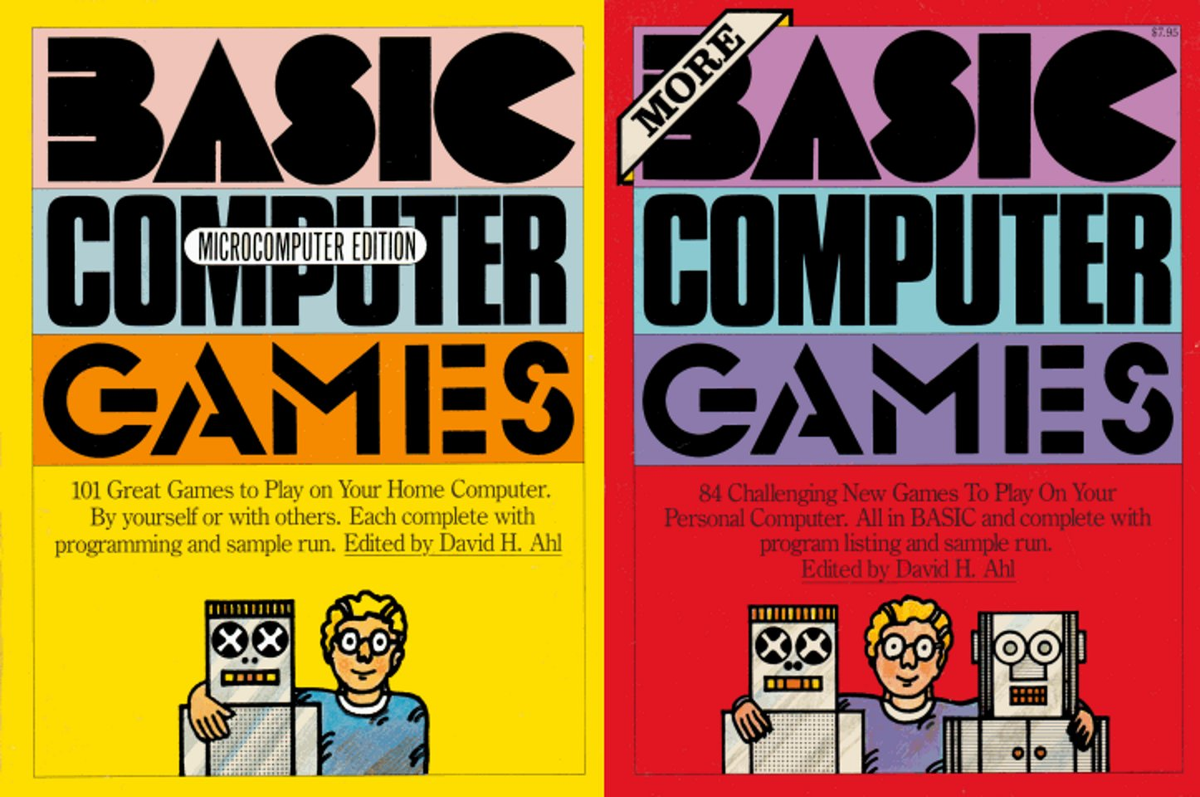
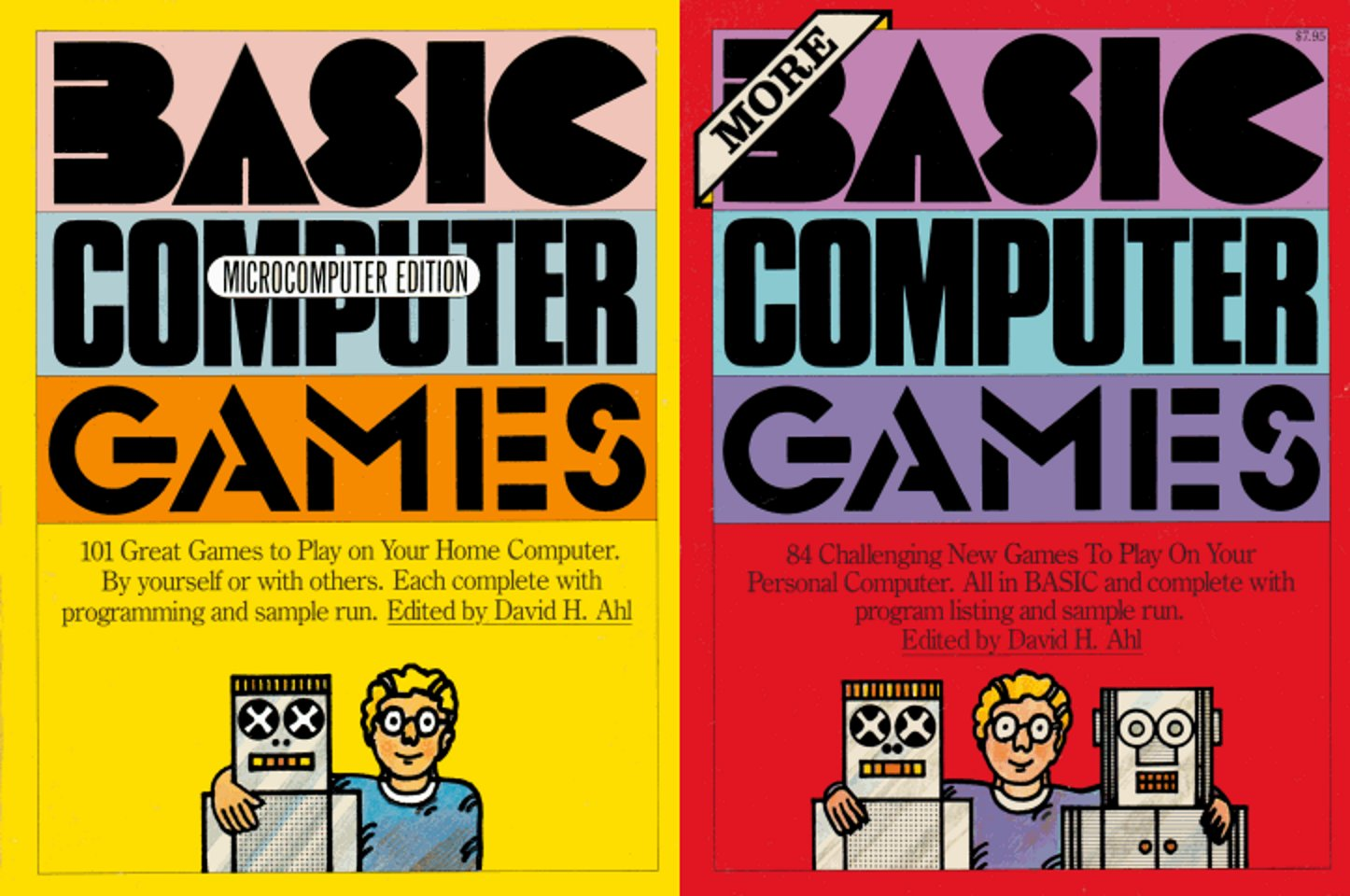
Among the most influential texts of this formative era was 101 BASIC Computer Games, authored by David H. Ahl and originally published by Digital Equipment Corporation (DEC) in 1973. The book served as a vital bridge between institutional mainframes and the burgeoning microcomputer revolution, acting as a foundational blueprint for countless software engineers who later shaped the technology industry. Today, a collaborative open-source initiative hosted on GitHub seeks to preserve this vital piece of computing history by translating the primitive, line-numbered BASIC programs of the 1970s into modern, memory-safe programming languages, ensuring that early computing artifacts survive for future generations of developers.
The Genesis of a Publishing Phenomenon
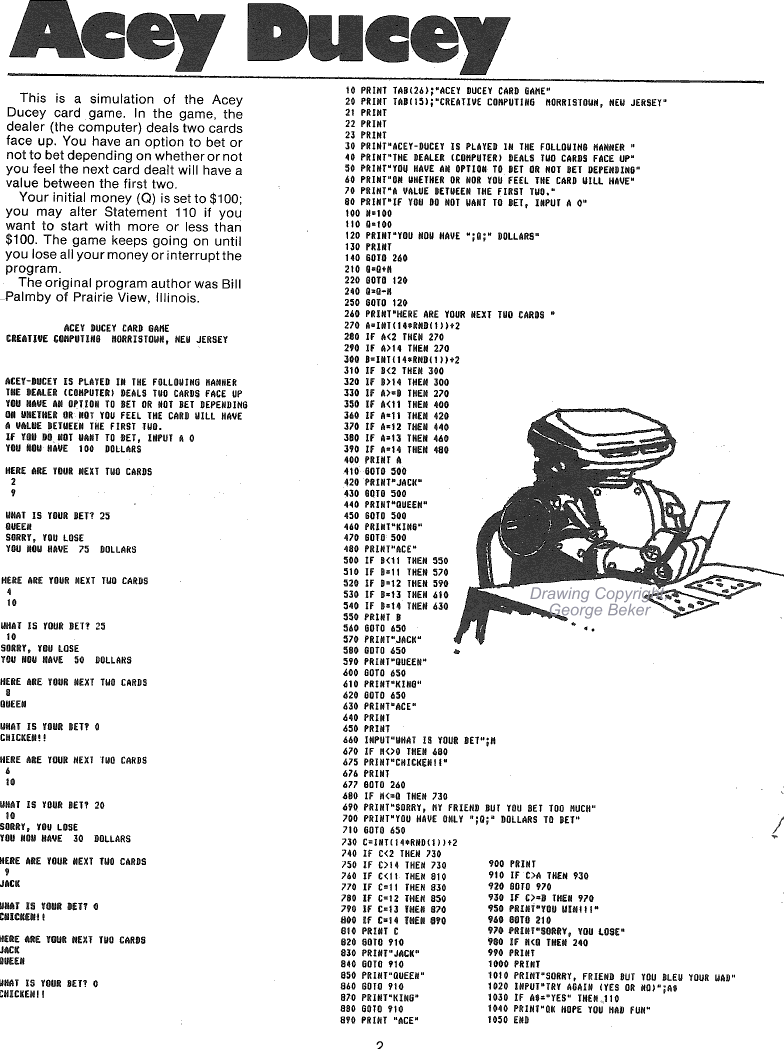
The origins of 101 BASIC Computer Games trace back to the early days of personal computing and the vision of David H. Ahl. While working at DEC, Ahl recognized a critical gap in the market: while hardware was slowly becoming more accessible, software and educational resources for hobbyists were severely lacking. To address this, Ahl compiled an anthology of games and simulations, many of which originated from Creative Computing magazine, a publication he founded after leaving DEC in 1974.

The publication history of Ahl’s work underscores the sheer hunger for computational material during the pre-internet age. When DEC published the initial anthology in 1973, it went into a second printing to reach a total of 10,000 copies. At the time, this figure vastly outpaced the total installed base of personal computers worldwide. Industry historians note that early adopters routinely purchased multiple copies of the book simply because physical texts were easier to distribute than magnetic media, and individual computers were often shared across classrooms and hobbyist clubs.
By the late 1970s and early 1980s, 101 BASIC Computer Games achieved a historic milestone, becoming the first computer-related book to surpass one million in sales. For millions of individuals worldwide, the book was not merely a recreational collection of text-based simulations—such as "Civil War," "Lunar Lander," and "Hamurabi"—but the primary textbook through which they learned the fundamentals of logic, syntax, and software execution.
The Evolution of Code: From Line Numbers to Modern Architecture
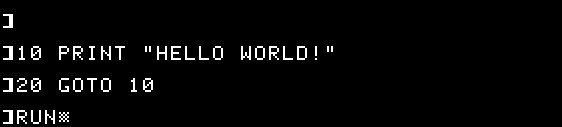
Programming in the era of early BASIC (Beginner’s All-purpose Symbolic Instruction Code) was an exercise in sequential execution governed by explicit line numbers. Without modern paradigms like subroutines, modular functions, or memory safety guarantees, developers relied heavily on GOTO statements, creating complex webs of execution paths often colloquially referred to as "spaghetti code." A single typographical error during manual data entry could invalidate an entire afternoon’s work, requiring meticulous debugging from printed pages.
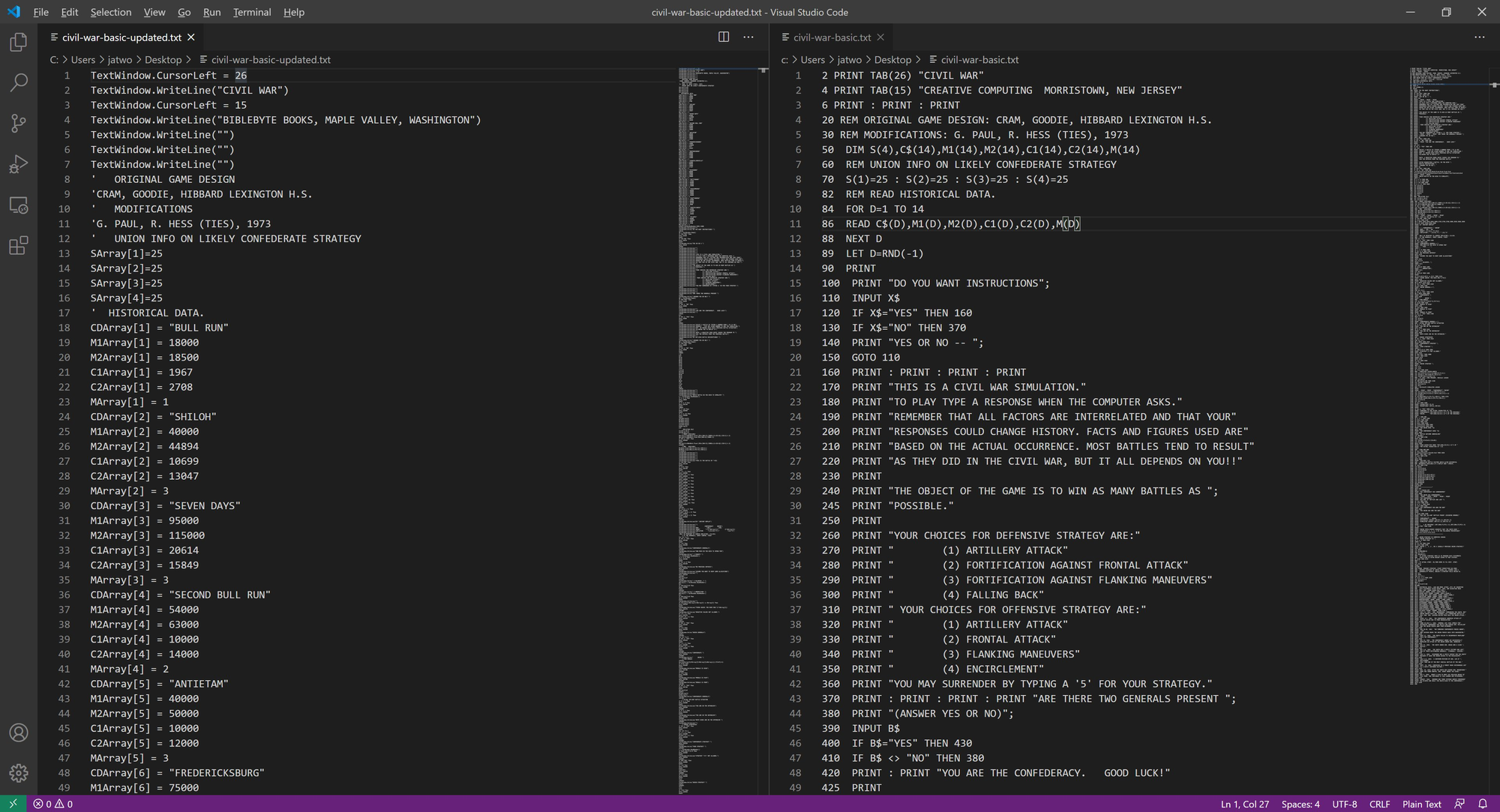
Over the decades, attempts to modernize these legacy systems have been sporadic. In 2010, an effort was made to port portions of the collection to SmallBasic, removing line numbers but largely failing to incorporate contemporary software engineering standards. Critics and software preservationists argued that these early modernization attempts did not address structural deficiencies, omitting fundamental computer science concepts such as modern subroutines, encapsulation, and robust error handling.
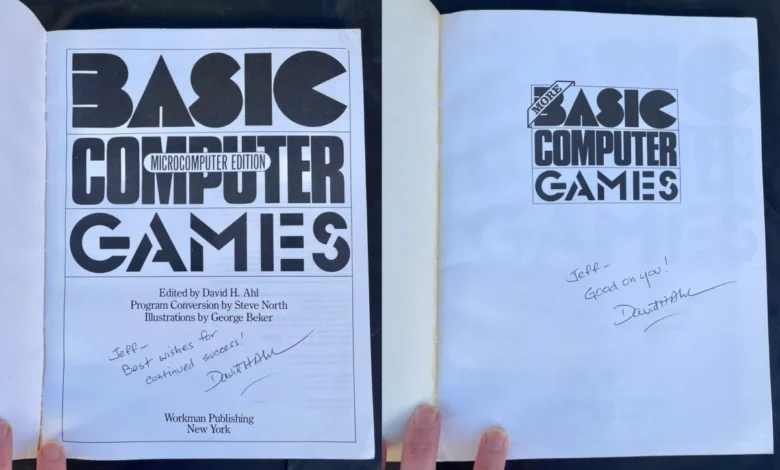
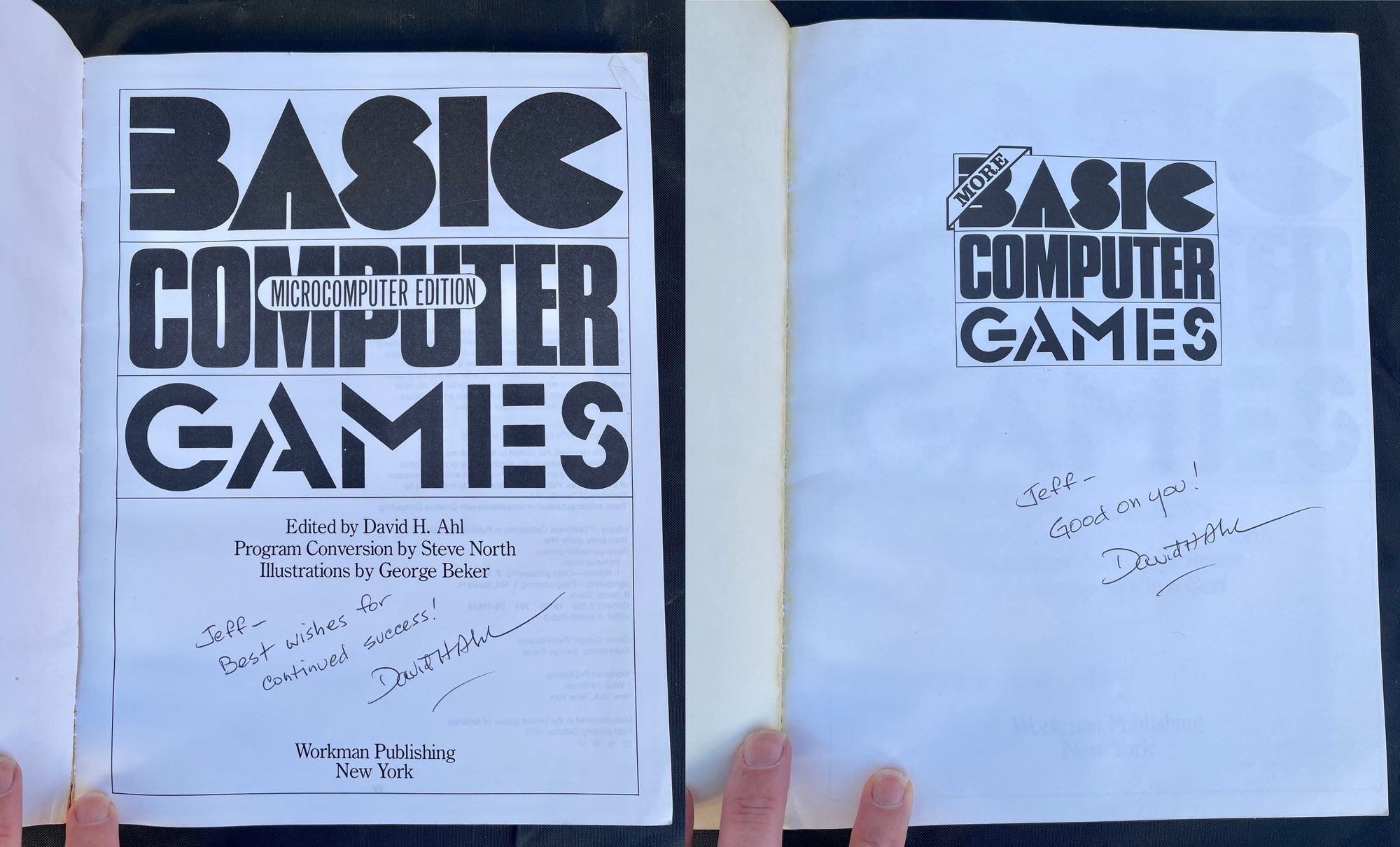
Recognizing the limitations of past ports, software engineer and writer Jeff Atwood spearheaded a comprehensive, community-driven effort to systematically rewrite the original 101 programs. After securing formal permission from David H. Ahl, Atwood launched an open-source repository on GitHub to engage the global developer community in translating the historic codebase.
Collaborative Preservation and Modern Language Selection
The ongoing modernization project is structured around a specific set of technical criteria designed to reflect contemporary software engineering best practices. Rather than dumping raw translations into a single ecosystem, the repository standardizes the implementation of each game across ten general-purpose, memory-safe scripting and programming languages.
The selection of languages has evolved to reflect industry standards in memory safety and modern paradigms. Following initial curation, the project’s language roster was refined to include alternatives such as Kotlin in place of Java, the inclusion of Rust to guarantee rigorous memory safety over legacy choices like Pascal, and the integration of Lua to align with modern scripting paradigms.
This collaborative model transforms what was once a solitary, frustrating quarantine exercise—typing code alone in a bedroom while guarding against typos—into a global, decentralized team effort. To incentivize participation and support broader educational initiatives in technology, the project incorporated philanthropic milestones, including donations to organizations such as Girls Who Code for verified program submissions.
Historical Implications and Cultural Legacy
The initiative to update 101 BASIC Computer Games highlights a broader challenge facing the technology sector: digital archaeology and the preservation of software heritage. As operating systems evolve and hardware architectures deprecate older runtimes, early digital artifacts risk permanent loss. While physical books can be archived in climate-controlled libraries, executable logic requires active maintenance, documentation, and translation to remain intelligible to contemporary audiences.
Industry analysts note that while the gameplay mechanics of 1970s BASIC programs—often consisting of rudimentary text prompts and ASCII art—cannot compete with modern real-time graphics engines or artificial intelligence-driven simulations, their value lies elsewhere. They represent the foundational pedagogy of software development. By translating these programs into memory-safe environments, modern developers gain a tangible appreciation for the evolution of syntax, algorithmic efficiency, and software architecture.
Ultimately, the GitHub repository serves as both an educational playground and a museum of digital history. It bridges a fifty-year chasm between the punched-card and command-line era and the multi-core, cloud-native development environments of the 2020s. Through the combined efforts of open-source contributors and the enduring legacy of David H. Ahl’s pioneering work, the foundational building blocks of modern programming are being secured for the next generation of engineers.