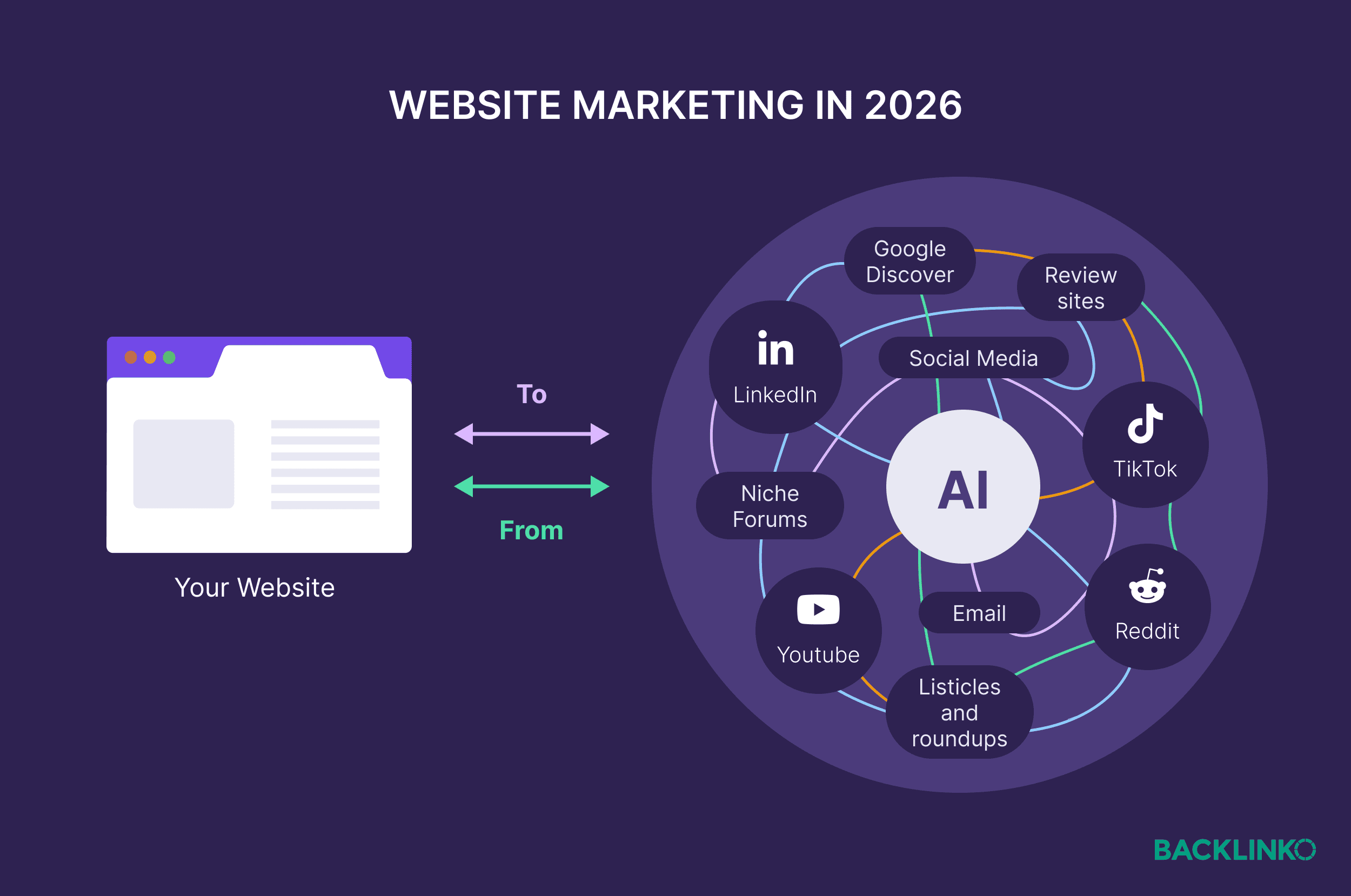
Website marketing has undergone a profound transformation, moving away from traditional, isolated promotion models toward an interconnected digital ecosystem. Historically, digital strategy relied heavily on driving direct traffic to a central landing page through search engine optimization, paid advertisements, and direct outreach. While the corporate website remains a vital anchor for conversion, consumer behavior studies indicate that a substantial portion of the customer journey now transpires across third-party channels long before a user ever interacts with a brand’s primary domain.
Background and Context of the Digital Shift
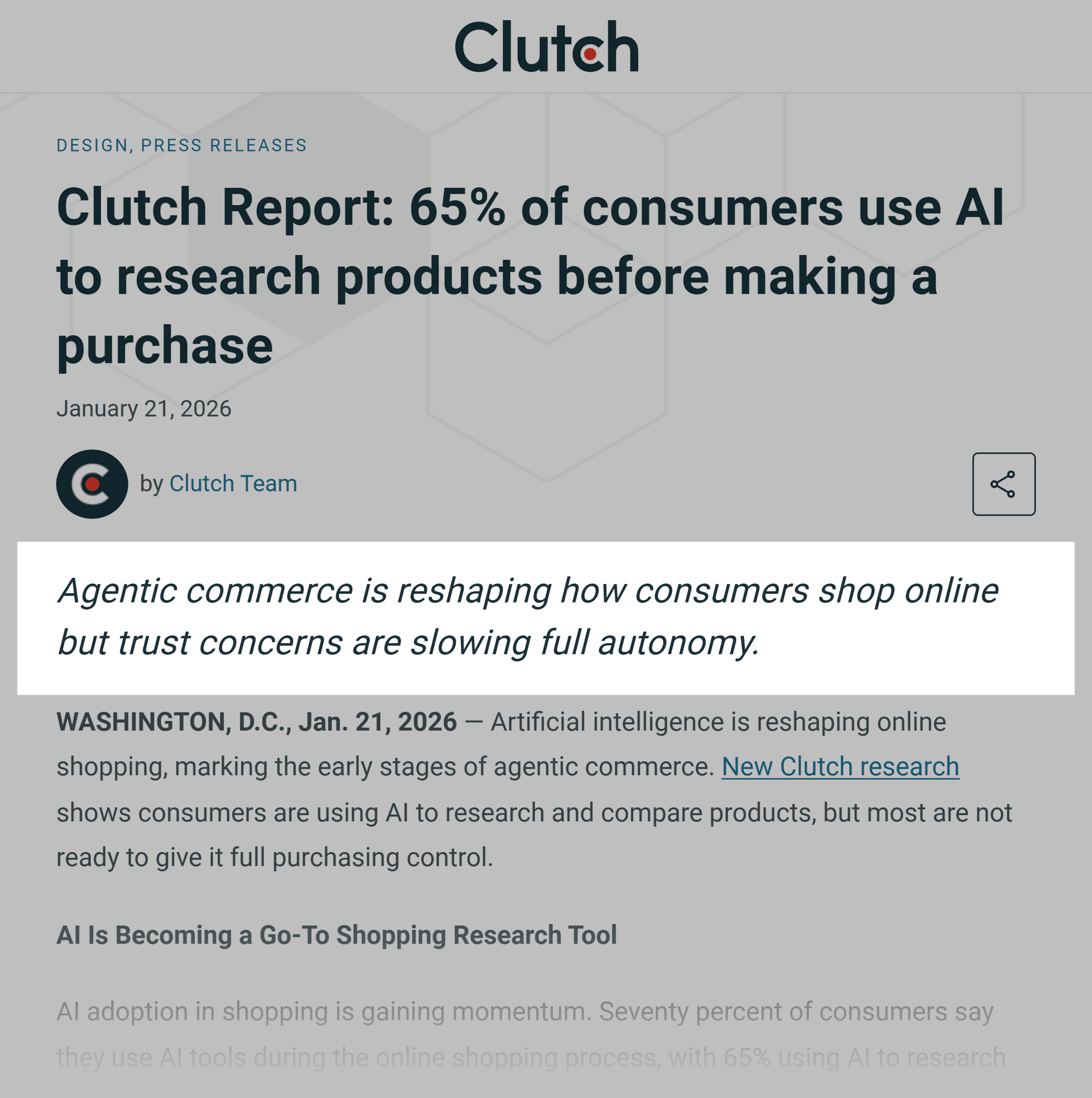
The modern consumer relies on a diverse array of preliminary touchpoints—ranging from generative artificial intelligence search tools and social media platforms to peer-to-peer discussion forums like Reddit. According to recent market research from Clutch, over 65% of buyers utilize artificial intelligence tools to research products and services before visiting an official business website. Consequently, potential customers often arrive at a company’s digital doorstep already possessing preconceived notions, acquired context, and varying levels of brand trust.

This behavioral shift has forced digital marketers to abandon siloed optimization techniques. Industry analysts note that visibility and credibility across external platforms directly dictate inbound traffic quality and conversion intent. If a brand lacks a reputable presence where consumers perform initial research, prospective buyers may never transition to the official website. Conversely, positive exposure across decentralized networks fosters immediate confidence, resulting in higher-intent traffic and more efficient conversion funnels.

Chronology and Evolution of Search and Discovery
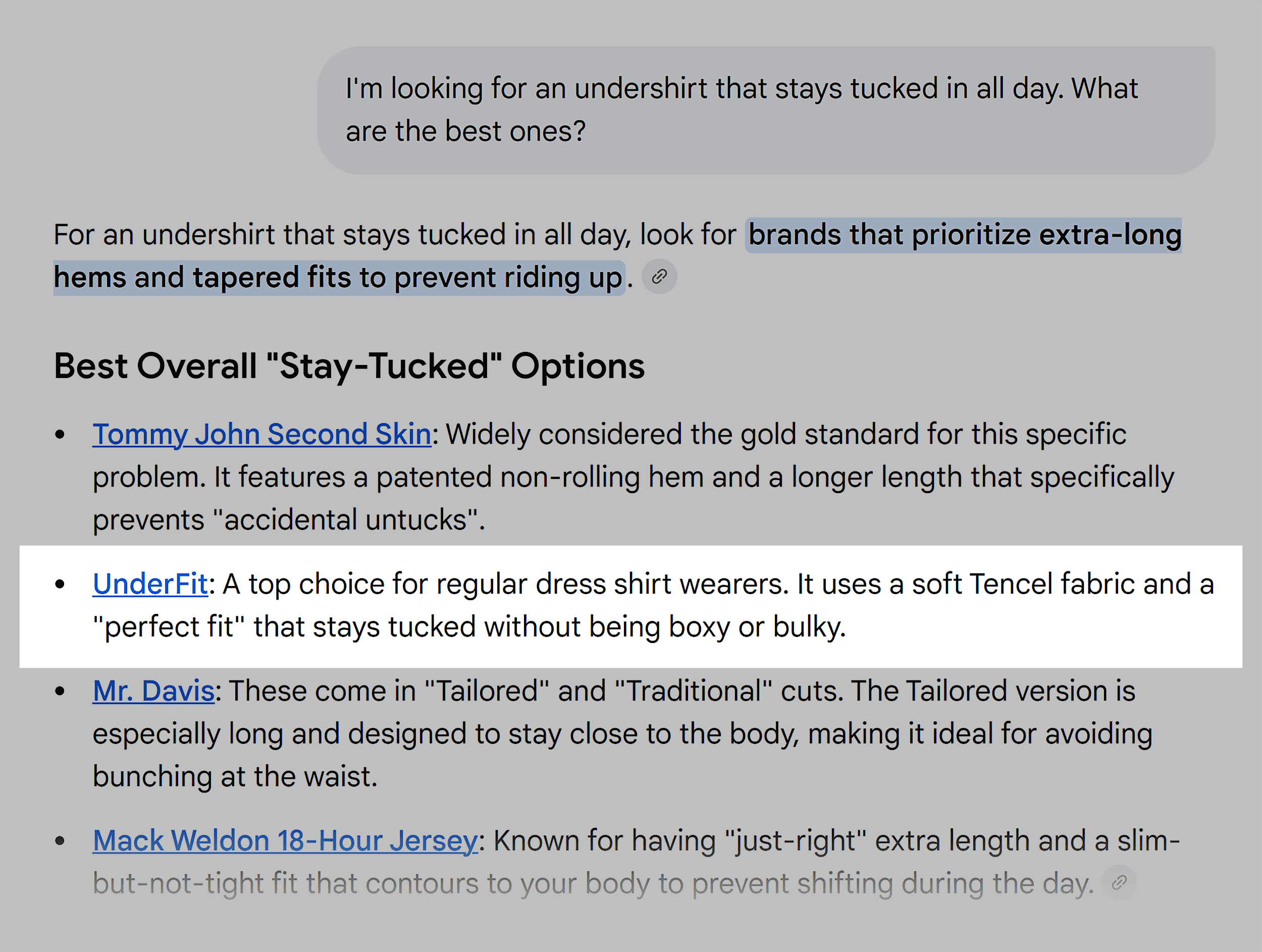
The trajectory of web discovery has evolved through distinct phases over the past decade. Initially dominated by traditional keyword-based search engines, the landscape expanded to include social commerce and influencer recommendations. By 2026, the integration of large language models (LLMs) into everyday search behavior created a decentralized discovery model.
- Phase One: Traditional search engine optimization focused exclusively on on-page keyword density and backlink acquisition to drive direct web traffic.
- Phase Two: Social media platforms and review aggregators emerged as influential pre-purchase research hubs, decentralizing consumer decision-making.
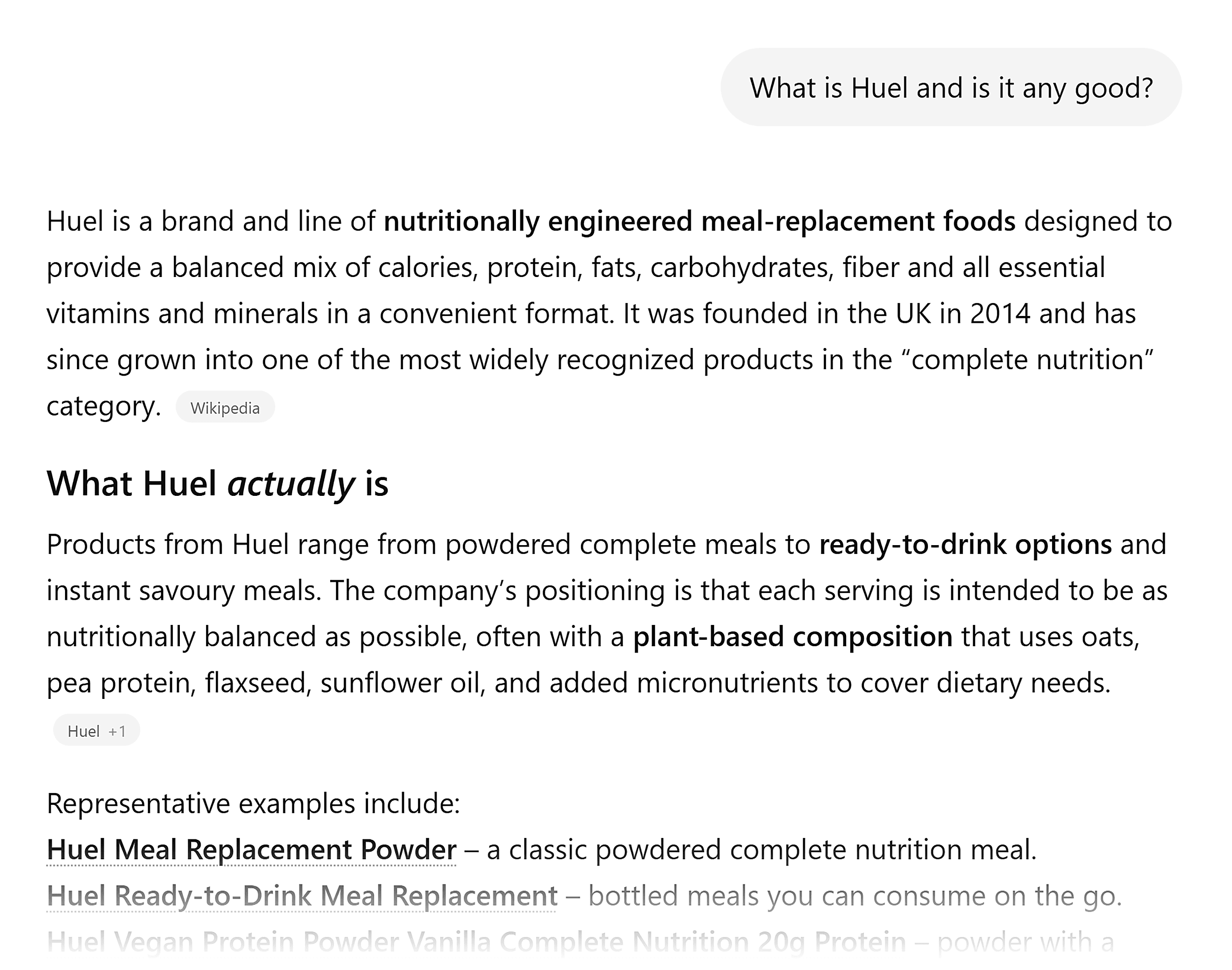
- Phase Three: Generative AI search interfaces and zero-click discovery tools synthesized web data, providing direct answers to users and reducing traditional organic click-through rates.
This progression necessitates a comprehensive marketing strategy that addresses both human discovery habits and machine-learning parsing algorithms.
Structuring Brands for AI and Human Interpretation

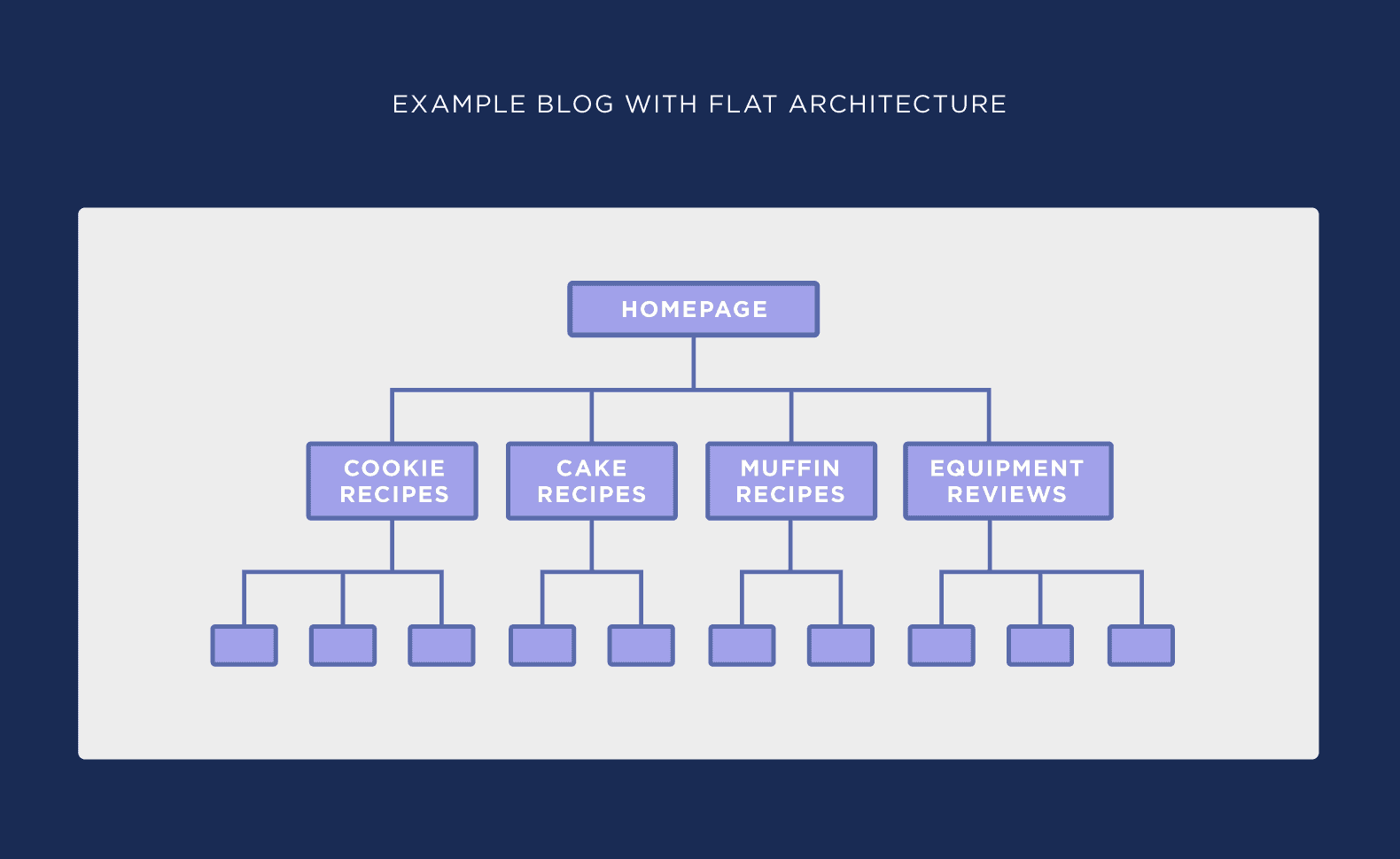
To capture attention in an AI-driven environment, organizations must actively engineer how the broader internet describes their brand. This requires meticulous brand messaging strategies that establish consistent terminology across all corporate communications, public relations materials, and partner networks. When a brand’s core values, unique selling propositions, and functional benefits are repeated consistently across multiple external sources, large language models register these associations with higher statistical confidence.
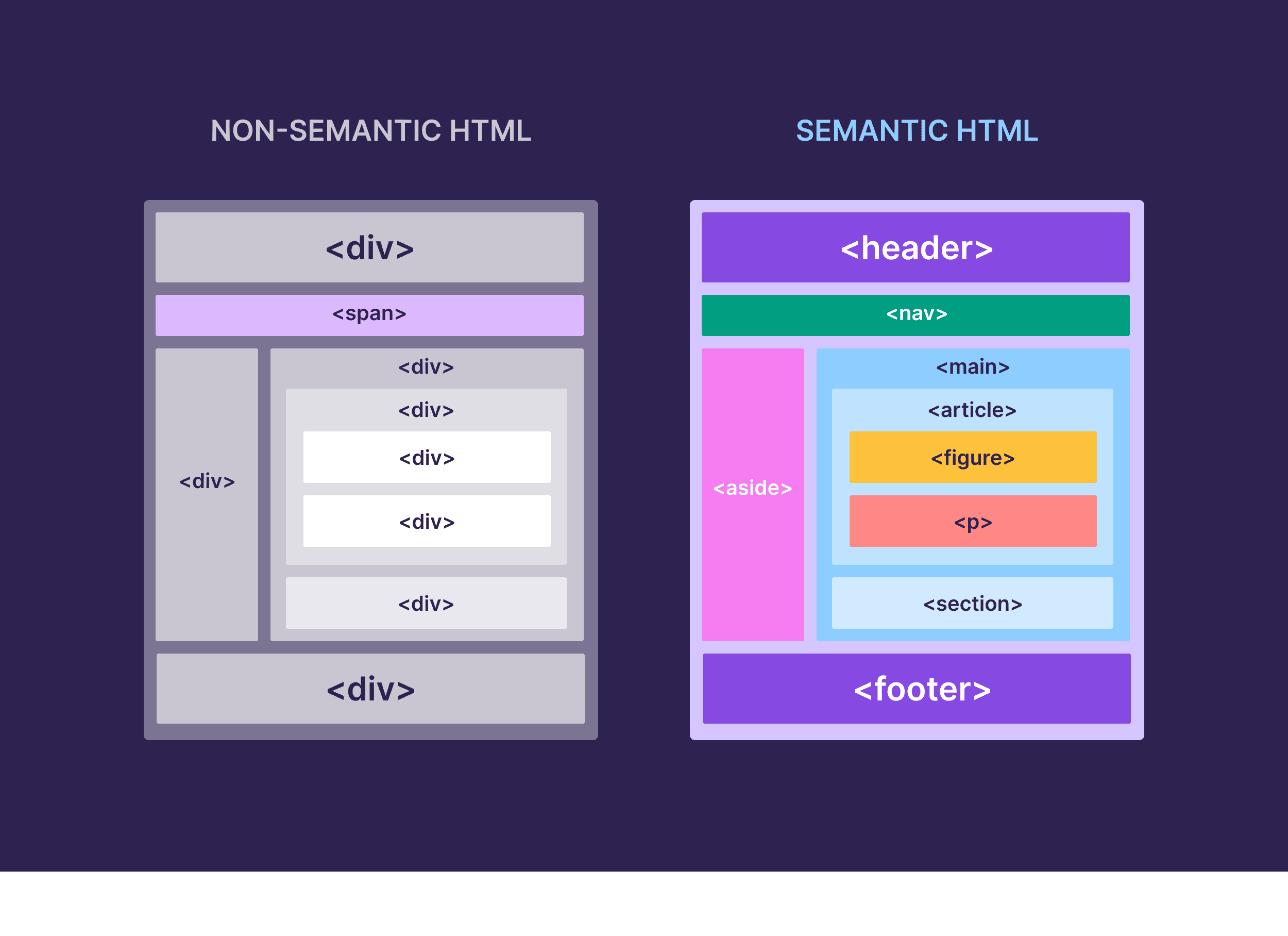
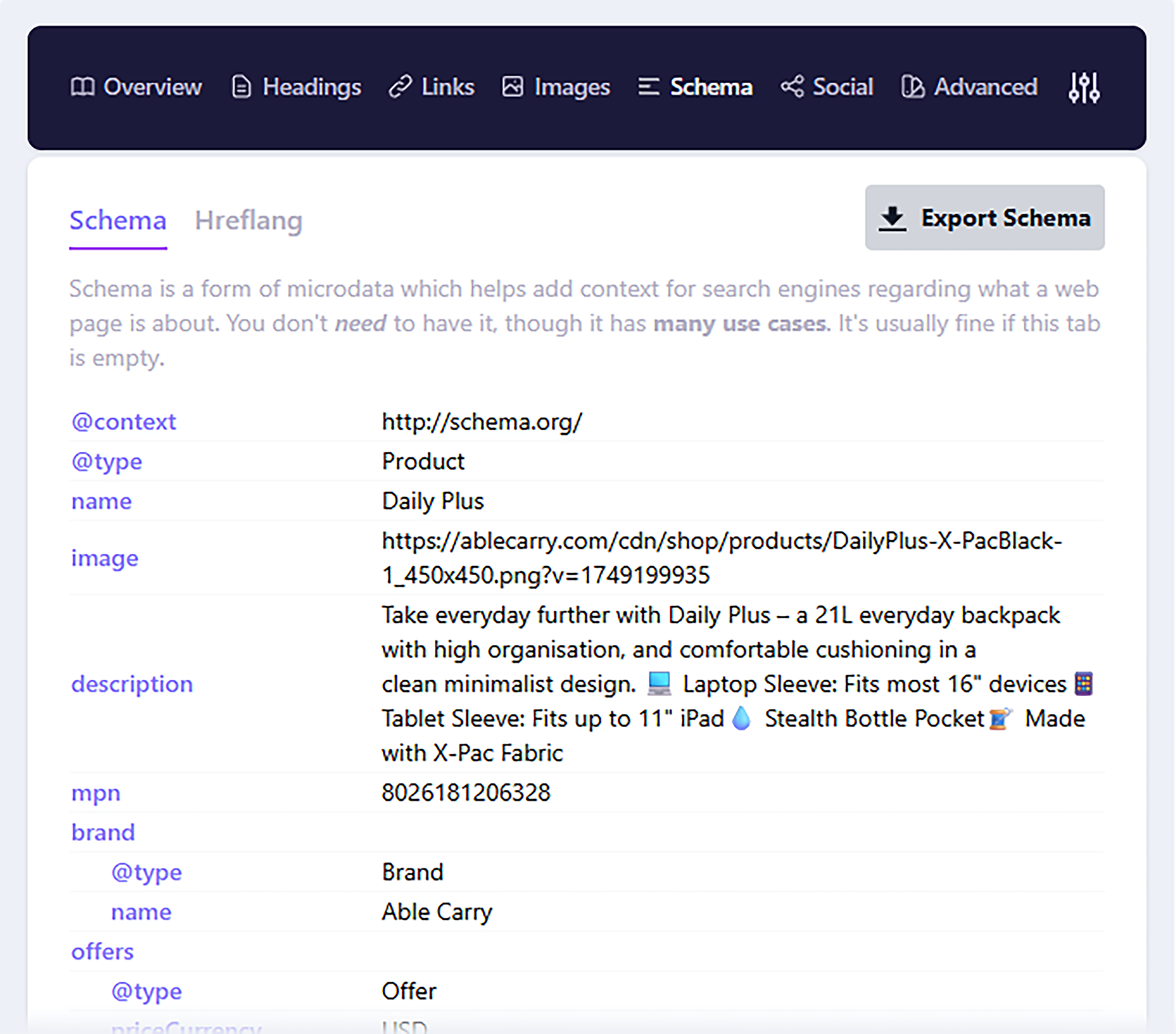
Concurrently, website architecture must be optimized for both human readability and machine parsing. Utilizing semantic HTML, clean content hierarchies, and properly implemented structured data allows search engines and AI crawlers to accurately index and categorize page content. Technical markers, combined with a robust on-page user experience, ensure that technical infrastructure supports broader external visibility efforts.
The Rise of Proof Assets and Credibility Markers
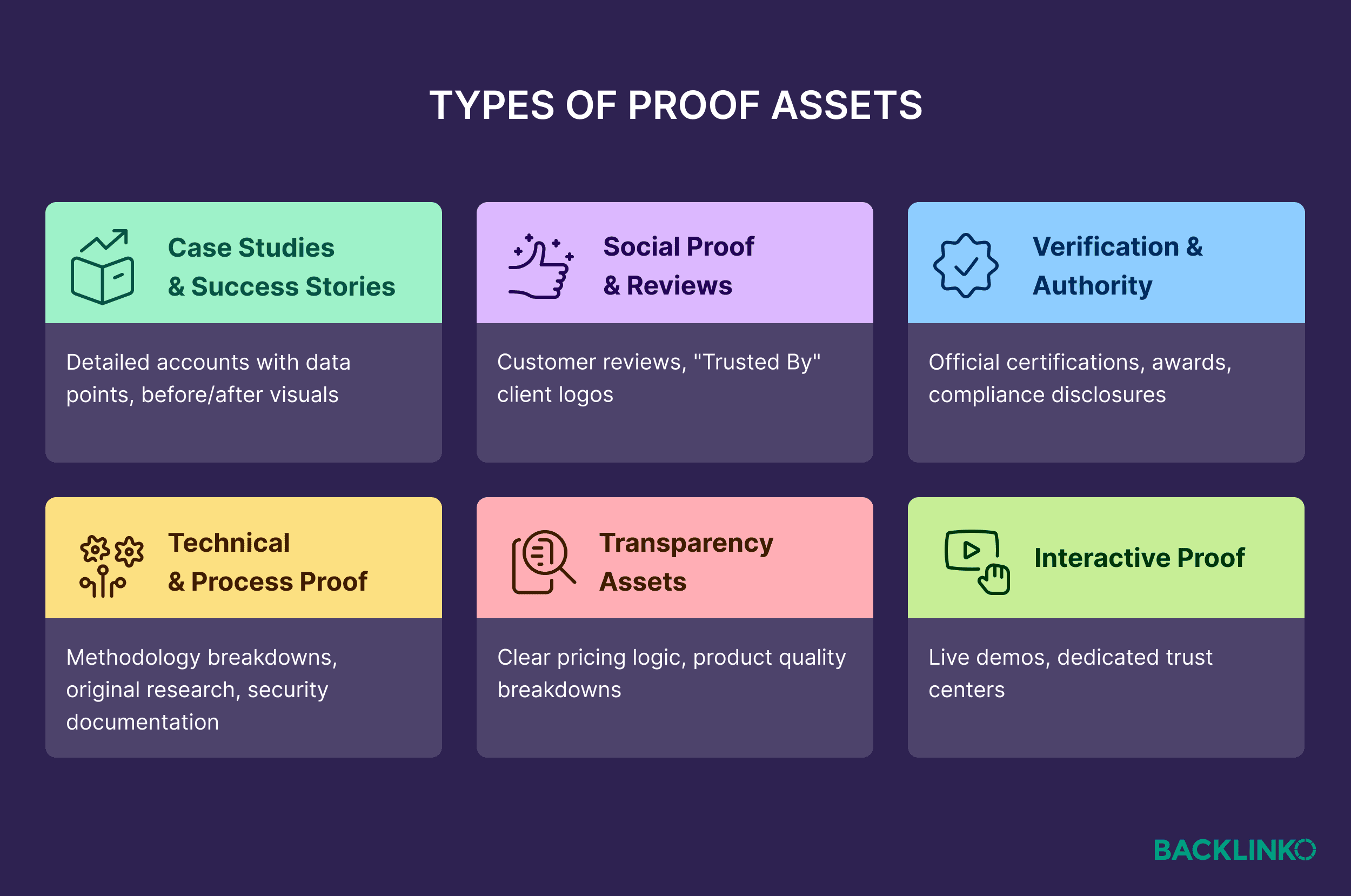
As skepticism regarding online claims grows, the publication and syndication of verifiable proof assets have become critical components of digital strategy. Proof assets encompass measurable case studies, transparent uptime statistics, verified customer reviews, security compliance documentation, and rigorous product specifications.
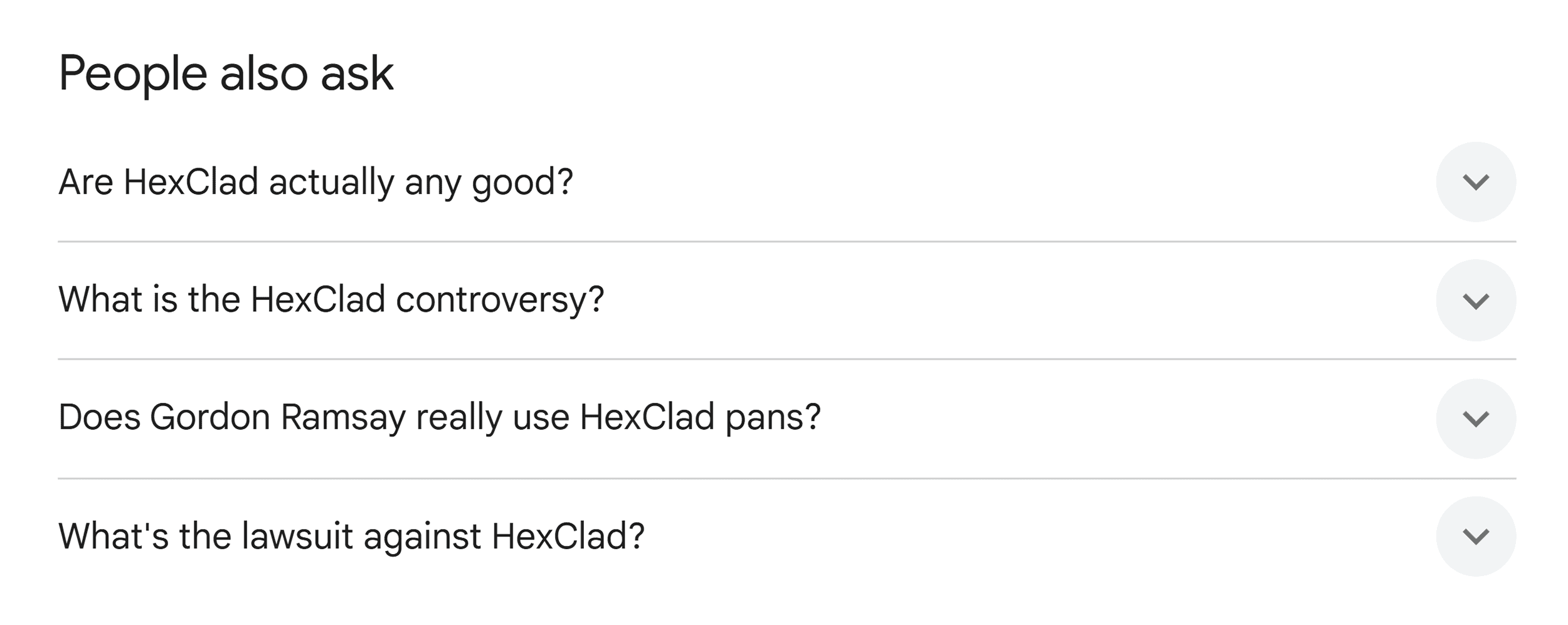
Industry data indicates that consumer inquiries on search engines frequently center on validation and risk mitigation. By proactively publishing comprehensive answers to recurring customer questions and securing third-party validations, brands can satisfy the rigorous evaluation criteria established by both human researchers and automated discovery algorithms.
Multi-Channel Engagement and the Zero-Click Reality
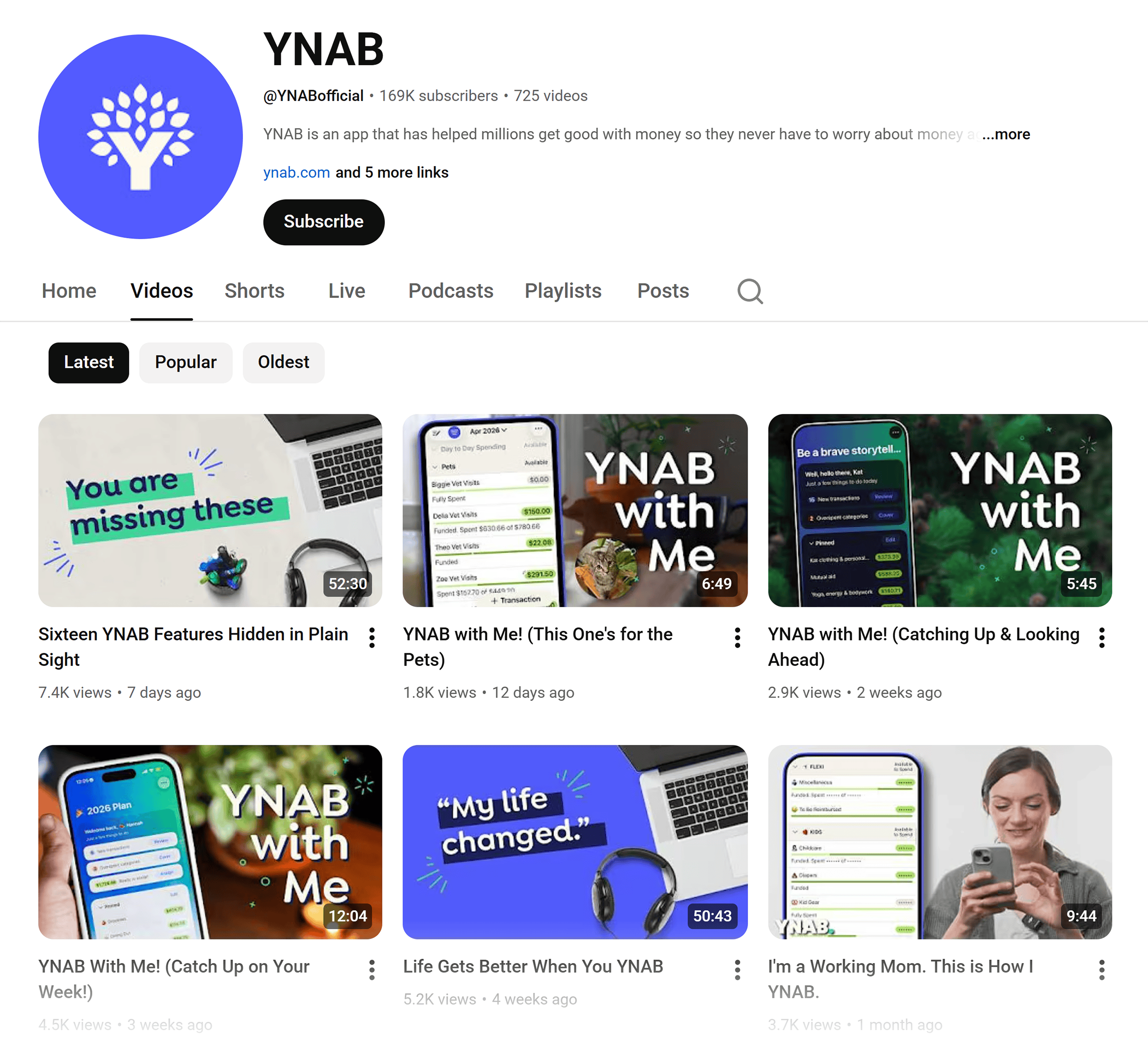
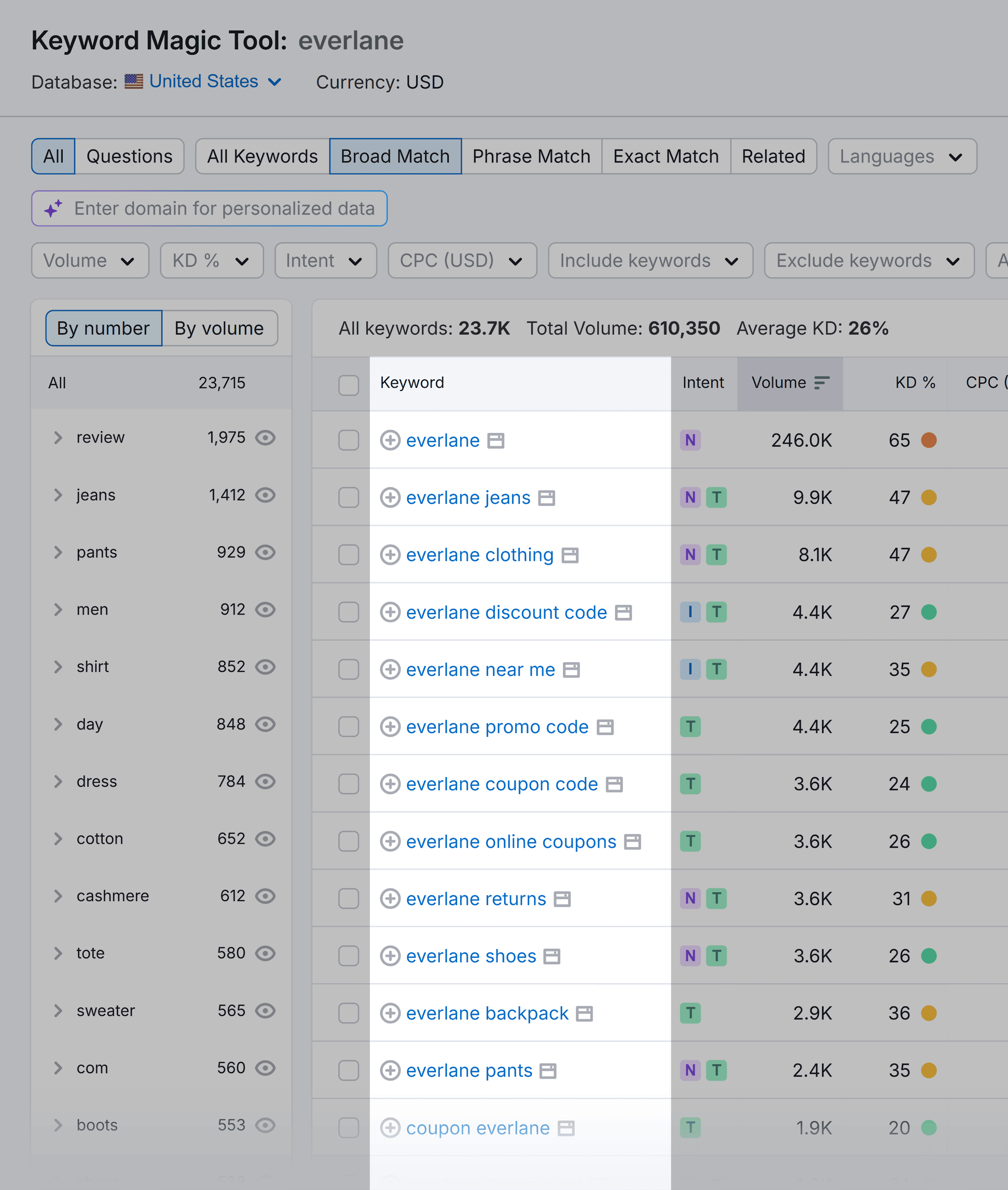
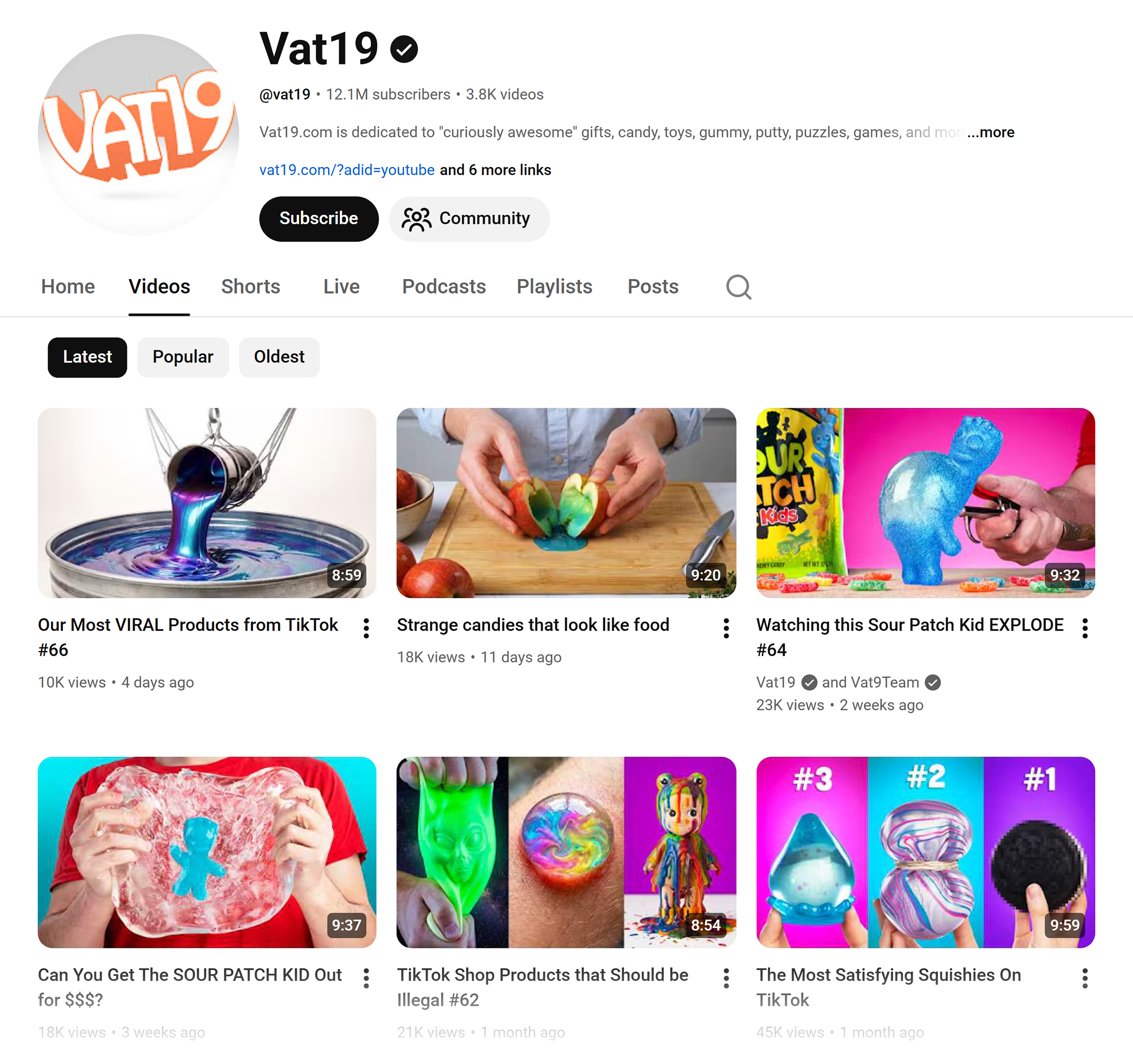
The proliferation of zero-click searches—where users obtain complete answers directly within search engine results pages or AI interfaces—places a premium on alternative traffic sources and enhanced conversion rate optimization. Organizations are increasingly leveraging rich media formats, such as long-form educational videos on YouTube and short-form clips on platforms like TikTok and Instagram Reels, to build familiarity and trust before a formal transaction is considered.
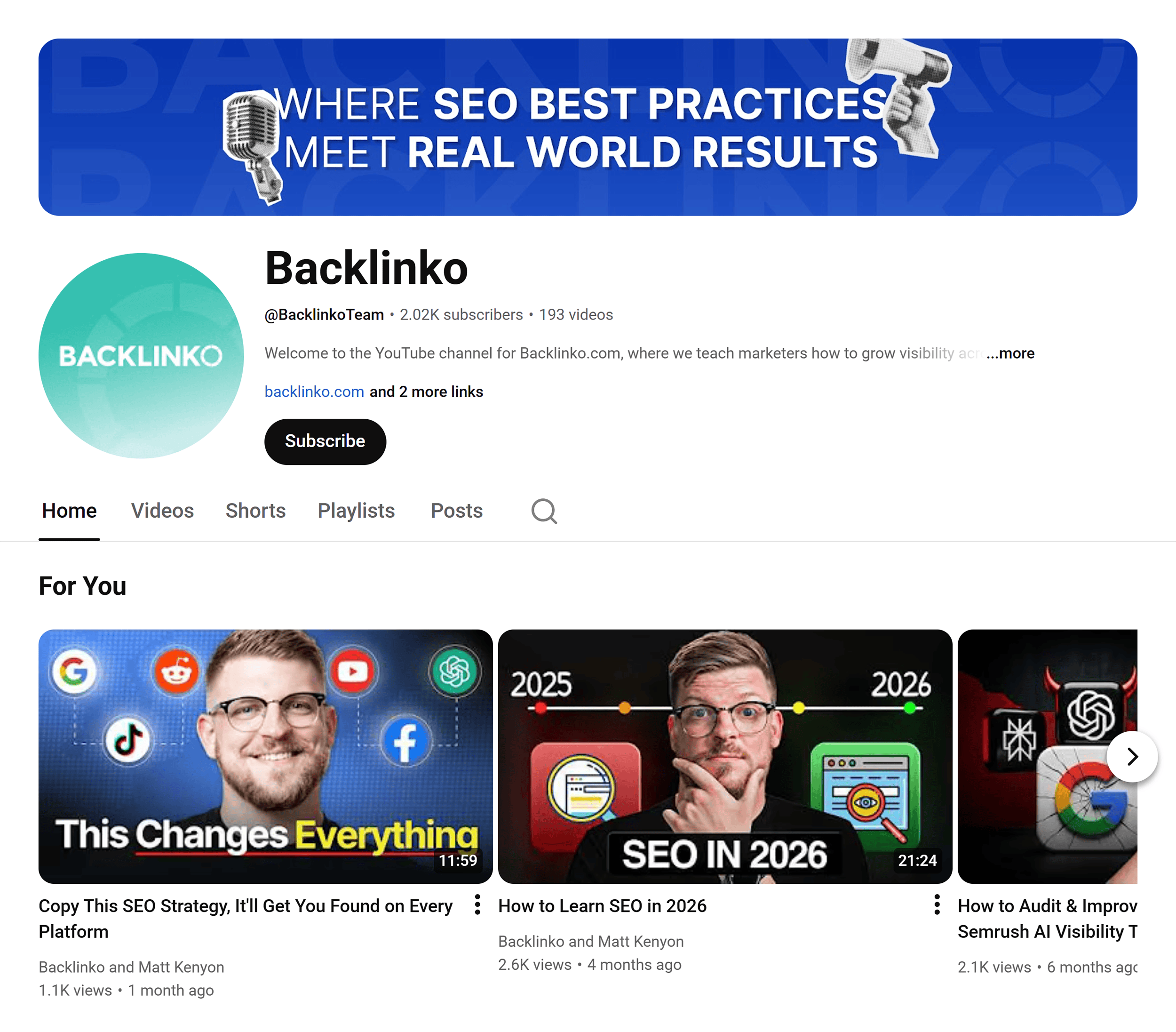
Furthermore, capturing traffic from algorithmic recommendation feeds, such as Google Discover, requires an editorial focus on timeliness, strong visual packaging, and compelling headlines that convey clear stakes or industry developments. When users do land on a corporate website, organizations must prioritize revenue per visitor by systematically reducing friction, eliminating navigation bottlenecks, and deploying behavioral email marketing triggers to maintain engagement.
Implications and Future Outlook for Digital Marketing

The broader economic and operational implications of this digital evolution point toward a more integrated, human-centric approach to marketing. Because automated systems and AI platforms synthesize information from decentralized communities—such as industry forums, niche subreddits, and independent review sites—brands can no longer control their narrative through corporate channels alone. Active, supportive participation in third-party communities has become a prerequisite for sustained market visibility.
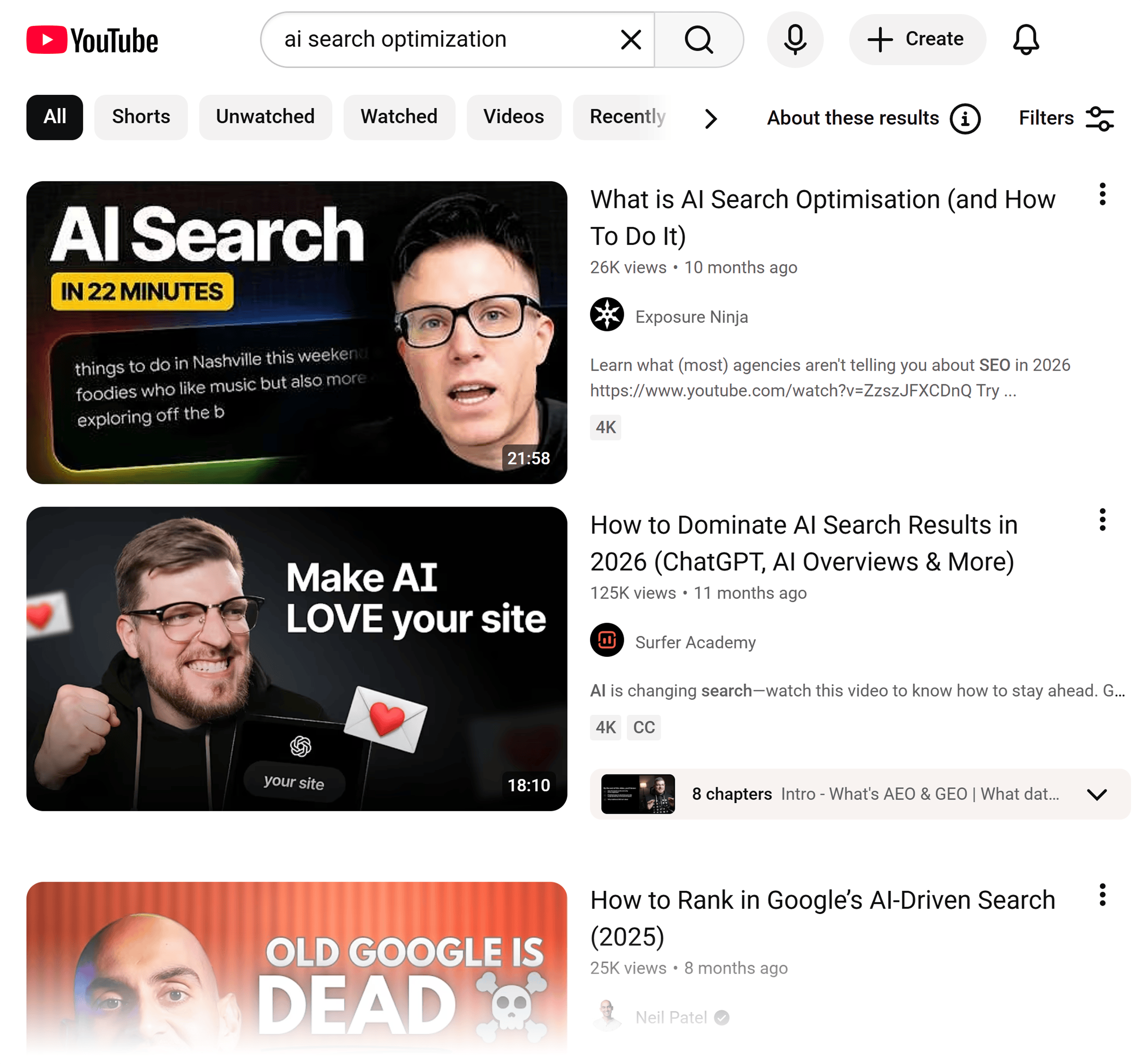
Industry experts emphasize that successful website marketing in the current landscape depends on authenticity, multi-platform consistency, and rigorous value delivery. By combining human-led thought leadership, transparent proof assets, and automated behavioral workflows, organizations can navigate the complexities of modern digital discovery and secure measurable commercial outcomes.
Related posts: