Samsung M80H 4K Smart TV Sees Major Price Cuts Across 65-Inch and 75-Inch Models in Latest Consumer Electronics Promotion

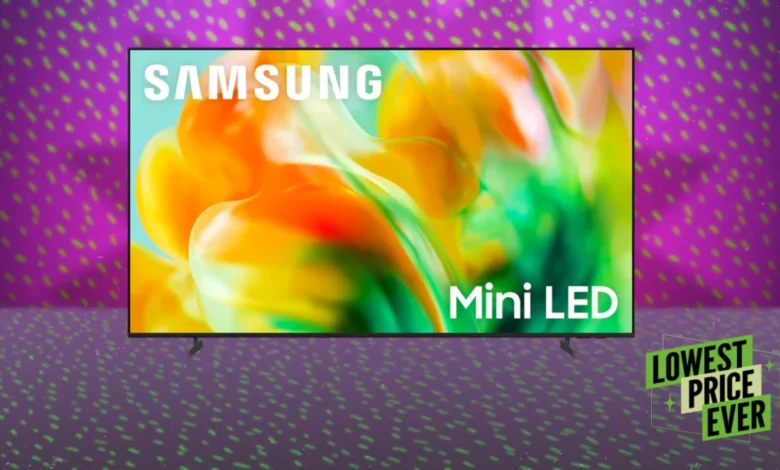
Consumers looking to upgrade their home entertainment systems without investing in top-tier flagship pricing are being presented with a significant retail opportunity as major online platforms slash prices on Samsung’s latest 2026 display lineup. The 65-inch Samsung M80H 4K Smart TV has dropped to $647.99, marking a notable reduction from its standard retail price of $797.99. Simultaneously, buyers requiring a more expansive viewing area can secure the larger 75-inch configuration at a substantial discount, with prices reduced by roughly one-third. These promotional adjustments arrive as consumer electronics manufacturers seek to stimulate mid-cycle hardware adoption, positioning the M80H series as a competitive option for households balancing cinematic performance against budget constraints.
Main Facts of the Samsung M80H Promotion
The promotional pricing event brings considerable attention to a display series introduced earlier in the year. The Samsung M80H serves as an entry-level to mid-tier 4K smart television designed to bridge the gap between standard budget displays and high-end OLED or premium Neo QLED panels.
At the center of the current retail discount is the 65-inch model, priced at $647.99—a $150 savings from its standard $797.99 MSRP. Industry analysts note that the 65-inch dimension remains the industry standard for "sweet spot" home theater integration, offering a commanding screen presence suitable for standard living rooms without overwhelming architectural layouts. Meanwhile, the accompanying 75-inch model provides an alternative for consumers with larger dedicated media spaces, featuring a deeper percentage-based markdown that translates to hundreds of dollars in total savings.
Both versions of the M80H are engineered around Samsung’s modern processing architecture, leveraging the NQ4 AI Gen2 processor to manage real-time upscaling, color balancing, and motion handling. Despite carrying a Mini LED backlight designation, technical breakdowns indicate that the television series operates without full-array local dimming zones—a specification that differentiates it from Samsung’s flagship offerings while explaining its more accessible price point.
Chronology and Product Lifecycle
The rollout of the M80H series represents Samsung’s ongoing strategy to democratize advanced panel technologies and artificial intelligence integration within consumer displays.
Development and production of the NQ4 AI Gen2 processor architecture began several years prior to the hardware’s commercial debut, focusing on neural network-based upscaling designed to process legacy high-definition and standard-definition broadcasts into crisp 4K resolution. The television officially entered the global consumer market as part of Samsung’s expansive 2026 hardware catalogue, targeting budget-conscious enthusiasts who demand modern smart features and elevated refresh rates without paying premium prices.
Throughout the spring and summer following its release, the M80H maintained a stable baseline MSRP as retail supply chains normalized. However, as manufacturers prepare for late-year inventory adjustments and upcoming retail cycles heading into the fourth quarter, authorized distributors have initiated promotional markdowns. This pricing shift mirrors historical trends in the television sector, where mid-tier models experience targeted discounts roughly two to three quarters following their initial commercial launch to capture value-seeking buyers.
Technical Specifications and Performance Analysis
An evaluation of the Samsung M80H reveals a balanced feature set tailored for mixed-use environments, accommodating streaming enthusiasts, casual gamers, and everyday television viewers.

At its core, the television features a native 4K resolution panel enhanced by Samsung’s Pure Spectrum Color technology, which aims to deliver accurate, natural color reproduction without excessive saturation. High-dynamic-range content is supported via HDR10+ alongside Auto HDR Remastering, a software-driven feature that analyzes standard dynamic range streams in real time to apply HDR-like contrast and luminance enhancements.
For gamers, the M80H includes a native 144Hz refresh rate, HDMI 2.1 connectivity, and variable refresh rate (VRR) support, including AMD FreeSync Premium compatibility. These specifications allow the display to handle high-frame-rate gaming consoles and modern gaming PCs smoothly. Integration with Samsung’s Gaming Hub further streamlines access to cloud-based gaming services without requiring dedicated console hardware.
However, independent technical reviews and display experts note certain performance trade-offs associated with the M80H’s price bracket. Because the display lacks localized dimming zones despite its Mini LED categorization, dark room performance can suffer, occasionally resulting in elevated black levels and a grayish appearance during cinematic scenes set in low-light environments. Furthermore, peak HDR brightness is more restricted compared to high-end QLED alternatives, making the television less optimized for exceptionally sunlit rooms. Connectivity is also somewhat constrained, with the chassis housing three HDMI ports rather than the four frequently found on premium models.
Software Ecosystem and Smart Capabilities
Running on Samsung’s proprietary Tizen operating system, the M80H provides a comprehensive suite of smart television capabilities. The user interface grants immediate access to major global and regional streaming applications, including Netflix, Disney+, Prime Video, and YouTube, alongside Samsung TV Plus, the company’s free ad-supported streaming television (FAST) service.
Smart home integration is a central focus of the 2026 Tizen implementation. The television features built-in Amazon Alexa compatibility alongside Apple AirPlay support, enabling users to cast content seamlessly from iOS and macOS devices or control connected smart home appliances directly through the display interface. Samsung Vision AI tools further augment the user experience by optimizing audio profiles based on room acoustics and automatically adjusting visual output relative to ambient lighting conditions detected in the room.
Industry Implications and Market Context
The strategic discounting of the Samsung M80H series underscores broader competitive pressures within the global consumer electronics market. As display manufacturing yields mature and consumer discretionary spending faces economic scrutiny, major brands are increasingly relying on aggressive promotional pricing to capture market share in the critical sub-$700 category.
For consumers, the current $647.99 price point for the 65-inch M80H shifts the cost-benefit analysis significantly in favor of adoption. While purists seeking absolute black levels and supreme peak brightness will continue to gravitate toward OLED or premium local-dimming Mini LED models—which often cost twice as much—the M80H occupies a pragmatic middle ground. It delivers high refresh rates for gaming, competent upscaling via artificial intelligence, and a robust smart platform at a cost traditionally associated with lesser-known budget brands.
Market analysts suggest that promotions of this nature are likely to persist through the upcoming holiday shopping window as retailers compete for consumer attention. Prospective buyers are advised to monitor stock availability and verify shipping conditions through authorized retail channels, as promotional pricing on popular consumer electronics is frequently subject to inventory limits and manufacturer authorization policies.