Website Marketing in 2026: Why the Traditional Customer Journey is Broken and How Brands Are Adapting


The landscape of digital discovery has fundamentally transformed, rendering traditional website marketing models obsolete. For decades, the digital playbook relied heavily on driving direct traffic to a central landing page through search engine optimization and targeted advertising, converting visitors into buyers upon arrival. Today, however, that linear trajectory has been largely dismantled. Industry data indicates that the modern consumer journey now takes place primarily beyond the boundaries of a company’s official domain. Before a potential buyer ever clicks on a corporate website, they have typically synthesized information from a fragmented ecosystem of artificial intelligence search assistants, crowdsourced forum discussions, and peer-to-peer social media networks.
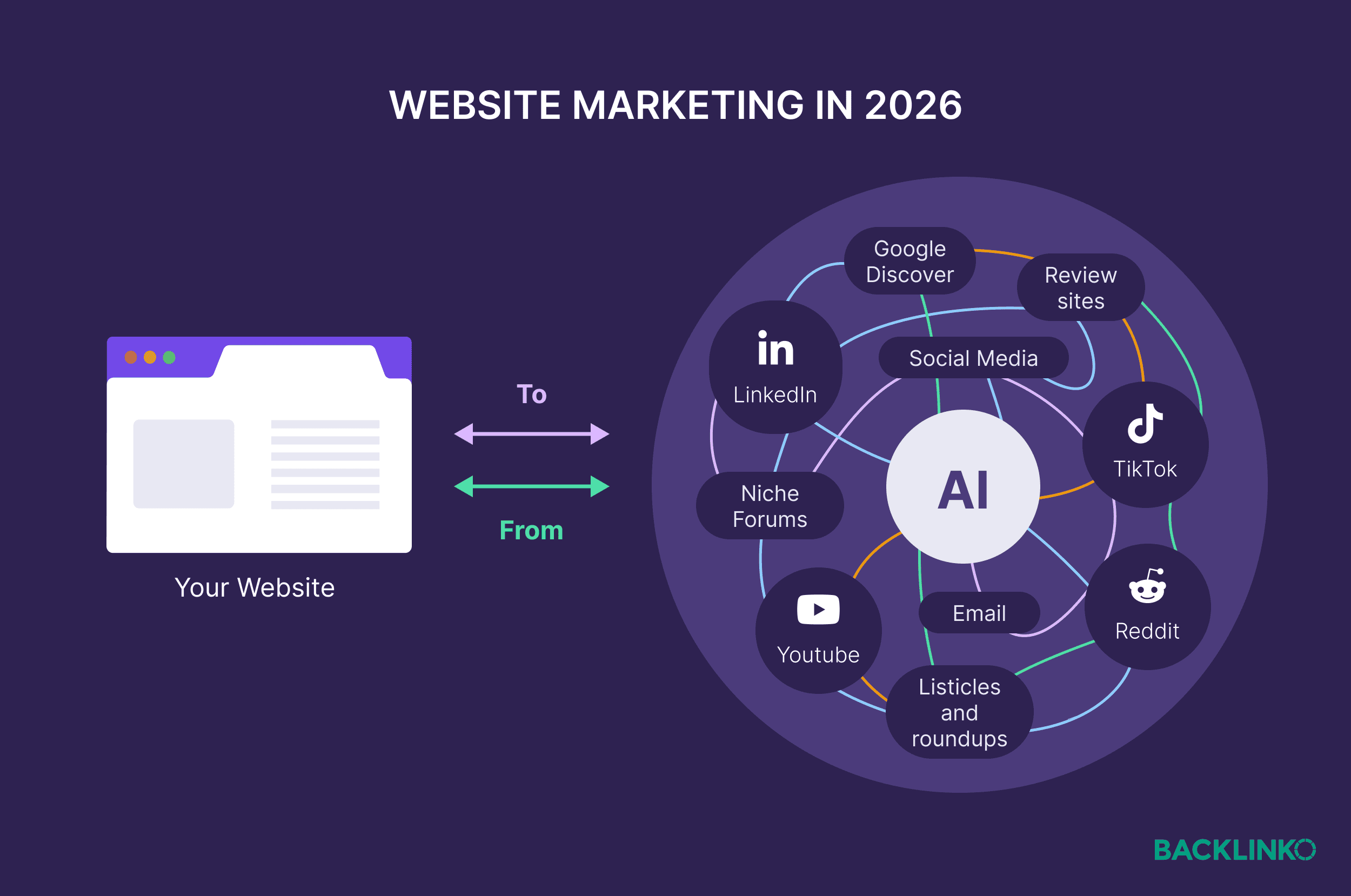
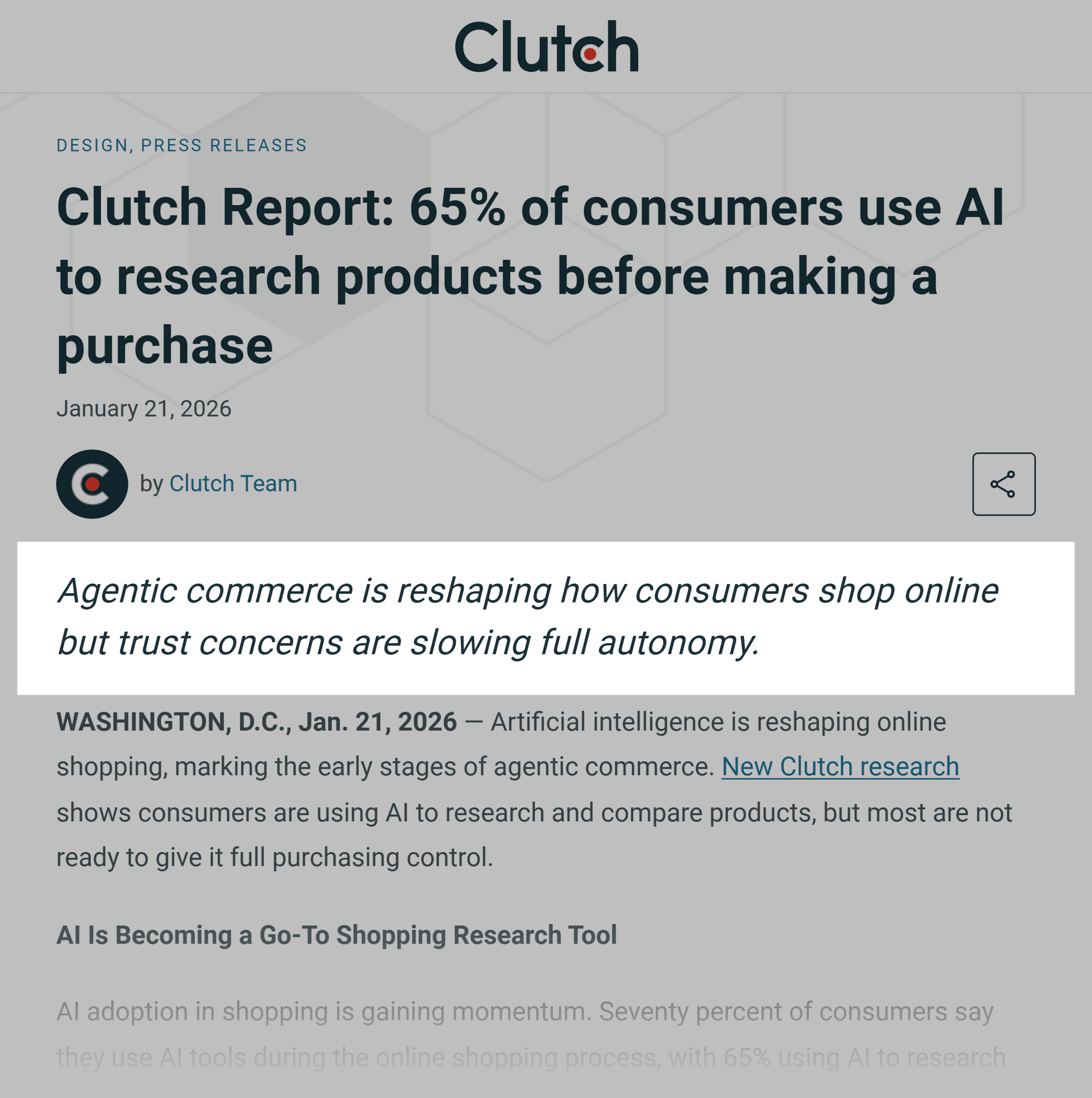
This shift has profound implications for digital strategists and enterprise marketing departments alike. Market research compiled by Clutch reveals that upwards of 65% of modern buyers utilize generative AI tools and specialized language models to conduct exhaustive product research and vendor comparisons prior to visiting a commercial website. Consequently, a brand’s reputation, narrative positioning, and credibility are frequently established long before a prospect initiates a direct site visit. If a company lacks visibility or positive validation across these peripheral touchpoints, the prospective customer often abandons the purchase funnel before reaching the primary domain entirely. Conversely, brands that successfully cultivate an authoritative digital footprint across third-party platforms find that arriving visitors possess higher intent, deeper contextual understanding, and significantly elevated conversion rates.
The Evolution of Brand Discovery and AI Integration
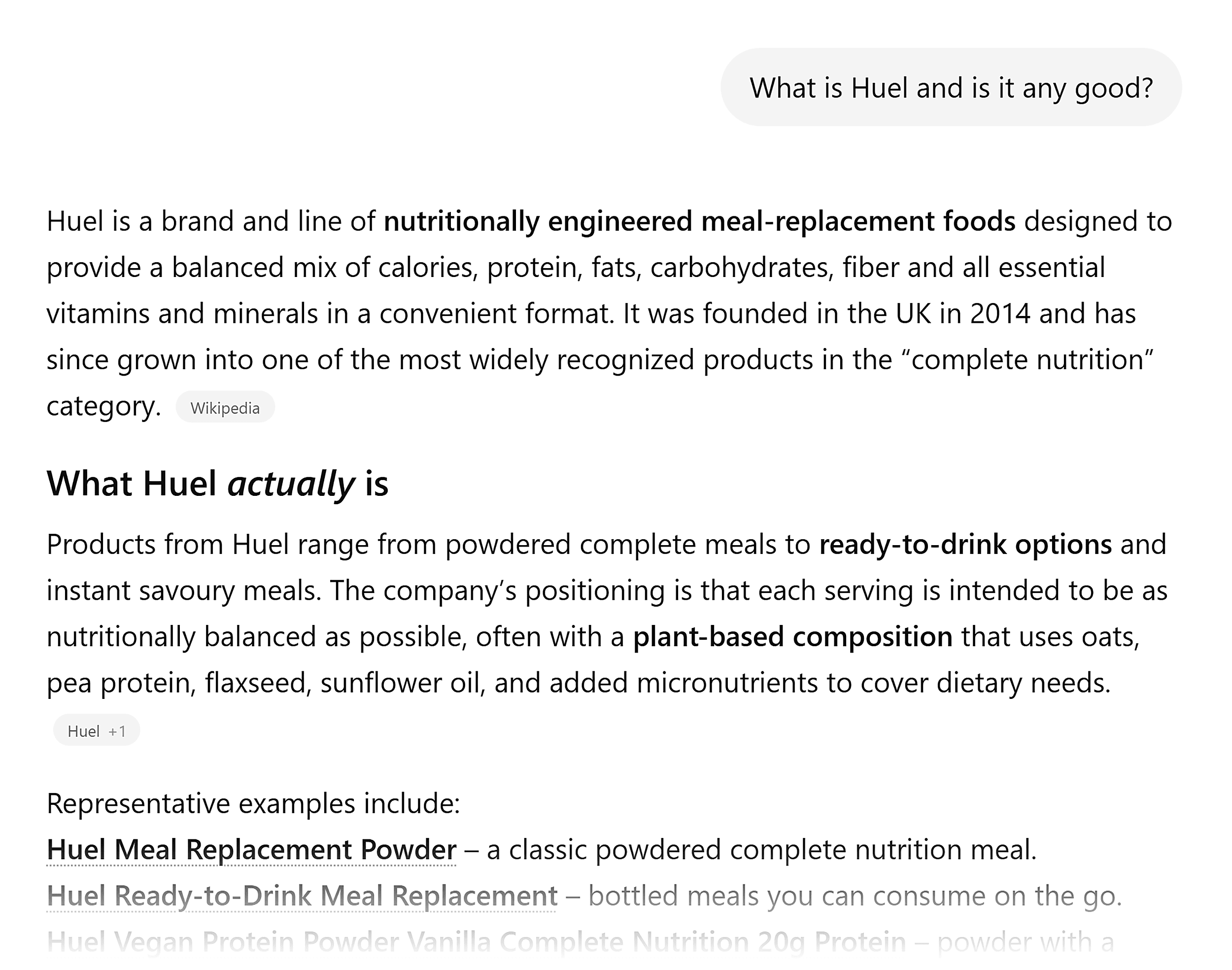
The historical approach to search engine optimization focused narrowly on keyword density, backlink profiles, and direct domain authority. In the current technological climate, search engines have evolved into complex answer engines driven by large language models (LLMs). These algorithms do not merely index web pages; they synthesize the collective sentiment, recurring claims, and descriptive language found across the entire internet to form a cohesive narrative about a given brand.

To successfully navigate this environment, modern enterprises are adopting rigorous brand messaging frameworks designed to engineer how algorithms and human researchers describe them. This involves establishing a centralized, immutable repository of core positioning statements, verified product benefits, and corporate values that is distributed across internal departments and external partners alike. Consistency is paramount. When a brand’s core value proposition is repeated verbatim across corporate collateral, affiliate reviews, customer feedback loops, and community discussions, large language models register these patterns as objective truth.

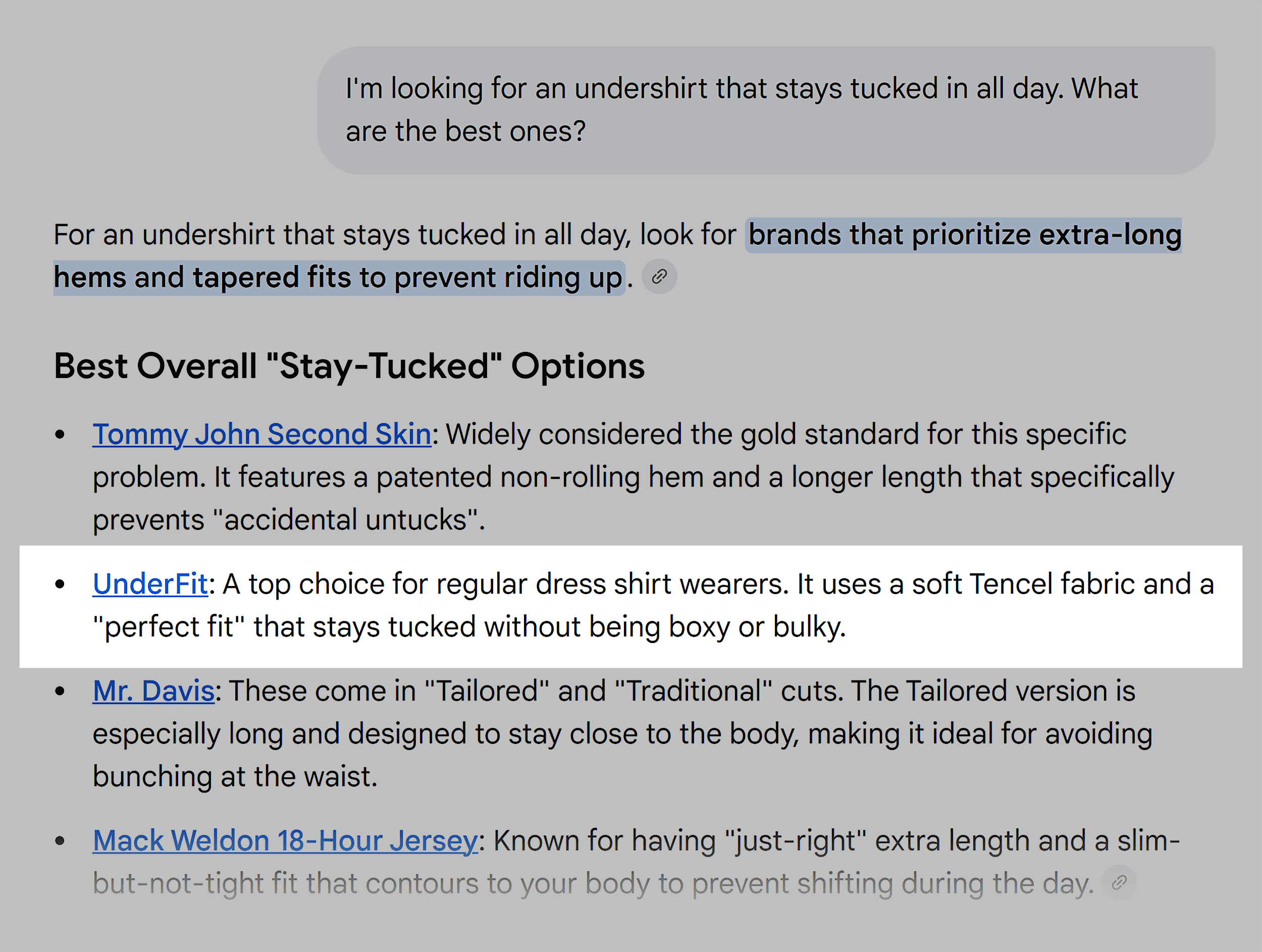
For instance, ecommerces brands that maintain uniform messaging regarding specific product durability or functional benefits consistently outperform competitors in generative search engines such as Google AI Mode and ChatGPT integrations. Independent audits demonstrate that when consumers query AI models for specific product solutions, the systems preferentially surface brands that maintain a high density of consistent, verified textual references across decentralized web properties. Consequently, digital marketing teams are increasingly tasked with auditing their AI-generated narratives, evaluating how major language models summarize their offerings, and systematically addressing any gaps or inaccuracies in the digital record.
Technical Architecture for Human and Machine Parsing
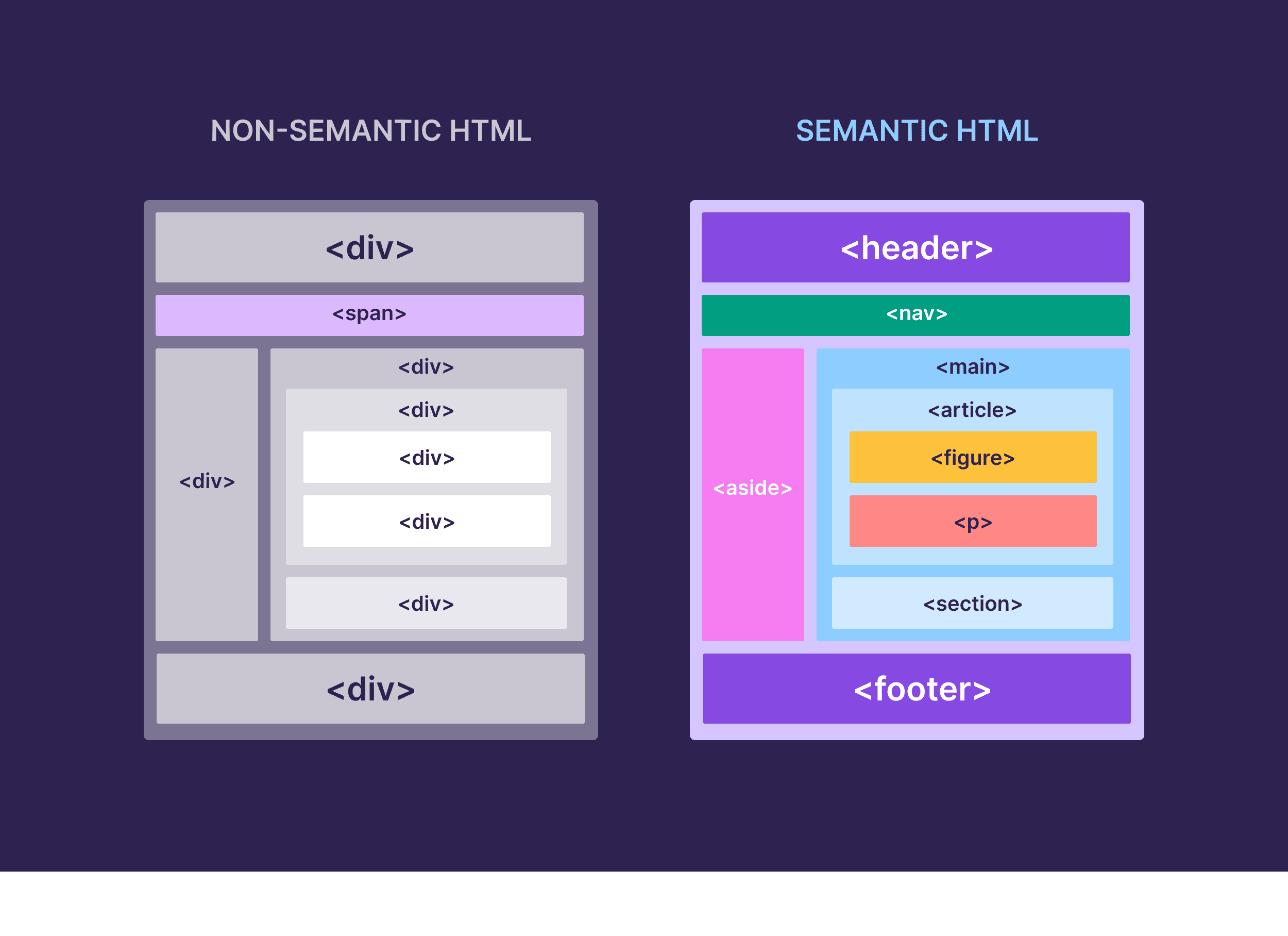
While decentralized visibility is critical for initial discovery, a brand’s official website must still serve as an airtight conversion engine. Modern web architecture must be meticulously optimized to accommodate both human readers and automated web crawlers. This dual mandate requires a departure from overly stylized, non-standard layouts in favor of clean, semantic HyperText Markup Language (HTML) and logical content hierarchies.
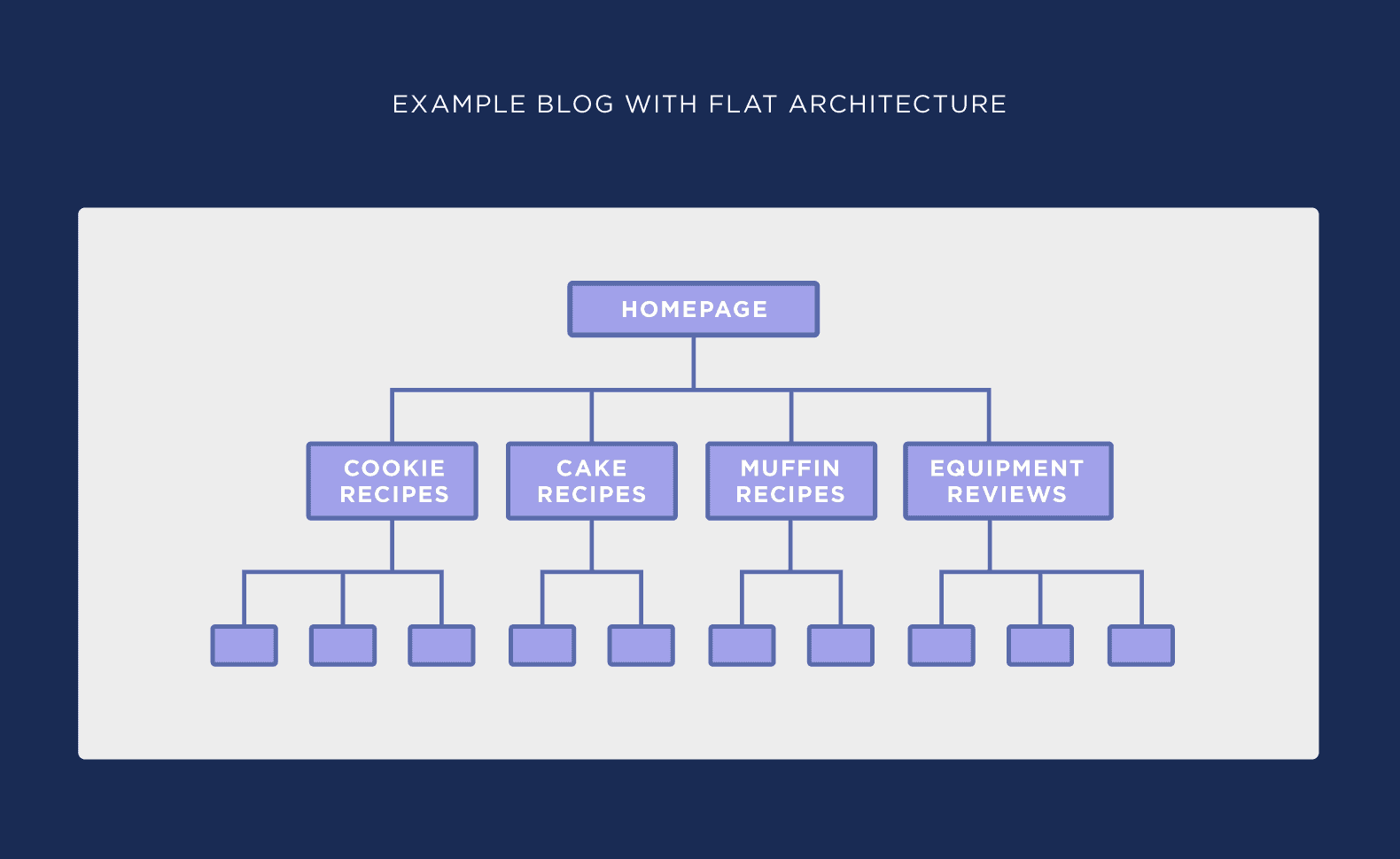
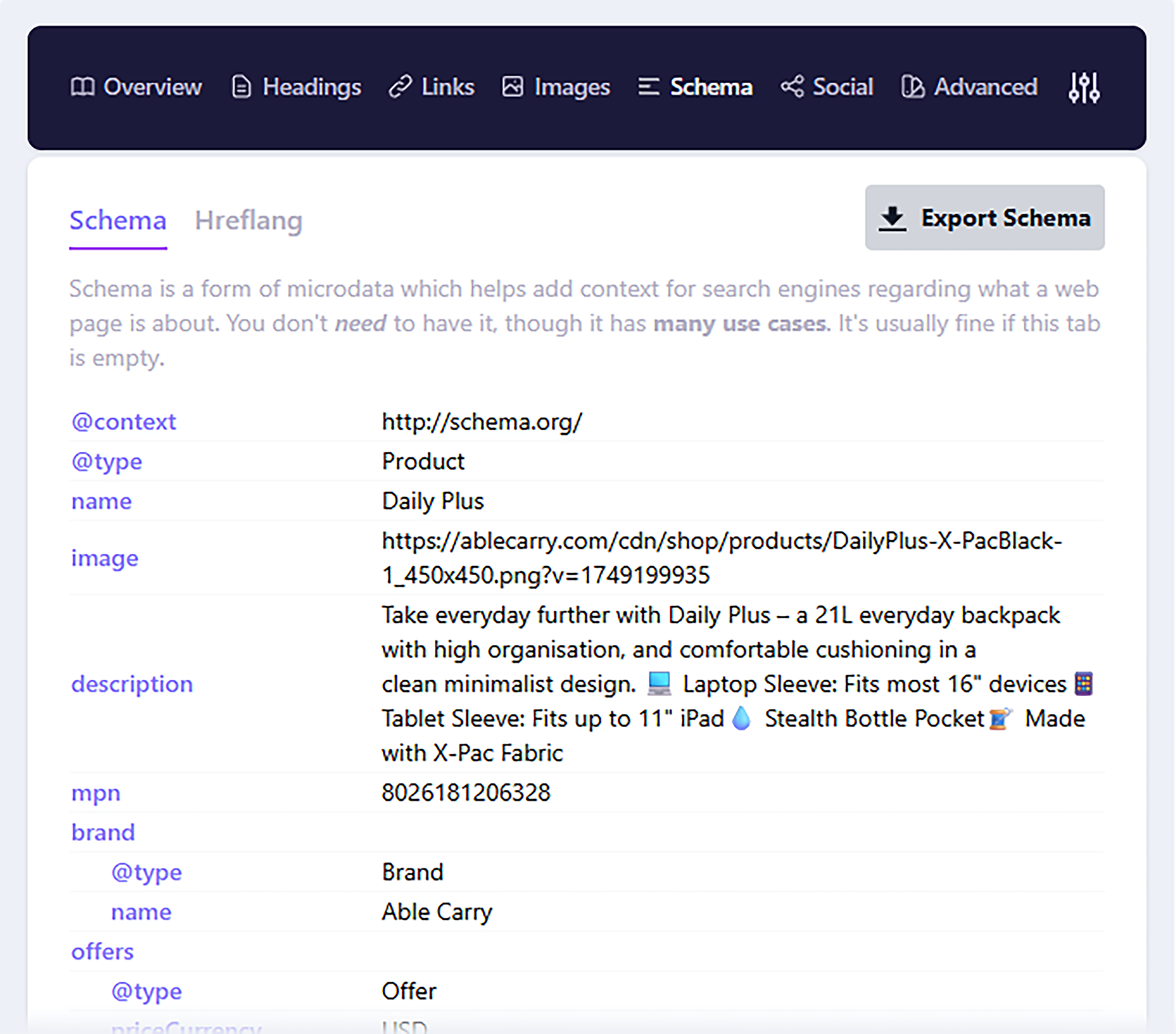
Industry standards dictate that corporate web properties must implement robust structural signals, including clear heading tags (H1, H2, H3), structured schema markup, and flat site architectures that allow search engines and AI parsers to interpret context effortlessly. Enhanced user experience features, such as skimmable text formatting, structured comparison tables, and transparent product specifications, reduce cognitive load for visitors who arrive with advanced pre-purchase knowledge. Furthermore, technical performance metrics—specifically page load speed, mobile responsiveness, and core web vitals—remain decisive factors in determining whether a pre-educated visitor completes a transaction or bounces to a competitor.
The Rise of Multi-Platform Proof Assets and Trust Signals
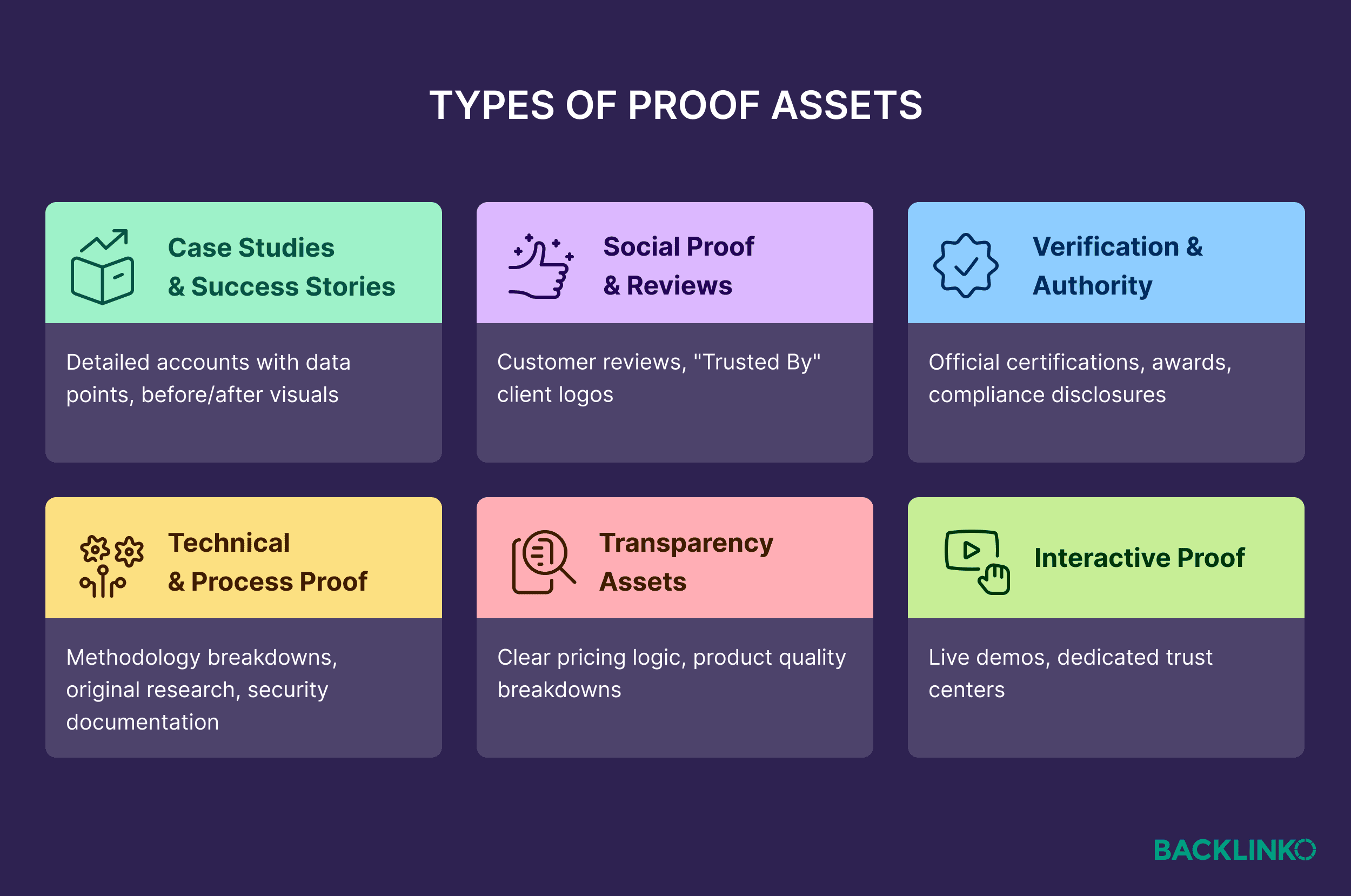
Credibility in the modern digital economy is anchored by verifiable proof assets. Traditional text-based testimonials are no longer sufficient to overcome buyer skepticism in saturated markets. Depending on the industry vertical, proof assets take distinct, highly specialized forms. In the enterprise software sector, measurable case studies, independent security compliance audits, and real-time uptime data carry the greatest weight. In consumer goods and retail, granular product quality disclosures, transparent return policies, and verified user reviews dictate purchase decisions.

Data from search engine analytics indicate that consumers frequently interrogate brand trustworthiness through secondary search queries, often utilizing "People Also Ask" features and keyword discovery tools to uncover potential operational flaws or policy limitations. Brands that proactively publish comprehensive documentation addressing these recurring concerns—such as detailed manufacturing origins, warranty terms, and third-party testing results—effectively neutralize buyer hesitation.
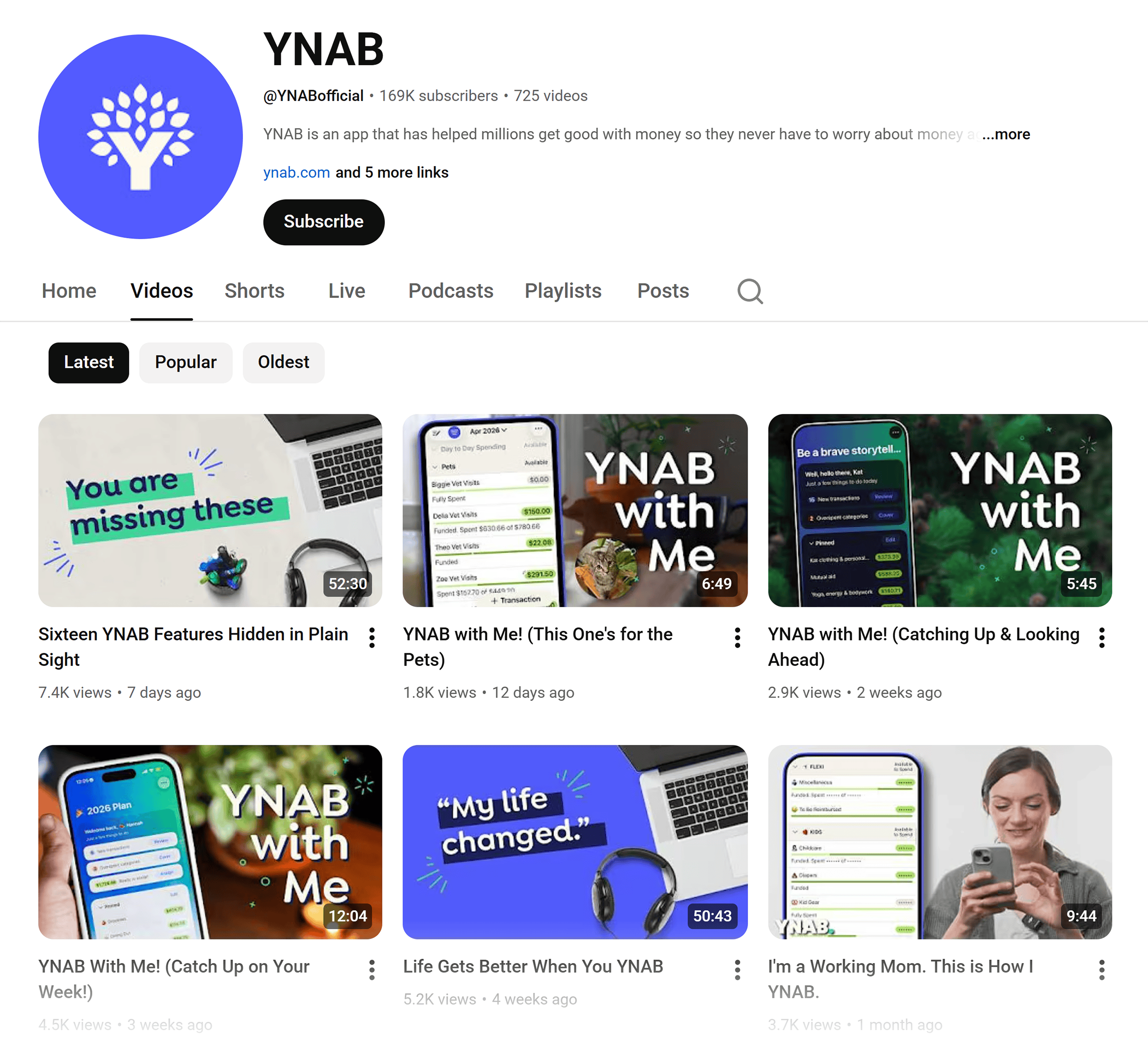
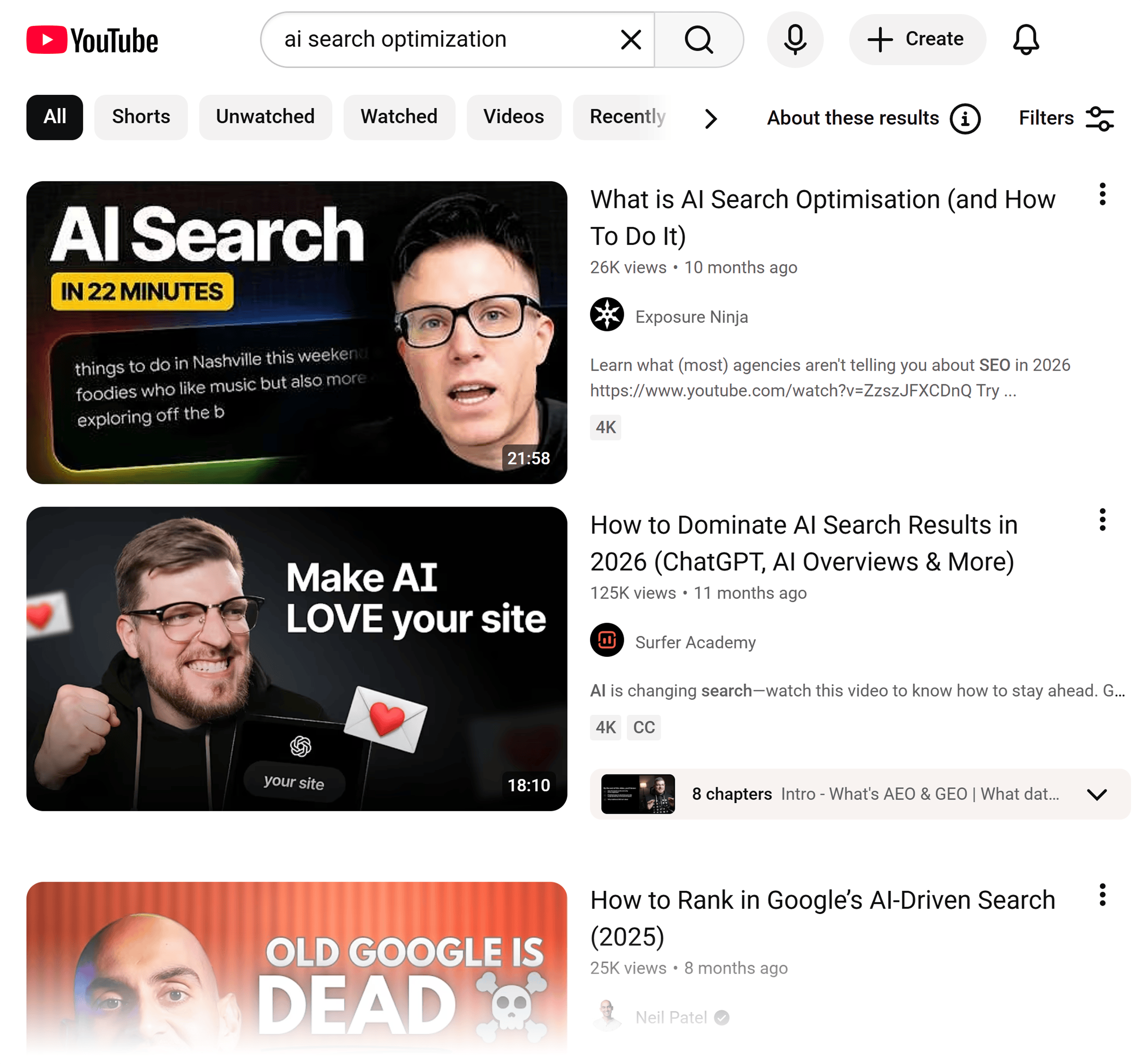
Furthermore, video content has emerged as an indispensable trust-building mechanism. Long-form video platforms, such as YouTube, allow brands to demonstrate deep technical expertise, provide transparent product evaluations, and establish a human connection before any commercial transaction takes place. Short-form video ecosystems on platforms like TikTok and Instagram Reels further reinforce brand familiarity through consistent, bite-sized educational content derived directly from customer inquiries and sales objections.
Algorithmic Curation and the Importance of Google Discover
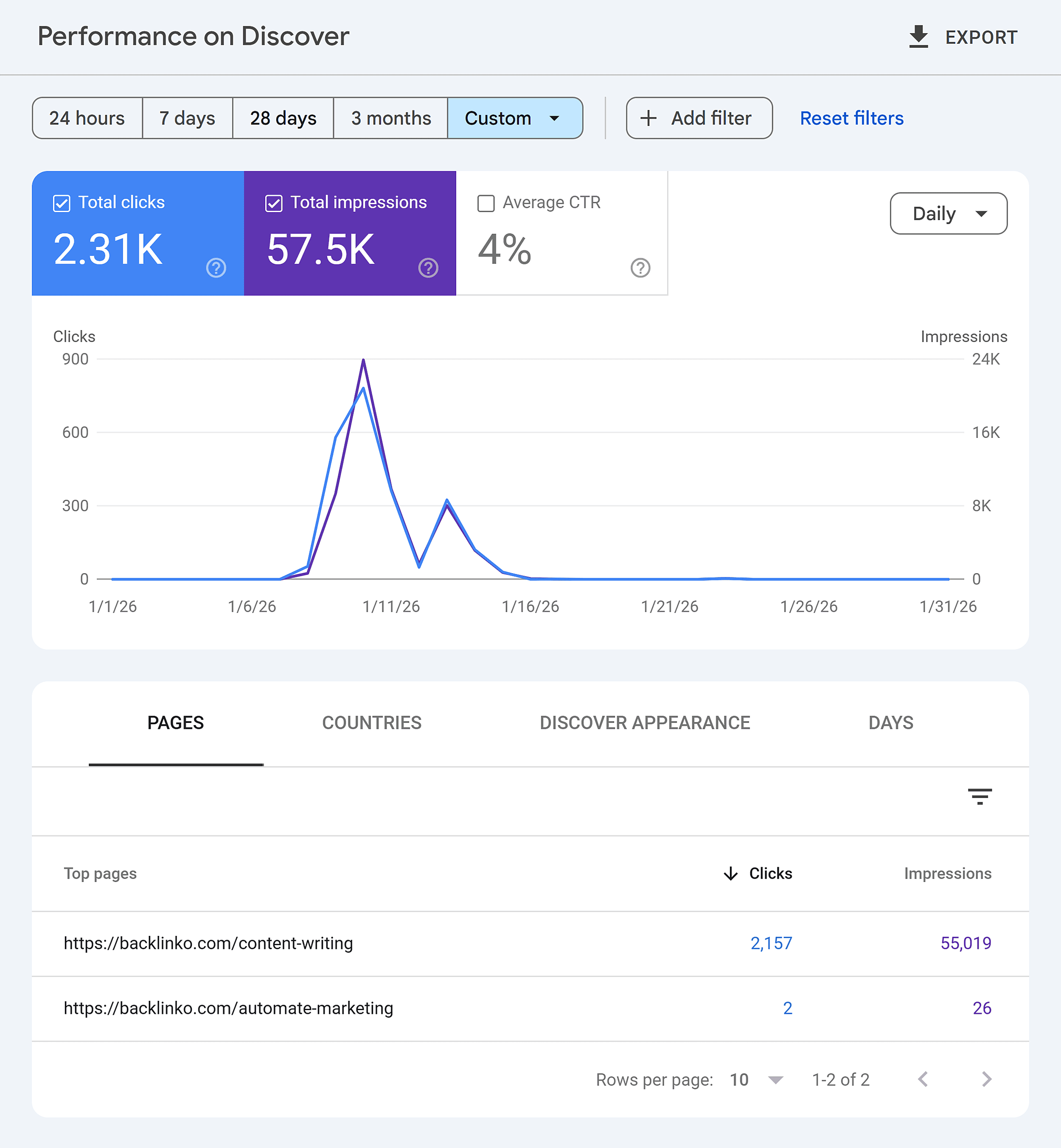
Beyond traditional search engine results pages and generative AI summaries, platforms like Google Discover have emerged as massive traffic drivers for publishers and commercial enterprises alike. Google Discover utilizes user browsing behavior and personal interest graphs to curate a personalized mobile feed that resembles an editorially driven news publication rather than a query-based search engine.
Achieving visibility within Google Discover requires a specialized content strategy focused on timeliness, narrative tension, and high-impact visual packaging. Because Discover feeds prioritize content that addresses emerging industry trends, regulatory shifts, or unfolding market controversies, content marketers are adopting agile publishing frameworks. Articles optimized for Discover typically feature compelling headlines that communicate clear stakes, high-resolution featured images exceeding 1200 pixels in width, and immediate analytical momentum in the opening paragraphs.

Analyses of high-performing Discover content reveal that reframing evergreen topics to connect with current macro-economic developments or technological milestones significantly increases the probability of algorithmic curation. For example, a generalized guide on digital marketing is rarely selected for the Discover feed, whereas an analysis examining how specific privacy regulation updates impact marketing ROI for specific sectors aligns directly with the curation criteria of modern recommendation engines.

Conversion Rate Optimization in a Zero-Click Economy
The proliferation of zero-click searches—where users receive direct answers from AI summaries and featured snippets without visiting a destination site—has fundamentally altered traffic volume metrics. Consequently, raw visitor numbers are no longer a reliable indicator of marketing success. Digital strategies in 2026 prioritize Revenue per Visitor (RPV) and conversion rate optimization (CRO) over pure top-of-funnel traffic generation.
Because incoming traffic is pre-educated and further along the decision-making continuum, websites must eliminate all friction and anxiety instantaneously upon landing. Friction refers to structural impediments such as complex navigation or slow load times, while anxiety stems from trust deficits, ambiguous pricing, or unclear next steps. Conversion audits conducted by leading digital agencies focus heavily on high-intent conversion zones, including product pages, pricing matrices, and checkout workflows.

To maintain engagement after a visitor departs without purchasing, advanced marketing teams deploy behavioral email automation. Rather than relying on static drip campaigns, modern email architecture utilizes real-time site activity triggers—such as pricing page visits, abandoned carts, or specific product views—to deliver highly personalized, context-aware follow-up communications. Grounded in psychological principles of reciprocity and relevance, these behavioral triggers provide genuine value, such as tailored case studies or targeted incentives, thereby transforming dormant interest into confirmed conversions.

Human-Centric Branding and Decentralized Community Engagement
Amidst the ubiquity of generative artificial intelligence content, a distinct "human premium" has emerged in digital marketing. Consumers and business buyers increasingly seek authenticity, accountability, and recognizable human leadership. Brands that place visible, credible individuals at the forefront of their marketing efforts successfully mitigate perceived risk and accelerate trust formation.

Thought leadership initiatives—encompassing original industry research, contrarian viewpoints, and public commentary delivered by corporate founders, executives, or specialized employees—humanize corporate entities. When these thought leaders actively participate in third-party niche communities, such as specialized subreddits, professional Discord servers, and industry forums, they build foundational equity that influences both human buyers and AI training datasets.
Crucially, effective community engagement requires a contribution-first mindset rather than overt self-promotion. Industry leaders who consistently provide objective expertise, answer technical questions, and address customer grievances transparently within third-party environments establish organic authority. When AI models and human researchers subsequently evaluate brand sentiment across these decentralized channels, the presence of authentic, supportive community interactions heavily influences overall brand credibility.

Strategic Repetition and Platform Focus
Content repurposing has become a cornerstone of efficient website marketing, though modern execution emphasizes depth and resonance over sheer volume. Rather than distributing diluted content across every available channel, successful organizations identify high-performing foundational ideas—validated through initial social media engagement or search analytics—and systematically expand them into multi-format assets.

A comprehensive long-form research report or blog post can be analytically deconstructed into industry-specific articles, visual data carousels generated via advanced AI workflows, long-form video scripts, and targeted newsletter editions. This methodical approach ensures that core strategic messages are reinforced consistently across the brand’s entire digital footprint, maximizing the compounding effects of modern content marketing.
Ultimately, website marketing in 2026 requires a holistic philosophy that transcends the traditional boundaries of a corporate domain. By engineering AI brand narratives, securing third-party visibility, optimizing for zero-click conversions, and placing human expertise at the center of the customer journey, organizations can achieve sustainable, high-intent growth in an increasingly complex digital economy.