The Evolution of Digital Outreach: Website Marketing Strategies for 2026 and Beyond

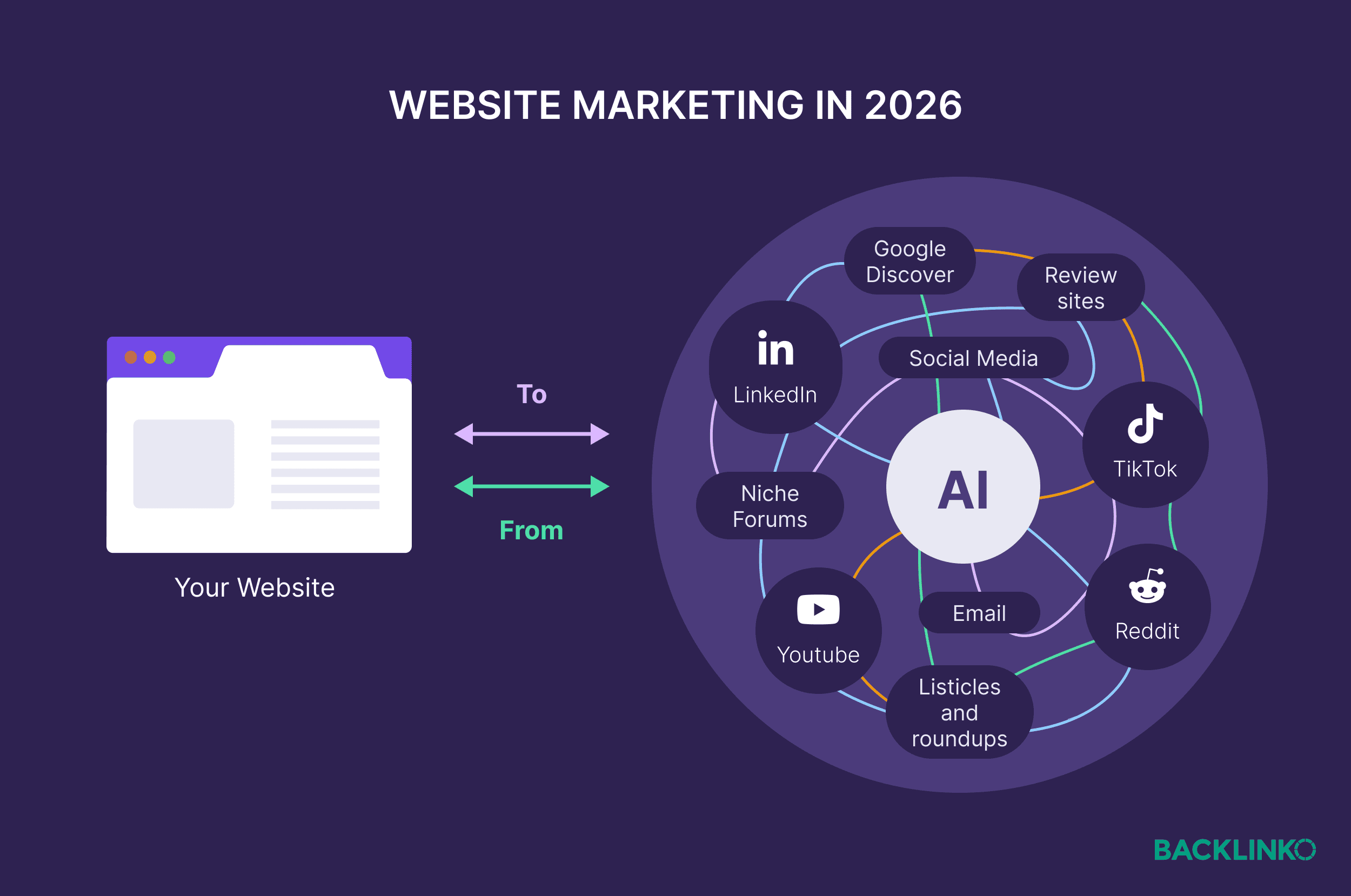
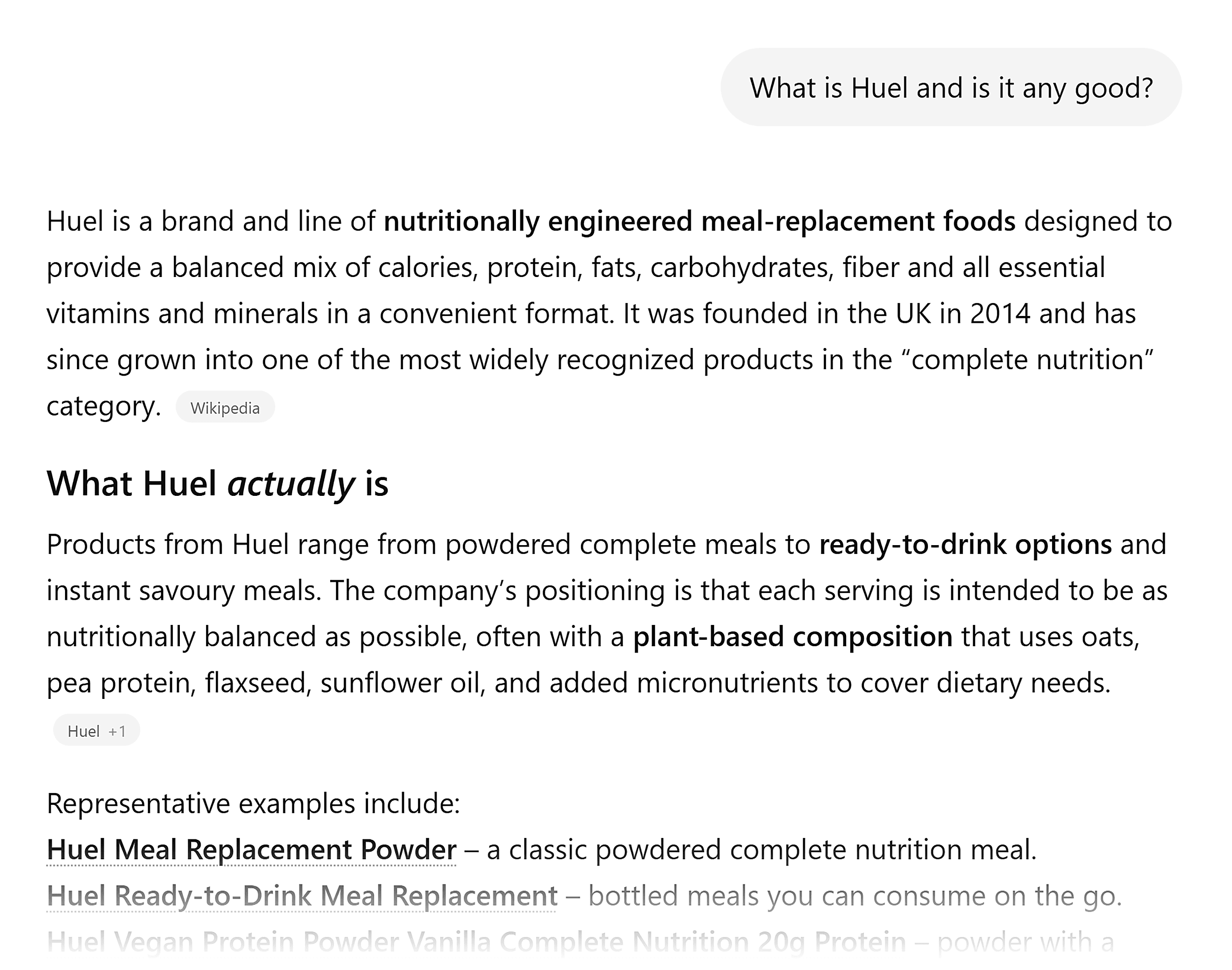
The traditional paradigm of digital promotion—directing all efforts toward driving traffic to a central landing page—has fundamentally shifted. Modern consumer behavior dictates that the customer journey no longer begins and ends within the confines of a proprietary domain. Instead, contemporary buyers engage in extensive multi-channel research across artificial intelligence discovery engines, niche forum discussions, and peer-to-peer social networks long before they ever click through to a brand’s official website. Consequently, marketing professionals must adapt to an ecosystem where brand credibility is established externally, and digital assets must be engineered to satisfy both human users and sophisticated AI algorithms.
Background Context and Industry Evolution
For decades, search engine optimization and direct digital advertising formed the bedrock of online visibility. Companies focused heavily on keyword optimization, backlink acquisition, and direct conversion rate metrics. However, the rapid integration of generative artificial intelligence and large language models (LLMs) into everyday consumer routines has decentralised discovery. Recent industry data highlights that over 65% of buyers now utilize AI-driven tools to research products, services, and corporate reputations before committing to a site visit.
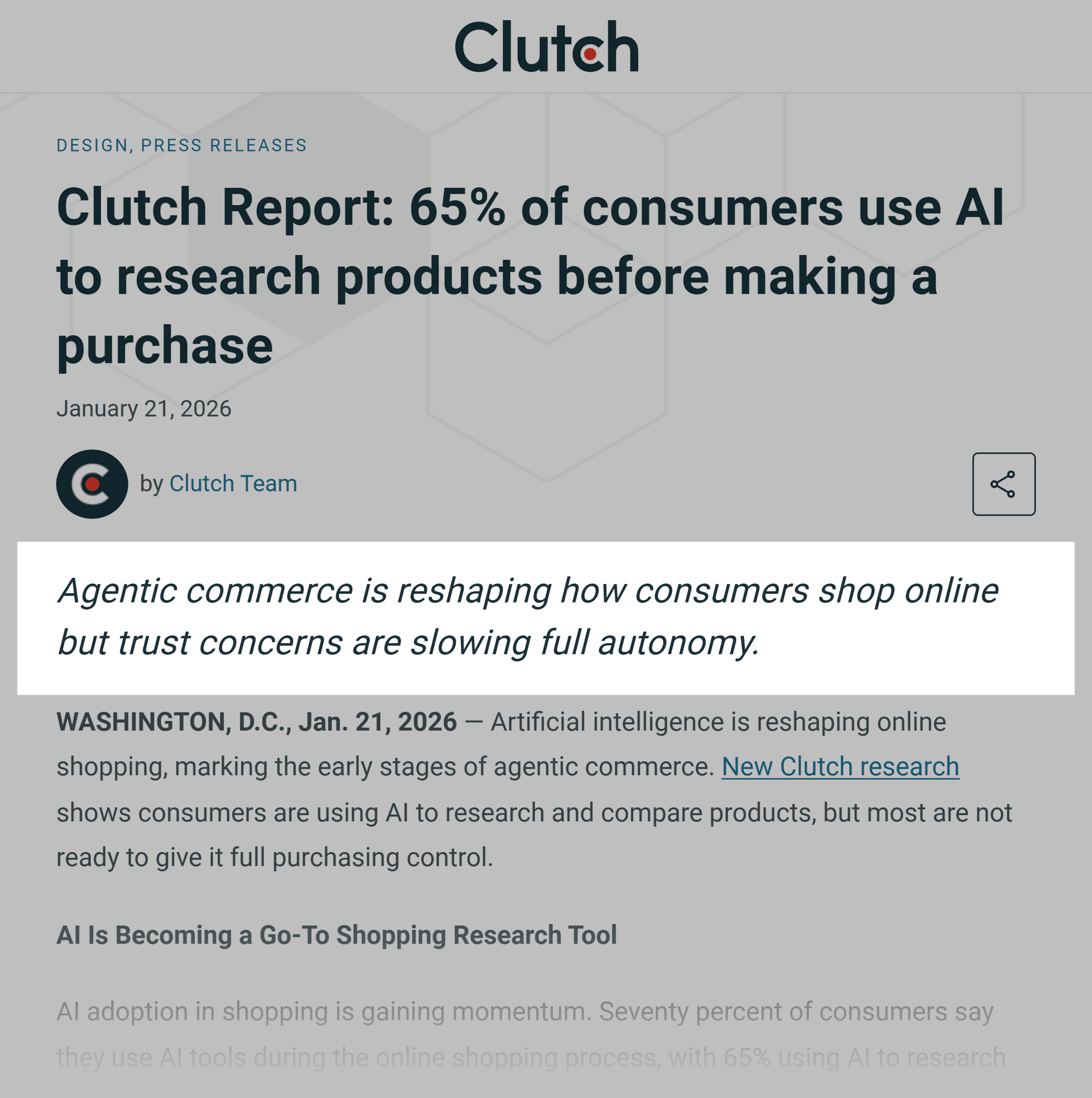
This technological evolution means that potential customers often arrive at a corporate website with a pre-formed narrative regarding the brand’s reliability, product quality, and market positioning. If a company lacks visibility or positive validation across third-party networks, the prospective visitor may abandon the journey before engaging with the primary domain. As a result, digital strategists are redefining success through a holistic framework that bridges external reputation management with internal site architecture.
Strategic Optimization for AI and Human Discovery
To maintain competitiveness, organizations must engineer how the broader internet describes their brand. Establishing a documented brand messaging strategy is no longer optional; it serves as the foundational lexicon for both human stakeholders and AI algorithms. Companies must clearly define their core positioning, value propositions, and the specific market problems they solve.
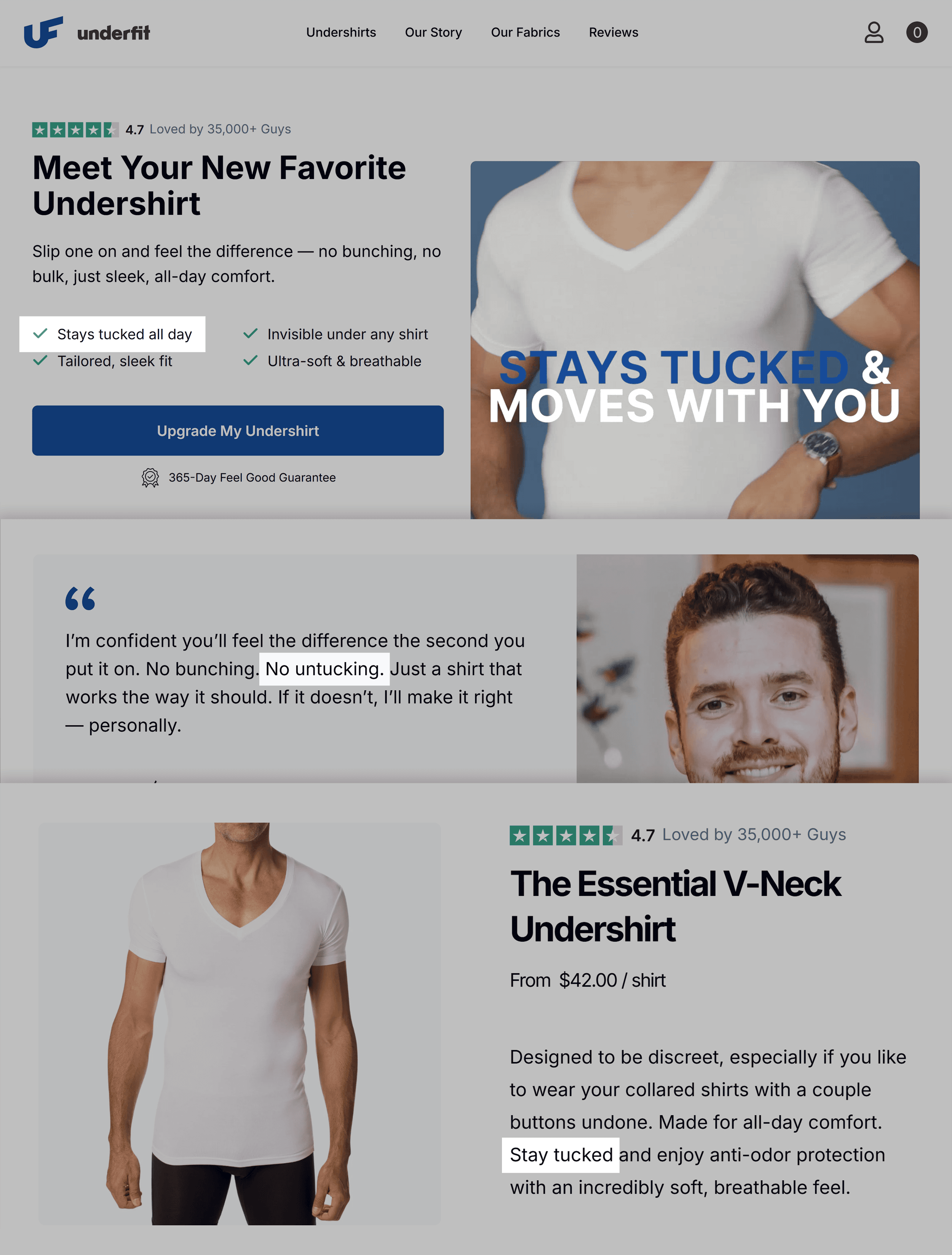
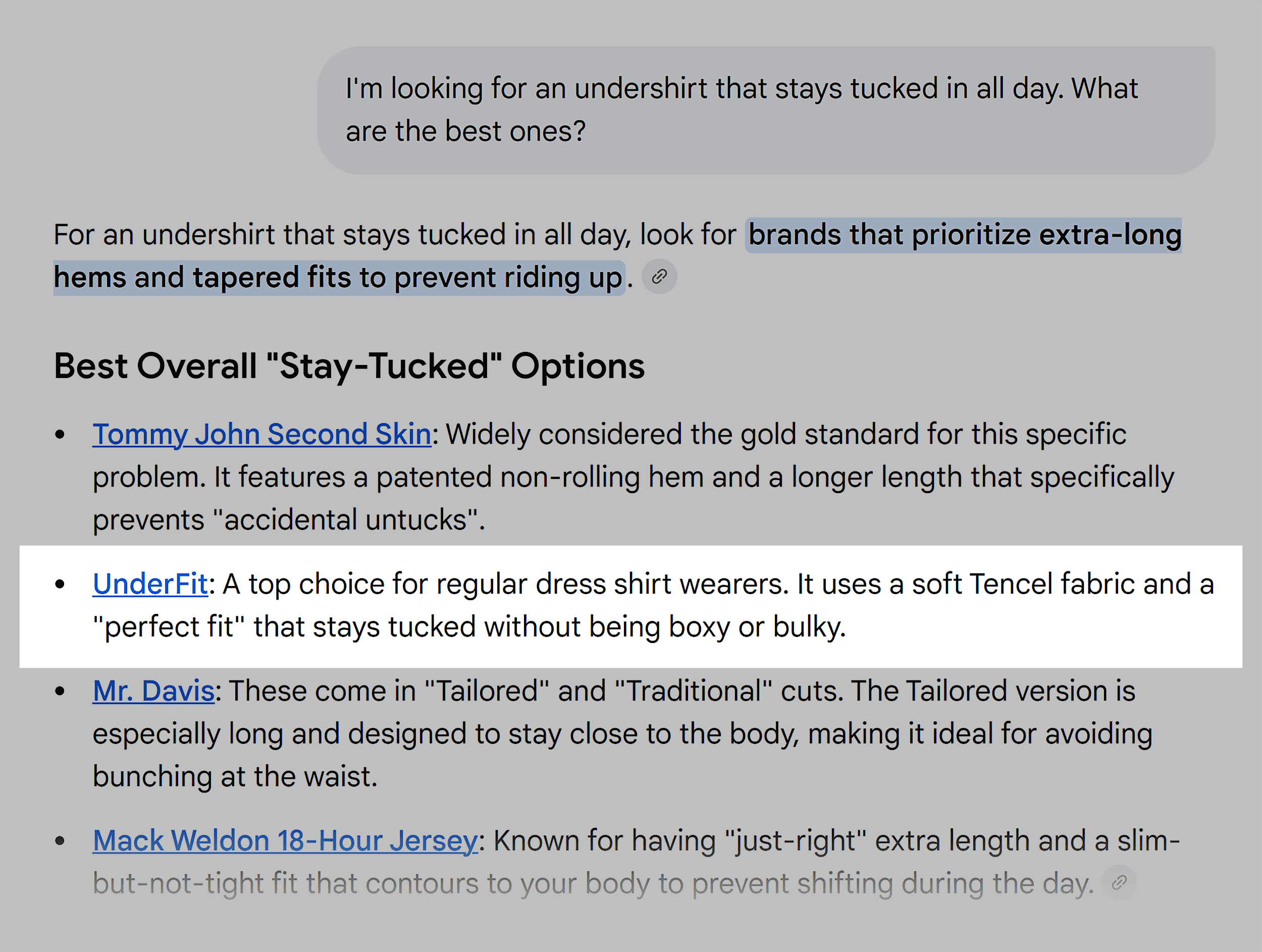
Consistency across all communication channels ensures that artificial intelligence models accurately associate the brand with its intended category. For instance, brands that repeatedly emphasize specific product benefits across review roundups, social media mentions, and official documentation significantly increase their chances of being referenced when users query LLMs or specialized search modes.
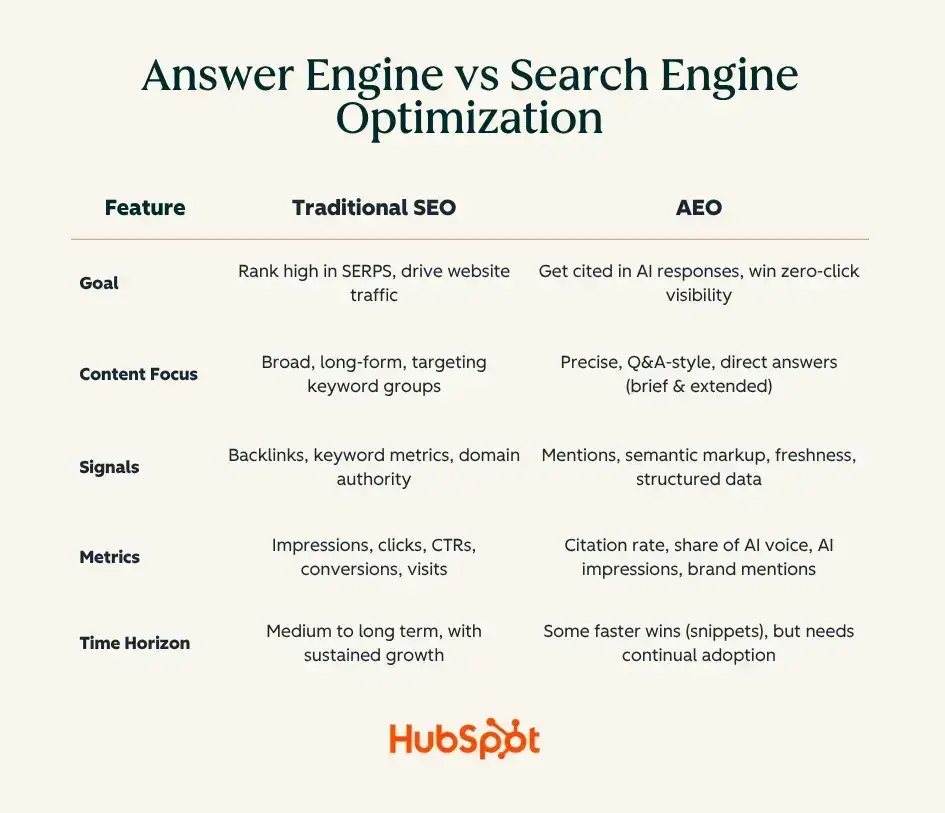
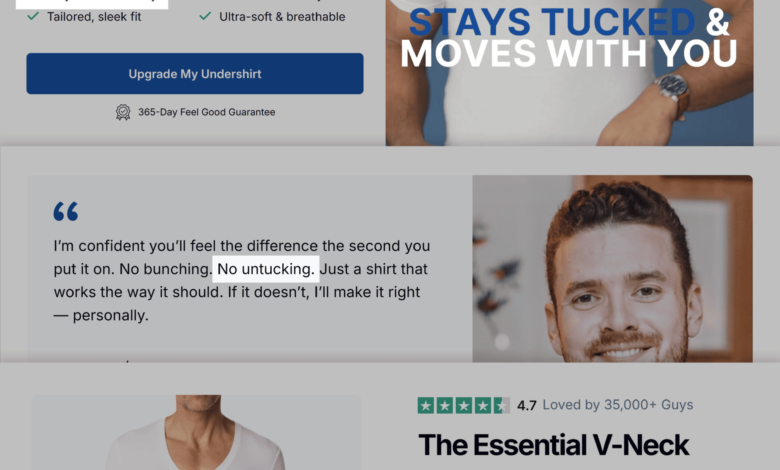
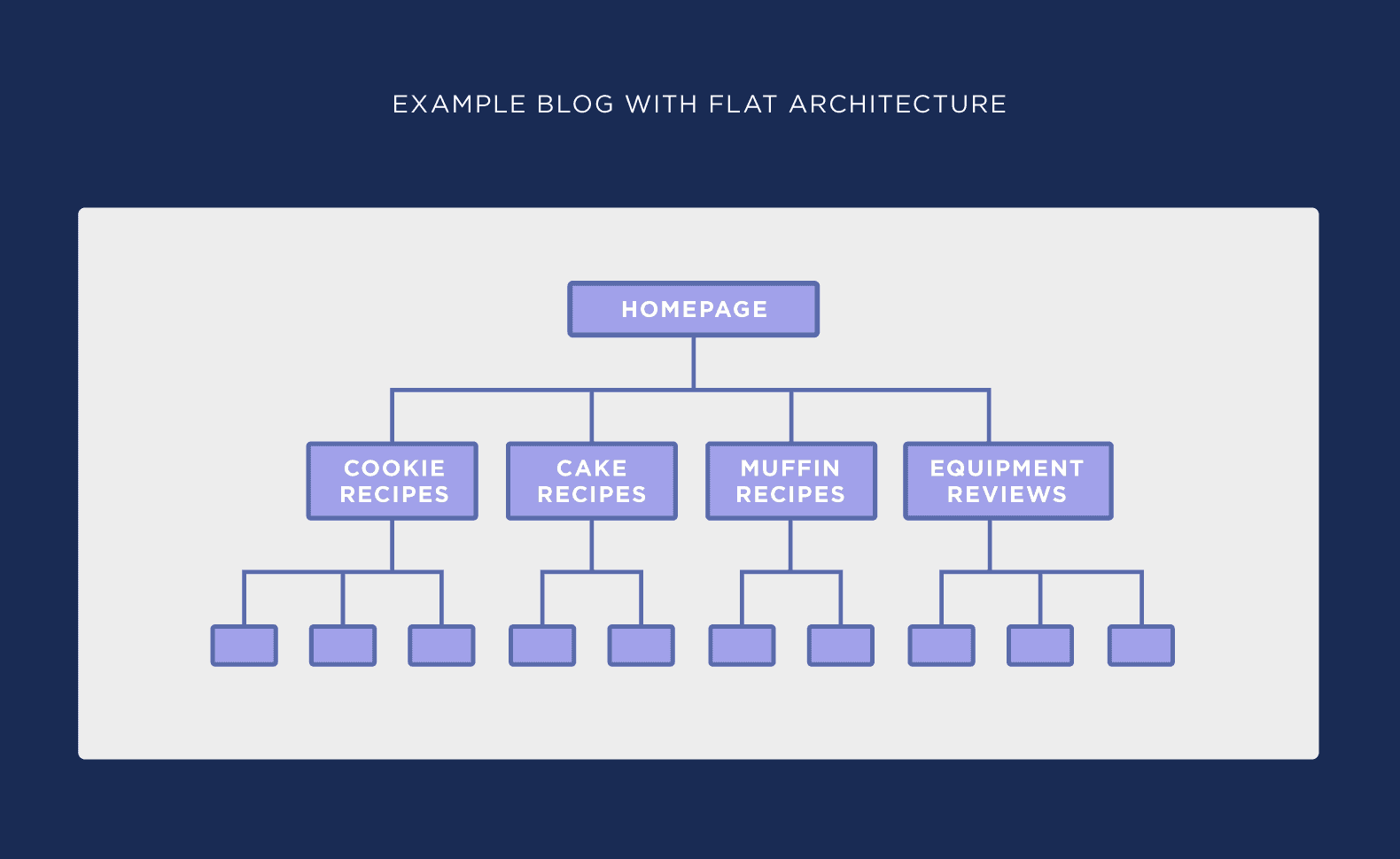
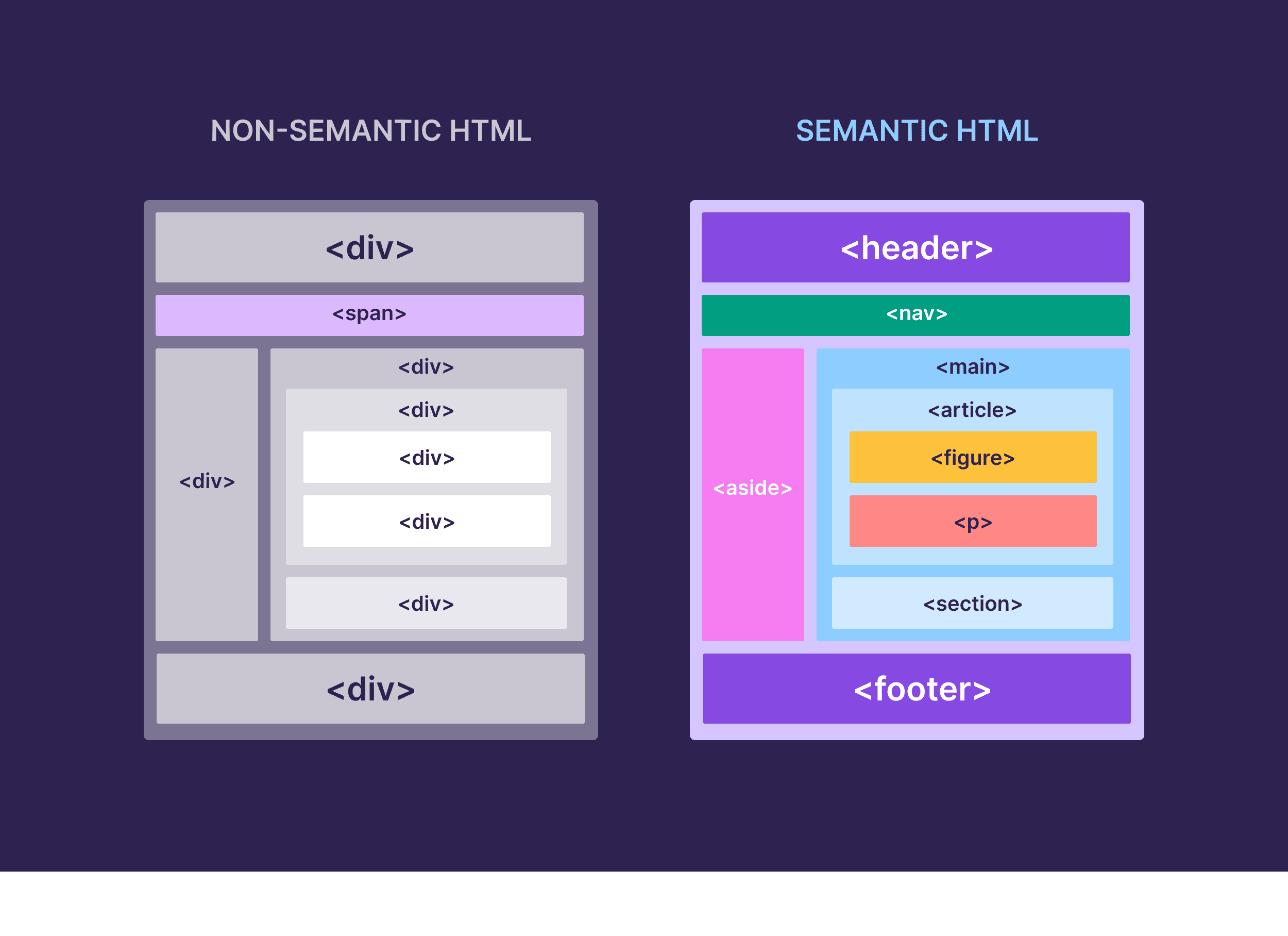
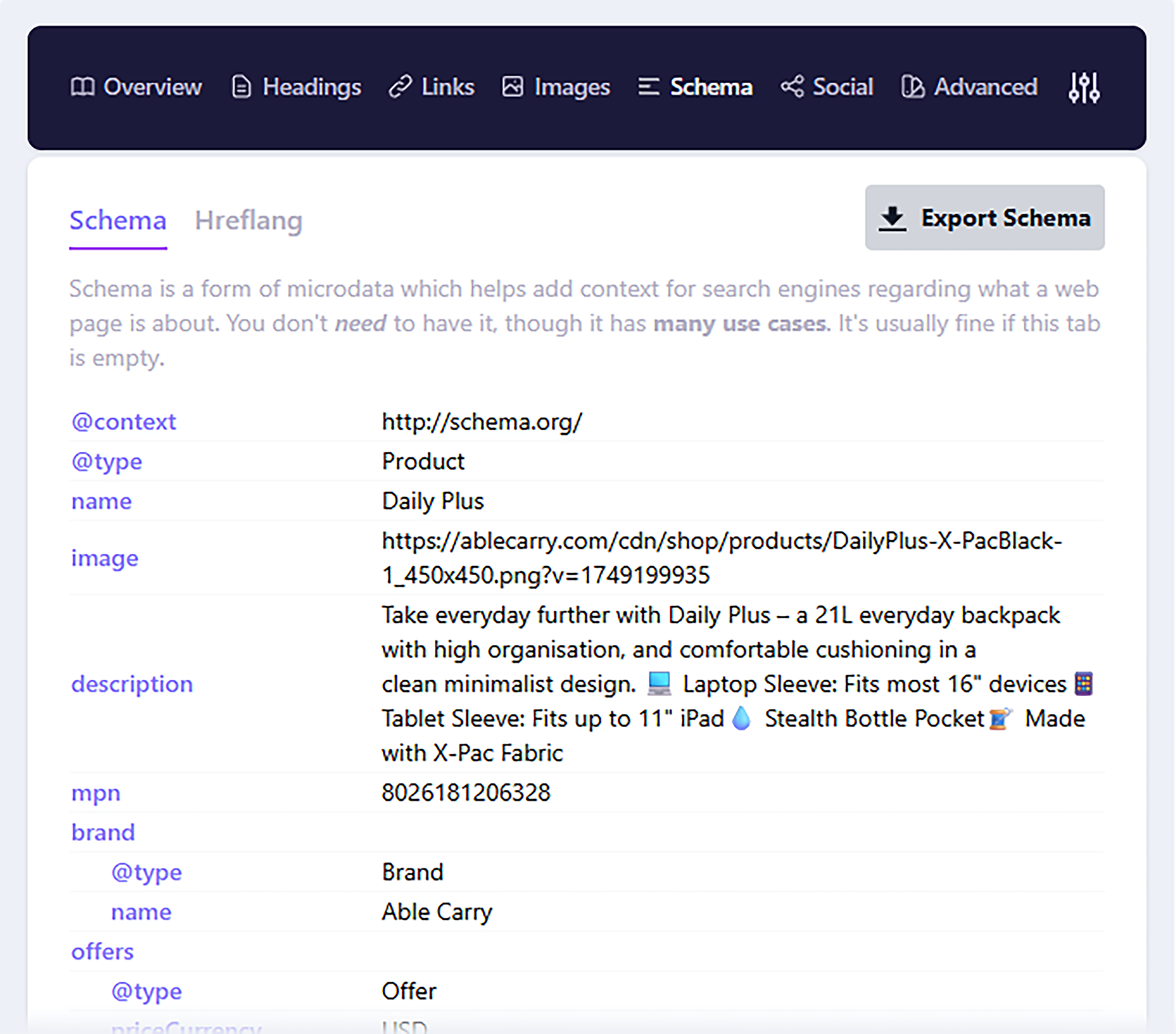
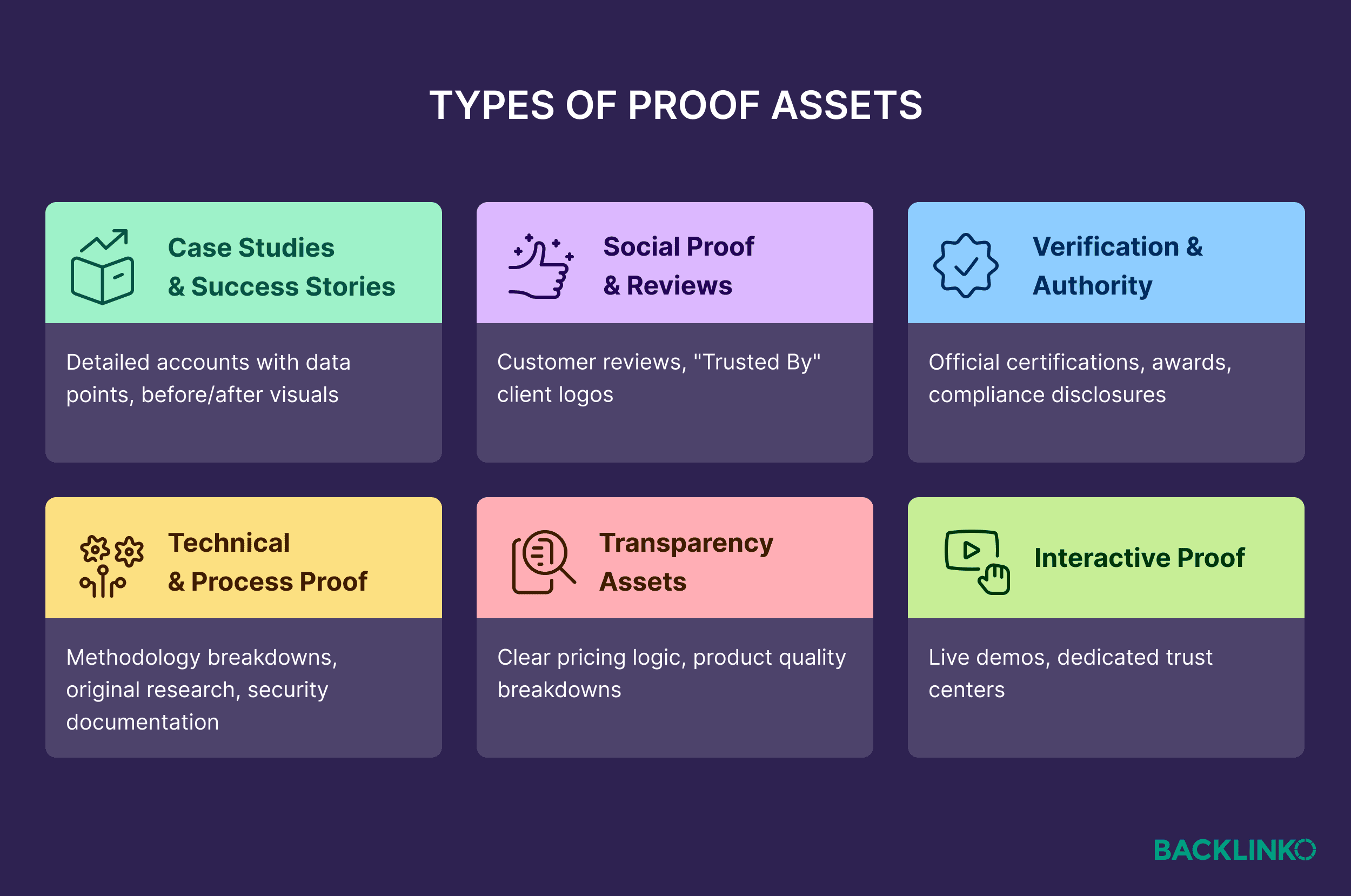
Concurrently, website architecture must be optimized for readability and technical parsing. Utilizing clean, semantic HTML, structured data markup, and logical content hierarchies enables search engines and AI crawlers to interpret page intent with absolute clarity. Proof assets—such as empirical data, verified case studies, security certifications, and transparent return policies—must be prominently displayed to mitigate consumer anxiety and reinforce credibility.
Multi-Channel Trust and Video Integration
Establishing familiarity before a user reaches a landing page requires diversifying content distribution. Long-form video platforms, such as YouTube, webinars, and hosted training sessions, allow brands to demonstrate deep industry expertise and humanize their operations. Viewers who consume educational or evaluative video content develop a sense of familiarity, translating into higher-intent traffic upon arrival at the core website.
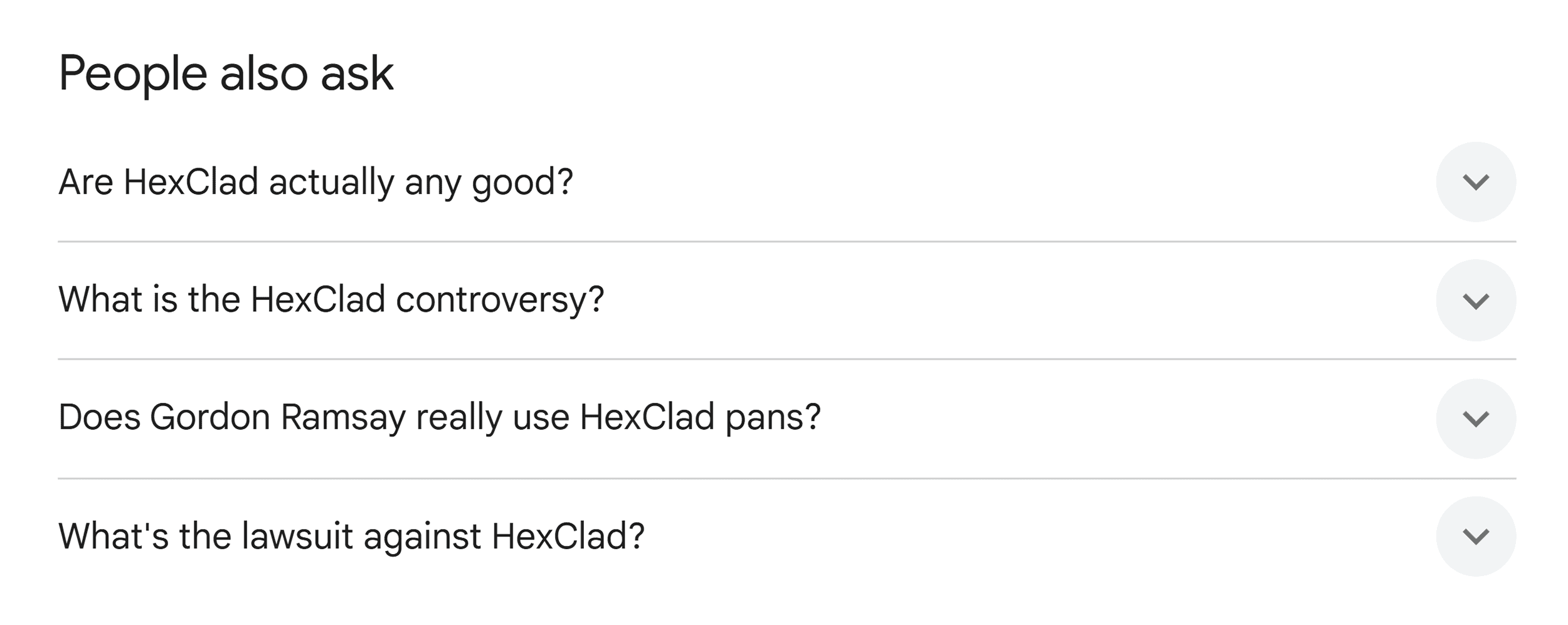
In tandem, short-form video strategies deployed across platforms like TikTok, Instagram Reels, and LinkedIn capture micro-moments of attention through repetition. By systematically addressing recurring customer objections and answering frequently asked questions derived from sales and support data, businesses can build sustained audience engagement without relying solely on traditional advertising expenditure.

Capitalizing on Algorithmic Feeds and Zero-Click Environments
The proliferation of zero-click search environments, where users receive direct answers from search engine snippets or AI summaries, places an unprecedented premium on conversion efficiency and alternative traffic sources. Google Discover, the personalized content feed integrated into mobile applications, has emerged as a critical driver of high-volume traffic spikes.
To capture traffic from Discover, content creators must align their publishing calendars with timely, trend-oriented topics that convey clear stakes or industry developments. Success in these feeds relies heavily on compelling editorial packaging—specifically, high-resolution visual assets and headlines that clearly articulate the urgency or novelty of the information. Organizations that successfully reframe evergreen content to address current market shifts can secure prominent placement within algorithmic feeds, expanding their reach beyond traditional search queries.
Conversion Optimization and Behavioral Retargeting
With pre-educated visitors arriving further along in their decision-making process, website owners must rigorously eliminate friction and anxiety. An audit of high-intent pages—such as product catalogs, pricing tables, and checkout sequences—is essential for removing obstacles that hinder prompt action.
To sustain engagement after a user departs, marketers increasingly rely on behavioral email targeting. By triggering automated, personalized follow-ups based on specific site activities—such as pricing page visits or abandoned carts—brands capitalize on psychological principles like reciprocity and timely relevance, successfully converting transient interest into confirmed transactions.
Broad Implications for Industry Stakeholders
The structural transformation of digital marketing necessitates a cultural shift within corporate marketing departments. Agencies, corporate communications teams, and executive leadership must align their public relations, community engagement, and SEO efforts into a unified strategy. By actively participating in niche communities—such as specialized forums, Reddit subreddits, and professional networks—without resorting to overt self-promotion, brands can cultivate authentic trust that ultimately informs algorithmic recommendations and consumer choice.
Ultimately, the digital marketing landscape of 2026 rewards organizations that abandon isolated promotional tactics in favor of interconnected, human-centric visibility. By mastering external reputation management, optimizing technical site structures, and aligning content with modern discovery habits, businesses can secure sustainable growth in an increasingly automated marketplace.
Related posts: