An In-Depth Comparative Analysis of Nine Leading AI Image Generators for Content Creators

The landscape of digital content creation has undergone a profound transformation with the rapid evolution of artificial intelligence image generation tools. For digital marketers, graphic designers, and social media managers who lack traditional illustration skills, these platforms have shifted from novelty experiments to essential workflow assets. Historically, content creators needing bespoke illustrations or styled product photography faced steep learning curves or prohibitive budgeting constraints. Today, modern AI generation models offer a viable alternative, bridging the gap between imagination and execution.

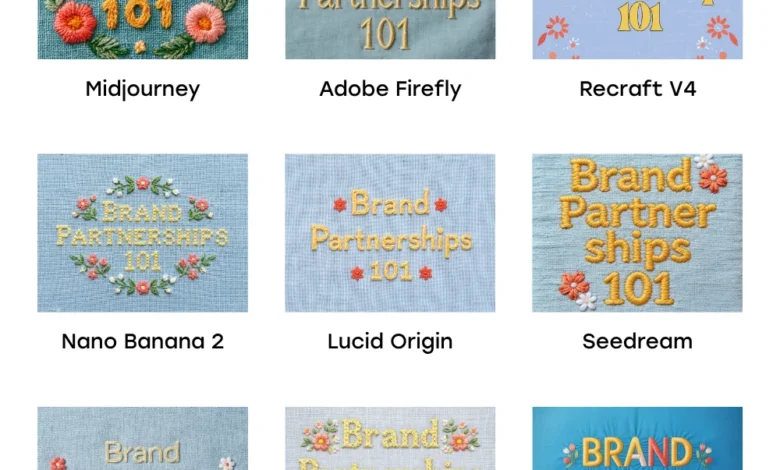
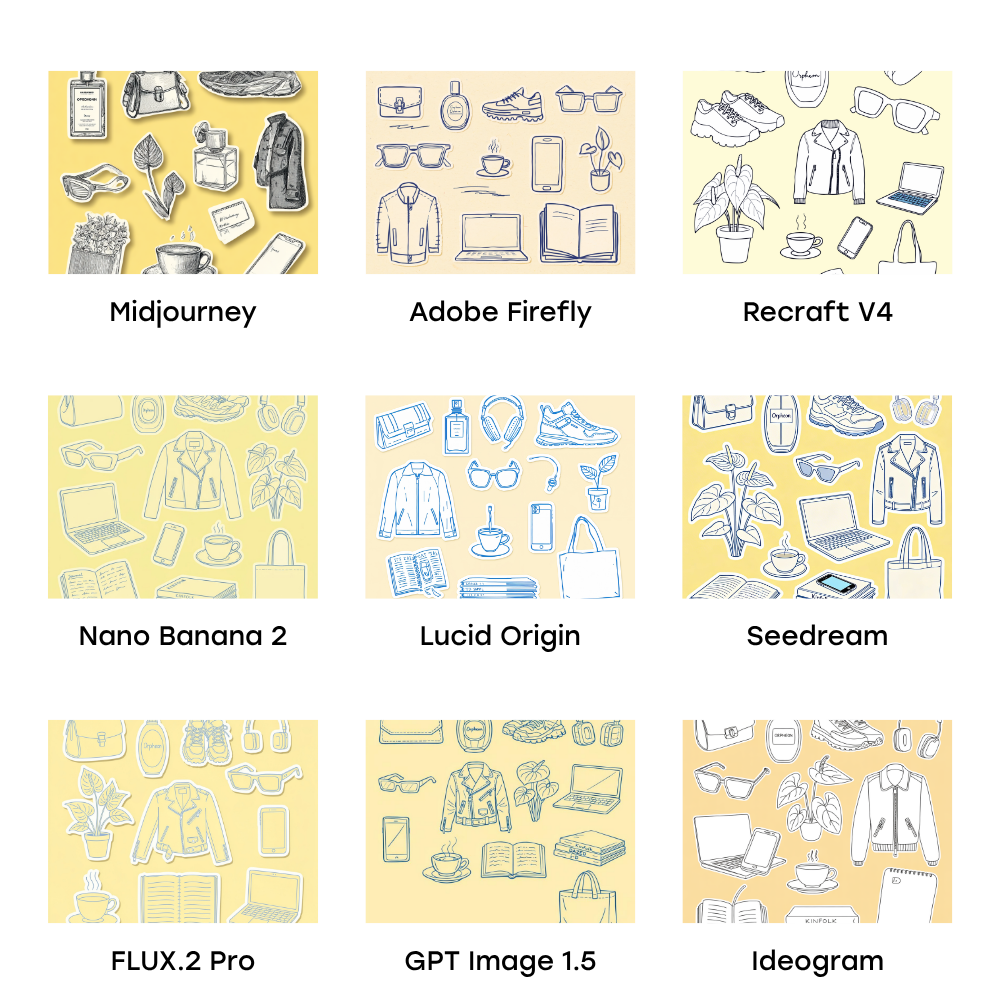
To evaluate the current state of this technology, a recent industry study tested nine prominent AI image generation models across three distinct social media content categories: an illustrated sticker sheet, a styled product flat lay, and a typography-based graphic. The evaluation aimed to determine how effectively these models translate complex text prompts into commercially usable assets, identifying which platforms excel in specific creative disciplines.
Understanding the Prompt Engineering Paradigm
The bottleneck in AI image generation has largely shifted from technological limitations to user-side prompt engineering. Modern models possess advanced computing architectures capable of rendering complex visual styles, yet the quality of the output remains inextricably linked to the precision of the input. Research across prominent digital creator communities reveals that successful prompt architecture relies heavily on specific structural hierarchies.
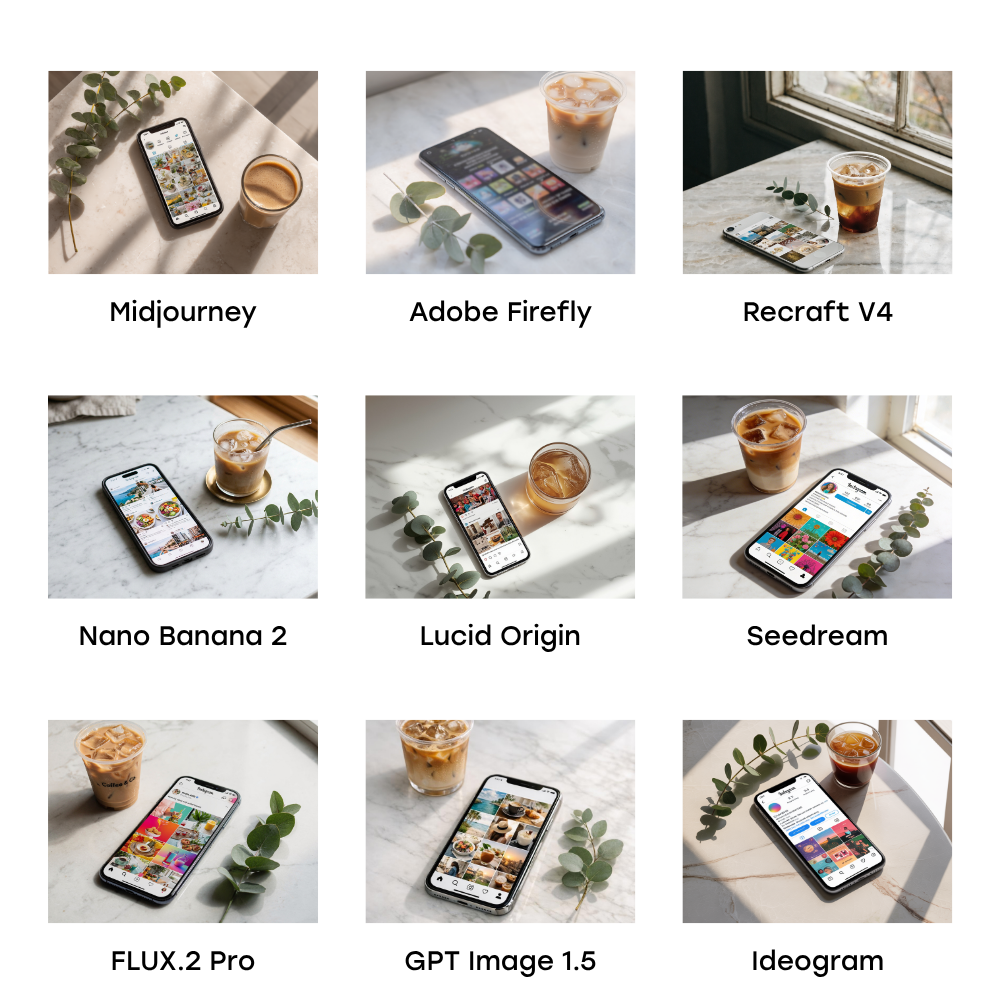
Industry experts emphasize starting with the core subject rather than the stylistic wrapper. Leading models consistently perform better when instructed on "what" is in the image before being told "how" it should look. For instance, prioritizing the subject—such as describing a specific consumer product or physical setting—prevents the model from prioritizing vague stylistic descriptors over structural accuracy.
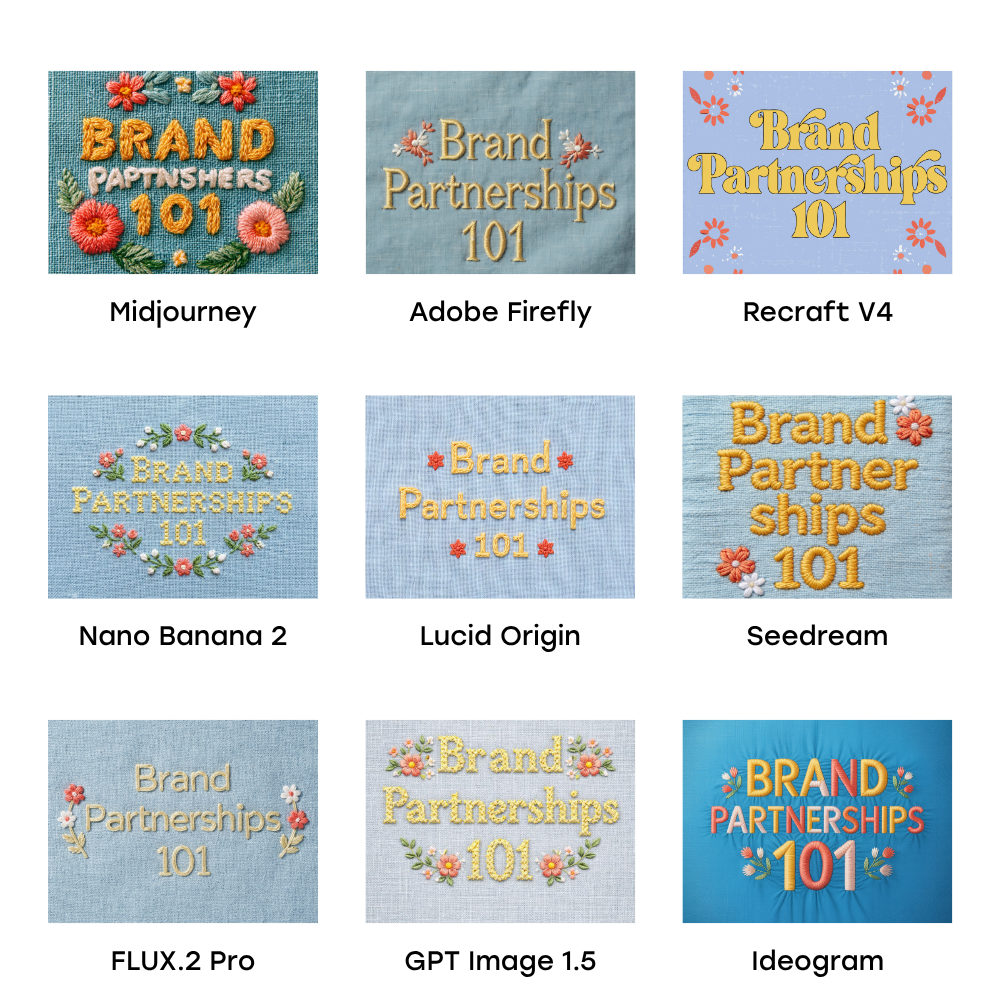
Furthermore, the integration of precise photographic terminology significantly enhances realism. Terms denoting camera settings, lighting conditions, and composition—such as "shallow depth of field," "soft golden hour lighting," and "35mm film photography"—provide models with contextual language deeply embedded in their training data. Conversely, generic qualitative adjectives like "high quality" or "beautiful" yield negligible improvements.

Color specificity also plays a critical role. While design-oriented platforms handle hexadecimal color codes effectively, descriptive natural-language color terminology generally produces more accurate renderings across a wider variety of models. Similarly, embedding explicit negative prompts—instructing the model what to exclude, such as "no watermarks" or "no text"—successfully eliminates common artifacts when placed at the beginning of the instruction sequence.

Comparative Evaluation of the Nine Leading AI Models

The testing methodology utilized a standardized set of prompts across nine major AI models: Nano Banana 2, Seedream, Recraft V4 Pro, Midjourney, Adobe Firefly 5, FLUX.2 Pro, Ideogram 3.0, GPT Image 1.5, and Lucid Origin. Each model demonstrated distinct operational strengths and weaknesses.

Nano Banana 2 (Google) emerged as the most consistent performer across all testing categories. Utilizing Google’s rapidly evolving architecture, this model demonstrated superior object recognition, accurately rendering specific real-world items such as designer perfume bottles and branded athletic footwear without requiring excessive prompt refinement. Its capacity to maintain proportional consistency made it the top recommendation for illustration-based tasks.

Seedream, developed by ByteDance and accessible via CapCut, established itself as an industry leader in textual accuracy and placement. While its photorealistic rendering of complex devices like smartphones occasionally faltered, its ability to spell text correctly and place labels accurately within complex compositions proved exceptionally reliable.

Recraft V4 Pro catered directly to professional designers, offering extensive style libraries, color palette assignment, and reference image integration. While minor spatial distortions occasionally appeared in complex product shots, its Vector Pro model successfully delivered authentic line-art aesthetics and handled brand-specific hex codes more efficiently than competing platforms.

Midjourney maintained its reputation as the premier tool for artistic, mood-driven visuals. Its painterly richness and lighting control produced aesthetically striking results; however, it struggled significantly with highly specific, multi-item inventory prompts and accurate text rendering, often garbling complex phrases.

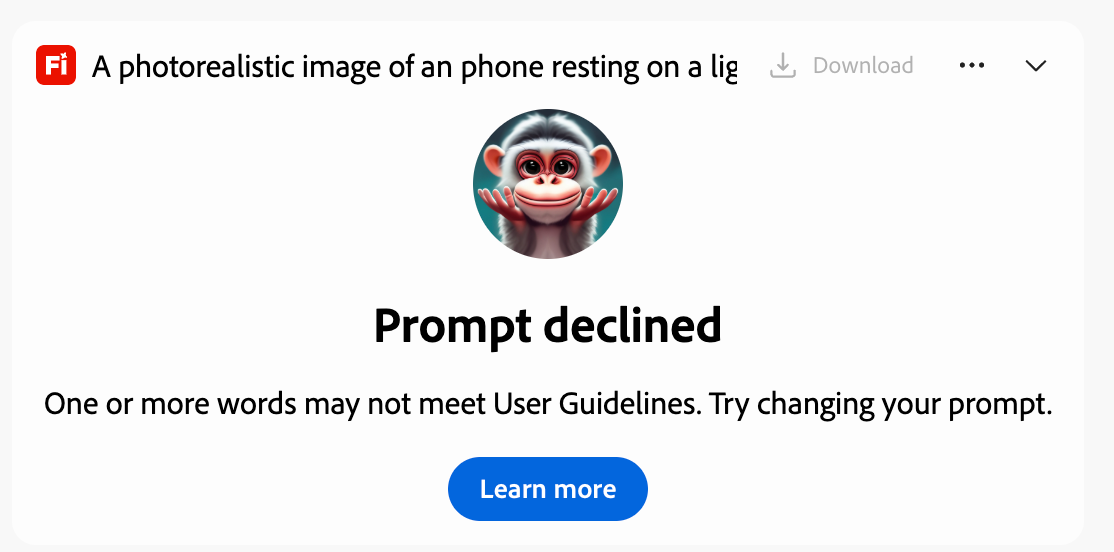
Adobe Firefly 5 positioned itself as the optimal solution for users embedded within the Adobe creative ecosystem. Its seamless integration with Photoshop and Illustrator, combined with strict adherence to copyright-safe training data—which actively blocked trademarked terms like specific smartphone brands—made it a reliable choice for enterprise environments requiring clean commercial licensing.

FLUX.2 Pro delivered unique creative perspectives, balancing rapid generation speeds with advanced shadow handling. While its illustration outputs occasionally resembled physical stickers resting on a surface rather than flat digital art, its textural rendering of thread and fabric proved highly sophisticated.

Ideogram 3.0 focused heavily on text integration, though its visual style leaned toward generalized aesthetics, occasionally missing precise botanical or material cues requested in the prompting phase.

GPT Image 1.5, integrated within the OpenAI ecosystem, offered high accessibility for existing ChatGPT users. While it struggled with expansive, multi-object layouts due to excessive negative space management, it successfully executed cross-stitch texture requirements in typography tests.

Lucid Origin offered rapid generation capabilities and a distinct three-dimensional quality. Although its prompt adherence varied, its unique dimensional depth appealed to creators seeking quick, visually engaging outputs.

Platform Accessibility, Cost Structures, and Commercial Implications

Accessing these advanced models involves navigating diverse pricing tiers and platform architectures. Platforms such as Leonardo.ai, Recraft, and Ideogram provide freemium tiers with daily or weekly credit refreshes, whereas dedicated platforms like Midjourney operate exclusively on paid subscription models starting at ten dollars per month.
For commercial enterprises, understanding the distinction between commercial use rights and legal copyright ownership is paramount. While platforms generally grant users the right to utilize generated assets commercially under paid subscriptions, current legal frameworks—particularly rulings by the United States Copyright Office—dictate that prompting an AI model does not grant traditional copyright authorship. Consequently, businesses relying heavily on proprietary visual identities often employ AI generators for supplemental content and ideation while maintaining human-created original assets for core branding.

Implications for the Future of Digital Media Production

The integration of generative artificial intelligence into mainstream content workflows underscores a broader shift in digital media production. As model architectures transition from basic diffusion techniques to advanced multimodal reasoning systems capable of precise instruction-following, the barrier to high-end visual communication continues to lower.

For social media managers and independent creators, mastering prompt architecture and understanding the specific functional strengths of individual models allows for rapid content scaling without expanding operational overhead. As these technologies mature, the defining competitive advantage for creators will no longer lie in technical execution skills, but in the conceptual clarity and strategic vision guiding the prompt engineering process.