Sony Bravia 6 OLED TV Sees Steep 40 Percent Price Cut in Major Retail Promotion

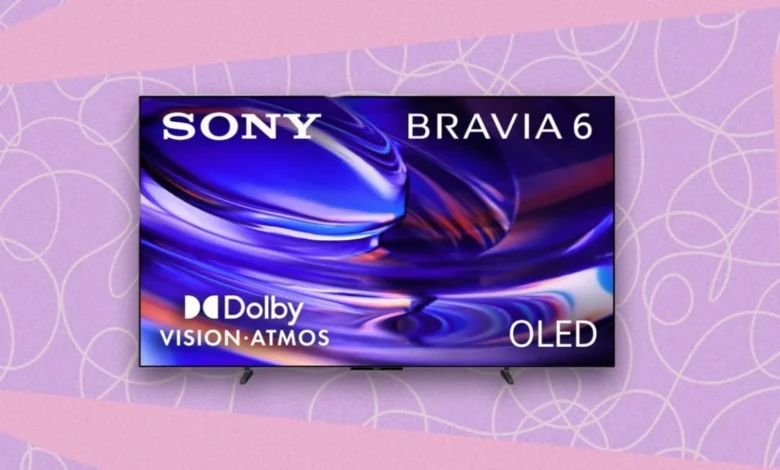
Consumer electronics giant Sony has implemented a substantial price reduction across its prominent Bravia 6 OLED television lineup, offering discounts of up to 40 percent at major online and brick-and-mortar retail outlets. The promotional event brings the entry-level 55-inch model down to $998 from its standard retail price of $1,499, while larger configurations—including the 65-inch, 77-inch, and 83-inch variants—receive identical percentage-based markdowns. This aggressive pricing strategy positions Sony more competitively against major market rivals such as LG and Samsung, targeting budget-conscious consumers seeking high-end display technology without premium luxury pricing.
Main Facts and Pricing Breakdown
The price adjustment encompasses all primary screen sizes within the Bravia 6 portfolio, making OLED technology more accessible to a broader consumer demographic. OLED, or organic light-emitting diode, displays are widely recognized for their self-lit pixels, which enable infinite contrast ratios, pitch-black shadow detail, and absence of the blooming artifacts commonly associated with traditional LED-backlit LCD panels.
Under the current promotional structure, the price points are distributed as follows:
- 55-inch Model: Reduced from $1,499.00 to $998.00 (approximately 33% discount).
- 65-inch Model: Reflects a full 40% reduction from its standard market MSRP.
- 77-inch and 83-inch Models: Also benefit from the maximum 40% promotional discount, representing savings of several hundred to over a thousand dollars depending on the specific retailer and base MSRP.
Retail analysts note that while seasonal promotions are common in the consumer electronics sector, discounts of this magnitude on relatively recent OLED hardware—particularly from a brand with Sony’s market positioning—are indicative of shifting competitive pressures within the high-end television market.
Background Context and Chronology
The Sony Bravia 6 series was officially introduced to the global market in the summer of 2026, billed as a mid-tier alternative to the company’s flagship OLED offerings. Sony designed the Bravia 6 to bridge the gap between expensive reference-grade displays and entry-level options, focusing heavily on accurate image processing, cinematic color reproduction, and modernized connectivity features.
Historically, Sony’s mid-range and budget OLED lineups have faced stiff competition from LG’s C-series and B-series OLEDs, as well as Samsung’s QD-OLED models. In previous generations, critics and consumers frequently noted that Sony’s cost-effective models often restricted advanced connectivity features—such as limiting full-bandwidth HDMI 2.1 ports to just two inputs—to differentiate them from top-tier flagships. The release of the Bravia 6 marked a strategic shift for the manufacturer, incorporating updated silicon to address these historical hardware limitations and appeal more directly to next-generation console gamers and multimedia enthusiasts.
Technological Specifications and Hardware Analysis
At the core of the Bravia 6’s hardware upgrade is MediaTek’s advanced Pentonic 800 chipset. This silicon integration enables crucial performance capabilities, most notably the inclusion of four full-bandwidth HDMI 2.1 ports. This enhancement represents a notable departure from previous Sony iterations, where users often had to juggle multiple gaming consoles, soundbars, and streaming devices across limited high-speed inputs.

Additional technical specifications of the Bravia 6 series include:
- Refresh Rate and Resolution: Native support for 4K resolution at a 120Hz refresh rate, accommodating modern gaming hardware such as the PlayStation 5 and Xbox Series X.
- Gaming Features: Comprehensive support for Variable Refresh Rate (VRR), Auto Low Latency Mode (ALLM), and Enhanced Audio Return Channel (eARC).
- Audio Integration: Built-in support for DTS:X surround sound formats, alongside Sony’s proprietary acoustic surface audio technologies designed to emit sound directly from the screen surface.
- Software Ecosystem: Powered by Google TV, offering seamless integration with major streaming applications, voice search functionalities, and personalized content recommendations.
- High Dynamic Range (HDR): Full support for Dolby Vision, HDR10, and HLG standards.
Despite these advanced features, engineering trade-offs were necessary to maintain a lower price point compared to superior models like the Bravia 8. Most notably, peak luminance (maximum brightness output) is constrained relative to more expensive OLED counterparts. While this limitation is generally negligible in dimly lit or controlled home theater environments, it can impact visibility in brightly lit rooms with significant ambient natural light. However, industry reviewers point out that the display’s robust anti-reflective coating and exceptional black-level performance help mitigate these brightness constraints under typical living room conditions.
Market Implications and Competitive Landscape
The timing of this promotional price cut aligns with broader retail trends observed in the consumer technology sector during the mid-to-late autumn sales cycle. Manufacturers and retailers frequently adjust pricing structures ahead of peak holiday shopping periods to clear inventory and capture market share among consumers looking to upgrade their home entertainment setups.
For Sony, discounting the Bravia 6 by up to 40 percent serves multiple strategic objectives:
- Inventory Optimization: Generating high-volume sales velocity to manage supply chain logistics and warehouse inventory for upcoming product cycles.
- Market Share Expansion: Directly challenging competing OLED offerings from LG and Samsung, which have historically dominated the sub-$1,500 OLED category.
- Ecosystem Lock-In: Encouraging the adoption of Google TV and Sony’s proprietary audio-visual ecosystem among users migrating from older, non-smart or legacy LED displays.
Consumer advocacy groups and retail observers advise potential buyers to verify stock availability and return policies, as promotional pricing of this scale often drives high demand and rapid inventory depletion across major e-commerce platforms and authorized electronics dealers. Furthermore, because pricing and availability are subject to change following publication, prospective purchasers are encouraged to monitor authorized vendor listings directly to secure the discounted rates.
Broader Economic and Consumer Takeaways
The accessibility of OLED technology has progressed significantly over the past decade. What was once considered an ultra-luxury niche reserved for enthusiast-grade home theaters has steadily trickled down into mainstream pricing brackets. The current pricing of the 55-inch Sony Bravia 6 at under $1,000 illustrates this ongoing democratization of high-fidelity display panels.
For the average consumer, the availability of professional-grade picture processing, deep contrast levels, and modern gaming features at a sub-$1,000 price point represents a significant value proposition. While compromises in peak brightness remain an inherent characteristic of mid-tier OLED engineering, the overall balance of contrast, color fidelity, and comprehensive HDMI 2.1 connectivity makes the Bravia 6 a compelling option for a wide array of multimedia applications. As competition among panel manufacturers intensifies, consumers can likely expect continued price adjustments and technological trickle-down effects across future product generations.