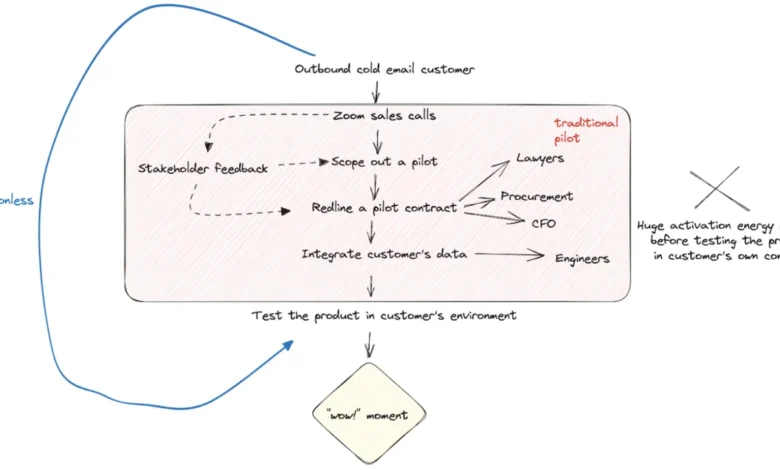
The traditional enterprise software sales cycle has long been characterized by a grueling sequence of introductory calls, complex security reviews, lengthy procurement processes, legal negotiations, and extensive technical integrations. For decades, software-as-a-service (SaaS) companies operated under the assumption that a buyer’s critical realization of value—often referred to as the "Time to Wow!" moment—must occur after these hurdles were cleared. However, a structural shift is taking place across the technology sector. Early-stage startups and visionary founders are increasingly inverting this model by introducing "permissionless pilots," a strategic approach that delivers immediate product validation to prospective enterprise clients before formal negotiations even begin.

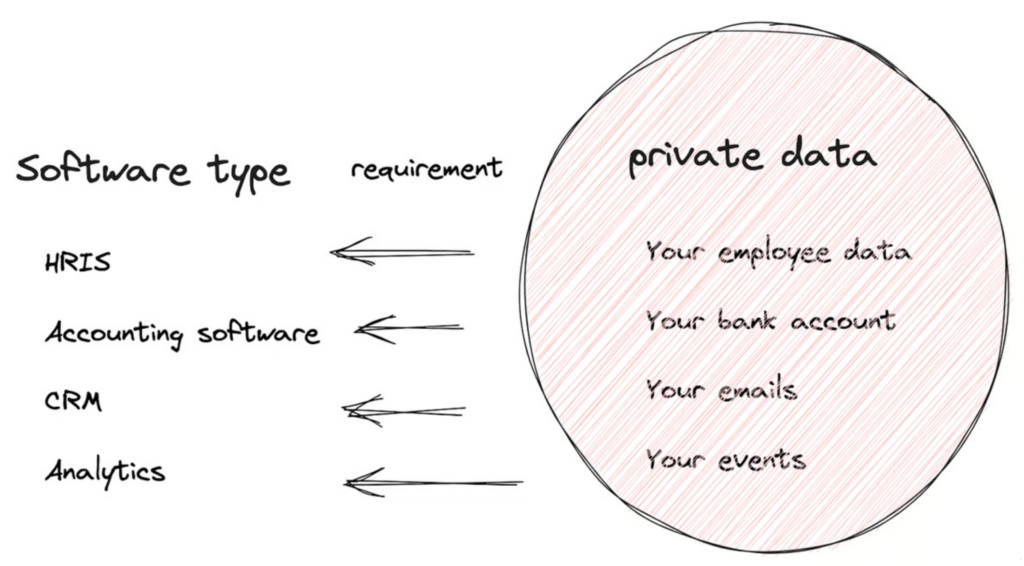
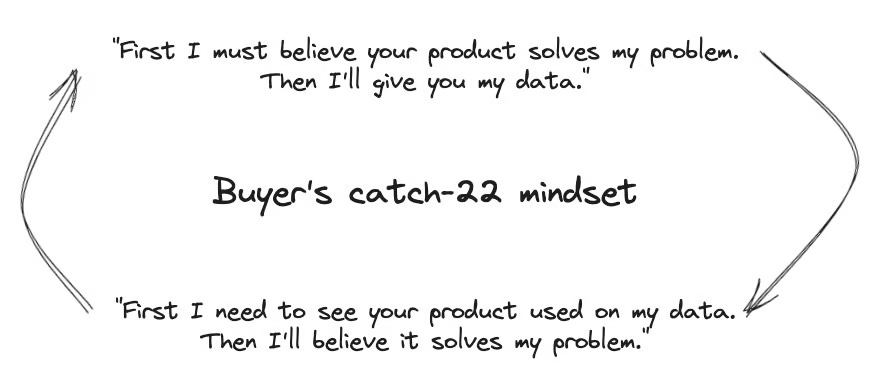
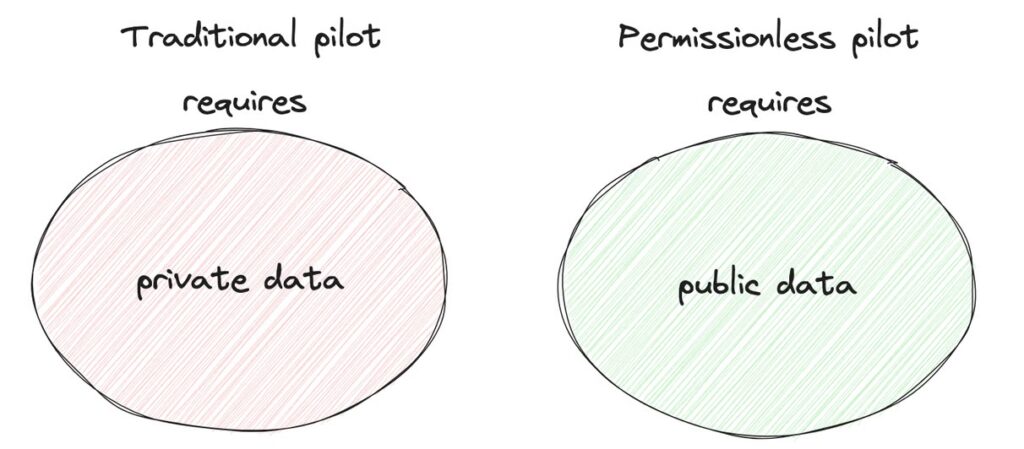
This methodology directly addresses a fundamental catch-in-the-wheel of enterprise software adoption: the chicken-and-egg dilemma regarding proprietary corporate data. Most sophisticated business applications require access to a customer’s internal operational data to function effectively and demonstrate tangible return on investment. Yet, modern enterprise buyers are understandably reluctant to share sensitive corporate datasets with unproven third-party vendors without first enduring exhaustive compliance checks. Conversely, software providers struggle to convince risk-averse procurement departments of their product’s utility using generic, synthetic dummy data. By bypassing this impasse entirely through the use of publicly accessible data, permissionless pilots have emerged as a disruptive go-to-market strategy capable of accelerating sales velocity and dismantling traditional B2B sales barriers.
The Anatomy of the Enterprise Sales Bottleneck
Historically, enterprise software vendors relied on standardized product demonstrations utilizing simulated environments. While these presentations offered a theoretical overview of system capabilities, they frequently failed to resonate with prospective buyers who viewed the demonstrations through a detached lens. Comparing a generic software demo to actual enterprise deployment is akin to watching a promotional video of an automobile rather than taking it for a test drive.
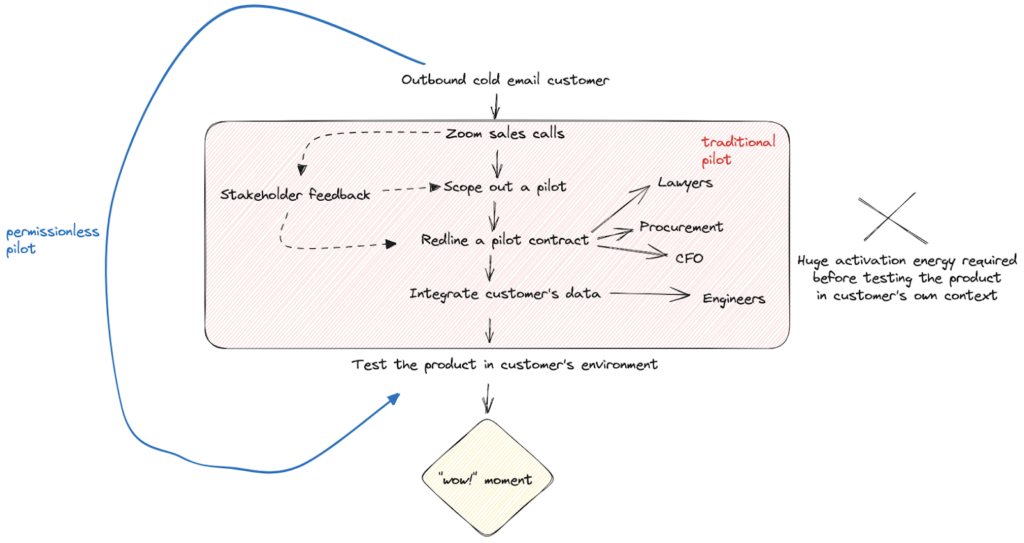
The friction involved in securing approval for a live, data-integrated proof of concept (PoC) cannot be overstated. A technical buyer or departmental lead wishing to evaluate a new software solution must expend significant internal political capital. They must lobby cross-functional stakeholders, navigate stringent IT governance protocols, clear legal hurdles, and satisfy cybersecurity mandates. This arduous journey frequently spans months, during which momentum can stall and deal fatigue can set in. Consequently, the buyer’s definitive moment of realization—the point at which they definitively understand how the tool solves their specific business challenges—occurs remarkably late in the evaluation pipeline. Industry analysts note that the survival rate of long-cycle enterprise sales pipelines remains remarkably fragile, making any methodology that compresses time-to-value an invaluable asset for growth-stage organizations.
Defining the Permissionless Pilot
A permissionless pilot is engineered to eliminate customer acquisition friction by reducing time-to-value to zero. Defined fundamentally as a product demonstration that leverages public, customer-specific data to instantly deliver a targeted value proposition, this approach alters the psychological and procedural dynamics of software procurement.
Under this model, the vendor conducts the preliminary legwork prior to the first formal conversation with the prospect. By utilizing publicly available information—ranging from regulatory filings and open-source code repositories to digital e-commerce catalogues and public web traffic metrics—the software automatically generates a customized analytical report tailored specifically to the target organization.
This shifts the pivotal moment of value realization from the conclusion of a protracted sales cycle to the very initial point of contact. The prospective client is not asked to grant system permissions, configure integrations, or sign non-disclosure agreements before experiencing the utility of the application. The demonstration simply functions out-of-the-box using the prospect’s own publicly observable footprint.
Market Validation and Real-World Implementation
The viability of permissionless pilots is best demonstrated by emerging technology companies that have successfully scaled operations by embedding this philosophy into their core go-to-market execution. A notable example within the venture capital ecosystem is Emerge Tools, a mobile application performance management and optimization platform. Founded to help engineering teams reduce mobile application binary sizes, optimize memory utilization, and accelerate load times, the company achieved significant market penetration among major enterprise brands—including DoorDash, Square, Airbnb, Duolingo, and Dropbox—without relying on traditional outbound enterprise sales teams.
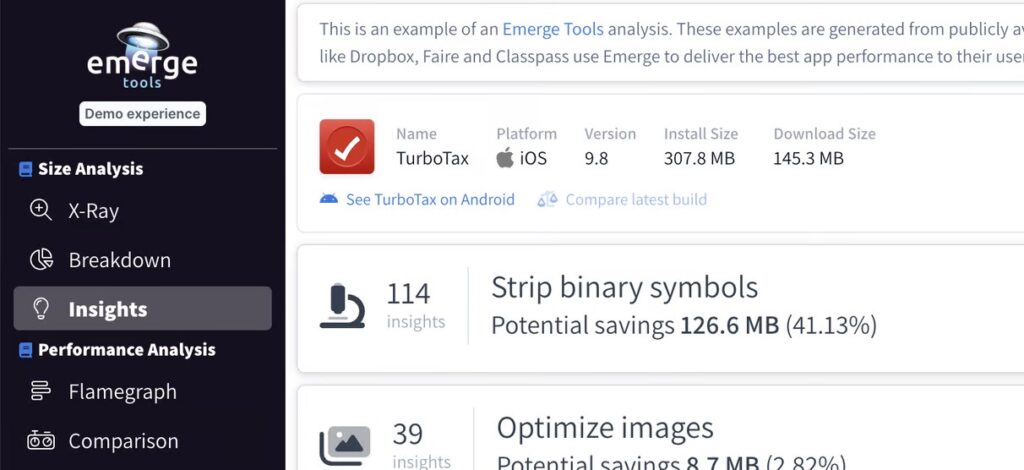
The technical challenge facing Emerge Tools initially mirrored the classic enterprise dilemma: mobile engineering departments operate under strict internal release cycles, and convincing a major corporate entity to integrate a third-party performance monitoring suite typically requires multi-layered technical validation. To bypass this barrier, the engineering team developed an automated system capable of reverse-engineering the publicly available binary code of any native mobile application found within the Apple iOS App Store and Google Play Store.
Instead of presenting generic benchmarks, Emerge automated the generation of individual analytical reports for thousands of public applications. For instance, by evaluating the public iOS build of a major software product like TurboTax, the platform’s automated diagnostic engine could instantly identify optimization opportunities capable of reducing the application’s overall file size by over 40 percent. This diagnostic insight was generated entirely without the participation, consent, or data-sharing compliance review of the application’s parent organization.
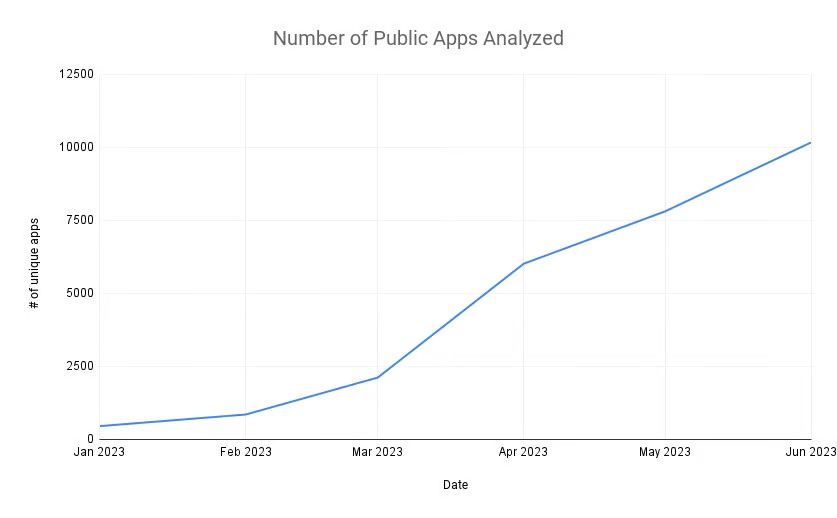
The strategic implications of this capability transformed Emerge Tools’ organic growth engine. By publishing these automated, app-specific analyses on unique, indexable URLs, the company converted its product demonstrations into shareable digital artifacts. Prospective buyers discovering these performance breakdowns online frequently shared the diagnostic findings internally via team communication channels like Slack. Consequently, this-product-led growth motion generated substantial organic inbound interest, contributing to significant multi-fold growth in search visibility, digital engagement, and inbound enterprise customer acquisition throughout the calendar year.

Expanding Horizons Across Industry Verticals
While mobile application development represents a prime environment for automated binary analysis, the underlying framework of the permissionless pilot is adaptable across a broad spectrum of enterprise software sectors. Modern advancements in machine learning, computer vision, and large language models (LLMs) have exponentially increased the capacity to ingest, structure, and derive intelligence from unstructured public data sets at scale.
Several distinct market sectors demonstrate clear potential for this methodology:
- Search Engine Optimization (SEO): Platforms analyzing index performance can automatically generate optimization roadmaps for corporate web properties by evaluating public search engine result pages and metadata, mirroring the operational approach utilized by firms like Conductor.
- E-commerce Optimization: Software suites can cross-reference millions of active digital storefront listings to provide immediate, conversion-focused recommendations regarding product copy, pricing structures, and visual assets without requiring API access to a merchant’s backend inventory system.
- Cybersecurity and Vulnerability Assessment: Threat intelligence providers can perform non-intrusive, external reconnaissance scans on public web applications to identify surface-level vulnerabilities, demonstrating defensive utility prior to formal contract discussions, similar to methodologies observed in bug bounty platforms like HackerOne.
- Financial Forensics and Compliance: Artificial intelligence tools designed to audit regulatory submissions can automatically parse complex, publicly filed SEC documentation to highlight earnings discrepancies or corporate governance risks within target enterprises, as practiced by specialized platforms like Bedrock AI.
- Web-Based Personalization: Marketing automation platforms can render dynamic, customized landing page variations for prospective enterprise clients based on generalized corporate audience attributes, eliminating the prerequisite for preliminary account registration.
Strategic Implications and Implementation Framework
For technology founders and enterprise sales leaders considering the adoption of permissionless pilots, the strategic implementation process begins with a comprehensive audit of accessible public data sources relevant to their specific target market. Product teams are encouraged to evaluate what their application could accomplish if constrained entirely to public domain inputs, setting aside proprietary customer datasets for the initial interaction.
The primary objective during this exploratory phase is the creation of a diagnostic demonstration that is immediately compelling to the end user. Industry practitioners emphasize that the initial output does not need to encompass the entirety of the platform’s long-term enterprise functionality; it must simply provide an undeniable demonstration of analytical competence within the prospect’s immediate operational context.
However, market analysts advise caution regarding execution. Because permissionless pilots frequently involve interacting with public data pertaining to specific corporate entities, organizations must navigate these initiatives with careful consideration for brand reputation, tone, and professional courtesy. When executed responsibly, permissionless pilots serve as a powerful catalyst for modern business-to-business commerce, effectively shortening sales cycles, reducing customer skepticism, and aligning product-led growth principles with the stringent demands of enterprise procurement.