As the calendar turns to July 2026, ushering in the second half of the year, the remote job market presents a dynamic landscape ripe with new opportunities for professionals seeking flexibility and career advancement. This period is traditionally seen as a strategic inflection point for both employers and job seekers, where refined strategies and focused efforts can yield significant results. Virtual Vocations, a leading authority in remote employment, highlights this month as an opportune moment to engage with a fresh selection of fully remote positions, spanning diverse industries and experience levels through its network of Employer Partners. The emphasis is on sustaining momentum, leveraging evolving market trends, and aligning career aspirations with a remote work lifestyle.
The Strategic Significance of Mid-Year Job Search
The commencement of the second half of the year in July often coincides with companies finalizing their annual budgets, re-evaluating staffing needs, and launching new projects or initiatives. This operational cycle frequently translates into an increase in hiring activity, particularly for roles that can be filled remotely, offering organizations access to a broader, more diverse talent pool without geographical constraints. For job seekers, this period allows for a crucial re-assessment of career goals, skill sets, and application strategies. Refining one’s approach to target specific industries or roles where demand is high can significantly enhance the probability of securing a fitting remote position. Virtual Vocations underscores the urgency, advising applicants to respond to intriguing job openings within 48 hours to maximize their chances in a competitive environment.
Chronology of Opportunities: July 2026 Employer Partner Spotlight
Virtual Vocations has meticulously curated a list of opportunities from its Employer Partners, with new listings and updates released throughout the month. The initial wave of opportunities in early July provided a clear indicator of the sectors experiencing robust remote hiring.
Opportunities as of July 8, 2026: Diverse Roles Across Key Sectors
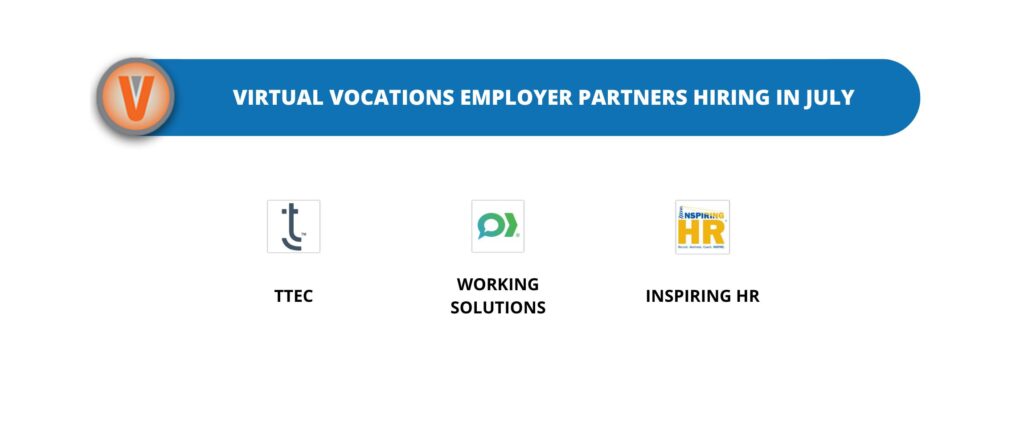
The first week of July saw prominent employers actively recruiting for roles critical to their operations, demonstrating a sustained demand for specific skill sets in customer interaction, healthcare support, and human resources.
TTEC: Championing Customer Experience Remotely
TTEC, a global leader specializing in flexible customer support solutions, initiated the month by seeking a remote Bilingual Spanish Customer Service Representative. This role is designed to address incoming customer communications, conduct thorough research, and provide comprehensive solutions to resolve issues. The demand for bilingual professionals, particularly those fluent in Spanish, reflects the increasingly diverse customer bases served by global companies. This position underscores the value TTEC places on effective communication and problem-solving, which are foundational to maintaining high levels of customer satisfaction in a remote service environment. The ability to seamlessly integrate language proficiency with technical support skills is a highly sought-after combination, allowing companies like TTEC to cater to a wider demographic and enhance their market reach. Such roles are crucial for businesses aiming to provide inclusive and accessible support across different linguistic communities.
Working Solutions: Bridging IT Services and Healthcare Support
Working Solutions, a company renowned for its expertise in digital IT services, software services, and business process outsourcing, expanded its remote workforce with two distinct but equally vital positions: a remote Health Insurance Verification Specialist and a remote Member Outreach Specialist. The recruitment for these roles highlights the escalating need for specialized administrative and support functions within the healthcare sector, which has increasingly embraced remote work models. The Health Insurance Verification Specialist plays a pivotal role in ensuring accurate billing and patient access to care by confirming insurance details, while the Member Outreach Specialist focuses on engaging with clients or patients to provide information, support, and foster positive relationships. Both positions require meticulous attention to detail, strong communication skills, and a solid understanding of industry-specific protocols, demonstrating how BPO firms are adapting to service critical sectors remotely.
Inspiring HR: Strategic Human Resources for Small Businesses
Inspiring HR, a firm dedicated to providing tailored HR solutions and services for small businesses, continued its search for a remote Human Resources Consultant. This role is instrumental in guiding small businesses through the complexities of HR management, from developing and implementing policies to navigating employee relations and ensuring compliance with ever-evolving labor and employment laws. The demand for remote HR consultants reflects a broader trend where small and medium-sized enterprises (SMEs) are outsourcing specialized functions to gain access to expert knowledge without the overhead of a full-time in-house department. In a remote work era, HR consultants are critical in helping organizations adapt to new workforce dynamics, maintain morale, and ensure legal compliance across distributed teams. This position underscores the strategic importance of HR in fostering a productive and compliant remote work environment.
Opportunities as of July 15, 2026: Bolstering Data and Analytics Capabilities

Mid-July saw new opportunities emerge, particularly emphasizing data analysis and the continued importance of bilingual capabilities in technical roles.
TELUS Digital: Enhancing Data Intelligence with Bilingual Talent
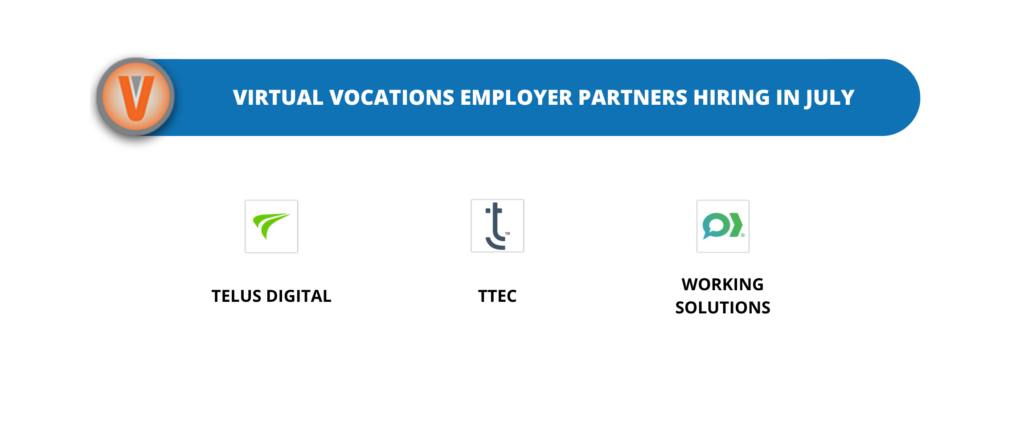
TELUS Digital, another significant player in digital IT services, software services, and business process outsourcing, announced openings for a remote Bilingual Spanish Data Analyst and an Online Data Analyst. These roles signify the growing corporate reliance on data-driven decision-making and the increasing recognition of multilingual capabilities within technical fields. A Bilingual Spanish Data Analyst would not only process and interpret complex datasets but also facilitate communication and analysis for Spanish-speaking markets or data sources, offering a distinct competitive advantage. The Online Data Analyst focuses on leveraging digital tools and platforms to extract insights from vast amounts of information, critical for optimizing business strategies, understanding market trends, and improving operational efficiencies. These positions highlight the convergence of data science, digital expertise, and linguistic proficiency, showcasing a sophisticated evolution in remote technical hiring.
Continued Demand from Early July Partners
Notably, Virtual Vocations reported that TTEC and Working Solutions were still actively hiring for their previously advertised remote positions. This sustained demand underscores the ongoing need for customer service representatives, particularly those with bilingual skills, and for specialized support within the healthcare and BPO sectors. The consistent availability of these roles throughout the month indicates a robust, long-term requirement for these functions within the remote work paradigm.

The Expanding Horizon of Remote Work in 2026
The remote job market in July 2026 is not merely a transient phenomenon but a well-established and continuously expanding sector. The shift towards remote and hybrid work models, significantly accelerated by global events in the early 2020s, has matured into a fundamental component of global employment strategies. Industry reports and labor statistics consistently indicate that a substantial percentage of companies now offer some form of remote work, and an even larger portion of the workforce expresses a preference for these flexible arrangements.
Historical Context and Evolution
Prior to 2020, remote work was a niche benefit, largely confined to specific industries like technology or freelance roles. The subsequent global health crisis forced an unprecedented, rapid adoption of remote operations across virtually all sectors. This period of intense experimentation demonstrated the viability and often the unexpected benefits of distributed teams. By 2026, companies have moved beyond crisis-driven remote work to strategically integrate it into their long-term talent acquisition and operational frameworks. This evolution has been supported by advancements in communication technologies, cloud computing, and project management tools, making seamless collaboration across geographical divides more achievable than ever before.
Economic Drivers and Benefits for Stakeholders

The sustained growth of remote hiring is driven by compelling economic and operational advantages for both employers and employees.
- For Employers: Remote work significantly broadens the talent pool, allowing companies to recruit top professionals regardless of their physical location. This access to a diverse skill set can lead to enhanced innovation and competitive advantage. Furthermore, reduced office overhead costs, increased employee retention due to improved work-life balance, and often, higher productivity levels are frequently cited benefits. Companies are increasingly recognizing that a flexible workforce is a resilient workforce, capable of adapting to various market conditions and unforeseen disruptions.
- For Employees: The benefits are equally transformative. Remote work offers unparalleled flexibility, enabling individuals to better manage personal and professional commitments, reduce or eliminate stressful commutes, and achieve a healthier work-life integration. It also opens up job opportunities that might otherwise be inaccessible due to geographical barriers, allowing individuals to live where they choose without compromising their career aspirations. This autonomy and flexibility contribute to higher job satisfaction and overall well-being.
Key Sectors Driving Remote Hiring in 2026
The current job postings from Virtual Vocations’ partners reflect broader trends in remote hiring. Several sectors consistently lead in remote job creation:
- Customer Service: As seen with TTEC, the demand for customer support professionals, especially those with specialized language skills, remains consistently high. Remote models allow for 24/7 global support and access to a diverse agent pool.
- Information Technology and Tech: Roles in software development, data analysis (like those at TELUS Digital), cybersecurity, and IT support are inherently remote-friendly. The tech industry continues to innovate and expand, driving a constant need for skilled remote talent.
- Healthcare: The healthcare sector, including roles like Insurance Verification and Member Outreach (Working Solutions), has seen a massive surge in remote administrative, support, and even clinical (telehealth) positions. This trend supports efficiency and accessibility in patient care and related services.
- Human Resources: With the complexities of managing distributed teams, HR professionals (such as the Human Resources Consultant at Inspiring HR) are crucial for developing policies, fostering culture, and ensuring compliance in a remote-first or hybrid environment.
- Business Process Outsourcing (BPO): Companies specializing in BPO leverage remote work to provide cost-effective and scalable solutions across various functions, from customer service to data entry and specialized administrative tasks.
Strategic Advice for Remote Job Seekers in July 2026
In a competitive remote job market, a strategic and proactive approach is paramount. Virtual Vocations’ guidance to apply within 48 hours highlights the fast-paced nature of remote hiring.
- Tailor Your Applications: Generic resumes and cover letters are less effective. Customize each application to specifically address the job description, highlighting relevant remote work experience and demonstrating an understanding of the company’s mission.
- Showcase Remote-Specific Skills: Emphasize skills vital for remote success, such as strong written communication, self-discipline, time management, digital literacy, and proficiency with collaboration tools.
- Continuous Skill Development: The remote landscape evolves rapidly. Invest in continuous learning to acquire in-demand skills, especially in areas like data analytics, digital marketing, cloud computing, and advanced customer relationship management software.
- Optimize Your Online Presence: Ensure your professional social media profiles (e.g., LinkedIn) are updated, professional, and reflect your remote work readiness. Networking within online professional communities can also uncover hidden opportunities.
- Prepare for Virtual Interviews: Practice interviewing in a virtual setting, ensuring a professional background, reliable internet connection, and clear communication.
Economic and Societal Impact: Broader Implications
The sustained growth of remote work in July 2026 carries significant broader implications. It contributes to regional economic development by distributing job opportunities beyond traditional urban centers, potentially revitalizing smaller towns and rural areas. It also fosters greater inclusivity in the workforce, enabling individuals with disabilities, caregivers, or those in remote locations to access meaningful employment. Environmentally, reduced commutes contribute to lower carbon emissions and decreased traffic congestion. However, challenges persist, including ensuring equitable access to high-speed internet, addressing potential feelings of isolation among remote workers, and developing effective strategies for remote team building and management. Companies and policymakers are continually working to mitigate these challenges, recognizing the immense potential of this work model.
Looking Ahead: The Enduring Future of Remote Work
As July 2026 progresses, the evidence strongly suggests that remote work is not a fleeting trend but an enduring, integral component of the global economy. While hybrid models are gaining traction, offering a blend of in-office and remote work, fully remote positions remain highly sought after by both employers and employees for their inherent flexibility and efficiency. The ongoing updates to job listings by Virtual Vocations throughout the month further underscore the dynamic and continuous nature of this market. Professionals are encouraged to remain vigilant, adaptable, and proactive in their search, recognizing that their next significant career opportunity may indeed be just a click away in the ever-expanding digital workspace. The strategic decisions made by companies and individuals in the second half of 2026 will undoubtedly shape the future of work for years to come.