Mastering Procurement Management: A Strategic Blueprint for Operational Excellence and Risk Mitigation

Procurement management represents the backbone of organizational health, encompassing the disciplined orchestration of planning, approving, monitoring, and documenting the acquisition of goods and services. While often conflated with simple purchasing, procurement management is a comprehensive control system that bridges the gap between identified business requirements and final delivery. In an era of global supply chain volatility, an organization’s ability to connect business needs to qualified suppliers, stringent contract performance, and meticulous records of every decision is a critical competitive advantage. Without these controls, companies risk significant financial hemorrhaging, regulatory non-compliance, and operational paralysis.
Defining the Procurement Lifecycle
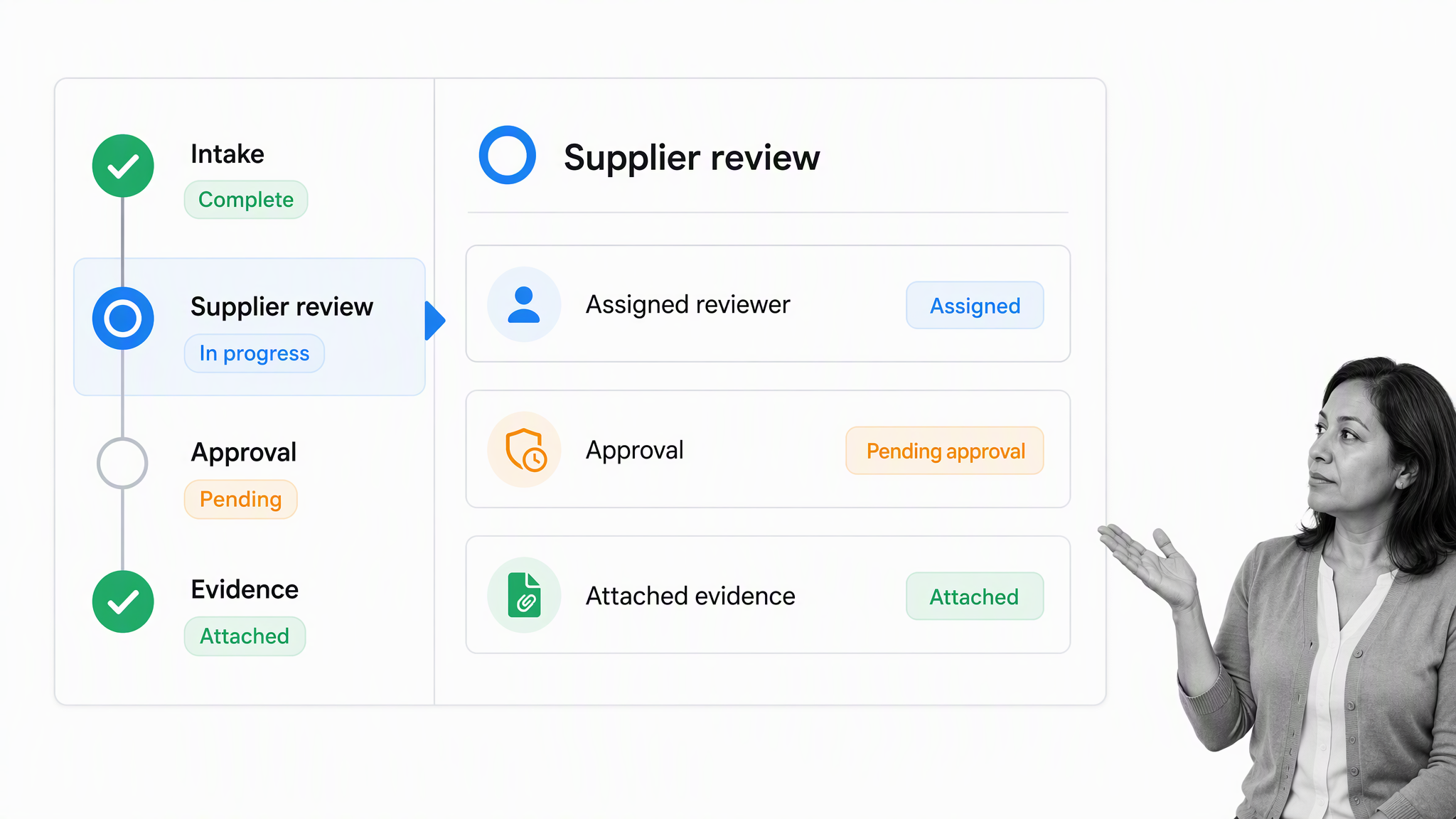
At its core, procurement is the end-to-end lifecycle of a business need. It initiates with the identification of a requirement, moves through market research and supplier evaluation, proceeds to contract negotiation and spending authorization, and concludes with the verification of goods and services. Purchasing is merely the transactional conclusion of this sequence. Procurement management, by contrast, is the administrative architecture that defines who has the authority to act, what criteria must be met to justify an expenditure, and how the organization validates the value delivered by a vendor.
The necessity of a robust procurement management system is highlighted by the risks of failure. When organizations lack standardized processes, they suffer from "requirement drift," where needs are poorly defined, leading to mismatched orders. Furthermore, inconsistent communication channels often result in missed approvals and the loss of critical audit trails—the evidence required to justify spending to stakeholders, auditors, and tax authorities.
The Anatomy of Procurement Failure: Lessons from ASOS
The real-world consequences of failing to manage procurement effectively are exemplified by the 2019 inventory crisis at the e-commerce fashion giant ASOS. During the summer of 2019, ASOS faced a catastrophic warehouse technology failure that severely restricted its ability to process stock. The company, which was integrating approximately 5,000 new Stock Keeping Units (SKUs) into its system weekly, relied on an automated infrastructure to manage the movement of goods.
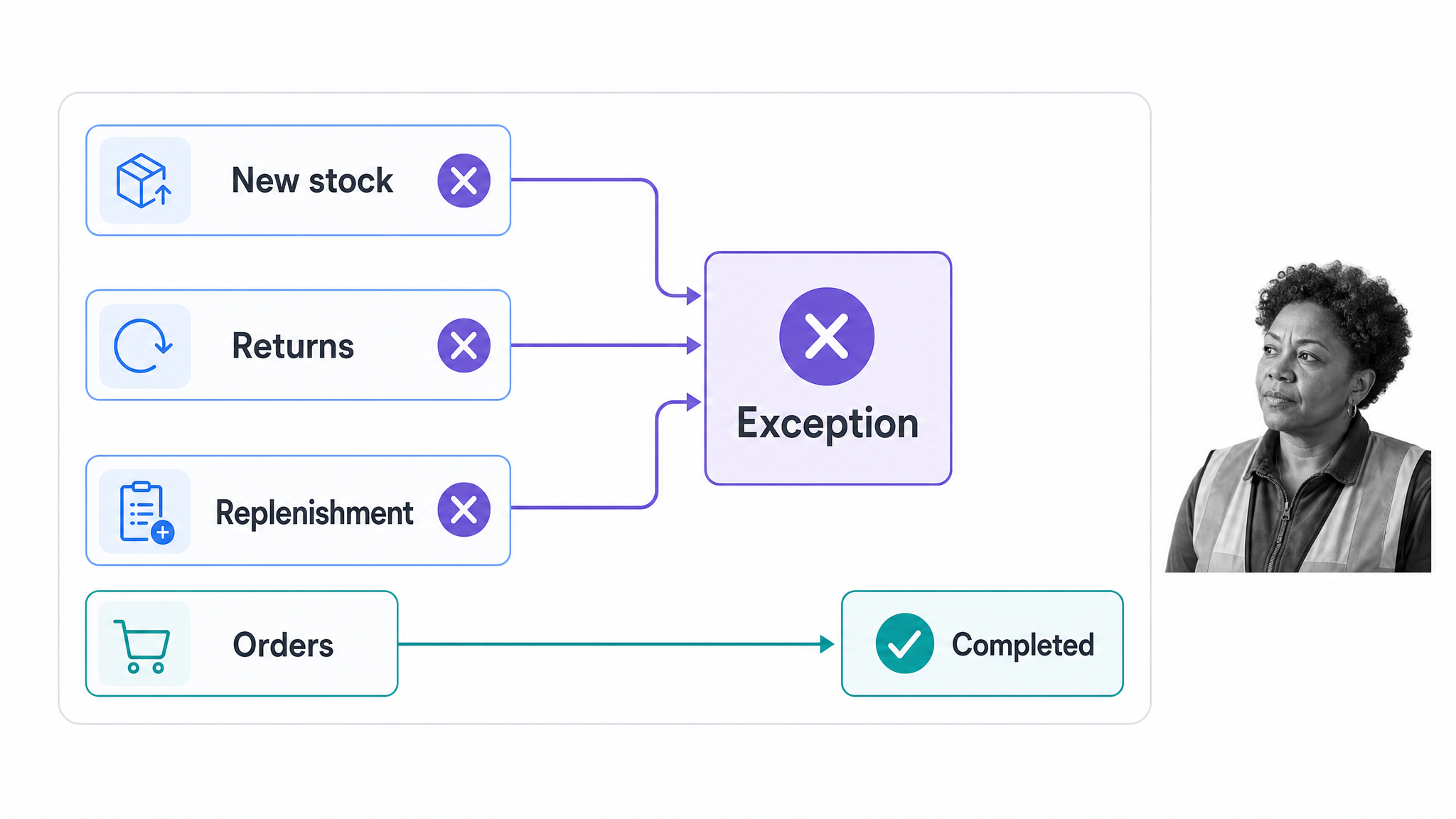
The failure occurred when the system, designed to handle high-volume order fulfillment, developed a glitch that allowed it to send inventory out for customer orders while simultaneously failing to log incoming new stock, replenishment items, and customer returns. This created a profound "black hole" in their inventory data. The operational disruption led to significant stock availability shortages across critical markets, including Germany, France, and the United States.
The financial impact was staggering. By October 2019, ASOS reported that its annual profits had plunged by 68% compared to the previous year. Industry analysts noted that the company took months to identify the root cause of the $30 million technical failure. The ASOS case serves as a cautionary tale: in modern supply chains, procurement management is not just about choosing the right vendor; it is about maintaining the integrity of the data that dictates when and how much to buy.
Human Error and the Need for Automated Controls
While technological failures grab headlines, human error remains a pervasive threat to procurement efficiency. A common example involves the miscalculation of quantities during the request phase. In one notable instance within an environmental testing laboratory, a failure in the approval workflow allowed an employee to request 500 test tubes when only 50 were required. Because the system lacked a "sanity check" or a proportionate approval control to compare the request against historical usage or project needs, the error went unnoticed until the excessive inventory arrived on-site.
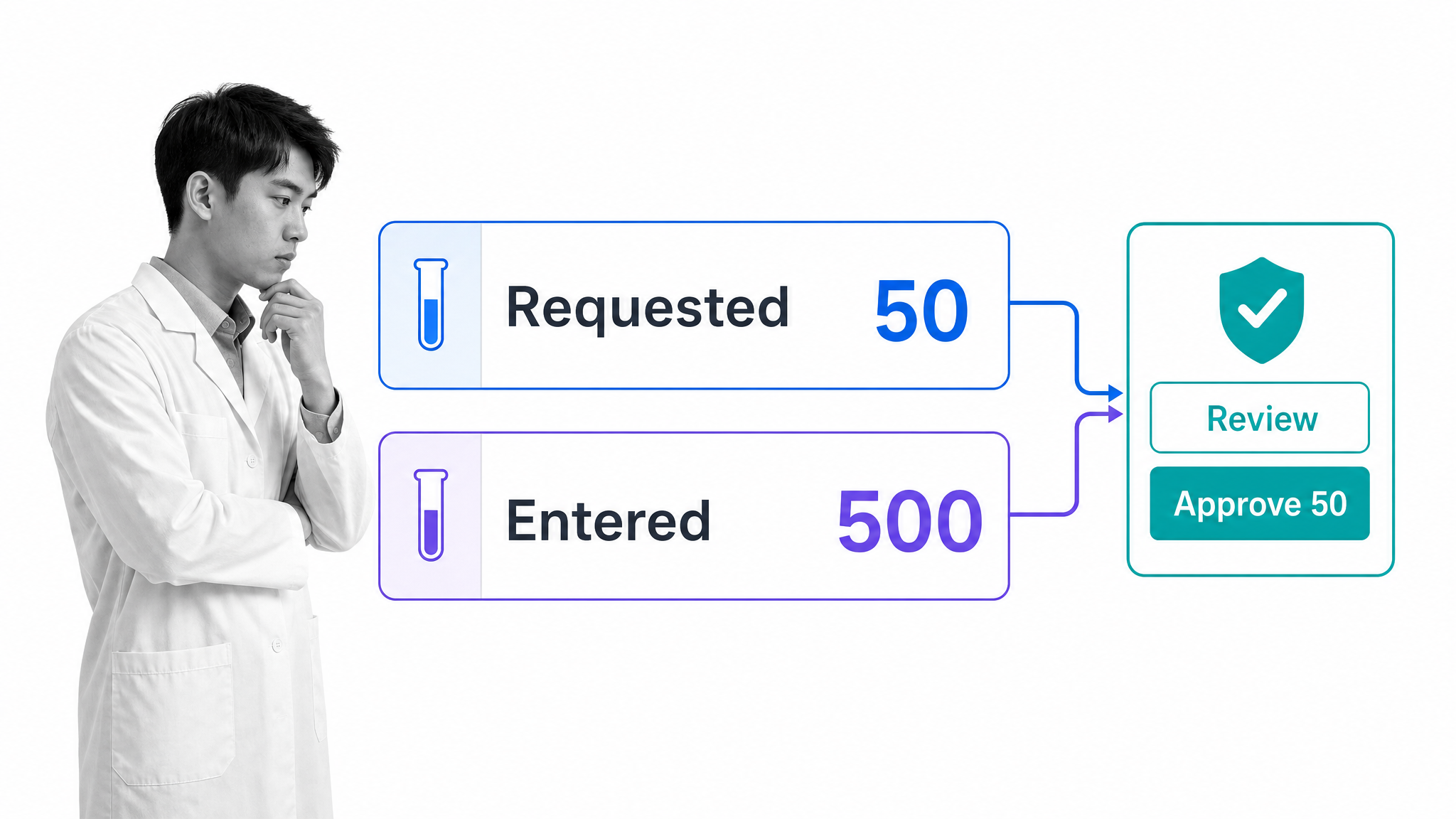
These types of incidents highlight the importance of implementing automated procurement platforms. Modern software solutions do not merely digitize paperwork; they enforce thresholds, trigger alerts for anomalous requests, and ensure that every purchase is cross-referenced with a budget and a documented business case.
Best Practices for Resilient Procurement
To build a resilient procurement function, organizations must prioritize transparency. Every document—from the initial request and budget context to the final invoice and supplier performance history—must be linked. This integrated approach allows procurement teams to identify "maverick spending," where purchases are made outside of established contracts, and prevents the risk of double payments.
Inventory optimization is another pillar of effective management. Organizations must move beyond static reorder points and instead evaluate demand, lead times, and shelf life. By treating supplier information as "living evidence" rather than a one-time onboarding document, firms can stay ahead of risks such as certification expiry, changes in financial stability, or shifts in a vendor’s ownership.
A Seven-Step Strategic Procurement Plan
For organizations seeking to standardize their approach, a seven-step procurement management plan provides a framework for success:
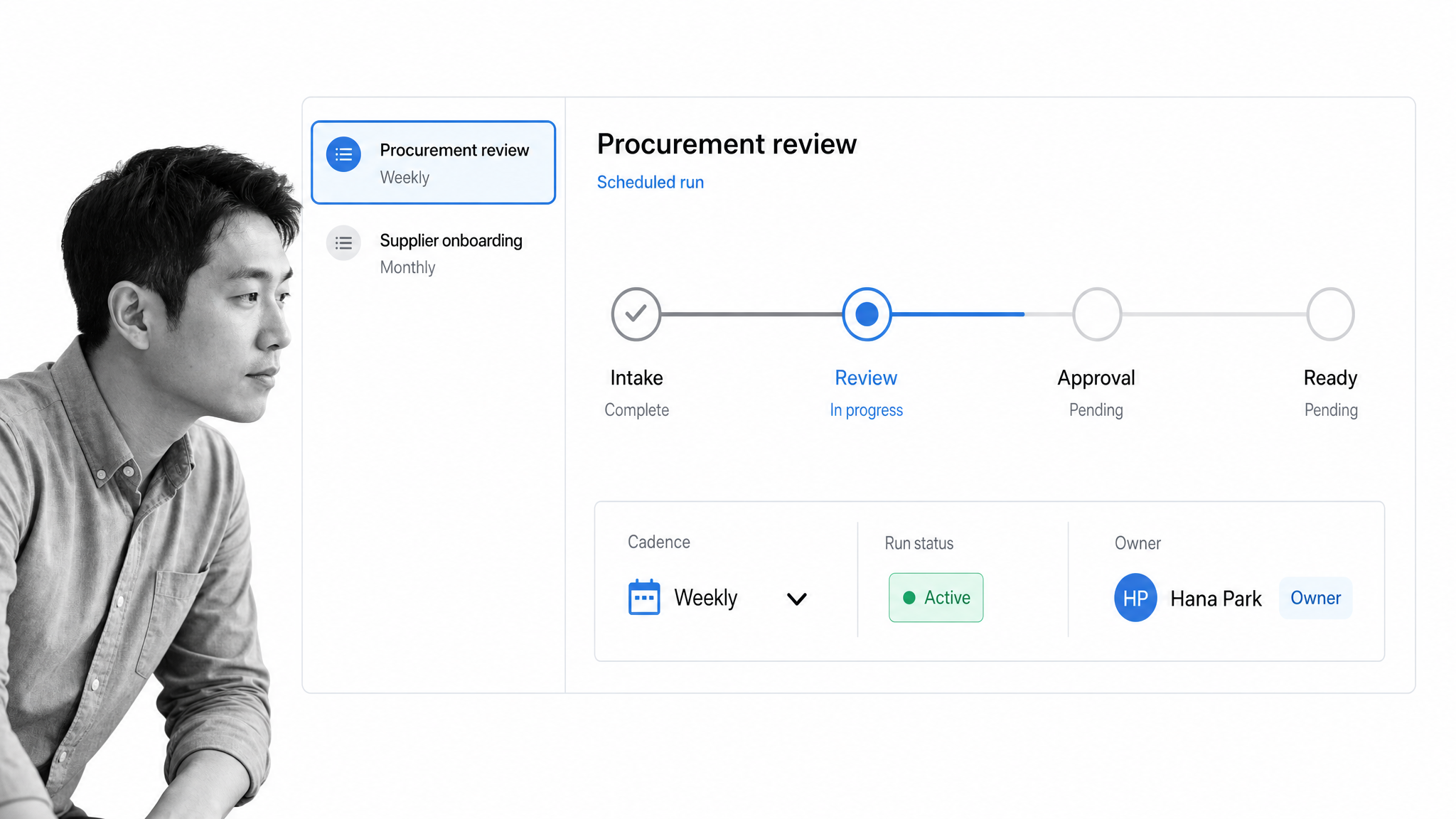
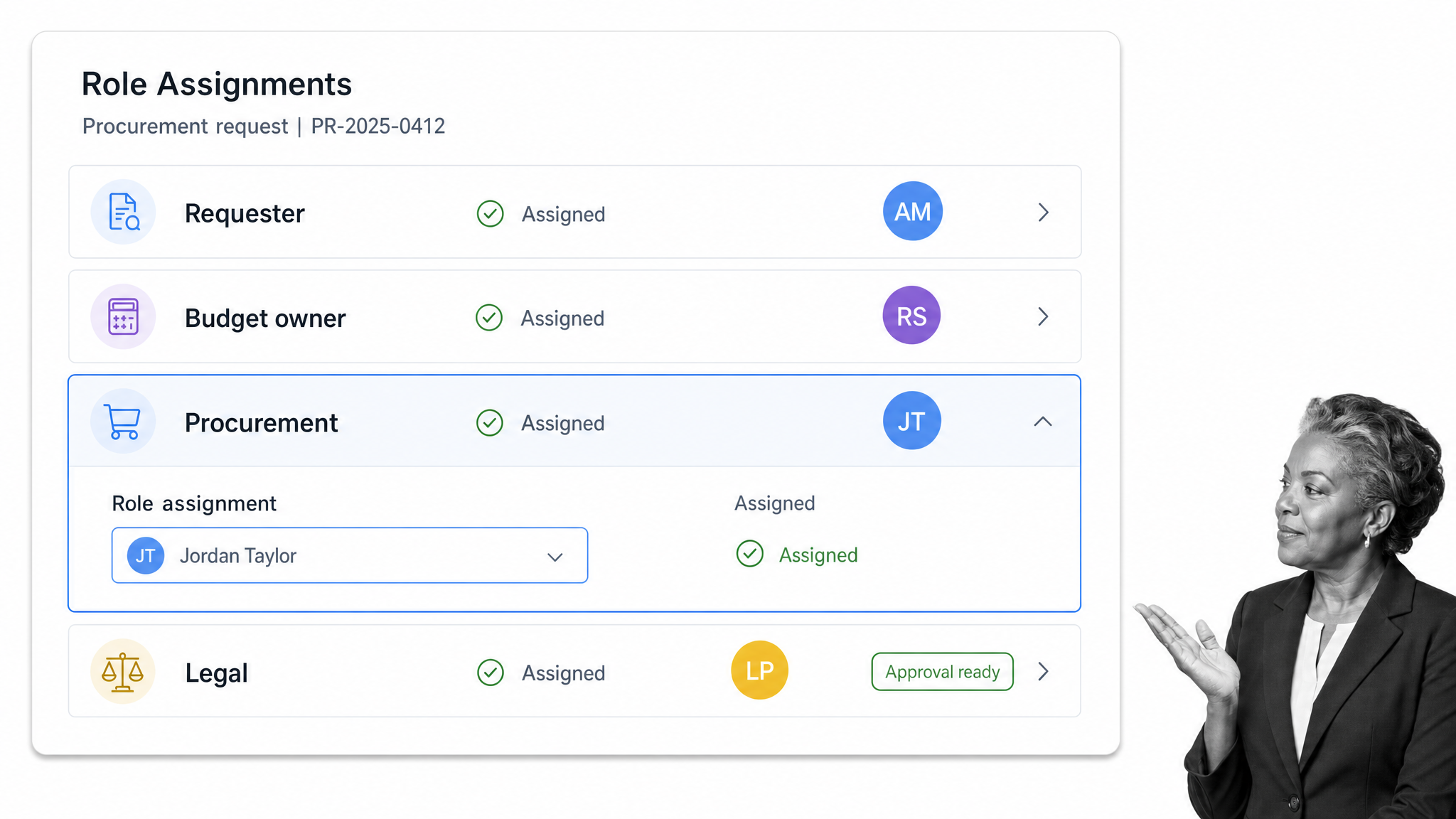
- Defining Roles and Responsibilities: Establish a clear RACI (Responsible, Accountable, Consulted, Informed) matrix. Identify who has the authority to initiate, approve, and audit procurements to prevent bottlenecking.
- Scheduling: Break down complex procurement projects into granular tasks with firm milestones. This prevents projects from languishing in the "approval loop."
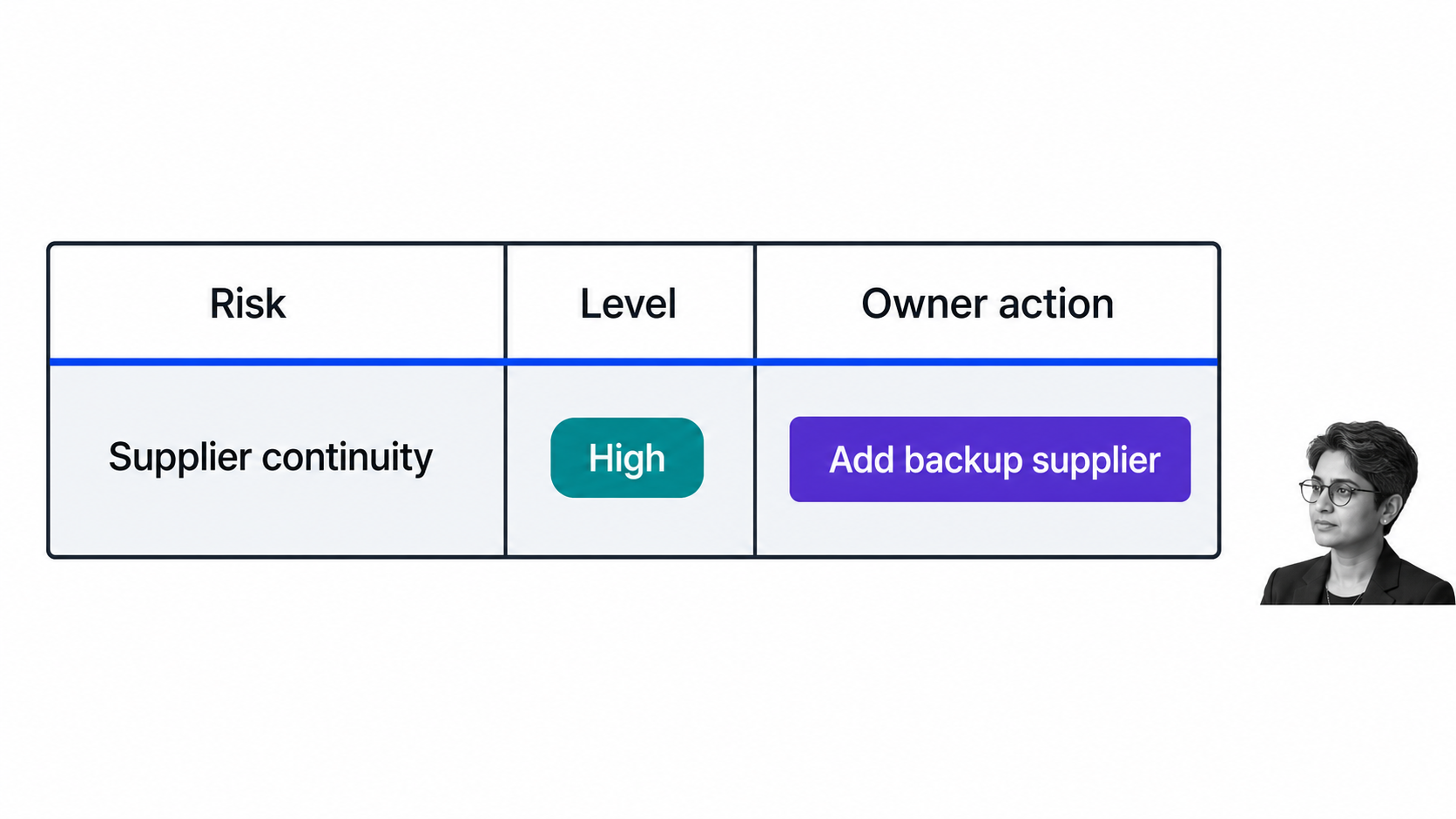
- Risk Identification and Mitigation: Maintain a living risk register. For critical suppliers, develop contingency plans—such as identifying backup vendors—to ensure business continuity.
- Cost Determination: Conduct thorough "make-or-buy" analyses. Before issuing a Request for Proposal (RFP), determine if the organization has the internal capacity or if outsourcing provides a superior return on investment.
- Approval Workflows: Implement digital workflows that mandate specific evidence for approval. For instance, high-value contracts should automatically trigger a legal review and a secondary budget verification.
- Vendor Management: Move beyond simple payment processing. Define clear service level agreements (SLAs), establish performance review cadences, and build mechanisms for handling change orders when the scope of work shifts.
- Review and Final Approval: Before a contract is signed, conduct a comprehensive review of the entire procurement pack, ensuring that the chosen contract type—whether fixed-price or cost-reimbursement—aligns with the project’s risk profile.
The Role of Technology in Modern Procurement
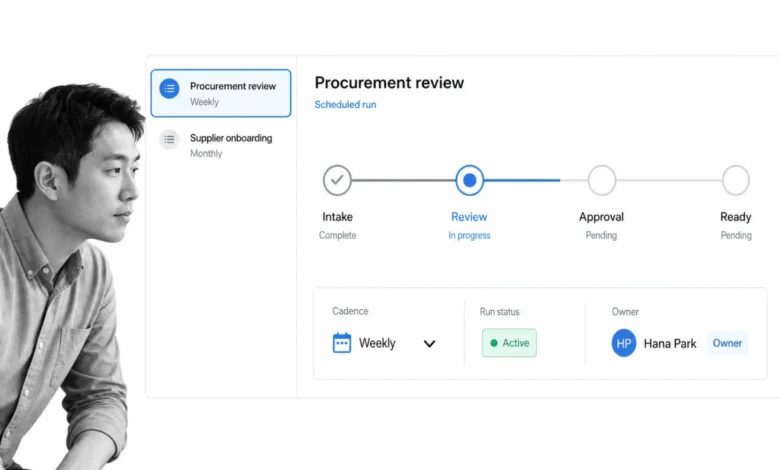
The complexity of today’s market demands that procurement move away from fragmented systems. Using a Compliance Operations Platform allows teams to centralize their processes. By integrating intake, budget checks, and supplier due diligence into a single workflow, organizations eliminate the "silo effect" that often leads to errors.
Furthermore, the integration of Artificial Intelligence (AI) into these platforms is transforming the field. AI can assist in classifying requests, identifying potential bottlenecks in real-time, and suggesting improvements based on historical data. However, the human element remains paramount. Procurement leaders must continue to exercise judgment regarding material contract changes, supplier selection, and complex exceptions.
Conclusion: Toward a Data-Driven Future
Procurement management is no longer a back-office administrative task; it is a strategic function that directly impacts the bottom line. By embracing transparency, automating routine workflows, and rigorously managing supplier performance, organizations can protect themselves against both the volatility of the global market and the risks of internal error. As the case of ASOS demonstrates, the cost of failing to implement these systems is high. Conversely, the investment in a disciplined, technology-enabled procurement process yields dividends in efficiency, compliance, and sustained organizational growth. Whether a firm is managing 500 test tubes or 5,000 SKUs, the principles of clear documentation, defined authority, and continuous oversight remain the gold standard for success.