Philanthropist Jeff Atwood Launches $50 Million Rural Guaranteed Minimum Income Initiative

A year after initiating the "Share the American Dream" pledge, technology entrepreneur and philanthropist Jeff Atwood, co-founder of Stack Overflow and author of the popular "Coding Horror" blog, has announced a substantial $50 million commitment to establish the Rural Guaranteed Minimum Income Initiative (RGMII). This significant philanthropic endeavor, representing half of his remaining wealth, aims to address systemic poverty and improve economic stability in overlooked rural counties across the United States through targeted direct cash transfers. The move follows an initial $21 million in immediate aid distributed to various non-profit organizations, underscoring a strategic shift from reactive assistance to long-term systemic change.
The Genesis of a Philanthropic Vision: "Share the American Dream"
The journey towards the RGMII began in January 2025, when Jeff Atwood publicly invited Americans to join a two-pronged pledge. The first component called for immediate support to organizations effectively assisting those most in need across America. The second, more ambitious goal, focused on contributing public dedications of time or funds over the subsequent five years towards longer-term efforts designed to preserve and enhance the American Dream for future generations. This pledge was rooted in a personal philosophy articulated by Atwood and his family, profoundly influenced by Mary Gates’s adage: "From those to whom much is given, much is expected."
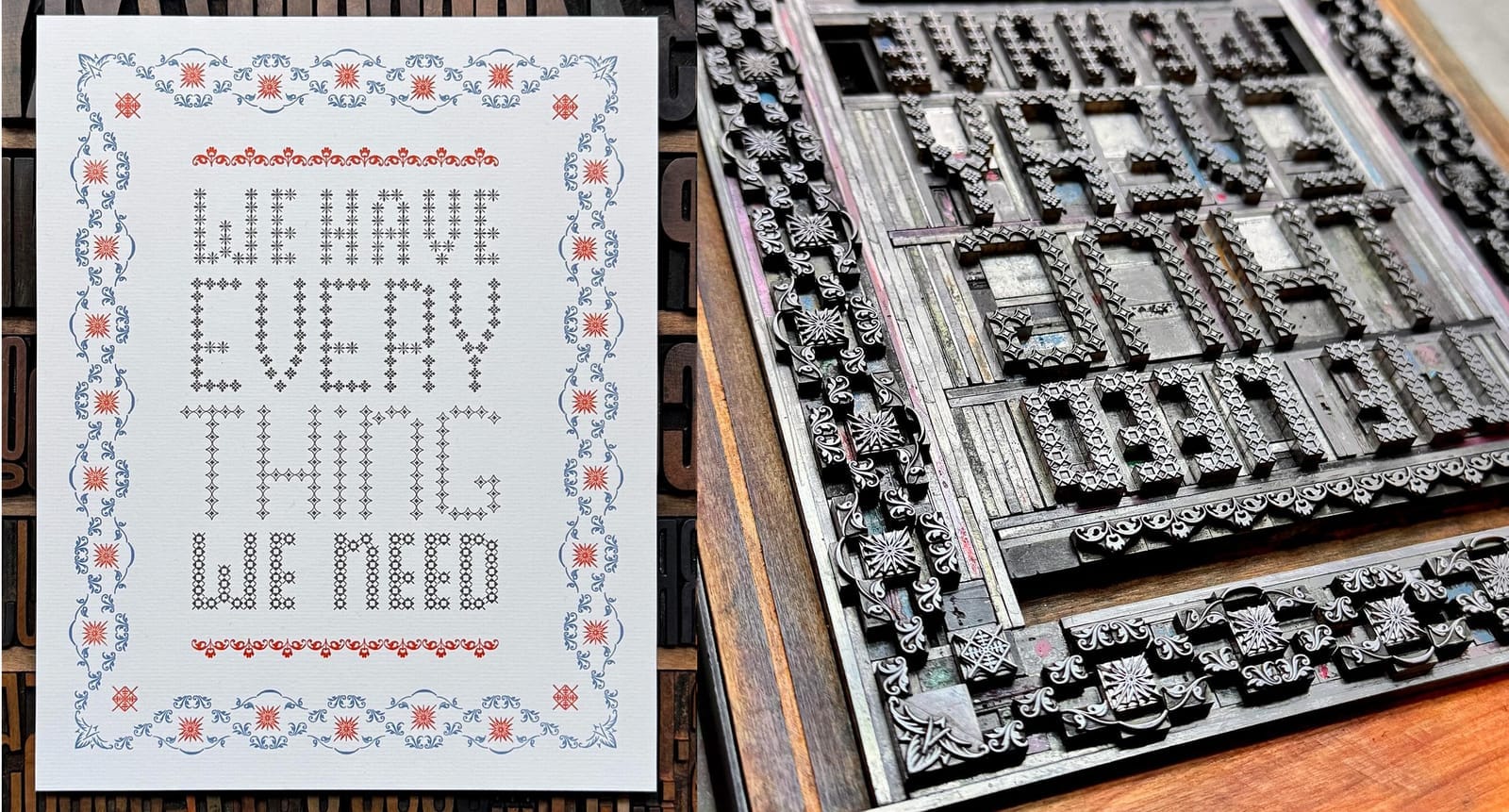
Atwood’s personal reflection on this quote, particularly in the context of his own financial success, including the reported $1.8 billion acquisition of Stack Overflow by Prosus in 2021, led to a critical question: "When, exactly, is enough?" His partner, Betsy Atwood, eloquently articulated their family’s guiding principle on a recent podcast: "We have everything we need. How do we make sure everybody has what they need?" This sentiment underscores a core belief that access to basic necessities—comfortable housing, sufficient food, and healthcare—should be a universal opportunity, not a privilege. The Atwood family’s financial security, they recognized, placed upon them a responsibility to contribute meaningfully to societal well-being.
From Immediate Relief to Systemic Solutions

Initially, the "Share the American Dream" pledge manifested in immediate, substantial donations. Beyond the initial $1 million allocated to eight non-profit charities in January 2025, the Atwoods swiftly recognized the urgent scale of immediate needs, adding an additional $13 million in donations within a few months, bringing the total short-term philanthropic outlay to $21 million. These funds were directed towards organizations providing direct aid and support, tackling pressing issues like hunger, homelessness, and access to essential services.
However, Atwood recognized that reactive "firefighting" against individual crises, while necessary, was insufficient to address the deep-seated issues that perpetuate poverty. A more sustainable approach, he reasoned, required "fire abatement"—tackling the root causes to prevent future crises. This realization spurred the second, longer-term phase of his pledge, leading to the allocation of $50 million. The aim was to fund initiatives that could fundamentally improve conditions in the country, fostering an environment where fewer "fires" erupt.
The Evolution Towards Guaranteed Minimum Income (GMI)
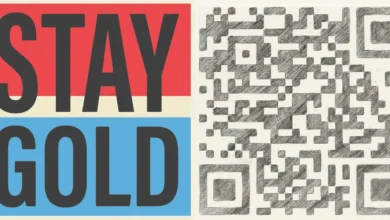
In his initial "Stay Gold, America" post, Atwood had speculated on various long-term strategies, including the creation of a new organization akin to a modernized RAND Corporation or Lever for Change. The goal was to empower experts to define a realistic path to preserve the American Dream. By March 2025, a consensus emerged, crystallized in the article "The Road Not Taken is Guaranteed Minimum Income."
This pivotal decision marked a clear direction for the $50 million long-term commitment. The Atwoods chose to champion Guaranteed Minimum Income (GMI), an evolved concept distinct from Universal Basic Income (UBI). While UBI typically involves providing a regular, unconditional income to all citizens regardless of their economic status, GMI specifically targets those who need it most, particularly families experiencing generational poverty. This targeted approach aims to maximize the impact of funds by directing resources to individuals and households demonstrably struggling to meet basic needs. The rationale behind this distinction is to ensure that philanthropic capital is deployed with precision, addressing the most acute instances of economic insecurity and fostering upward mobility where it is most challenging.
Introducing the Rural Guaranteed Minimum Income Initiative (RGMII)

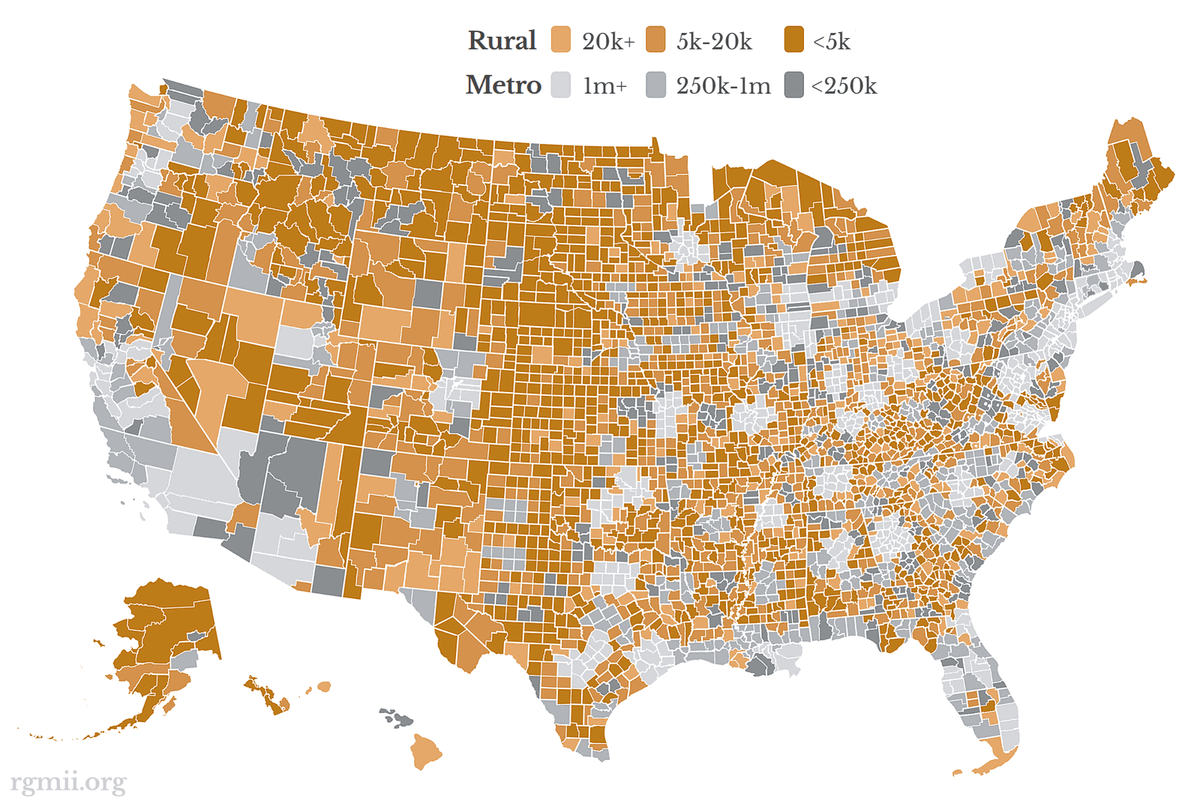
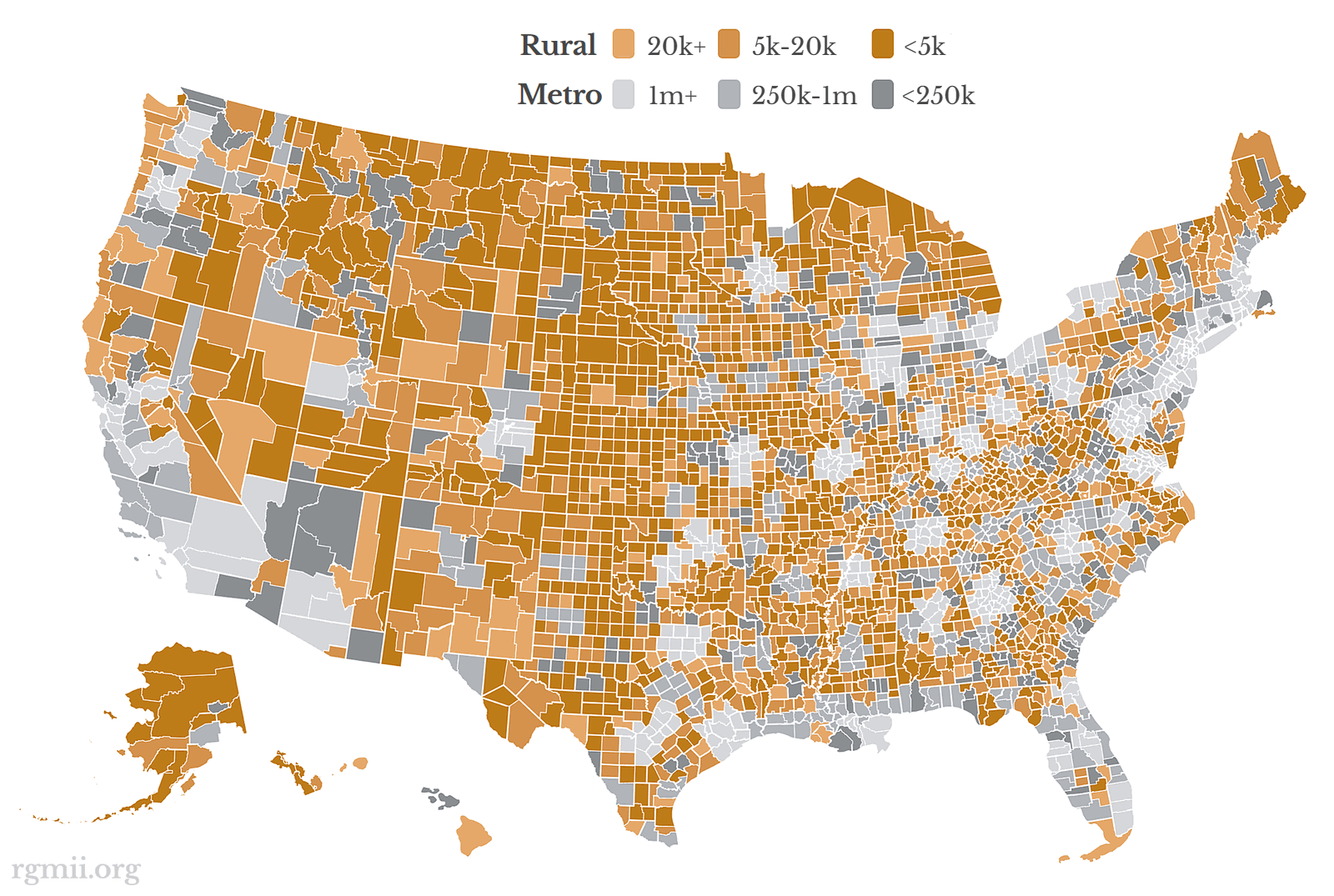
With the strategic focus on GMI firmly established, Jeff Atwood quickly launched the Rural Guaranteed Minimum Income Initiative (RGMII). This initiative is designed to implement and study the effects of direct cash transfers in specific geographic areas, with a clear methodological focus. Atwood explained his rationale for targeting rural counties: "We focus on rural counties, where dollars go a lot further, poverty is more prevalent, and populations are smaller for tighter studies." Furthermore, he emphasized the personal connection and the often-overlooked potential of these areas, stating, "Rural counties are also greatly overlooked in this country, in my opinion, yet they have so much incredible untapped talent. I know because that’s exactly where my parents and I are from."
The economic disparities between urban and rural areas in the United States are well-documented. Rural communities often face unique challenges, including limited access to healthcare, education, and employment opportunities, leading to higher rates of poverty and economic stagnation. According to data from the U.S. Department of Agriculture, poverty rates in non-metro areas have historically been higher than in metropolitan areas, and persistent poverty counties are disproportionately rural. The RGMII aims to shed light on how direct cash transfers can mitigate these challenges, fostering self-sufficiency and economic resilience in these underserved regions.
Pilot Programs and Early Impact

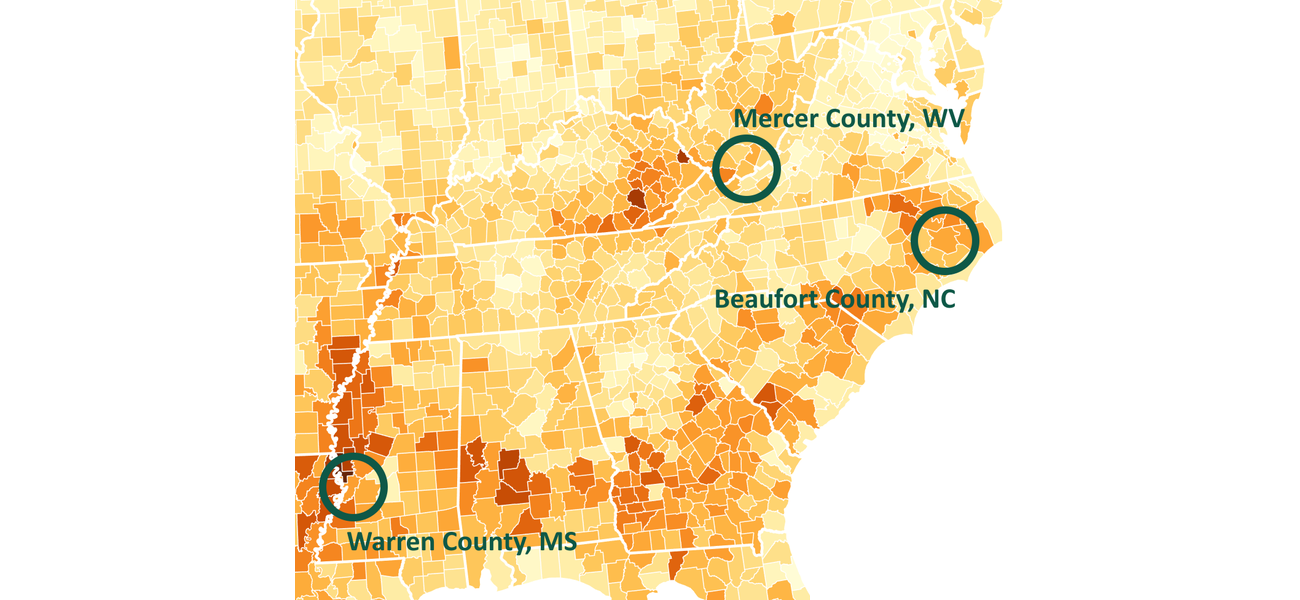
The RGMII has already initiated three county-level pilot programs in Mercer, West Virginia; Beaufort, North Carolina; and Warren, Mississippi. These programs are designed to provide financial assistance to thousands of individuals, lifting them out of poverty for a sustained period of 16 months. A crucial aspect of these pilots is the commitment to data sharing and transparent reporting of results. By meticulously collecting and analyzing data, RGMII seeks to build an evidence base demonstrating the effectiveness of GMI and inform broader policy discussions.
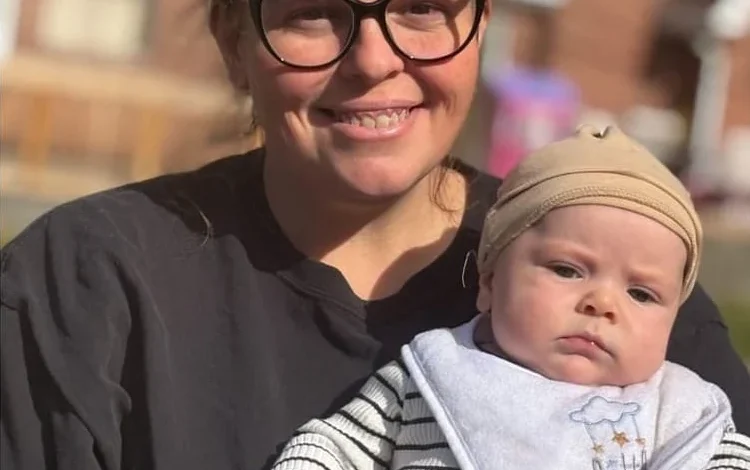
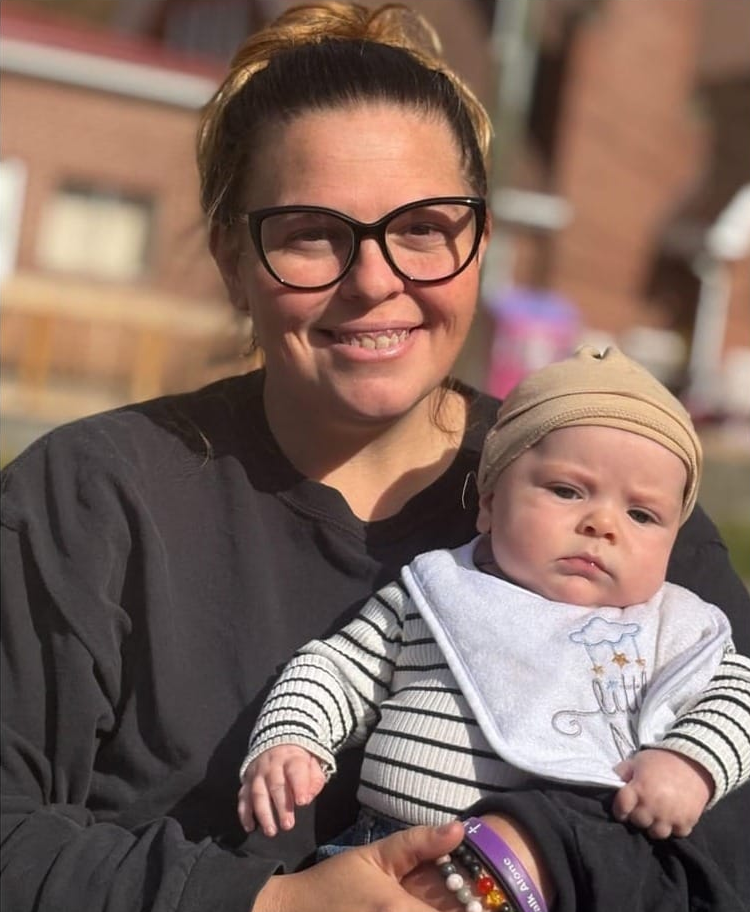
One compelling testimonial from Stacy D., a RISE recipient in West Virginia, illustrates the immediate and profound impact of such direct aid. As a mother of five, who had to stop working due to a high-risk pregnancy and subsequently faced vehicle breakdown, Stacy highlighted the struggle of lacking a support network. "You don’t know how hard it is to ask people, hey, can I get a ride to the grocery store? Or, hey, my baby has two-month shots. I had to borrow a vehicle. This is gonna… it’s going to do a lot!" Her story exemplifies how even modest, consistent financial support can empower individuals to overcome daily hurdles, regain stability, and focus on long-term well-being.
The Broader Context: The GMI/UBI Debate and Evidence Base
The concept of direct cash transfers, whether as UBI or GMI, has a rich history and is a subject of ongoing global debate. Proponents argue that providing a stable income floor can reduce poverty, improve health outcomes, stimulate local economies, and offer individuals the dignity and flexibility to meet their own needs. Critics often raise concerns about work disincentives, inflation, and the fiscal sustainability of such programs.
However, a growing body of evidence from various pilot programs worldwide has challenged many of these criticisms. Studies from projects like the Stockton Economic Empowerment Demonstration (SEED) in California, the Finnish UBI experiment, and numerous direct cash transfer programs in developing countries have often shown positive outcomes. These include improved physical and mental health, increased financial stability, higher rates of full-time employment (rather than reduced work), and enhanced community well-being. Recipients frequently use the funds for essential needs, education, starting small businesses, or investing in their children’s future. The RGMII aims to contribute to this critical evidence base, specifically within the understudied context of rural American poverty, by operating with scientific rigor and transparent data collection.
Economic and Social Implications of RGMII
The RGMII’s focus on rural counties holds significant implications. Economically, injecting direct cash into these communities can stimulate local businesses, as recipients are likely to spend their funds on local goods and services, creating a multiplier effect. It can also reduce reliance on more complex and often stigmatizing welfare programs, potentially streamlining administrative costs in the long run. Socially, alleviating financial stress can lead to improved public health outcomes, reduced crime rates, and stronger community bonds. By empowering individuals to make their own financial decisions, GMI respects autonomy and agency, fostering a sense of control over one’s life that is often absent in cycles of poverty.
Furthermore, by making its data publicly available, RGMII contributes to a larger scientific and policy discourse. The findings from Mercer, Beaufort, and Warren counties could provide crucial insights into the specific needs and responses of rural populations to GMI, helping policymakers design more effective and equitable social safety nets. This scientific approach differentiates RGMII from purely charitable giving, positioning it as an evidence-generating initiative designed to inform systemic change.
Future Vision and Call to Action
Jeff Atwood envisions the RGMII expanding far beyond its initial three pilot counties. His long-term ambition is to reach all 50 states, systematically testing and demonstrating the efficacy of GMI in diverse rural settings. He acknowledges the immense challenge, describing it as "a lifetime of work," but remains resolute, posing the question: "what else could I possibly buy with our money that would be worth anything close to this, for all of us?" This statement reflects a deep conviction that shared prosperity and the pursuit of love and empathy represent the most valuable investment one can make.
The initiative extends an open invitation for participation, encouraging everyone to get involved. This includes sharing study results, learning about the fascinating history of GMI, engaging with elected representatives, and helping to dispel common misconceptions about direct cash transfers. For those "to whom much is given," particularly individuals or organizations capable of sponsoring county-scale work, RGMII actively seeks partners to bring GMI studies to new rural counties, further expanding the data collection and impact.
Jeff Atwood views RGMII not as a personal foundation but as a dedicated effort to advance the concept of direct cash transfer. He firmly believes that "simply giving money to those most in need is perhaps the most radical act of love we can take on." Citing available data, he emphasizes that this approach demonstrably works, enabling people to afford basic needs, maintain stable housing, and manage unexpected expenses. The RGMII stands as a testament to the belief that "dreams, like happiness, are only real when shared," aiming to foster a more equitable and prosperous America for all its citizens. This bold philanthropic undertaking by Jeff Atwood marks a significant entry into the national conversation on poverty alleviation, offering a data-driven, community-focused model for systemic change. The initiative’s progress and findings are expected to be closely watched by policymakers, economists, and philanthropists alike, potentially shaping future approaches to economic development and social welfare.