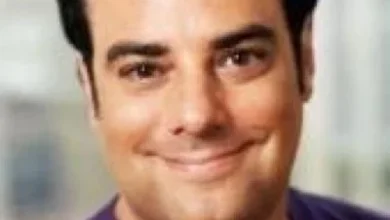
Philanthropist Jeff Atwood Unveils $50 Million Pledge to Revitalize American Dream Through Guaranteed Minimum Income Initiative

New York City – Philanthropist and entrepreneur Jeff Atwood, known for his work in the technology sector and his popular blog Coding Horror, announced a multi-faceted initiative to address the erosion of the American Dream, culminating in a $50 million pledge towards a Guaranteed Minimum Income (GMI) program in rural American communities. Speaking at the historic Cooper Union’s Great Hall, alongside Lieutenant Colonel Alexander Vindman, Atwood articulated a vision for a shared American Dream, emphasizing that its true realization lies in universal accessibility.
The event, held at a venue renowned for hosting pivotal speeches by figures like Abraham Lincoln and Susan B. Anthony, underscored the gravity of the discussion: the contemporary state and future viability of the American Dream. Atwood’s address highlighted an escalating crisis of wealth concentration and economic insecurity, which he argues is actively impeding millions of Americans from achieving fundamental life goals. His presentation was based on his recent essay, "Stay Gold, America," which proposes concrete steps to combat these systemic challenges.

Redefining the American Dream in the 21st Century
Atwood began by revisiting the foundational definition of the American Dream, as coined by James Truslow Adams in 1931 during the depths of the Great Depression. Adams described it not merely as a pursuit of material wealth, but as "a land in which life should be better and richer and fuller for everyone, with opportunity for each according to ability or achievement… a dream of social order in which [everyone] shall be able to attain to the fullest stature of which they are innately capable, and be recognized by others for what they are, regardless of the fortuitous circumstances of birth or position."
This aspirational definition, Atwood contended, necessitates a collective commitment to sharing opportunity. His personal reflection, inspired by a high school theatre performance of S.E. Hinton’s The Outsiders and its iconic "stay gold" mantra, led him to conclude that the American Dream is incomplete until it is shared. This interpretation posits that individual success is intrinsically linked to the well-being and potential of the broader community, advocating for an ethos of collective upliftment rather than isolated achievement.
A Two-Part Pledge for Immediate and Long-Term Impact
Atwood’s initiative is structured into two distinct phases, beginning with immediate, substantial philanthropic contributions and extending to a long-term commitment to systemic change.

Immediate Impact: $8 Million in Philanthropic Support
The first part of Atwood’s "Pledge to Share the American Dream" involved eight individual $1 million donations to a diverse array of non-profit organizations. These groups represent critical pillars of societal support, addressing immediate needs and advocating for fundamental rights:
- Team Rubicon: Providing disaster relief and veteran reintegration.
- Children’s Hunger Fund: Combating child hunger.
- PEN America: Defending free expression and literary rights.
- The Trevor Project: Offering crisis intervention and suicide prevention for LGBTQ youth.
- NAACP Legal Defense and Educational Fund: Advancing racial justice through legal action and education.
- First Generation Investors: Educating high school students from underserved communities on financial literacy.
- Global Refuge: Supporting refugees and immigrants.
- Planned Parenthood: Delivering reproductive healthcare services.
Beyond these humanitarian and advocacy groups, Atwood’s family also made significant $1 million donations to reinforce critical digital infrastructure. Recipients included Wikipedia, The Internet Archive, The Common Crawl Foundation, and Let’s Encrypt, alongside investments in independent internet journalism and various open-source software projects. This allocation reflects a belief in the democratizing power of accessible information and robust digital commons. Atwood encouraged other Americans to contribute to charities they believe are effectively addressing current needs, emphasizing the collective responsibility in fostering societal well-being.
Long-Term Vision: $50 Million for Foundational Change
Recognizing that short-term fixes are insufficient, the second and more ambitious part of the pledge commits half of Atwood’s remaining wealth over the next five years to foundational long-term efforts. This substantial commitment, amounting to approximately $50 million, is specifically earmarked for ensuring equitable access to the American Dream for all citizens, with a primary focus on establishing and studying Guaranteed Minimum Income programs.
The Looming Shadow of the Second Gilded Age
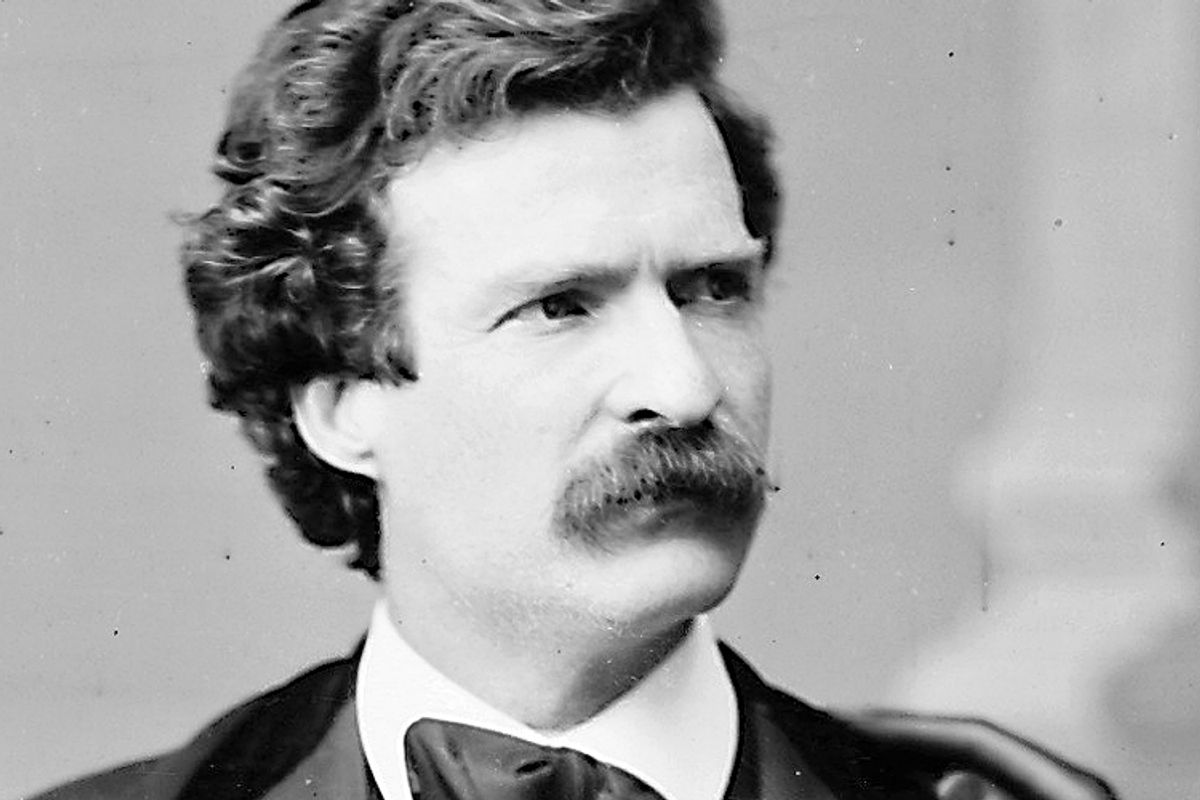
Atwood’s address delved into the historical context of wealth concentration, drawing stark parallels between contemporary America and the late 19th-century "Gilded Age." This era, named by historians referencing Mark Twain’s 1873 novel, The Gilded Age: A Tale of Today, was characterized by rapid industrialization, vast economic growth, but also extreme wealth disparity and widespread social unrest. Events like the Homestead Strike of 1892, which saw deadly confrontations between striking workers and Pinkerton guards, highlighted the brutal consequences of unchecked corporate power and a lack of worker protections. Hazardous working conditions, inadequate safety regulations, and a prioritization of profit over human welfare were rampant, leading to thousands of deaths in factories, mines, and railroads.
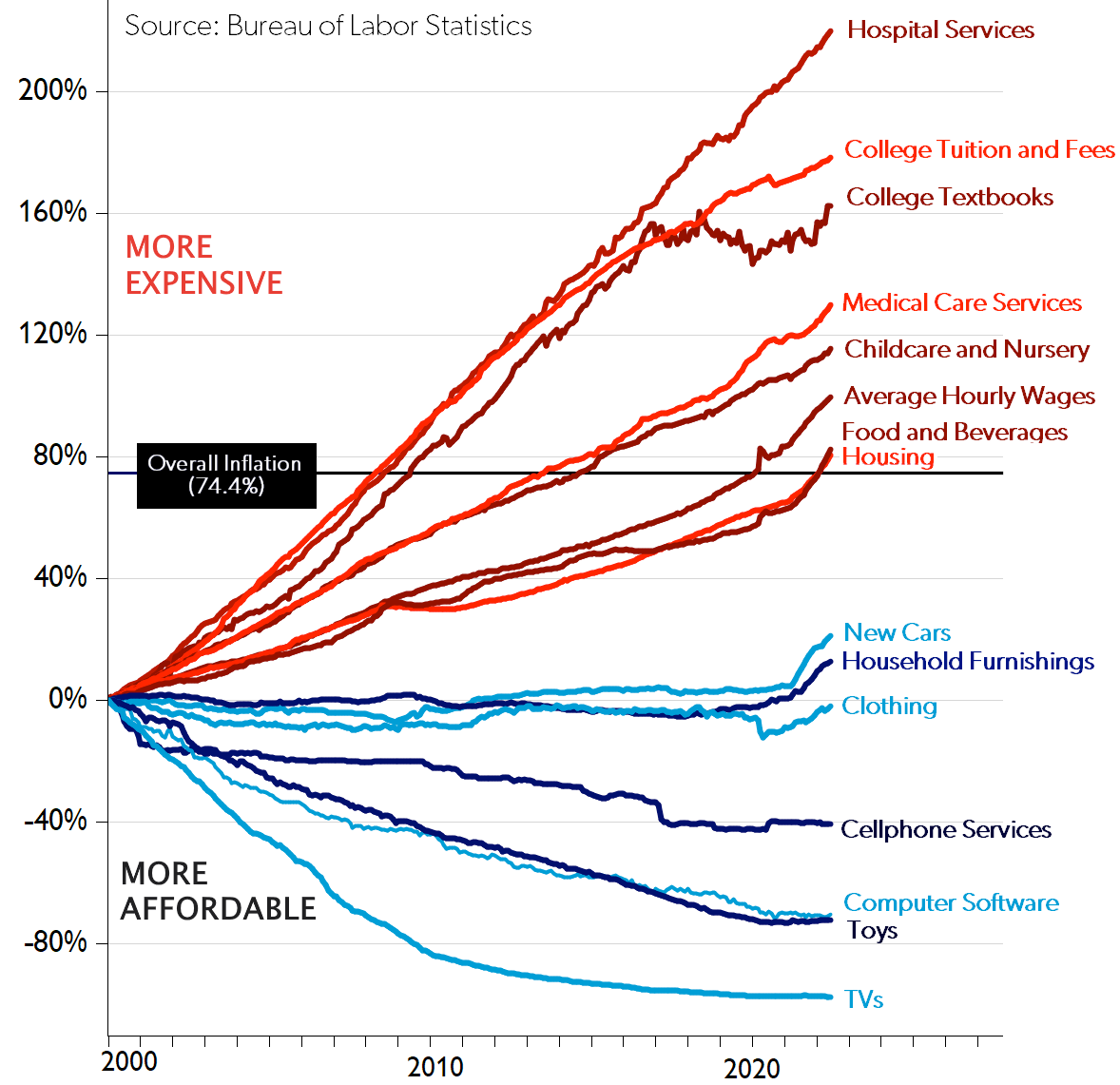
Atwood pointed to a 2012 video by Politizane that first alerted him to the alarming trend of wealth inequality. Subsequent data, particularly from 2021, showed that the top 1% of households controlled 32% of all wealth, while the bottom 50% possessed a mere 2.6%. This disparity has reportedly intensified in the intervening four years, leading Atwood to declare that America has entered "The First Gilded Age" – implying the current period represents a second, and perhaps even more extreme, iteration.
In this "second Gilded Age," the path to the American Dream is increasingly obstructed for many. Barriers such as unaffordable education, lack of accessible healthcare, and a severe shortage of affordable housing trap individuals in cycles of debt and instability. Atwood lamented that without a stable foundation, millions are denied the freedom to pursue careers, acquire new skills, start businesses, or even make fundamental life choices like where to raise children or whether to have them at all. This, he argued, represents a "profound betrayal of everything we ever dreamed about" as a nation, undermining the core tenets of "Life, Liberty, and the Pursuit of Happiness" enshrined in the Declaration of Independence.
The Historical Precedent for Guaranteed Income
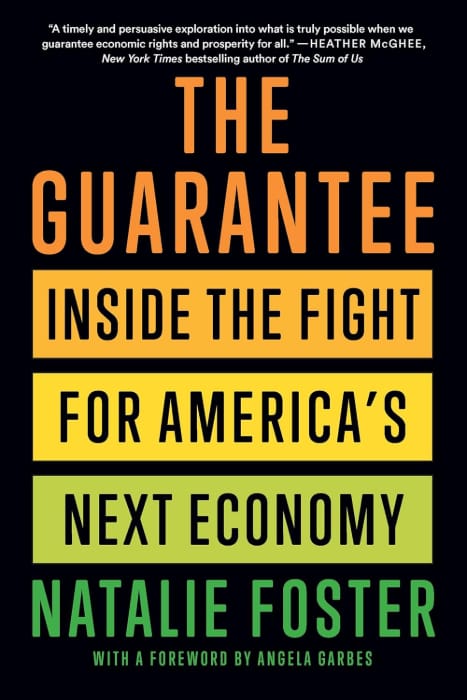
Atwood, citing Natalie Foster, co-founder of the Economic Security Project, presented Guaranteed Minimum Income (GMI) as a potent solution to unlock vast untapped human potential, particularly in the poorest areas where financial assistance can have the most transformative effect. He underscored that GMI is not a novel concept but rather an evolution of long-standing American efforts to provide economic security.
A Brief Chronology of Guaranteed Income Concepts in America:
- 1797: Thomas Paine’s Proposal: Paine, in his treatise Agrarian Justice, advocated for a form of national dividend funded by estate taxes, providing a pension for the elderly and a lump sum payment to young adults. While not implemented, it planted an early seed for universal economic support.
- 1935: Social Security Act: Born out of the economic devastation of the Great Depression, President Franklin D. Roosevelt’s New Deal introduced Social Security, providing a guaranteed income for retirees. Before its implementation, nearly half of all seniors lived in poverty; today, that figure has dropped to approximately 10%, demonstrating the program’s profound impact.
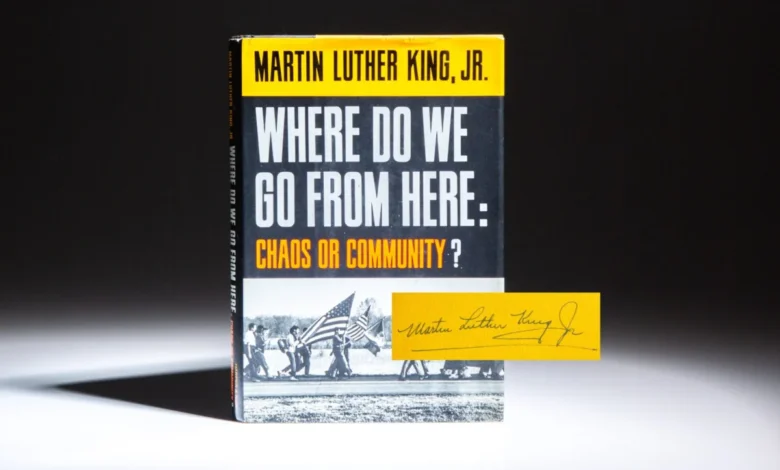
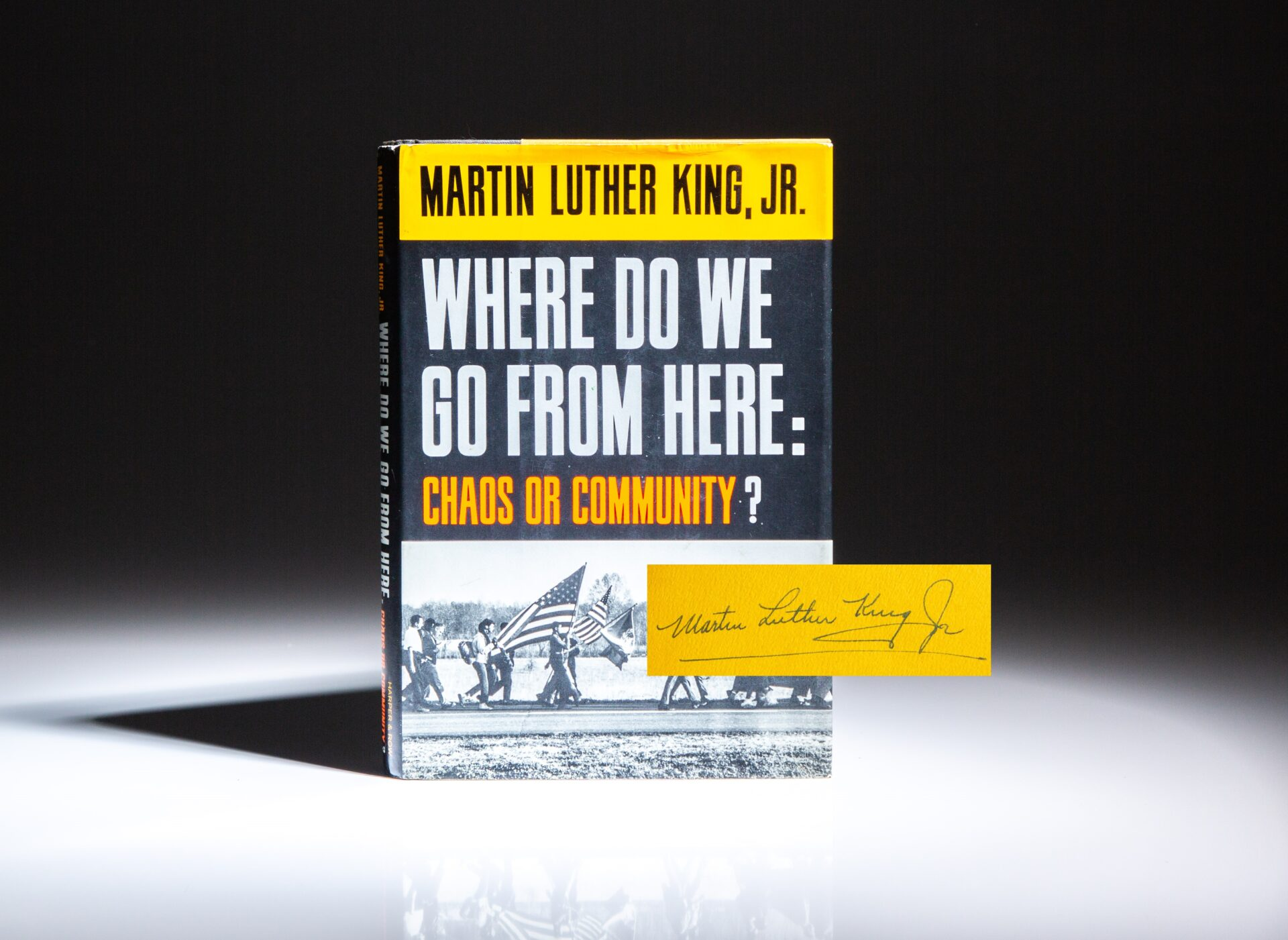
- 1967: Martin Luther King Jr.’s Advocacy: In his book Where Do We Go From Here: Chaos or Community?, Dr. King made a powerful moral case for Universal Basic Income (UBI), arguing that economic insecurity was a root cause of all inequality. He saw direct cash disbursements as the simplest and most effective way to combat poverty.
- 1972: Supplemental Security Income (SSI): Congress established SSI to provide direct cash assistance to low-income elderly, blind, and disabled individuals with minimal income. These funds are intended for essential needs like food, housing, and medical expenses, offering a vital safety net. As of January 2025, over 7.3 million Americans receive SSI benefits.
- 1975: Earned Income Tax Credit (EITC): The Tax Reduction Act introduced the EITC, a refundable tax credit benefiting working-class parents with children. Designed to incentivize work and supplement low wages, the EITC lifted approximately 6.4 million people, including 3.4 million children, out of poverty in 2023, making it the second most effective anti-poverty tool after Social Security, according to the Census Bureau.
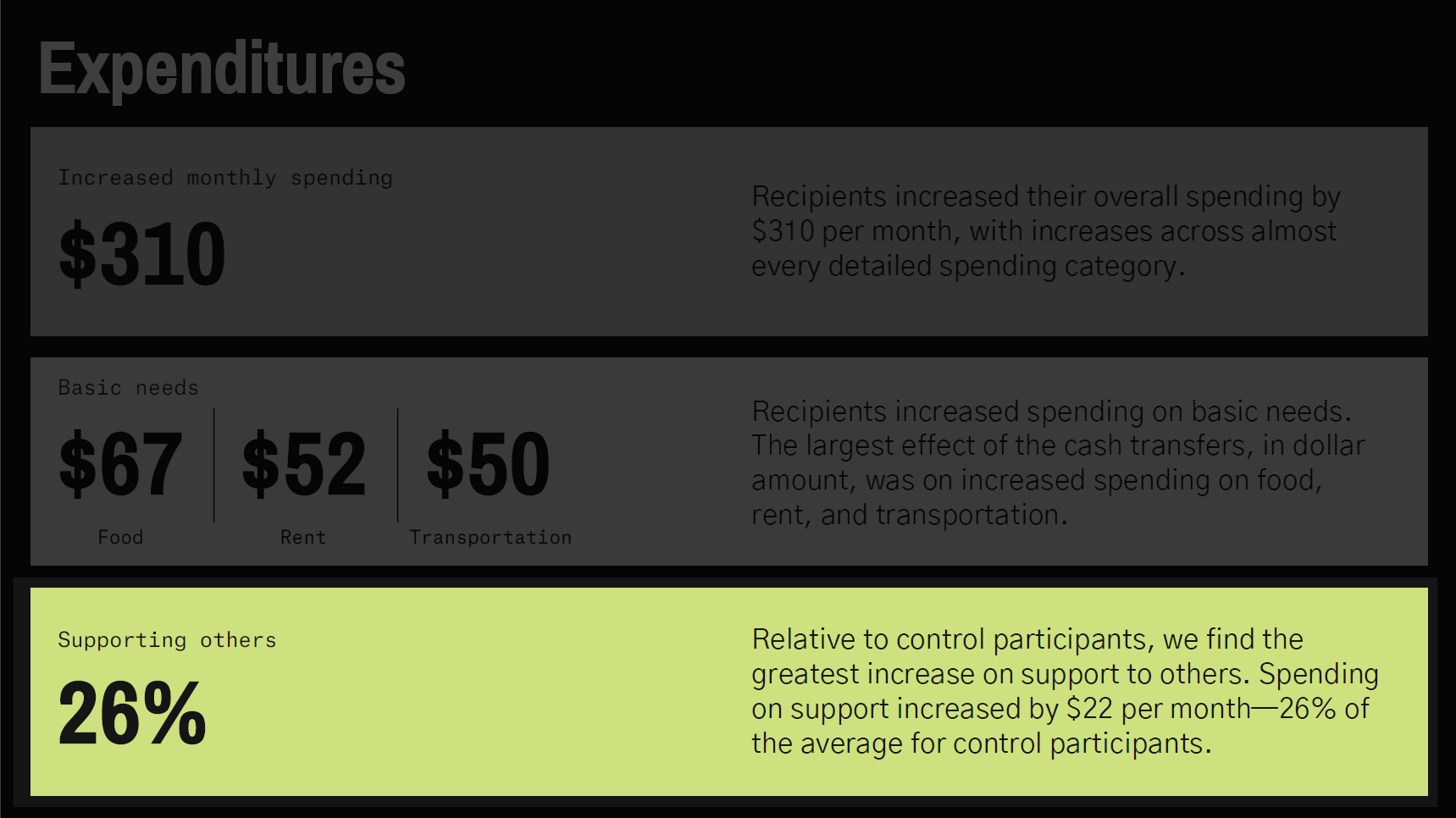
- 2019: Stockton Economic Empowerment Demonstration (SEED): Directly inspired by Dr. King’s vision, then-26-year-old Mayor Michael Tubbs launched the SEED program in Stockton, California. This $3 million demonstration provided 125 residents with $500 per month in unconditional cash payments for two years. The program yielded compelling results, showing improved financial stability, increased full-time employment rates, and enhanced overall well-being among recipients.
These historical precedents, Atwood argued, lay the groundwork for a broader, more systematic implementation of GMI. He invoked Robert Frost’s "The Road Not Taken," suggesting that GMI represents "the path less traveled by" – a simpler, more practical, and scalable approach to directly address economic insecurity with minimal bureaucracy.
Launching the Rural GMI Initiative: Partnerships and Methodology
Atwood announced a strategic partnership with GiveDirectly, a leading organization in direct cash transfer research, and OpenResearch, which recently completed the largest and most detailed GMI study in the United States in 2023. Together, they aim to launch a new GMI initiative specifically targeting rural American communities.
The focus on rural areas is driven by compelling data. Rural counties consistently exhibit higher poverty rates, fewer job opportunities, lower wages, and worse access to healthcare and education compared to urban areas. Long-standing poverty is evident in regions like Appalachia, the Mississippi Delta, and American Indian reservations, with some counties, such as Oglala Lakota, SD (55.8% poverty rate), and McDowell, WV (37.6% poverty rate), experiencing extreme levels. This demographic reality, supported by data from the US Census and USDA Economic Research Service, indicates that rural poverty presents a particularly intractable challenge.
Furthermore, the smaller populations in rural areas offer an ideal environment for tightly controlled, scalable studies. This methodological approach will allow the partners to gather robust scientific data on GMI’s efficacy, refining programs for potential broader implementation.
Key Components of the Rural GMI Initiative:

- Targeted Communities: Initial efforts will focus on a few counties with which Atwood has a personal connection and that have remained in poverty for decades. These specific locations were not publicly named during the initial announcement but are expected to be identified in subsequent project phases.
- Local Collaboration: The initiative will work with existing local groups to coordinate GMI studies, allowing community members to voluntarily enroll. This approach emphasizes local ownership and integration with existing support systems.
- Veteran Engagement: Veterans are envisioned to play a crucial role, leveraging their leadership skills and commitment to community service to support and execute GMI programs. This involvement seeks to embed core American values of self-reliance and community service within the initiative.
- Community Partnerships: Collaboration with established community organizations – including churches, civic groups, community colleges, and local businesses – will ensure that GMI studies are well-integrated and supported within the existing social fabric, avoiding the creation of parallel, potentially inefficient, systems.
- Rigorous Data Collection: GiveDirectly and OpenResearch will build upon their extensive experience, collecting comprehensive data on key metrics such as employment rates, entrepreneurship, educational attainment, health outcomes, and community engagement. Regular participant interviews will provide qualitative insights, fostering an adaptive and responsive program design.
Broader Implications: Economic Security as the Bedrock of Democracy
Atwood stressed that economic security transcends individual well-being; it forms the very bedrock of a healthy democracy. When individuals are freed from the constant anxiety of basic survival – securing food, shelter, and healthcare – they gain the "room to breathe" and the freedom to pursue higher aspirations. This newfound freedom, he argued, empowers them to raise their children, start businesses, choose their work, engage in civic volunteering, and crucially, participate more fully and meaningfully in the democratic process through informed voting.
He framed the initiative not as an ideological or governmental dictate, but as a collective American investment in the future, with the potential to unlock human potential on an unprecedented scale. Citing existing study data, Atwood affirmed that even modest financial assistance can be profoundly transformative for individuals in poverty, enabling them to move beyond mere survival towards self-actualization.
The GMI initiative is presented as a long-term investment aligned with the evolving spirit of the Declaration of Independence, which, despite its historical imperfections, laid out malleable ideals intended to adapt and improve over time.
The Legacy of Aaron Swartz: A Call to Activism
Atwood concluded his address by invoking the legacy of Aaron Swartz, a precocious programmer and internet activist who made significant contributions to RSS, Reddit, and Creative Commons. Swartz championed universal access to information, believing that publicly funded knowledge should be freely available. His efforts to download public domain court documents from PACER and academic articles from JSTOR, aiming to make them accessible to all, led to his arrest and aggressive federal prosecution. Despite JSTOR declining to press charges and MIT calling for leniency, Swartz faced severe legal pressure, ultimately leading to his tragic suicide at the age of 26.
Swartz’s story, Atwood posited, serves as a powerful reminder of the importance of choosing to be an activist, to be brave, and to stand up for defining American principles of public good and equality. He urged his audience to embody this spirit, reflecting on the historical memorial service held for Swartz in that very hall eight days after his death.
A Call to Collective Action
Atwood presented two primary calls to action:
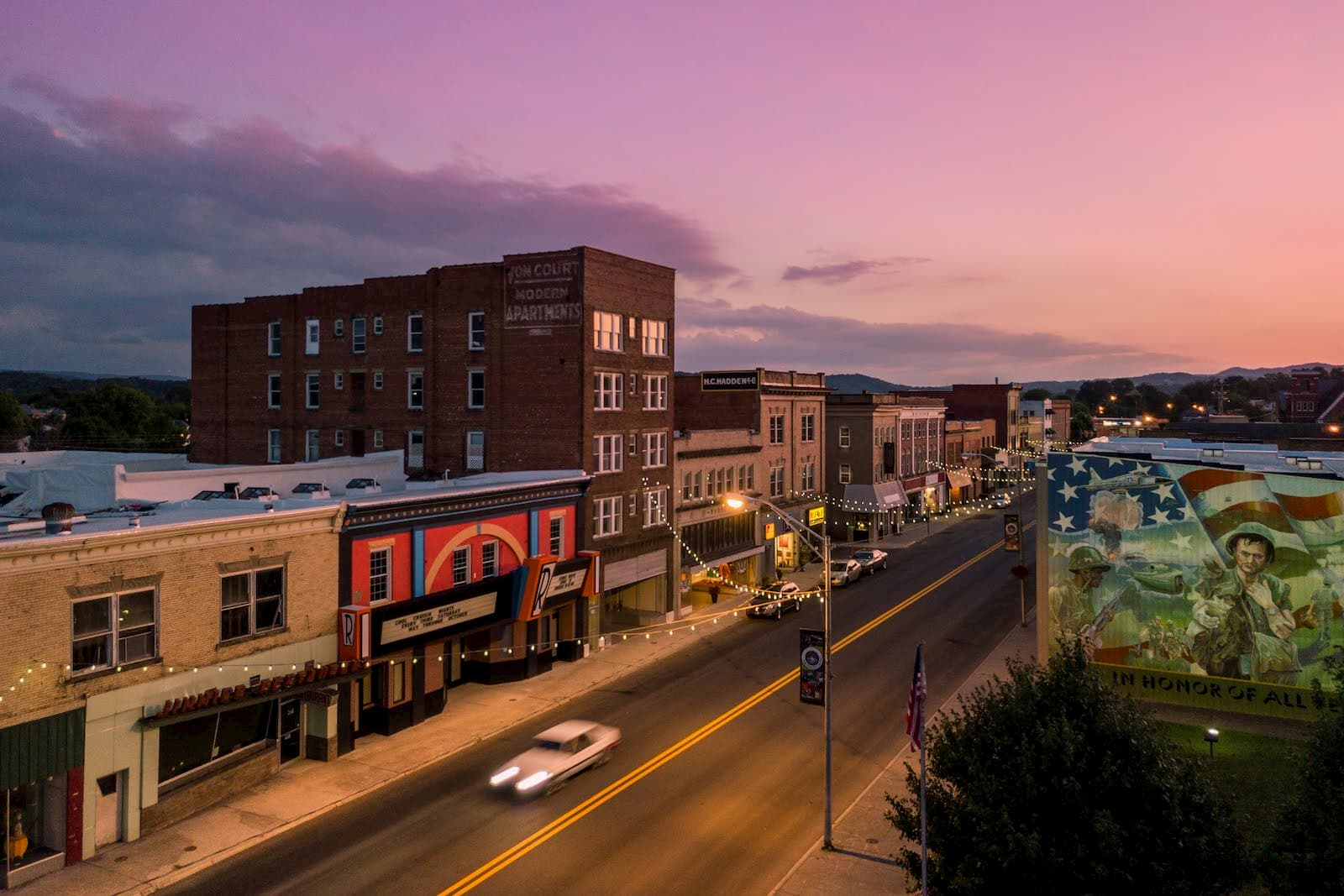
- Reflect on the meaning of the American Dream: He urged individuals to consider what parts of the dream they still hold in common and what it truly means to share it.
- Actively participate in sharing the American Dream: Whether through philanthropic contributions, community engagement, or advocating for systemic changes like GMI, Atwood encouraged all Americans to contribute to this grand experiment.
With his family committing $50 million to this endeavor, Atwood expressed hope that this seed investment would inspire broader participation. He envisioned a future where subsequent generations would look back and marvel at the time it took for America to fully embrace the concept of sharing a better, richer, and fuller life with all its citizens. The ultimate goal, he reiterated, is to ensure everyone has a fair chance at "Life, Liberty, and the pursuit of The American Dream," fulfilling the nation’s founding promise.