Salesforce Data Security: Navigating the Shared Responsibility Model in the Age of Hyperforce

Salesforce data security is defined by a multi-layered architecture that integrates resilient cloud infrastructure, rigorous technical controls, and transparent service monitoring, while placing the responsibility for user and data administration firmly in the hands of the customer. As enterprises continue to migrate critical workflows to the cloud, understanding this "shared responsibility" boundary has become the cornerstone of corporate risk management. The platform’s evolution from a single-tenant mindset to a global, multi-tenant ecosystem—culminating in the Hyperforce architecture—represents one of the most significant shifts in SaaS infrastructure over the past two decades.
The Evolution of Salesforce Infrastructure
The architecture of Salesforce has undergone a radical transformation since its inception. Initially designed to serve a smaller pool of users, the platform faced its first major test of scale between 2005 and 2006. During this period, the company experienced a series of service disruptions that highlighted the fragility of early SaaS models. These outages served as a catalyst for a paradigm shift, forcing Salesforce to pivot toward a more transparent, robust, and horizontally scalable infrastructure.
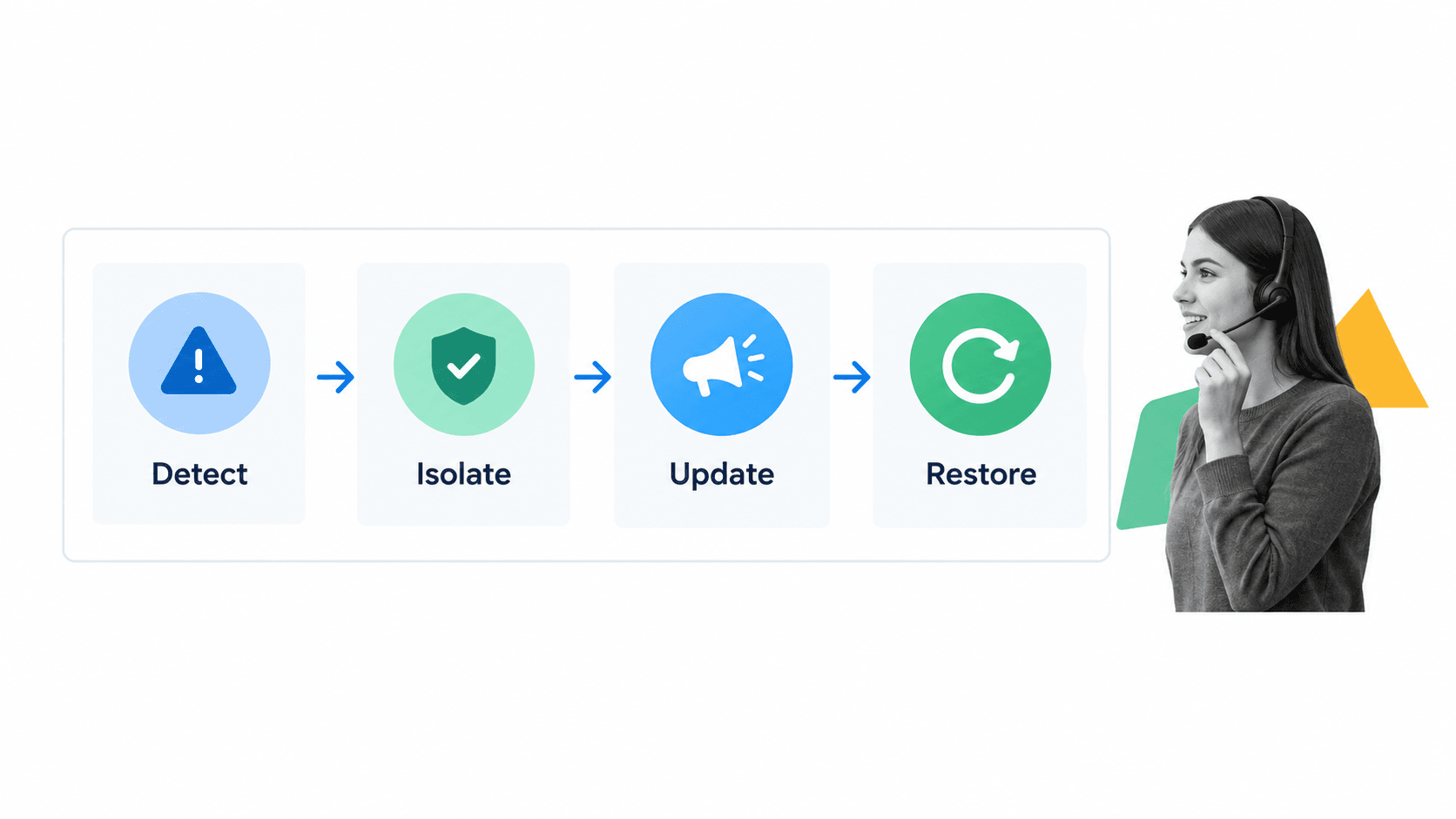
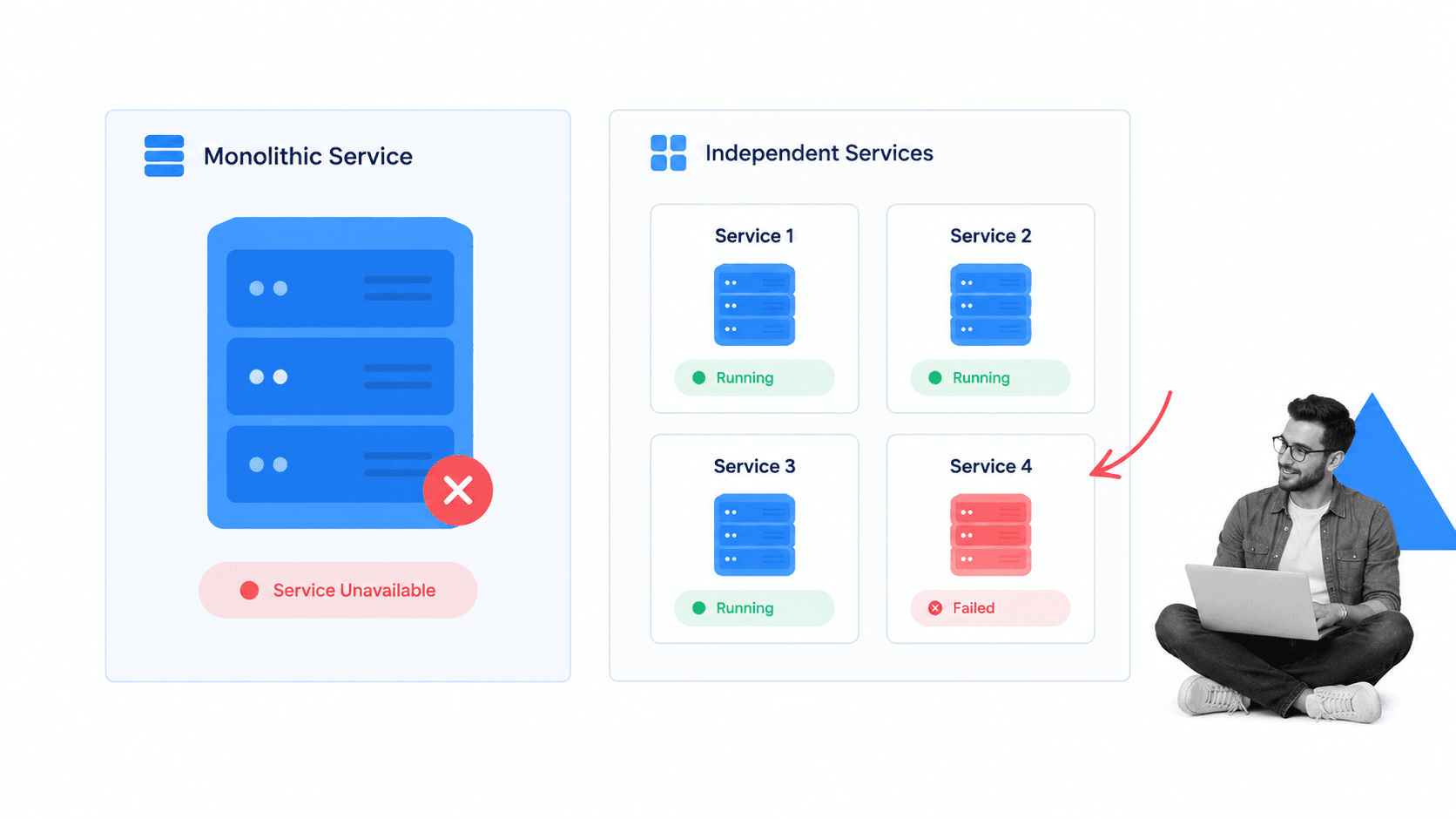
The 2007 THINKstrategies profile of the era underscored that this was a pivotal moment for the cloud industry. By launching the public-facing "Trust" site, Salesforce set a new industry benchmark for operational transparency. This move was not merely a public relations exercise; it was an admission that service-level accountability was the only way to earn the trust of corporate clients who were historically accustomed to maintaining their own on-premises data centers. By moving away from monolithic, single-server setups to a model of independent instances, Salesforce pioneered a strategy of fault isolation. This meant that if one instance experienced a failure, it could be cordoned off, diagnosed, and repaired without affecting the global user base.
The Dawn of Hyperforce
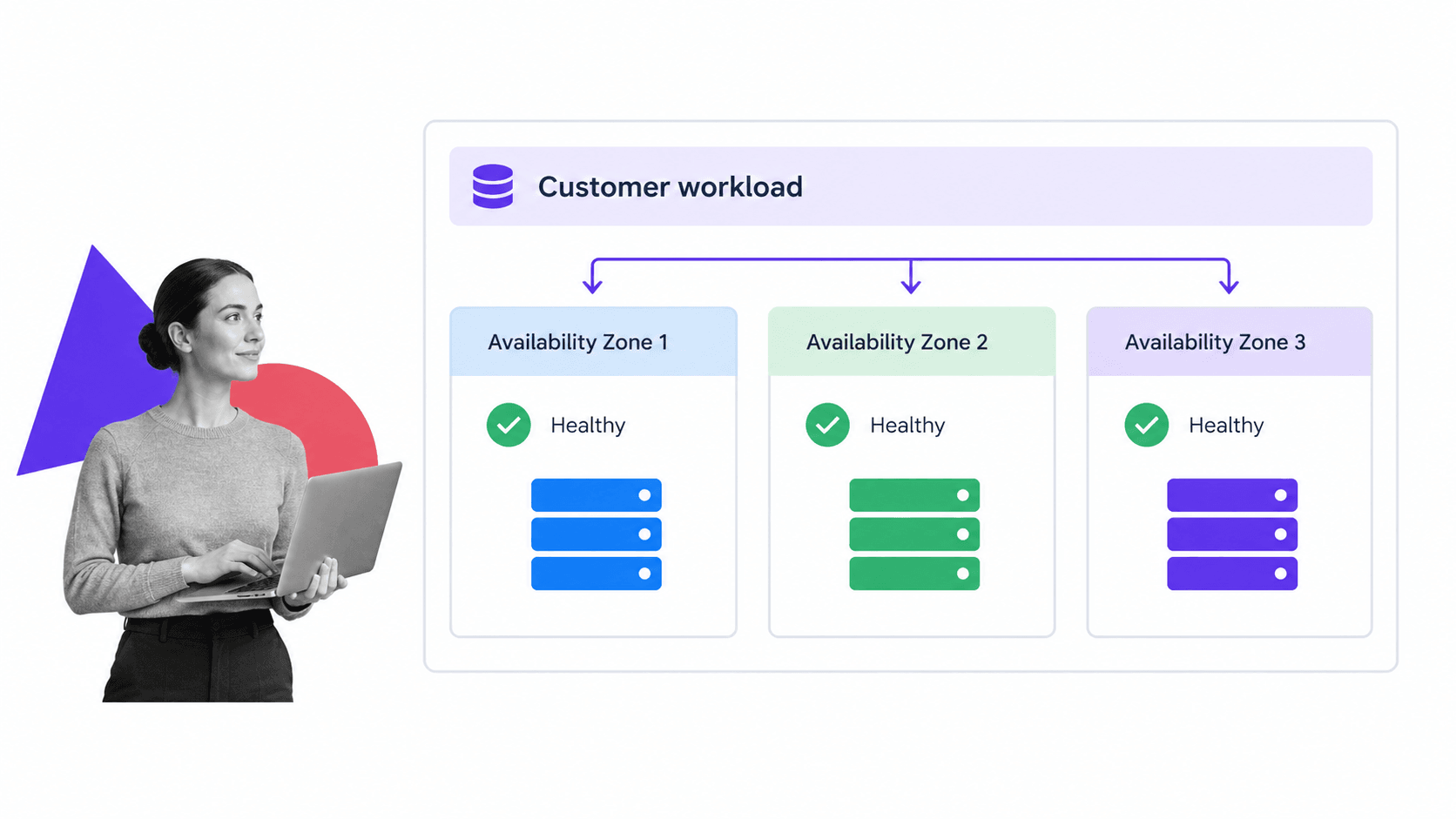
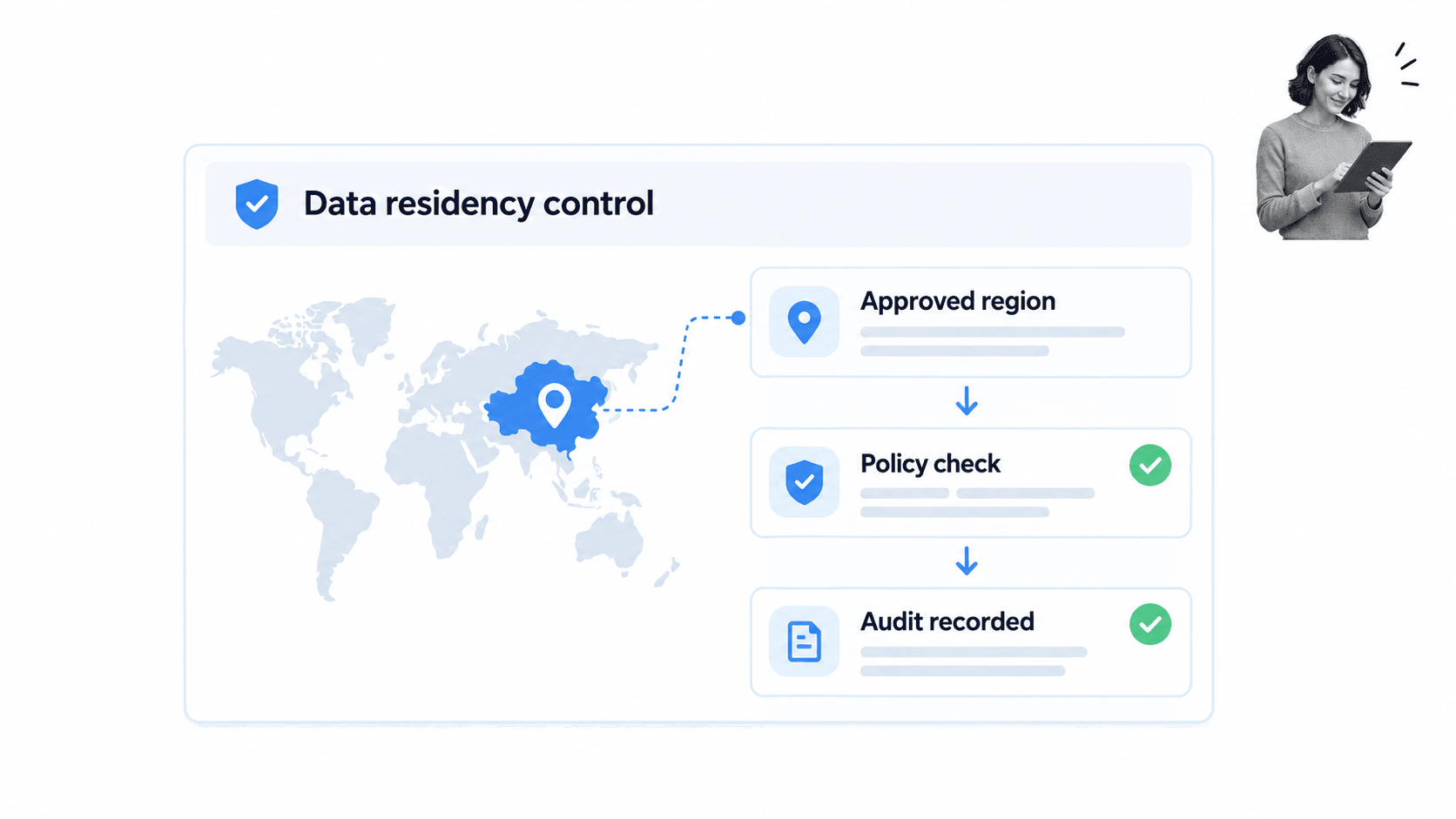
Today, the platform has transitioned to Hyperforce, a next-generation architecture designed to run Salesforce services on major public-cloud infrastructure. Hyperforce is built on the principles of infrastructure-as-code, zero-trust security, and least-privilege access. Unlike the legacy instances, which were tied to specific physical data centers, Hyperforce allows for more dynamic workload distribution across various cloud regions. This evolution ensures that as data volumes grow and transaction rates accelerate, the platform can scale without incurring the latency or security vulnerabilities associated with older, rigid architectures.
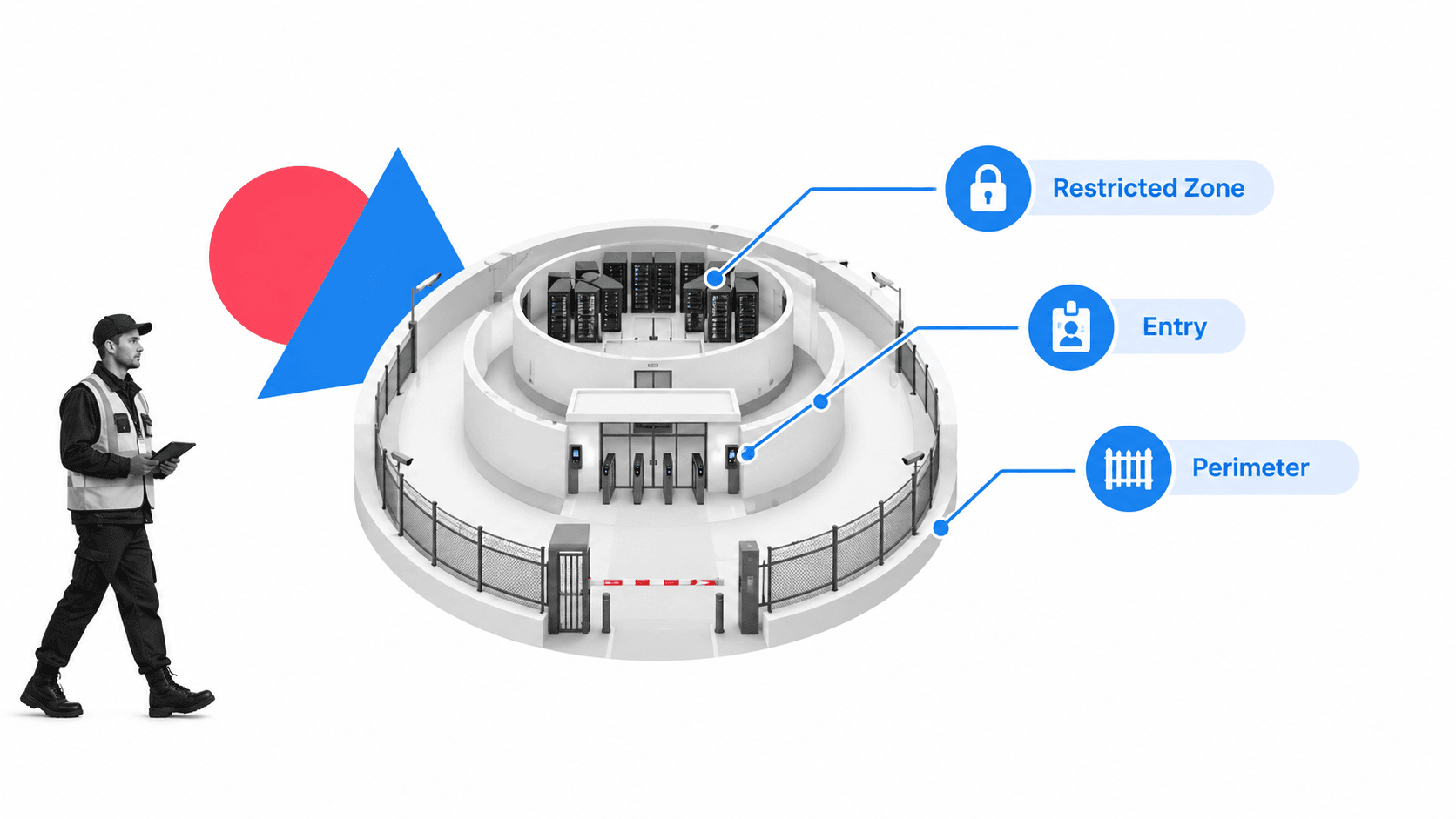
Central to this modern approach is the concept of "defense in depth." This security strategy assumes that no single control—whether it be an encryption key, a firewall, or a password—is sufficient. Instead, Salesforce employs a layering of security protocols. Facility security, for instance, remains a foundational layer. While the public-cloud model has shifted the physical oversight to infrastructure partners, the rigorous requirements for restricted facility access, redundant networking, and environmental safeguards remain intact. These physical controls are audited and documented in the company’s comprehensive Trust and Compliance reports, providing a factual basis for customer risk assessments.
The Shared Responsibility Framework
Despite the sophistication of the Salesforce backend, the platform is not an impenetrable "black box." The most common security failures in cloud environments do not typically arise from a breach of the platform itself, but from improper configuration by the customer. This is where the shared responsibility model becomes critical. While Salesforce is responsible for the platform’s availability and the integrity of its infrastructure, the customer retains full control over the "human and logical" layer of the stack.
This includes, but is not limited to, the management of user identities, the enforcement of multi-factor authentication (MFA), the auditing of connected applications, and the definition of data-access permissions. If an administrator grants excessive privileges to an unvetted third-party integration, the platform’s robust encryption and physical security measures become effectively moot. Consequently, security teams are now tasked with treating their Salesforce instance as a critical business asset that requires constant, iterative management rather than a "set-and-forget" implementation.
Operational Discipline as a Security Measure
Operational discipline is increasingly recognized as a key component of the security model. Rushed deployments, poorly documented changes, and a lack of telemetry can create security gaps as significant as any external exploit. As transaction volumes rise, the coordination of deployments, routing, and incident response must be handled with extreme precision.
Salesforce has long advocated for the use of "Red Teams" and "Blue Teams"—internal groups that simulate attacks and practice defensive maneuvers—to stress-test these operational processes. This approach ensures that when a vulnerability is discovered, it is not simply patched in isolation. Instead, the finding is fed into a closed-loop improvement process where the root cause is analyzed to see if it exists in parallel systems, preventing similar issues from surfacing elsewhere.
Key Security Pillars for Modern Organizations
For organizations operating within the Salesforce ecosystem, several technical controls serve as the first line of defense:
- Stateful Packet Inspection and Network Controls: Modern cloud security has evolved beyond simple perimeter firewalls. Today, complex network and application controls monitor the attributes of trusted connections, filtering out traffic that does not adhere to established protocols.
- Privileged Access Management: The use of "bastion hosts" or jump servers is being replaced by identity-aware proxies and audited, time-limited access workflows. This ensures that administrative actions are always attributable, reviewable, and revocable.
- Encryption in Transit and at Rest: TLS (Transport Layer Security) is essential for protecting data moving between clients and the platform. Administrators must ensure that all integrations use current, supported TLS versions and that obsolete cryptographic standards are systematically retired.
- Continuous Learning: Tools like Trailhead have become vital for training administrators on the nuances of object, field, and record-level security. Security in this context is not a one-time training exercise; it is an ongoing process of monitoring, review, and policy adjustment.
The Broader Implications for Enterprise IT
The implications of this security model extend far beyond Salesforce. As businesses adopt more SaaS platforms, they must integrate their compliance operations into a repeatable workflow. Using modern platforms like Process Street, teams are now able to bridge the gap between technical controls and administrative oversight. By defining policies as code and using automated workflows to handle approvals and evidence collection, organizations can move away from static, disconnected checklists.
This shift toward automated, compliance-driven operations is the only viable path forward as the complexity of cloud environments grows. The goal is to move from a state of reactive patching to a proactive, evidence-based security posture. Every security decision, from the implementation of MFA to the regular auditing of connected apps, should be mapped to a clear, defensible, and repeatable process.
Conclusion: A Path to Resilient Operations
The history of Salesforce serves as a roadmap for the modern SaaS industry. By acknowledging the limits of its own infrastructure and embracing a culture of transparency, the company has survived the transition from a startup to a global utility. The lessons learned during the 2005-2006 outages—that isolation, redundancy, and accountability are non-negotiable—remain the pillars of its current success.
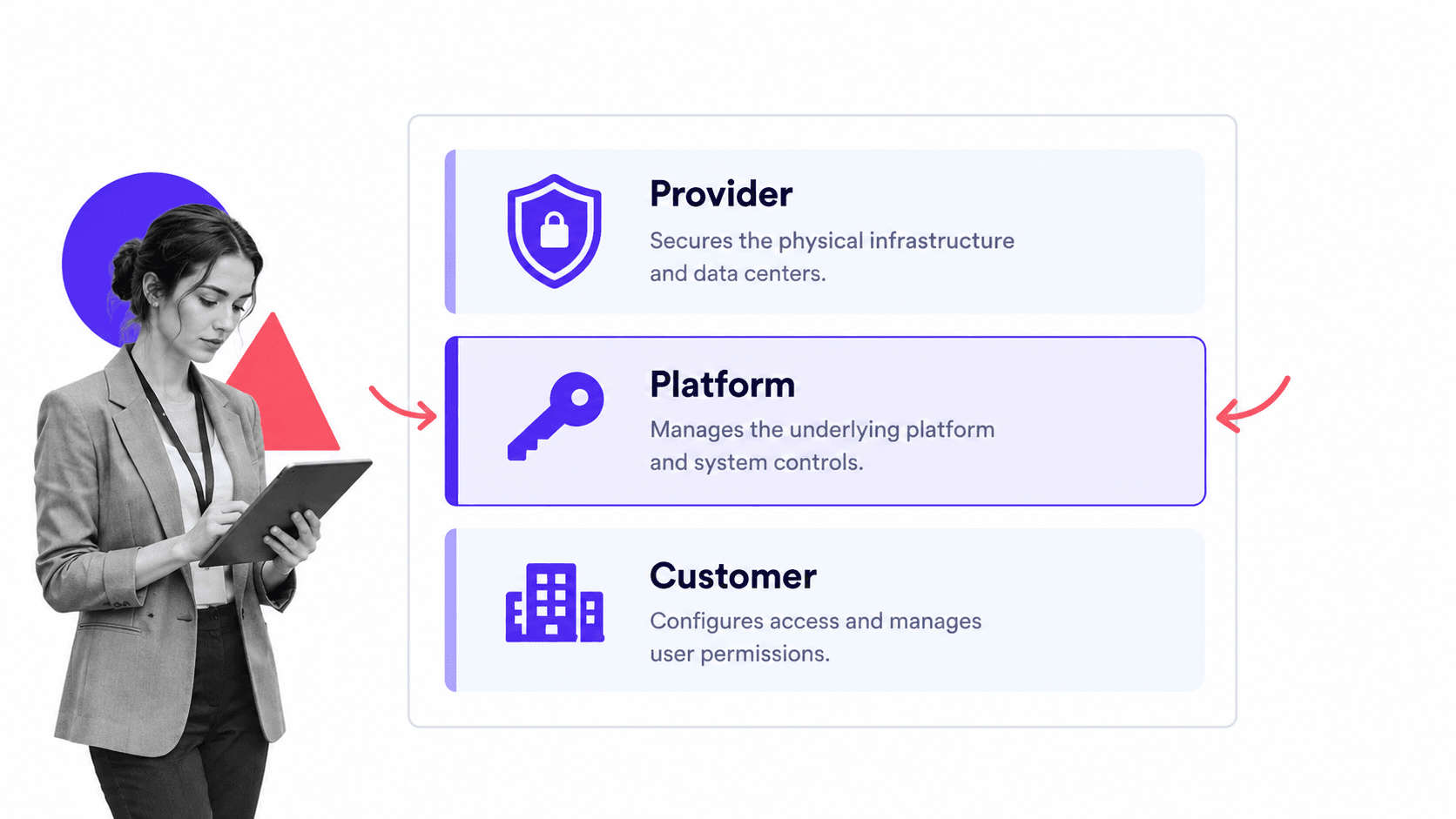
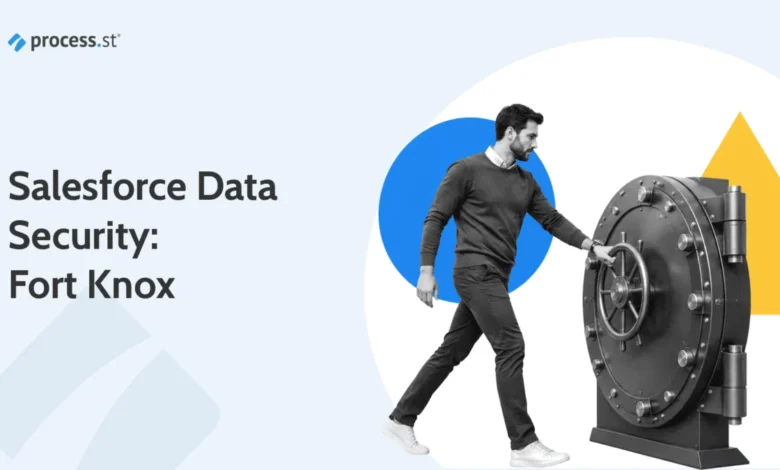
For the modern enterprise, the directive is clear: Salesforce provides the "vault," but the customer holds the keys. Security is not a product that can be purchased, but a state of operational discipline that must be cultivated. By mapping shared responsibilities, inventorying integrations, and maintaining a constant, audit-ready stance, organizations can leverage the power of the cloud while mitigating the risks inherent in an interconnected, digital-first economy. As the platform continues to evolve through Hyperforce, the ability to manage this complexity through rigorous, automated governance will be the ultimate differentiator for businesses in the years to come.