National Audit Office Report Reveals HS2 Costs Could Reach £102 Billion and Highlights Systemic Project Management Failures

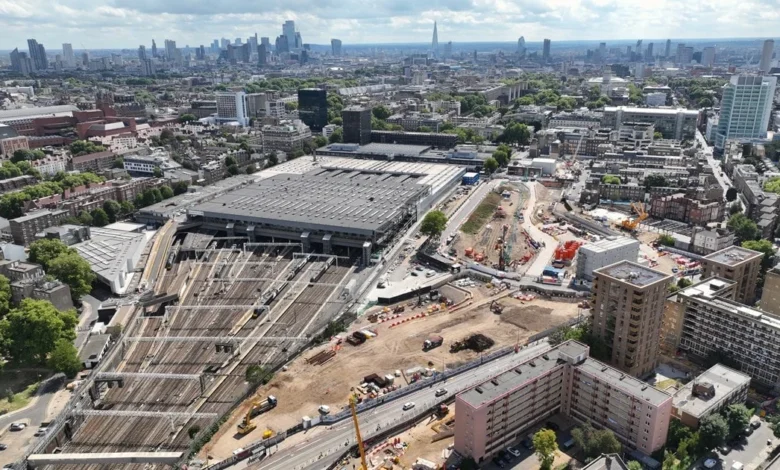
The High Speed Two (HS2) railway project faces a staggering projected final cost between £87.7 billion and £102.7 billion, with the full completion date delayed by up to 13 years, according to a comprehensive report published by the National Audit Office (NAO). Titled "High Speed Two Reset," the June 2026 audit sheds light on the complex governance challenges, underestimation of construction difficulties, and institutional structural flaws that have plagued the UK’s flagship infrastructure undertaking. The findings demonstrate how a major civil engineering programme can fundamentally outgrow the organization originally established to deliver it, prompting critical evaluations across the public and private sectors regarding large-scale project management.
Main Facts and Current Status of the Project
Originally envisioned as a transformative high-speed rail network connecting London, the Midlands, and the North of England, HS2 has been systematically scaled back. Following successive policy shifts, cancellations, and budgetary reviews, the initiative is currently structured as a high-speed railway operating primarily between London and Birmingham.
The financial and temporal trajectory of the project underscores the extent of the revisions. Revised cost estimates published in May 2026 place the total expenditure range between £87.7 billion and £102.7 billion. This represents an estimated increase of £35.9 billion to £37.2 billion in real terms since the 2020 baseline, excluding the impact of macroeconomic inflation. Cumulatively, total expenditures—including costs associated with the now-cancelled Phase 2 northern legs—reached £46.8 billion by March 2026.
Operational timelines have similarly shifted outward. Initial passenger services running between Old Oak Common and Birmingham are now scheduled to commence between May 2036 and October 2039. The operational launch of the full line, extending into central London at Euston and north of Birmingham, is anticipated between May 2040 and December 2043. Compared against original planning assumptions, these schedules represent delays ranging from 3 to 13 years. Furthermore, the administrative cost of conducting the current programmatic reset alone has reached £153 million, with the overarching restructuring process scheduled to conclude in spring 2027.
Chronology of Resets and Structural Changes
The path to the 2026 NAO report has been marked by repeated organizational overhauls and strategic curtailments. The chronology of the project highlights recurring difficulties in establishing stable operational baselines:
- 2020: The UK government implemented the first major programmatic reset of HS2 alongside a distinct review of the Euston station development strategy.
- 2023: Subsequent reviews necessitated a second reset of the Euston terminus plans, culminating in the formal cancellation of Phase 2, which halted northward extensions toward Manchester and Leeds.
- January 2025: A newly appointed chief executive initiated a comprehensive review of HS2 Ltd, delivering a blunt assessment by March 2025 that identified severe institutional deficiencies, premature construction starts, and ineffective contract management.
- February 2026: Programme leadership reported the completion of 45 out of 124 legacy recommendations originating from earlier independent reviews.
- May 2026: The publication of updated cost and schedule bands by the NAO, prompting a multi-workstream organizational realignment designed to establish a credible baseline by spring 2027.
To address specific structural failures at the London terminus, authorities established a dedicated corporate entity, the Euston Delivery Company, intended to act as a "single directing mind" with the distinct authority to manage complex commercial and engineering trade-offs.
Supporting Data: Anatomy of Cost Increases
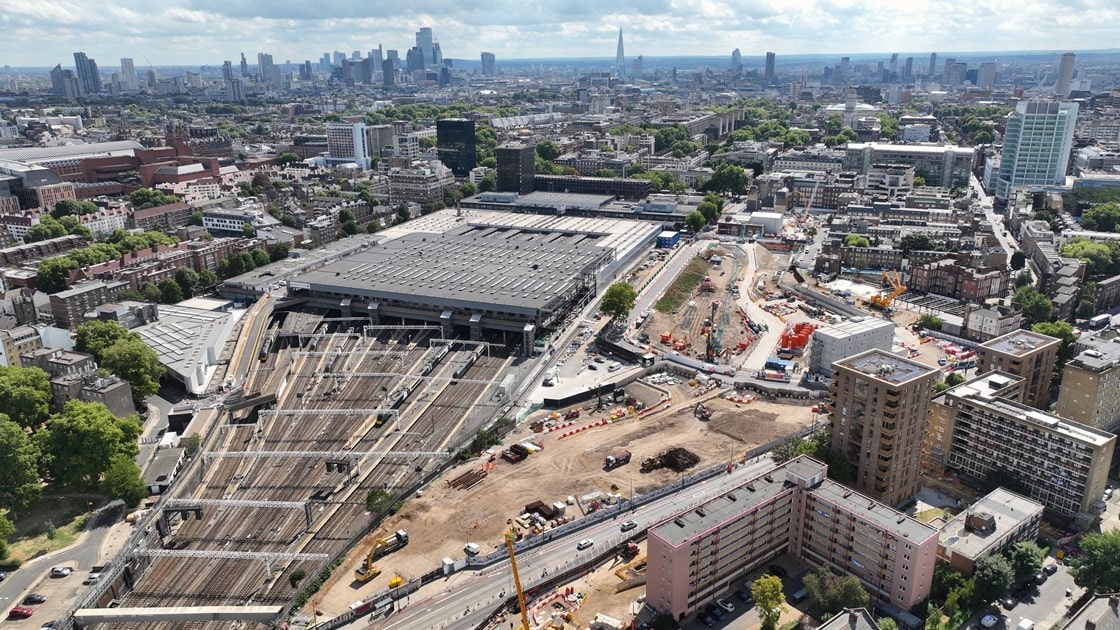
While macroeconomic inflation has frequently been cited in public discourse as a primary driver of infrastructure cost overruns, the NAO report indicates that inflationary pressures account for approximately 34 percent of the total expenditure increase above the 2020 funding envelope.
Internal analyses conducted by HS2 Ltd attribute the remaining two-thirds of the cost escalation to estimating and delivery challenges. Specifically, underestimation of the engineering, construction, and testing requirements accounts for 32 percent of the increase. Inefficient delivery and substandard productivity across executed works represent 23 percent of the surge, while unbudgeted scope changes and missed preparatory requirements constitute the remaining 11 percent.
To mitigate future exposure, program leadership has implemented strategic scope adjustments. Notably, the maximum operational speed of the rolling stock has been reduced from 360 km/h to 320 km/h. This engineering modification allows for the adoption of a simpler train control and signalling architecture, significantly reducing the volume of complex testing required prior to commissioning. This specific adjustment is projected to yield capital savings between £1 billion and £2.5 billion, while accelerating potential service entry by at least one year, albeit at the expense of an estimated £1.3 billion in long-term economic benefits derived from slightly longer journey times.
Official Responses and Governance Overhauls
The Department for Transport (DfT), which acts as the primary sponsor and funding body for the programme, has faced intense scrutiny regarding value for money. According to DfT metrics, had the current cost projections been recognized in 2020, the benefit-cost ratio of HS2 would have fallen to between 0.3 and 0.4, a threshold traditionally categorized as poor value for public investment. Nevertheless, government officials maintain that continuing construction remains economically rational when evaluating future expenditures independently of sunk costs already deployed.
The structural response to these findings centers on four core workstreams within the ongoing reset: reforming commercial relationships, rebalancing central corporate overheads against front-line delivery teams, improving data integrity, and reinforcing governance frameworks. Independent reviews, including the Stewart Review, emphasized that restoring institutional trust between the DfT and HS2 Ltd was a mandatory prerequisite for operational recovery. Consequently, revised decision-making protocols have been introduced to eliminate administrative duplication and shorten approval cycles for major engineering decisions.
Broader Impact and Lessons for Project Management
The systemic issues documented in the High Speed Two reset report carry significant implications for the broader engineering, procurement, and construction sectors. Industry analysts have highlighted several transferable lessons derived from the audit:
- Baselines and Timing: Initiating physical delivery before engineering designs, cost estimates, and risk assessments are fully matured severely limits an organization’s ability to control variances later in the lifecycle.
- Organizational Alignment: Downscaling the scope of a national infrastructure programme without correspondingly adjusting central administrative structures frequently results in bureaucratic inefficiency, siloed working environments, and a shortage of front-line technical talent.
- Data Integrity: Project governance structures depend entirely on verifiable data; without internal trust in baseline metrics, executive leadership and external oversight bodies cannot accurately assess risk exposure.
- Commercial Leverage: Effective commercial renegotiation with supply chains requires transparent historical cost accounting and a granular understanding of contractor margins and productivity metrics.
- Risk-Driven Scope Reduction: Deliberately trading marginal performance parameters—such as maximum operational velocity—for significantly reduced system complexity represents a viable strategy for managing execution risk in mega-projects.
As HS2 Ltd moves toward the establishment of its finalized baseline in the spring of 2027, the programme remains a defining case study in the governance of complex public investments. The ability of the DfT and delivery partners to enforce disciplined cost controls, maintain rigorous data transparency, and resist pressures for premature deployment will determine the ultimate delivery of the restructured rail link.
Related posts: