The modern construction office relies increasingly on macOS environments, yet the architecture of legacy industry tools has historically favored Windows operating systems. Essential scheduling applications like Microsoft Project desktop and Primavera P6 Professional remain tethered to Microsoft’s ecosystem, creating friction for firms utilizing MacBooks, iMacs, and Mac Studios. To bridge this divide, software developers have shifted toward browser-based deployment and cloud infrastructure. As of October 2026, a robust marketplace of construction management platforms runs natively within macOS browsers, offering general contractors, subcontractors, and residential builders full-featured access without the need for cumbersome virtual machines.
This technological evolution addresses long-standing operational hurdles. Historically, Mac-using project managers were forced to deploy virtual machines using software like Parallels Desktop to run legacy Windows binaries. Today, web-based architectures allow seamless collaboration between office staff using Safari or Google Chrome on macOS and field superintendents managing projects via iPhones or iPads. Evaluating these tools requires looking beyond basic compatibility to assess scheduling depth, critical path methodology (CPM) capabilities, mobile synchronization, and enterprise pricing models.
Background and Industry Context

The digital transformation of the construction sector has accelerated significantly over the past decade, driven by labor shortages, tighter profit margins, and the decentralization of project teams. While enterprise architecture historically centered around desktop installations, the demand for mobile-first and cloud-native solutions has become paramount.
Mac adoption within professional services, including architecture, engineering, and construction (AEC) firms, has grown steadily. However, software vendors have been slow to develop native macOS desktop applications. Instead, the industry standard has pivoted toward Software-as-a-Service (SaaS) models hosted in web browsers. This shift levels the playing field, allowing firms to choose hardware based on ergonomic and performance preferences rather than software constraints. Despite this progress, certain legacy features—such as desktop file-syncing utilities or specific accounting integrations—remain optimized exclusively for Windows, requiring careful evaluation by IT administrators during software selection.

Comparative Analysis of Leading Mac-Compatible Construction Platforms
Selecting the appropriate construction management platform depends heavily on company size, project type, and specific workflow requirements. The leading solutions available in 2026 cater to distinct segments of the AEC market.
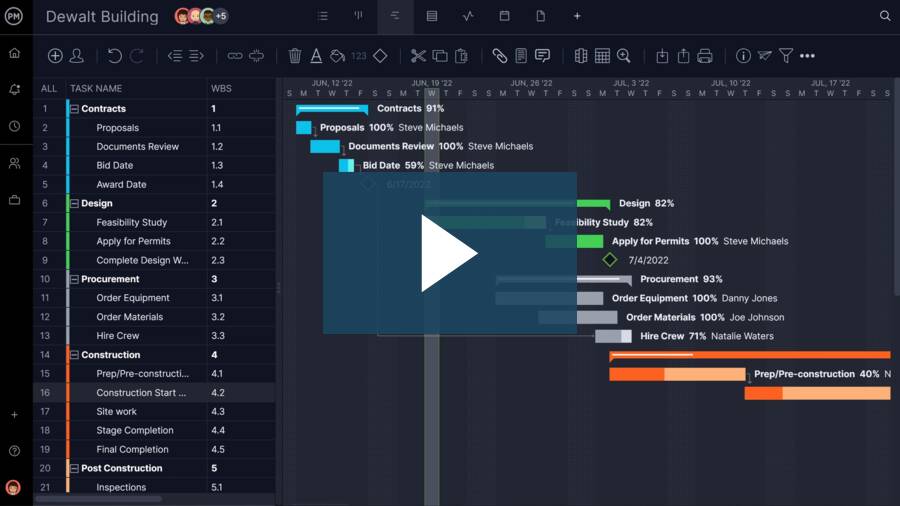
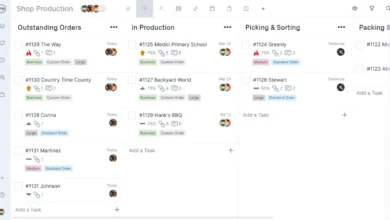
ProjectManager stands out as the premier choice for general contractors and subcontractors requiring sophisticated CPM scheduling and cross-project resource allocation. Operating entirely within modern web browsers on macOS, Windows, and Linux, it provides comprehensive Gantt chart functionality encompassing all four dependency types, lag management, and critical path filtering. A distinct advantage for Mac users is its ability to natively import and export Microsoft Project (.mpp and .xml) files, eliminating compatibility barriers when collaborating with external stakeholders. Furthermore, its workload management interface tracks crew hours across multiple jobs, ensuring optimal labor distribution. Pricing structures include a Team tier at $15 per user per month and a Business tier at $28 per user per month, billed annually.
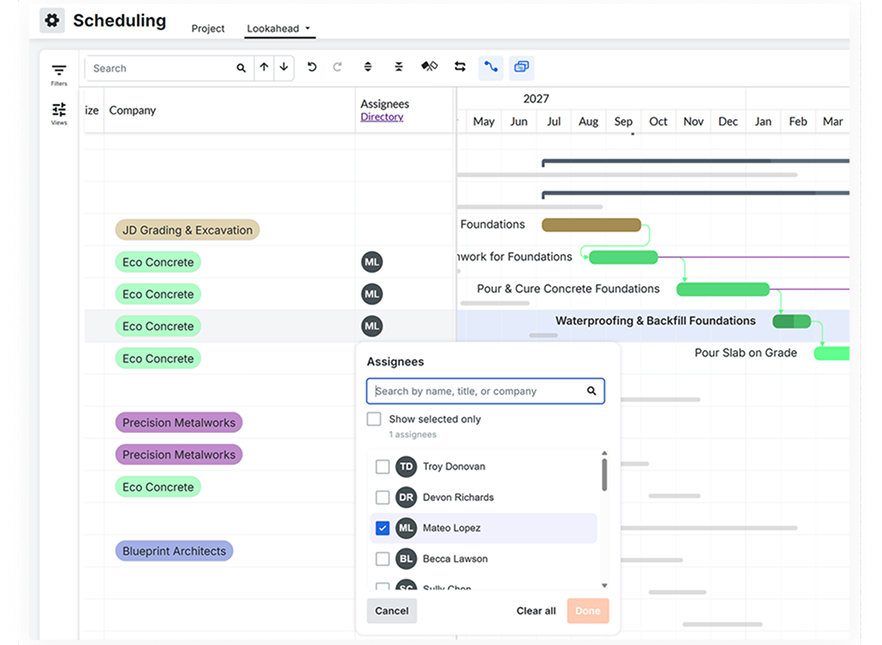
Procore addresses the enterprise market, serving larger general contractors who require an all-encompassing construction management platform covering financials, quality, safety, document control, and scheduling. Procore Scheduling, which achieved general availability early in 2026, integrates critical path analysis and look-ahead schedules directly into the platform. While Procore fully supports Safari on macOS, certain administrative utilities—such as Procore Drive, a legacy file-syncing tool—remain restricted to Windows. Pricing is calculated via annual custom quotes determined by overall construction volume and selected module suites, with no additional charges for user licenses.
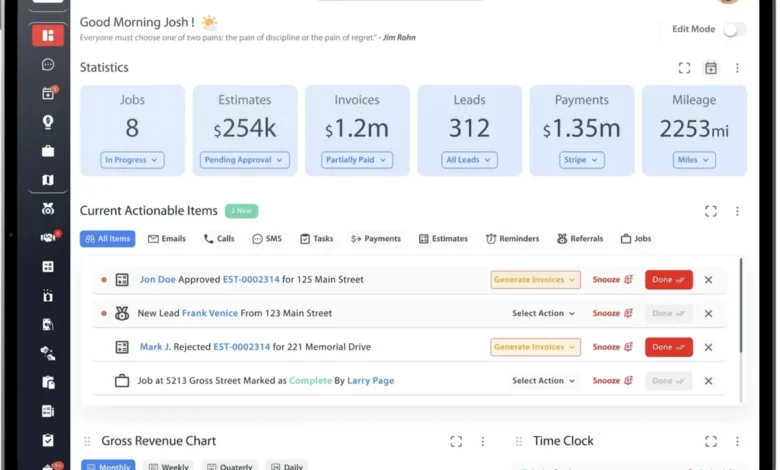
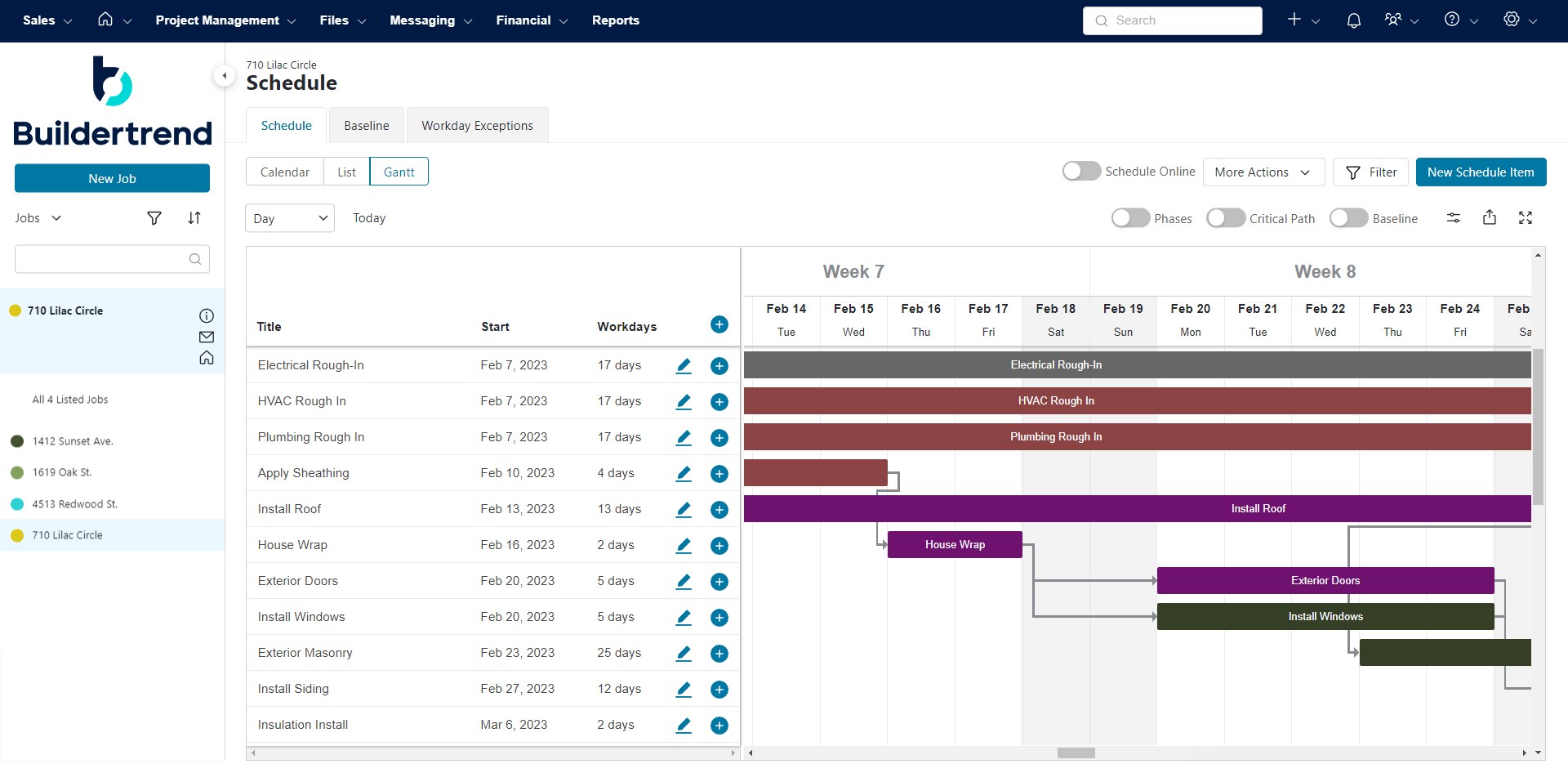
Buildertrend targets residential builders and home remodelers seeking an integrated solution that bridges pre-construction sales with project execution. The cloud-based platform offers comprehensive lead tracking, estimating, selections management, change orders, and a dedicated homeowner portal. Operating smoothly within Safari, Chrome, and Firefox on macOS, Buildertrend incorporates Gantt scheduling with task predecessors and baselines. However, firms utilizing QuickBooks Desktop must account for a hardware dependency: the required Intuit Web Connector operates exclusively on Windows environments, necessitating a PC or virtual workspace for accounting synchronization.
Smartsheet offers a flexible, spreadsheet-inspired work management environment tailored for teams transitioning away from static document tracking or requiring straightforward Microsoft Project file ingestion. While not exclusively engineered for construction, its robust Gantt chart views, dependency mapping, and critical path highlighting can be customized for submittal logs, master schedules, and punch lists. Smartsheet runs natively in macOS browsers, with starting subscription costs set at $9 per member per month for the Pro tier.
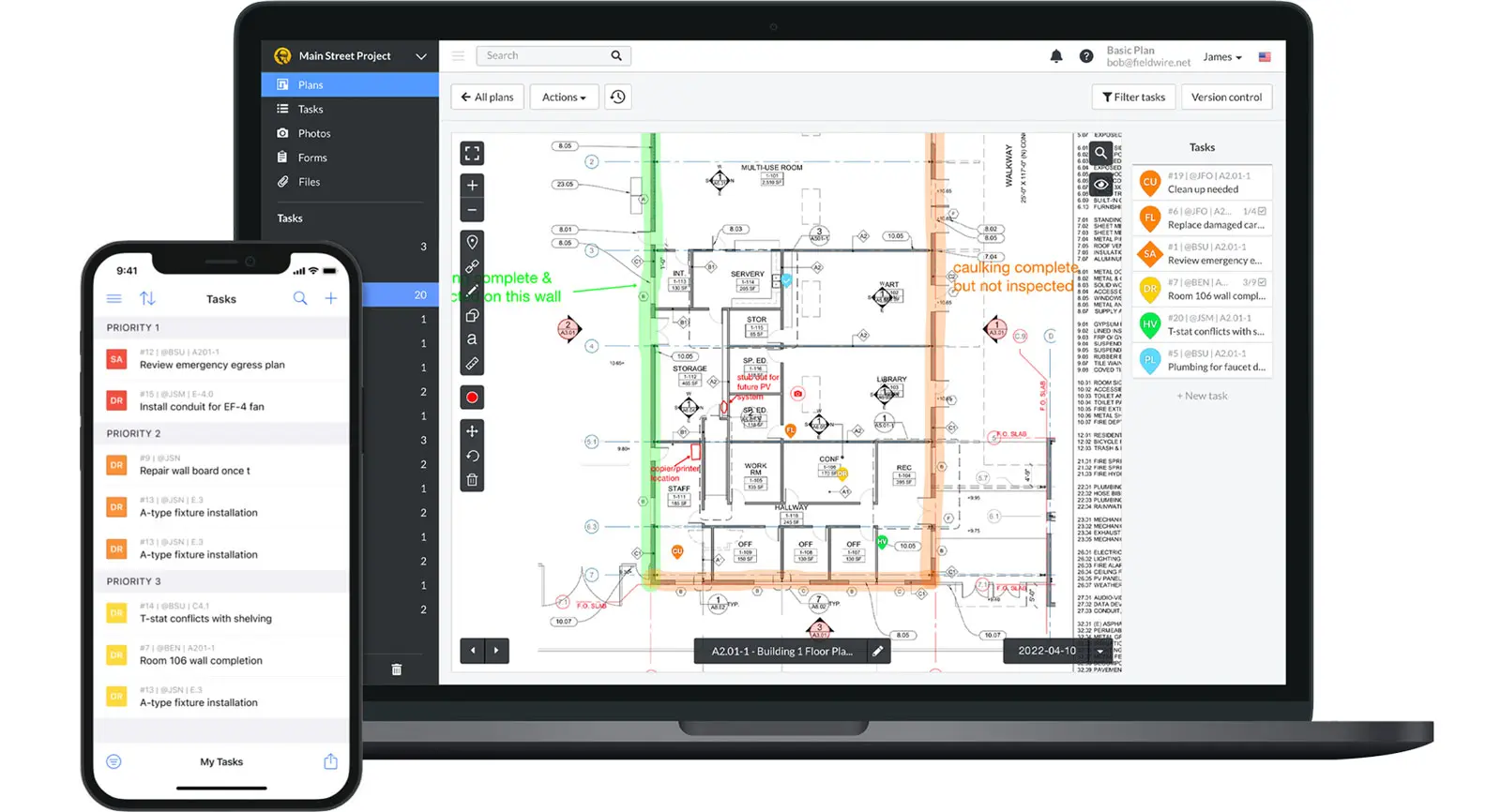
Fieldwire, a Hilti-backed field management platform, focuses heavily on drawing-based workflows, task management, and punch lists for on-site personnel. While it features task scheduling capabilities and a Gantt view depicting task relationships, it is intentionally positioned as a complement to—rather than a replacement for—master CPM schedules. Recommended for use with Google Chrome on macOS, Fieldwire offers a robust free tier alongside professional plans starting at $39 per user per month.
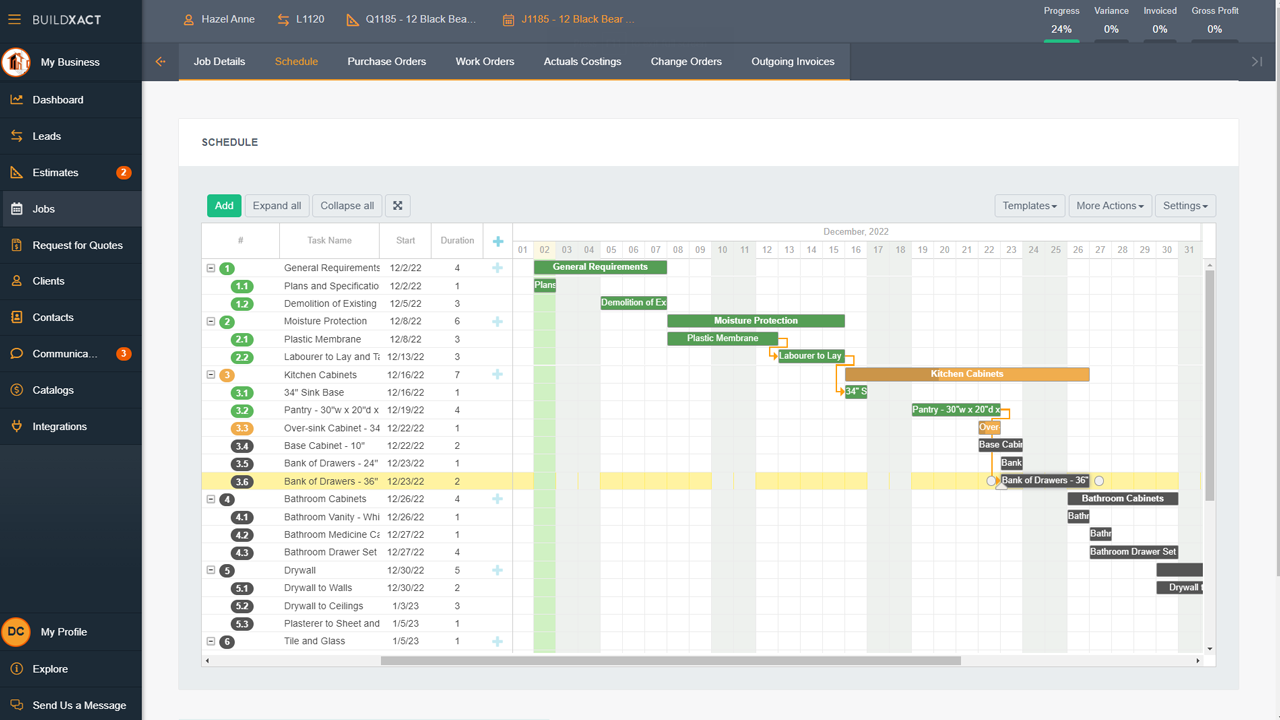
Buildxact serves residential builders and remodelers by integrating digital takeoff and estimation tools directly with project scheduling and client communication portals. Optimized for macOS browsers including Safari, Buildxact translates approved estimates directly into interactive Gantt charts equipped with critical path identification. Subcontractor scheduling features allow automated booking requests. Pricing for foundational access begins at $169 per month, with full scheduling capabilities unlocked at the Pro tier starting at $339 monthly.

Contractor Foreman provides an economical, all-in-one management suite for residential and commercial contractors based on a company-wide subscription model rather than per-seat licensing. It features advanced scheduling capabilities including full dependency modeling, lag, and baselines. While fully accessible via web browsers, the vendor recommends utilizing Chrome, Firefox, or Brave on macOS, noting that Safari may occasionally present compatibility nuances. Subscription fees start at $49 per month for the Basic plan, with advanced Gantt scheduling introduced in the Plus tier at $166 per month.
Contractor+ focuses on small-scale build and service contractors, streamlining estimates, invoicing, payment processing, and basic scheduling. Featuring drag-and-drop calendar management, phase-based Gantt charts, and AI-assisted estimation capabilities via its Estimatic tool, Contractor+ operates efficiently within macOS browsers. Pricing structures include a free tier, with the Pro Team package priced at $58 per month for two users.
Implications for Firm Operations and IT Strategy
The availability of robust, browser-based construction management tools minimizes the operational risk of enforcing hardware restrictions within AEC firms. Project executives no longer need to provision Windows workstations solely for scheduling managers or estimators. However, strategic planning remains vital. IT departments must audit existing accounting integrations, document-sharing protocols, and legacy file archives to ensure seamless data flow between macOS environments and external partners.
Ultimately, the choice of software dictates organizational efficiency. Firms prioritizing rigorous CPM scheduling and multi-project resource balancing gravitate toward solutions like ProjectManager, whereas residential specialists favor Buildertrend or Buildxact. By aligning software capabilities with hardware preferences, construction enterprises can modernize their administrative workflows without compromising technical depth.