The Definitive Guide to Essential Marketing, Social Media, and Creator Economy Newsletters for 2026

In an era defined by relentless digital transformation and an ever-accelerating content landscape, staying abreast of the latest trends, strategies, and insights is not merely advantageous but imperative for marketing professionals and content creators. The traditional media consumption model has evolved, giving way to highly specialized, expert-driven newsletters that deliver actionable intelligence directly to the inbox. This article presents a meticulously curated list of 23 such newsletters, distilled from a rigorous selection process based on consistent engagement and practical applicability, with a spotlight on seven deemed "essential" for their profound impact on strategic thinking and operational effectiveness in marketing, social media, and the burgeoning creator economy.
The Resurgence of the Newsletter: A Hub for Niche Expertise
The digital age has paradoxically witnessed a renaissance of email newsletters, transforming them from a mere promotional tool into a vital conduit for deep industry insights. This shift is largely attributed to the overwhelming volume of information online, which often leads to "infobesity." Professionals are increasingly seeking curated, expert perspectives that cut through the noise, offering clarity and strategic direction. The global creator economy, projected to exceed $480 billion by 2027, further underscores the demand for specialized content covering business frameworks, monetization strategies, and platform dynamics. Simultaneously, social media continues its rapid evolution, necessitating real-time updates and expert analysis to navigate its complex algorithms and cultural shifts. Newsletters, particularly those authored by seasoned practitioners and thought leaders, have emerged as indispensable tools for continuous professional development, providing a direct line to cutting-edge thought and practical application that often precedes mainstream coverage.
This curated list is the result of a stringent vetting process, where each newsletter’s ability to consistently deliver value—whether through challenging existing perspectives, providing new frameworks, or sparking innovative ideas—was the ultimate determinant. The goal is not merely to amass a collection of subscriptions but to cultivate a dynamic "content rotation" that actively informs and enhances professional output, from LinkedIn posts and analytical articles to internal strategy discussions. The identified newsletters offer a range of voices, ensuring a holistic understanding of the diverse facets of modern marketing.

The Seven Pillars: Essential Newsletters for Every Marketing Professional
Among the 23 newsletters identified, seven stand out as indispensable for their consistent, high-impact contributions to strategic thinking and practical application. These are the "never miss" newsletters that form the bedrock of an effective content consumption strategy for anyone serious about excelling in social media, marketing, and the creator economy.
1. Link in Bio by Rachel Karten
Best for: Social media practitioners seeking weekly masterclasses from industry leaders.
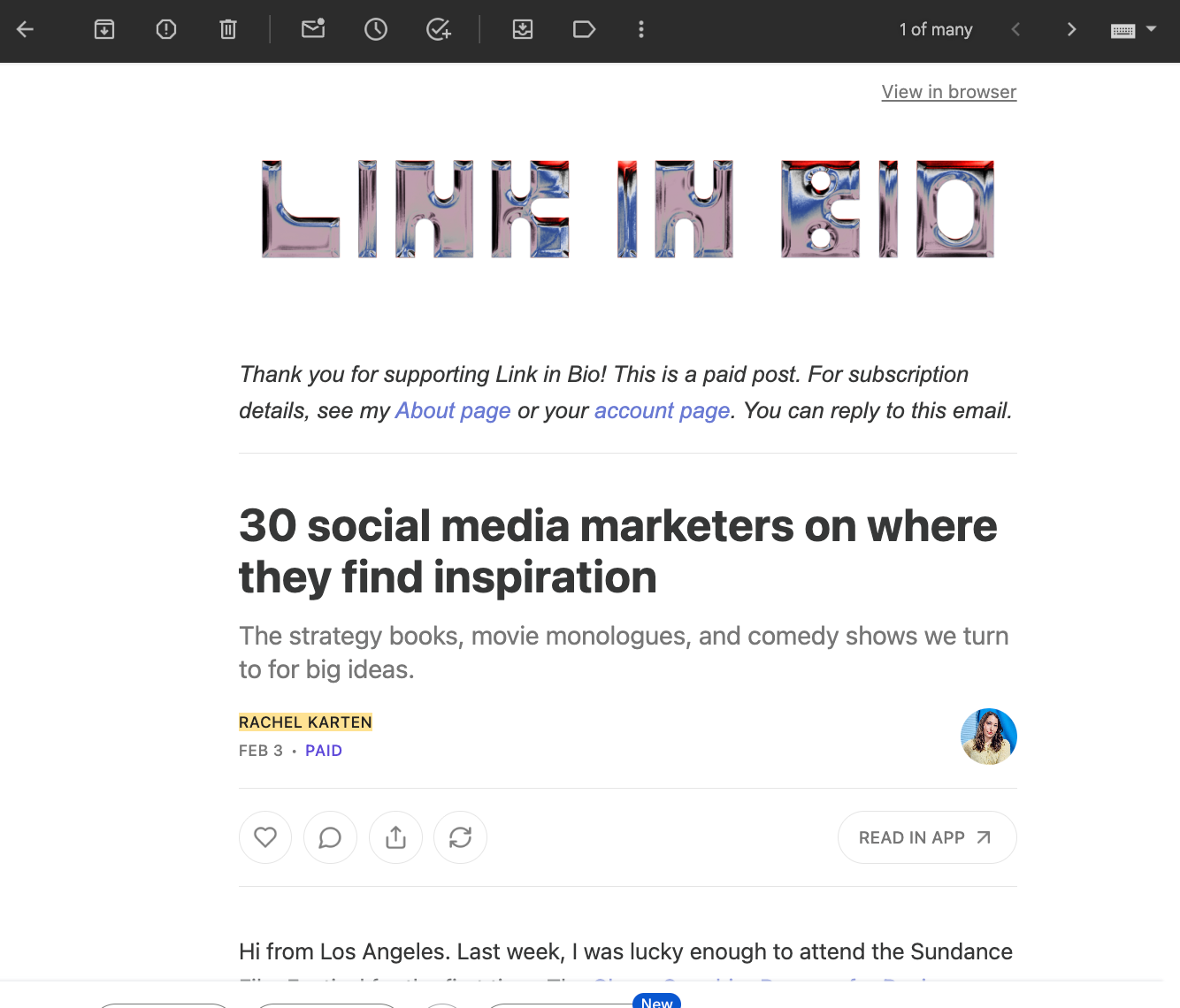
Rachel Karten’s "Link in Bio" has solidified its reputation as the industry’s de facto masterclass for social media professionals. Its essential status stems not only from Karten’s profound understanding of social media strategy but, crucially, from its unique approach of featuring direct insights from practitioners at leading brands such as Duolingo and The Washington Post, alongside innovative creators. Each issue meticulously deconstructs successful campaigns and emerging formats, offering readers a transparent look into the strategic thinking behind impactful social media initiatives. The newsletter excels in providing "steal-worthy" tactics and frameworks that are immediately applicable, fostering a sense of being perpetually "a few steps ahead." Its consistent delivery of actionable intelligence ensures that subscribers are not just informed but actively empowered to elevate their own social media performance. Data suggests that peer-to-peer learning and case studies are among the most effective methods for professional development, a principle Karten’s newsletter leverages masterfully.
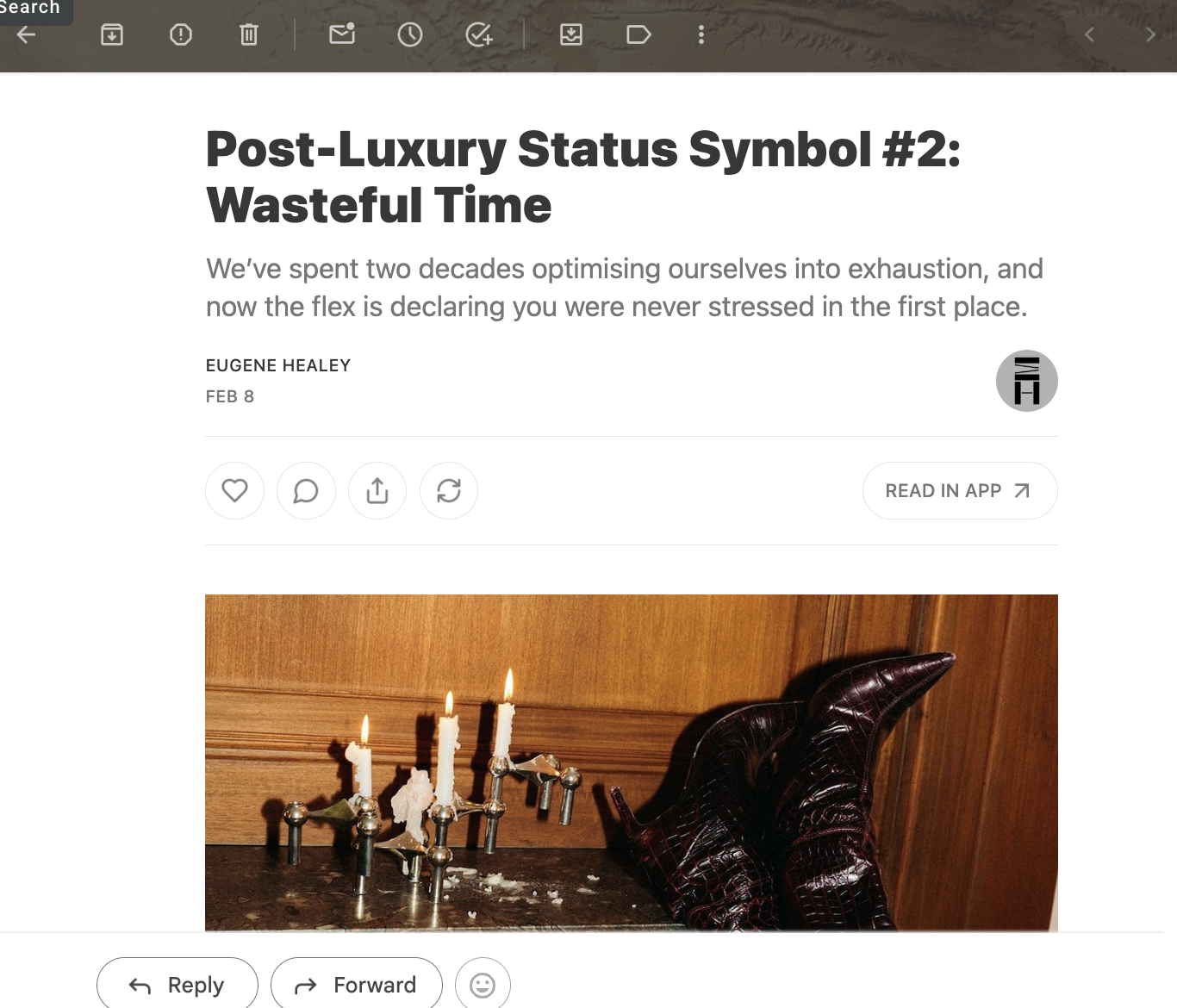
2. Considered Chaos by Eugene Healey
Best for: Marketers and creators aiming to develop a sharper vocabulary for cultural and brand strategy.
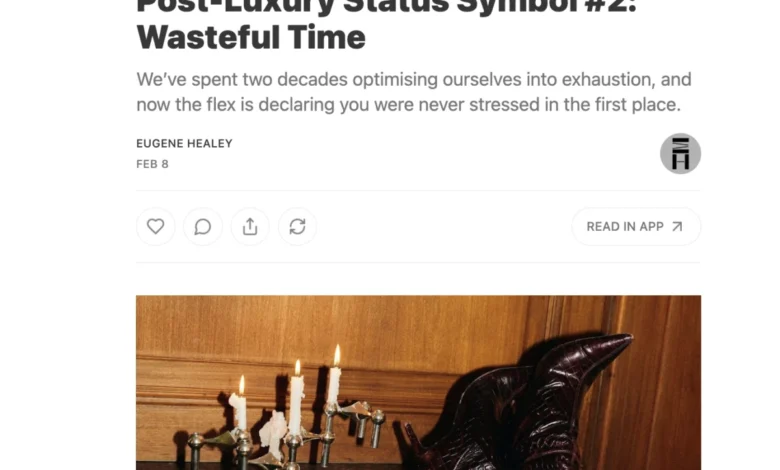
Authored by Eugene Healey, a distinguished brand strategist and academic based in Melbourne, Australia, "Considered Chaos" offers an unparalleled analytical lens on culture through the prism of brand. Each issue is akin to a comprehensive seminar, delving into the intricate mechanics of shifting consumer behavior, the genesis and proliferation of specific aesthetics, and the underlying drivers of contemporary trends that permeate social media. Healey’s work gained significant traction with his viral "death of the millennial brand" series, and the newsletter provides a deeper exploration of these seminal ideas. It compels readers to transcend daily content calendars and posting schedules, instead fostering a macroscopic understanding of why certain strategies resonate. For social media managers and creators striving for more strategic brand building, "Considered Chaos" furnishes the essential vocabulary and frameworks required to operate at a higher analytical plane, consistently sharpening perspectives on the interplay between culture and commerce.
3. Creator Science by Jay Clouse
Best for: Creators and creator-adjacent marketers committed to treating content creation as a disciplined craft.
Jay Clouse’s "Creator Science" distinguishes itself by advocating for a disciplined, data-driven approach to content creation, earning its pivotal spot in weekly content rotations. Clouse, having successfully built a seven-figure creator business and interviewed hundreds of creators, grounds every issue in tested methodologies, measurable outcomes, or direct insights gleaned from his extensive experience. The newsletter’s core value lies in its exposition of the thinking behind successful strategies, rather than merely presenting superficial tactics. This emphasis on underlying strategic reasoning ensures that insights are highly adaptable to diverse individual situations. Whether dissecting newsletter structures, sponsorship approaches, or audience growth strategies, "Creator Science" consistently provides transferable advice, pushing creators to be more intentional and analytical in their craft. This focus on repeatable frameworks and business acumen positions it as a critical resource for those aspiring to professionalize and scale their creative endeavors.
4. ICYMI by Lia Haberman
Best for: Comprehensive, contextualized coverage of the creator economy and platform news.
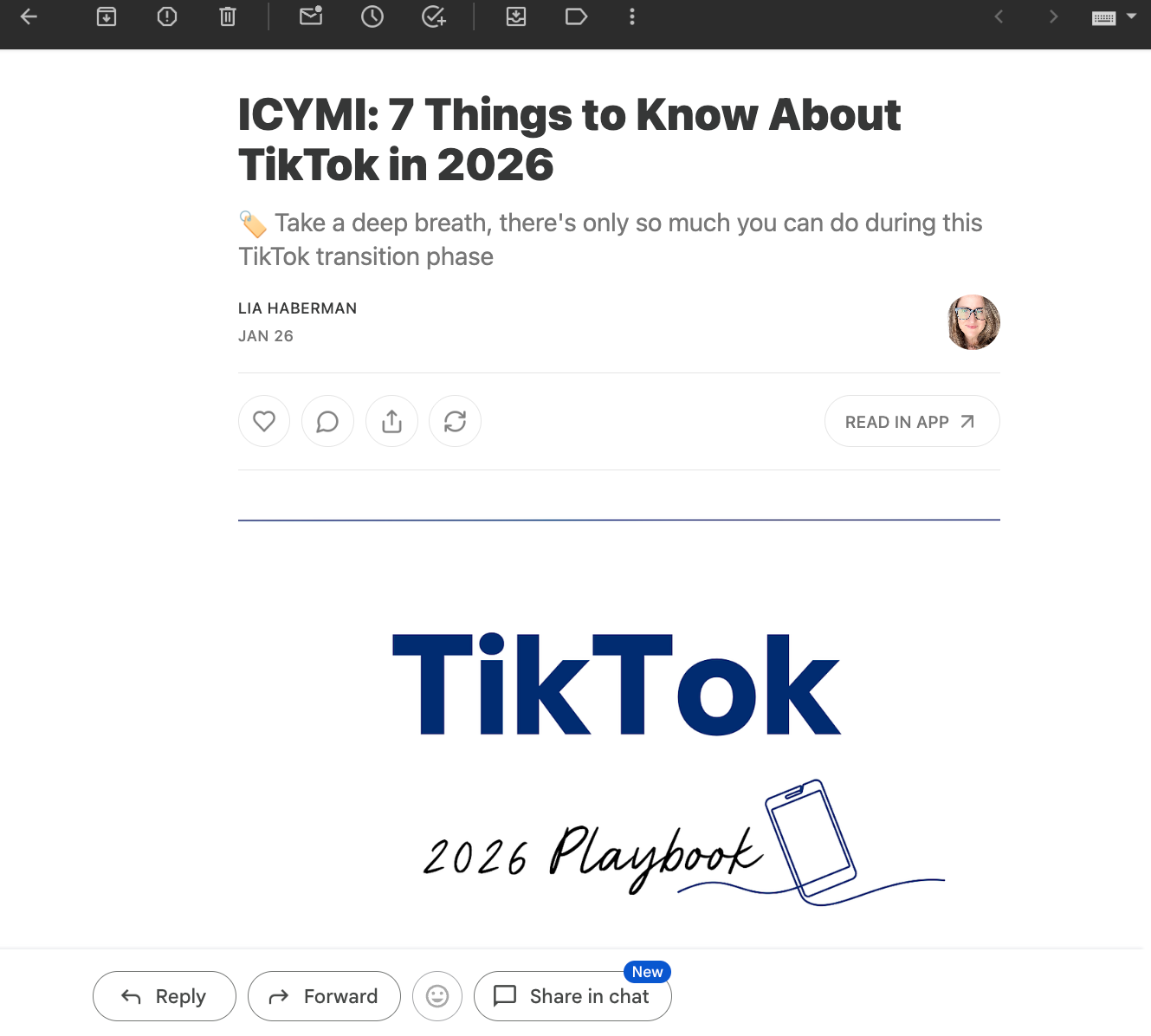
For professionals needing a singular, authoritative source for the creator economy’s dynamic shifts, Lia Haberman’s "ICYMI" (In Case You Missed It) is peerless. It masterfully consolidates every significant platform update, industry movement, and cultural nuance within the creator economy into one cohesive weekly read. What elevates "ICYMI" beyond a mere news roundup is Haberman’s critical ability to contextualize every piece of information. She doesn’t just report what happened; she meticulously connects the dots, elucidating why it matters. When a platform unveils a new feature, Haberman provides a detailed breakdown of its implications for both creators and brands. When broader shifts occur within the creator economy, she is often the first to link them to overarching trends. Her extensive background as a consultant and UCLA lecturer imbues her analysis with a depth and foresight that most news aggregators simply cannot replicate, making "ICYMI" an indispensable reference for strategists and content developers alike.
5. Why We Buy by Katelyn Bourgoin
Best for: Marketers seeking actionable behavioral science insights for immediate application.
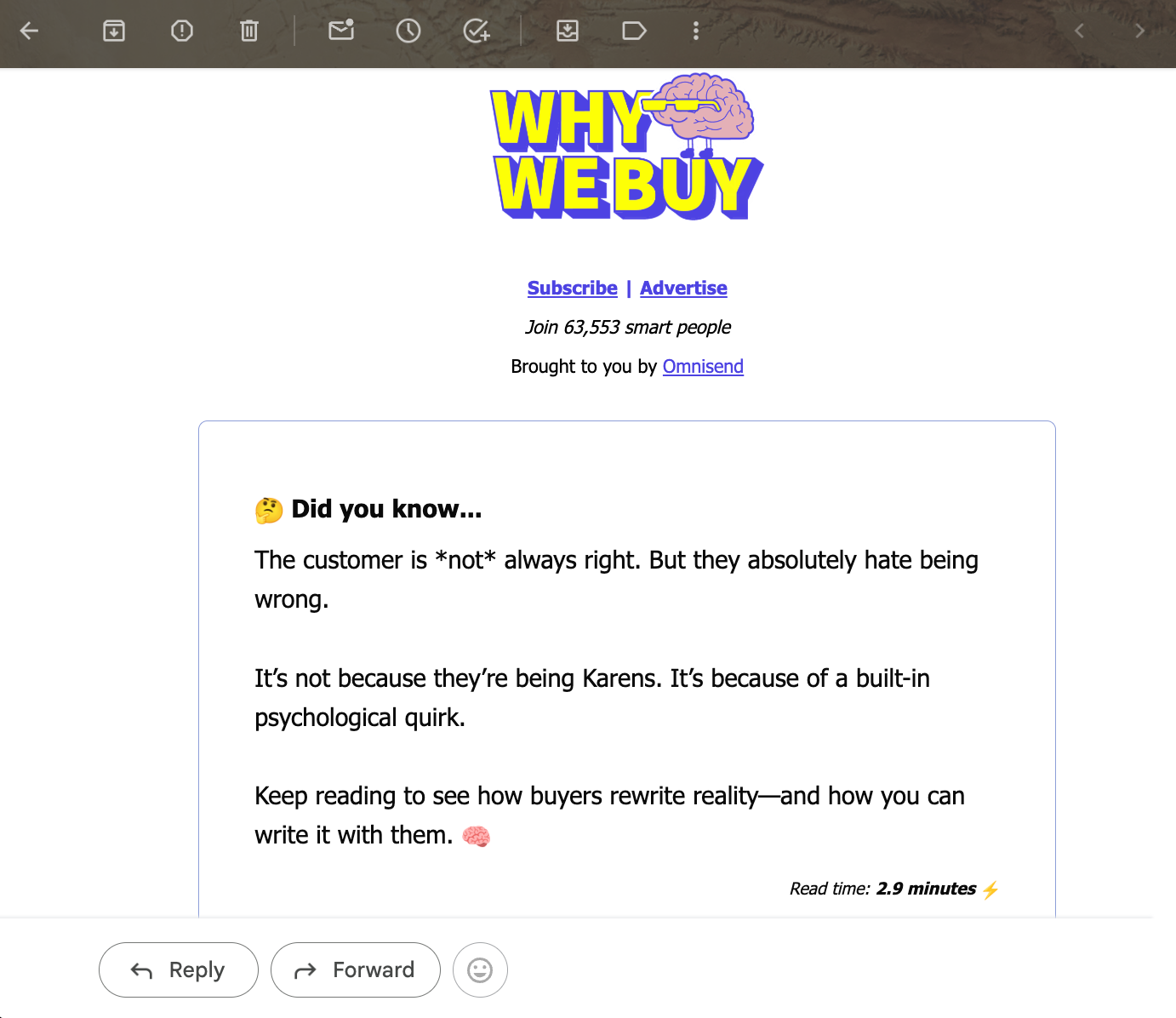
"Why We Buy" by Katelyn Bourgoin addresses a fundamental challenge faced by many marketers: understanding the underlying psychological mechanisms that drive consumer behavior. It transcends the "what to post" dilemma by meticulously breaking down the psychology behind purchasing decisions—what compels clicks, fosters trust, and ultimately motivates spending. Bourgoin’s genius lies in her ability to distill complex behavioral science into immediately usable insights. Each issue methodically unpacks a specific psychological trigger or cognitive bias, illustrating its real-world application with examples from recognizable brands. This direct applicability means readers can learn about, for instance, the "pratfall effect" in the morning and apply it to refine a LinkedIn hook by lunchtime. Her gift for translating academic concepts into practical toolkits makes behavioral science accessible and highly transferable, benefiting social media managers crafting compelling copy and small business owners optimizing conversion rates across various digital touchpoints.
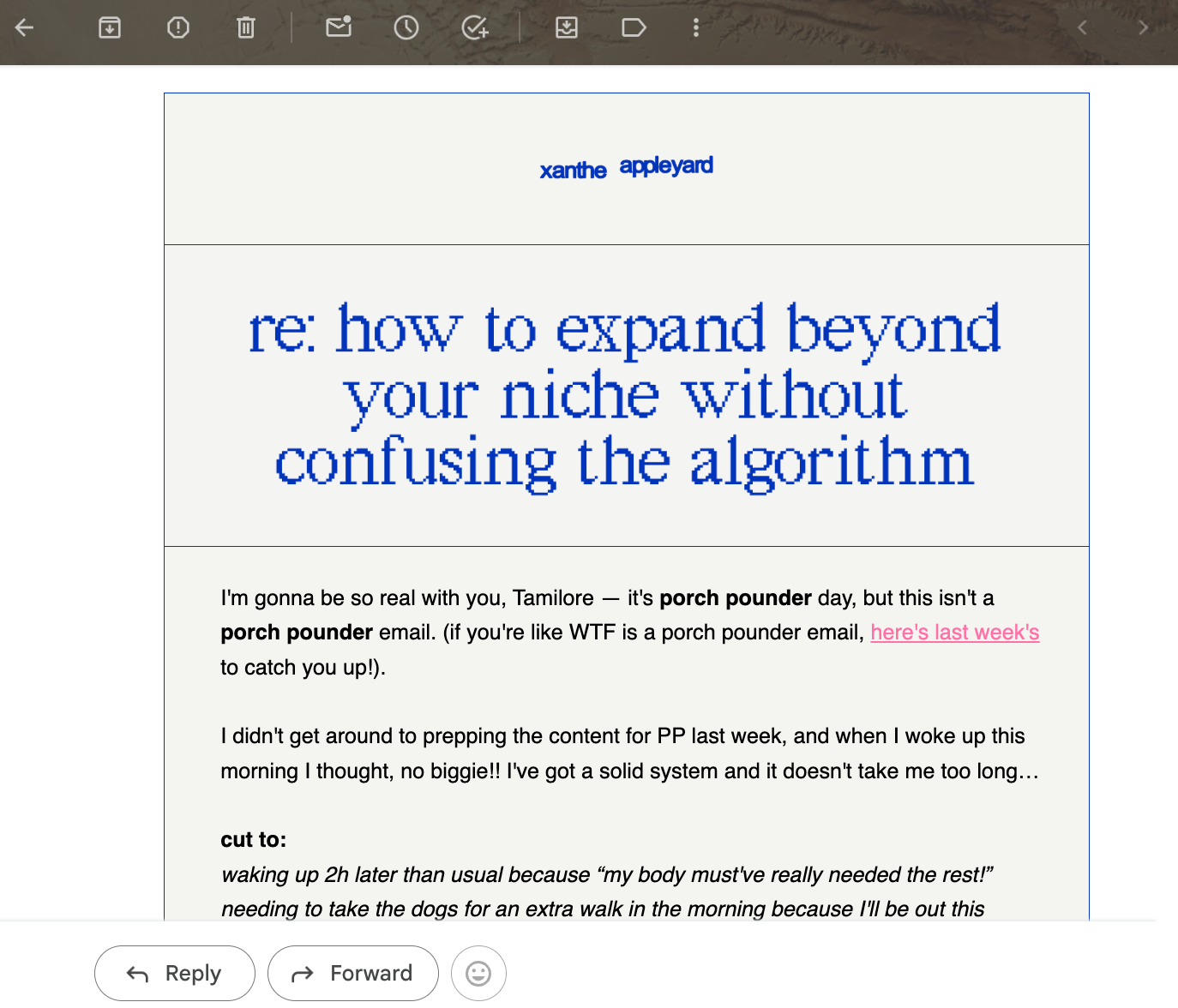
6. Party Friend by Xanthe Appleyard
Best for: Social media managers and creators seeking creative inspiration and a renewed sense of fun in digital culture.
While many newsletters focus on strategy and metrics, Xanthe Appleyard’s "Party Friend" serves a crucial, often overlooked, function: reminding professionals of the inherent joy and creativity within digital culture. As the newest addition to the essential list, it quickly earned its place by consistently delivering content that inspires genuine excitement about online engagement. Appleyard writes with a unique blend of warmth and analytical depth about social media strategy, digital culture, and the creator experience. Her monthly "Culture Shift" column is particularly noteworthy, adeptly tracking subtle shifts in online behavior before they crystallize into mainstream trends. Beyond specific insights, the newsletter’s overall energetic and thoughtful tone—like receiving advice from a discerning yet enthusiastic friend—reconnects readers to the creative essence of their work. For content rotations heavy on data and strategy, "Party Friend" offers a vital infusion of inspiration, fostering a more balanced and enjoyable approach to professional online engagement.
7. The Weekly Scroll by Buffer
Best for: Comprehensive social media news combined with insightful commentary and strategic perspectives.
"The Weekly Scroll," curated and written by Buffer, represents a strategic evolution in newsletter design, moving beyond mere aggregation to offer a distinct editorial voice. Its philosophy centers on deep engagement: rather than quick skims, the newsletter is crafted to provoke thought, inspire highlights, and generate screenshots that feed directly into the reader’s professional output. The core mission is to strike a delicate balance between timely news and insightful commentary, ensuring that the curation itself acts as an editorial statement. The introductory sections are particularly valuable, often reflecting the curator’s weekly reflections, observations, or connections between seemingly disparate trends, all informed by the six essential newsletters above and a myriad of other inputs. Buffer’s exploration of platforms like Substack for "The Weekly Scroll" signifies a forward-looking approach, aiming to transform the newsletter from a broadcast into a dynamic conversation through integrated community features like replies and comments, thereby fostering deeper engagement and collaborative learning.
Expanding the Horizon: A Comprehensive Rotation for Diverse Needs
Beyond these seven essentials, a robust content rotation benefits from a broader spectrum of voices, catering to specific needs for news, strategy, skills, and inspiration. These additional 16 newsletters provide specialized insights that complement the foundational knowledge offered by the essential list.
Creator Economy and Social Media News: For rapid updates and staying on the pulse of the industry, these newsletters are crucial.
- Marketing Brew (Morning Brew): Delivers daily marketing and advertising news, offering a broad overview of industry happenings. Its concise format is ideal for busy professionals.
- Geekout (Matt Navarra): A weekly digest of platform updates, indispensable for social media managers needing to track changes across major social networks. Navarra’s expertise ensures accuracy and relevance.
- Lindsey Gamble’s Newsletter: Provides in-depth analysis of influencer marketing, a rapidly evolving segment of the creator economy. Her insights are critical for brand-influencer collaborations.
Marketing and the Creator Economy Strategy: These delve deeper into frameworks, business models, and long-term planning.
- The Publish Press (Colin & Samir): Offers deep dives into the business side of the creator economy, drawing on the hosts’ extensive experience and interviews with top creators.
- MKT1 (Emily Kramer): Focuses on B2B marketing frameworks, providing strategic guidance for growth-stage companies.
- Passionfruit: Delivers high-quality journalism on the creator economy, exploring trends, challenges, and opportunities from an objective standpoint.
- Creator Economy NYC (Brett Dashevsky): Explores diverse creator business models, offering case studies and strategic lessons for monetization and growth.
- Creator Spotlight (Beehiiv): Features long-form profiles of successful creators, detailing their journeys, strategies, and lessons learned.
- Communiqué (David Adeleke): Focuses on the African media and creative economy, providing a crucial regional perspective often overlooked in broader analyses.
Social Media and Content Skills: These offer practical advice and tactical guidance for immediate implementation.
- Future Social (Jack Appleby): Analyzes successful brand social media campaigns, breaking down what worked and why, offering practical takeaways.
- Creator Wizard (Justin Moore): Specializes in brand partnerships and sponsorships, providing creators with the knowledge to secure and execute profitable collaborations.
- The Social Social Club (Slate): Offers behind-the-curtain stories from social media teams, revealing the realities and challenges of managing brand presence online.
- Creator Tea Talk (Jayde I. Powell): Discusses sensitive but critical topics like creator pay and rates, fostering transparency and fair compensation practices within the industry.
- Content to Commas (Brandon Smithwrick): Provides actionable playbooks for creator monetization, guiding creators through various revenue streams.
Creative Inspiration and Brand Strategy: These stimulate innovative thinking and a broader understanding of cultural relevance.
- Post-Culture (Sibling Studio): Explores the intersection of brand and culture, offering insights into how brands can authentically engage with contemporary societal shifts.
- People Brands and Things: Showcases compelling cultural brand campaigns, providing inspiration for creative storytelling and audience connection.
Strategic Content Consumption: A Dynamic Approach
The true value of a content rotation lies not in the sheer volume of subscriptions but in the disciplined practice of selective engagement. Subscribing to 23 newsletters simultaneously is impractical for most professionals. Instead, the recommended approach is to treat content consumption as a dynamic, iterative process. Begin by selecting three to four newsletters that address a clear gap in your current knowledge or strategic thinking. Engage with these consistently for a month, observing which ones genuinely resonate, prompt note-taking, and influence your professional output. These are your "essentials."
The digital landscape is in constant flux, and so too should be your learning resources. The mistake often made is treating a content rotation like a static collection. Instead, it should be a living system. A pragmatic rule of thumb is to unsubscribe from any newsletter that hasn’t been opened in three consecutive sends. This "unsubscription without guilt" philosophy ensures that your inbox remains a source of enrichment, not overwhelm. This strategic curation maximizes the return on your limited attention and time, transforming passive consumption into active, impactful learning. Data on professional development indicates that personalized and relevant content significantly boosts learning efficacy and retention, underscoring the importance of tailoring your newsletter selection to your evolving needs and tastes.
The Future of Professional Learning
The enduring relevance of newsletters in 2026 underscores a broader trend towards decentralized, expert-driven knowledge dissemination. As platforms like Substack continue to evolve, integrating community features such as comments and replies, the potential for newsletters to foster genuine professional dialogue and collaborative learning will only grow. This shift from a broadcast model to an interactive conversation elevates the medium’s value, allowing for deeper engagement with both the content and its author. For marketers and creators navigating an increasingly complex digital world, a carefully curated, actively managed newsletter rotation is no longer a luxury but a fundamental component of sustained success and continuous innovation. By prioritizing quality over quantity and adapting their subscriptions to their evolving professional journey, individuals can ensure they remain at the forefront of their respective fields.
FAQ about the Best Marketing Newsletters
What are the best marketing newsletters in 2026?
The top marketing newsletters in 2026 are those that offer tactical social media insights, creator economy news, consumer psychology analysis, brand strategy, and creator business frameworks. Key picks include Link in Bio by Rachel Karten, ICYMI by Lia Haberman, Why We Buy by Katelyn Bourgoin, Considered Chaos by Eugene Healey, and Creator Science by Jay Clouse. A comprehensive rotation, as detailed above, includes 23 highly recommended newsletters across various categories.
How many newsletters should I subscribe to?
There is no universal ideal number. A practical starting point is to subscribe to three or four newsletters that address different needs—e.g., one for breaking news, one for strategic insights, one for practical skills, and one for creative inspiration. After consistently reading them for a month, retain those that genuinely provide value and influence your work. An essential list might grow over time, but mindful curation is key to avoid information overload.
What are the best newsletters for social media managers?
For social media managers, the most impactful newsletters include Link in Bio by Rachel Karten for tactical depth and practitioner insights, ICYMI by Lia Haberman for comprehensive industry and platform news, and Future Social by Jack Appleby for campaign analysis. Additionally, Geekout by Matt Navarra is essential for staying updated on platform changes. These selections offer a robust toolkit for strategic and operational excellence in social media.
What are the best newsletters for creators?
Creators will find immense value in newsletters like Creator Science by Jay Clouse for business frameworks, ICYMI by Lia Haberman for industry and platform news, Creator Wizard by Justin Moore for brand partnerships and sponsorships, Creator Economy NYC by Brett Dashevsky for business models, and Passionfruit for in-depth creator economy journalism. These resources cover various aspects crucial for building and scaling a successful creator business.
How do I keep up with newsletters without getting overwhelmed?
To manage newsletter subscriptions effectively, categorize them into "essentials" (those you commit to reading every issue) and "rotation" (those you open based on subject line relevance or specific weekly needs). Implement a strict "three-strike" rule: if a newsletter goes unread for three consecutive issues, unsubscribe without hesitation. This disciplined approach ensures your inbox remains a curated source of valuable information rather than a repository of unread content.