The Evolution of Enterprise Search Intelligence Navigating Rank Tracking in the Era of AI and Big Data

The global search engine optimization (SEO) landscape has undergone a fundamental transformation, moving from the simple monitoring of "ten blue links" to the management of complex, multi-dimensional data ecosystems. For modern large-scale organizations, enterprise rank-tracking software no longer serves as a mere utility for checking keyword positions; it has become a critical pillar of business intelligence. At an enterprise scale, this involves monitoring millions of data points across diverse devices, hyper-local geographies, and evolving search features such as AI Overviews, featured snippets, and local packs. This intelligence is increasingly integrated into corporate dashboards, CRM workflows, and executive reports to drive high-stakes decision-making across global marketing, sales, and product teams.
The Shift from Basic Monitoring to Enterprise Intelligence
The distinction between basic rank trackers and enterprise-grade platforms lies in the depth of data and the sophistication of its application. While basic tools are often sufficient for small-to-medium businesses tracking a few hundred keywords once a day, enterprise requirements demand a infrastructure capable of handling massive data volumes with near-real-time refresh rates.
Industry data suggests that organic search remains one of the primary drivers of high-quality traffic for the Fortune 500, yet the complexity of the Search Engine Results Page (SERP) has increased the difficulty of maintaining visibility. With the introduction of Google’s Search Generative Experience (SGE) and AI Overviews, organic results are frequently pushed "below the fold," necessitating a more granular approach to tracking that accounts for pixel position and "Answer Engine" citations.

Chronology of Search Tracking Evolution
To understand the current state of enterprise rank tracking, one must examine the chronological shifts in search technology over the past two decades:
- The Keyword Era (2000–2010): Tracking was primarily focused on desktop rankings for specific high-volume keywords. Success was measured by "Position 1" dominance on a global or national level.
- The Hyper-Local and Mobile Shift (2011–2018): With the rise of smartphones and the "Near Me" search phenomenon, trackers had to adapt to coordinate-level accuracy. SERP features like the "Local Pack" and "Knowledge Graph" began to fragment the traditional list of results.
- The Integration and Attribution Phase (2019–2022): Organizations began demanding that SEO data exist within the broader business stack. Connecting ranking data to CRM systems allowed companies to see the direct correlation between a keyword’s upward movement and the resulting pipeline growth.
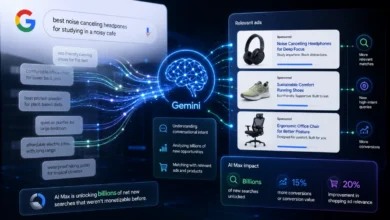
- The Generative AI Revolution (2023–Present): The emergence of Large Language Models (LLMs) and AI-driven search engines like Perplexity, Gemini, and ChatGPT has forced a pivot toward Answer Engine Optimization (AEO). Tracking now includes monitoring brand mentions within AI-generated responses and prompt-level visibility.
Technical Requirements for Enterprise-Scale Accuracy
The methodology behind data collection is a primary differentiator for enterprise vendors. High-level organizations require transparency regarding how data is harvested. Basic trackers often rely on simple datacenter IPs, which search engines can easily detect and provide biased or "sanitized" results to. Enterprise-grade tools typically utilize a sophisticated mix of residential proxies and dedicated IP networks to ensure the data reflects what an actual user sees in a specific city, zip code, or even at specific GPS coordinates.
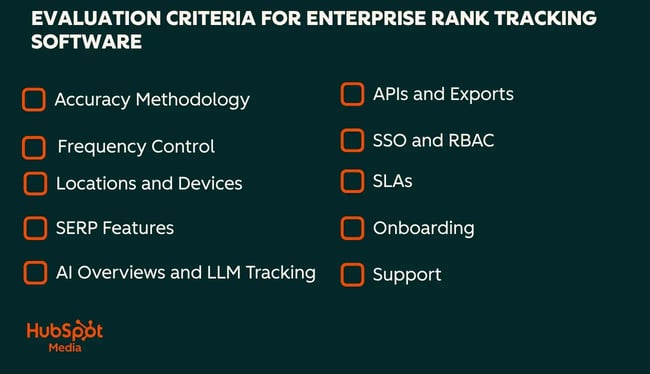
Furthermore, frequency control has become a non-negotiable feature. While daily updates are the industry standard, enterprise SEO teams managing product launches, seasonal sales events, or rapid news cycles require hourly or on-demand refresh capabilities. This level of data freshness allows for agile pivots in strategy that can save or generate millions in revenue during high-stakes windows.
The Integration of SEO into the Business Data Stack
For a large organization, ranking data in isolation provides visibility metrics that are informative but not necessarily actionable. The true value of enterprise rank tracking is realized when it is paired with Business Intelligence (BI) tools and web analytics.
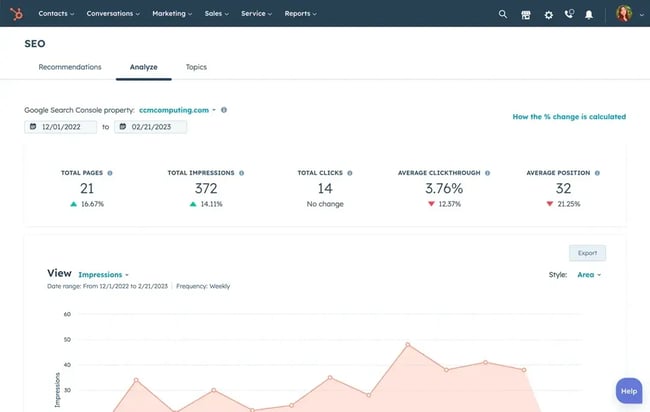
By connecting rank data to a CRM, such as HubSpot’s Marketing Hub, an organization can draw a definitive line between a keyword moving from position eight to position two and a measurable uptick in lead generation. This level of attribution is essential for SEO directors to justify budgets to Chief Marketing Officers (CMOs) and Chief Financial Officers (CFOs).
Moreover, security and governance are paramount. Enterprise environments require Single Sign-On (SSO) and Role-Based Access Control (RBAC). These features ensure that data remains secure while allowing different departments—such as regional marketing teams or product managers—to access only the data relevant to their specific purviews.
Analyzing the Competitive Landscape of Enterprise Tools
Several platforms have emerged as leaders in meeting these rigorous demands, each offering a distinct approach to search intelligence.
Integrated Marketing Ecosystems: HubSpot
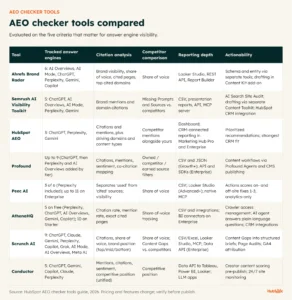
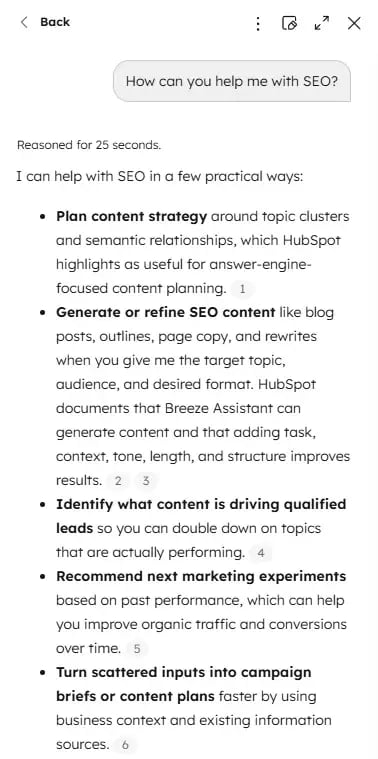
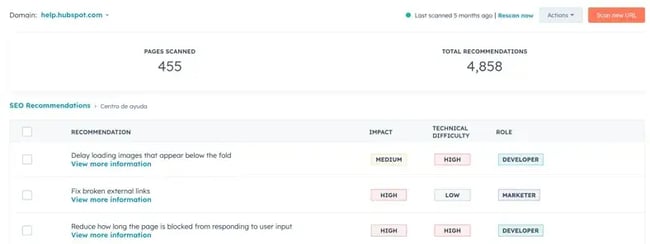
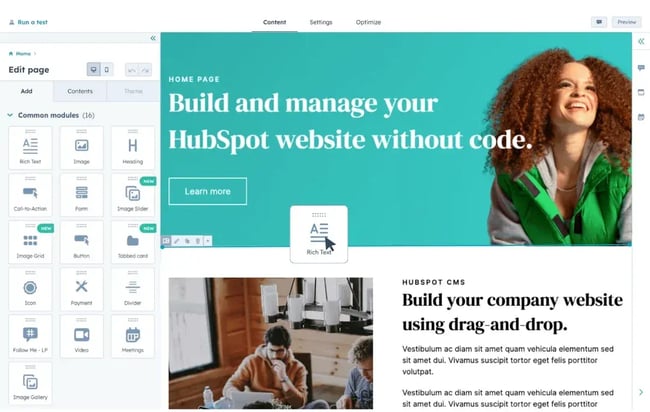
HubSpot’s SEO Marketing Software represents a shift toward unified platforms. By embedding SEO tools directly within the Marketing Hub and Content Hub, HubSpot eliminates the data silos that often plague large organizations. Their "SEO Recommendations" tool prioritizes optimizations based on potential impact, which is vital for teams managing thousands of URLs. Furthermore, their AEO Grader addresses the burgeoning need to monitor brand sentiment and visibility within AI-driven environments like ChatGPT and Gemini.
Comprehensive Data Depth: Semrush One
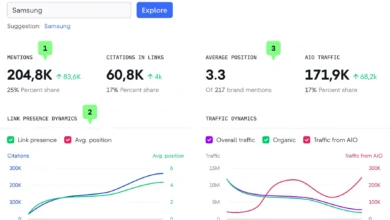
Semrush has long been a staple for competitive intelligence. Its "Semrush One" enterprise offering combines traditional position tracking with an AI Visibility Toolkit. This allows brands to monitor their "Share of Voice" (SoV) across both traditional search and emerging AI platforms. The platform’s strength lies in its massive historical database, which provides the context necessary for long-term trend analysis.
Specialized AI Visibility: Profound
Profound represents a new breed of platform purpose-built for the AI era. Unlike legacy tools that added AI tracking as a secondary feature, Profound was designed from the ground up to track "Brand Share of Model." It monitors how brands are cited across various LLMs, providing a narrative analysis of how AI describes a company’s products and services.
Strategic Competitor Tracking at Scale
At the enterprise level, competitor tracking extends far beyond identifying who ranks higher for a specific term. It involves a multi-layered analysis of the digital market:
- Share of Voice (SoV) Tracking: This measures the percentage of the total search universe a brand occupies relative to its competitors. Enterprises often segment this by product line or buyer stage.
- Pixel Position Analysis: As SERP features push organic results down, being "Position 1" may still mean a result is below the fold. Pixel tracking measures the actual vertical distance from the top of the screen to the brand’s result, providing a truer measure of visibility.
- Brand Variant and Affiliate Monitoring: Large corporations often have to monitor not just direct competitors, but also their own affiliates, resellers, and sub-brands to ensure they are not cannibalizing their own organic traffic or misrepresenting the brand voice.
Official Responses and Industry Sentiment
Market analysts suggest that the "fragmentation of search" is the greatest challenge facing digital leaders today. In recent industry briefings, SEO executives from major retail and financial services firms have emphasized that the "black box" nature of AI search results has made manual tracking impossible. The consensus among industry experts is that automated, scalable alerting systems are no longer a luxury but a requirement for maintaining market share.
Legal and compliance departments have also become stakeholders in the selection of rank-tracking software. The requirement for detailed Service Level Agreements (SLAs) and audit logs has moved the procurement of these tools from the marketing department to the IT and Legal departments, ensuring that data collection methods comply with global privacy regulations.
Broader Impact and Future Implications
The move toward enterprise-grade search intelligence signals a broader trend in the digital economy: the end of the "siloed" specialist. SEO is no longer a technical task relegated to a basement office; it is a core component of brand health and revenue operations.
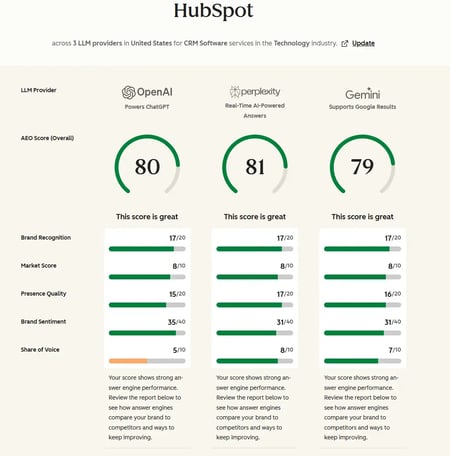
As search engines continue to integrate generative AI, the traditional "ranking" may eventually be replaced by "citation frequency" and "sentiment scores" within LLMs. Organizations that invest in robust tracking infrastructure now will be the ones capable of navigating this transition. Those that rely on basic tools will likely find themselves blind to the shifts in consumer behavior that occur within the "hidden" layers of AI-driven search.
In conclusion, enterprise rank-tracking software has evolved into a comprehensive search intelligence platform. By providing accuracy at scale, deep integration with the business stack, and visibility into the future of AI-driven search, these tools enable large organizations to turn vast amounts of raw data into a clear, competitive advantage. For the modern enterprise, owning the search results page is no longer just about keywords—it is about owning the narrative across every digital touchpoint where a customer might seek an answer.