The Permissionless Pilot: Revolutionizing Enterprise Sales by Delivering Instant Value

A decade ago, SaaS luminary David Skok introduced the concept of "Time to Wow!", a framework designed to help businesses identify and accelerate the moment a customer experiences profound value from their product. This foundational idea, emphasizing the power of immediate customer delight, has now evolved into a new, disruptive sales strategy: the "permissionless pilot." This innovative approach is enabling startups to bypass the notoriously slow enterprise sales cycle, transforming the customer’s "wow" moment from a distant reward to an immediate, impactful introduction.
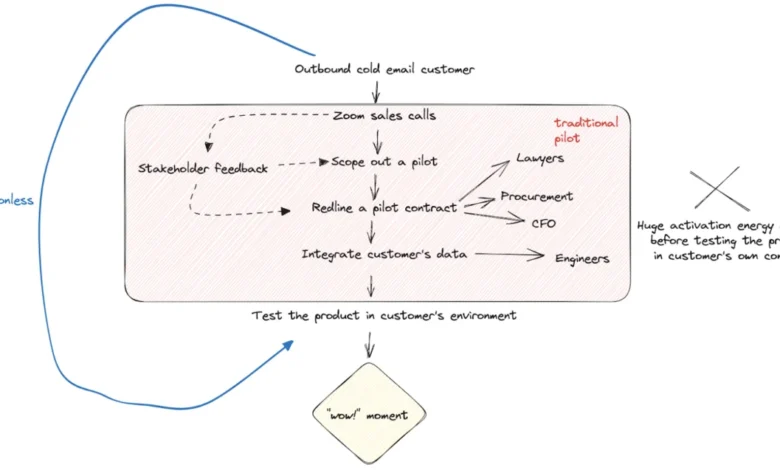
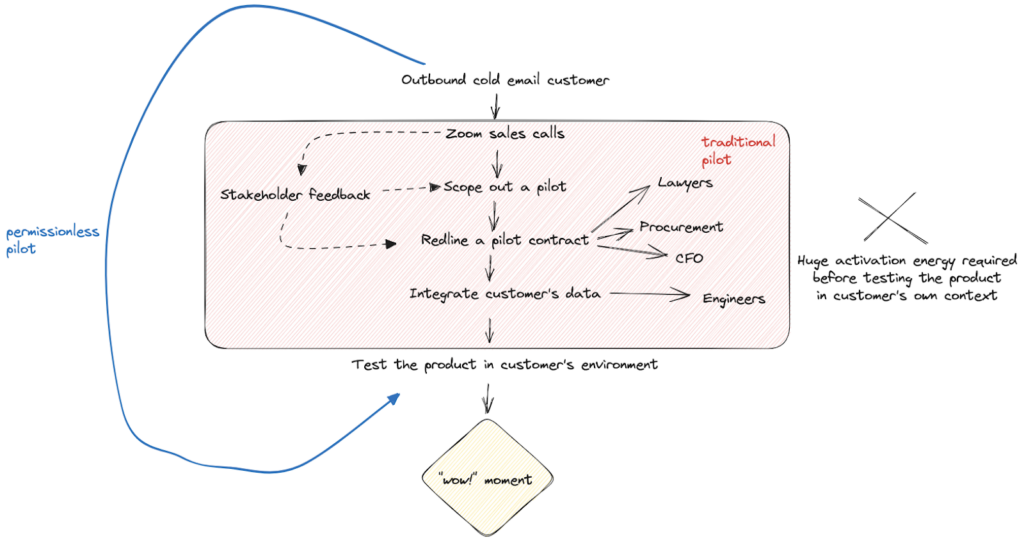
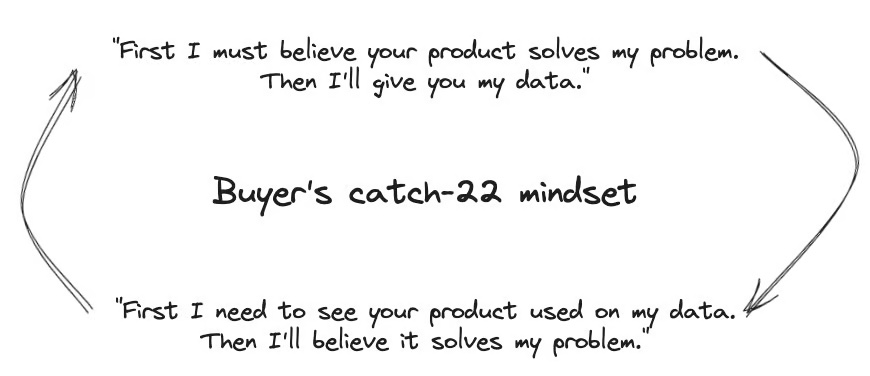
The traditional enterprise sales funnel is often characterized by lengthy processes involving numerous sales calls, intricate procurement procedures, protracted contract negotiations, and complex technical integrations. Only after navigating this gauntlet can a prospective client truly experience the value of a product in their specific context. This protracted journey presents a significant hurdle, often making it a "miracle" when enterprise sales are successfully closed. The core of this challenge lies in a fundamental catch-22: customers are reluctant to share their proprietary data until they are convinced of a product’s efficacy, yet the product’s true value is often only demonstrable with that very data.

The Enterprise Sales Catch-22: A Data Dilemma
The conventional sales demonstration often relies on simulated user experiences using dummy data. While this offers a glimpse of functionality, it lacks the visceral impact of seeing a product in action with one’s own operational data. This is akin to a car dealership showcasing a vehicle without allowing a test drive; the excitement and conviction are significantly diminished.
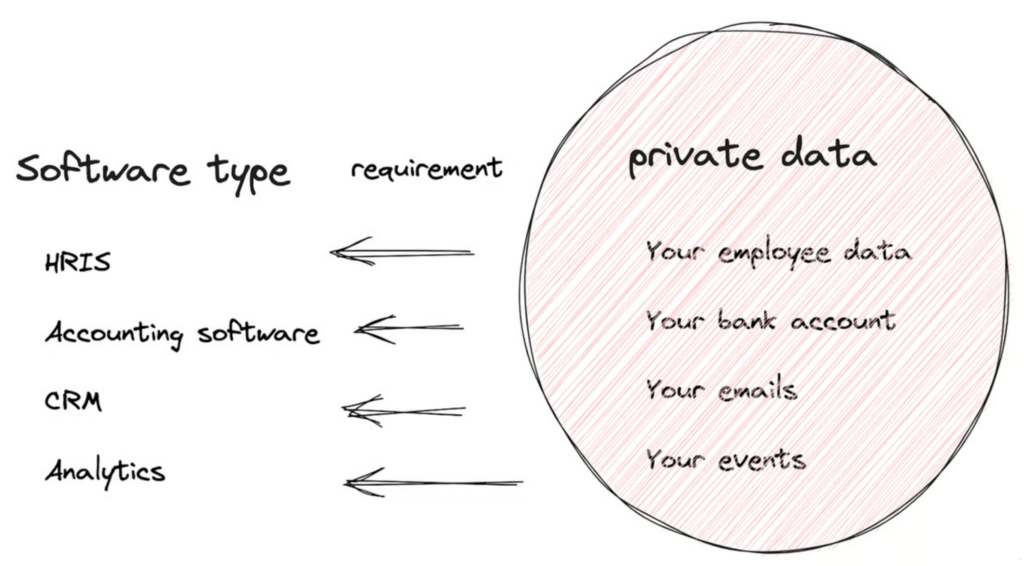
The critical bottleneck arises from the inherent need for enterprise software to integrate with a client’s sensitive data. Gaining the necessary approvals to share or integrate company data with a third-party vendor is a complex undertaking. It requires navigating internal politics, securing buy-in from various stakeholders, and undergoing formal approval processes. This expenditure of social capital and time by the prospect means that the "wow" moment, the point of genuine belief and excitement, is typically deferred until well into the sales cycle, if not after implementation.
This creates a scenario where potential clients are hesitant to commit to sharing data without prior proof of value, while vendors are unable to fully demonstrate that value without access to that data. This cyclical dependency has historically slowed down deal closures and presented a significant barrier to entry for innovative solutions.
The Emergence of the Permissionless Pilot
The permissionless pilot offers a compelling solution to this long-standing challenge. It acts as a strategic "cheat code" designed to eliminate the time-to-value for the customer, effectively neutralizing initial skepticism by delivering an immediate "wow" experience. The fundamental innovation lies in shifting this pivotal moment from the end of the sales process to its very inception.
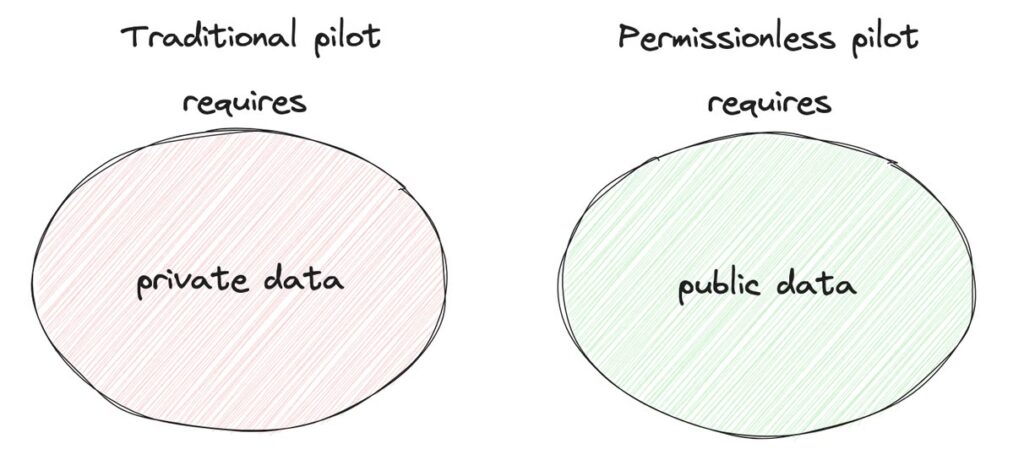
A permissionless pilot is defined as a product demonstration that leverages publicly available, customer-specific data to deliver an instant "wow" moment. Crucially, it requires no prior agreement, configuration, or data sharing from the prospect. The term "permissionless" underscores the fact that the demonstration works without needing explicit permission to access proprietary information.
Crafting the Permissionless Pilot: A Three-Step Framework
Developing a successful permissionless pilot typically involves three core steps:
-
Identify Public Data Sources: The first step is to pinpoint publicly accessible data relevant to the target customer’s industry or specific business operations. This could range from publicly traded company financial reports and government databases to open-source code repositories and social media trends. The proliferation of data in the digital age has dramatically expanded the availability of such resources. For instance, global data creation is projected to reach over 295 zettabytes by 2025, a significant portion of which is publicly accessible or inferable.
-
Develop a "Cool Demo" using Public Data: The next stage involves building a demonstration that showcases the product’s capabilities by ingeniously utilizing these public data sources. This demonstration should aim to be "cool" – something that sparks curiosity and highlights potential value, even if it’s not a fully polished, production-ready solution. The focus is on illustrating a tangible benefit or insight that resonates with the prospect. Advances in machine learning, including computer vision and natural language processing (NLP) powered by Large Language Models (LLMs), are increasingly adept at structuring vast amounts of unstructured public data, creating new avenues for these types of demonstrations.
-
Make the Demo Publicly Accessible: The final step is to make this demonstration readily available and easily shareable. This could be through a unique, publicly accessible URL, an interactive web application, or a video demonstration. The goal is to enable prospects to discover and experience the product’s value proposition independently, without any friction or prerequisite steps.
While not every business model is conducive to permissionless pilots, the increasing availability of public data and the advancements in data processing technologies present a growing landscape of opportunities.
Emerge Tools: A Case Study in Permissionless Innovation
A compelling real-world example of the permissionless pilot in action comes from Emerge Tools, a portfolio company specializing in mobile application performance management (APM) and optimization. Emerge empowers developers to significantly reduce the size of their mobile applications, leading to faster downloads, reduced data consumption, and quicker loading times. In less than three years, Emerge has secured major clients such as DoorDash, Square, Airbnb, and Duolingo, achieving this rapid growth largely without traditional sales representatives.
Emerge’s permissionless pilot strategy cleverly leverages the binary code of every mobile app available in the iOS and Android app stores. While their full product integrates deeply into a mobile engineering team’s development workflow, which can involve a lengthy sales cycle, Emerge built a system to provide instant analysis demos for any prospect. By reverse-engineering publicly available app versions, Emerge can analyze an app by simply looking up its name.
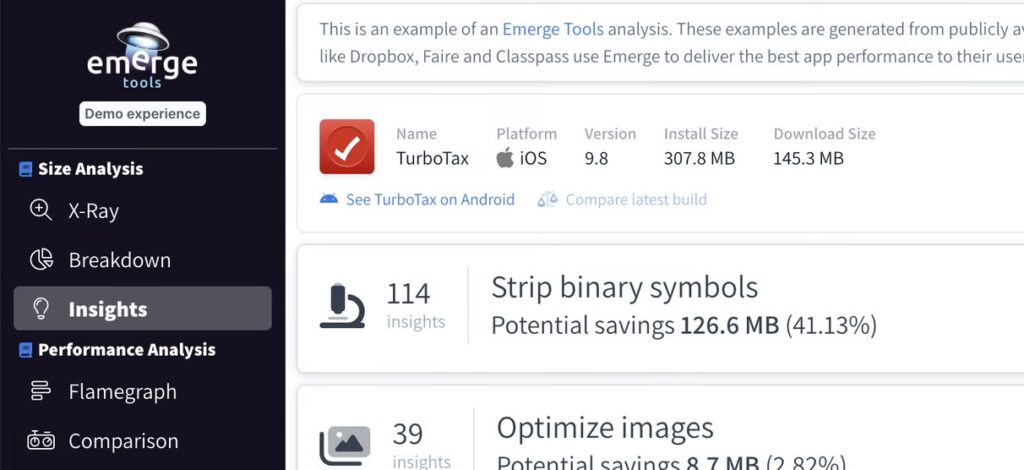
A prime illustration is Emerge’s analysis of the TurboTax iOS app. Their automated insights revealed potential savings that could reduce the app’s size by over 40%. This demonstration was generated using only publicly available data, meaning Intuit, the parent company of TurboTax, did not have to disclose any proprietary information, negotiate contracts, or invest in internal political maneuvering to consider Emerge’s solution. The "wow" moment—the immediate insight into significant optimization potential—was delivered upfront.
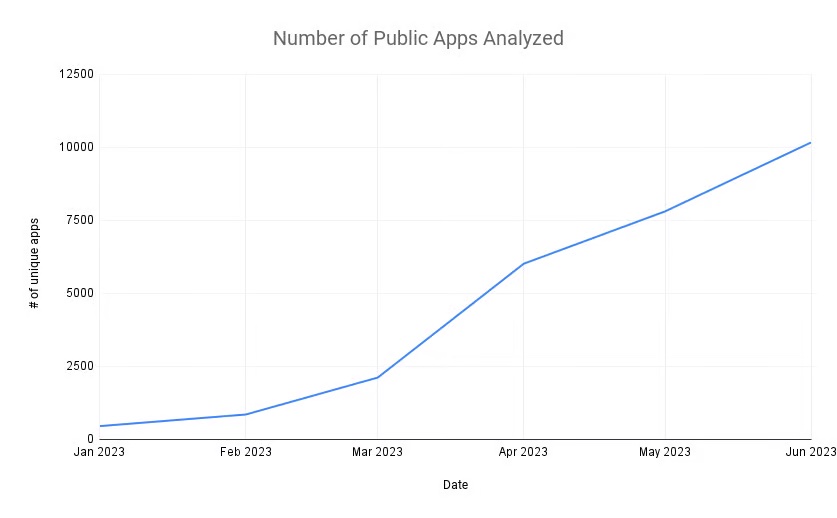
This approach has been instrumental in Emerge’s growth. By the beginning of 2023, the company was analyzing around 500 apps regularly. This number has since surged to over 10,000 public apps analyzed on a consistent basis. These analyses are used to create valuable content, including blog posts, deep dives, and social media threads, all hosted on unique, public URLs. This organic content strategy has proven highly effective, generating significant engagement and driving a 400% increase in Twitter followers, organic search clicks, and impressions since the start of the year. The ensuing large contracts are a direct result of mobile developers being able to quickly examine specific insights related to their own applications and immediately consider implementing the recommendations—an experience often preferred over engaging with a traditional sales process.
Expanding the Horizon: Diverse Applications for Permissionless Pilots
The permissionless pilot framework is not limited to niche software solutions; its adaptability extends across a wide spectrum of industries. The core principle—leveraging publicly available data to demonstrate value instantly—can be applied to numerous use cases.

For instance, in the Search Engine Optimization (SEO) sector, companies could offer instant SEO audits by analyzing publicly available Google search results and suggesting improvements, similar to the approach taken by Conductor.
In E-commerce optimization, businesses could cross-reference vast databases of e-commerce listings to provide actionable insights on improving copy, imagery, and pricing, mirroring the journey of companies like Salsify.
The Cybersecurity domain can utilize permissionless pilots for white-hat vulnerability and threat detection scanning, akin to the services offered by platforms like HackerOne, by analyzing publicly accessible web applications.
Hedge funds could employ this strategy to offer forensic intelligence, identifying potential fraud or financial irregularities by analyzing public SEC filings, a model similar to Bedrock AI.
Even in web-based marketing, companies like Mutiny have demonstrated how prospects can preview personalized landing page experiences based on different audience attributes without requiring account creation, showcasing the immediate value proposition.
The potential extends to virtually any domain where public data exists—from open-source code repositories on platforms like GitHub to rental listings, YouTube videos, and job postings. The key lies in identifying these public data sources and creatively demonstrating how a product can derive meaningful insights or provide tangible benefits from them.
To foster innovation in this area, startups are encouraged to brainstorm public data sources relevant to their product or industry. The subsequent question to ask is: "What valuable or ‘cool’ demonstration could my product offer if it could only ingest these public data sources?" The initial aim is not necessarily a commercially viable product but rather a compelling demonstration that sparks interest and showcases potential.
The Strategic Imperative and Brand Building
In conclusion, permissionless pilots represent a potent strategic tool for modern startups aiming to accelerate sales cycles and overcome the inherent data-access challenges in enterprise sales. By fundamentally shifting the "wow" moment to the beginning of the customer engagement, companies can build immediate credibility and demonstrate tangible value proposition upfront.
However, the deployment of permissionless pilots must be approached with strategic intent, focusing on building and reinforcing brand identity rather than offering a transient gimmick. The tone and user experience of these pilots should align with the desired brand perception, ensuring that the initial interaction leaves prospects with a positive and lasting impression. As the digital landscape continues to evolve, the permissionless pilot stands as a testament to innovative thinking, enabling businesses to navigate the complexities of enterprise sales with newfound agility and impact.
Related posts: