The Best Time to Post on LinkedIn in 2026: A Data-Driven Analysis Reveals Significant Engagement Shifts

New research from Buffer, based on an exhaustive analysis of over 4.8 million LinkedIn posts, reveals a significant shift in optimal posting times for 2026, with peak engagement increasingly observed in late afternoon and evening hours. This trend marks a notable departure from 2025 patterns, where engagement was predominantly concentrated within traditional working hours, often falling sharply after 5 p.m. The comprehensive study, led by Buffer’s resident data scientist Julian Winternheimer, indicates that professionals are now showing up for valuable content after closing their laptops for the day, mirroring engagement shifts previously seen on platforms like Instagram and TikTok.
Methodology and Scope of Research
Buffer’s annual investigation into social media engagement patterns provides crucial insights for marketers and individual professionals seeking to maximize their reach. For 2026, the LinkedIn analysis encompassed a vast dataset of over 4.8 million posts, offering a robust foundation for identifying high-engagement windows. Julian Winternheimer, who has spearheaded this two-year analytical endeavor, highlighted the unexpected nature of this year’s LinkedIn findings. Unlike previous years, where professional engagement strictly adhered to the 9-to-5 workday, 2026 data points to a more fluid interaction pattern. The study normalizes posting times by local time zones, ensuring the recommendations are universally applicable, whether a user is in New York, London, or Mumbai.
The Evolving Landscape of LinkedIn Engagement
LinkedIn, initially conceived as a professional networking and job-seeking platform, has steadily evolved into a significant content hub. It serves as a vital channel for thought leadership, industry news, personal branding, and B2B marketing. This evolution has inherently led to changes in user behavior. The 2026 data strongly suggests that the lines between "work time" and "personal time" continue to blur, influenced by factors such as the prevalence of remote and hybrid work models, increased mobile device usage for professional consumption, and a growing emphasis on continuous learning and networking outside of structured work hours.
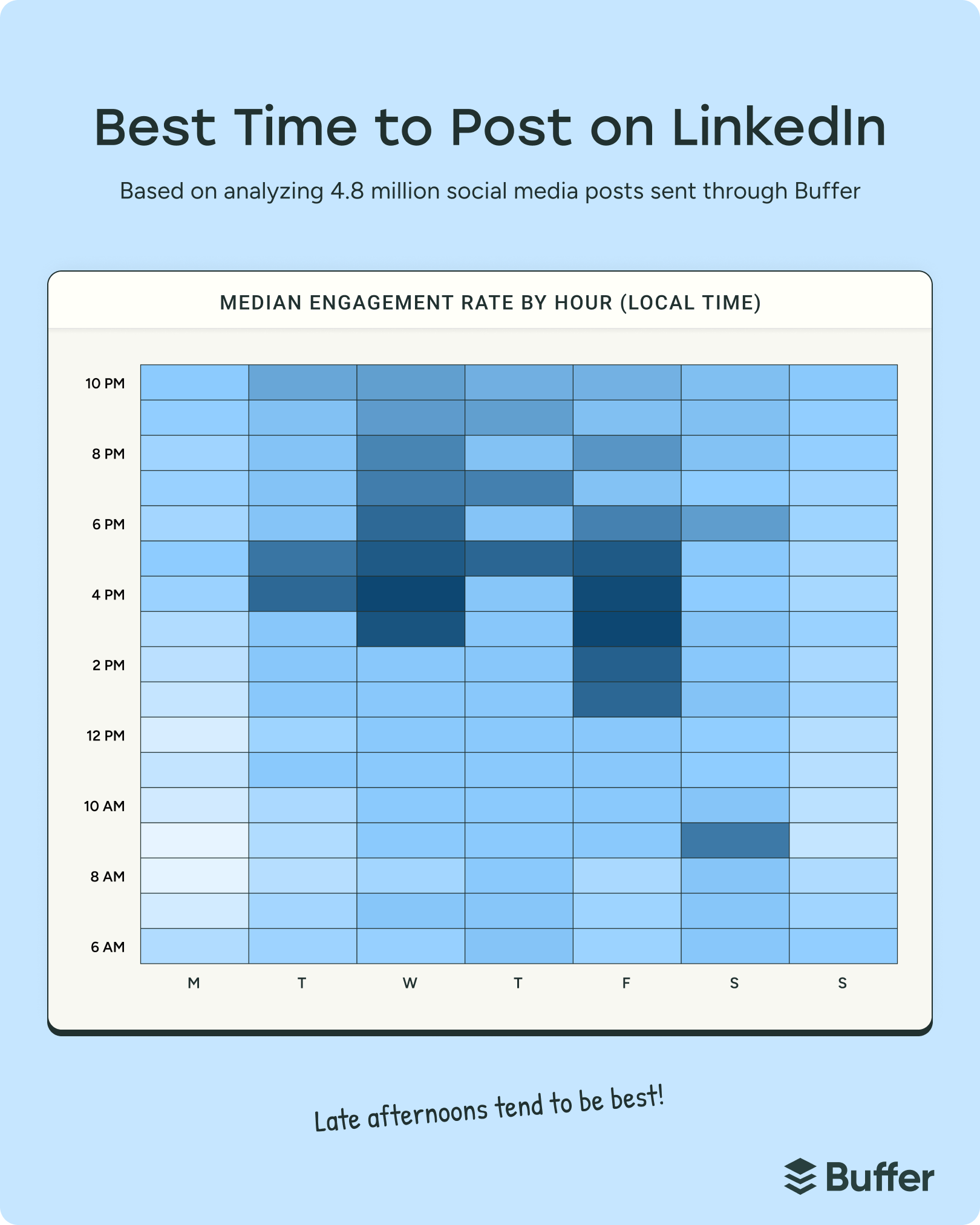
The core finding indicates that the best time to post on LinkedIn for high engagement now generally falls between 3 p.m. and 8 p.m. on weekdays. Specifically, posts shared at 4 p.m. on Wednesday and at 3 p.m. and 4 p.m. on Friday emerged as the top performers. This contrasts sharply with 2025, where peak engagement was almost entirely confined to traditional business hours. The shift suggests that users are increasingly utilizing their commutes, evening wind-down periods, or dedicated after-hours time to consume professional content, catch up on industry news, or engage with their networks.
Detailed Daily Engagement Patterns
While late afternoon and evening hours now dominate, the data also provides granular insights into optimal posting times for each day of the week, allowing for a more strategic content calendar.
- Monday: The start of the work week typically sees lower overall engagement. However, the best times to post on Monday are identified as 10 p.m., 5 p.m., and 9 p.m., indicating a clear preference for after-work content consumption. Content creators are advised to consider saving high-priority content for later in the week.
- Tuesday: Similar to Monday, Tuesday registers slightly lower overall engagement. Optimal posting times are 4 p.m., 5 p.m., and 10 p.m., reinforcing the late-day engagement trend. This pattern suggests that the initial days of the week are often dedicated to core tasks, with social media interaction reserved for breaks or post-work hours.
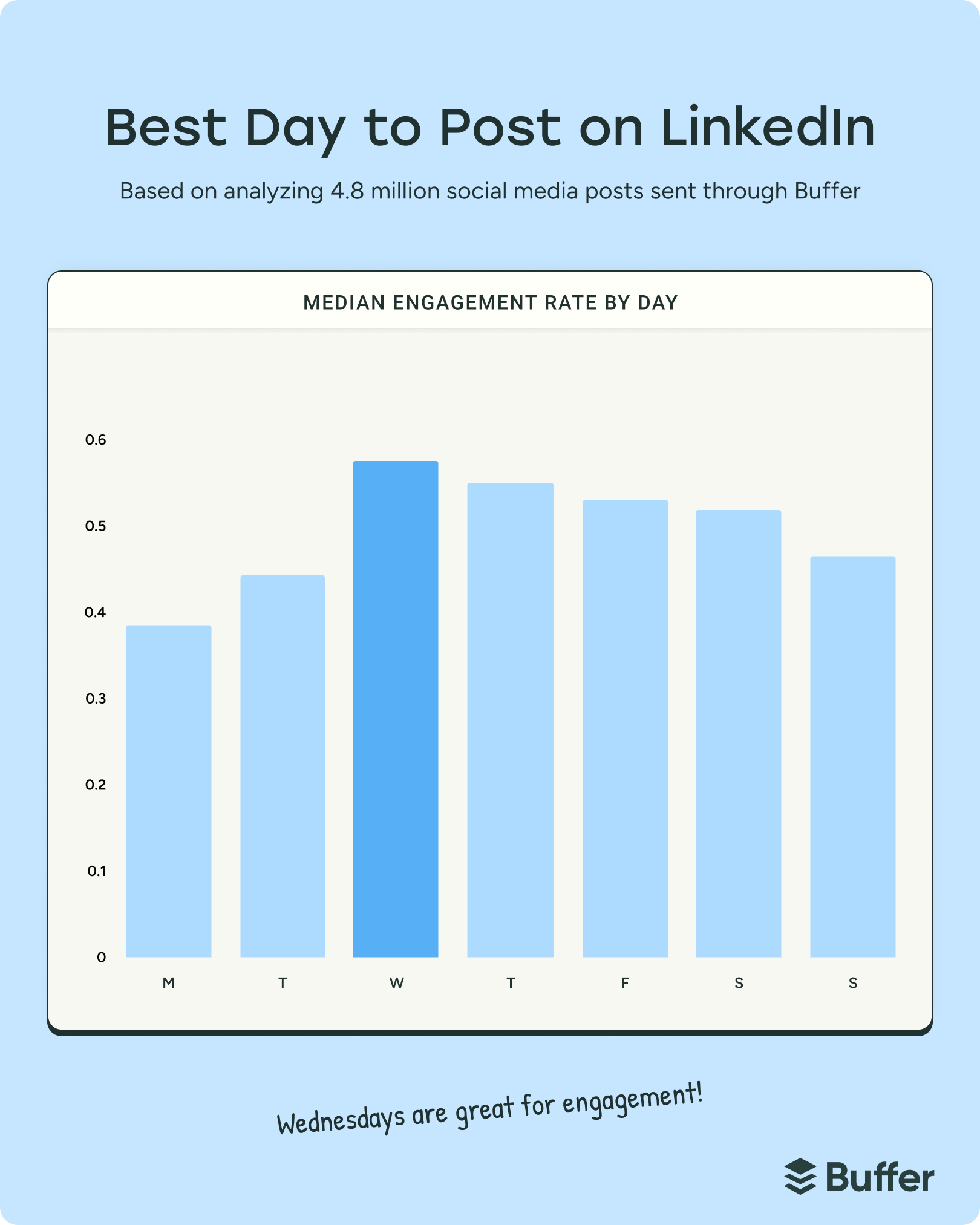
- Wednesday: This day emerges as the strongest for LinkedIn engagement, making it ideal for sharing critical content. The peak engagement times are a concentrated window of 4 p.m., 3 p.m., and 5 p.m. This mid-week sweet spot indicates that professionals are fully immersed in their work week and actively seeking valuable content without being distracted by weekend plans.
- Thursday: Following Wednesday’s strength, Thursday continues to show robust engagement, particularly in the evening. The best times are 5 p.m., 7 p.m., and 9 p.m., extending the high-activity period further into the night.
- Friday: Despite being the end of the work week, Friday remains a strong day for engagement. Professionals appear to be winding down their week by engaging with content from 3 p.m., 4 p.m., and 5 p.m. This period likely captures users in a reflective mood, catching up before the weekend.
- Saturday: Weekend engagement remains significantly lower than weekdays. However, if posting on Saturday is necessary, 9 a.m. is the best time, followed by 6 p.m. and 10 p.m. These times might cater to early risers or those catching up on professional development during leisure hours.
- Sunday: Sundays show the lowest engagement across the week. The late evening, specifically 10 p.m. and 9 p.m., along with an early 6 a.m. slot, represent the highest points. For critical content, weekdays are generally a much better option.
Strategic Implications for Professionals and Marketers
The shift towards late afternoon and evening engagement carries significant implications for anyone leveraging LinkedIn for professional growth, brand building, or lead generation.
- Re-evaluating Content Calendars: Marketers and content creators must review and potentially overhaul their existing LinkedIn content schedules. Relying solely on traditional 9-to-5 posting times may lead to missed opportunities for engagement. Prioritizing Wednesday, Thursday, and Friday, particularly in the later hours, appears to be a more effective strategy for 2026.
- Adapting Content Themes: The nature of content consumed in the evening might differ from midday. Evening content could lean towards more in-depth analyses, thought-provoking articles, skill development resources, or inspiring career stories, as users may have more time for focused consumption outside of immediate work tasks.
- Personal Branding: For individual professionals building their personal brand, understanding these shifts is critical. Consistent posting during peak times can significantly boost visibility and interaction, fostering stronger professional connections and opportunities.
- Recruitment and HR: Companies actively recruiting on LinkedIn should consider adjusting their job postings and employer branding content schedules. Reaching potential candidates when they are more receptive and actively browsing (i.e., after work) could increase application rates and engagement with career-related content.
- B2B Marketing: For businesses targeting other businesses, the evening window suggests that decision-makers and professionals are still engaging with B2B content outside of core business hours. This could be during commutes, at home, or during flexible work periods, highlighting the importance of evergreen, valuable content that transcends immediate workday needs.
Leveraging Analytics for Personalized Optimization
While Buffer’s aggregated data provides a robust starting point, the nuances of every audience mean that generalized recommendations are not a one-size-fits-all solution. LinkedIn’s own marketing blog acknowledges that timing research isn’t a "black-and-white science" and that audience variations are crucial. Therefore, continuous experimentation and diligent monitoring of personal analytics remain paramount.
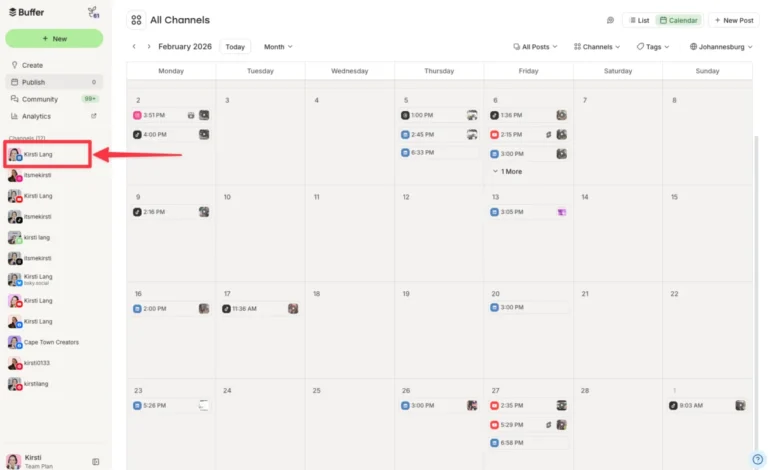
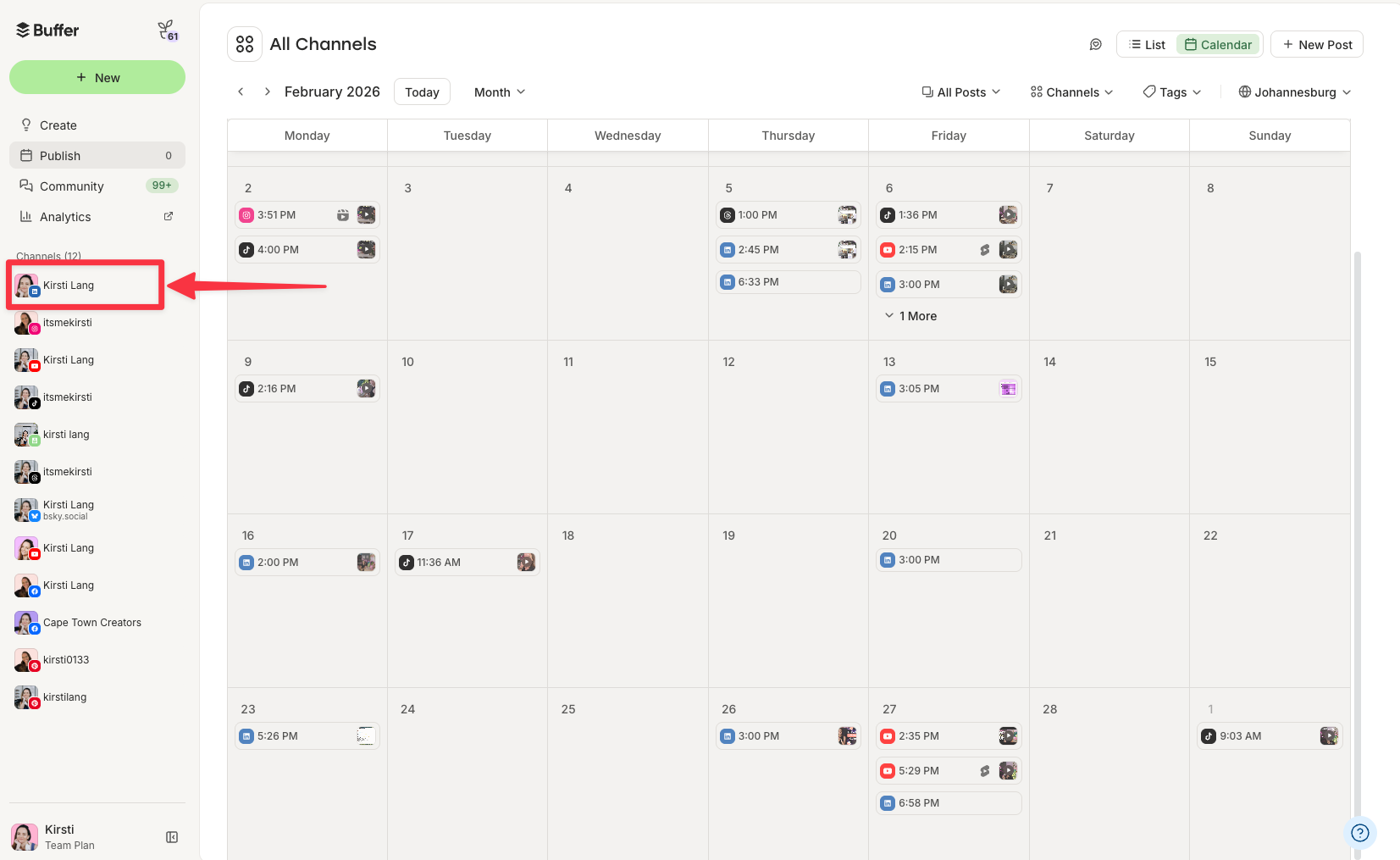
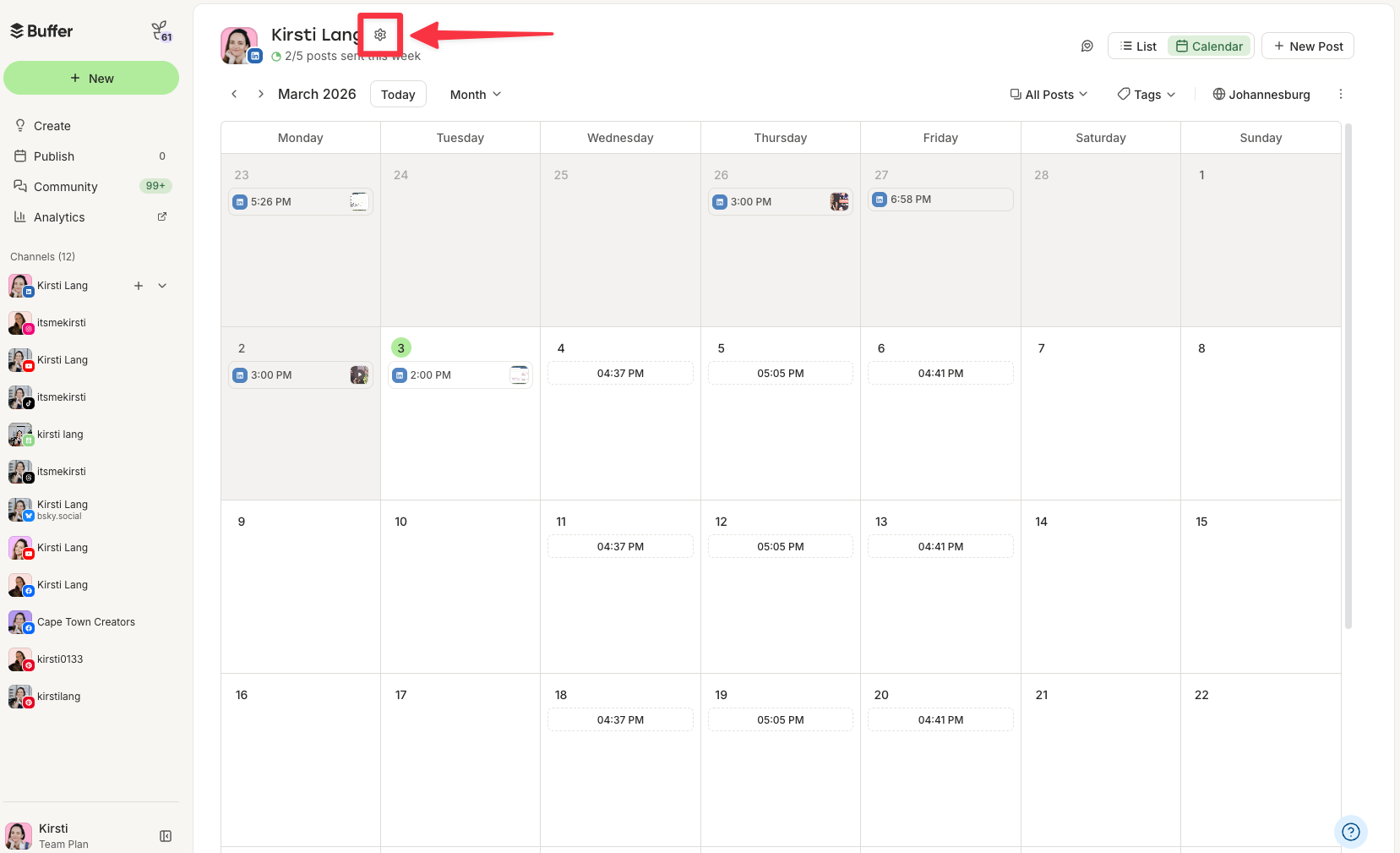
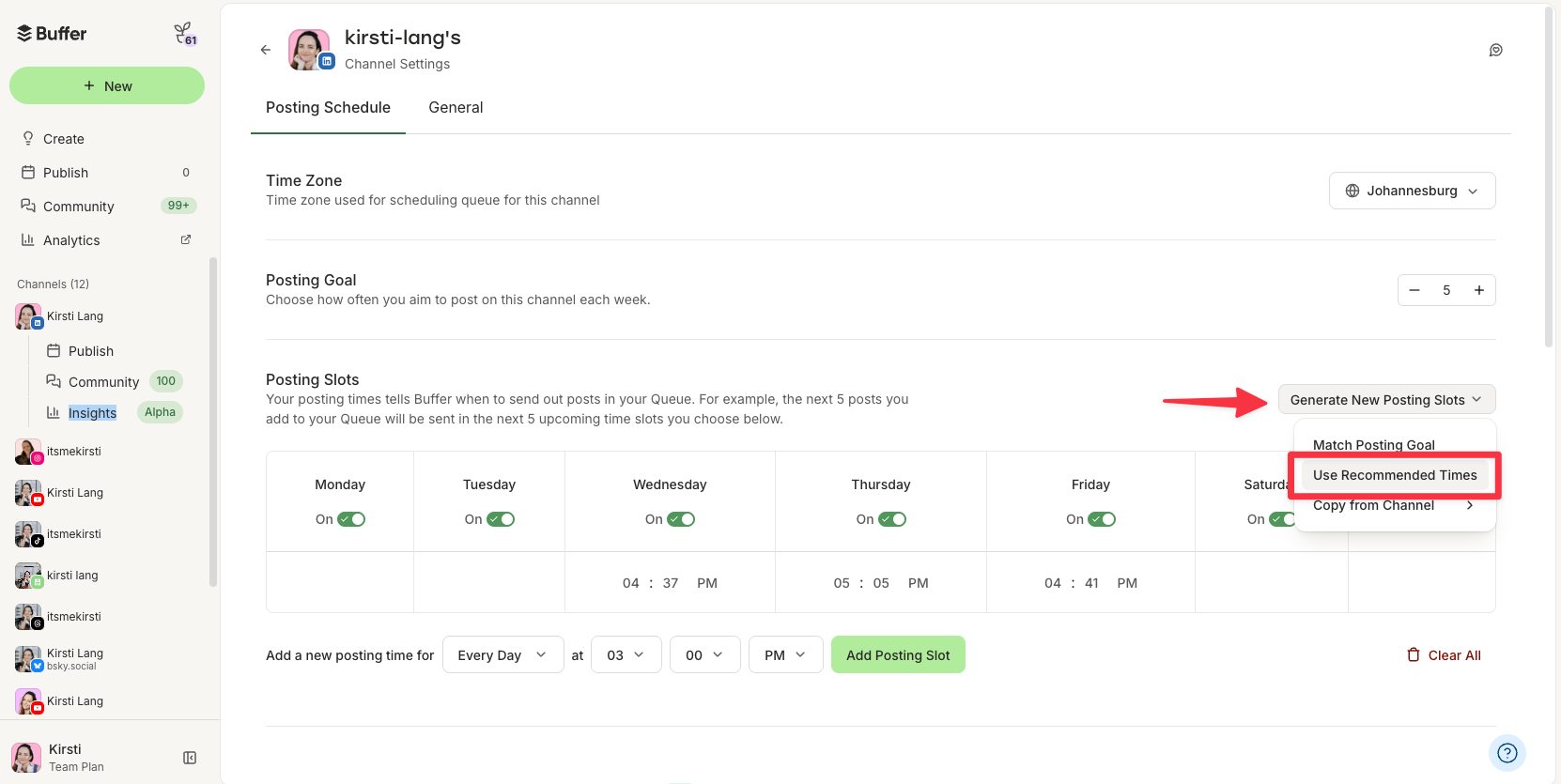
Tools like Buffer streamline this process by automatically suggesting optimal posting times for all connected social media channels, including LinkedIn. These recommendations are integrated into the scheduling interface, making it effortless for users to align their content with high-engagement windows. Beyond automated suggestions, users are strongly encouraged to dive into their own Buffer Insights or native LinkedIn Analytics. While LinkedIn’s native analytics show top-performing posts, they often lack precise timestamp data, making it challenging to pinpoint exact optimal hours without external tracking. A social media management tool or content calendar is essential for recording specific posting times to correlate with performance metrics. By tracking reactions, comments, and reposts, users can identify patterns unique to their specific audience, industry, and content type, refining their strategy over time.
Beyond Timing: Content Quality and Frequency
It is crucial to remember that optimal timing acts as an amplifier for strong content, not a substitute. A post shared during a peak engagement window will only thrive if its content is relevant, valuable, and compelling to the target audience.
Buffer’s separate research into LinkedIn posting frequency highlights that consistency and volume also play significant roles. Analyzing over 2 million LinkedIn posts, Buffer found that posting 2 to 5 times per week is an effective starting point, delivering approximately 1,182 more impressions per post and a 0.23 percentage point increase in engagement rate compared to posting just once a week. This frequency appears to signal to LinkedIn’s algorithm that a user or brand is active, leading to wider distribution. For those capable of sustaining higher volumes, posting 6 to 10 times per week further boosts gains (+5,001 impressions per post), while 11+ posts per week can lead to dramatic results: nearly 17,000 more impressions per post and three times as many engagements. These benefits hold true regardless of audience size.
Regarding content type, Buffer’s data indicates that carousel (document) posts significantly outperform others, generating up to 596% more engagement than text-only posts. This suggests that visually rich, multi-slide content that offers digestible insights or step-by-step guides resonates powerfully with the LinkedIn audience. Video content, polls, and well-crafted articles also continue to perform well, provided they offer genuine professional value.
Conclusion
The 2026 LinkedIn engagement data from Buffer signals a definitive shift in professional online behavior. The move away from strictly workday engagement towards late afternoon and evening hours underscores the dynamic nature of social media platforms and user interaction patterns. For marketers, brands, and individual professionals, adapting to these new optimal posting times is not merely an advantage but a necessity for maximizing visibility and fostering meaningful engagement. While generalized data provides a valuable guide, the ultimate success lies in combining these insights with platform-specific analytics, a commitment to high-quality content, and a willingness to continually test and refine strategies to align with the unique rhythm of one’s own audience. The landscape of professional networking is ever-evolving, and staying ahead requires a data-driven, adaptive approach.