Virtual Vocations Announces September 2026 Employer Partner Remote Job Openings and Weekly Hiring Updates

The official transition into the autumn hiring season has brought a notable surge in remote employment opportunities, as verified Virtual Vocations Employer Partners roll out robust lists of fully remote positions spanning diverse sectors. With organizations actively pushing toward their final-quarter targets for the 2026 fiscal year, the labor market is experiencing a seasonal influx of flexible positions designed to attract talent across varying levels of experience. This September initiative aims to bridge the gap between job seekers seeking career mobility and verified corporate partners searching for specialized remote workforce solutions.

Industry analysts and employment experts frequently point to the late-third-quarter period as a critical window for job seekers. Organizations often receive budget allocations or find themselves needing to scale operations to meet end-of-year demands, resulting in a steady stream of newly created roles. Virtual Vocations has structured its September 2026 employer partner campaign to highlight these evolving opportunities through weekly updates, ensuring that candidates have access to verified listings that emphasize transparency, competitive remote flexibility, and legitimate corporate backing.
Chronology of the September 2026 Hiring Initiatives
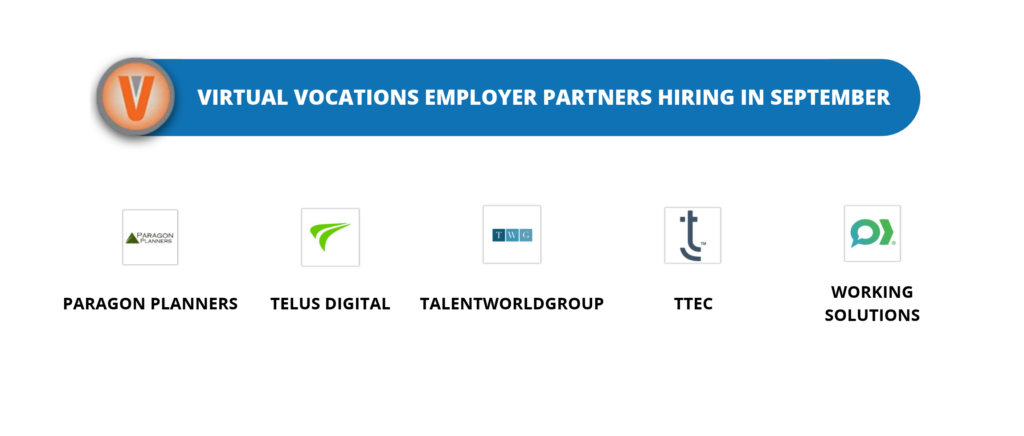
The September 2026 hiring cycle has unfolded through a structured, week-by-week release schedule managed by Virtual Vocations, highlighting a diverse array of companies spanning financial business services, digital IT, customer contact solutions, and skincare e-commerce.
During the first week of September, specifically leading up to initial updates, premier employer partners established a strong foundation for the month’s job listings. Prominent organizations such as Paragon Planners initiated recruitment drives for administrative scheduling talent tailored to the financial sector. Simultaneously, TELUS Digital opened applications for varied remote technical and operational roles, while TalentWorldGroup targeted multilingual professionals for outbound lead qualification. Long-standing remote partners like TTEC Holdings and Working Solutions also reinforced their active pipelines, offering consumer-facing roles in insurance and business process outsourcing.

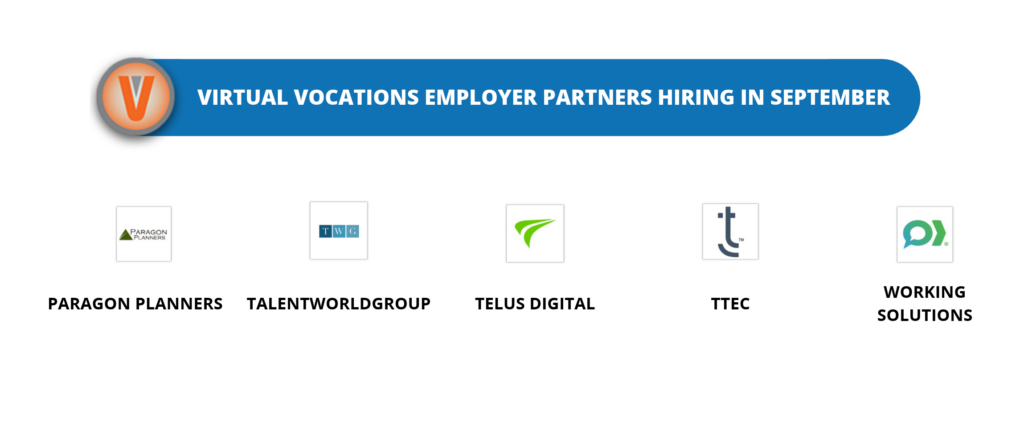
As the month progressed into the second week, the focus remained on sustaining momentum across core industries. Paragon Planners, TalentWorldGroup, TELUS Digital, TTEC, and Working Solutions maintained active recruitment statuses, signaling a sustained demand for customer support, linguistic specialists, and administrative coordinators.
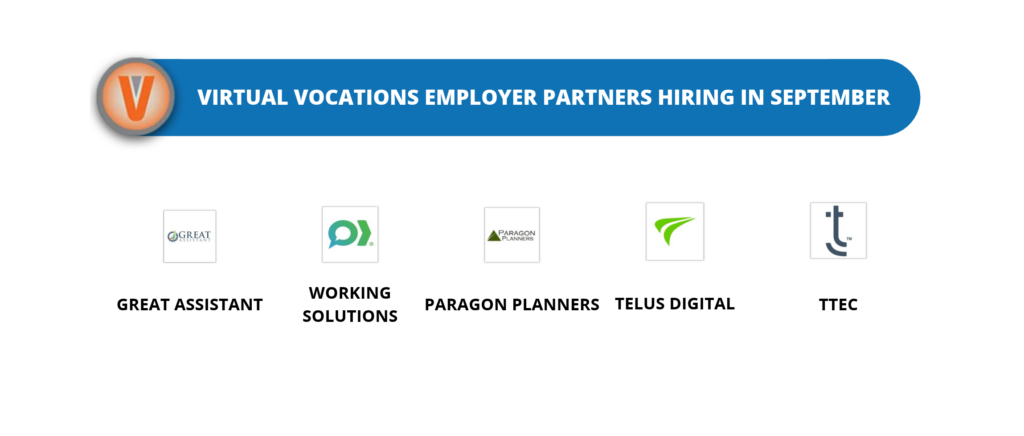
By the third week of September, specialized firms such as Great Assistant entered the forefront by offering targeted administrative roles, including Tax Advice Virtual Assistants designed to support small business owners and independent entrepreneurs. Concurrently, business process outsourcing providers like Working Solutions expanded their specialized support roster by listing positions such as QuickBooks Support Specialists, aiming to capture tech-savvy customer service professionals capable of handling complex software troubleshooting.

Entering the final stretch of the month, the fourth week of September brought new entrants into the employer partner network. CO2Lift, a prominent skincare and carboxytherapy brand, expanded the month’s scope into e-commerce customer support, seeking specialized personnel to manage product logistics and post-treatment consumer relations. Established digital marketing leaders like Coalition Technologies also joined the active listings, offering comprehensive remote opportunities across SEO, PPC, and digital web development fields.
Supporting Data and Labor Market Context

The expansion of remote job listings in September 2026 aligns with broader macroeconomic shifts toward hybrid and fully remote work models within administrative, customer support, and digital services sectors. According to recent labor market reports tracking remote employment trends, non-technical customer service, digital marketing, and specialized virtual assistance continue to represent the highest volume of remote job postings.
Data compiled across remote job boards indicates that roles requiring specialized software proficiency—such as QuickBooks support—or multilingual capabilities—such as German-language sales development—command higher stability and faster hiring turnaround times. Furthermore, industry metrics emphasize the critical nature of application timing: recruitment platforms consistently advise candidates to submit applications within 48 hours of a job listing’s publication to maximize visibility among hiring managers who face high volumes of inbound digital resumes.

Official Responses and Industry Perspectives
Representatives from career advisory services and workforce development organizations have noted that the autumn hiring surge offers a psychological and practical reset for job seekers who may have experienced a sluggish summer hiring market. While official statements from specific corporate partners like Paragon Planners and TTEC focus primarily on operational readiness and customer acquisition goals, broader commentary from talent acquisition specialists highlights a strategic shift.

Employers are increasingly prioritizing candidates who demonstrate proven self-management skills, digital literacy, and specific domain expertise, such as financial scheduling or platform-specific troubleshooting. For organizations utilizing business process outsourcing (BPO) models, remote staffing solutions provide the scalability necessary to manage fluctuating consumer demand without the geographical constraints of traditional brick-and-mortar call centers. Consequently, employer partners view platforms like Virtual Vocations as vital conduits for sourcing pre-vetted talent capable of integrating seamlessly into decentralized digital environments.
Broader Impact and Strategic Implications for Job Seekers
The implications of the September 2026 remote job campaigns extend far beyond immediate employment figures, reflecting the maturation of the remote work economy. As remote positions become a permanent fixture of the modern labor landscape rather than a temporary accommodation, the competition for verified, high-quality positions has intensified.
For job seekers, navigating this landscape requires a targeted approach. The presence of specialized roles—ranging from tax-focused virtual assistants to bilingual outbound sales representatives—underscores the market’s demand for niche skill sets. Generalist applications are increasingly giving way to specialized profiles that match the precise operational needs of modern enterprises.
Moreover, the structured rollout of weekly employer alerts serves as an educational tool for candidates, encouraging proactive job search habits, rapid response times, and careful alignment of personal qualifications with verified corporate partners. As businesses finalize their operational strategies for the remainder of 2026, candidates who leverage these structured updates position themselves advantageously to secure sustainable, long-term remote careers that accommodate their professional and lifestyle objectives.