The Paradox of AI-Native SaaS Growth: Why High-Velocity Activation Is Breeding Rapid Churn

The software-as-a-service (SaaS) industry is currently undergoing a structural transformation that mirrors the mobile application boom of the early 2010s. Just as mobile computing compressed distribution channels and redefined consumer expectations for speed, artificial intelligence is radically compressing the timeline between user intent and functional outcome. Modern software users are regularly experiencing their first meaningful "aha moment"—the realization that a digital tool genuinely works—within their very first session, frequently in a matter of minutes. Traditional multi-day configuration setups, extensive onboarding tours, and complex administrative frameworks are rapidly being rendered obsolete by generative workflows.
However, recent empirical market research published by subscription analytics firm ChartMogul reveals a stark and challenging paradox hidden beneath this surface-level efficiency. The very same AI-native software products that are achieving record-breaking top-of-funnel acquisition metrics—such as reaching $1 million in annual recurring revenue (ARR) up to three times faster than traditional SaaS counterparts—are simultaneously exhibiting significantly higher user attrition rates and weaker net revenue retention (NRR). This emerging phenomenon has forced product-led growth (PLG) strategists, venture capitalists, and software founders to re-evaluate how user activation is defined, measured, and sustained.
The Evolution of User Activation: From Manual Friction to Instantaneous Inference
To understand the current retention crisis in artificial intelligence software, industry analysts must examine how the definition of activation has shifted over the past decade. Throughout the traditional eras of enterprise and consumer software, activation was fundamentally an obstacle course. Users were required to navigate hostile blank canvases, manually configure databases, integrate third-party APIs, and complete multi-step setup wizards before experiencing any tangible return on investment.
During this period, high churn rates during the onboarding phase were primarily attributed to friction. Product teams responded by optimizing forms, reducing mandatory fields, and introducing linear tutorials designed to guide users safely across the configuration chasm.
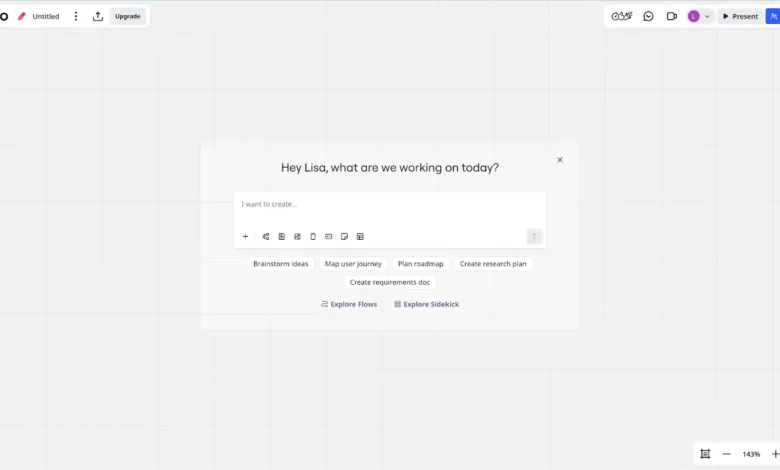
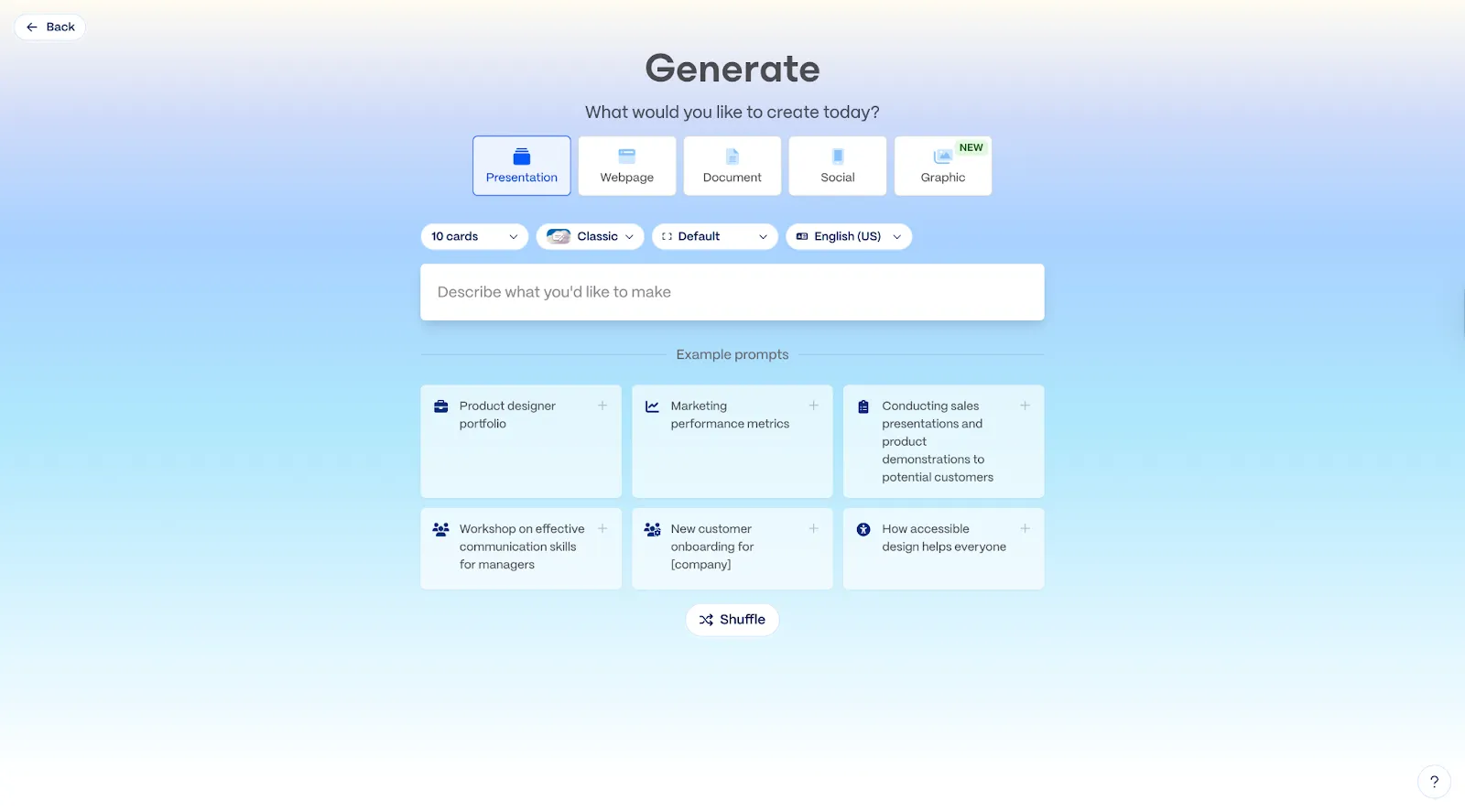
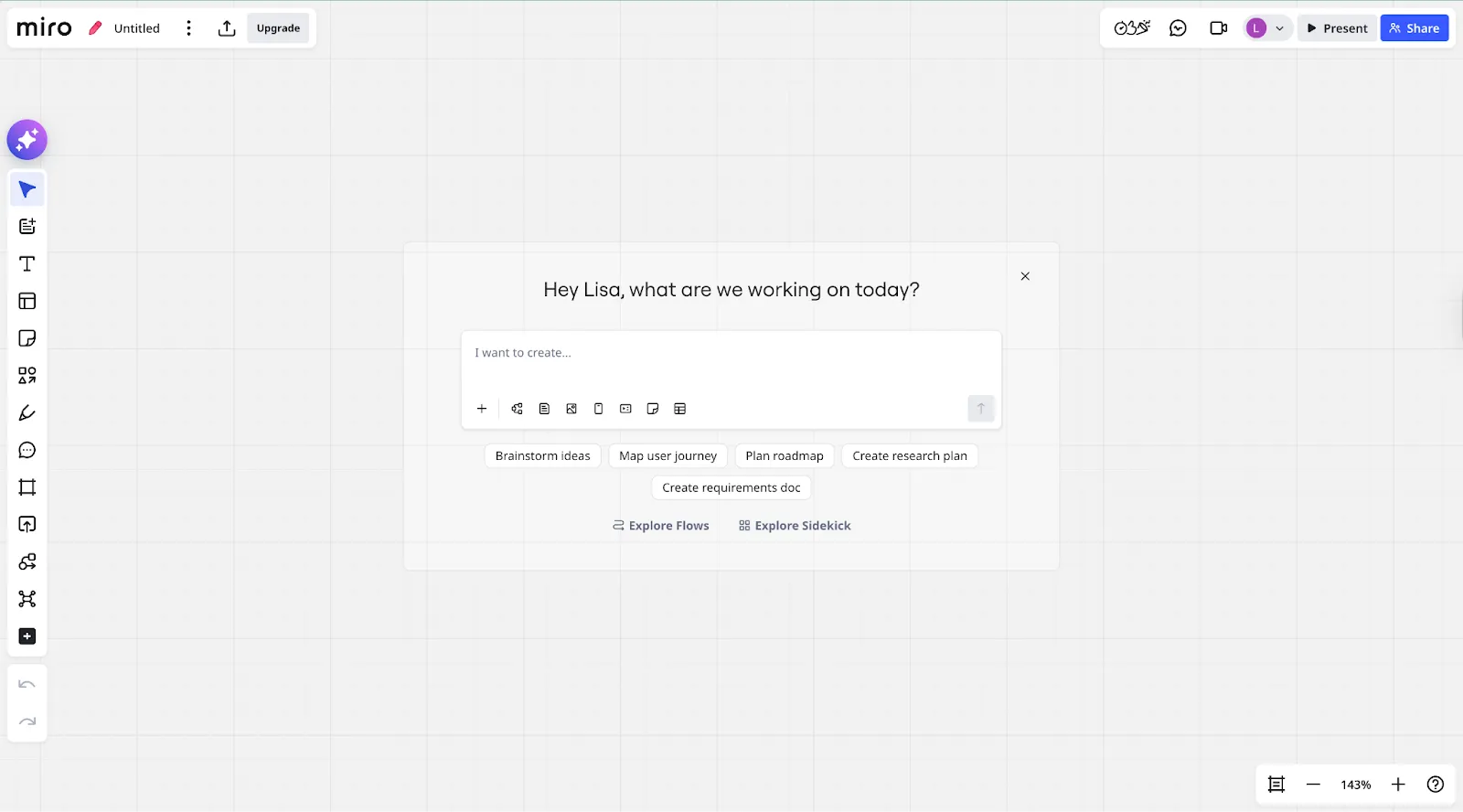
The integration of artificial intelligence has effectively eliminated this initial barrier. Today’s prospective users can sign up for a platform, articulate their business or creative requirements via natural language processing, and receive fully realized, functional artifacts—such as marketing copy, financial models, CRM pipelines, or slide decks—in under sixty seconds. Platforms like Gamma, HubSpot, Notion, and Miro have successfully automated the "empty-state problem," replacing static templates and blinking cursors with pre-populated workspaces and dynamic, conversational onboarding experiences.
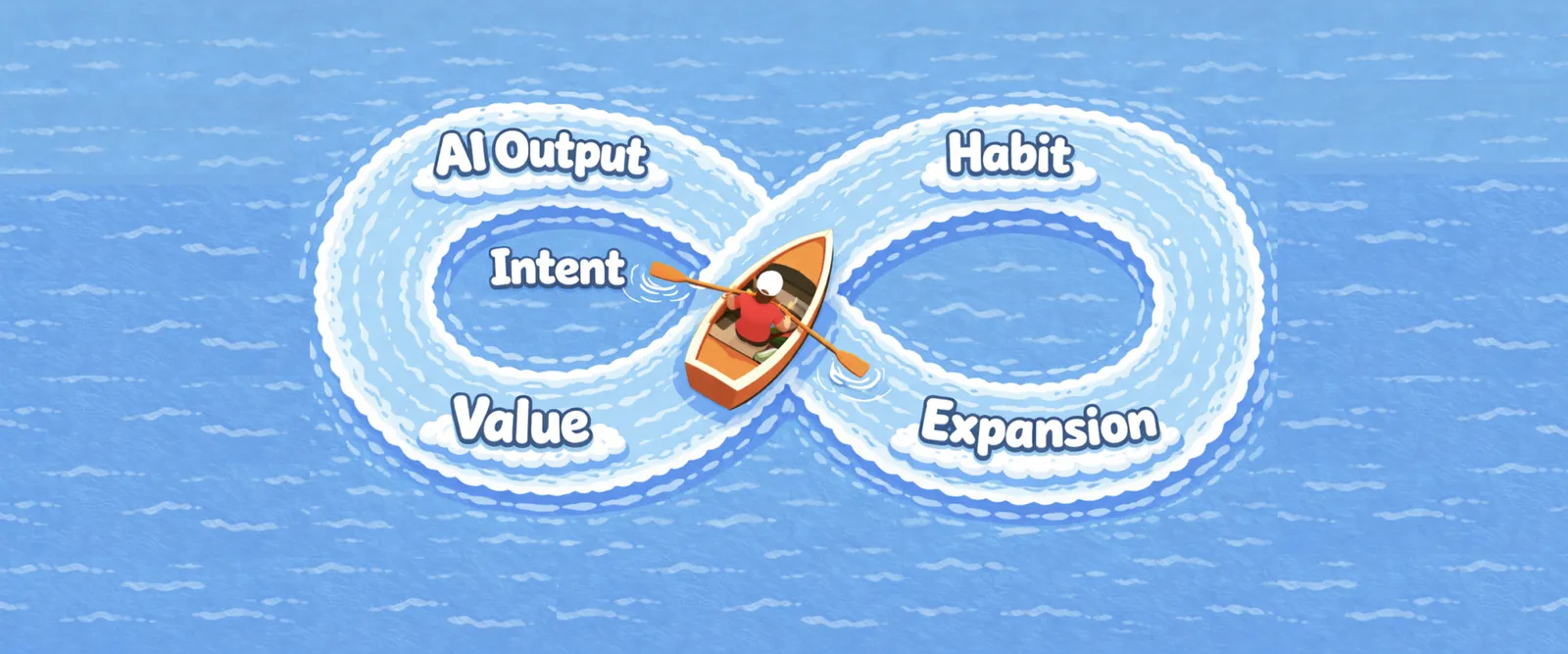
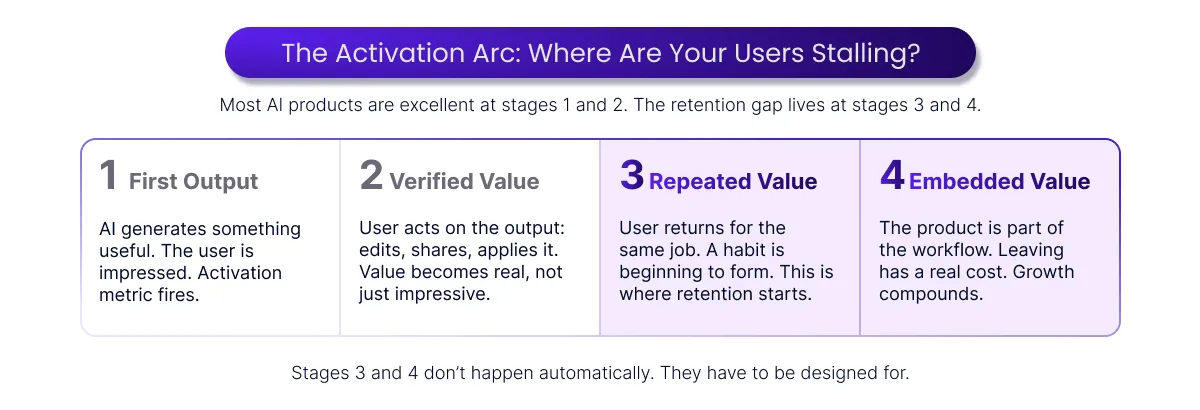
Yet, industry experts point out that this immense tactical victory has introduced a strategic vulnerability. When an algorithm performs the heavy lifting of configuration and initial creation on behalf of the user, it eliminates a critical psychological phase: active cognitive labor. In legacy SaaS models, the friction of manual setup forced users to build a mental model of the software, integrate it into their daily routines, and establish a foundational investment in the tool. When AI completely bypasses that friction, users experience passive delight. They are consistently impressed by initial outputs, but they frequently fail to integrate the application into their core operational habits. Consequently, when a similar problem arises downstream, they lack a deep-rooted institutional loyalty to return to that specific platform.
Analyzing the Data: High-Velocity Acquisition Versus Long-Term Retention
The empirical data compiled in recent SaaS benchmark reports illustrates a widening divide between early-stage traction and long-term customer lifetime value. According to longitudinal industry tracking, AI-first startups are capturing market share at unprecedented velocities. Founders leveraging generative capabilities to automate complex workflows are securing seed and Series A funding rounds at accelerated paces, driven by immediate, eye-catching growth metrics.
Nevertheless, cohort retention curves tracking users across 30-, 60-, and 90-day intervals reveal a concerning drop-off. While traditional B2B SaaS companies often experience slower initial growth curves, their net revenue retention tends to stabilize as customers deeply embed the software into enterprise infrastructure. Conversely, AI-native applications frequently display steep churn curves after the initial excitement of the first session subsides.
Product strategists emphasize that traditional product dashboards are fundamentally miscalibrated for this shift. Most analytics suites continue to measure activation as a binary event: did the user complete the onboarding sequence, and did they generate a first output? Because modern AI tools can manufacture these milestones almost effortlessly, activation dashboards frequently present an overly optimistic view of product-market fit, masking the underlying retention vulnerabilities that manifest weeks later in churn reports.
Emerging Product Patterns: How Market Leaders Are Adapting
As the limitations of purely passive onboarding become clear, top-tier AI-native companies are beginning to deploy sophisticated product architectures designed to convert rapid first-session value into durable, long-term habits. Market analysis of the fastest-growing software platforms reveals four distinct architectural patterns that bridge the gap between initial impression and permanent workflow integration:
- Active Transformation of AI Outputs: The most successful products do not merely present users with a static piece of AI-generated content and terminate the interaction. Instead, platforms like Gamma and advanced design tools prompt the user to immediately edit, refine, export, or collaborate on the generated artifact. This transition from passive recipient to active editor helps the user internalize the value of the platform.
- Context-Aware Workflow Embedding: Rather than operating as isolated utility chatbots or standalone feature tabs, durable AI tools function natively within existing operational environments. For instance, collaborative whiteboard software like Miro integrates artificial intelligence directly on top of pre-existing canvas data, summarizing themes and generating insights from accumulated project history rather than forcing users to start fresh in a separate window.
- Adaptive Conversational Onboarding: Fixed step-by-step product walkthroughs are rapidly being replaced by dynamic, two-way conversational dialogues. These feedback loops allow software to capture nuanced user intent, context, and organizational goals in real time, tailoring subsequent interactions to the specific operational needs of the individual.
- Deliberate Accumulation of Switching Costs: Traditional enterprise software relied on static data—such as stored files and contact lists—to create switching costs. AI-native platforms are now engineered to accumulate behavioral context over time, learning user preferences, workflow patterns, and institutional nuances with every session. This progressive accumulation ensures that leaving the platform incurs a genuine productivity penalty.
Broader Implications and Strategic Recommendations for SaaS Leadership
The unfolding narrative surrounding artificial intelligence and user retention suggests that the software industry is moving past the initial novelty phase of generative technology. Venture capitalists and enterprise buyers are increasingly looking past top-line acquisition metrics, placing greater emphasis on cohort health, usage frequency, and net revenue retention as true indicators of business sustainability.
For software founders, product managers, and growth strategists navigating this landscape, industry experts recommend a fundamental realignment of operational metrics and product design principles:
- Redefining Activation Milestones: Product teams must move beyond measuring superficial milestones like onboarding completion or initial generation. Activation definitions should incorporate downstream behavioral triggers, such as whether a user edited, shared, or repeatedly returned to an AI-generated artifact.
- Designing Explicit Return Triggers: Durable retention does not occur passively. Product architectures must intentionally incorporate concrete mechanisms—such as automated follow-ups, collaborative pings, or asynchronous progress updates—that give users a logical, systemic reason to reopen the application the following day.
- Tracking Contextual Accumulation: Companies should audit their user journeys to identify precisely when and how the software begins retaining meaningful, personalized context about the user. If this occurs too late in the user lifecycle, the platform remains vulnerable to high churn.
- Cohort Segmentation Analysis: Analytics frameworks should be structured to isolate and compare cohorts based on downstream engagement actions. Analyzing the long-term retention delta between users who merely view AI outputs and those who actively manipulate and integrate them provides a clearer diagnostic of true product-market alignment.
Ultimately, the rapid evolution of artificial intelligence has established a new baseline standard for software usability. While lightning-fast time-to-value and frictionless onboarding are now essential prerequisites to enter the market, they no longer guarantee long-term commercial viability. As the data demonstrates, the companies that will successfully compound their growth over the coming decade are those that recognize a fundamental industry truth: the fastest product to deliver value may successfully secure a foot in the door, but only the product that seamlessly integrates into the daily workflow will ultimately retain its place.