In 2014, the analytics firm Mixpanel secured a $65 million Series B funding round, bolstered by an aggressive expansion strategy that projected a massive scale-up of its sales division. The roadmap was ambitious: starting the year with only five sales representatives, the company aimed to grow that department to 33 by year-end, with an ultimate goal of reaching 100 sales personnel by 2016. However, the trajectory of the tech sector proved less linear than the company’s pitch deck suggested. By early 2016, rather than celebrating a massive sales force, Mixpanel was forced to announce a workforce reduction of 18 employees, predominantly from its sales team.
This pivot was not an isolated incident. It served as a harbinger for a broader cooling period within the high-growth Software as a Service (SaaS) industry. Shortly after the Mixpanel announcement, Optimizely, another darling of the venture capital world, confirmed its own layoffs. The convergence of these events signaled that the "growth-at-all-costs" mentality that defined the early 2010s was facing an existential reckoning.
The Macroeconomic Shift in SaaS Funding
To understand the current state of SaaS, one must examine the capital influx that fueled its rise. Between 2010 and 2016, annual venture capital investment in the SaaS sector soared from approximately $1.5 billion to $7 billion. This massive infusion of liquidity encouraged startups to prioritize market share over profitability, often relying on the "three-step formula": hire a massive sales team, execute aggressive outbound marketing, and iterate on product features until an exit or IPO.
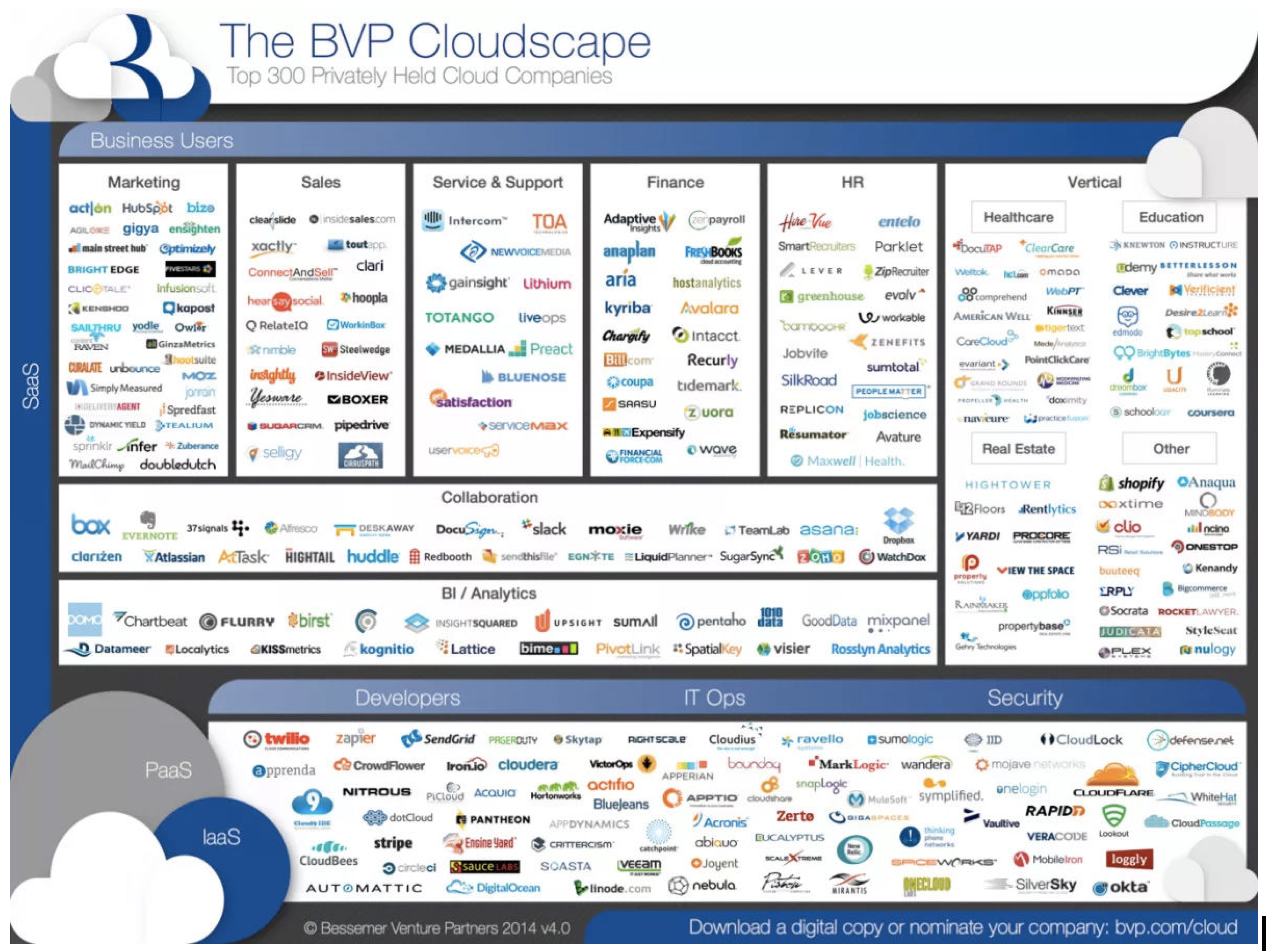
The rise of cloud infrastructure, specifically Amazon Web Services (AWS), lowered the barrier to entry significantly. Startups no longer needed to manage physical data centers or invest heavily in hardware. This shift democratized software creation, leading to a crowded, hyper-competitive landscape where the sheer volume of available tools eroded the pricing power of individual vendors. As attention became a finite and increasingly expensive resource, the cost of customer acquisition (CAC) began to climb, forcing firms to re-evaluate their unit economics.
Official Responses to Market Volatility
The industry’s transition from rapid expansion to fiscal discipline was articulated clearly by Optimizely CEO Dan Siroker. In a public statement addressing the company’s 2016 layoffs—which affected roughly 10% of the staff—Siroker noted that the decision was the culmination of a long-term strategic shift.
"This was a journey we committed to back in August 2015 to put us on a path to sustained growth and profitability without additional venture capital," Siroker wrote. He acknowledged that the company had become "over-invested" in certain operational areas. This sentiment echoed across the Valley; the era of subsidized growth was ending, and the era of "efficiency-first" operations had begun.
Industry analysts, such as Hiten Shah, suggested that the market had reached a point of commoditization rather than a decline. In a late 2016 commentary, Shah observed: "We haven’t hit peak SaaS. We’re at the start of SaaS commoditization. The bar is getting higher for hitting product-market fit."

The New Rules of Engagement
As the market matures, the strategies that once guaranteed success—namely, building software for other software companies—are becoming less effective. The sector is currently oversaturated with tools designed to solve the problems of other SaaS startups. Consequently, the next wave of successful software companies is looking toward underserved, non-tech-native markets.
1. Targeting Niche Verticals
Rather than competing for space in the crowded tech ecosystem, companies are now looking to traditional industries that remain under-digitized. A prime example is ATI, a physical therapy provider that operates over 600 clinics across the United States. While fundamentally a healthcare services company, ATI operates as a sophisticated SaaS entity. By providing an integrated digital platform that handles appointment scheduling, insurance verification, and patient communication, ATI has carved out a defensible moat in a niche market. This strategy demonstrates that the future of SaaS may lie in "verticalization," where software is tailored to the specific, complex workflows of a non-tech industry rather than a general-purpose tool for tech workers.
2. Adopting a "Side-Door" Distribution Strategy
The traditional model of relying on massive sales teams to drive adoption is increasingly cost-prohibitive. Instead, modern startups are finding success by offering high-utility, free tools to capture user attention, a strategy often referred to as "product-led growth." Clearbit, a provider of lead enrichment APIs, has utilized this model to great effect. By offering free, standalone tools that provide immediate value to developers and marketers, they effectively create a "side door" into their ecosystem. These free tools serve as both a lead-generation engine and a proof-of-concept for their paid services. As Matt Sornson, Head of Growth at Clearbit, noted, there is no better marketing than providing an incredibly useful tool that users rely on daily, as this creates inherent brand authority.
3. Rethinking the Monetization Model
The standard 30-day trial followed by a rigid subscription fee is increasingly viewed as an outdated, "crude" monetization tactic. Users are becoming more resistant to paying for access before they have realized tangible value. Forward-thinking companies are now experimenting with transactional or network-based monetization models.

Dotloop, an industry-specific platform for real estate, illustrates this shift. By building a network where agents, brokers, and clients collaborate on documents within a "loop," the company incentivizes usage through network effects. Because the software facilitates the transaction, the platform’s value grows as more participants join. This structure allows the company to move away from a simple subscription-only model toward one that mirrors the dynamics of a marketplace or social network, where monetization can occur at the point of transaction rather than at the point of entry.
Broader Implications and Future Outlook
The shift in the SaaS landscape represents an inflection point rather than a collapse. While the growth metrics of 2010–2014 were fueled by cheap capital and a lack of competition, the next decade will be defined by operational excellence and value creation.
For current founders and investors, the implications are clear:
- Product Quality is Paramount: In a market where users are inundated with choices, products must be intuitive, polished, and high-performing from day one.
- Brand Authority is a Moat: In the absence of massive ad budgets, building a reputation for thought leadership and consistent value delivery is the most effective way to retain users.
- Customer-Centric Monetization: Companies must align their revenue models with the actual value delivered to the user, moving away from forced subscription hurdles that alienate potential customers.
As the industry moves forward, the firms that will survive and thrive will be those that view software as a service in the literal sense—a means of providing genuine utility—rather than merely a licensing mechanism. The "SaaS" label may persist, but the companies of the next decade will likely bear little resemblance to the enterprise giants of the previous generation. They will be leaner, more targeted, and significantly more integrated into the operational fabric of their users’ businesses. The era of easy growth is over; the era of sustainable, value-driven software has begun.