ChartMogul Concludes Global PLG Growth Lab Roadshow Highlighting Evolving SaaS Strategies and AI Monetization

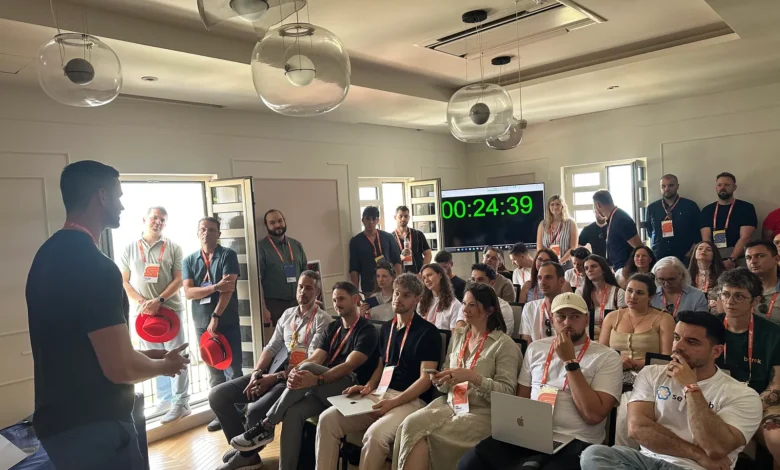
The global landscape of software-as-a-service (SaaS) and product-led growth (PLG) has undergone a fundamental transformation, driven by rapid advancements in artificial intelligence, shifting buyer preferences, and the complexities of scaling from early-stage traction to enterprise-level operations. To examine these ground-level challenges, ChartMogul Chief Revenue Officer Sara Archer spearheaded the PLG Growth Lab roadshow, a comprehensive multi-city international series that spanned seven major technology hubs over several months. Originating from a desire to move beyond high-level unicorn narratives and engage directly with operators navigating day-to-day scaling hurdles, the initiative convened founders, revenue leaders, and product marketers to debate everything from usage-based pricing compensation models to the practical implementation of AI features. The tour took participants from the tech-centric boardrooms of San Francisco to the historic coastal backdrop of Šibenik, the creative rooftop scenes of Paris, the foundational founder gatherings of London, a cinema-turned-workshop space in Warsaw, a rain-soaked collaborative session in Utrecht, and finally to an intimate executive dinner during the Pavilion Go-To-Market Summit in New York.
Background and Genesis of the PLG Growth Lab Initiative
The conceptual framework for the PLG Growth Lab roadshow emerged in October, catalyzed by industry fatigue surrounding generalized success stories from speakers distant from tactical execution. Modern B2B software enterprises face acute operational friction: marketing teams struggle with attribution models as buyer journeys fragment, product leaders grapple with measuring the actual utility of newly integrated AI capabilities, and revenue executives try to transition self-serve user bases into lucrative enterprise contracts without alienating organic growth channels.

ChartMogul, a recognized authority in subscription analytics and revenue management, recognized an industry-wide need for peer-to-peer discourse centered on unresolved operational questions. Rather than hosting traditional, corporate-sponsored webinars or generic conference panels, the organization designed a localized format where participants could dissect operational mechanics. The resulting seven-stop itinerary was meticulously curated to capture distinct regional market dynamics, pairing localized hosting partners with targeted curriculum tailored to the maturity of the local ecosystem.
Chronology and Regional Highlights of the Seven-Stop Tour
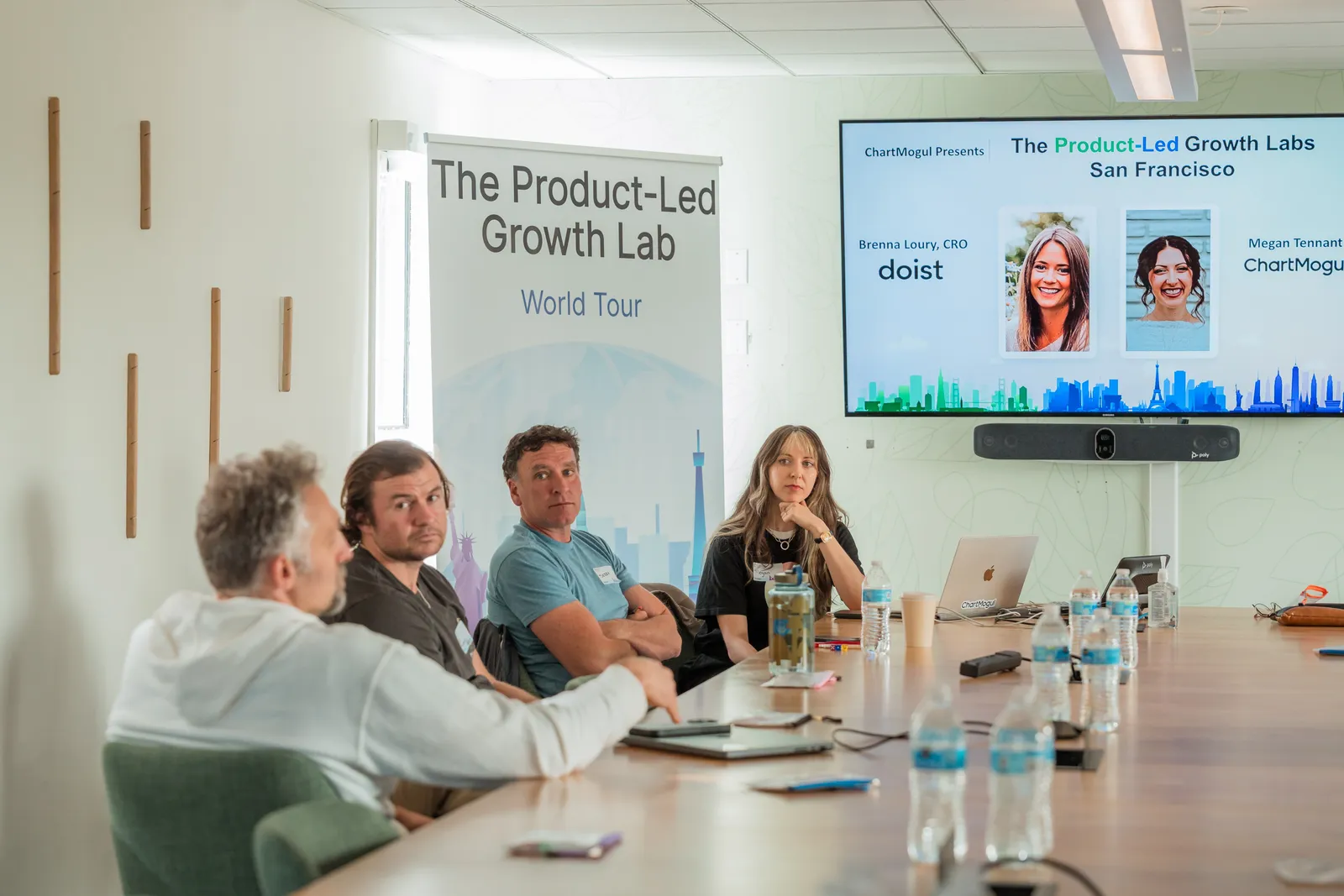
The international itinerary commenced concurrently with Stripe Sessions in San Francisco, setting an ambitious tone focused on enterprise expansion. Joined by Brenna Loury, Chief Revenue Officer of productivity software giant Doist, participants tackled the intricate mechanics of transitioning individual users on entry-level plans into multi-seat enterprise accounts. The boardroom workshop addressed the precise tipping points required to involve sales personnel without disrupting the bottom-up adoption loop that characterizes successful PLG motions. Discussions focused on arming internal champions with the necessary collateral to secure cross-functional internal buy-in, ensuring that early consumer enthusiasm translates into robust long-term annual recurring revenue (ARR).
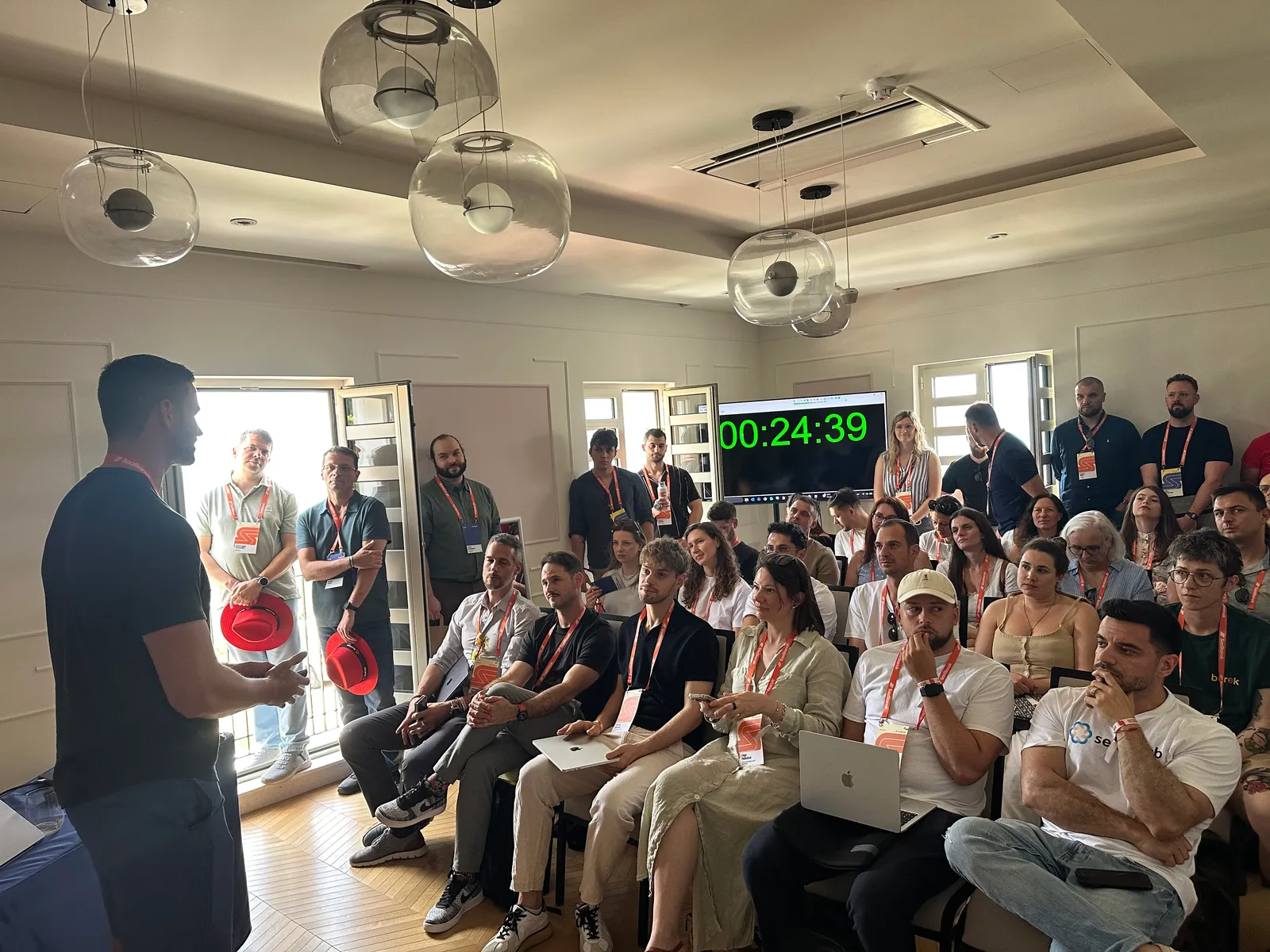
Moving across the Atlantic, the tour made a notable stop on the Croatian coast in Šibenik, executed in strategic partnership with SaaStanak. Operating against the backdrop of a regional heat wave, the sessions provided a deep dive into the operational machinery underpinning modern growth. Tom Andrews demonstrated the technical infrastructure required to automate upsells by synchronizing live product usage metrics, customer demographic profiles, and billing telemetry. Concurrently, Aleksandra Korczyńska dissected the limitations of pure behavioral data, noting that the absence of a product upgrade does not inherently signal feature dissatisfaction; it frequently indicates budgetary constraints or organizational inertia, necessitating direct customer outreach. Wes Bush and Paulina Spaccarotella further enriched the operational discourse by challenging attendees to prioritize time-to-value, ensuring that onboarding architectures foster user confidence before introducing interface friction. Additionally, a dedicated scaling workshop led by Kyle Poyar and Sara Archer equipped businesses transitioning from $1 million to $20 million in ARR with actionable retention, expansion, and pricing frameworks.
In Paris, hosted by Guideflow with panoramic views of the Eiffel Tower, the conversation shifted toward monetization anomalies and artificial intelligence integration. Benjamin Cahen, Chief Executive Officer of Wisepops, shared candid insights regarding a high-stakes corporate experiment: transitioning away from self-serve freemium models toward an entirely sales-led motion. For an organization accustomed to automated lead generation, redirecting incoming traffic directly to sales teams presented distinct cultural and operational challenges that tested both customer patience and internal alignment. Lisa Heiss complemented this perspective by analyzing activation matrices within AI-driven products, emphasizing that while computational speed is vital, customer trust, transparency, and cognitive ease remain the ultimate arbiters of software adoption.
The London leg convened an elite assembly of founders and revenue leaders from firms such as Intruder, Physitrack, CharlieHR, and Utility. The session scrutinized standard onboarding flows, challenging the efficacy of linear, dropdown-driven trial sequences. Industry leaders observed that buyers increasingly demand customized engagement pathways, bifurcating strictly into those who prefer autonomous exploration and those who insist on immediate human consultation. Debates centered on leveraging natural language processing and intent-capture mechanisms at the point of registration to dynamically route users to their preferred evaluation cadence, thereby aligning vendor processes with modern buyer psychology.
In Warsaw, the roadshow utilized a distinctly unconventional venue—an operational movie theater complete with popcorn—to explore the measurement and monetization of artificial intelligence features. Hosted alongside Olga Padulosi and the Survicate team, panelists including Piotr Cygan, Krzysztof Szyszkiewicz, Daniel Korczynski, and Wojtek Strzałkowski addressed the pitfalls of relying solely on telemetry to validate AI utility. Because basic usage metrics only indicate interaction rather than value creation, panelists stressed the necessity of qualitative evaluation, including manual reviews of AI output and rigorous customer feedback loops. The discussion also addressed defensibility in an era of ubiquitous AI tooling, concluding that sustainable competitive advantage relies on architectural efficiency, domain expertise, and executive taste rather than exclusive access to foundational models.

Utrecht provided a resilient test of logistics as participants navigated severe downpours to convene at Trengo’s corporate headquarters. Wolter Rebergen and Claudiu Murariu joined the dialogue to explore marketing attribution challenges within nascent product categories. When a software category lacks established nomenclature, conventional positioning tactics frequently fail to communicate immediate value proposition. Addressing attribution realism, Murariu argued that enterprises must abandon the futile pursuit of tracking every fragmented offline conversation—such as recommendations shared within private messaging networks or dinner discussions—and instead focus on unified, high-level data models that inform capital allocation without exhaustive first-touch versus last-touch debates.
The international roadshow concluded in New York during Pavilion’s Go-To-Market Summit, gathering an exclusive roundtable of 18 founders and executives. Culminating the series, Archer delivered a keynote presentation synthesizing macroeconomic and operational health into three foundational metrics: Monthly Recurring Revenue (MRR) growth rate, Net Retention Rate (NRR), and Customer Acquisition Cost (CAC) payback periods. The analysis underscored a recurring industry phenomenon: individual departments frequently achieve localized performance targets while the overarching corporate trajectory stalls, emphasizing the necessity of unified metric visibility to empower cross-functional teams.
Fact-Based Analysis of SaaS and PLG Industry Implications
The insights compiled across the seven global stops highlight a maturation phase within the software industry. The historical dichotomy separating product-led growth from sales-led growth has effectively dissolved, replaced by hybrid GTM motions that adapt dynamically to user intent. As venture capital funding environments have normalized, organizations can no longer rely on unbridled customer acquisition fueled by low-cost capital. Instead, efficiency metrics such as NRR and CAC payback have assumed paramount importance.
Furthermore, the integration of artificial intelligence into core product architectures has altered software valuation metrics. The industry is moving past the initial novelty phase of AI feature deployment; executive leadership is now tasked with demonstrating tangible return on investment and cost-effective inference delivery. Companies that successfully monetize AI are those that combine rigorous quantitative usage tracking with qualitative feedback loops, ensuring that computational outputs directly alleviate operational bottlenecks for end-users. The willingness of industry leaders to openly discuss failed experiments, structural pivots, and operational missteps during the PLG Growth Lab sessions underscores a broader cultural shift toward radical transparency within the global tech sector.
Broader Impact and Future Outlook
By fostering direct dialogue across North America and Europe, the ChartMogul PLG Growth Lab roadshow successfully bridged the gap between theoretical software architecture and ground-level execution. The initiative demonstrated that while regional markets possess distinct cultural and operational nuances—ranging from the enterprise scalability focus in San Francisco to technical monetization debates in Warsaw and category creation challenges in Utrecht—the core mandate for modern software companies remains uniform: aligning product utility, flexible monetization, and human-centric engagement to build resilient, scalable businesses. As the technology sector continues to navigate economic headwinds and technological disruptions, the operational frameworks debated throughout the tour will serve as a foundational blueprint for the next generation of global software enterprises.
Related posts: