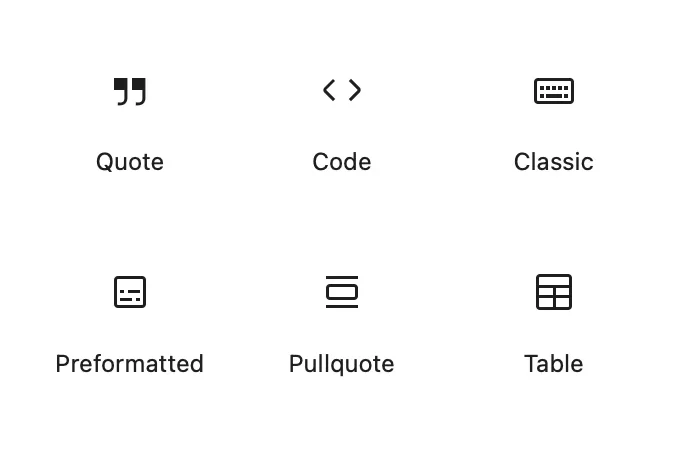
The modern web experience has undergone a fundamental transformation in how users compose digital content. The rise of block-based editors—popularized by platforms like WordPress, Notion, Medium, and various headless content management systems—has shifted the paradigm from a single, monolithic text box to a modular, component-driven architecture. Despite this widespread adoption, the ecosystem remains fractured. Every application developer currently builds their own proprietary implementation of these interactive elements, creating a siloed environment where features cannot be ported between platforms. The introduction of the Block Protocol, an open-source initiative, aims to rectify this by establishing a universal standard for how blocks are defined, embedded, and shared across the internet.
The Evolution of the Modular Editor
The history of web content creation began with simple, unstructured text areas. Over the past decade, the industry moved toward "What You See Is What You Get" (WYSIWYG) editors, and eventually, to the current block-based standard. In this model, every paragraph, image, video, or data visualization is treated as an independent unit or "block."
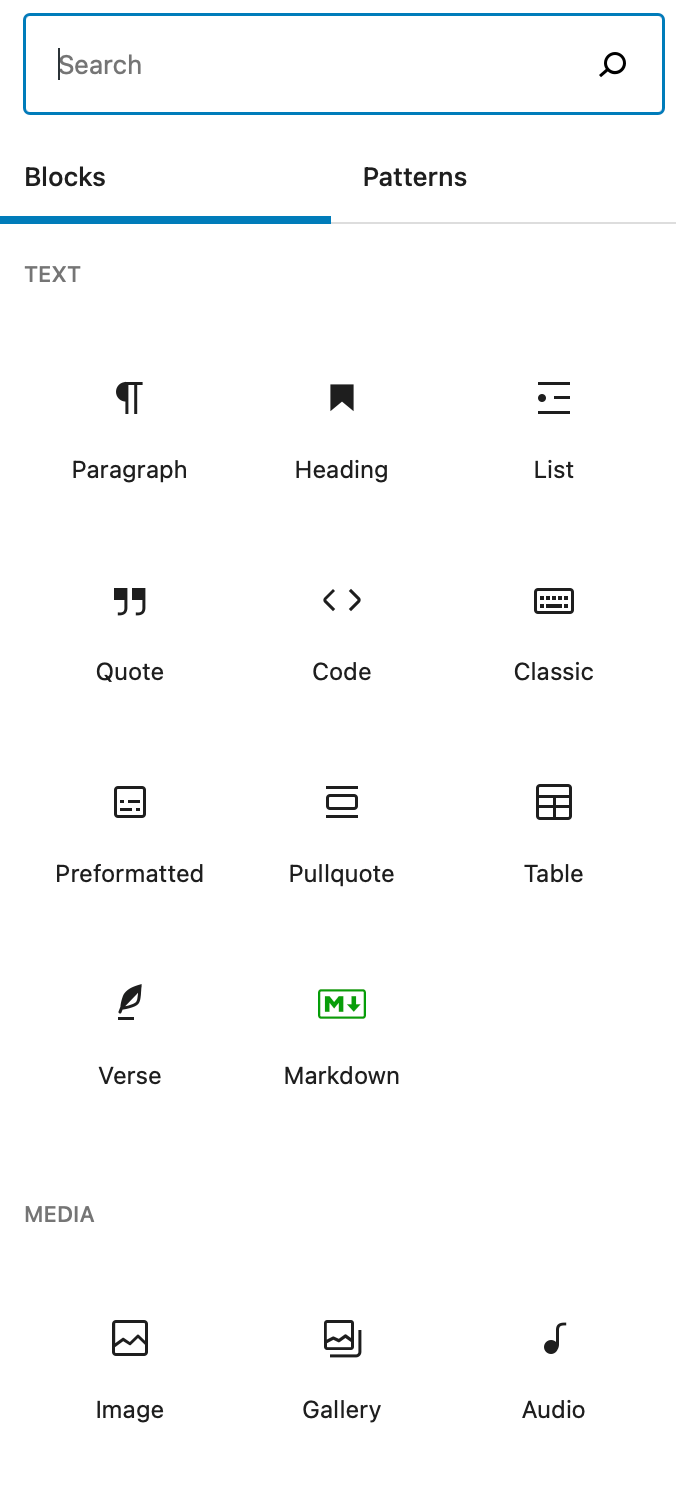
While this transition has significantly improved the user experience—allowing for intuitive drag-and-drop interfaces—the technical implementation varies wildly. Most platforms have converged on a singular user interface convention: the forward slash (/) command to trigger a menu of available blocks. However, beneath the surface, the underlying code for these blocks is non-interoperable. A calendar block designed for a WordPress site is fundamentally incompatible with an internal note-taking application or a competing CMS. This fragmentation forces developers to spend countless engineering hours recreating basic functionality, while end-users are restricted to the specific, limited library of blocks provided by their platform of choice.
Chronology of the Initiative
The conceptual development of the Block Protocol marks a turning point in web standards. While the initial draft was released in early 2022, the project stems from years of observation regarding the inefficiency of current web editing tools.
- Pre-2022: The "Block Era" matures, with major platforms like Notion and WordPress’s Gutenberg editor setting the industry standard for UI/UX while simultaneously siloing their block libraries.
- Early 2022: The Block Protocol project is announced as a v0.1 draft. The team behind the initiative begins releasing the core protocol, alongside sample host editors and proof-of-concept blocks to demonstrate interoperability.
- Current Phase: The project is in an active solicitation phase, seeking community contributions, technical feedback, and developer adoption to iterate on the protocol and move toward a production-ready standard.
Technical Architecture and Machine Readability
At its core, the Block Protocol is a set of specifications that define how an "embedding application" (the host) and a "block" (the component) communicate. By defining a standard API, the protocol allows any host application to render any compliant block, provided the host supports the protocol.
One of the most significant, yet understated, features of the Block Protocol is its ability to handle structured, typed data. Currently, much of the data on the web is "dumb"—it exists as visual representations that humans can read but machines cannot easily parse. For instance, an event block on a website might look like a date and time to a human, but to a machine, it is often just a string of text.
The Block Protocol introduces schemas for these blocks. By assigning a specific data type to a block, the content becomes inherently machine-readable. This eliminates the need for "screen scraping" or manual data entry. If a calendar block follows the protocol, a calendar application could, in theory, scan a webpage, identify the event data, and import it directly into a user’s schedule without any intermediary steps. This capability has the potential to render outdated file-sharing methods, such as downloading CSV or XLS files for data migration, obsolete.

Supporting Data and Industry Implications
The reliance on proprietary blocks has created a "walled garden" effect that restricts innovation. According to recent surveys of web developers, the average time required to build a feature-rich custom editor from scratch can exceed several months of development time, with a significant portion of that time dedicated to the block-handling logic rather than the unique features of the application.
By adopting an open protocol, developers can drastically reduce this overhead. A developer building a new note-taking application no longer needs to code a custom gallery, a Kanban board, or an interactive map. They simply build the host environment to support the Block Protocol, and they immediately gain access to a library of pre-built, standardized blocks created by the open-source community.
Official Stance and Community Engagement
The initiative is intentionally launching in an early state to ensure that the protocol is built through a collaborative, transparent process. The architects of the protocol emphasize that version 0.1 is a foundation, not a finished product. By keeping the project 100% open-source and non-proprietary, the team hopes to prevent any single entity from gaining control over the standard, thereby ensuring it remains a public utility for the web.
The project leads have issued a call to action for three distinct groups:

- Platform Developers: Those managing blogging engines, CMS tools, or note-taking apps are encouraged to integrate the protocol to expand their feature sets instantly.
- Block Creators: Developers with expertise in custom data types or interactive components are urged to build blocks that conform to the protocol, ensuring their tools can be used across multiple platforms.
- The Open-Source Community: The team is actively seeking feedback to refine the API and improve the robustness of the documentation, acknowledging that widespread adoption is the only way to establish a true web standard.
Broader Impact on the Open Web
The long-term vision of the Block Protocol is to return to the foundational principles of the early web: a space where content is portable, machine-understandable, and interconnected. As the protocol matures, the implications for SEO and data discovery are profound. If a large percentage of the web’s interactive content—ranging from product reviews to flight paths—becomes structured through the Block Protocol, search engines and AI models will have an unprecedented ability to parse high-quality data.
Furthermore, the shift encourages a "component-first" economy. Much like how the NPM registry revolutionized JavaScript development by allowing developers to share modular code, the Block Protocol could lead to a "Block Registry." In this scenario, high-quality, secure, and performant blocks would be shared, iterated upon, and improved by thousands of developers simultaneously, rather than being reinvented in isolation.
The success of this initiative hinges on its adoption rate. Historically, web standards have only succeeded when they solve a painful, universal problem for developers. By addressing the current inefficiency in content management and the need for structured data, the Block Protocol is well-positioned to become a fundamental piece of web infrastructure. However, it faces the challenge of competing against well-funded, proprietary ecosystems that currently benefit from keeping their users locked within their specific platforms.
As the development continues, the community remains focused on the core mission: removing the friction between "what I want to build" and "what the software allows me to build." By standardizing the block, the industry may be moving toward a future where the web is less about isolated pages and more about a fluid, interconnected collection of functional modules. For those interested in the future of web content, the documentation and initial source code are available through the official project portal, inviting the next generation of web developers to define how the digital world is constructed.