KBCM Technology Group Releases Landmark COVID-19 Edition SaaS Survey Tracking Industry Shifts and Performance Metrics Across Private Companies


The Software-as-a-Service (SaaS) sector has long relied on standardized financial and operational benchmarks to navigate the complexities of scaling digital enterprises. For over a decade, these metrics have provided founders, executives, and venture capital investors with the empirical foundation necessary to evaluate performance, optimize operational efficiency, and execute high-stakes strategic initiatives. Originally launched in 2010 by KeyBanc under the banner of the Pacific Crest SaaS Survey, the annual benchmarking report has evolved into an indispensable guide for the subscription economy. Managed in recent years by the KBCM Technology Group, the survey offers granular insights into growth rates, customer acquisition costs, churn, and capital allocation.
However, the arrival of the global COVID-19 pandemic in early 2020 fundamentally altered the macroeconomic landscape, rendering historical operational baselines insufficient for modern forecasting. In response to unprecedented market volatility, supply chain disruptions, and sudden shifts in enterprise spending behavior, KBCM Technology Group partnered with the entrepreneurial resource platform forEntrepreneurs—marking their eighth consecutive year of collaboration—to produce a specialized, highly anticipated iteration: the KBCM Technology Group SaaS Survey – COVID Edition.
This comprehensive research initiative captured responses from over 500 private SaaS companies, establishing a crucial data-driven baseline for performance through the end of 2019 and the year-to-date period ending May 31, 2020. Data collection took place between mid-June and early July 2020, capturing a critical window when corporate leaders were actively re-evaluating their operational runways, pivoting sales strategies, and adapting to remote-first work environments.
Background Context and Chronology of the 2020 Survey
The genesis of the COVID Edition of the SaaS survey lies in the acute market uncertainty that paralyzed global markets during the first and second quarters of 2020. As governments implemented widespread lockdowns and enterprises froze discretionary technology budgets, SaaS leaders faced an immediate existential question: how would the pandemic impact subscription retention, deal velocity, and long-term customer lifetime value?
Recognizing that a standard annual check-in would fail to capture the dynamic and rapidly evolving nature of the economic crisis, the research team—spearheaded by industry figures such as David Spitz of KBCM Technology Group and contributors from forEntrepreneurs—fundamentally redesigned the survey architecture. The objective was to move beyond static annual reporting by establishing a longitudinal tracking mechanism.
To maintain strict data integrity and participant confidentiality while enabling sequential tracking over multiple quarters, the survey organizers introduced a unique secret codename system for participating companies. This methodology allowed researchers to re-engage the same cohort of private SaaS firms as the broader market disruptions progressed, creating a living dataset capable of illustrating how different segments of the software industry adapted to sustained macroeconomic pressure.
Main Findings: Contrasting 2019 Performance with 2020 Realities
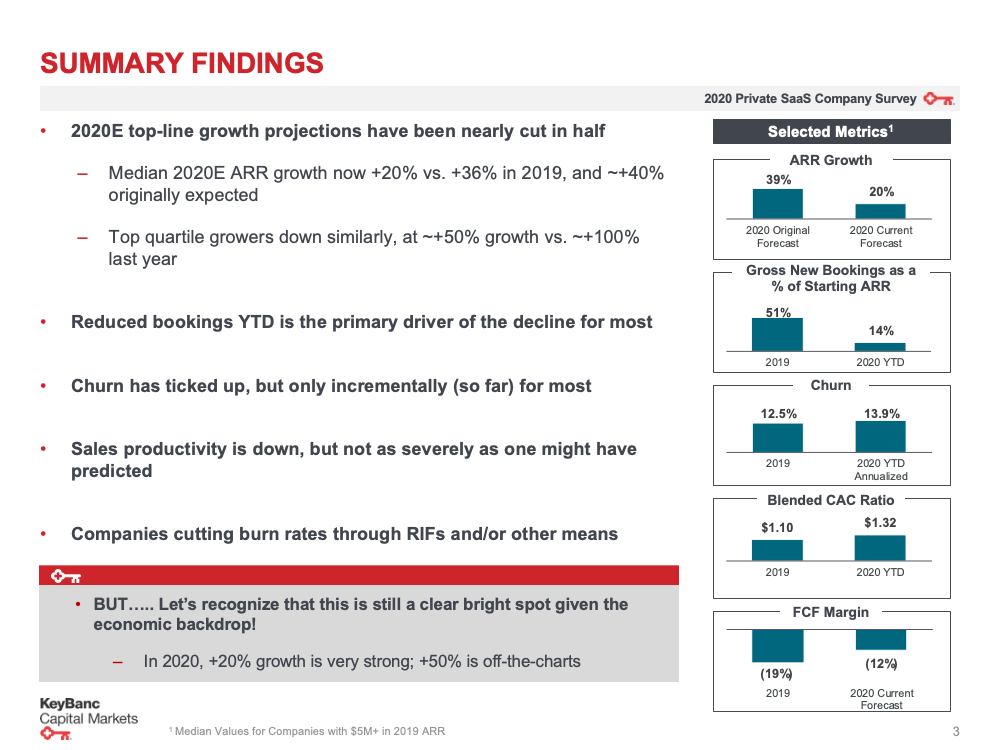
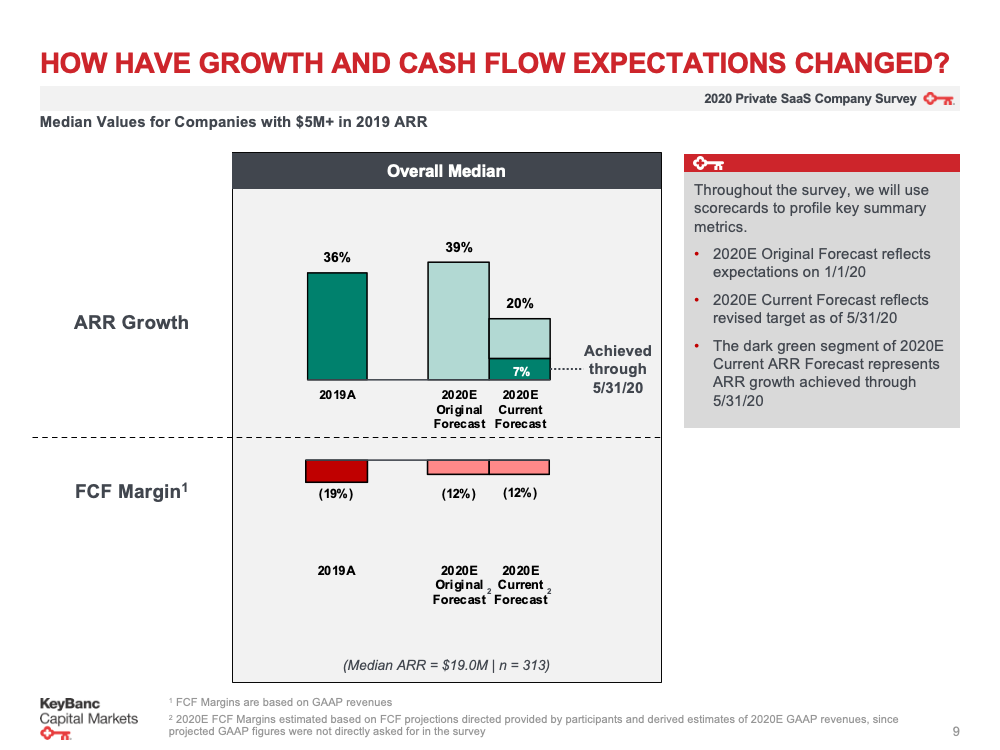
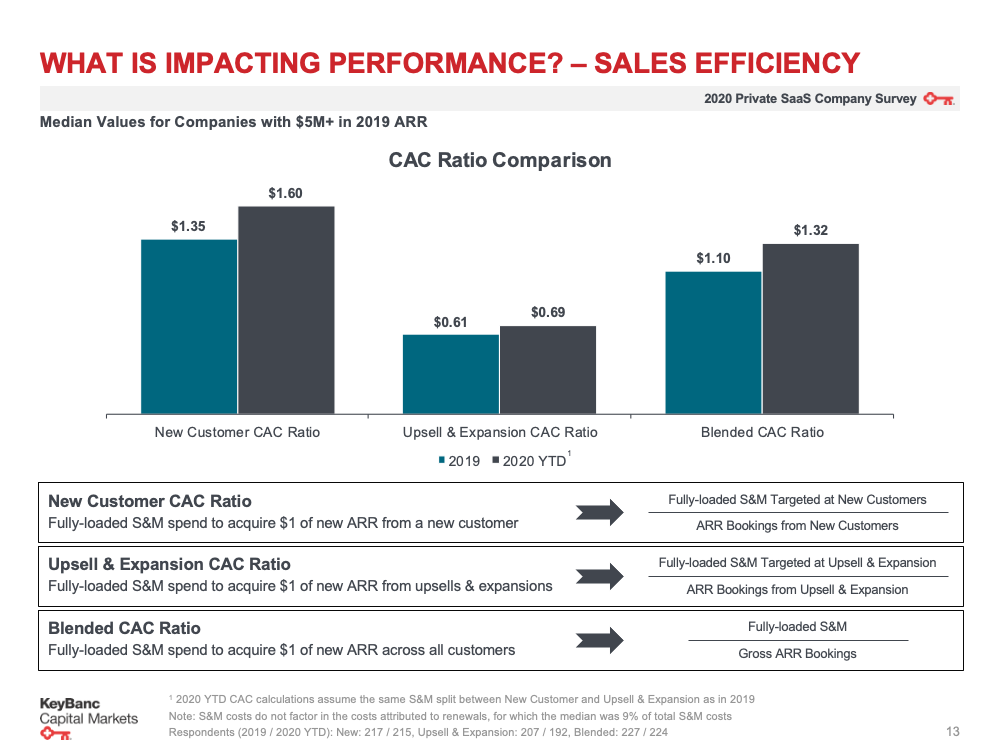
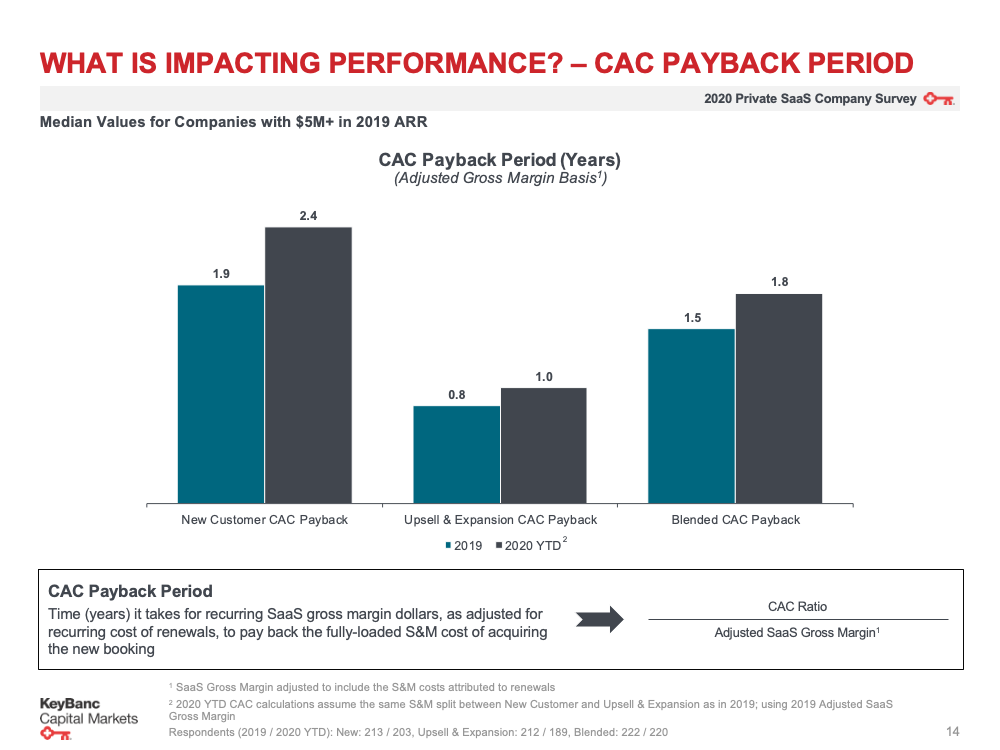
The comparative data compiled in the 2020 report illustrates a profound divergence between pre-pandemic momentum and the subsequent operational adjustments enforced by the health crisis. While 2019 was characterized by robust top-line growth, aggressive talent acquisition, and expansive sales and marketing expenditures, the 2020 data reflects an industry pivoting toward capital preservation, disciplined cost management, and optimized cash flow generation.
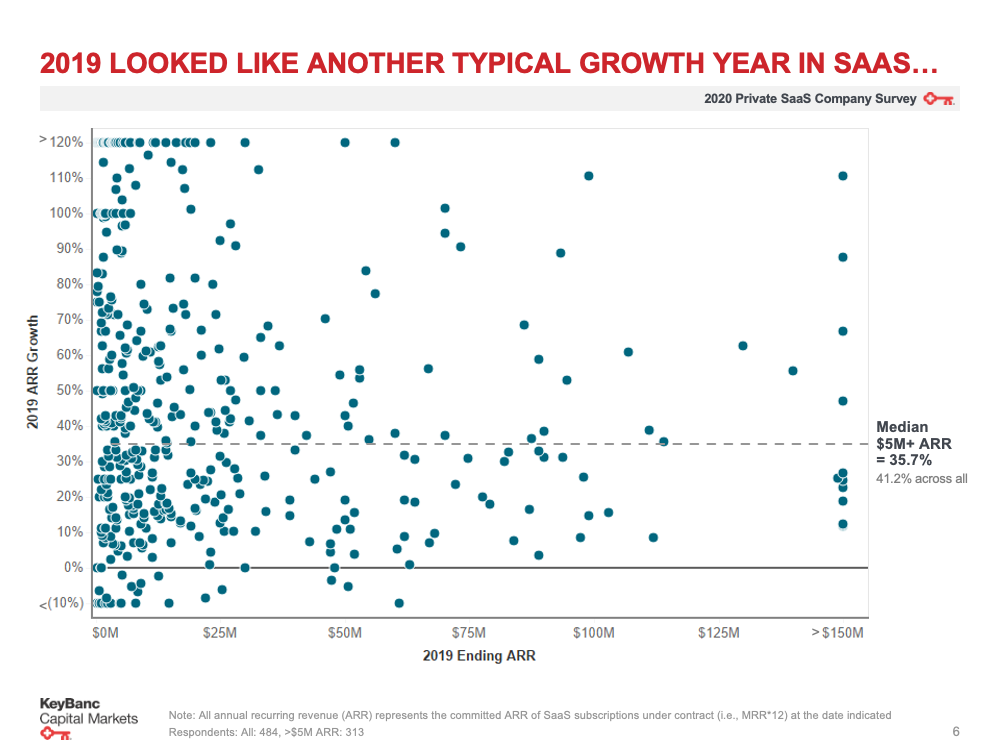
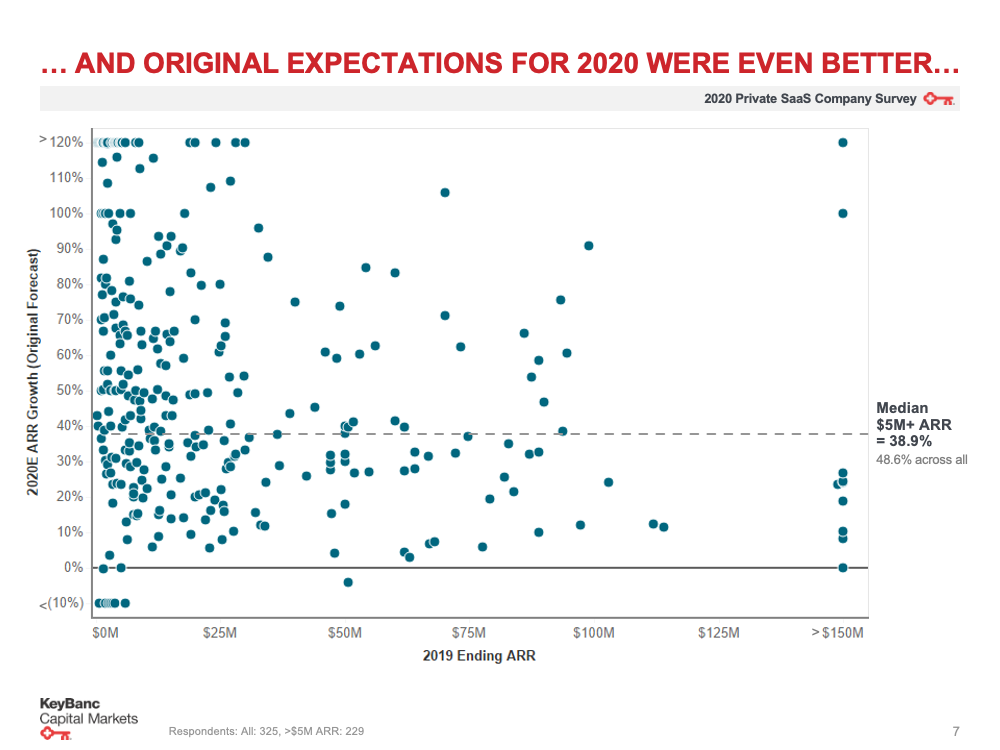
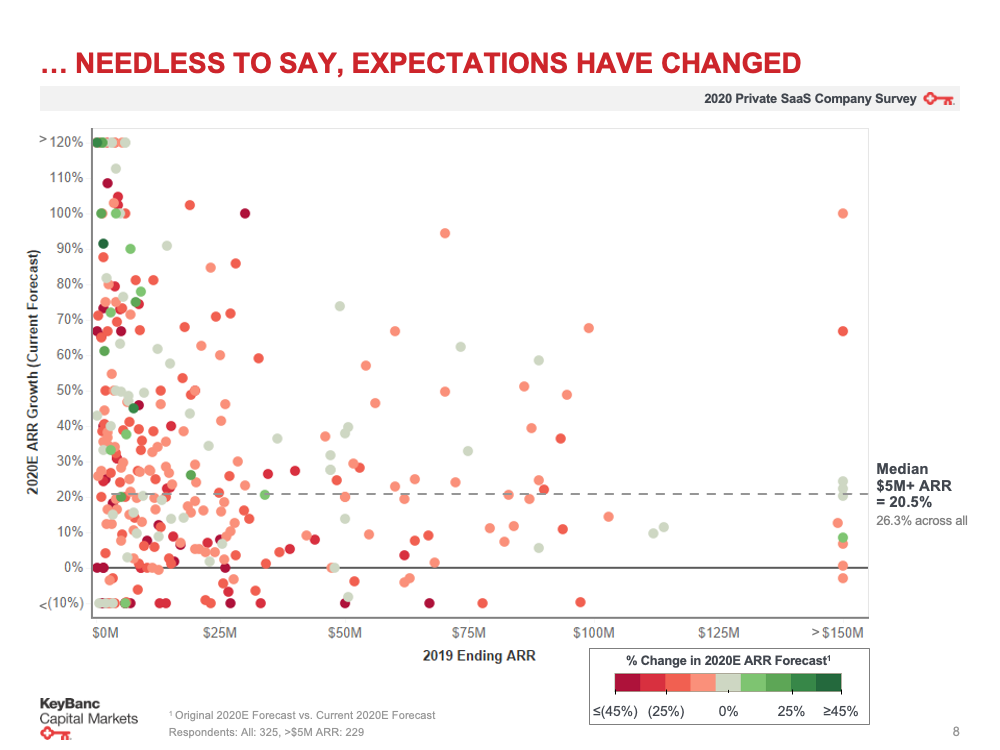
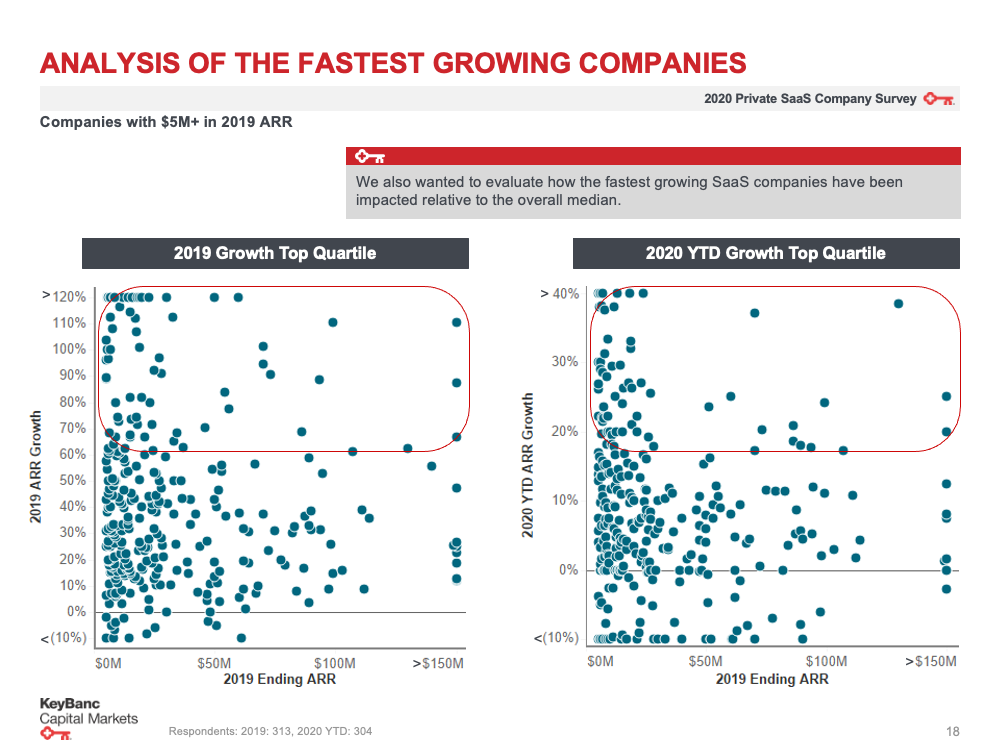
According to the survey metrics, private SaaS companies entered 2020 with strong underlying fundamentals built upon the preceding year’s successes. Median growth rates for established subscription businesses in 2019 routinely exceeded 30% to 50% year-over-year, depending on scale. However, the onset of COVID-19 introduced immediate headwinds, particularly regarding enterprise sales cycles. Deals that previously required weeks of negotiation began to stall as prospective buyers delayed capital expenditures to preserve liquidity.
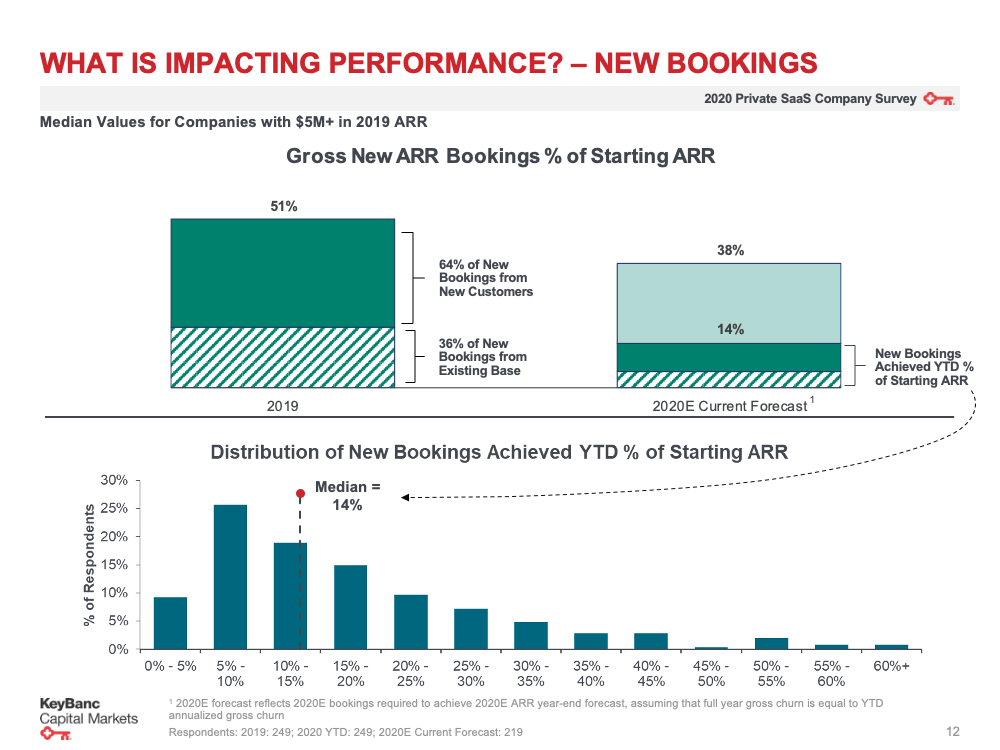
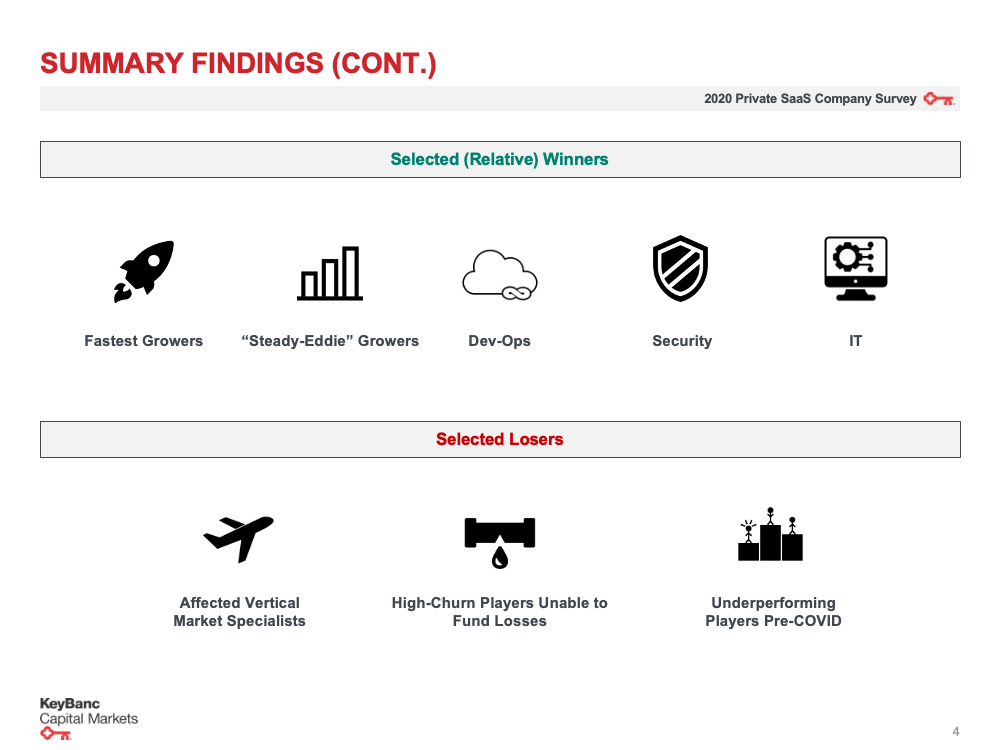
Despite these headwinds, the survey data reveals a nuanced narrative of uneven impact. While certain vertical SaaS sectors catering to hard-hit industries such as hospitality, travel, and traditional retail experienced severe contractions and elevated customer churn, other segments—particularly collaboration tools, cybersecurity platforms, and cloud infrastructure providers—observed accelerated demand driven by the sudden global shift toward remote workforces.
Sector Impact Analysis: Who Prospered and Who Struggled
A core objective of the KBCM Technology Group SaaS Survey – COVID Edition was to segment respondents to determine which operational profiles, business models, and market focuses were most resilient against pandemic-induced shocks.
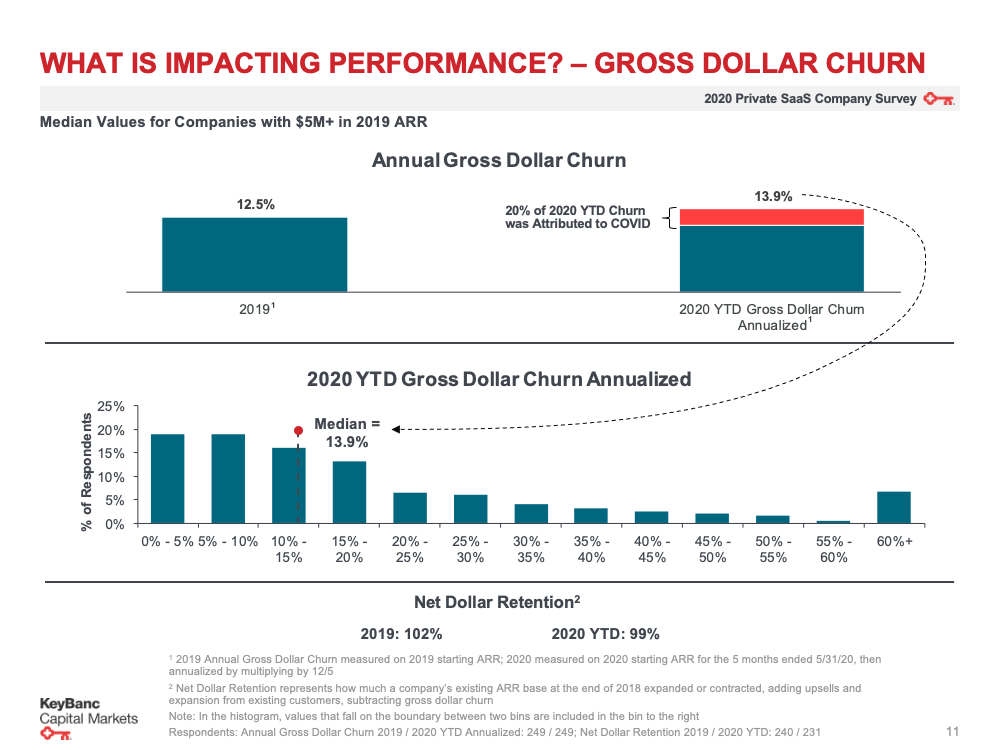
The findings indicate that enterprise-focused SaaS providers with long sales cycles experienced the most pronounced initial friction. Enterprise buyers frequently paused multi-year software migrations to assess their internal financial standing. Conversely, small and medium-sized business (SMB) focused SaaS companies faced heightened default rates and elevated churn as their customer base navigated acute liquidity crises.
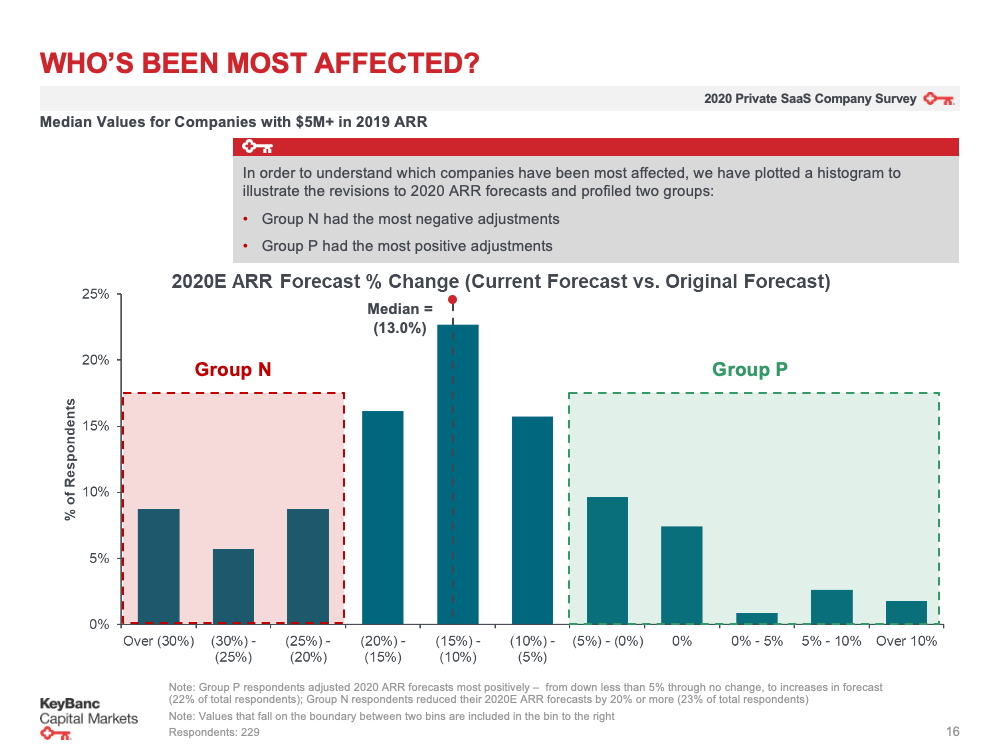
Conversely, companies offering mission-critical productivity solutions demonstrated remarkable stability. Net revenue retention rates—a vital health metric for subscription businesses—remained relatively robust among top-quartile performers, demonstrating that once integrated into a corporate workflow, essential SaaS platforms remained indispensable even during economic downturns.
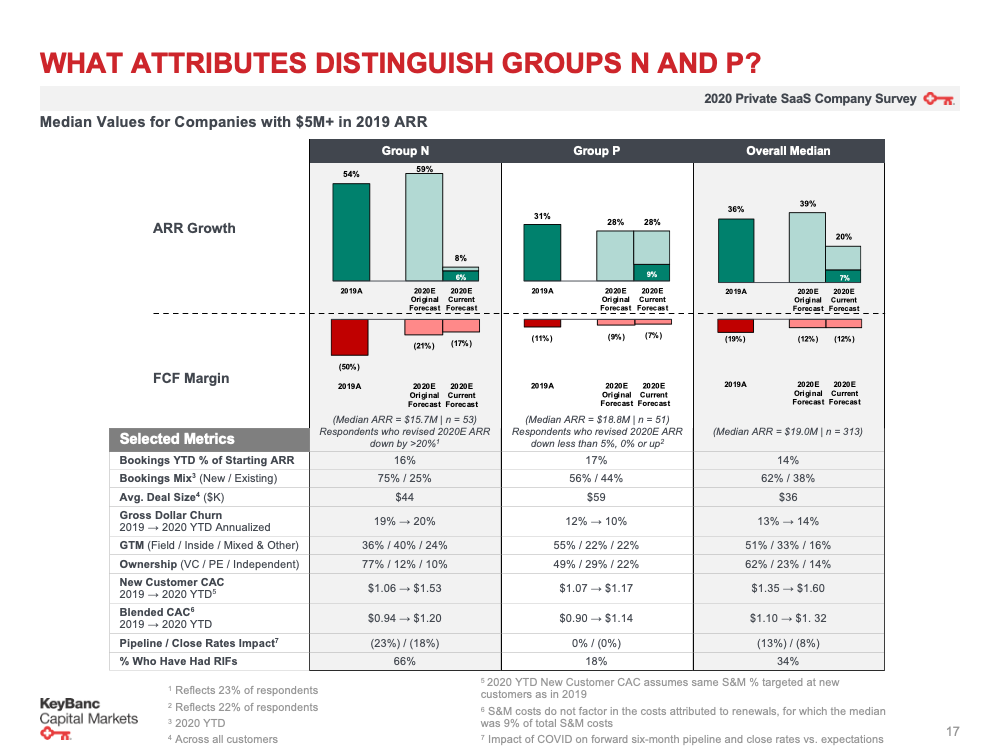
To address the immediate pressures identified in the field, surveyed organizations implemented rapid operational responses. The data highlights a widespread shift away from aggressive customer acquisition strategies toward a heavier emphasis on customer success, retention, and gross margin expansion. Hiring freezes, reductions in discretionary travel, and rationalization of marketing spend became standard operating procedure for a significant majority of private SaaS firms during the second quarter of 2020.
Broader Implications and Strategic Takeaways for Industry Leaders
The release of the KBCM Technology Group 2020 SaaS Survey offers critical lessons for startup founders, venture capitalists, and institutional investors navigating periods of profound macroeconomic uncertainty.
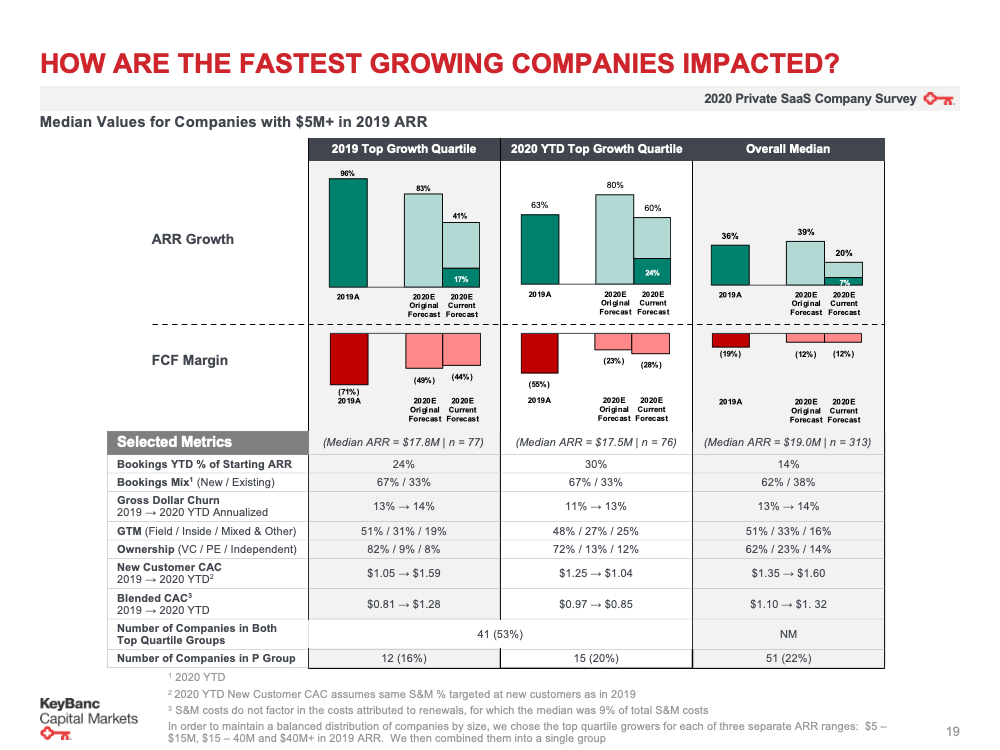
First, the survey underscores the paramount importance of capital efficiency. In a zero-interest-rate environment characterized by abundant venture capital, many SaaS startups prioritized hyper-growth at the expense of unit economics. The pandemic served as a sharp corrective, proving that companies possessing extended cash runways and strong net retention metrics are significantly better positioned to weather systemic shocks without resorting to dilutive emergency financing rounds.
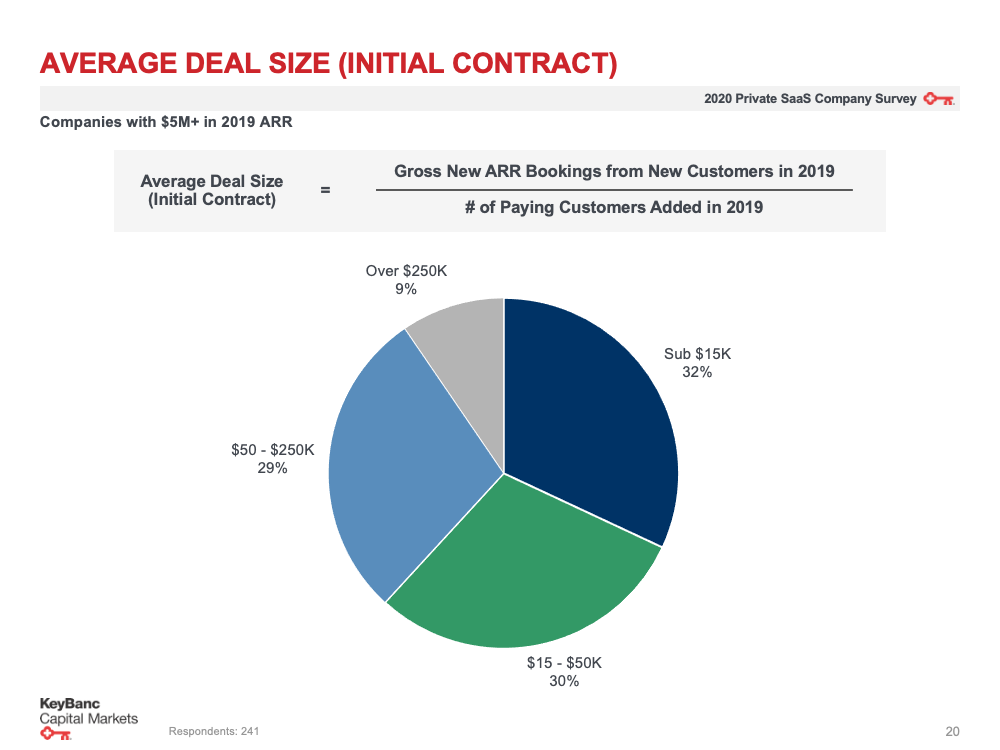
Second, the structural changes accelerated by COVID-19—such as distributed workforce management, digital transformation mandates, and contactless B2B sales processes—have permanently altered customer expectations. SaaS providers that successfully re-engineered their product delivery and customer onboarding pipelines during this period established a sustainable competitive advantage.
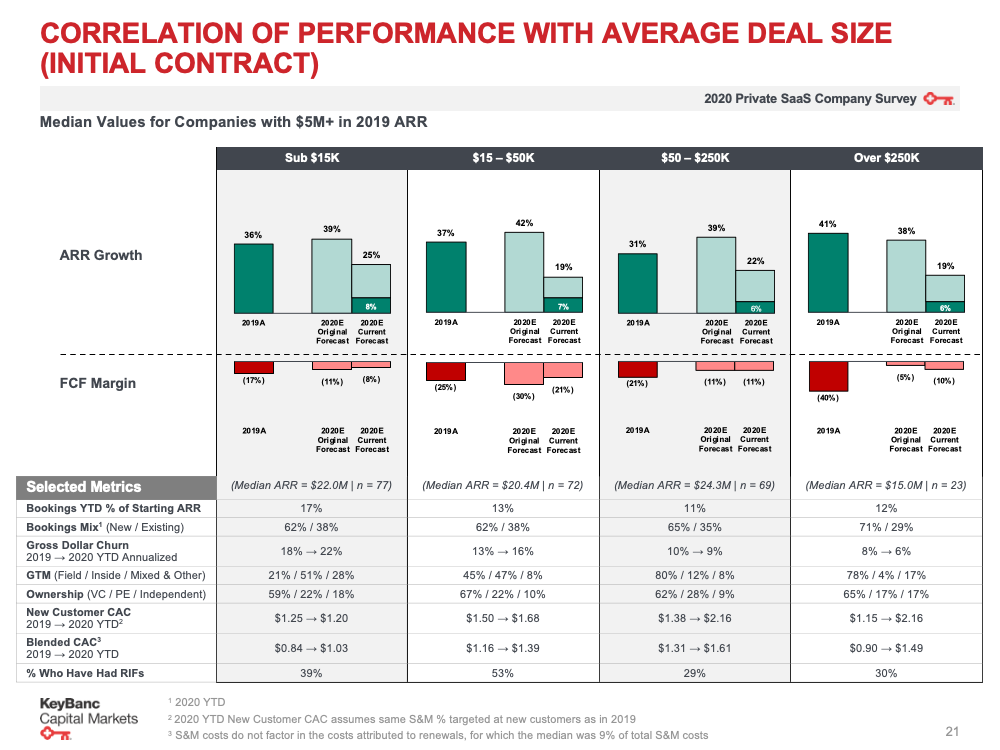
Finally, the methodology pioneered in this survey—emphasizing continuous, longitudinal data collection through anonymous tracking codes—has set a new standard for financial research in the technology sector. By acknowledging that market disruptions unfold over quarters rather than days, researchers and business leaders can utilize these benchmarks not merely as historical records, but as predictive tools for strategic navigation.
Accessing the Complete Research Report
The insights summarized in this initial report represent only a fraction of the comprehensive data points, charts, and comparative metrics compiled by KBCM Technology Group and forEntrepreneurs. Industry professionals, researchers, and corporate executives seeking granular breakdowns on valuation multiples, sales productivity, marketing efficiency, and compensation trends are encouraged to review the primary documentation.
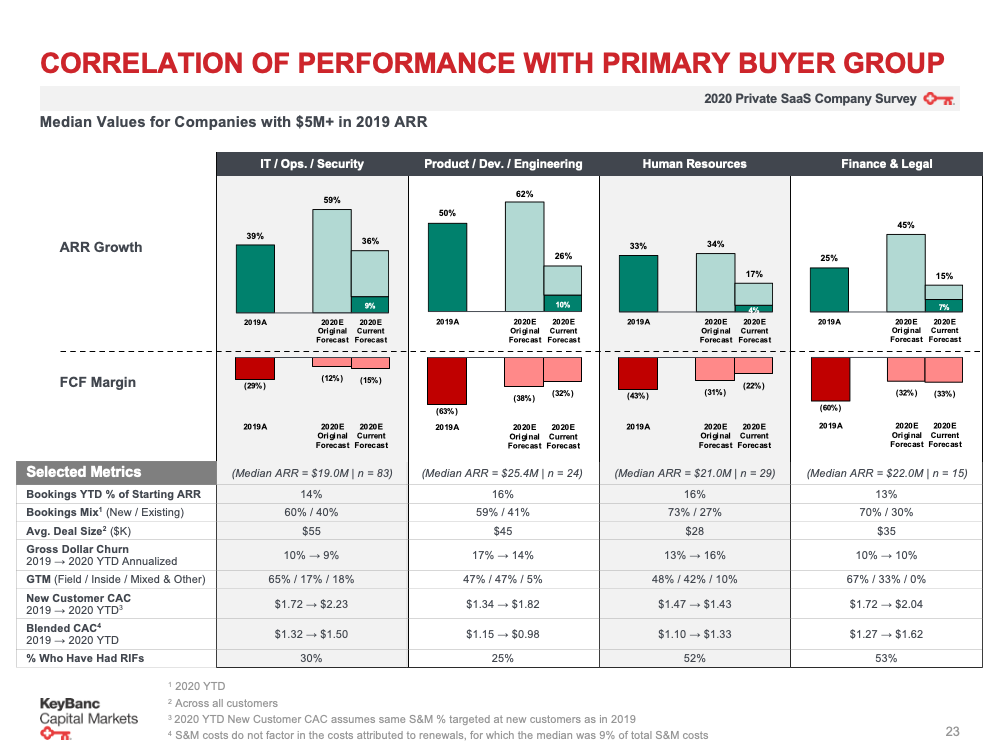
The complete, unabridged 2020 KBCM SaaS Survey report, complete with all underlying data visualizations and slide decks, remains publicly accessible for download via the official forEntrepreneurs portal.