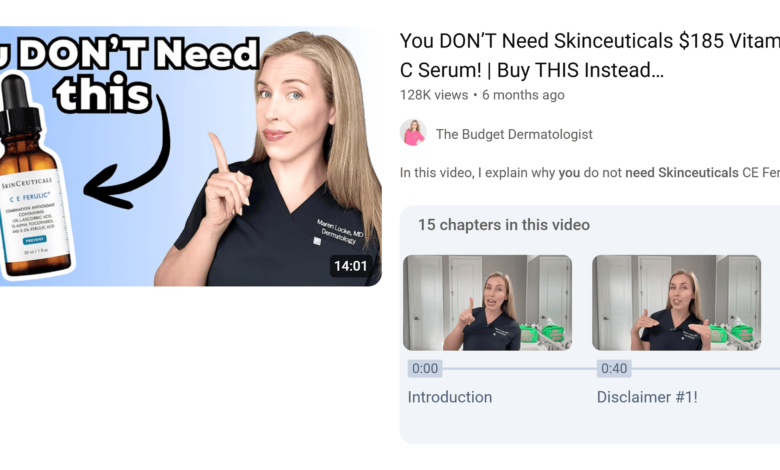
In the contemporary digital ecosystem, having an impeccably designed website, exceptional content, and a frictionless user experience no longer guarantees online prominence. Despite these foundational optimizations, businesses frequently remain entirely invisible to search engines and conversational artificial intelligence tools.
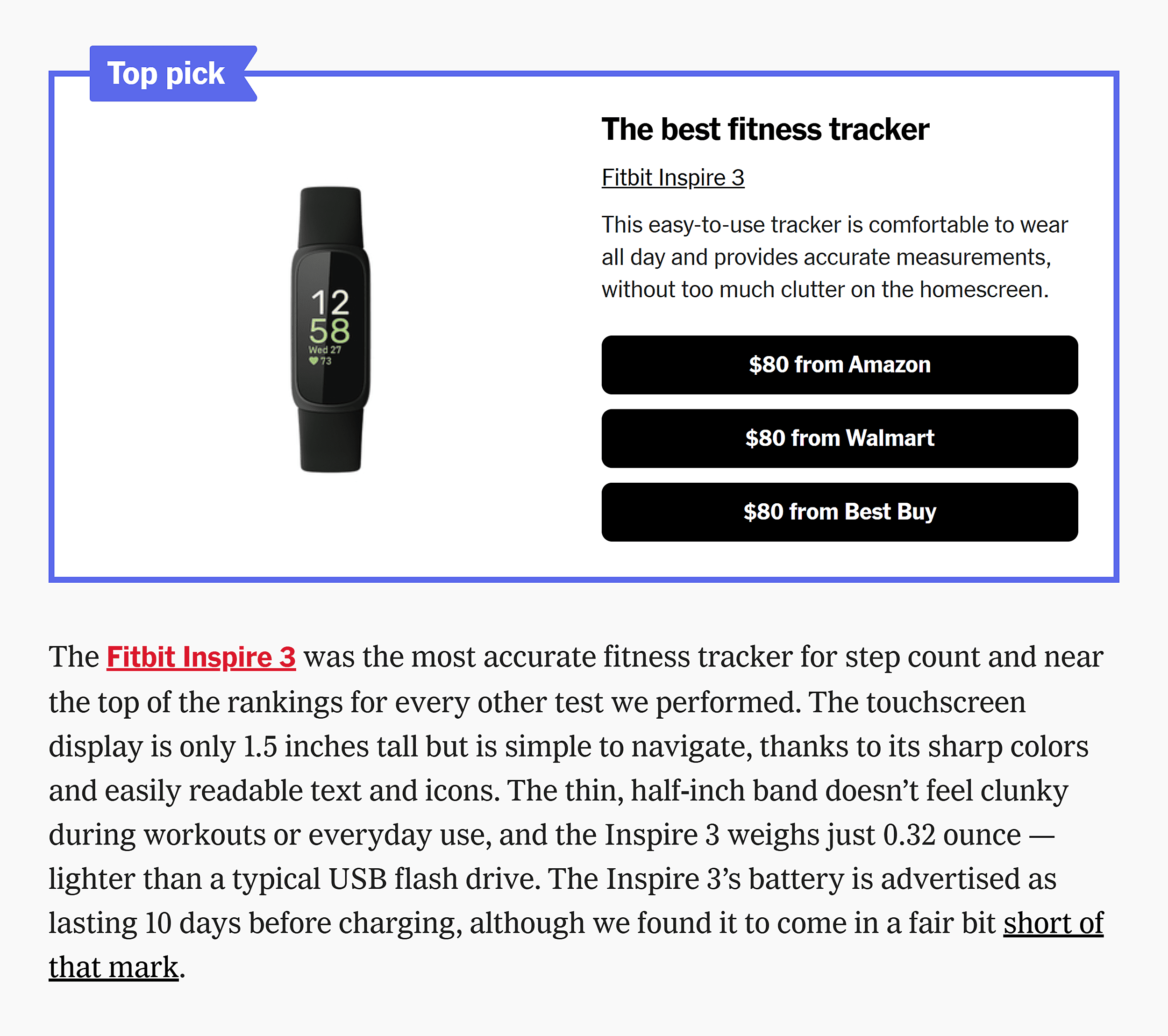
This digital invisibility stems from a fundamental shift in how modern discovery algorithms operate. Platforms like Google and OpenAI’s ChatGPT do not evaluate a domain in isolation. Instead, they conduct a comprehensive web-wide assessment, analyzing what third-party authorities, independent communities, and industry experts articulate about a brand to determine its authenticity, trustworthiness, and overall market standing.

The Evolution of Digital Discovery: Web vs. LLM Mentions
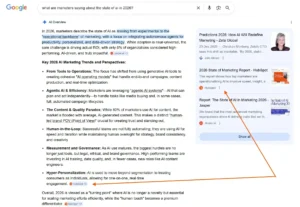
Historically, digital visibility was dictated by traditional search engine optimization (SEO) metrics, where keyword density and direct hyperlinks were paramount. Today, the rapid proliferation of Large Language Models (LLMs) has revolutionized information retrieval. When a user queries an AI assistant for a recommendation—such as the best enterprise software or the most reliable fitness tracker—the system synthesizes data gathered from across the entire internet.
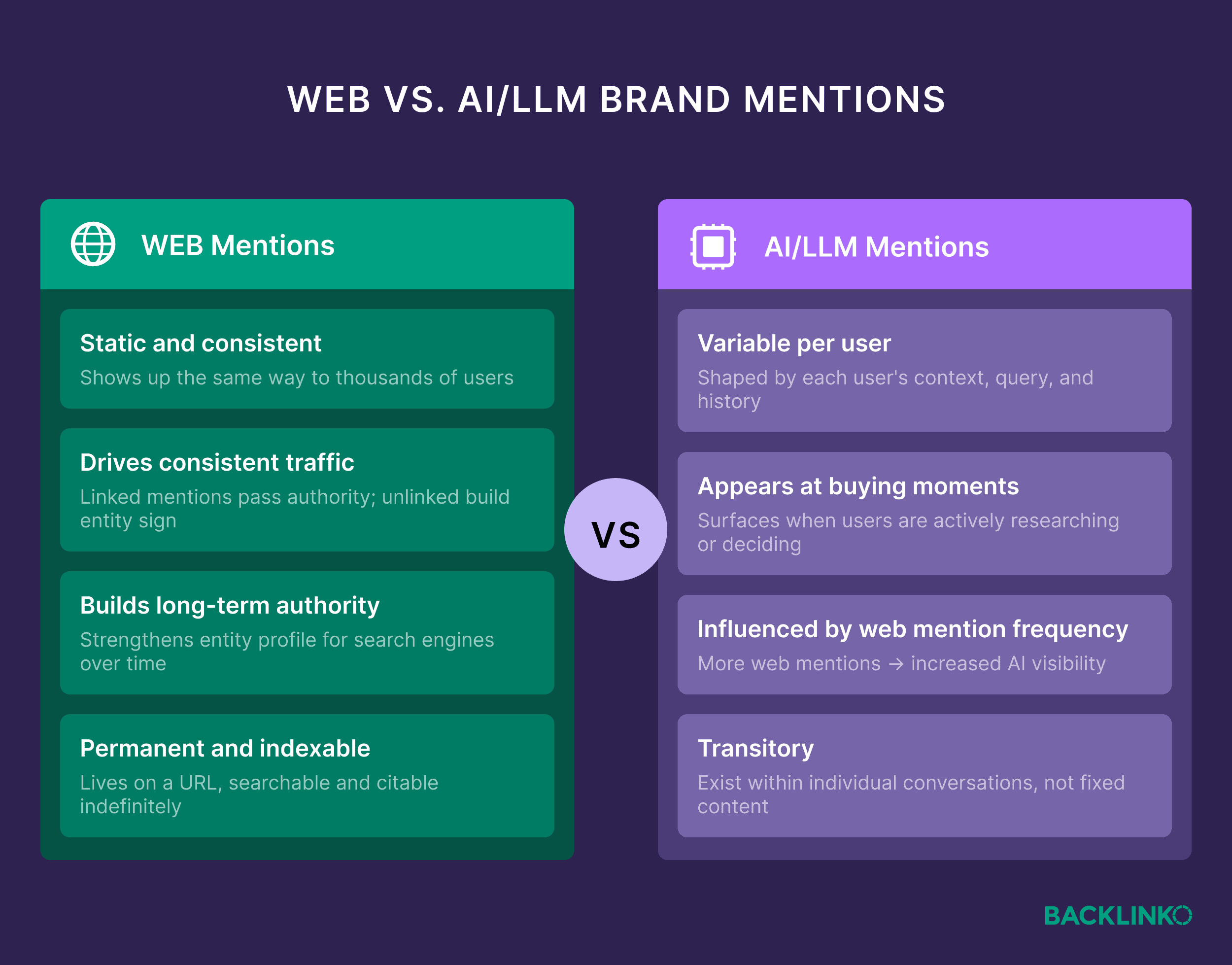
Unlike traditional web mentions, which are static and uniformly visible to thousands of users, LLM mentions are dynamic. They vary based on individual user contexts, localized parameters, and conversational histories. Furthermore, these AI-generated recommendations leave no permanent public footprint outside the immediate user session. However, the foundational data powering these LLMs relies heavily on consistent, authoritative references found across static web pages, news publications, forums like Reddit, and industry review sites.
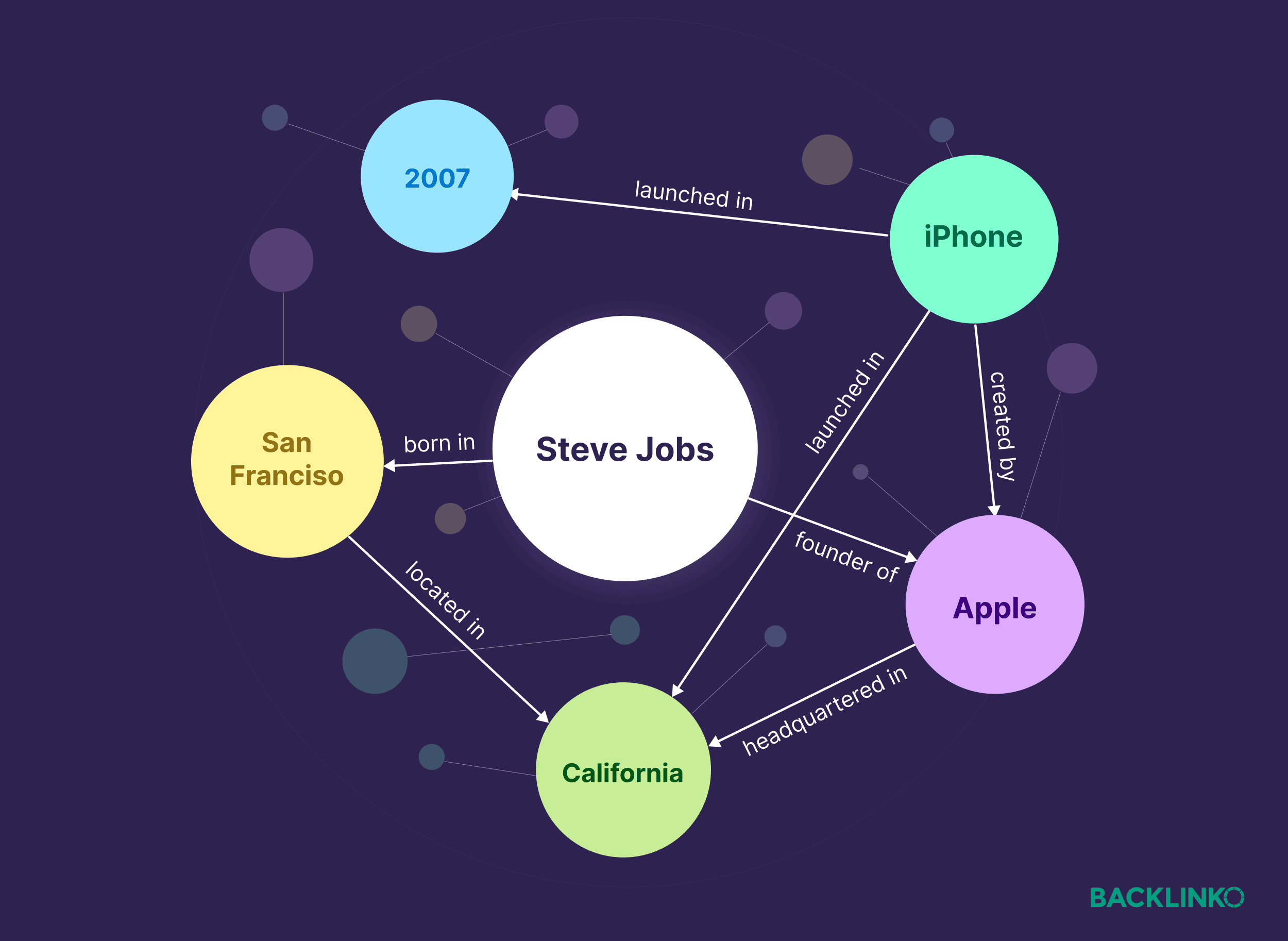
Consequently, establishing a robust presence across traditional web channels serves as the primary mechanism for achieving visibility within AI search results. The more frequently and consistently a brand is cited in credible external sources, the higher the probability that generative AI systems will recognize, validate, and recommend that entity to end-users.

Anatomy of a High-Value Brand Mention
Digital marketing analysts categorize brand references into two primary classifications: linked and unlinked mentions.
- Linked Mentions: These references include both the brand name and a direct, clickable hyperlink leading to the company’s official domain. These are traditionally coveted because they not only reinforce brand identity for algorithms but also pass direct "link juice" (authority) and referral traffic to the destination site.
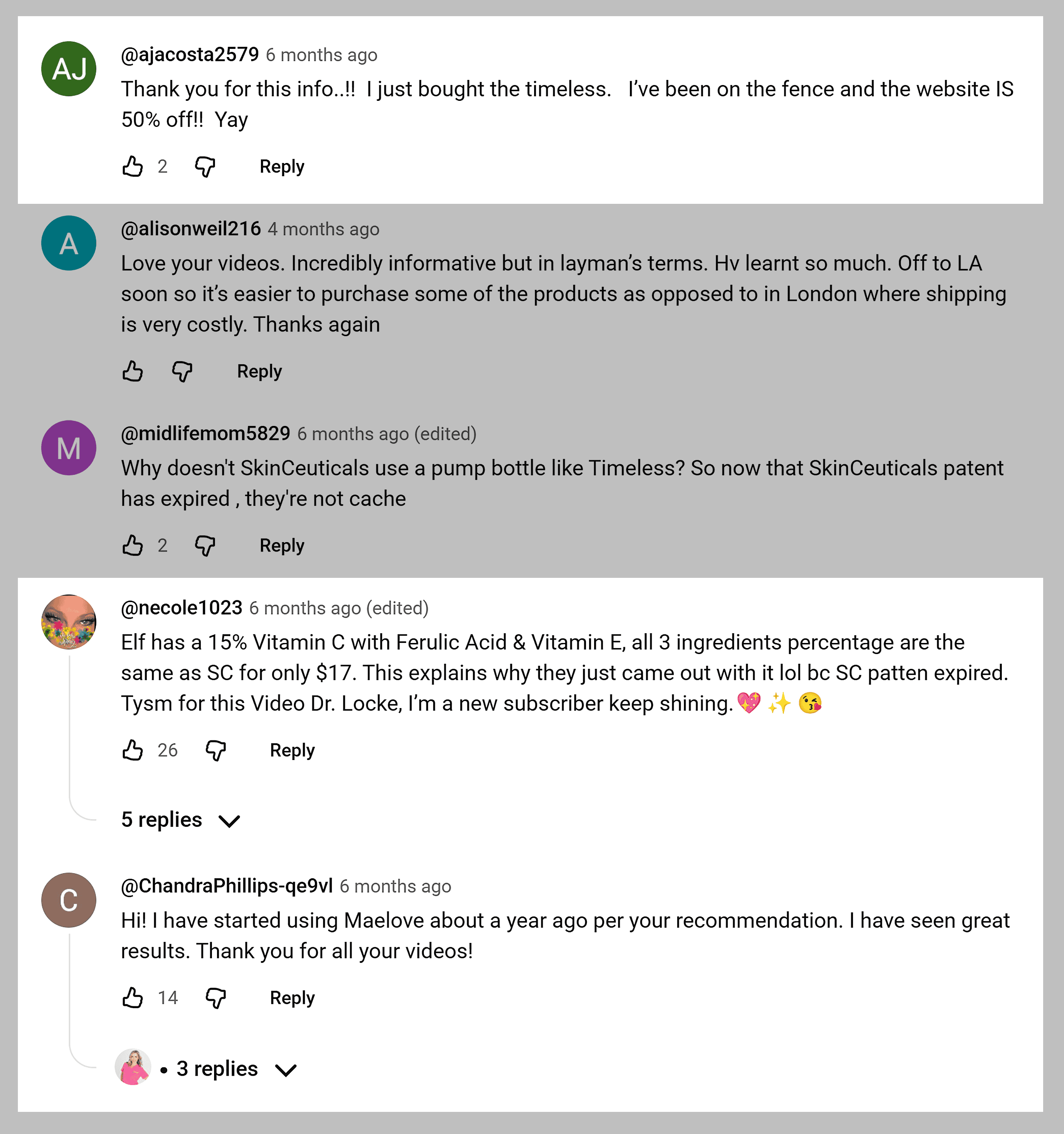
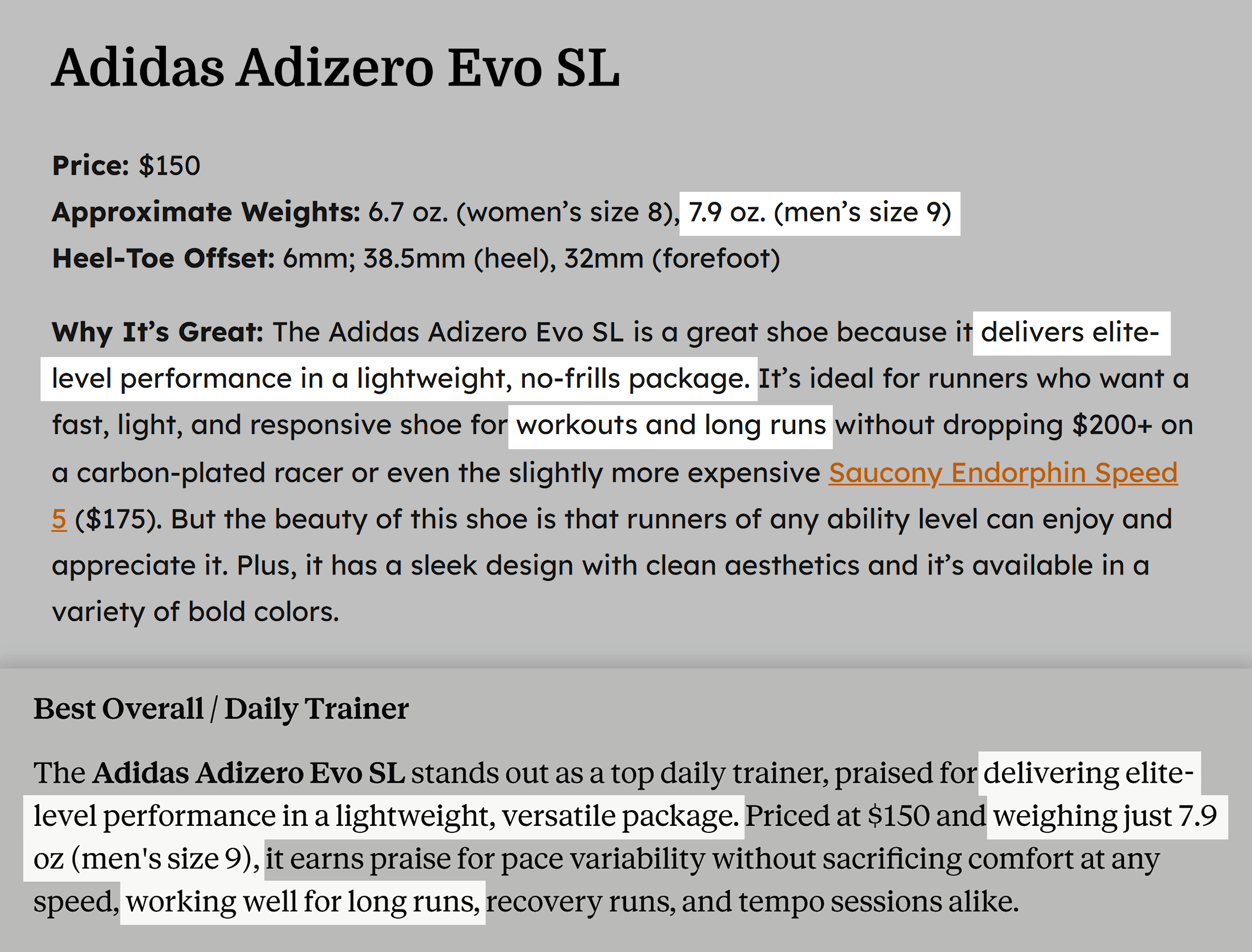
- Unlinked Mentions: These references feature the brand name within a conversational or editorial context without a hypertext link. While they do not generate immediate referral traffic, they are exceptionally valuable for establishing brand context, sentiment, and entity recognition among search engines and AI parsers.
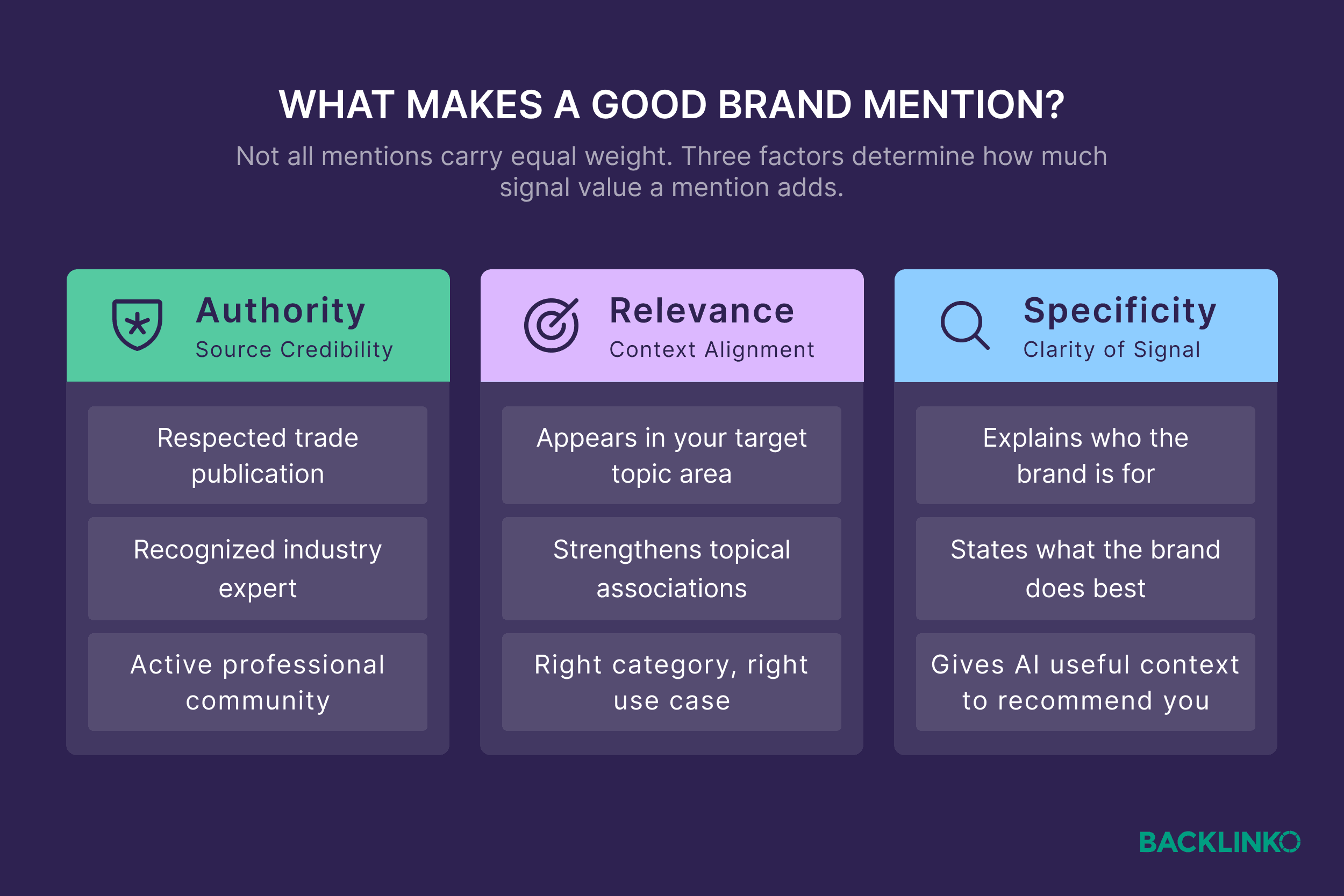
To maximize the efficacy of these references, industry strategists evaluate mentions based on three core pillars: authority, relevance, and specificity.
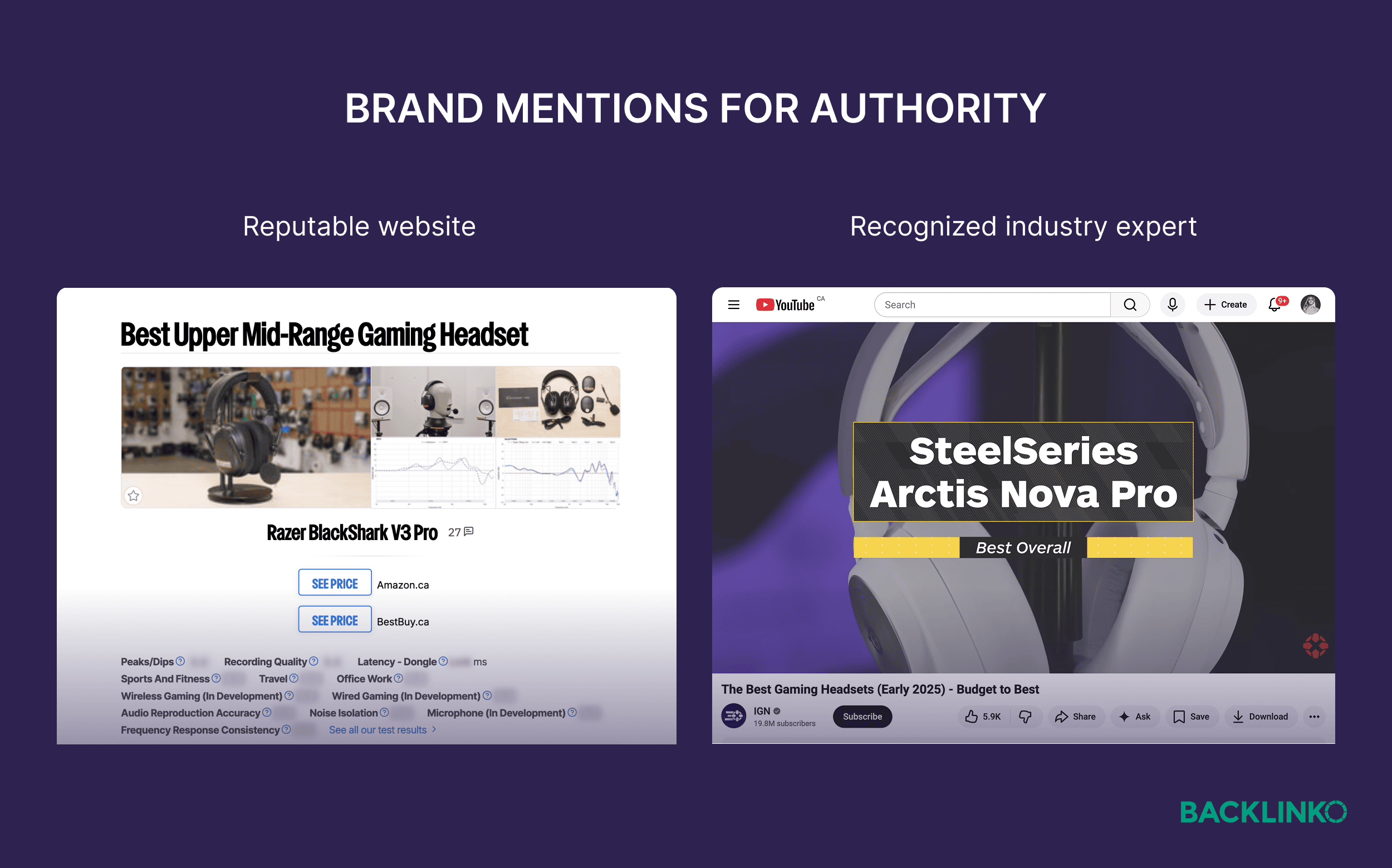
- Authority: The credibility of the publishing source dictates the weight of the mention. A citation within a tier-one publication or an established trade journal carries exponentially more algorithmic weight than a passing reference on an obscure, low-traffic blog. Google’s Knowledge Graph, a vast database mapping relationships between entities, heavily relies on high-authority citations to validate a brand’s existence and industry standing.
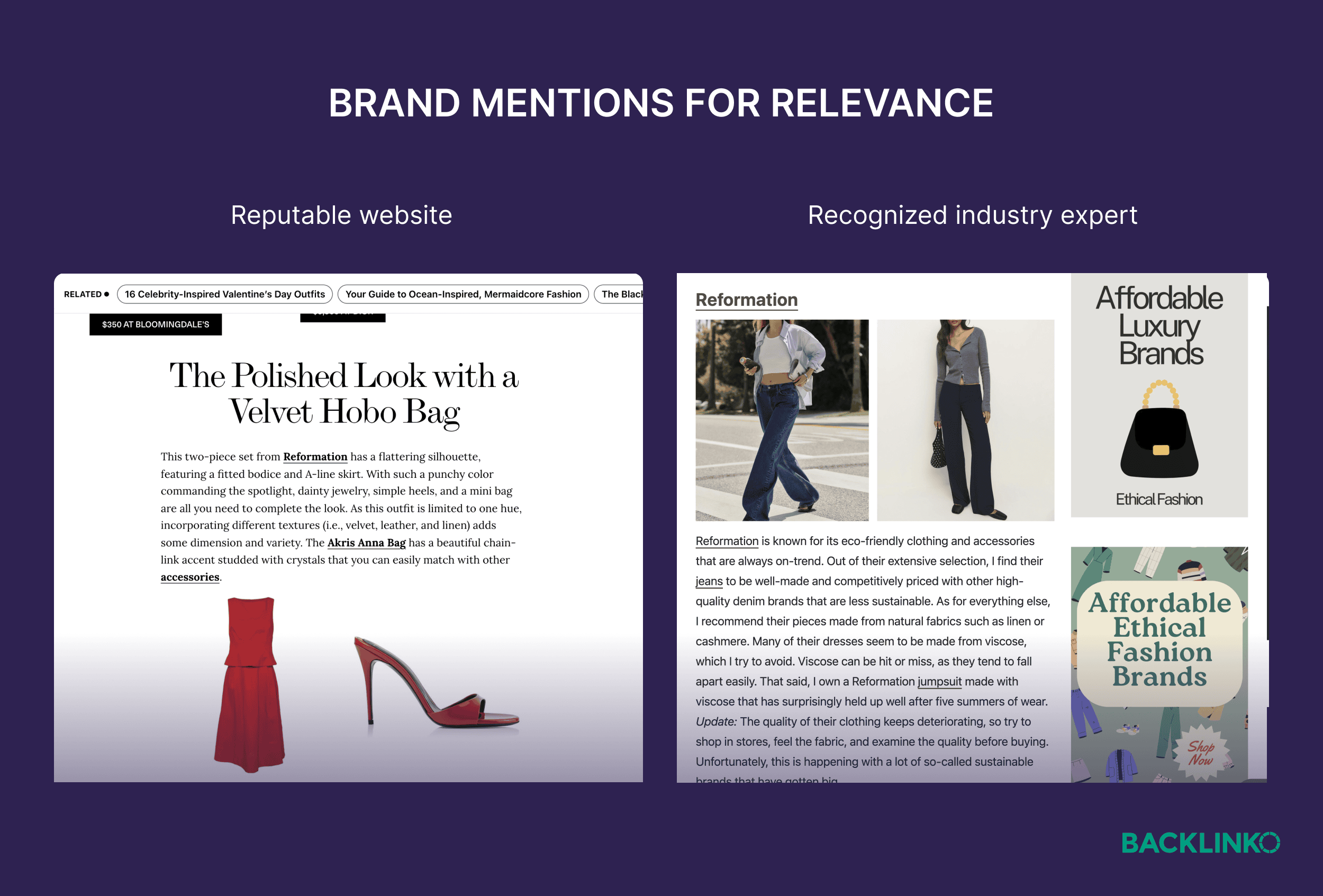
- Relevance: Contextual alignment is critical. Being mentioned within an article or community thread directly addressing your specific industry or niche strengthens topical authority. For instance, a sustainable fashion brand referenced in a curated guide on eco-friendly apparel signals strong topical alignment to both human readers and search crawlers.
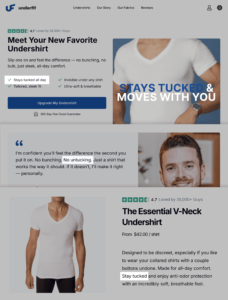
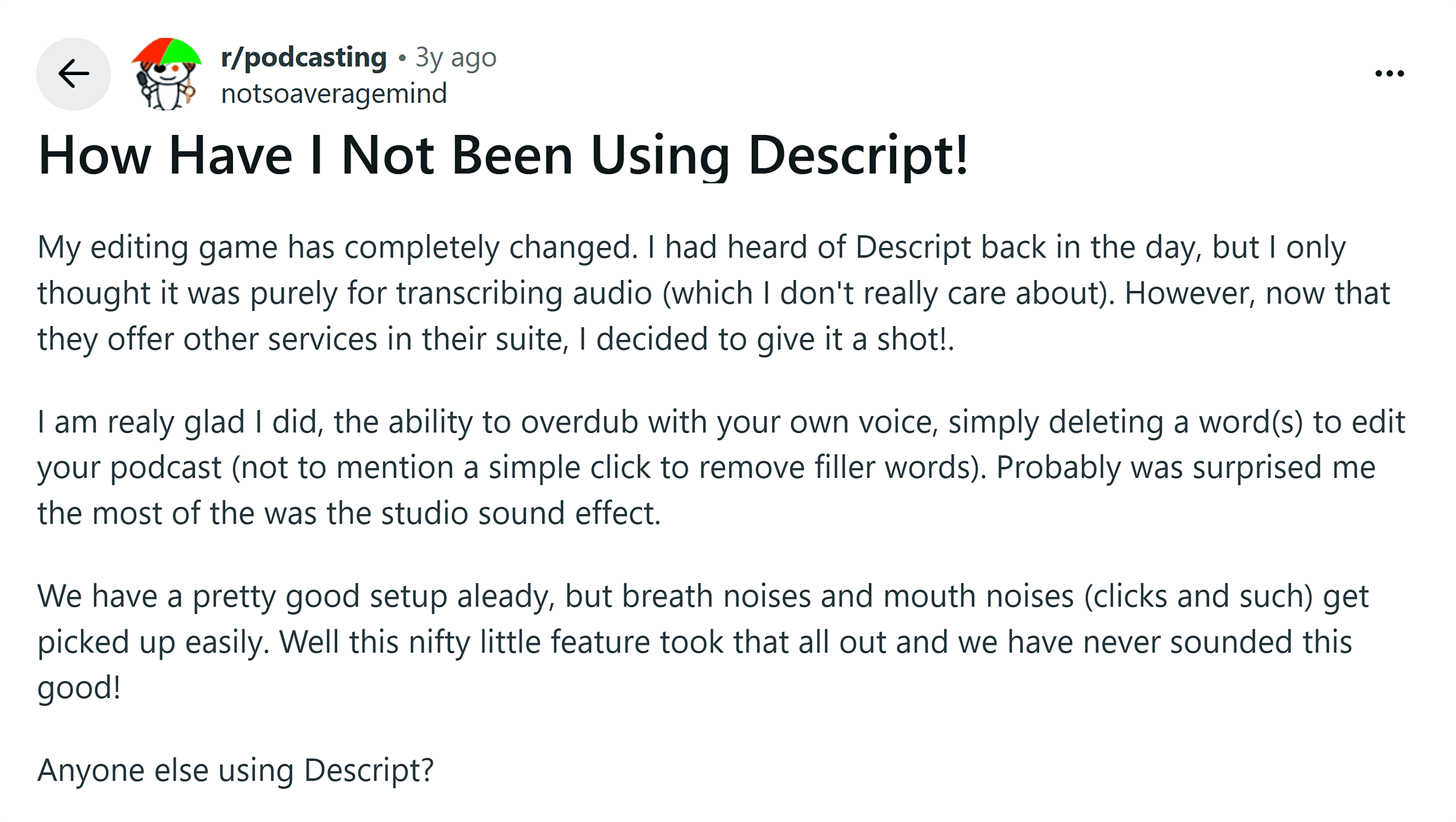
- Specificity: Generic references offer minimal value. High-impact mentions typically incorporate granular details, such as specific use cases, distinct product features, performance benchmarks, or direct consumer experiences. These detailed insights provide search engines and LLMs with clear semantic data regarding what the brand does and the specific problems it solves.
Proven Tactics to Earn Strategic Brand Mentions
Securing consistent, high-value brand citations requires a deliberate, multi-faceted outreach and content strategy. Modern organizations leverage several key methodologies to earn organic visibility across the web.
1. Publishing Original, Data-Driven Research
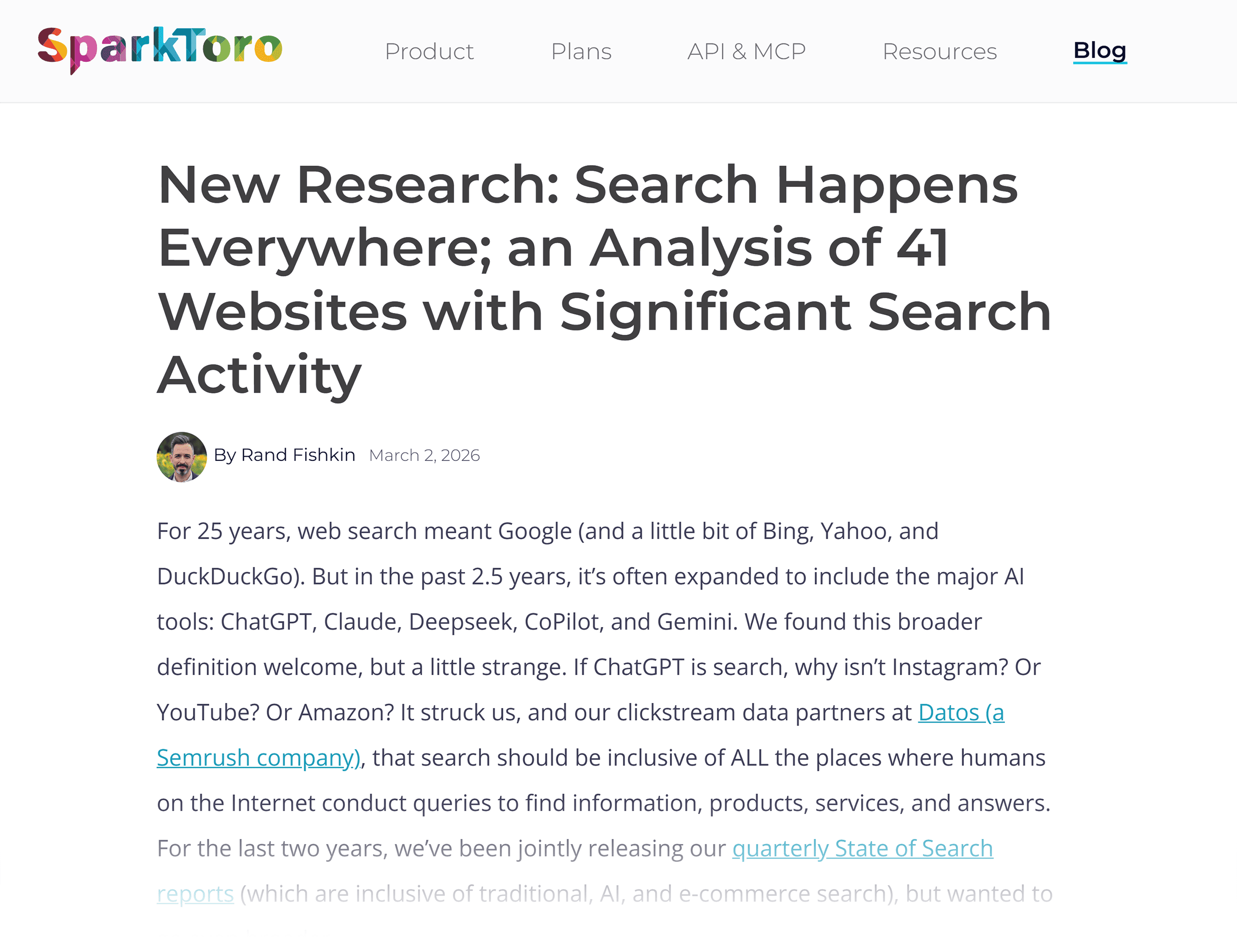
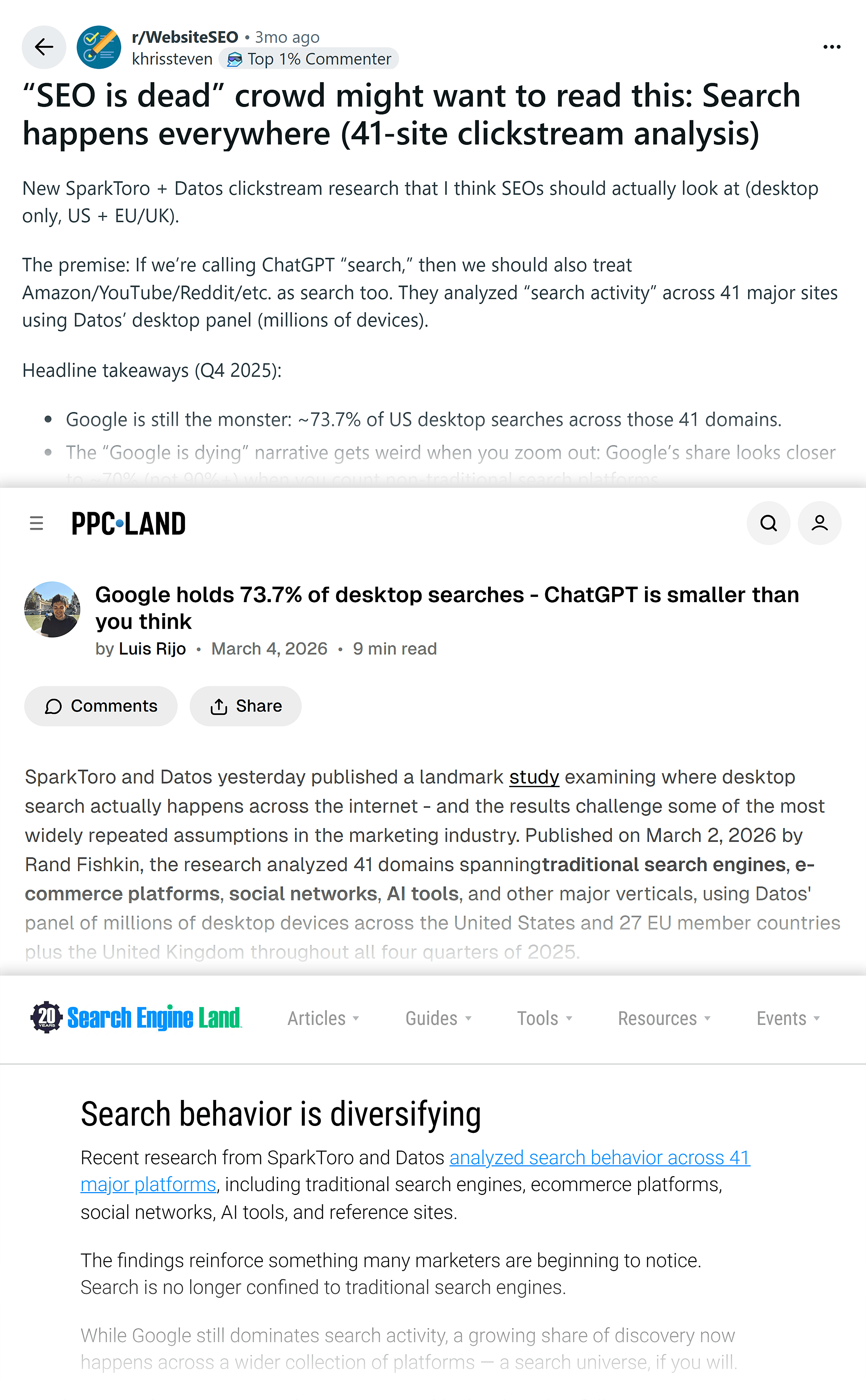
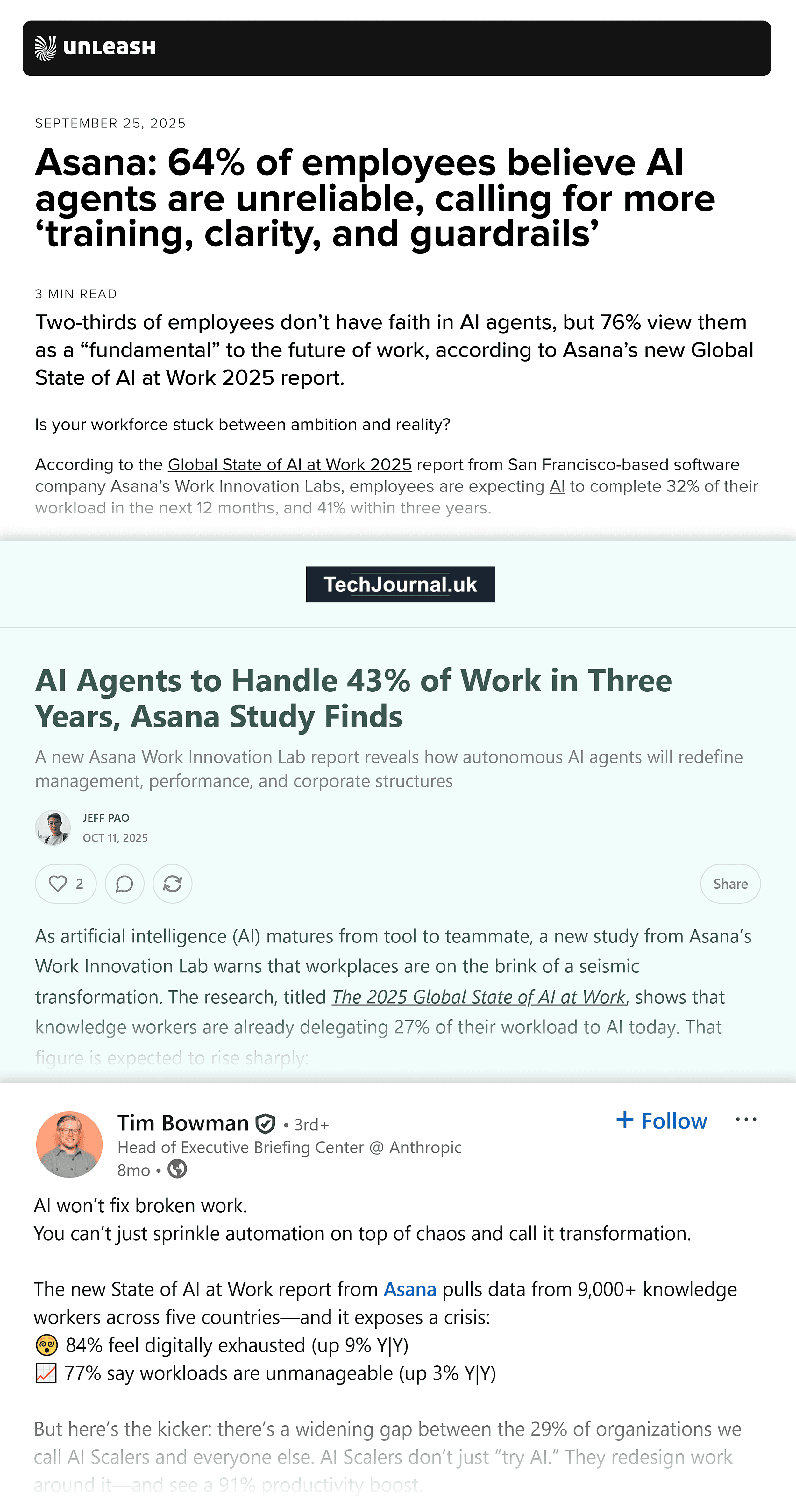
Creating proprietary research assets remains one of the most reliable methods for earning long-term brand citations. When organizations publish empirical data addressing hotly debated industry topics, citing that research becomes mandatory for other writers, journalists, and analysts exploring the same subject.
To execute this effectively, brands must identify recurring pain points or unanswered questions within their target communities—using sources like customer support logs, sales calls, and niche forum threads. By conducting surveys, analyzing proprietary datasets, or partnering with data analytics firms, companies can produce definitive reports. Packaging these findings with clear data visualizations, executive summaries, and easily citable statistics dramatically increases the likelihood of widespread media pickup.
2. Engaging in Strategic Co-Branding and Partnerships
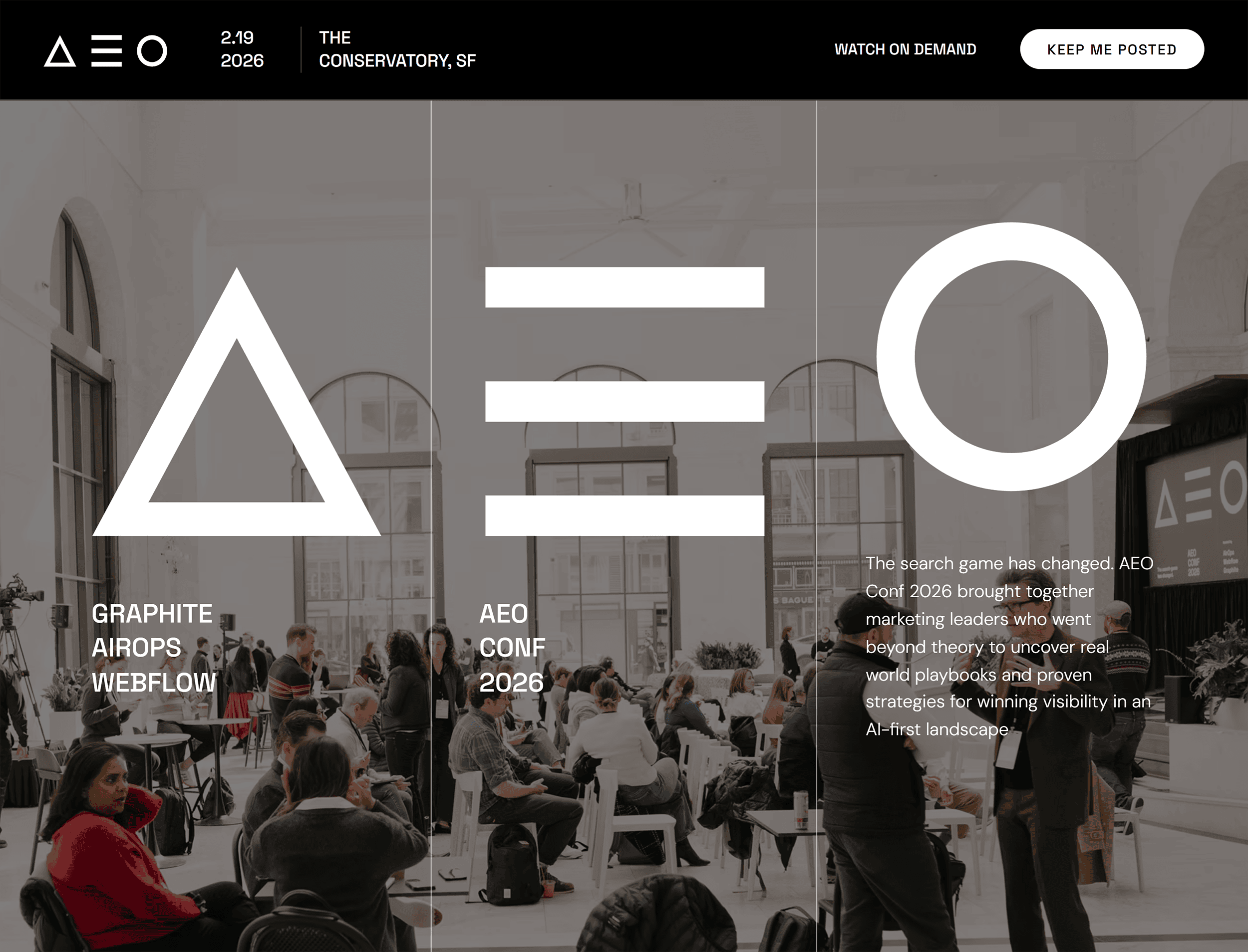
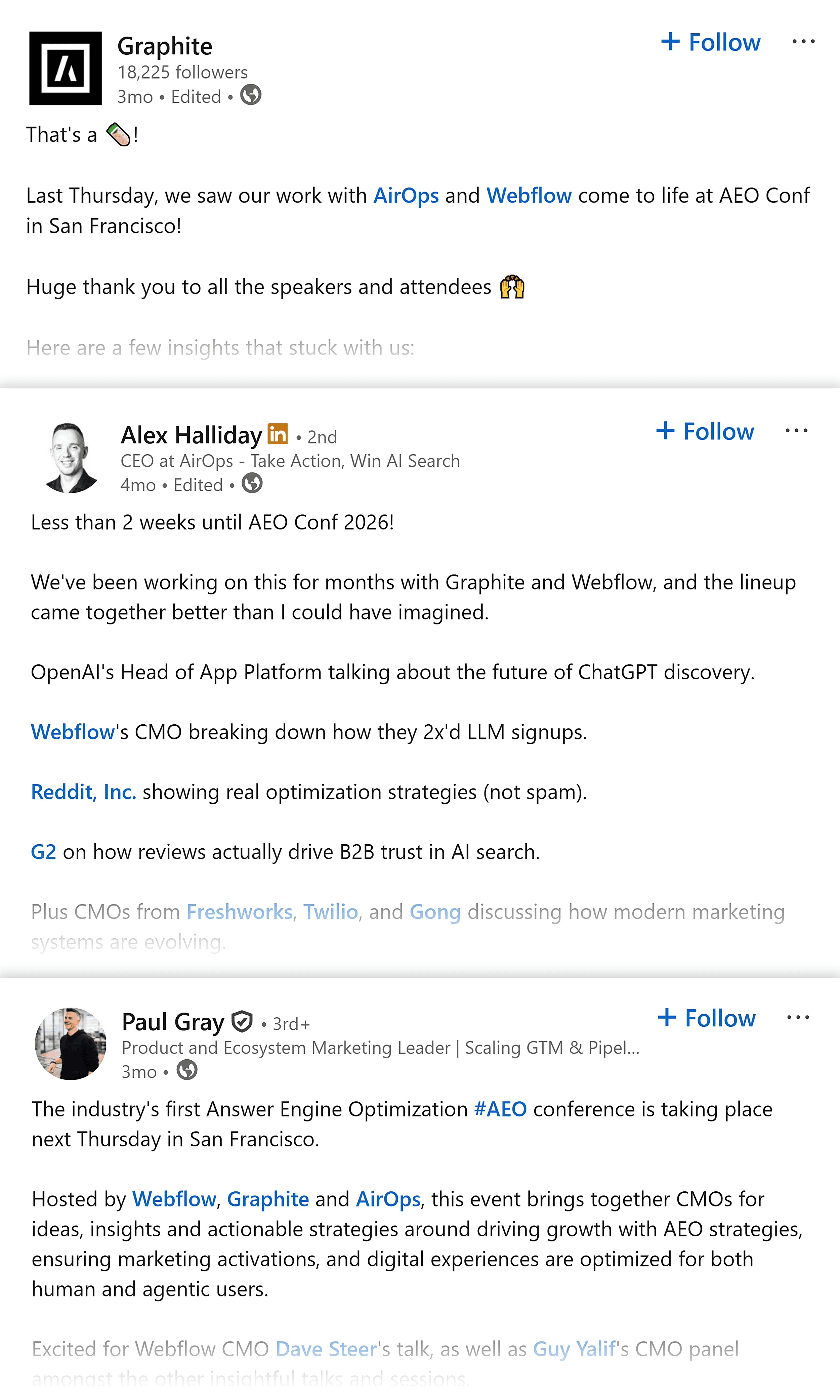
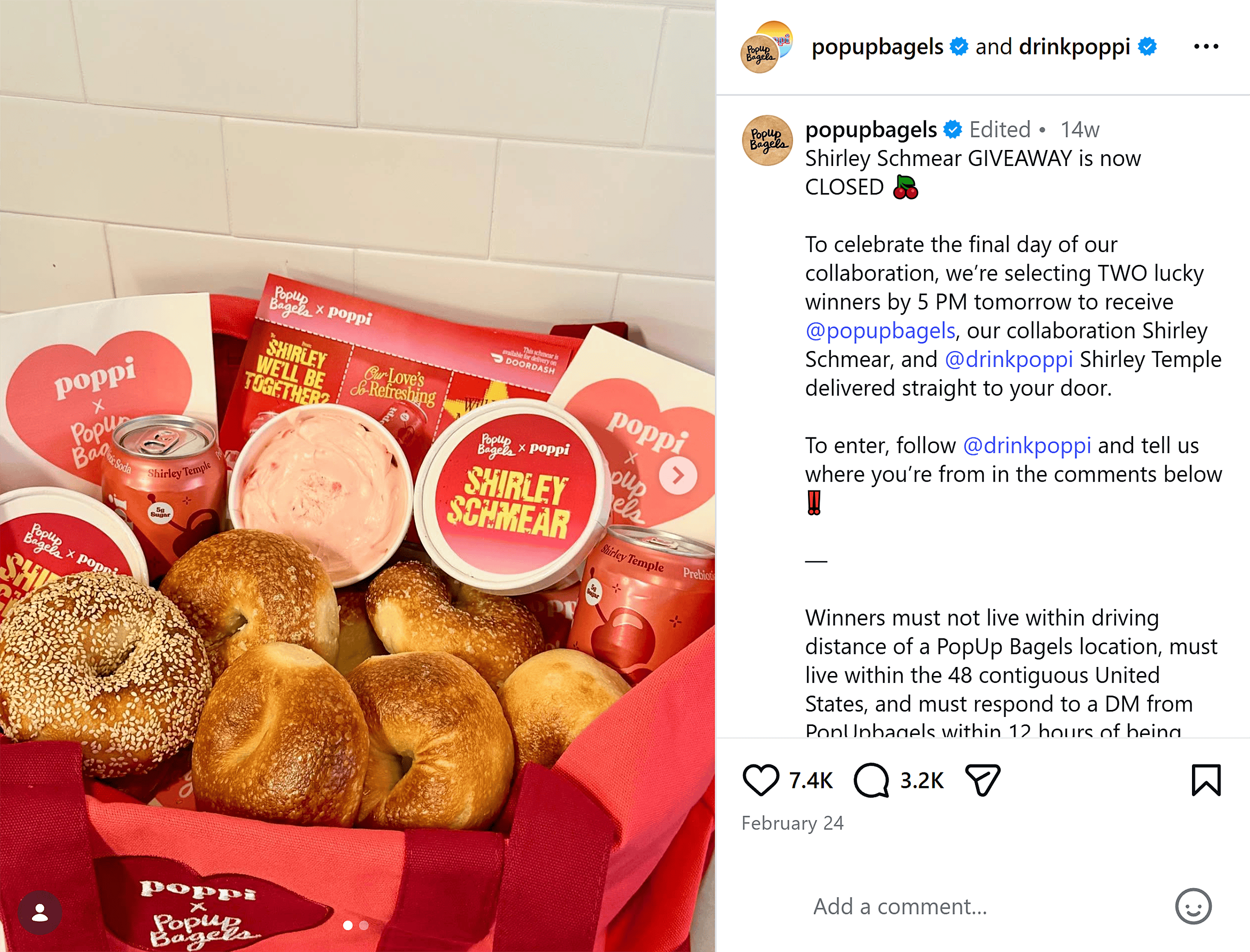
Collaborating with complementary businesses on joint campaigns, events, or co-authored reports multiplies brand visibility. When two or more non-competing brands target a similar demographic, a joint initiative naturally generates shared conversations across independent channels.
This phenomenon leverages "co-occurrence"—a process where search engines and LLMs observe two brands repeatedly mentioned within the same contextual sentence or article, ultimately associating them with identical thematic categories. Whether through co-hosted industry conferences, joint product drops, or strategic public relations campaigns, co-branding creates an immediate surge in cross-audience recognition.
3. Amplifying Industry Experts and Thought Leaders
Featuring prominent voices, practitioners, and external experts within a brand’s content creates a mutually beneficial ecosystem. When a company highlights an industry leader through expert roundups, benchmark commentaries, or podcast interviews, the featured contributor is inherently incentivized to share the published piece with their own extensive networks.
This organic amplification introduces the hosting brand to entirely new audiences, generating valuable third-party mentions on professional networking platforms, social media channels, and external blogs.
4. Executing Targeted Digital PR Campaigns
Proactively contributing executive expertise to external media outlets through digital PR elevates a brand’s market authority. Securing executive interviews on prominent industry podcasts, contributing guest columns to respected trade publications, or providing expert commentary to journalists covering breaking news stories yields multi-channel visibility.
Crucially, these appearances often result in brand mentions across show notes, video descriptions, transcripts, and press roundups—all of which serve as foundational training data for conversational AI engines.
Tracking, Measuring, and Reporting ROI to Leadership
Demonstrating the tangible return on investment (ROI) of a brand mention strategy to executive leadership requires a structured, multi-tool monitoring framework. Because brand mentions span traditional web pages, social networks, and proprietary databases, marketing teams must deploy a combination of tracking methodologies.
- Google Alerts and Manual Audits: Configuring automated alerts for exact brand names, executive titles, product lines, and common misspellings provides a baseline real-time feed. Because automated alerts occasionally miss forum threads and niche communities, supplementing these with weekly manual searches across news aggregates and video platforms ensures comprehensive coverage.
- Social Listening Platforms: Utilizing enterprise-grade social monitoring applications allows teams to capture qualitative metrics, including sentiment analysis, share of voice, and platform-specific breakdowns (e.g., tracking whether conversations are predominantly occurring on Reddit, LinkedIn, or independent blogs).
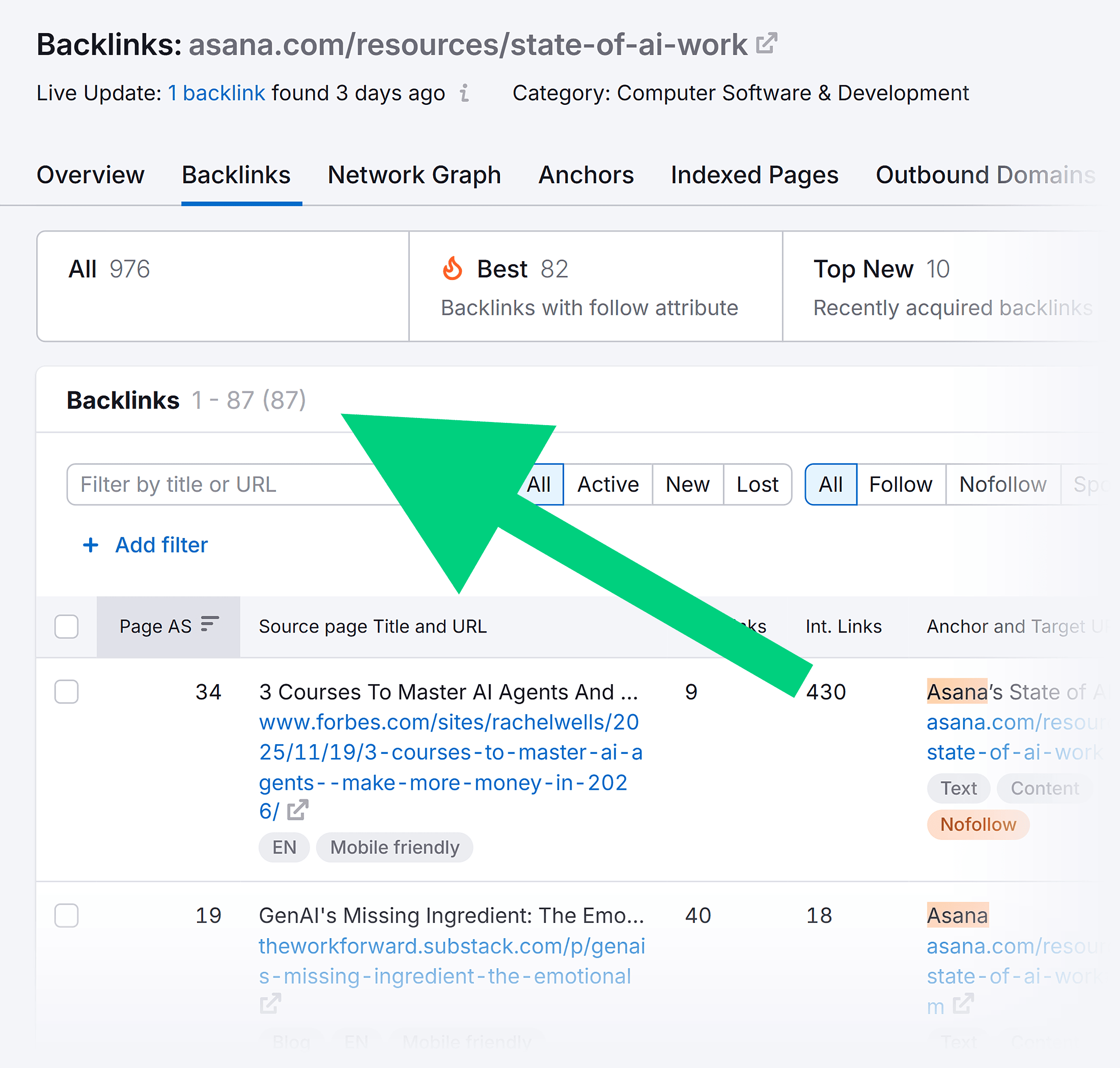
- Backlink and Anchor Text Analysis: Employing advanced SEO analytics tools enables teams to filter incoming backlinks by anchor text, isolating instances where the brand name is explicitly utilized within the link profile.
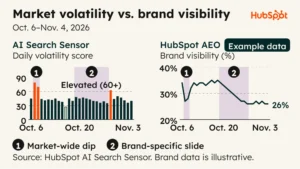
When reporting these findings to stakeholders, marketing leaders should transition away from vanity metrics and instead present a narrative focused on quality, authority, and contextual reach. Standardized monthly and quarterly reports should highlight the total volume of new mentions acquired, the concentration of positive sentiment, the estimated audience reach of top-tier placements, and any observable correlations between PR campaigns and shifts in AI search visibility.
By systematically earning and monitoring authoritative brand citations, organizations can successfully optimize their digital footprint, ensuring they remain prominent, trusted, and recommended across both traditional search engines and emerging artificial intelligence platforms.