In 2014, the analytics firm Mixpanel secured $65 million in Series B funding, underpinned by a growth projection that mirrored the industry’s prevailing "growth at all costs" mentality. The strategy was straightforward: aggressive headcount expansion, specifically within sales teams, to capture market share in a burgeoning cloud economy. Mixpanel began that year with five sales representatives and set an ambitious target of 33 by year-end, with an eye toward reaching 100 by 2016. However, the reality of the market proved far less forgiving. By early 2016, the company was forced to pivot, announcing the layoff of 18 employees, primarily from the sales division. This contraction was not an isolated incident; it signaled a structural shift in the Software-as-a-Service (SaaS) sector that would soon claim other high-profile victims, including Optimizely, which reduced its workforce by 10% in early 2016 to pivot toward sustainable profitability.
The Erosion of the Classic SaaS Growth Formula
For years, the industry operated under a predictable three-step success formula: acquire venture capital, invest heavily in sales and marketing, and scale until market dominance was achieved. This model was popularized by early leaders such as HubSpot and New Relic, which leveraged the shift toward cloud computing to replace legacy software providers.
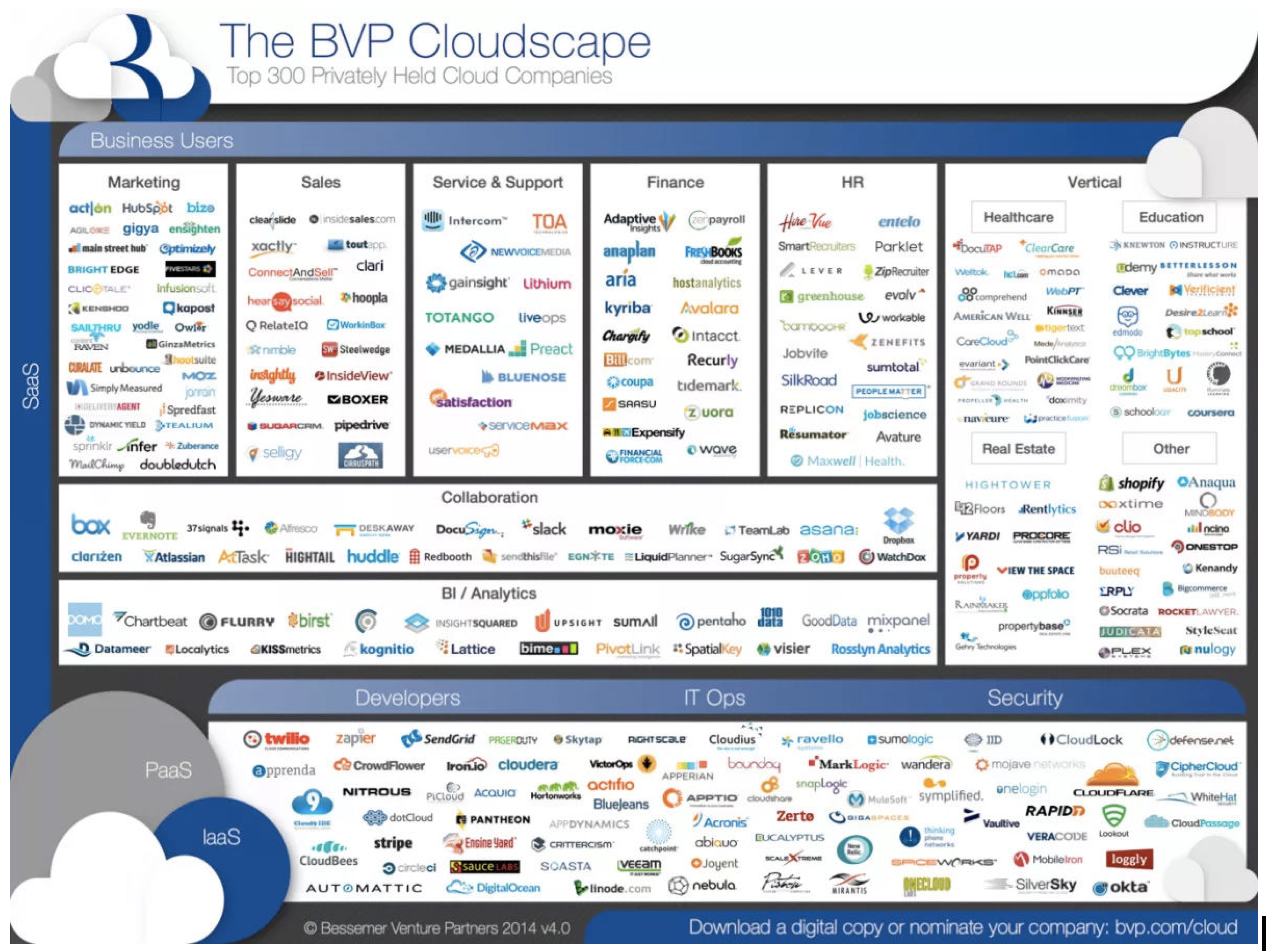
The rationale behind this strategy was logical: the rise of Amazon Web Services (AWS) had drastically lowered the barriers to entry. Startups no longer needed to maintain expensive, proprietary data centers, and the proliferation of open-source tools allowed for rapid development cycles. As a result, venture capital poured into the sector, with SaaS funding rising from $1.5 billion in 2010 to approximately $7 billion by 2016. However, this influx of capital created a hyper-competitive environment. With so many tools available, customer attention became a scarce, expensive resource. Products that were once considered "must-haves" now faced constant pressure to prove their ROI, leading to a rise in churn rates and a decline in the efficiency of traditional customer acquisition channels.
A Chronology of Market Correction
The shift from 2014 to 2016 represents a critical inflection point for the SaaS industry. In 2014, the prevailing sentiment was that SaaS companies should prioritize top-line growth above all else. This was facilitated by a low-interest-rate environment that encouraged venture capital firms to bet on high-growth, cash-burning startups.
By 2015, the landscape began to sour. The cost of acquiring a customer (CAC) began to outpace the lifetime value (LTV) of those customers for many firms. Optimizely’s CEO, Dan Siroker, highlighted this in a public post regarding his company’s layoffs: "This was a journey we committed to back in August 2015 to put us on a path to sustained growth and profitability without additional venture capital. In March 2016, it ultimately became clear that we were over-invested in some parts of the business."

This shift signaled a broader transition from a period of "growth-at-all-costs" to one of "efficient growth." Investors began to prioritize unit economics, churn metrics, and path-to-profitability over mere user acquisition numbers. The era of the "easy" SaaS win had concluded, replaced by a market that demanded rigorous product-market fit and high-velocity retention strategies.
Implications of Market Saturation
The logical conclusion of this market maturation is that the barrier to entry has risen significantly. As Hiten Shah, a noted entrepreneur and SaaS advisor, observed in late 2016, the industry had not reached "peak SaaS," but rather entered a phase of commoditization. In a commoditized market, the differentiation between products becomes increasingly thin, and pricing power erodes.
This reality forced a change in how software companies operate. The most successful modern platforms are no longer just selling "software"; they are selling outcomes, integration, and community. The traditional 30-day free trial, followed by a hard paywall, is increasingly viewed as an outdated model that creates friction. Users today expect to experience value before they commit to a subscription.

Emerging Strategies for the Next Wave of SaaS
To navigate this landscape, successful companies are adopting three primary strategies: vertical specialization, the "sideways" entry, and business model innovation.
1. Vertical Specialization: Moving Beyond the "Tech Bubble"
Many early SaaS companies succeeded by selling software to other software companies. However, this market is now saturated. The next wave of winners is focusing on underserved, non-tech industries. Consider ATI, a physical therapy firm that operates 600 clinics. By building its own software ecosystem, ATI has created a defensible, niche-specific solution that handles appointment scheduling, insurance verification, and patient management. By targeting industries with high levels of manual, paper-based work, these companies can establish deep roots before the market attracts significant competition.
2. The Sideways Entry: Free Tools as Marketing
In a crowded market, traditional advertising is often inefficient. A more effective strategy is to provide a free, highly functional tool that solves a specific, acute problem. Clearbit, a data-enrichment company, gained significant market traction by releasing free tools, such as an email lookup utility. By providing immediate value, these companies generate "product-qualified leads"—users who have already interacted with the software and understand its value proposition, making them significantly more likely to convert to paid services later.

3. Monetizing Value Over Time: The Network Approach
The subscription-only model is increasingly being supplemented by transaction-based or network-based pricing. Dotloop, a platform for real estate transactions, exemplifies this. By creating a collaborative workspace where agents, clients, and lenders can interact, Dotloop has built a network effect. Because the platform facilitates the actual transaction, it is perfectly positioned to monetize at the point of value—for example, by taking a small fee for each closed deal or providing premium services to specific participants in the network. This moves the business model closer to that of a consumer-facing social network, where monetization is tied to usage and network density rather than a flat monthly fee.
The Future of the Enterprise Software Landscape
The challenges faced by Mixpanel and Optimizely in 2016 were not signs of a dying industry, but indicators of a maturing one. The SaaS sector is currently undergoing a Darwinian process. Companies that rely on massive sales forces to push products that lack deep, persistent value are being weeded out. In their place, a new generation of companies is rising—firms that prioritize product-led growth, focus on high-value niches, and utilize innovative business models that align incentives with customer success.
This inflection point suggests that the next decade of SaaS will look fundamentally different from the last. We are moving away from the "all-in-one" suite toward specialized, highly integrated, and increasingly "invisible" software that functions more as a utility or a marketplace than a traditional subscription tool. For founders and investors, the lesson is clear: the ability to build software is no longer a competitive advantage; the ability to build a product that provides measurable, recurring value in an increasingly crowded market is everything. The bar for success has been raised, and the companies that clear it will be those that view their software not as a static product, but as a dynamic service that evolves alongside the needs of their customers. As the industry continues to consolidate and refine, the winners will be the ones that can prove their worth in every interaction, ensuring that their product remains essential in a market that no longer tolerates mediocrity.