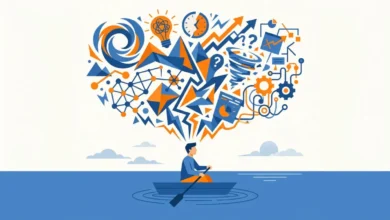
Mastering the Art of AI-Driven Daily Operations: A Framework for Systematic Productivity

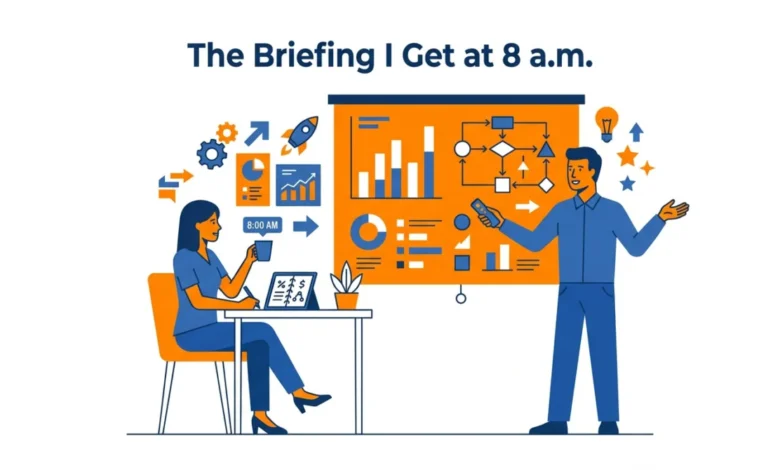
Every morning at 8 a.m. sharp, a structured briefing arrives, outlining the day’s agenda, critical meeting objectives, necessary preparatory steps, and even contextual variables like local weather and energy management guidance. While the specific data points fluctuate daily, the underlying architecture of this briefing remains constant. This consistency provides a prime foundation for automation, transforming what was once a manual, time-consuming administrative task into a streamlined, high-efficiency workflow. As artificial intelligence continues to integrate into professional environments, the ability to leverage existing tools—rather than simply seeking newer ones—has become a hallmark of peak organizational performance.
The Foundation of Workflow Automation
Developing a sophisticated AI-assisted workflow requires mastering three foundational pillars: clear input definition, systematic workflow thinking, and iterative curiosity. These skills allow individuals to transition from rudimentary AI interactions to advanced, autonomous systems.
Clear inputs are essential for effective communication with large language models; the precision of an instruction directly correlates to the quality of the output. Workflow thinking involves decomposing recurring tasks into repeatable, logical segments, while curiosity acts as the diagnostic tool necessary to troubleshoot failures or suboptimal results. In professional settings, this framework—governed by permissions, reliable integrations, and rigorous review processes—determines the threshold at which a task can safely operate without human intervention.
Strategic Prompt Engineering: The Interview Method
A common bottleneck in AI adoption is the inability to formulate an effective prompt, often stemming from an incomplete grasp of the desired outcome. A proven strategy to overcome this is the "reverse-interview" method. By instructing an AI model to ask clarifying questions before proceeding, the user can refine the scope, tone, and audience requirements of any project.
For instance, when drafting a corporate newsletter, an AI might inquire about the target demographic, the intended length, and the key thematic goals. These concrete responses serve two purposes: they provide immediate assistance for the current task and establish a repository of information that clarifies future briefs. This methodology is particularly effective for high-stakes projects, such as travel logistics or complex research reports, where the boundary of the AI’s mandate must be strictly defined. By limiting research to approved sources and specifying output formats—such as a single-page executive summary—users can significantly reduce the "hallucination" rate of generative models and ensure relevance over sheer volume.
Troubleshooting and Iterative Refinement
The efficacy of an AI agent is frequently hampered by the user’s tendency to abandon a process prematurely when the initial output fails to meet expectations. Industry data suggests that nearly 60% of professional users abandon an AI interaction after a single unsatisfactory attempt. However, the most successful implementations involve a secondary, corrective prompt.
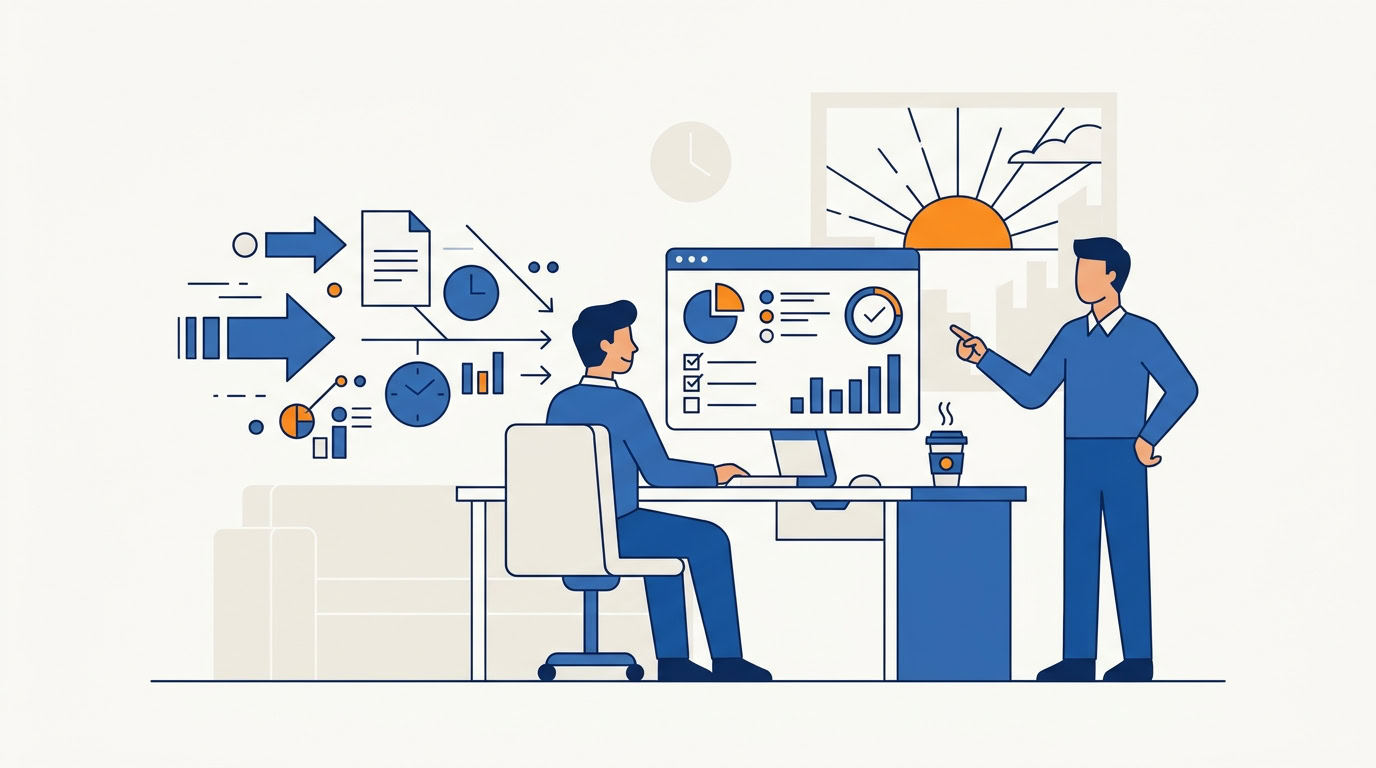
When an output falls short, investigators should probe the model’s logic: Which specific files were referenced? What assumptions guided the narrative? Why was that specific analytical approach adopted? Often, a missing instruction or the inclusion of an irrelevant data source is the culprit. By identifying these gaps, users can adjust the brief and rerun the process with higher confidence. This cycle of inspection and refinement is critical in email management, where users often ask for a draft, only to perform the substantive editing manually. If these edits are not fed back into the model, the system fails to learn, resulting in a persistent cycle of repetitive, low-quality drafts.
Data Hygiene: The Unsung Hero of Automation
Before pursuing advanced AI models or complex software integrations, organizations must address the quality of their data. The most sophisticated automation will fail if the underlying information is disorganized, poorly labeled, or incomplete. This "least glamorous" phase of work—cleaning folders, standardizing naming conventions, and establishing a logical file architecture—is the primary determinant of success in AI implementation.
Once the data environment is optimized, the focus shifts to creating seamless handoffs between applications. A summary of a meeting is only as valuable as the subsequent action items it triggers. Effective workflows typically follow a documented path: a meeting transcript is parsed for action items, which are then pushed to task management software, while a follow-up email is drafted and stored in a "pending" folder for final human approval. By keeping the email in a draft state, the user maintains oversight, satisfying organizational compliance requirements while reaping the benefits of automated administrative labor.
The Three-Tier Model of AI Utilization
For professional teams, the implementation of AI can be categorized into three distinct levels of utility:
- Assistance: A collaborative, back-and-forth process where the AI supports drafting, brainstorming, and research. This is where users establish style rules and initial templates.
- Workflows: The connection of repeatable steps that produce consistent, predictable outcomes. This level requires the automation of data handoffs between tools, such as moving information from a meeting recording to a project management dashboard.
- Agents: Highly configured systems capable of initiating and executing tasks with minimal human intervention. While these agents operate autonomously, they remain tethered to human review, secure permissions, and verified integration layers.
Broader Implications and Future Outlook
The shift toward agentic workflows marks a significant evolution in office productivity. Historically, the burden of administrative work was a linear function of time spent; now, it is a function of system design. Recent studies indicate that professionals who effectively delegate routine tasks to AI systems save an average of 4.5 hours per week, allowing for a reallocation of focus toward high-level strategy and creative problem-solving.
However, the risk of over-automation remains a pertinent concern. Reliance on AI without the necessary checks and balances can lead to systemic errors. A 2024 analysis of corporate AI integration highlighted that "blind trust" in output remains the most significant risk to organizational integrity. Therefore, the implementation of a "human-in-the-loop" verification system is not merely an optional best practice but a necessary safeguard.
As teams move forward, the emphasis must remain on building the "next level" only. If a task is currently being handled through assistance, the objective is to move it to a workflow. If a workflow is already functioning, the objective is to define the exact criteria for human approval before attempting full agentic autonomy. By focusing on one recurring task at a time—and treating the briefing process as a template for efficiency—professionals can build a robust, scalable system that adapts to the demands of a modern, fast-paced work environment. The ultimate goal is not to remove the person from the loop, but to ensure that when the person is involved, their attention is focused exclusively on where it provides the most value.