The Launch of the Seller App: Empowering the Power User
The introduction of the Seller app represents a strategic recognition by Meta that Marketplace has evolved from a casual neighborhood digital garage sale into a professionalized hub for small businesses and frequent resellers. While the core Marketplace functionality remains embedded within the standard Facebook app, the standalone Seller app is engineered to provide a streamlined, high-performance environment for those who treat the platform as a primary source of income.
Central to the Seller app’s value proposition is its deep integration with Meta AI. For many sellers, the most tedious aspect of digital commerce is the creation of listings—photographing items, writing enticing descriptions, and researching competitive price points. The new app automates this process. By uploading a small selection of photos, users can prompt Meta AI to generate optimized titles, detailed product descriptions, and data-driven price suggestions in a matter of seconds. This generative AI capability leverages Meta’s vast database of successful historical listings to ensure that new posts are formatted for maximum discoverability and conversion.

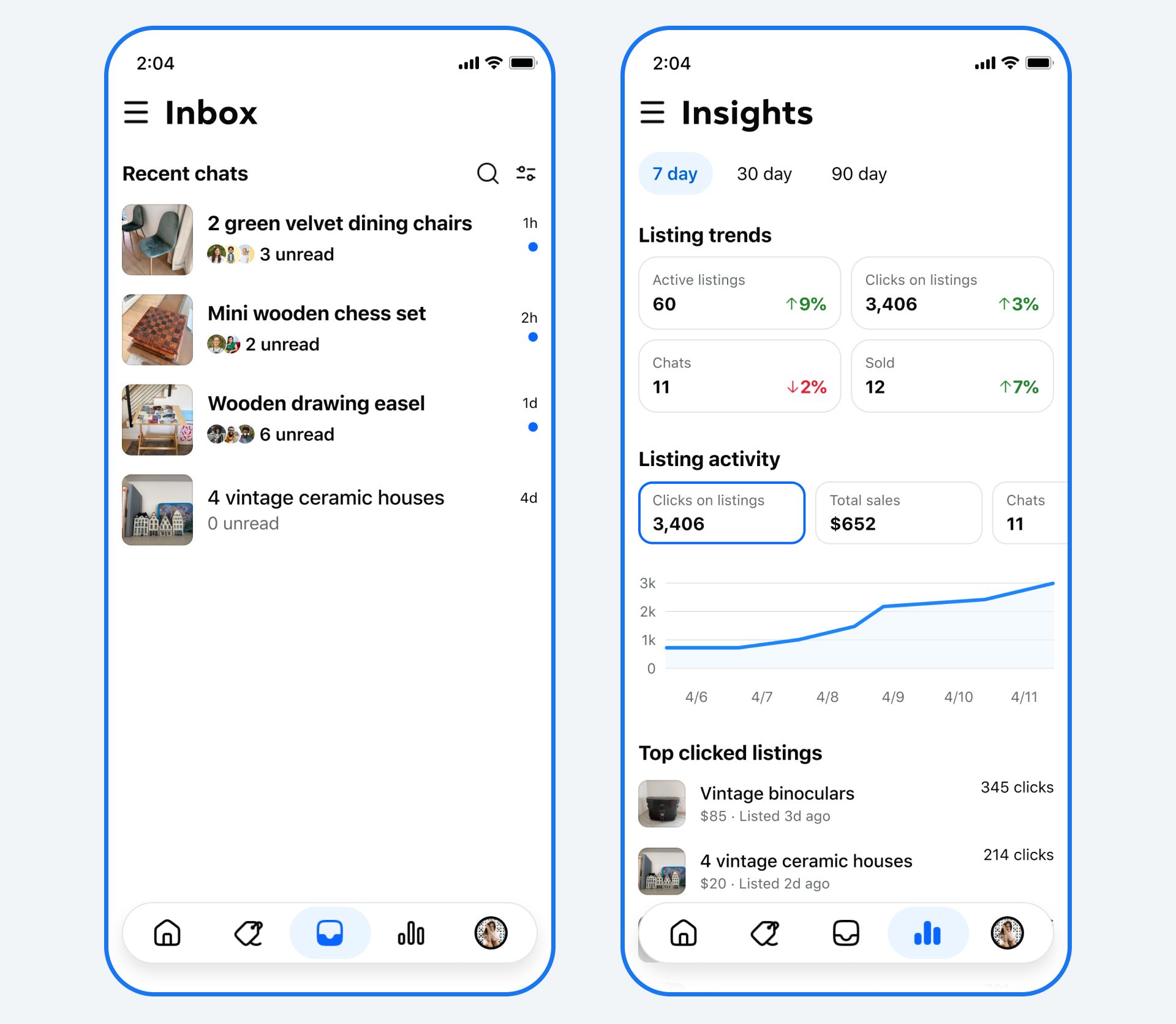
Beyond individual listing creation, the Seller app introduces bulk management tools that have long been requested by the community. Users can now upload and manage multiple items simultaneously, a feature that aligns Marketplace more closely with professional platforms like eBay or Shopify. The app also features a comprehensive dashboard that acts as a mission control center for sellers. It tracks critical metrics such as buyer response times, pending shipments, and listing performance. Furthermore, the app includes a unified inbox that categorizes conversations by specific listings, ensuring that inquiries do not get lost in a sea of personal messages. Currently available to US-based users aged 18 and older, the app synchronizes instantly with existing Facebook profiles, migrating all historical data, ratings, and active listings upon the first login.
The "TikTok-ification" of the Home Feed
While the Seller app focuses on the transactional side of the platform, Meta is simultaneously testing a radical redesign of the Facebook home screen. Later this year, a subset of international users will experience a "video-first" interface that mirrors the full-screen, vertically scrolling format popularized by TikTok. This test marks one of the most significant UI changes in Facebook’s history, prioritizing algorithmic discovery over the traditional social graph of friends and family.
Under this new model, the moment a user opens the Facebook app, they are greeted by an immersive video feed. Meta’s AI recommendation engine will curate this content based on user interests, viewing habits, and trending topics, rather than chronological posts from their network. However, mindful of potential backlash from long-term users who prefer the traditional experience, Meta has confirmed that the "Classic Feed" will remain accessible as a secondary tab. Additionally, the company is including an opt-out mechanism for those who wish to bypass the video-heavy interface entirely.
Industry analysts view this move as a direct response to the shifting consumption patterns of younger demographics, particularly Gen Z, who increasingly treat social platforms as entertainment hubs rather than communication tools. By integrating video more deeply into the core experience, Meta aims to increase "time spent" on the app, which in turn provides more opportunities for ad placements and social commerce integration.
Enhancing Trust with Facebook Verified
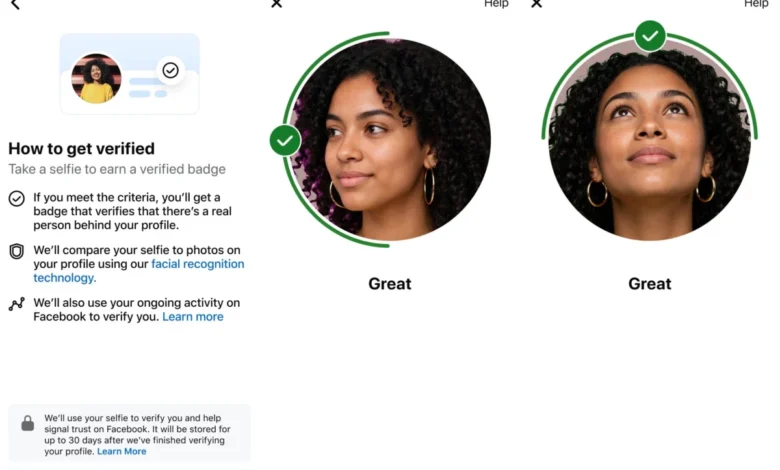
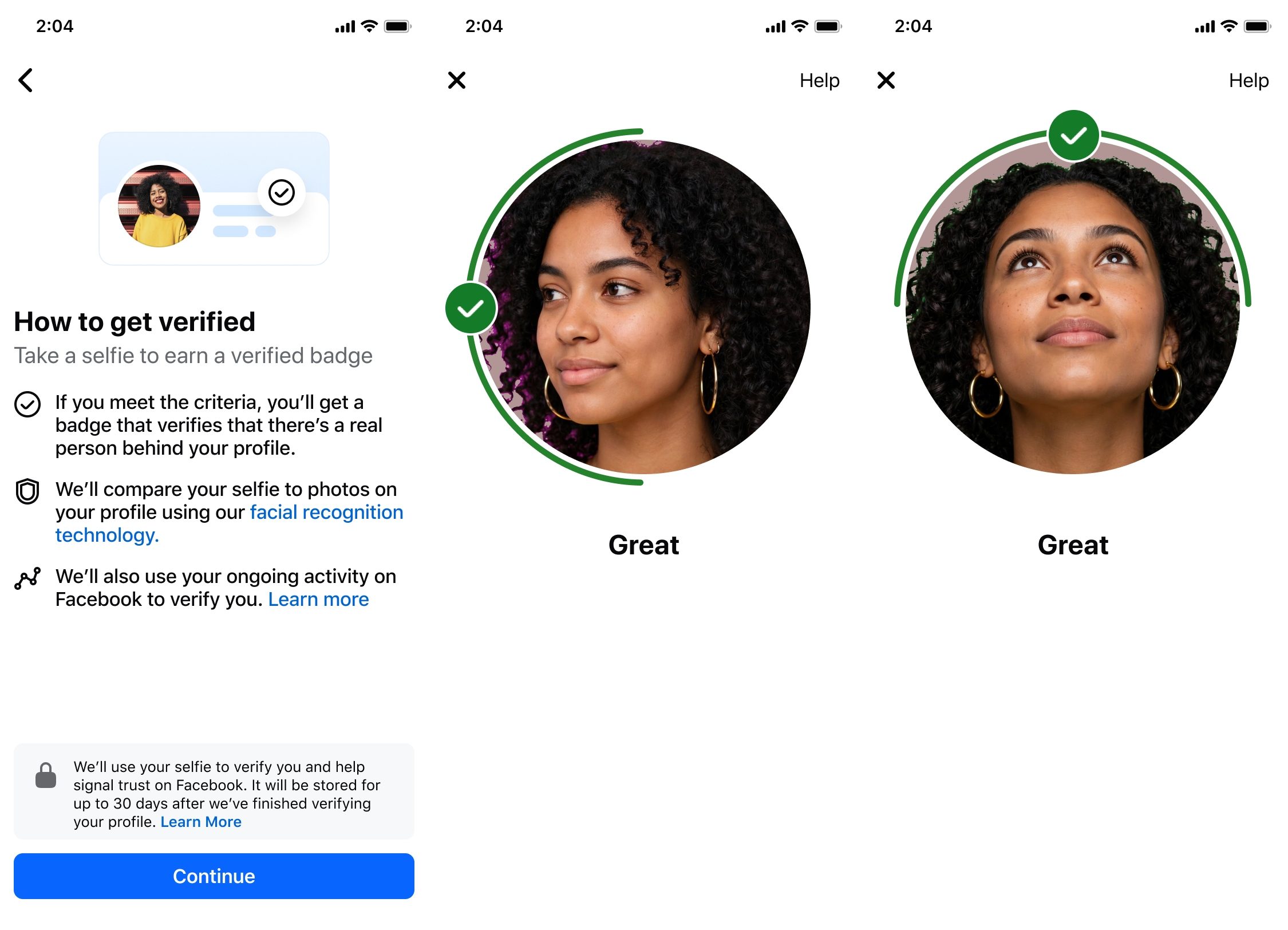
As the platform grows, so does the challenge of maintaining a safe environment for transactions and social interactions. To combat the rise of AI-generated bot accounts and fraudulent profiles, Meta is introducing "Facebook Verified." Unlike the existing "Meta Verified" subscription service, which offers a blue checkmark and premium support for a monthly fee, Facebook Verified is a free badge designed to prove basic human authenticity.
The verification process requires users to record a video selfie, which Meta’s systems then compare against their profile data to confirm that a real person is behind the account. This badge will be visible across Marketplace and Facebook Dating, providing a layer of security for users engaging with strangers. In an era where deepfakes and automated scam accounts have become increasingly sophisticated, this "proof of humanity" is a critical step in preserving the integrity of the platform’s peer-to-peer ecosystem.
Expansion of the "Forum" and Creator Tools
Meta’s updates extend beyond commerce and video into the realm of community management and content creation. The "Forum" app, which began testing earlier this year as a dedicated space for Facebook Groups, is receiving significant upgrades. A new "Group Ask" feature allows community members to solicit advice and information more efficiently, while "Admin AI" tools are being introduced to help moderators manage large groups by automatically flagging policy violations and suggesting responses to common queries.
Simultaneously, the company is rebranding and reimagining its Creator Studio. The updated suite is designed to function as a personal content strategist for influencers and digital creators. Using predictive analytics, the studio will offer specific recommendations on what type of content to produce next, based on what is currently resonating with the creator’s specific audience and broader platform trends. This move is intended to keep high-value creators within the Meta ecosystem as competition from platforms like YouTube and TikTok remains fierce.
A Decade of Evolution: From 2016 to Today
The tenth anniversary of Facebook Marketplace provides an opportunity to reflect on its meteoric rise. Launched in 2016 as a formalization of the informal "Buy and Sell" groups that had cropped up on the platform, Marketplace quickly disrupted the classifieds industry, posing a major threat to established players like Craigslist and Gumtree.

By 2021, Marketplace had reached over one billion monthly active users. Its success was largely attributed to the "built-in trust" of the Facebook identity system; unlike anonymous platforms, Marketplace allowed buyers and sellers to view each other’s profiles, mutual friends, and length of time on the platform. The current suite of updates—the Seller app, AI automation, and enhanced verification—represents the next phase of this evolution, moving the platform toward a more professional, secure, and technologically advanced future.
Broader Implications for the Social Commerce Landscape
Meta’s latest initiatives reflect a broader trend in the tech industry: the convergence of social media, entertainment, and e-commerce. By making it easier to sell through the Seller app and easier to discover through the video feed, Facebook is positioning itself as a "closed-loop" ecosystem where a user can discover a product via a short-form video, verify the seller’s identity through a free badge, and complete a transaction—all without ever leaving the app.
This strategy carries significant implications for the competitive landscape. For dedicated e-commerce platforms like eBay, the automation of listings through Meta AI reduces the "friction to switch" for sellers. For video platforms like TikTok, Facebook’s redesign proves that the battle for attention is being fought on the terms of short-form vertical content.

However, the transition is not without risks. Facebook’s primary demographic remains older than that of TikTok or Instagram. Forcing a video-first interface on a user base that may still value text-based updates and family photos could lead to alienation. Meta’s decision to include an opt-out feature and a separate tab for the classic feed suggests the company is walking a tightrope between innovation and user retention.
Conclusion and Future Outlook
As Facebook Marketplace enters its second decade, it is no longer just a feature of a social network; it is a pillar of the global digital economy. The launch of the Seller app and the integration of AI-driven tools demonstrate Meta’s commitment to staying ahead of the curve in a rapidly changing retail environment. By doubling down on video and authenticity, the company is attempting to future-proof its flagship platform against the shifting tides of user behavior.
The success of these updates will likely depend on how effectively Meta AI can simplify the user experience without sacrificing the human connection that originally made Facebook Marketplace successful. As these features roll out globally through 2026 and 2027, the industry will be watching closely to see if Facebook can successfully reinvent itself once again, or if the "TikTok-ification" of the platform will prove to be a bridge too far for its legacy audience. For now, the message from Meta is clear: the future of Facebook is automated, verified, and increasingly seen through a vertical lens.