TwelveLabs Marengo Embed 3.0 Integration with Amazon Bedrock Knowledge Bases Marks a New Era for Multimodal Semantic Search

The integration of TwelveLabs Marengo Embed 3.0 into Amazon Bedrock Knowledge Bases represents a significant advancement in the field of artificial intelligence, specifically addressing the long-standing challenge of searching and retrieving information from non-textual assets. By enabling general availability for this multimodal embedding model within Amazon’s managed Retrieval Augmented Generation (RAG) service, developers can now index and query video, audio, and image content using natural language with unprecedented ease. This development effectively removes the technical barriers that have historically required organizations to construct complex, custom-built pipelines involving separate transcription services, frame extraction workflows, and disjointed vector databases.
The Challenge of Unstructured Media Retrieval
For decades, the vast majority of the world’s data has been trapped in unstructured formats. While text-based documents have long benefited from sophisticated indexing and search technologies, video and audio files have remained largely opaque to automated retrieval systems. Organizations in sectors such as sports broadcasting, media production, forensic security, and retail have struggled to derive actionable intelligence from hours of footage.
Previously, searching for a specific event—such as a penalty kick in a high-stakes soccer match or a specific safety violation in a surveillance feed—required manual review or the labor-intensive implementation of multi-stage processing pipelines. These pipelines necessitated the synchronization of disparate tools, often resulting in high latency, significant operational overhead, and a failure to capture the nuanced, cross-modal relationships between visual cues, spoken dialogue, and background audio.
How Marengo Embed 3.0 Changes the Paradigm
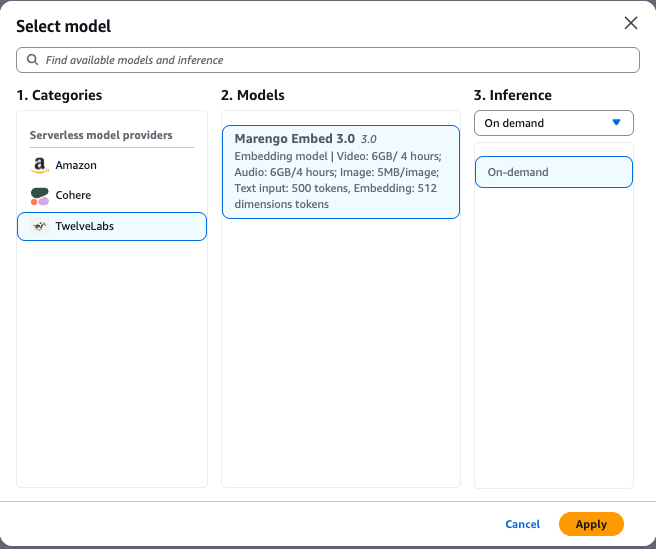
The TwelveLabs Marengo Embed 3.0 model functions by jointly encoding video, audio, images, and text into a unified, highly compact 512-dimensional vector space. By mapping these diverse data modalities into a shared mathematical representation, the model allows the system to understand the context of a video segment as accurately as it would a written document.
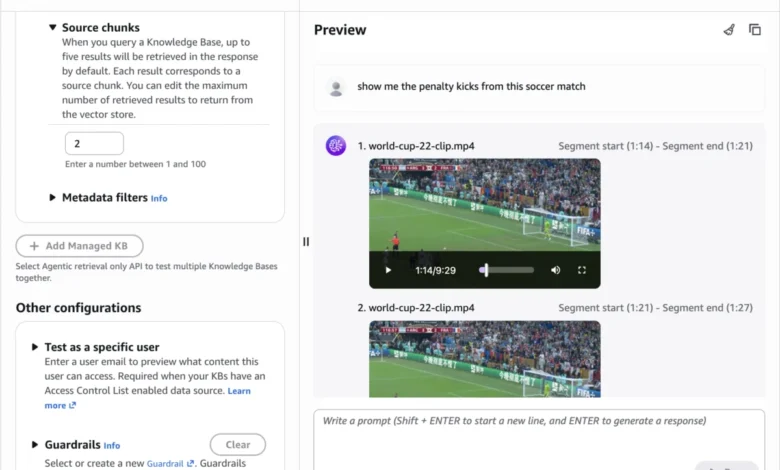
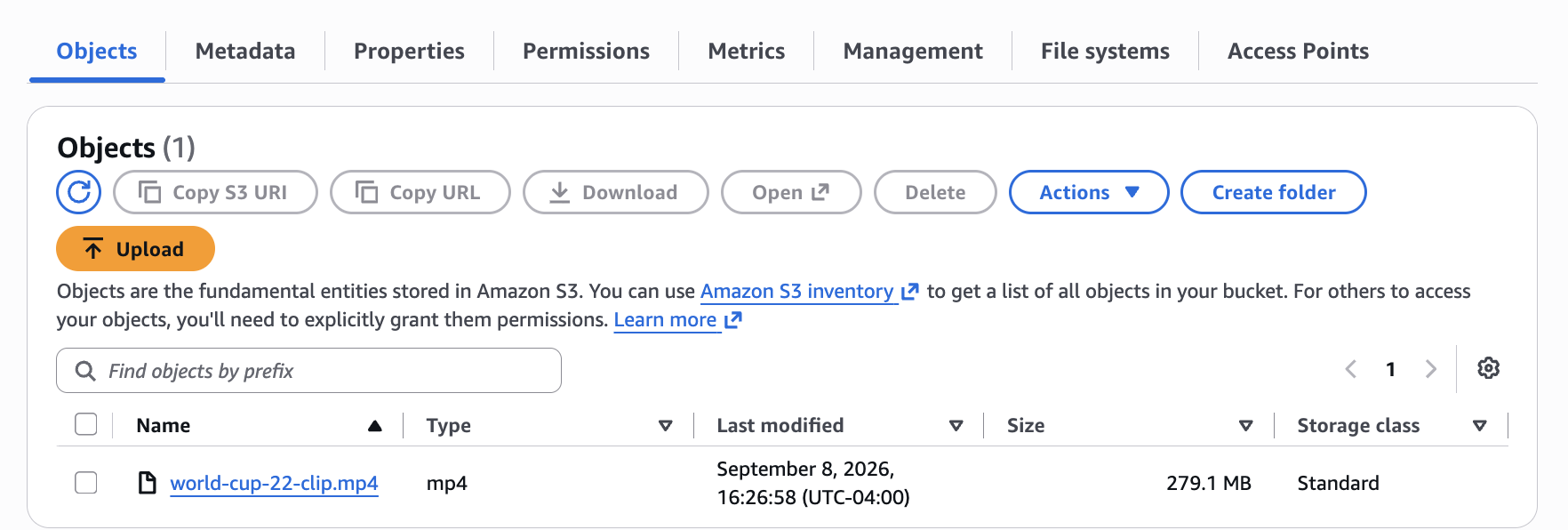
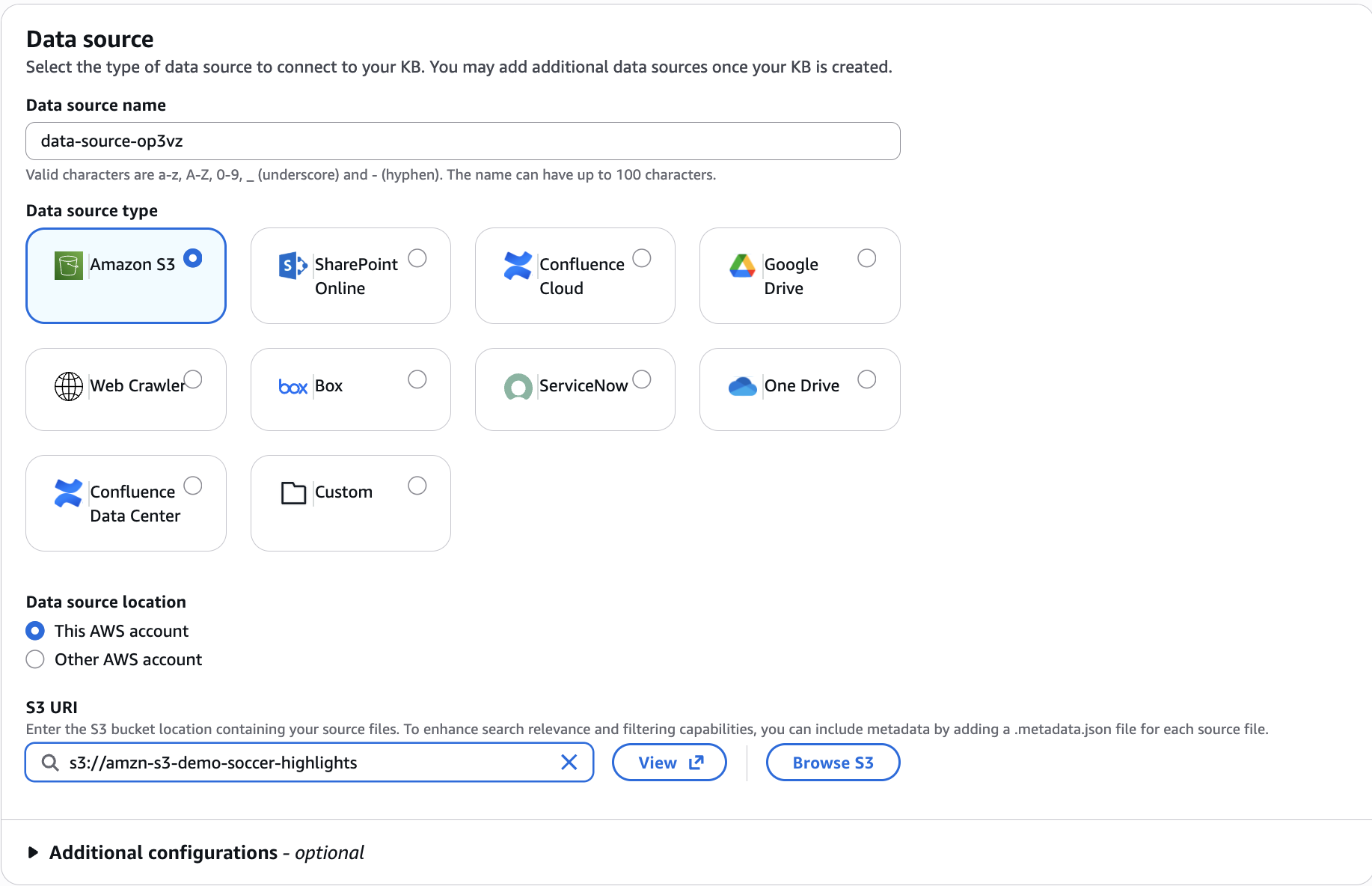
Within the Amazon Bedrock Knowledge Bases environment, this process is fully managed. When a user uploads a video file to an Amazon S3 bucket, the service automatically initiates a pipeline that includes segmentation, frame sampling, and transcription. These elements are then converted into vectors that the system can query. Consequently, a user can input a natural language prompt, such as "show me the penalty kick in the second half," and the system can accurately retrieve the precise time-stamped segment where the action occurs.
A Chronology of the Integration
The path to this general availability began with the increasing demand for multimodal AI in enterprise environments. As generative AI matured throughout 2023 and 2024, the focus shifted from simple text generation to the need for "grounding" AI models in the actual media assets held by corporations.
- Development Phase: TwelveLabs focused on optimizing the Marengo model for architectural efficiency, ensuring it could handle high-throughput, low-latency indexing.
- Beta Testing: Amazon Web Services (AWS) collaborated with enterprise partners to test the integration within the Amazon Bedrock RAG framework, specifically refining the audio-video segmentation configuration.
- General Availability: As of the latest release, the service is fully integrated into the Bedrock console, allowing users to select Marengo Embed 3.0 as an alternative to existing text-based models like Amazon Titan.
Technical Workflow and Implementation
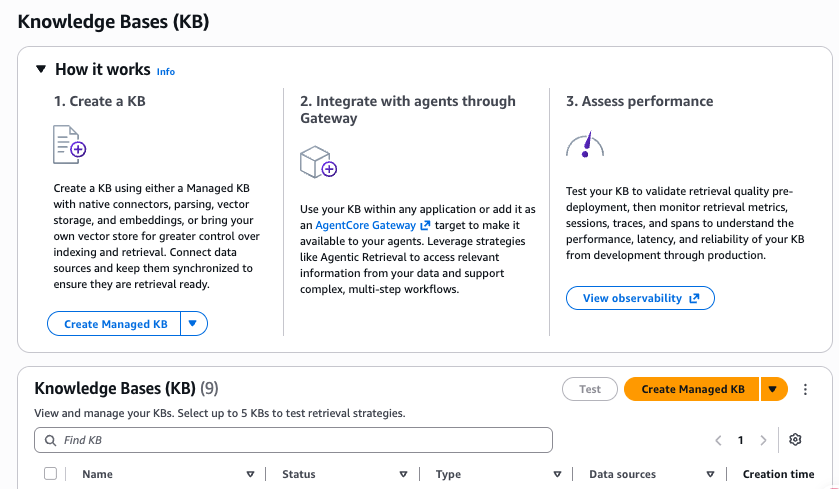
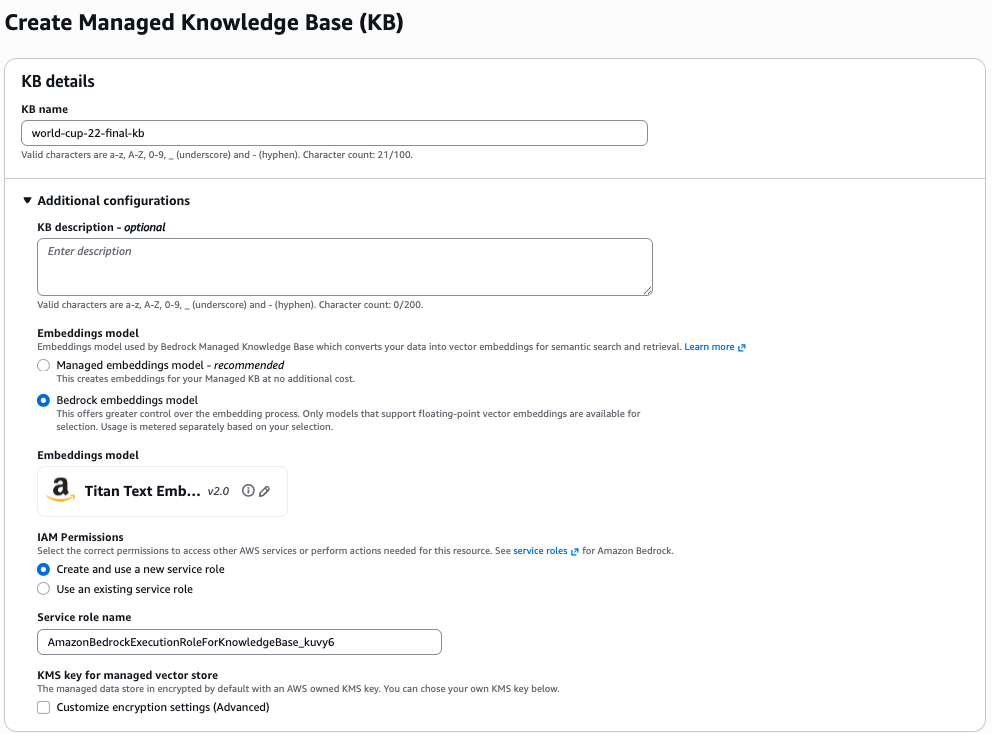
The implementation process is designed to be streamlined for developers. By navigating to the Knowledge Bases section within the Amazon Bedrock console, users can now select "Create Managed KB" and specify Marengo Embed 3.0 as the primary embedding model.
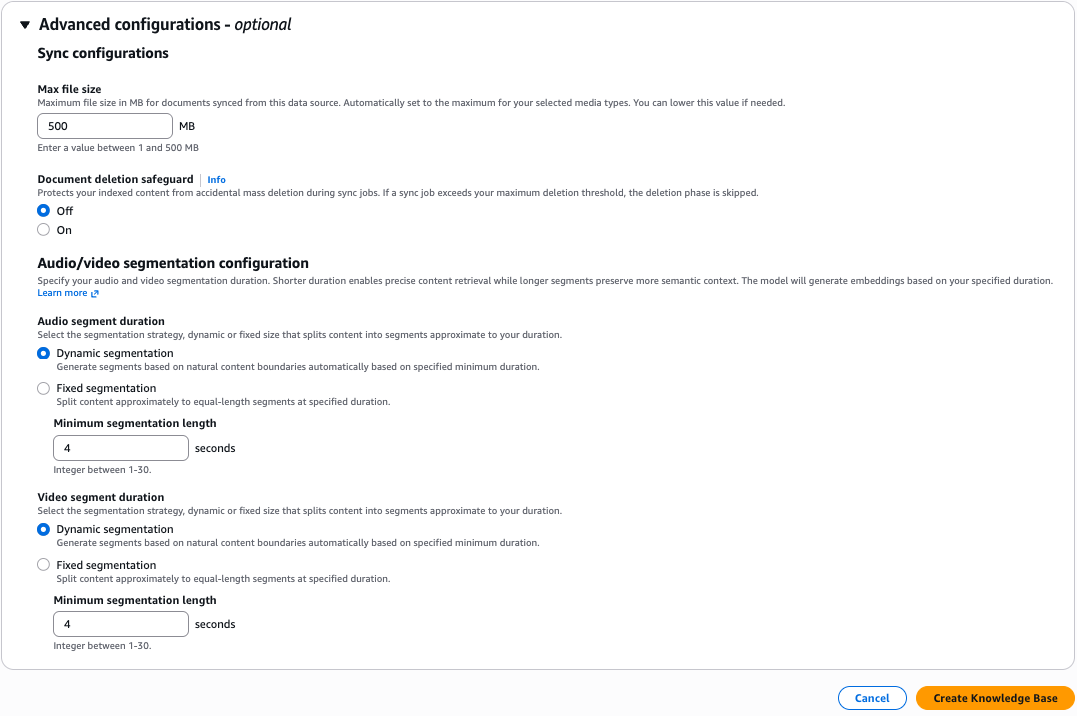
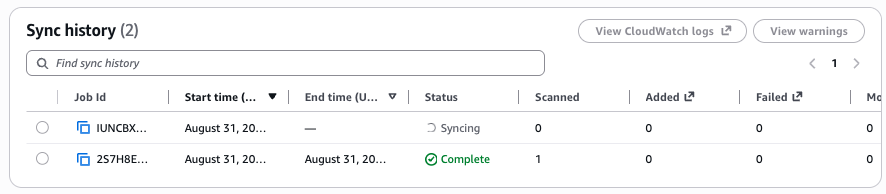
The system provides significant flexibility regarding how media is processed. Advanced configurations allow users to adjust audio and video segmentation durations, with a default setting of four seconds. This granularity is essential for applications where precision is paramount. Once the ingestion job is triggered, the system performs the heavy lifting: extracting visual features, transcribing speech-to-text, and generating the necessary vector embeddings.
For developers looking to build custom applications, the integration extends to the Amazon Bedrock Retrieve API. This allows companies to build sophisticated user interfaces where the retrieved video segments are played back directly, with metadata providing clear markers for the start and end times of the relevant clips.
Supporting Data and Industry Implications
The implications of this technology are vast. In sports analytics, broadcasters can now archive thousands of hours of footage and make it instantly searchable for commentators and editors. Retailers can utilize the model to analyze in-store security camera feeds to identify specific customer behaviors or inventory stock-outs without human intervention. In education, the ability to search within lecture videos allows students to pinpoint specific topics mentioned by an instructor, even if those topics were never explicitly labeled in the file metadata.
Current market data suggests that the volume of video data created annually is growing at a compound annual growth rate (CAGR) of over 25%. Without tools like Marengo Embed 3.0, the "dark data" problem—where information exists but cannot be found—would become an increasing financial and operational liability. By automating the extraction of meaningful signals from media, AWS and TwelveLabs are providing a solution to a bottleneck that has hindered the digital transformation of media-heavy industries.
Official Responses and Strategic Positioning
While official statements have highlighted the technical synergy between the two companies, industry analysts observe that this move places AWS in a strong position within the multimodal AI market. By embedding TwelveLabs’ specialized video intelligence directly into the Bedrock ecosystem, Amazon provides a "one-stop-shop" experience.
"The goal is to move from manual data processing to automated, intent-based retrieval," notes a source familiar with the product strategy. By reducing the time-to-search from hours to milliseconds, the integration directly impacts the bottom line of businesses that rely on the velocity of information.
Operational Costs and Regional Availability
As of the current release, the service is available in the US East (N. Virginia) and US West (N. California) AWS Regions. The pricing model follows the standard Amazon Bedrock structure, where users pay only for the storage consumed and the model invocation rate for embedding generation. This pay-as-you-go model ensures that both startups and large enterprises can scale their usage without the burden of maintaining permanent, expensive server infrastructure.
Future Outlook and Next Steps
The introduction of Marengo Embed 3.0 is likely just the beginning of a broader trend toward native multimodal capabilities in cloud-managed services. As these models become more accurate and the vector databases more efficient, the line between "textual search" and "multimodal understanding" will continue to blur.
For organizations looking to implement this, the recommended path involves:
- Identifying a specific, high-value use case for video or image retrieval.
- Uploading a representative sample of media assets to an S3 bucket to test the segmentation accuracy.
- Utilizing the Bedrock Retrieve API to prototype a front-end application that leverages the ranked search results.
As the industry moves forward, the ability to "talk" to video content in natural language will become a standard expectation for software applications. The collaboration between TwelveLabs and Amazon Bedrock serves as a bellwether for the next generation of AI-driven business intelligence, transforming the way we store, search, and derive value from the world’s visual and auditory history. The era of manual, frame-by-frame video logging is effectively coming to a close, replaced by a more intelligent, semantic, and automated future.