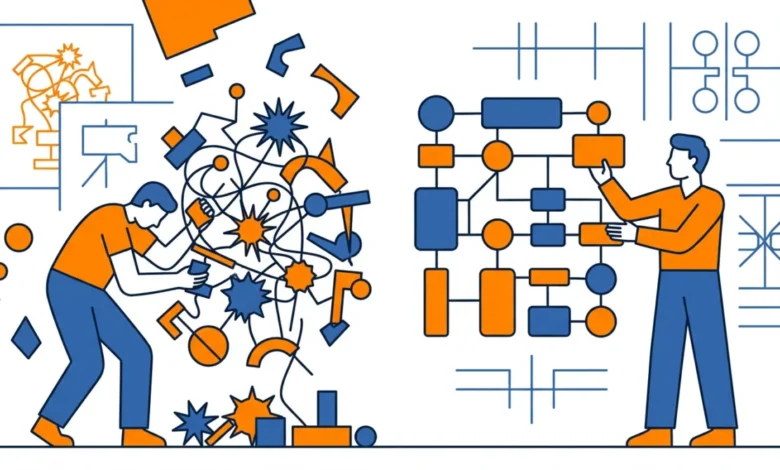
The pursuit of personal and professional optimization often leads individuals down a path of exhaustive, self-directed experimentation. For many, the goal is straightforward: eat healthier, improve writing output, or automate tedious professional workflows. However, data suggests that self-designed systems frequently collapse when subjected to the pressures of daily life. According to behavioral science, the failure of these systems is rarely a matter of individual discipline, but rather a structural deficit. When faced with the cognitive load of a "tired Tuesday"—a common shorthand for moments of decision fatigue—individuals often lack the necessary, pre-defined tactical instructions to maintain their momentum.
The Behavioral Science of the Copy and Paste Strategy
The tendency to invent systems from scratch is often fueled by the "false consensus effect," a psychological phenomenon wherein individuals overestimate the extent to which their beliefs and behaviors are shared by others. Because an individual may find a specific task difficult, they subconsciously assume that their peers are struggling with the same obstacles. This assumption creates a barrier to seeking help or modeling successful behaviors, as it reinforces the belief that the solution is a personal burden to be solved in isolation.
Recent research, including studies led by Dr. Katy Milkman of the Wharton School, suggests that "borrowing beats inventing." In academic literature, this is often referred to as observational learning or social modeling. By identifying individuals who have already achieved specific, measurable goals, one can extract concrete, executable instructions rather than relying on abstract motivation. This approach shifts the focus from the intangible—such as "staying motivated"—to the tangible: the "if-then" logic of daily operations.
Chronology of Strategy Development
The transition from traditional, goal-oriented planning to the "Copy and Paste" model has evolved through several stages of productivity theory over the last decade. Historically, the productivity movement emphasized morning routines and holistic lifestyle overhauls, often popularized by self-help literature in the early 2010s.
- 2012–2015: The Era of the Morning Routine. Productivity influencers advocated for rigid, complex schedules that often required hours of preparation. Many users failed to sustain these systems due to the mismatch between their personal constraints and the idealized lives of the figures they were imitating.
- 2016–2019: The Rise of Micro-Decision Theory. Researchers began identifying "decision fatigue" as a primary cause of system failure. The focus shifted toward reducing the number of daily choices through automation and habit-stacking.
- 2020–Present: The Playbook Paradigm. Current trends emphasize "copying the logic" rather than the lifestyle. This marks a departure from lifestyle emulation to process optimization, focusing on modular, task-specific automation.
Tactical Details Versus Abstract Motivation
A central tenet of the modern playbook strategy is the distinction between inspiration and execution. When individuals consult mentors or peers, they frequently ask high-level, abstract questions such as, "How do you stay motivated?" While such inquiries may yield emotional support, they rarely produce actionable data.
In contrast, professional productivity analysis suggests that the most valuable questions focus on "default states." By asking, "What is your default when you are tired?" or "What does your Tuesday look like when nothing special is happening?" individuals gain access to a person’s "crisis management" routine. This is the sequence of actions that occurs when willpower is low and cognitive resources are depleted. By documenting these "if-then" scripts—such as pre-planned meals for exhausted evenings or automated triggers for repetitive work—individuals can eliminate the friction of decision-making.
Analysis: The Risks of Contextual Mismatch
One of the most significant pitfalls in the "Copy and Paste" strategy is the failure to account for contextual constraints. Behavioral analysts observe that individuals frequently attempt to emulate the routines of high-profile figures or celebrities whose life constraints—such as access to staff, lack of a commute, or different family obligations—do not align with their own.
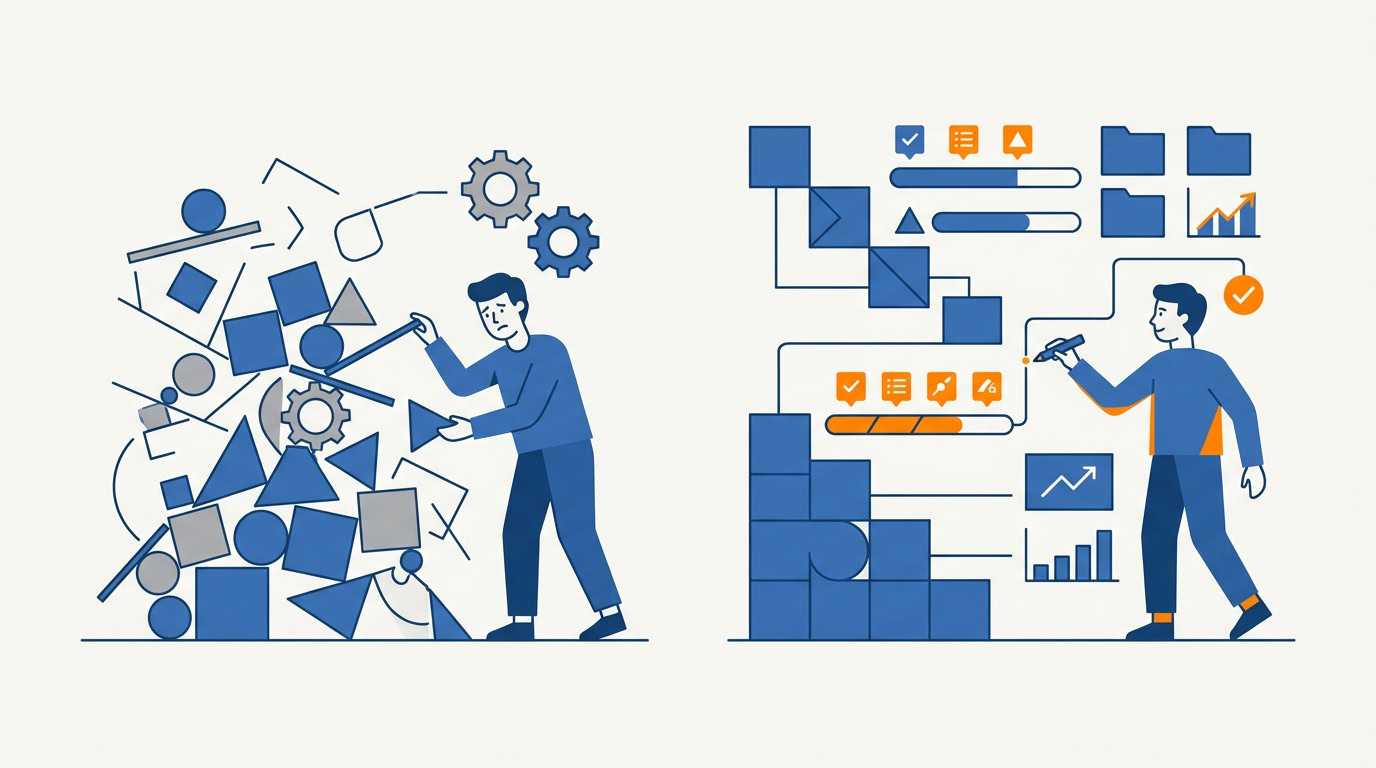
This leads to what critics call "lifestyle cosplay." When a user attempts to implement a system that ignores their reality (e.g., trying to replicate the morning routine of a CEO while managing a household of three children), the system inevitably fails. To mitigate this, experts recommend auditing potential role models to ensure a high degree of similarity in professional and personal constraints. If the lifestyle is vastly different, the strategy should be to copy the logic of the system—the underlying principles of the workflow—rather than the specific, temporal steps.
Case Study: Workflow Automation and Friction Reduction
The practical application of the "Copy and Paste" strategy is best illustrated in technical and professional workflows. For instance, consider the process of content creation. Rather than spending hours drafting documents from scratch, professionals are increasingly using "triggered workflows."
In one observed instance, a professional identified that drafting podcast show notes was a repetitive, high-friction task. Instead of reinventing his drafting process, he analyzed the logic of a more efficient colleague who utilized automated triggers in project management software like Jira. By copying this logic, he integrated a tool like Lindy.ai to automate the initial draft generation. The result was not a change in lifestyle, but a change in the technical trigger that initiated the work. This effectively removed the mental barrier of starting the task.
Seven-Day Experimental Framework
To maximize the success rate of new habits, organizational psychologists advocate for short-term "burst" experiments rather than permanent lifestyle changes. The seven-day model serves two purposes:
- Lowering the Stakes: By framing a new habit as a seven-day experiment, the psychological pressure to perform perfectly is significantly reduced. This allows for objective assessment without the fear of failure.
- Contextual Validation: A week-long trial is sufficient to determine if a specific tactic is compatible with one’s existing routines. If the tactic proves ineffective, the user can discard it with minimal sunk-cost loss, whereas an attempt to overhaul one’s entire life often results in "burnout cycles" that last months.
Broader Implications and Institutional Impact
The shift toward modular, playbook-based productivity has implications beyond the individual. Organizations that adopt this mindset—documenting the "if-then" scripts of their most successful employees and institutionalizing them as standard operating procedures—see significant improvements in efficiency.
When institutional knowledge is codified into playbooks, the organization becomes less dependent on individual charisma or fleeting motivation. Instead, it relies on a replicable system of logic. As the workforce continues to face increasing demands on their attention, the ability to "copy" effective, battle-tested strategies from peers will likely become a critical skill for professional development.
In conclusion, the most effective path toward achieving long-term goals is not the invention of a bespoke system, but the diligent, intentional imitation of tactics that have already been validated. By focusing on the "default day," acknowledging personal constraints, and running short-term tactical experiments, individuals can replace the ambiguity of goal-setting with the clarity of a concrete, executable playbook.
Related posts: