Learning another language may be one of the best ways to keep your brain healthy as you age

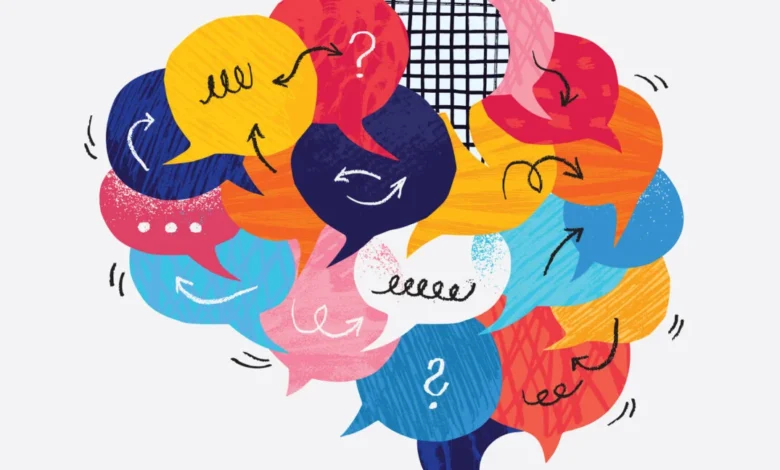
The common adage that children are superior language learners is a significant oversimplification of human neuroplasticity. While early childhood offers a unique window for mastering phonetics and native-like accent acquisition, the adult brain possesses distinct cognitive advantages that often go overlooked in popular discourse. As global populations age, the intersection of linguistics and gerontology has become a critical area of study, shifting the focus from the pursuit of perfect fluency to the neurological and social benefits of the learning process itself. Recent research indicates that while age inevitably alters the biological landscape of the brain, the capacity for linguistic acquisition remains a lifelong asset, serving as a powerful tool for cognitive resilience.
The Developmental Dichotomy: Youth vs. Adulthood
To understand the mechanics of language acquisition, one must first distinguish between the strengths of different life stages. Children are undeniably proficient at "implicit learning"—the ability to absorb sounds, rhythms, and grammatical structures subconsciously through immersion. This is largely attributed to the heightened neuroplasticity present during the developmental years. However, this is not to suggest that the adult brain is "closed" to new information.
Adults approach language learning with a significantly more robust cognitive toolkit. Years of experience in education, professional problem-solving, and general knowledge accumulation provide a scaffold upon which new languages can be built. Where a child might struggle with abstract grammatical rules, an adult can leverage their existing vocabulary and metacognitive strategies—essentially knowing how to learn. This cognitive maturity allows adults to analyze patterns, utilize deductive reasoning, and maintain sustained focus, which are essential components of high-level language retention.
Chronology of Cognitive Research
The academic interest in language learning as a health intervention has evolved significantly over the last two decades. In the early 2000s, studies largely focused on the "bilingual advantage," particularly among long-term bilinguals who had spoken two languages since childhood. Researchers observed that these individuals often showed delayed onset of dementia symptoms compared to their monolingual peers.
By 2010, the focus shifted toward "late-life" acquisition. Researchers began testing whether individuals who learned a second language in their 50s, 60s, or 70s could reap similar neurological rewards. Throughout the 2010s, various clinical trials utilized diverse methodologies, ranging from intensive, multi-week classroom immersion programs to digital, app-based learning interventions. While results regarding the direct reversal of cognitive decline remain mixed, the consensus has moved toward the idea that language learning acts as a form of "cognitive reserve." By 2021, meta-analyses began to emphasize that the act of engagement—the sustained, effortful mental work required to navigate a new linguistic system—is the primary driver of improved executive function.
Supporting Data and Neurological Implications
The neurological impact of language learning is rooted in the concept of brain plasticity. When an individual engages in a novel, complex task like learning a foreign language, they are not merely memorizing vocabulary; they are forcing the brain to reorganize neural pathways.
Data from several longitudinal studies suggest that the process of language acquisition stimulates the prefrontal cortex, the area of the brain responsible for executive functions such as attention, planning, and task-switching. A study published in the journal Frontiers in Aging Neuroscience highlights that individuals who engage in mentally demanding activities—such as learning a new syntax—often exhibit higher levels of brain connectivity. While these findings do not suggest that language learning is a panacea for neurodegenerative diseases like Alzheimer’s, they do suggest that such activities can improve the brain’s ability to compensate for age-related damage.
Furthermore, the "cognitive reserve" theory posits that these activities build a buffer. Much like physical exercise builds muscle mass, mental exercise builds a more robust neural network. When neurodegeneration begins, individuals with a higher cognitive reserve are often able to maintain normal daily functioning for longer periods because their brains have developed more efficient ways to route information around damaged areas.
Social Connectivity as a Health Metric
The benefits of language learning are not confined to the neurological realm; they are profoundly social. Isolation is a known risk factor for poor health outcomes in older adults, and learning a language serves as a gateway to social integration.
Interpersonal communication is the lifeblood of language. When an adult learns a new language, they are typically required to engage with native speakers or peers, fostering cross-cultural understanding. This process encourages empathy, as the learner is forced to view the world through a different linguistic and cultural lens. The resulting friendships and community connections provide a secondary health benefit: the reduction of loneliness, which is statistically linked to improved cardiovascular health and reduced mortality risk. In essence, the social motivation to learn provides a sustainable feedback loop that encourages the learner to continue their studies, thereby extending the duration of the cognitive benefits.
Analysis of Current Pedagogical Approaches
In the modern landscape, the method of delivery for language learning has become as important as the content. The rise of digital technology has democratized access to language education. Apps, online tutoring platforms, and community-based conversation groups have replaced the traditional, rigid academic model.
For the aging brain, this diversity of delivery is an advantage. Research indicates that the "magic number" of hours does not exist. Instead, consistency is the primary variable. Whether an individual spends 20 minutes a day on an app or attends a three-hour weekly seminar, the key is "sustained engagement." The challenge of adapting to a new system—where the learner must constantly update their knowledge and correct errors—is what keeps the brain in a state of high readiness.
Experts in the field now advocate for "meaningful learning." This involves moving beyond rote memorization of vocabulary lists and toward goal-oriented tasks, such as reading a newspaper in the target language or navigating a conversation with a native speaker. These activities force the brain to synthesize multiple skills simultaneously, which is far more beneficial than passive consumption.
Official Perspectives and Institutional Outlook
Academic institutions and health organizations are increasingly aligning with the view that lifelong learning is a public health imperative. Karen Stollznow, a Senior Research Fellow in Linguistics, has frequently noted that the shift in perspective—viewing language as a tool for resilience rather than a quest for fluency—is critical. If the goal is changed from "achieving perfection" to "maintaining an active, curious mind," the pressure of failure is removed, making the activity more enjoyable and sustainable for seniors.
Public health campaigns in several nations are beginning to incorporate "cognitive stimulation" into their recommendations for healthy aging. While these campaigns stop short of claiming that learning a language prevents dementia, they emphasize that mental activity is as essential to successful aging as physical nutrition and exercise. The consensus is clear: the brain, like the body, requires regular, challenging work to remain functional and resilient.
Implications for the Future of Aging
As life expectancy continues to rise globally, the focus of medical and social science must remain on the quality of those additional years. The integration of language learning into the routines of older adults represents a proactive, low-cost, and accessible strategy for supporting cognitive health.
The implications are broad. If society shifts to value lifelong learning, we may see a reduction in the burden of cognitive decline on healthcare systems. Furthermore, by encouraging older populations to remain intellectually curious and socially connected, we foster a more inclusive society where seniors are not merely passive recipients of care, but active participants in the global conversation.
Ultimately, the act of learning a language is a testament to the human capacity for growth. It serves as a reminder that the brain is a dynamic organ, capable of profound change throughout every stage of life. Whether one learns a new language to travel, to reconnect with heritage, or simply to challenge oneself, the pursuit of linguistic competence is one of the most effective ways to preserve the architecture of the mind against the inevitable tide of time. The journey of language learning is, in itself, the destination—a sustained, enriching, and transformative practice that supports the individual’s ability to adapt, function, and thrive in an ever-changing world.