Tech Entrepreneur Jeff Atwood Pledges Half of Remaining Wealth to Revitalize the American Dream Amid Rising Inequality


The landscape of American economic and civic life stands at a critical juncture, prompting prominent figures to re-evaluate their roles in preserving national ideals. Tech entrepreneur and Stack Overflow co-founder Jeff Atwood has announced a substantial philanthropic commitment, pledging half of his family’s remaining wealth over the next five years to support long-term initiatives aimed at safeguarding access to the American Dream. This announcement follows an initial wave of immediate support comprising eight $1 million donations directed toward nonprofit organizations addressing urgent domestic needs.
The decision stems from a combination of personal history, rising systemic costs, and mounting economic polarization in the United States. Atwood’s announcement underscores a growing discourse among technology leaders and public figures regarding wealth concentration, the accessibility of essential public services, and the perceived erosion of social mobility.
Personal Background and Economic Realities
Atwood’s perspective on socioeconomic mobility is rooted in his upbringing. Raised by parents from rural West Virginia and North Carolina who eventually settled in Virginia, Atwood experienced firsthand the financial pressures and personal hardships that frequently accompany the lower rungs of the middle class. Despite familial challenges, including struggles with alcoholism that were resolved later in life, Atwood pursued higher education, graduating from the University of Virginia in 1992.
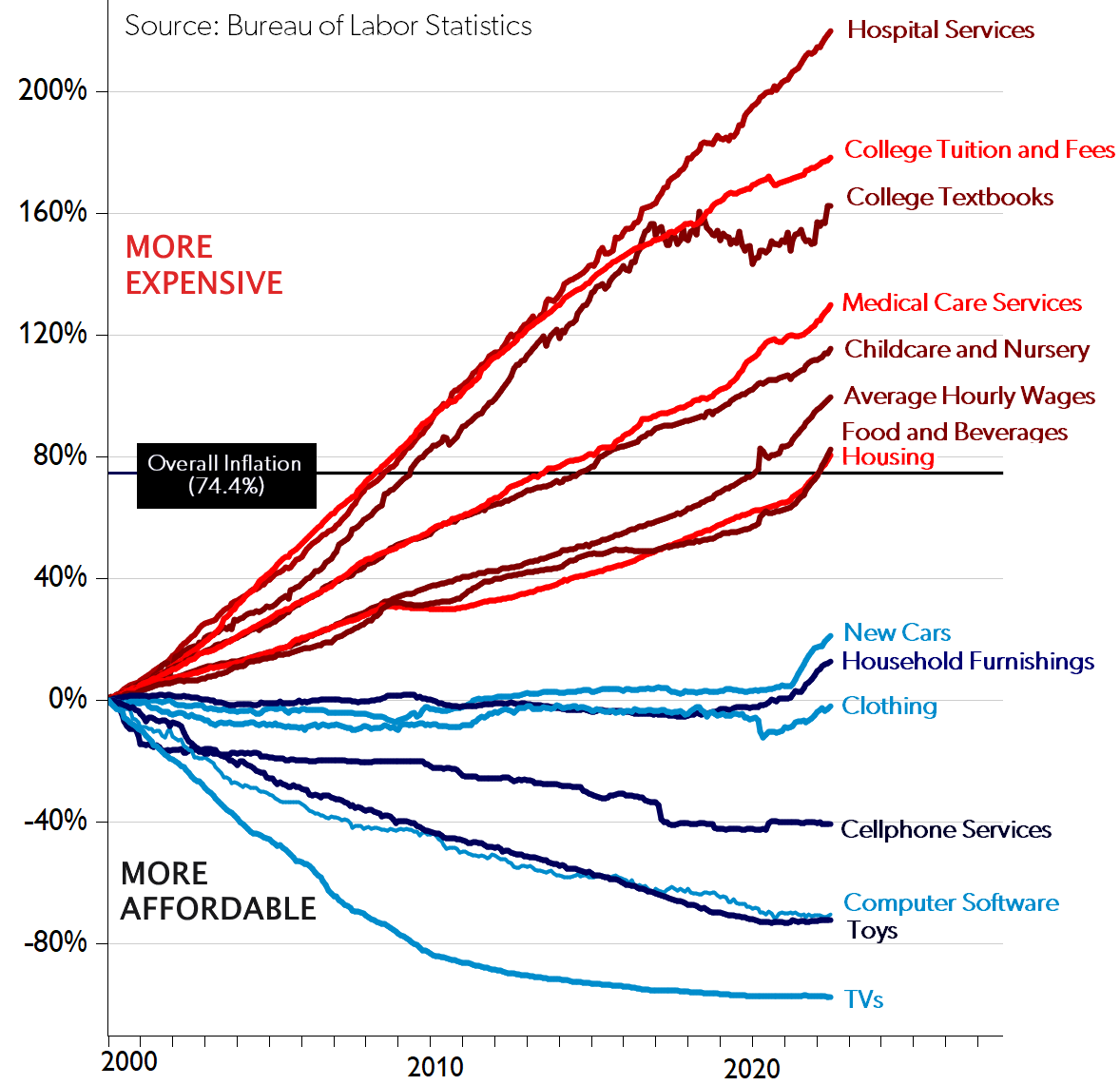
Financing his education required a combination of federal Pell grants, scholarships, part-time employment, and minimum-wage work as a cashier at Safeway. Reflecting on those years, Atwood has contrasted the economic realities of the early 1990s with contemporary conditions. In 1992, in-state public university tuition averaged approximately $3,000 annually. Over the subsequent three decades, that figure has surged to roughly $23,000 per year at public institutions—an increase significantly outpacing general inflation.

This exponential rise in the cost of foundational pillars such as education, housing, and healthcare forms the core of Atwood’s critique. Economists and public policy analysts have increasingly pointed out that these structural cost increases disproportionately burden lower- and middle-income families, rendering the traditional trajectory of upward mobility increasingly difficult to achieve.
From Digital Communities to Philanthropic Action
Atwood achieved substantial financial success through his contributions to the technology sector. In 2008, alongside co-founder Joel Spolsky, he launched Stack Overflow, a digital question-and-answer platform built on democratic principles, featuring community-driven curation and moderation. The platform grew into a global, crowdsourced knowledge base for software developers before its acquisition by Prosus in 2021 for $1.8 billion.

Following Stack Overflow, Atwood co-founded Discourse, an open-source platform designed to foster constructive, empathetic digital communication through community-enforced moderation tools. These entrepreneurial endeavors generated significant wealth, placing Atwood among a stratum of affluent individuals who have benefited from the post-industrial technology boom.
However, Atwood’s recent reflections indicate a shift from commercial enterprise toward systemic philanthropy. Citing the trajectory of wealth disparity in the United States—where the top 1 percent of earners controlled 24 percent of the nation’s wealth in 2012, a figure that climbed to 30 percent by 2021—Atwood has characterized extreme wealth concentration as incompatible with a healthy democratic society.
The Mechanics of the Pledge and Strategic Focus
The newly announced philanthropic initiative is structured into two distinct phases. The first phase has already been executed, consisting of eight separate $1 million contributions to nonprofit organizations providing immediate relief to vulnerable populations across the United States.
The second, long-term phase involves committing 50 percent of the family’s remaining financial assets over a five-year period. While retaining sufficient funds to secure higher education and housing for his children, Atwood intends to channel the remainder into projects addressing structural inequities. This strategy diverges from traditional multi-generational wealth preservation models, aligning more closely with contemporary critiques of dynastic wealth and unconditional inheritance trusts.
Public Reaction and Broader Implications

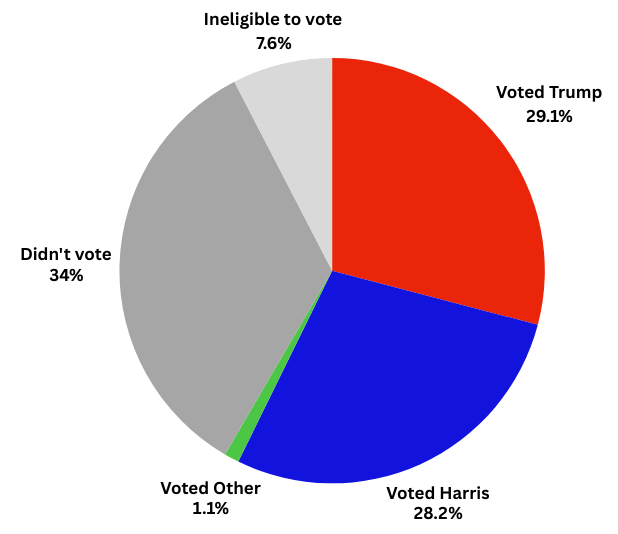
The announcement arrives amid heightened political polarization and national debate following the November 2024 presidential election. Observers have noted that voter turnout patterns and widespread economic anxiety reflect deep-seated concerns regarding institutional fairness and economic opportunity.
Economic policy experts suggest that private philanthropic interventions, while capable of providing targeted relief, operate alongside ongoing debates regarding systemic legislative reform. Topics such as campaign finance regulations, voter access, electoral mechanisms like ranked-choice voting, and progressive taxation remain central to discussions surrounding the fortification of American democratic institutions.
Atwood’s initiative joins a broader conversation among high-net-worth individuals, exemplified by the Giving Pledge and subsequent modifications by major philanthropists regarding the timing and distribution of amassed fortunes. By coupling financial divestment with advocacy for civic engagement, digital empathy, and structural reform, the initiative seeks to prompt a wider re-examination of how success is defined and sustained within modern American capitalism.
Further details regarding the specific long-term initiatives supported by the pledge are slated for discussion in subsequent public forums, including a scheduled presentation at Cooper Union alongside retired U.S. Army Lieutenant Colonel Alexander Vindman.