The Ultimate Guide to Navigating Meta Ads Manager and Launching Successful Facebook Campaigns

For many digital marketers and business owners, opening Meta Ads Manager for the first time is an exercise in navigating an intimidating labyrinth of menus, toggles, and unfamiliar terminology. Despite the platform’s initial complexity—which frequently causes even tech-savvy users to close the tab within seconds—mastering the interface is a critical milestone for modern commercial outreach. With a global user base exceeding three billion active accounts across the platform ecosystem, Meta offers an unparalleled scale for targeted digital advertising. Structurally, the process relies on a hierarchical framework divided into three distinct layers: the overarching campaign, the intermediate ad set, and the individual ad itself. Understanding this architecture is essential for deploying efficient, high-yielding promotional strategies.
Background Context and Platform Evolution
Digital advertising has undergone a profound transformation since Meta—formerly Facebook Inc.—consolidated its advertising infrastructure into a unified dashboard. Historically, media buyers had to navigate fragmented systems to reach audiences across Facebook and Instagram. The introduction of Meta Ads Manager centralized campaign creation, optimization, and reporting, allowing enterprises of all sizes to execute synchronized cross-platform marketing initiatives. Over the years, Meta has integrated sophisticated artificial intelligence, shifting the platform from rigid, manual audience targeting toward automated, algorithmic solutions like Meta Advantage+. These updates reflect a broader industry shift toward machine-learning-driven optimization, reducing the manual labor required to manage ad delivery while increasing the demand for strategic, goal-oriented campaign planning.
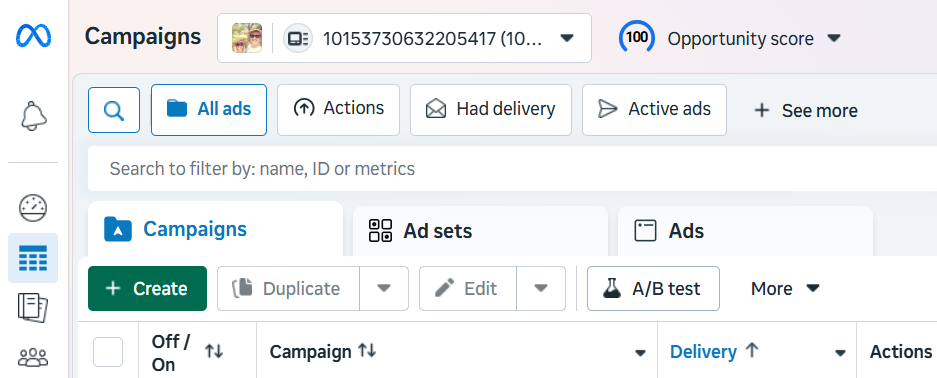
Step-by-Step Chronology of Launching a Campaign
Executing a successful campaign requires a methodical approach, moving from foundational administrative setups to creative deployment. The workflow can be categorized into four distinct chronological stages: setup, campaign configuration, ad set definition, and ad creation.
-
Administrative Setup and Account Access
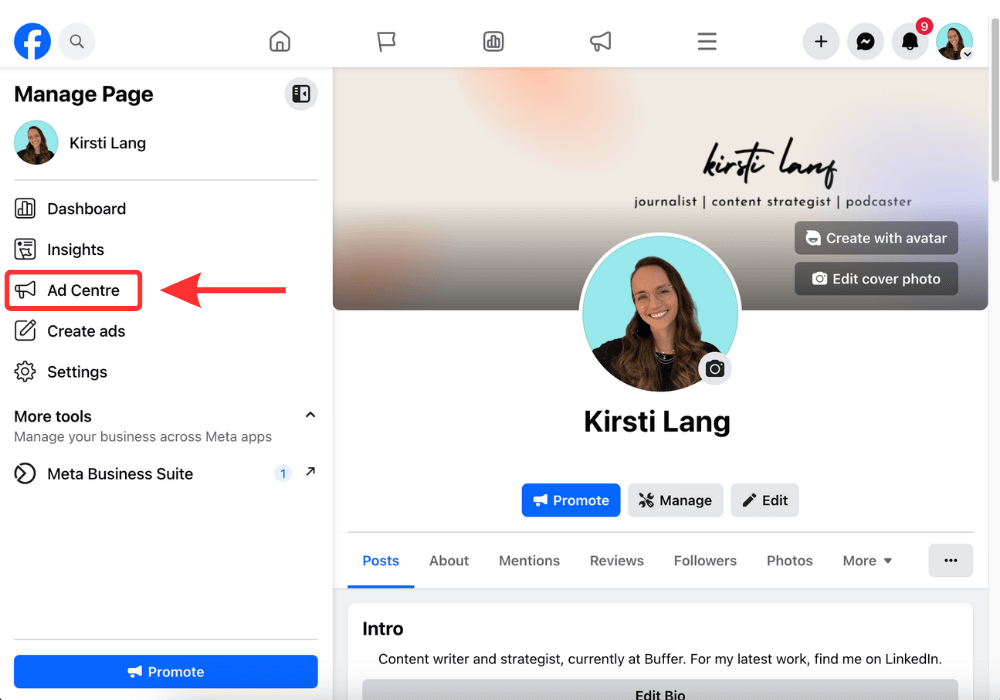
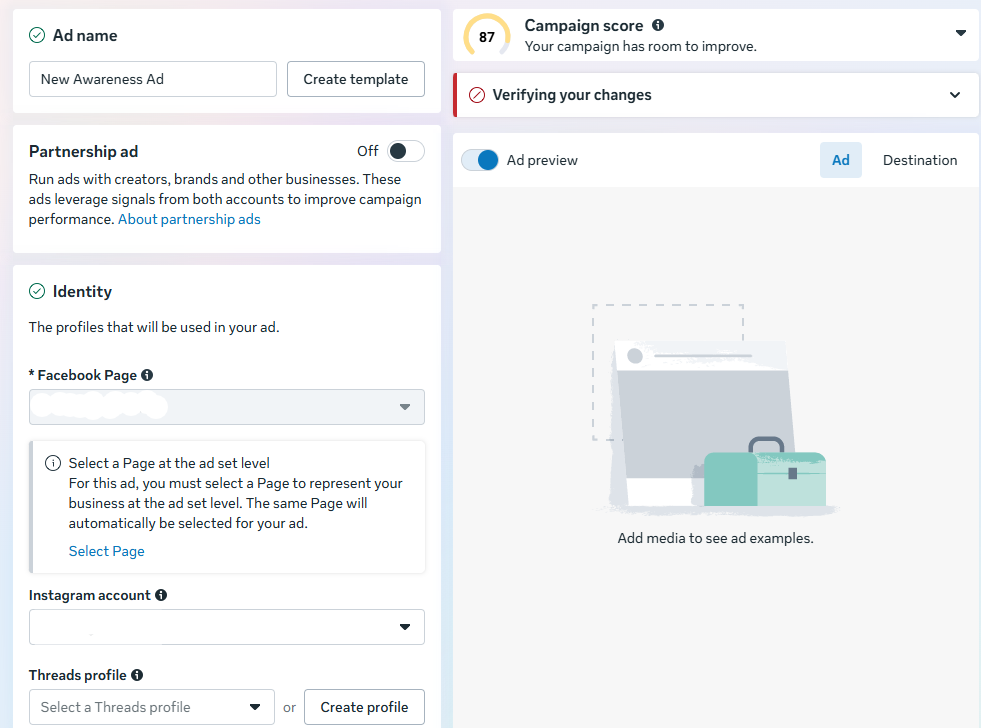
Before launching any promotional material, advertisers must establish the necessary infrastructure. This requires a verified Facebook Page, a personal or business ad account ID located within Meta Ads Manager, and an active, verified payment method. Enterprises managing multiple properties often utilize a Meta Business Manager account to delegate administrative, editorial, or advertiser permissions securely across team members. Additionally, integrating the Meta Pixel onto a corporate website is a foundational step, enabling real-time conversion tracking and the collection of user behavior data critical for retargeting.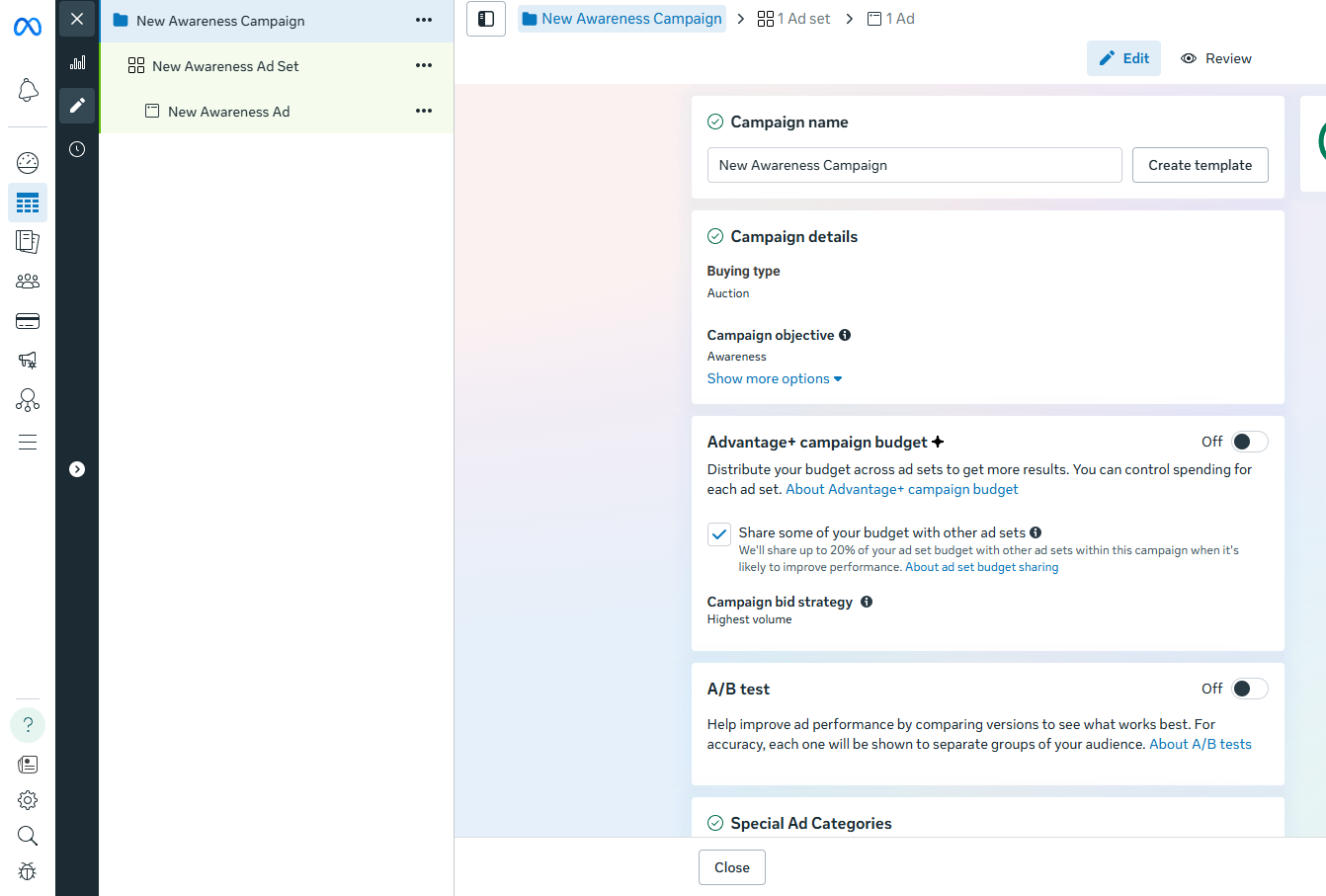
-
Campaign Configuration and Objective Selection
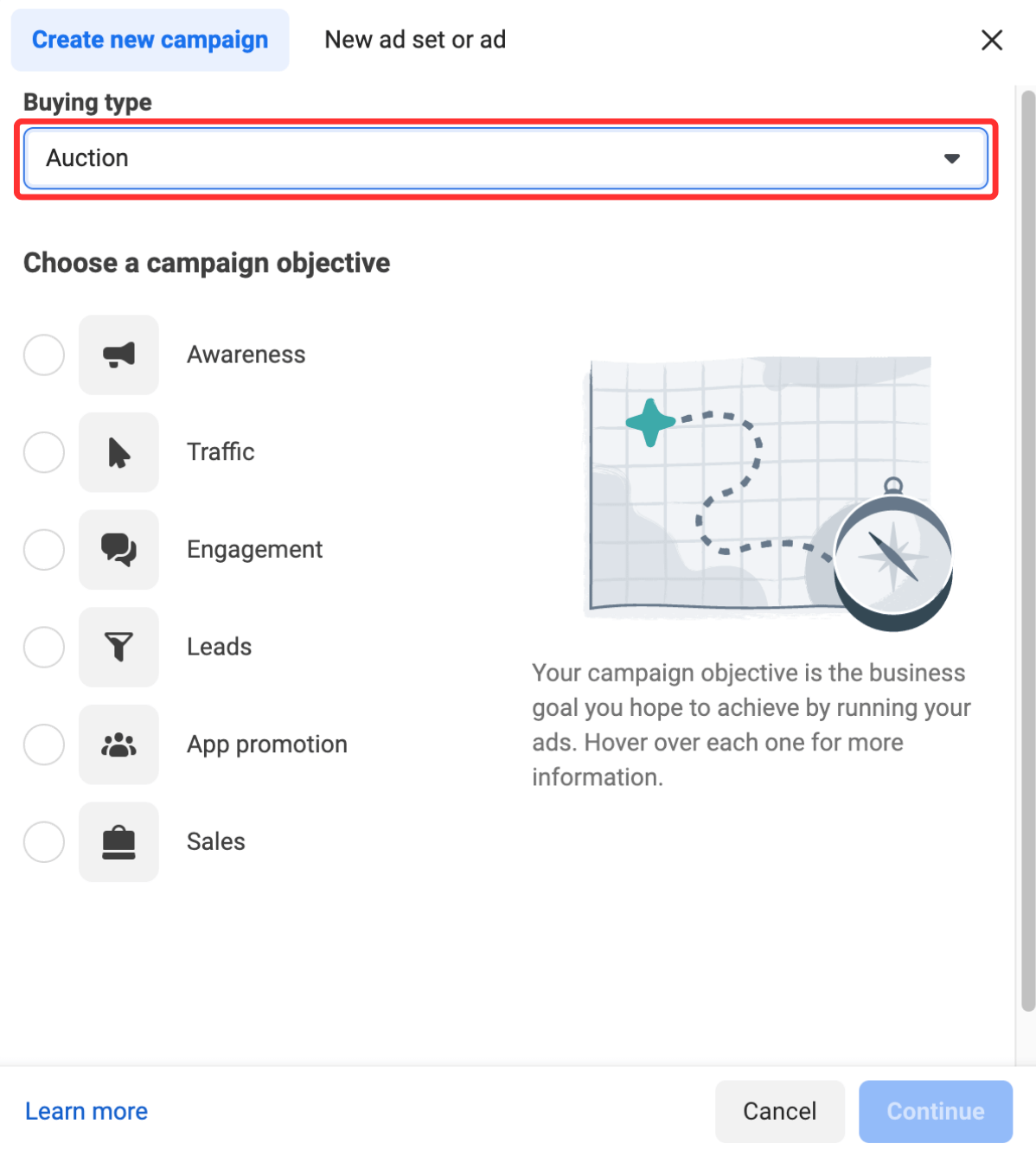
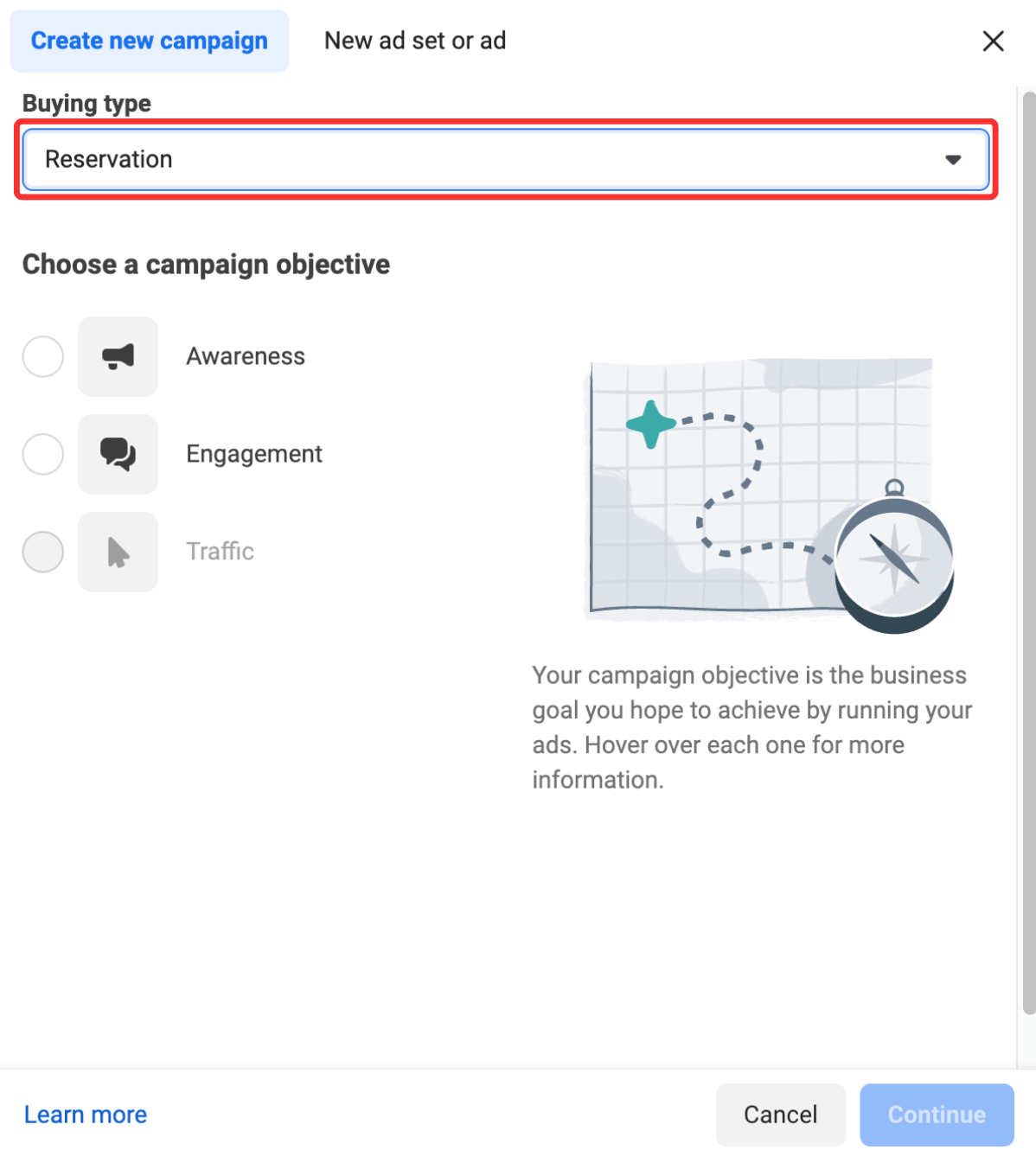
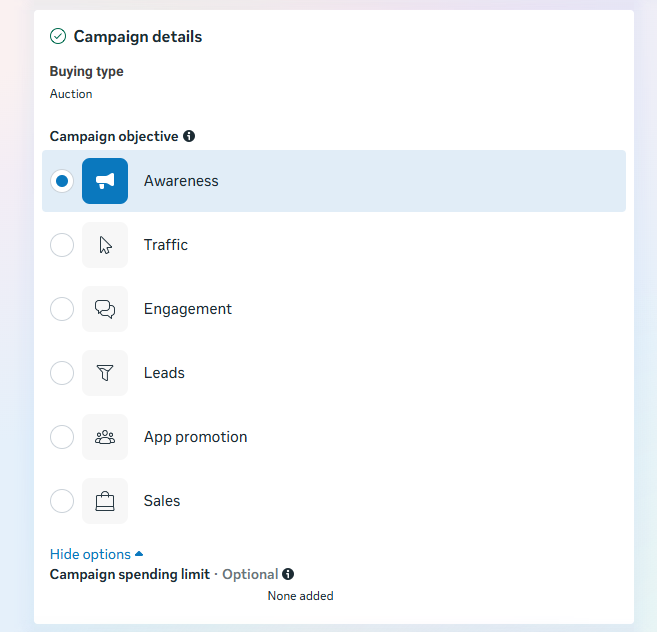
The campaign level dictates the macro parameters of the initiative. Advertisers begin by selecting a buying type—choosing between an Auction model, which offers maximum flexibility and competitive pricing, or a Reservation model, which guarantees predictable delivery and fixed frequency controls for large-scale brand awareness efforts. Next, administrators select a primary campaign objective aligned with their broader marketing strategy. Meta categorizes these objectives into six core pillars: Awareness, Traffic, Engagement, Leads, App Promotion, and Sales. Selecting the appropriate objective locks in the algorithmic optimization target, ensuring the delivery system focuses on actions that directly support the enterprise’s financial or operational goals. During this phase, campaign creators also designate special ad categories—such as housing, employment, or politics—to comply with regulatory standards, and configure budgetary frameworks like the Advantage+ campaign budget to distribute funds dynamically across multiple ad sets.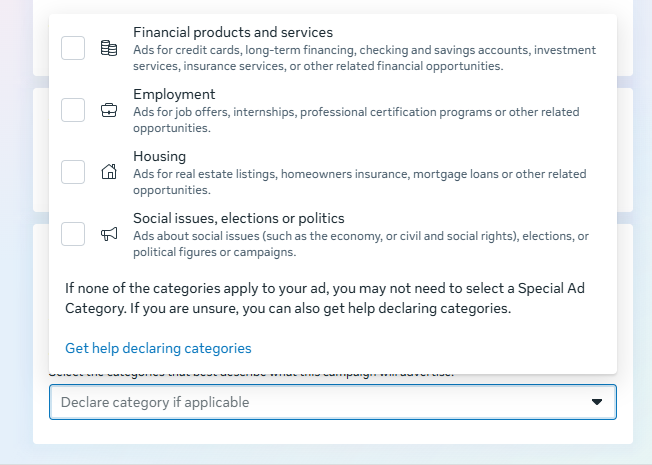
-
Ad Set Definition: Budget, Schedule, and Audience Targeting
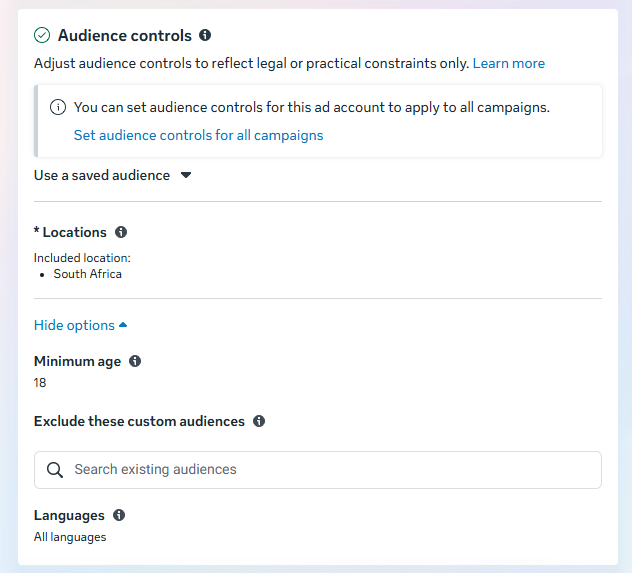
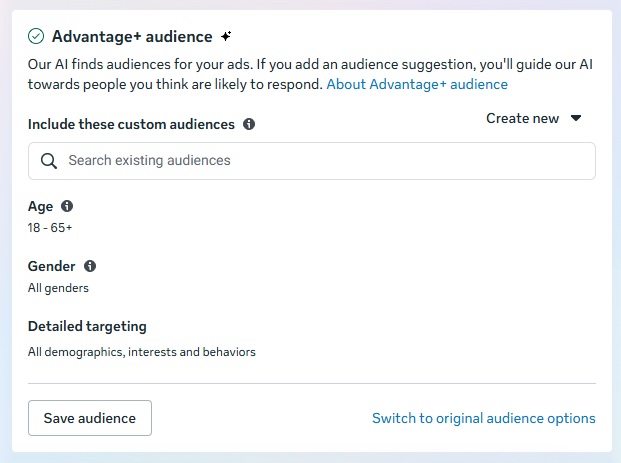
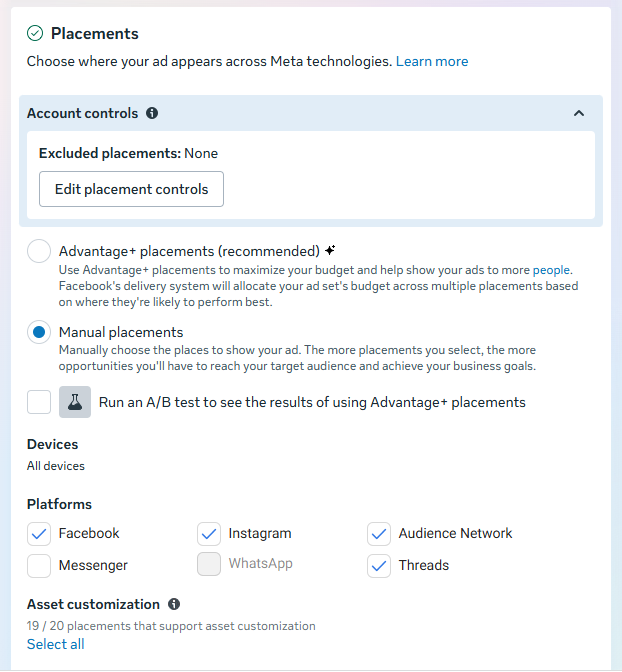
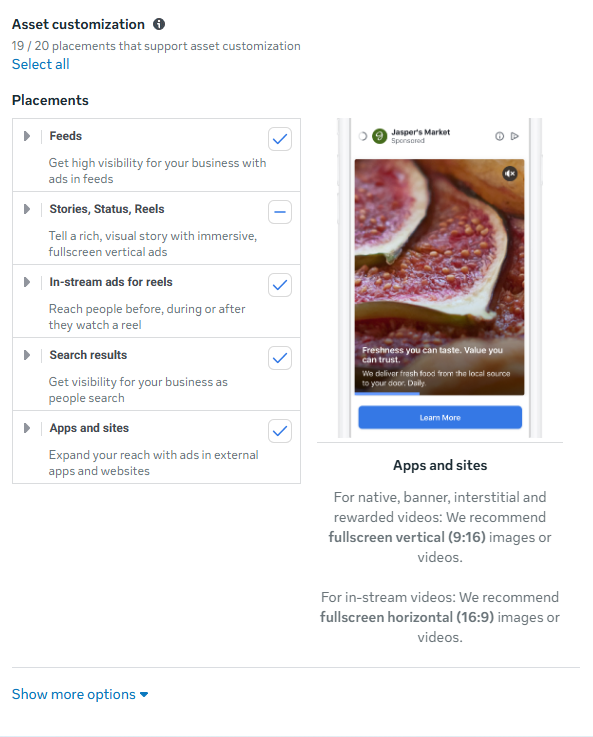
The ad set level governs the tactical execution of the campaign, including financial parameters and audience parameters. Advertisers define their financial commitment by establishing either daily or lifetime budgets, paired with a strict schedule governing start and end dates. Audience targeting has evolved significantly with the integration of AI-driven tools. While traditional parameters—such as geographic location, age, and language—remain foundational, Meta’s Advantage+ audience feature utilizes machine learning to analyze real-time signals and identify consumers most likely to convert. Alternatively, experienced media buyers can deploy custom audiences based on existing customer lists or website traffic data collected via the Pixel. Finally, ad placement settings allow marketers to choose between automated Advantage+ placements, which optimize delivery across Facebook, Instagram, Messenger, and the Audience Network, or manual placements tailored to specific feeds, stories, or reels.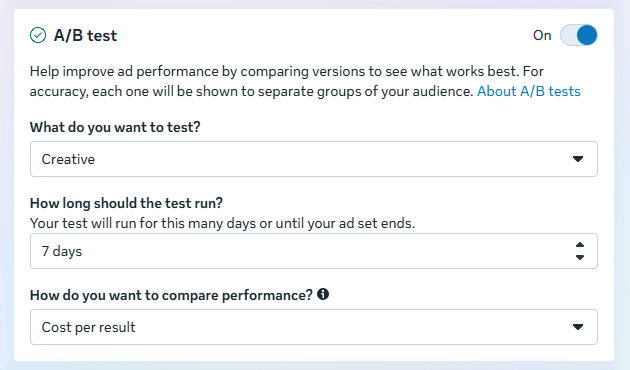
-
Ad Creation: Creative Formats, Copy, and Destination
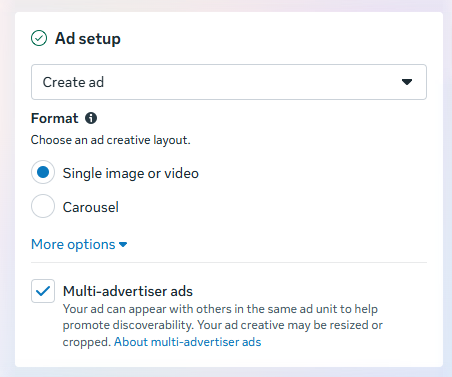
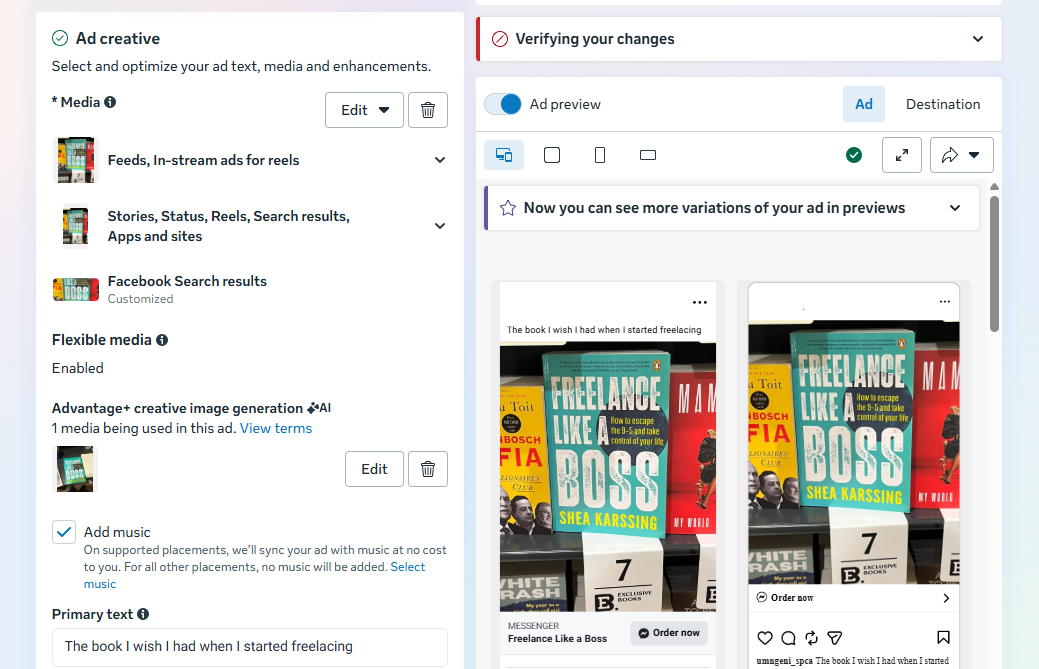
The final layer involves building the creative asset that the target audience will encounter. Advertisers choose from several structural formats, including single images, multi-image or video carousels, and immersive collections designed for mobile experiences. High-performing campaigns rely heavily on adherence to strict technical specifications regarding image dimensions and video aspect ratios to prevent asset distortion. Alongside visual media, copywriters supply compelling primary text and explicit calls-to-action (CTAs). The final phase involves selecting the destination URL—whether directing traffic to an external corporate website, an in-app Instant Experience, or a direct messaging thread via WhatsApp, Instagram, or Messenger—before submitting the finalized asset for Meta’s automated compliance review.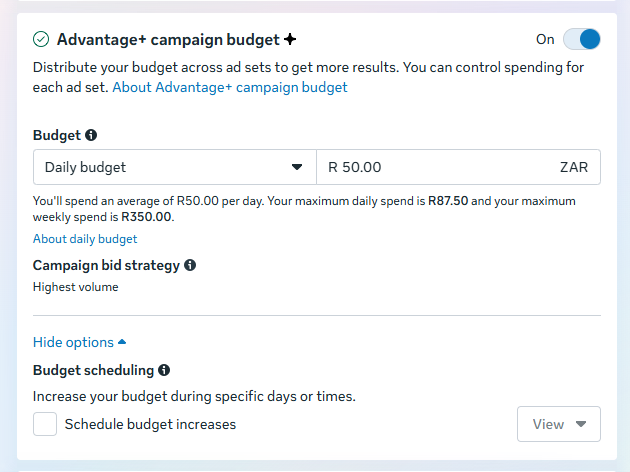
Supporting Data and Financial Benchmarks
Financial investment in Meta advertising is characterized by high scalability, accommodating organizations with modest testing budgets as well as multinational corporations. The platform enforces a minimal financial threshold, allowing campaigns to run with a baseline budget of $1 per day per ad set. However, industry benchmarks indicate that broader economic factors significantly influence performance costs. According to aggregate digital marketing data from Wordstream, the overall average cost per click (CPC) across all commercial sectors sits at approximately $1.72.
Performance costs vary considerably depending on the specific industry vertical, driven by audience scarcity and competitive bidding dynamics:
- Apparel: $0.45 per click
- Retail: $0.70 per click
- Education: $1.06 per click
- Technology: $1.27 per click
- Healthcare and Legal: $1.32 per click
- Beauty and Real Estate: $1.81 per click
- Fitness: $1.90 per click
- Industrial Services: $2.14 per click
- Automotive: $2.24 per click
- Business-to-Business (B2B): $2.52 per click
- Employment and Job Training: $2.72 per click
- Home Improvement: $2.93 per click
- Consumer Services: $3.08 per click
- Finance and Insurance: $3.77 per click
These figures underscore the necessity of aligning campaign objectives with realistic financial forecasts, ensuring that smaller budgets are deployed with a focus on data acquisition rather than immediate volume conversion.
Official Guidance and Industry Analysis
Digital marketing analysts emphasize that paid social media advertising should function as an extension of an established organic strategy rather than a standalone replacement. Because the platform’s algorithms prioritize immediate comprehension, products or services requiring lengthy educational narratives often underperform as direct-response ad formats. Industry experts recommend allowing newly launched campaigns an initial learning phase of three to seven days. Prematurely terminating or modifying campaigns based on initial 24-hour fluctuations frequently deprives the algorithm of the data necessary to stabilize cost-per-result metrics.
Furthermore, leveraging A/B split-testing tools allows organizations to conduct empirical evaluations of creative variations, audience segments, and messaging angles side by side. By systematically isolating variables, marketing teams can refine their return on ad spend (ROAS) and scale successful initiatives efficiently.
Broader Impact and Strategic Implications
The accessibility and sophistication of modern ad management tools have democratized sophisticated market research and consumer outreach, enabling small and medium-sized enterprises to compete alongside established global brands. However, this accessibility also increases market saturation, placing a premium on creative quality, precise data analytics, and strict adherence to privacy compliance frameworks. As privacy regulations continue to evolve and consumer expectations shift toward personalized digital experiences, the integration of first-party data collection methods—such as the Meta Pixel and Conversions API—will remain vital for maintaining campaign visibility and attribution accuracy. Ultimately, organizations that approach Meta Ads Manager with clear operational goals, disciplined budgetary controls, and a commitment to iterative testing are best positioned to achieve sustainable, measurable growth in the digital marketplace.
Related posts: