Navigating the Complex Landscape of Financial Auditing: Standards, Processes, and Strategic Importance

A financial audit serves as the cornerstone of economic trust, acting as an independent examination of an organization’s financial statements, underlying records, and internal control frameworks. In an era of globalized capital markets, the audit process provides the essential assurance that financial data is prepared in all material respects under the applicable reporting framework. By bridging the information gap between management and stakeholders—including investors, lenders, regulators, and the public—audits provide the objective verification necessary for the functioning of modern financial systems. However, it is a common misconception that an audit provides an absolute guarantee; rather, it offers "reasonable assurance," a high level of confidence achieved through rigorous risk assessment, professional judgment, and methodical evidence collection.
The Historical Context and Evolution of Auditing
The modern audit profession emerged from the necessity for accountability following industrial-scale growth. Historically, auditing was a reactive measure, but the 2008 financial crisis acted as a definitive turning point for the industry. The subsequent report by the Financial Crisis Inquiry Commission (FCIC) identified that while auditors were not the sole architects of the collapse, significant failures in risk management, transparency, and corporate governance undermined the reliability of financial reporting.
The fallout of the 2008 crisis triggered a global regulatory overhaul. It demonstrated that when financial information is opaque or unreliable, the consequences—insolvency, market stagnation, and widespread job losses—are catastrophic. This led to a more standardized, evidence-based approach to auditing, emphasizing the auditor’s responsibility to identify material misstatements caused by error or, in rarer cases, sophisticated collusion.
The Anatomy of the Audit Process
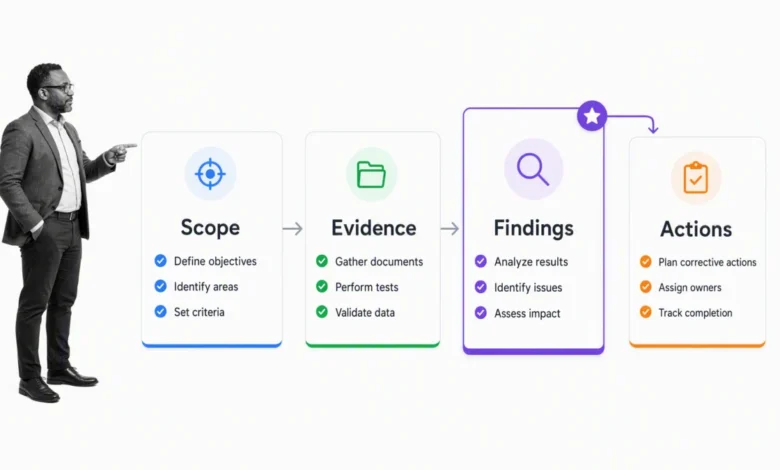
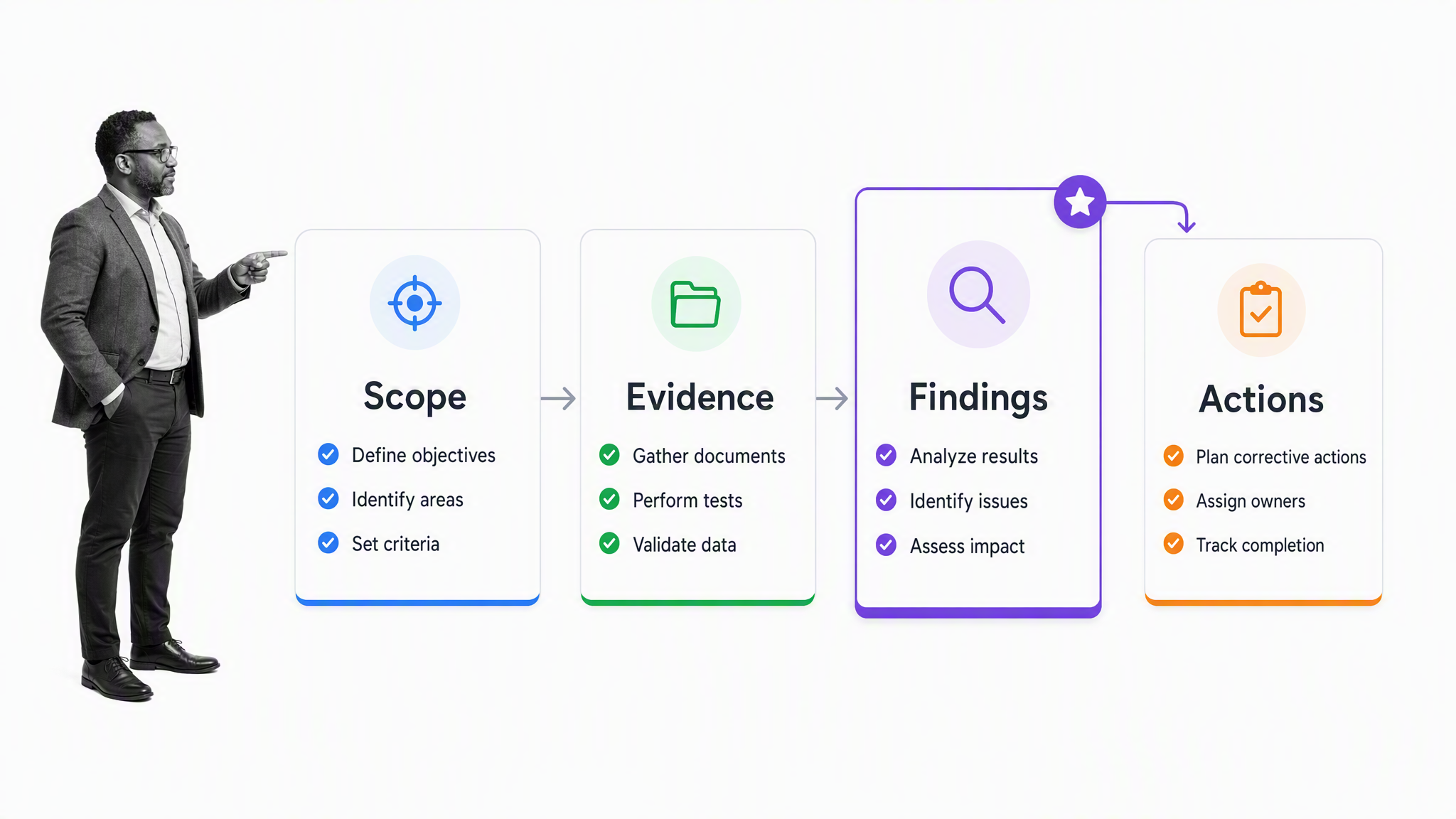
A financial audit is not merely a collection of tax documents; it is a systematic, multi-stage operation. The process typically follows a structured timeline designed to mitigate risk:
- Planning and Risk Assessment: Auditors first gain an understanding of the entity’s business environment. They identify areas of high risk where material misstatements are most likely to occur.
- Internal Control Evaluation: The audit team assesses whether the company’s internal checks and balances are effective. If controls are weak, the scope of substantive testing must increase.
- Substantive Testing and Evidence Gathering: This is the core phase, where auditors perform inspection, observation, confirmation, and recalculation. They compare financial statements against external evidence, such as bank statements, invoices, and physical inventory counts.
- Reporting: The final phase involves the issuance of an audit opinion. A "clean" or "unmodified" opinion indicates the financial statements are presented fairly in accordance with the accounting framework.
This process relies heavily on the concept of "materiality." Auditors focus on inaccuracies that could reasonably influence the decision-making process of a reasonable user. By focusing on material items, the audit remains efficient while maintaining the necessary rigor to protect stakeholders.
International Standards on Auditing (ISA)
As multinational corporations operate across borders, the need for a common professional language has become paramount. The International Standards on Auditing (ISA), issued by the International Auditing and Assurance Standards Board (IAASB), provide that universal framework.
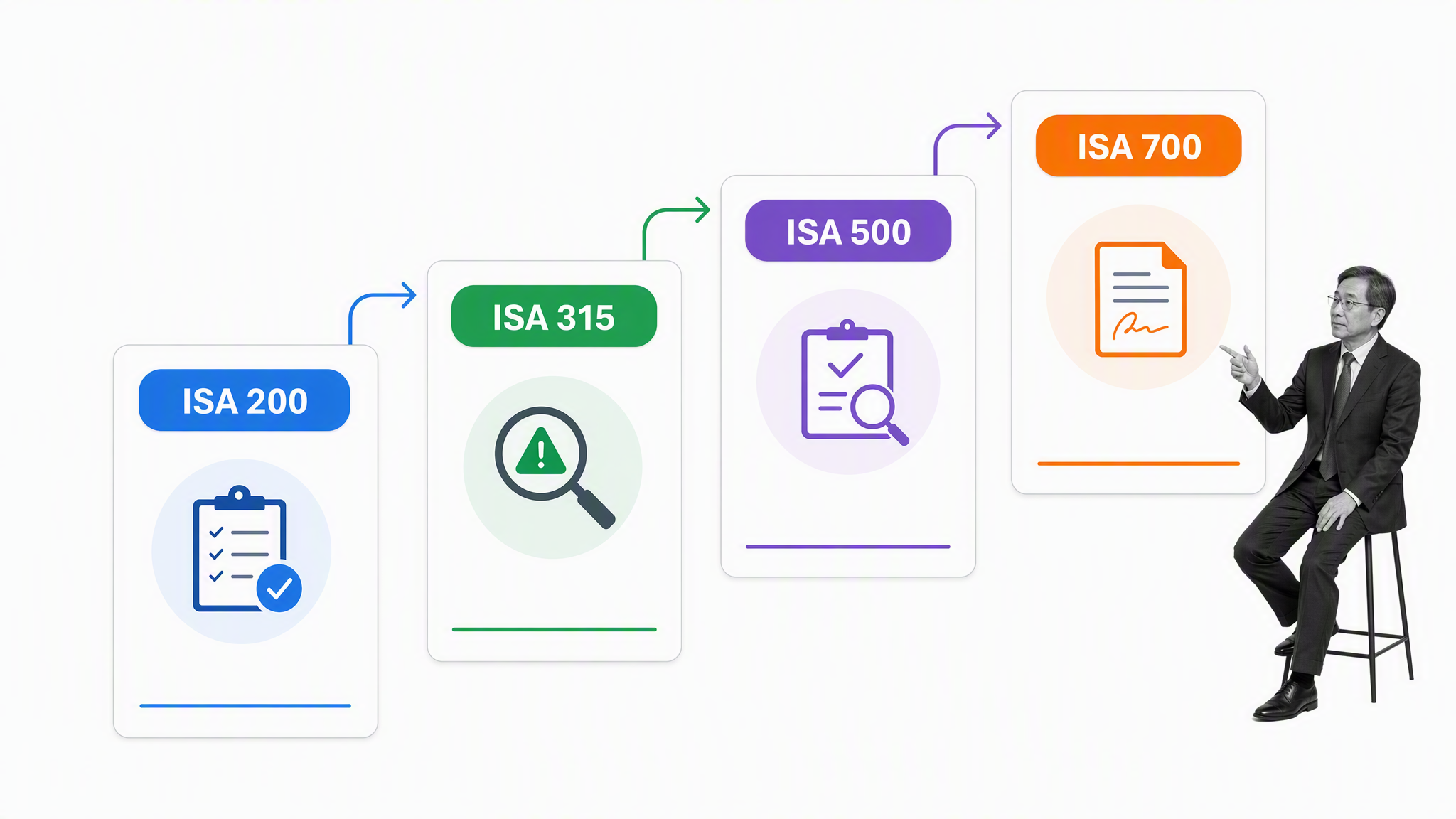
The ISA framework is not a set of accounting rules, but a methodology for how an audit should be conducted. For example, ISA 200 outlines the overall objectives of the auditor, ISA 315 dictates how to assess risks, and ISA 500 mandates the sufficiency of evidence. The adoption of these standards has reduced the "regulatory arbitrage" that previously allowed firms to hide behind inconsistent jurisdictional requirements. By utilizing a common handbook, auditors globally can provide a consistent level of quality, even when navigating disparate local laws.
Internal vs. External Auditing: A Dual-Layer Defense
Organizations often employ both internal and external audit functions, though their mandates differ significantly:
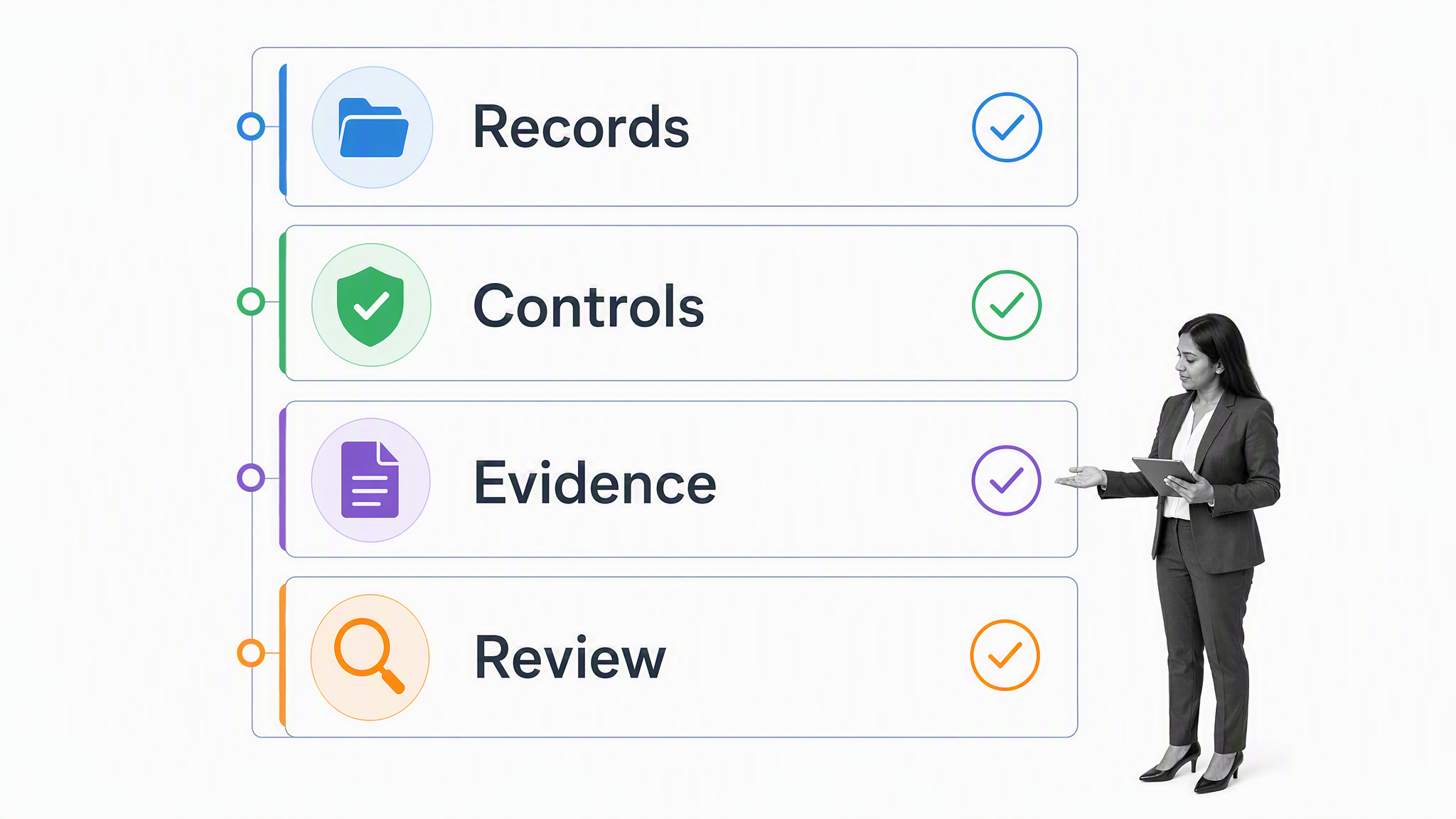
- Internal Audits: These are performed as an in-house function to evaluate operational efficiency, risk management, and internal controls. The internal audit team acts as a proactive monitor, identifying gaps before they escalate into regulatory violations or financial losses. They provide a continuous feedback loop to the board and management.
- External Audits: These are performed by independent, third-party accounting firms. Their primary mandate is to express an opinion on the financial statements for external users. Because they have no conflict of interest, their opinion carries the weight of public trust.
The synergy between these two is critical. A robust internal audit function often prepares the organization for the external audit, reducing the time and costs associated with the latter. When an internal audit is mature, it creates a "paper trail" of accountability, ensuring that when the external auditor arrives, the evidence is organized, transparent, and defensible.
The Role of Technology in Modern Auditing
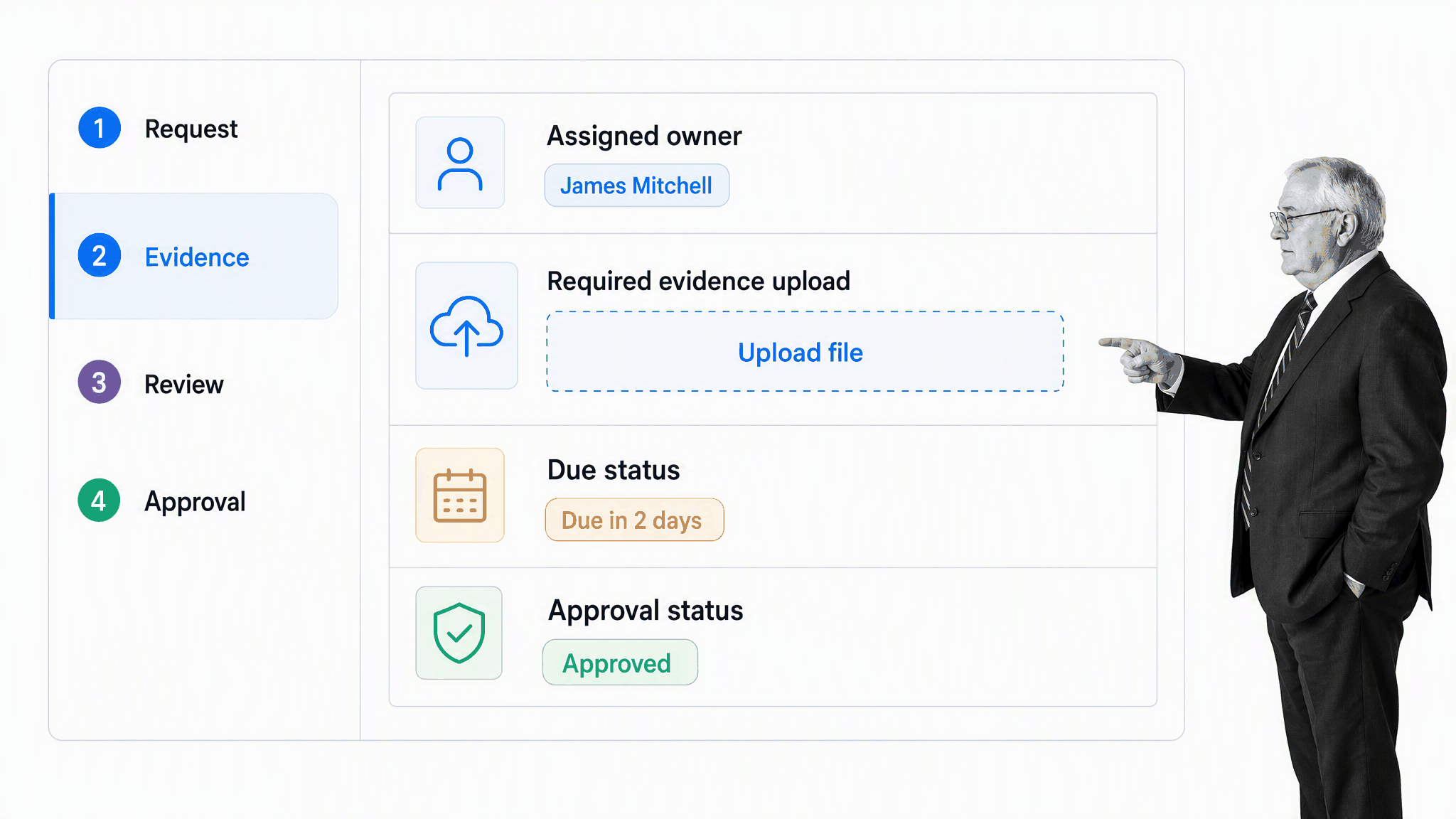
The rise of Compliance Operations Platforms, such as Process Street, has fundamentally changed how audits are executed. Previously, audits were plagued by disconnected spreadsheets, lost emails, and manual data gathering. Today, automated workflows allow for the tracking of evidence requests, the assignment of ownership, and the enforcement of deadlines.
The integration of AI and digital documentation has enabled teams to create an "audit-ready" environment. By using conditional logic, audit teams can ensure that specific tests are only triggered when certain risk thresholds are met, preventing unnecessary labor while ensuring that no critical control is overlooked. This shift from reactive searching to proactive, system-driven management is now considered a best practice among global firms.
Data-Driven Implications and Market Confidence
Data from the IAASB suggests that the adoption of international standards has a measurable impact on foreign direct investment (FDI). Countries that strictly adhere to high-quality international auditing standards generally see lower costs of capital because investors feel more confident in the reliability of the local corporate reporting.
However, the industry faces ongoing challenges. The "expectation gap"—the difference between what the public expects an audit to deliver (a guarantee of total accuracy) and what it actually delivers (reasonable assurance)—remains a point of friction. As financial instruments become more complex and digital assets become more common, the definition of "audit evidence" continues to evolve. Auditors must now be as proficient in cybersecurity and IT infrastructure as they are in traditional accounting.
The Future of Accountability
The financial audit remains an essential mechanism for the survival of market economies. While no audit can entirely eliminate business risk, the evolution toward standardized, transparent, and technology-enabled processes has significantly narrowed the space for fraud and error.
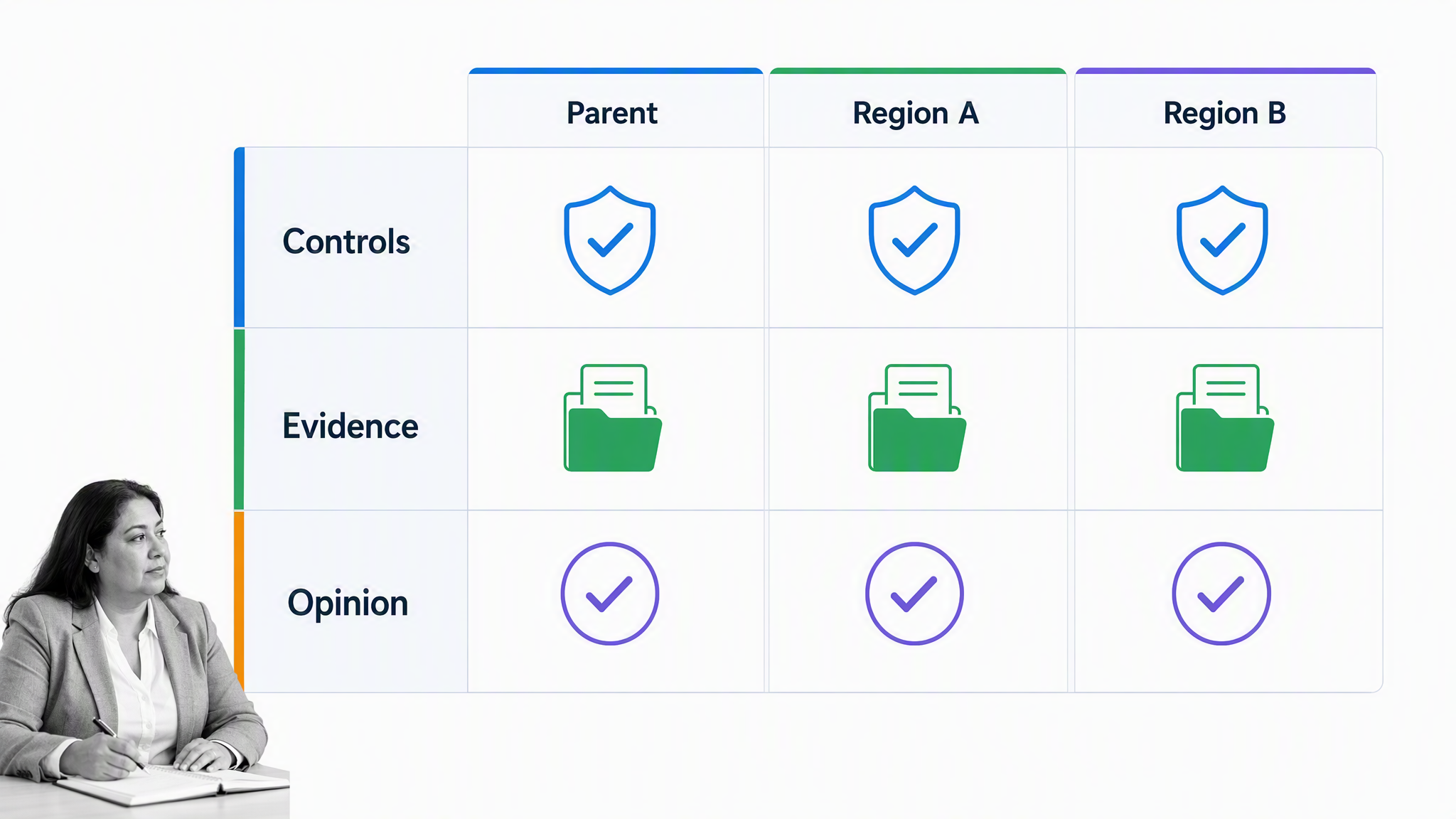
For organizational leaders, the audit should not be viewed as a bureaucratic hurdle, but as a strategic tool. A well-conducted audit provides a diagnostic view of the company’s health, revealing operational weaknesses and providing an objective, independent endorsement of the company’s financial integrity. As global markets continue to face volatility, the role of the auditor as a gatekeeper of truth becomes increasingly vital. Organizations that embrace a culture of transparency—supported by rigorous documentation, consistent adherence to standards, and advanced management platforms—are better positioned to navigate the complexities of the modern economic landscape and earn the sustained trust of their investors.
Frequently Asked Questions
What is the core purpose of a financial audit?
The primary purpose is to provide reasonable assurance to stakeholders that financial statements are free from material misstatements and are presented accurately under the relevant financial reporting framework.
Does an audit provide an absolute guarantee against fraud?
No. Audits provide "reasonable assurance," which is a high level of confidence, but not absolute. Due to the inherent limitations of sampling and the potential for sophisticated collusion, auditors cannot guarantee that every instance of fraud will be detected.
Why are International Standards on Auditing (ISA) significant?
ISA provides a global, consistent framework for audit methodology. This allows for cross-border consistency, improved comparability of financial data, and a shared professional baseline for audit quality across different jurisdictions.
What is the difference between internal and external audits?
Internal audits are continuous, operational-focused reviews aimed at improving internal controls and risk management. External audits are periodic, independent reviews aimed at providing an objective opinion on the financial statements for external stakeholders.
How does technology improve audit outcomes?
Modern compliance platforms allow for the automation of evidence requests, clear documentation of audit trails, and the enforcement of standardized procedures, which reduces human error and makes the audit process significantly more efficient.
Related posts: