In the high-stakes environment of modern corporate governance, the most dangerous errors are often not those born of malice or incompetence, but those hidden in the invisible gaps between consistent, objective judgment. A noise audit—a rigorous, structured examination of how qualified professionals assess identical cases independently—has emerged as a critical diagnostic tool for identifying the unwanted variability that undermines organizational performance. By surfacing these inconsistencies, companies can transition from subjective, gut-level decision-making to a disciplined, high-reliability framework that minimizes the influence of irrelevant external factors.
The conceptual foundation for this methodology was solidified in the 2021 seminal work Noise: A Flaw in Human Judgment, authored by Nobel laureate Daniel Kahneman, Olivier Sibony, and Cass R. Sunstein. Their research posits that organizations often suffer from a "noise" problem—a form of error distinct from bias—that remains largely unaddressed because it is rarely measured. While bias represents a systematic deviation from the truth in a specific direction, noise is the unpredictable, erratic scatter of judgments that should, under standardized protocols, be uniform.
Chronology and the Evolution of Decision Science
The scientific interest in decision-making variability gained significant momentum in the late 20th century, though its application to business operations is a relatively recent development. For decades, psychologists focused primarily on cognitive biases—such as anchoring or availability bias—that skew human perception. However, by the mid-2010s, academic research began to highlight that even when teams were aware of these biases, their actual performance remained volatile.
A landmark study published in 2016 by the American Economic Association provided one of the most compelling pieces of evidence for the existence of noise in high-consequence environments. Researchers analyzed juvenile court sentencing data spanning nearly two decades, from 1996 to 2012. They discovered a statistically significant correlation between the outcome of local college football games and the severity of sentencing in the following week. This finding underscored that external, irrelevant factors—the "bells" of life, as it were—subconsciously influence individuals in positions of immense responsibility. This realization catalyzed a shift in organizational psychology, moving the focus from merely "de-biasing" individuals to "de-noising" the systems in which they operate.
Distinguishing Bias from Noise: The Archery Analogy
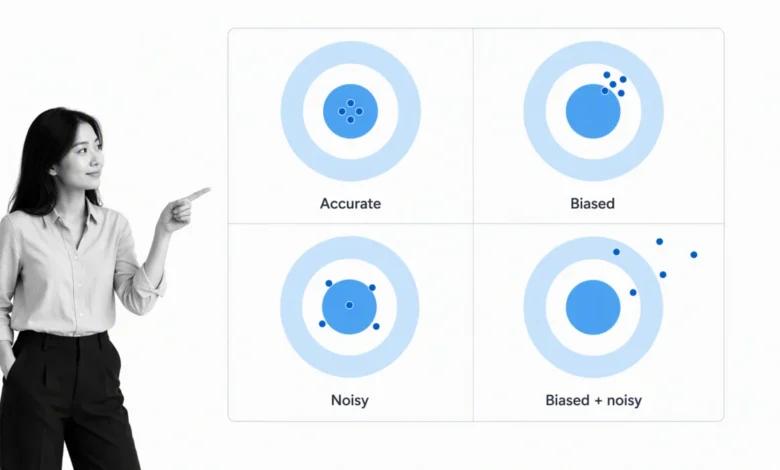
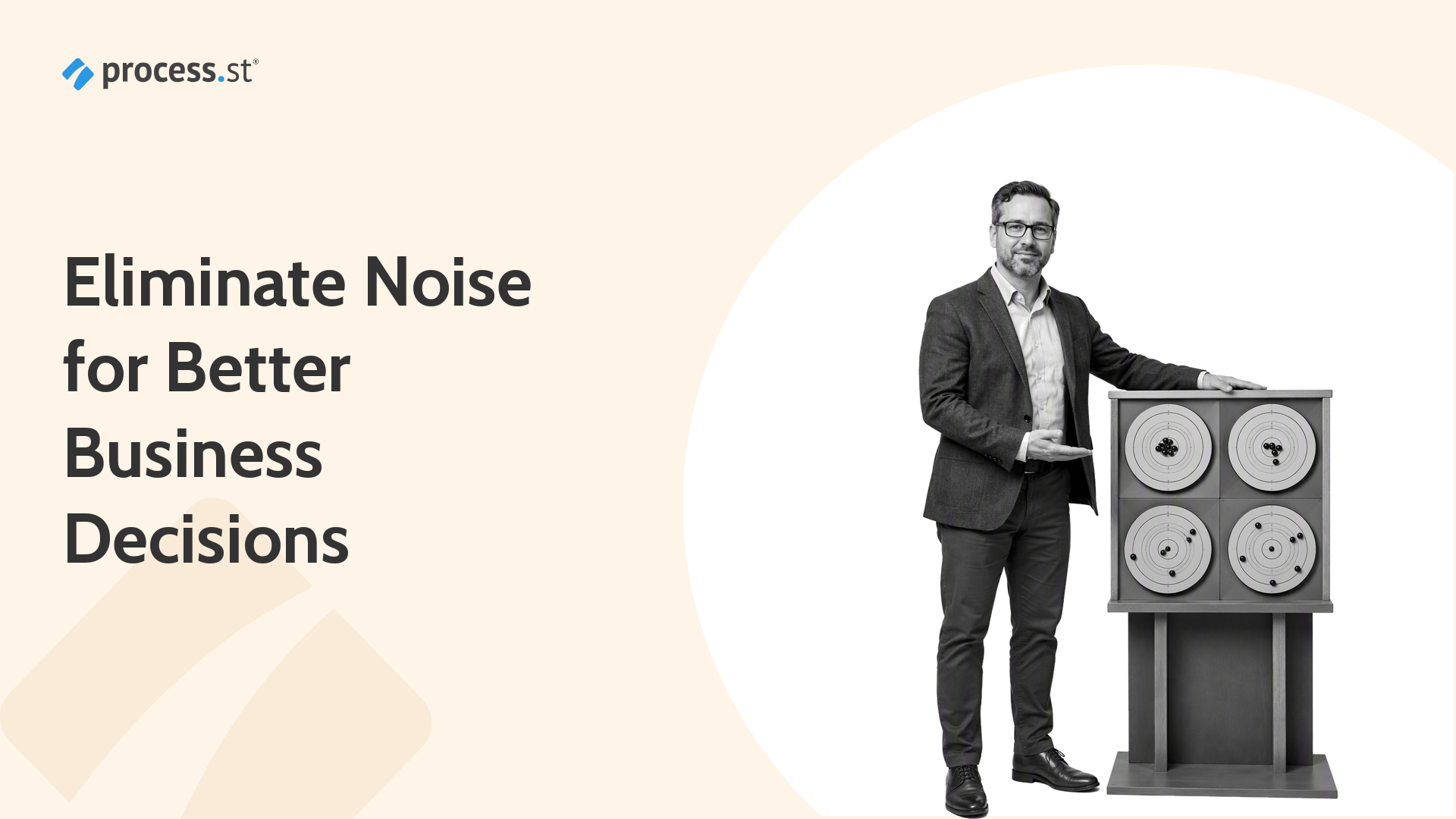
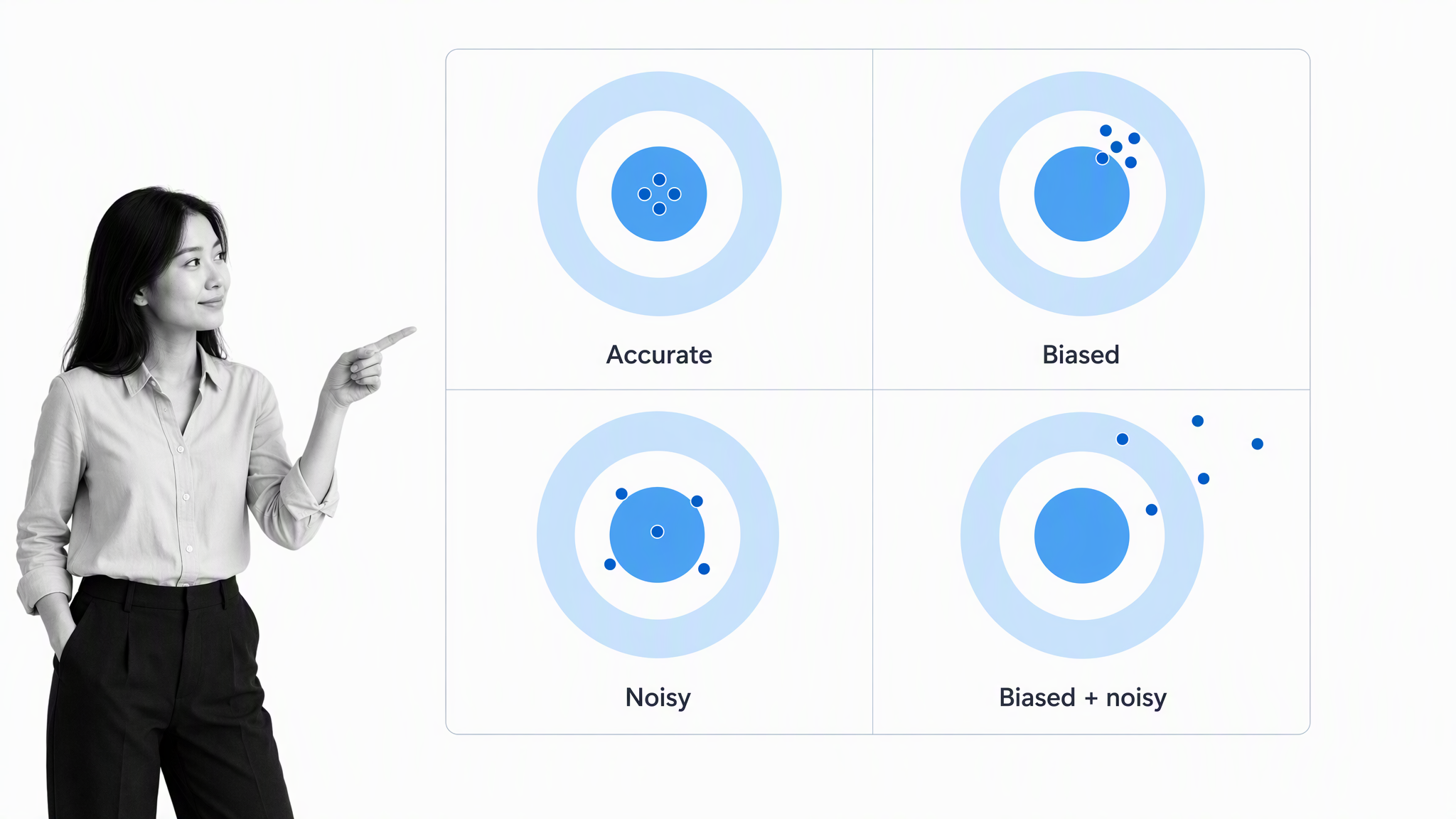
To understand the mechanics of a noise audit, one must first visualize the distinction between systematic error and random variation. In a controlled archery experiment, the difference between a biased shooter and a noisy shooter is immediately apparent. A biased team consistently hits the same spot, albeit away from the target’s center, suggesting a flaw in the bow’s calibration or a shared misconception among the archers. A noisy team, conversely, produces a wide, erratic spread of shots across the target face.
In a business context, if two underwriters evaluate the same insurance claim and arrive at vastly different premiums, the system is noisy. If the entire team consistently undervalues claims by a fixed percentage, the system is biased. Most complex organizations suffer from both: a systemic, shared error coupled with an unpredictable variance that fluctuates based on the time of day, the reviewer’s mood, or their most recent interactions.
The Anatomy of a Noise Audit
The process of conducting a noise audit follows a strict, repeatable workflow designed to strip away the "noise" of human interaction. The methodology generally adheres to the following chronological steps:
- Identification of High-Stakes Judgment Tasks: Organizations must first isolate areas where consistency is a legal or operational mandate, such as hiring, credit underwriting, insurance claims, or regulatory compliance.
- Selection of Standardized Case Sets: A representative sample of cases is curated. These cases are presented to multiple qualified reviewers who are blinded to each other’s assessments.
- Independent Evaluation: Each reviewer works in complete isolation. This is the most crucial step, as it prevents the "anchoring effect"—the phenomenon where the first person to speak in a group meeting biases all subsequent opinions.
- Quantitative Analysis of Variability: The collected data is analyzed for standard deviation. When the variance between the reviewers exceeds a pre-defined threshold, the organization has identified "noise."
- Implementation of Decision Hygiene: Once the noise is quantified, the organization implements "decision hygiene"—a set of structural safeguards such as predefined scoring anchors, evidence-based rubrics, and the separation of information gathering from the final decision-making phase.
Data-Driven Implications for Corporate Governance
The financial and operational implications of failing to address decision noise are profound. In sectors like banking or insurance, even minor deviations in judgment can lead to massive capital inefficiencies or regulatory non-compliance. Research published in the Annual Review of Organizational Psychology and Organizational Behavior indicates that firms that implement structured, independent evaluation protocols see a marked increase in both the speed and the quality of their decision-making.
The transition to a "de-noised" environment also has a cultural impact. By shifting the focus from the individual’s intuition to a validated process, companies foster a culture of accountability. When a decision is challenged, the focus moves from "who made the call" to "how was the process applied." This shift is essential for scaling operations; as an organization grows, it becomes impossible for senior leadership to oversee every individual decision. A robust noise-auditing framework provides the necessary governance structure to allow for decentralized authority without sacrificing institutional standards.
Official Perspectives and Future Directions
Industry experts and organizational psychologists are increasingly advocating for the integration of AI-assisted tools to facilitate these audits. While human judgment remains paramount in complex decision-making, artificial intelligence can serve as a "noise-check" mechanism. By using AI to assist in structured data intake and the initial triaging of evidence, organizations can ensure that every reviewer begins with the same foundational information.
Furthermore, the adoption of specialized Compliance Operations Platforms is becoming the industry standard. These platforms allow organizations to maintain "living" audit trails. By codifying policies into digital workflows, companies can enforce mandatory steps—such as requiring a rationale for a score or ensuring that a specific set of evidence is reviewed before a conclusion is reached.
Conclusion: The Imperative for Testable Systems
The final takeaway for executive leadership is simple: if a decision-making system cannot be tested for consistency, it cannot be managed for quality. A noise audit is not merely an academic exercise; it is an essential diagnostic to ensure that an organization’s performance is defined by its strategic objectives rather than the unpredictable influence of external variables.
As the complexity of the global market continues to increase, the ability to maintain consistent, high-quality judgment across decentralized teams will separate the resilient firms from those that succumb to institutional inconsistency. The path to improvement is transparent: define the criteria, isolate the reviewers, measure the variance, and institutionalize the hygiene. Only through this rigorous, objective testing can organizations silence the noise and sharpen their strategic aim.
Related posts: